
Pineapple skin tea benefits your health through powerful anti-inflammatory compounds, digestive enzymes, and antioxidants typically discarded with the peel[1]. Research shows that pineapple peels contain concentrated amounts of bromelain, vitamin C, and phenolic compounds that support immune function and reduce inflammation. FruitGarden provides research-based guidance on maximizing the nutritional value of fruits while reducing waste through sustainable practices like pineapple peel tea preparation.
Quick Answer
- Contains bromelain enzyme that reduces inflammation and aids protein digestion[3]
- Provides concentrated vitamin C and phenolic antioxidants that combat oxidative stress[1]
- Supports weight management as a low-calorie beverage that may boost metabolism[4]
- Reduces food waste by repurposing peels that contain essential minerals like potassium and manganese[2]
Pineapple Skin Tea Benefits

Studies demonstrate that pineapple peels retain significant concentrations of bioactive compounds after the fruit flesh is removed[1]. The peel contains higher amounts of certain antioxidants compared to the edible portion, making it valuable for therapeutic applications. Research indicates that pineapple peel is rich in calcium, potassium, vitamin C, dietary fiber, and the proteolytic enzyme bromelain[2].
Current data shows that brewing pineapple peels extracts flavonoids, phenolic acids, and vitamins with powerful antioxidant activity. These compounds help combat oxidative stress by neutralizing free radicals that damage cells and tissues[5]. The peel also provides manganese, an essential mineral that supports metabolism and bone health while protecting against free radical damage.
Evidence suggests that regular consumption of pineapple peel tea may support cardiovascular health by helping to regulate blood pressure. The potassium content in pineapple peels works to maintain healthy heart rate and blood pressure levels[4]. This makes pineapple skin tea a heart-friendly beverage option when incorporated into a balanced diet.
Anti-Inflammatory Properties
Research confirms that bromelain, the primary enzyme in pineapple, exhibits potent anti-inflammatory effects by suppressing inflammatory pathways in the body[3]. Laboratory studies show that purified bromelain dose-dependently reduces inflammatory markers including nitric oxide, IL-6, and TNF-α production in stimulated immune cells. The enzyme inhibits key signaling pathways involved in inflammation, particularly NF-κB and MAPK pathways.
Clinical applications demonstrate bromelain’s effectiveness in reducing swelling, bruising, and pain following operations and sports injuries. The enzyme acts as a natural analgesic with detumescent properties, helping bruises disappear faster and wounds heal more efficiently. People with inflammatory conditions like arthritis may experience symptom relief from regular consumption.
Important Note: If you’re taking blood-thinning medications or preparing for surgery, consult your healthcare provider before consuming pineapple peel tea regularly, as bromelain may affect blood clotting.
Digestive Health Support
Bromelain functions as a proteolytic enzyme that breaks down protein molecules into smaller peptides and amino acids[2]. This enzymatic action improves protein digestion and absorption, reducing digestive discomfort like bloating. Studies highlight that pineapple peel extracts may alleviate constipation and provide benefits for individuals with irritable bowel syndrome (IBS).
The dietary fiber content in pineapple peels supports gut health by promoting regular bowel movements and feeding beneficial gut bacteria. This combination of enzymes and fiber creates a synergistic effect that enhances overall digestive function. Most people find that drinking pineapple tea after protein-rich meals aids in more comfortable digestion.
Immune System Boost
Pineapple peels contain concentrated vitamin C, a crucial antioxidant that protects immune cells and enhances their function[5]. Vitamin C neutralizes free radicals, reducing oxidative stress that can weaken immune response. The vitamin also supports the production and function of white blood cells, which defend the body against infections.
Bromelain may help relieve symptoms of respiratory conditions by reducing nasal swelling and inflammation. Research indicates that the enzyme’s anti-inflammatory properties extend to the respiratory tract, potentially easing breathing difficulties during sinus congestion. Regular consumption as part of a balanced diet may strengthen overall immune resilience.
Benefits of Boiling Pineapple Skin

The boiling process extracts water-soluble nutrients and bioactive compounds from the fibrous peel structure into the liquid. Hot water facilitates the release of flavonoids, phenolic compounds, vitamins, and minerals that would otherwise remain trapped in the peel matrix. Studies show that thermal extraction at controlled temperatures optimizes antioxidant recovery from pineapple peels[1].
Agricultural data demonstrates that pineapple processing generates substantial waste, with peels accounting for approximately 40-50% of the fruit’s total weight. Boiling these peels creates a nutrient-dense beverage while addressing food waste concerns. This practice aligns with zero-waste principles that reduce environmental impact and maximize resource utilization.
Nutrient Extraction Process
Research on extraction methods shows that simmering pineapple peels for 20-30 minutes releases optimal amounts of bioactive compounds without degrading heat-sensitive nutrients. Water temperature between 185-205°F (85-96°C) effectively extracts phenolic compounds while preserving vitamin C content. The ratio of water to peel material influences extraction efficiency, with 6 cups of water per whole pineapple peel producing well-balanced tea strength.
Studies examining pineapple peel extracts reveal that proper extraction increases the availability of catechin, epicatechin, gallic acid, and ferulic acid. These phenolic compounds demonstrate strong free radical scavenging abilities, which account for the tea’s antioxidant benefits. The extraction process converts insoluble compounds into bioavailable forms that the body can readily absorb.
Extraction Tip: Avoid boiling pineapple peels at high heat for extended periods (over 45 minutes), as excessive heat may degrade vitamin C and reduce antioxidant potency.
Weight Management Support
Pineapple peel tea functions as a low-calorie beverage that replaces high-calorie drinks in weight management plans. The natural sweetness from fruit sugars in the peel may help satisfy cravings without adding significant calories. Evidence indicates that the catechins and other antioxidants in pineapple tea may support metabolic processes involved in fat burning.
Bromelain may boost metabolism by improving protein digestion and reducing bloating that can make you feel heavier[4]. The enzyme helps break down proteins more efficiently, potentially supporting lean muscle maintenance during calorie restriction. Regular hydration with pineapple tea contributes to satiety, which may reduce overall calorie intake throughout the day.
- Provides a flavorful zero-calorie to low-calorie drink alternative that reduces liquid calorie consumption
- Contains enzymes that support efficient digestion and may reduce water retention
- Supplies natural sweetness that can curb sugar cravings without added refined sugars
- Increases daily fluid intake, which supports metabolic function and helps control appetite
- Delivers antioxidants that may enhance fat metabolism and energy production
How to Make Pineapple Skin Tea
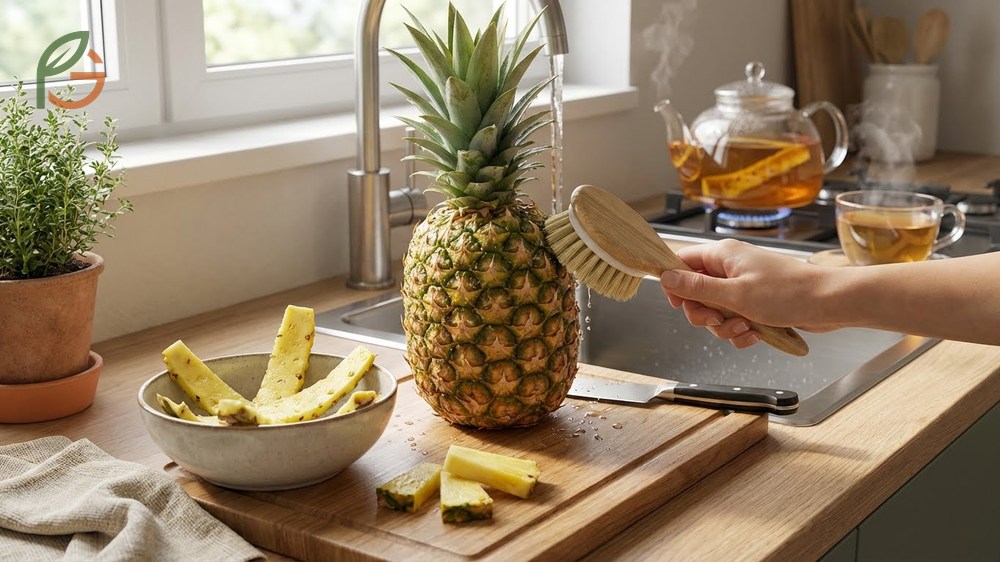
Making pineapple skin tea requires minimal ingredients and equipment, making it accessible for home preparation. The basic method involves thoroughly washing the pineapple exterior before cutting to remove dirt and potential pesticide residues. Organic pineapples are preferred when using the peel, but conventional pineapples work well after proper washing with water and a vegetable brush.
The peel should be cut from the fruit in thick strips that retain some of the white pith, which contains additional fiber and nutrients. Remove any brown spots or damaged areas before boiling. Save the pineapple core as well, since it contains high concentrations of bromelain and can be added to the tea.
Basic Recipe
Start with the peel and core from one medium pineapple, which typically yields 5-6 cups of finished tea. Place the peels in a large pot with 6 cups of filtered water. Bring the water to a boil over high heat, then reduce to a gentle simmer. Cover the pot and maintain a low simmer for 25 minutes to extract the beneficial compounds.
After simmering, remove the pot from heat and let the tea steep for an additional 10 minutes as it cools. Strain the liquid through a fine-mesh sieve or cheesecloth to remove peel pieces. The resulting tea can be consumed warm or chilled over ice. Store leftover tea in the refrigerator for up to 3 days.
- Wash one whole pineapple thoroughly under running water using a vegetable brush
- Cut the peel from the pineapple in thick strips, keeping the pineapple core
- Add peels and core to a pot with 6 cups filtered water
- Bring to a boil, then reduce heat and simmer covered for 25 minutes
- Remove from heat and steep for 10 minutes
- Strain through a fine-mesh sieve and serve warm or chilled
Enhanced Recipe
The enhanced version incorporates additional anti-inflammatory spices that complement pineapple’s natural benefits. Add one cinnamon stick, 3/4 teaspoon ground turmeric, a pinch of black pepper (which enhances turmeric absorption), and 1-inch fresh sliced ginger to the pot with the peels. These additions create a more complex flavor profile while boosting the tea’s therapeutic properties.
For added flavor and vitamin C, stir in 2 tablespoons of fresh lemon juice after straining. Sweeten with 1 tablespoon of honey or maple syrup if desired, though the pineapple provides natural sweetness. Some recipes include 5 crushed green cardamom pods for a subtle aromatic note. Adjust spices according to personal taste preferences.
Flavor Variation: For a tropical twist, add 2-3 fresh mint leaves during the last 5 minutes of simmering, or stir in a splash of coconut water before serving.
Zero Waste Pineapple Practices

Current agricultural guidance emphasizes reducing food waste by utilizing all edible and usable portions of fruits[6]. Pineapple processing generates significant quantities of residues, with peels, crowns, and cores often discarded despite their nutritional value. Converting these materials into beverages, composts, or animal feed addresses both waste reduction and resource efficiency goals.
After making pineapple skin tea, the boiled peels still contain fiber and nutrients suitable for composting. Studies show that composting pineapple residues with poultry litter or other nitrogen sources produces high-quality compost with favorable characteristics for crop fertilization. The peels break down within 60-90 days in well-managed compost systems, enriching soil with organic matter.
Additional zero-waste applications include drying the fresh peels to make pineapple peel powder for smoothies or using small peel pieces as natural air fresheners. The crown can be planted to grow a new pineapple plant, which takes 18-24 months to produce fruit in suitable climates. These practices extend the value of each pineapple purchase while minimizing environmental impact.
- Use fresh peels to make tea before composting the boiled remains
- Add boiled pineapple peels to compost bins mixed with brown materials for balanced decomposition
- Dehydrate fresh peels in a food dehydrator or low oven (170°F/77°C) for 6-8 hours to create dried pineapple peel chips
- Blend small amounts of fresh peel into smoothies for added fiber and enzymes
- Plant the pineapple crown in well-draining soil to propagate a new plant
- Freeze peel pieces in portions for future tea-making sessions
Conclusion
The evidence is clear: pineapple skin tea benefits extend far beyond waste reduction, offering concentrated anti-inflammatory compounds, digestive enzymes, and immune-supporting nutrients typically discarded with the peel. Research demonstrates that bromelain and phenolic antioxidants in pineapple peels provide therapeutic effects comparable to those in the fruit flesh, making this beverage a practical addition to health-focused routines.
Current guidance from nutritionists and sustainability experts emphasizes maximizing the nutritional value of whole foods while minimizing environmental impact. FruitGarden encourages readers to explore pineapple peel tea as part of a broader commitment to zero-waste practices and plant-based nutrition that supports both personal health and ecological responsibility.
Medical Disclaimer
Important Medical Disclaimer: This content is for informational and educational purposes only. It is not intended as a substitute for professional medical advice, diagnosis, or treatment. Always consult a qualified healthcare professional before making any changes to your diet or health routine, especially if you have pre-existing medical conditions, take medications (particularly blood thinners), are pregnant, nursing, or scheduled for surgery. Bromelain in pineapple may interact with certain medications and affect blood clotting.
Frequently Asked Questions
How often should you drink pineapple skin tea for health benefits?
Research doesn’t specify an exact daily amount, but nutritionists generally recommend 1-2 cups daily as part of a balanced diet. Most people consume pineapple peel tea 3-4 times per week to gain anti-inflammatory and digestive benefits without excessive bromelain intake. Start with smaller amounts to assess tolerance, especially if you have a sensitive stomach or take medications that interact with bromelain.
Can you reuse pineapple peels to make multiple batches of tea?
No, you shouldn’t reuse pineapple peels after the first brewing. The initial 25-minute simmer extracts the majority of water-soluble nutrients, enzymes, and antioxidants from the peel. A second brewing would produce weak tea with minimal nutritional value. Instead, compost the used peels to maximize their utility through soil enrichment.
Does pineapple skin tea help with weight loss?
Pineapple skin tea may support weight management as a low-calorie beverage that replaces sugary drinks and provides bromelain, which aids digestion and may reduce bloating. Evidence suggests that the antioxidants in pineapple tea could support metabolic processes, but tea alone won’t cause weight loss. It works best when combined with a calorie-controlled diet and regular physical activity.
Is it safe to drink pineapple peel tea every day?
For most healthy adults, drinking pineapple peel tea daily is safe when consumed in moderate amounts (1-2 cups). However, people taking blood-thinning medications, those with bleeding disorders, or individuals scheduled for surgery should consult their doctor first, as bromelain affects blood clotting. Pregnant women should also seek medical advice before regular consumption.
What does pineapple skin tea taste like?
Pineapple skin tea has a mildly sweet, tropical flavor that’s less intense than fresh pineapple juice. The taste is subtly fruity with slight woody or earthy notes from the peel. Adding spices like cinnamon, ginger, or turmeric creates a more complex flavor profile. Many people describe it as refreshing when served cold and comforting when consumed warm.
Should you use organic pineapples for making peel tea?
Organic pineapples are preferred for peel tea since conventional pineapples may have pesticide residues on their skin. If using conventional pineapples, thoroughly wash the exterior with a vegetable brush under running water and consider using a produce wash solution. The thick peel provides some protection, but proper washing is essential when consuming any part of the skin.
Can pineapple skin tea reduce inflammation in arthritis?
Studies show that bromelain has anti-inflammatory properties that may help alleviate arthritis symptoms by reducing joint swelling and pain. While pineapple skin tea contains bromelain, the concentration is lower than therapeutic supplements used in clinical studies. The tea may provide supportive benefits when consumed regularly, but it shouldn’t replace prescribed arthritis treatments without medical consultation.





