
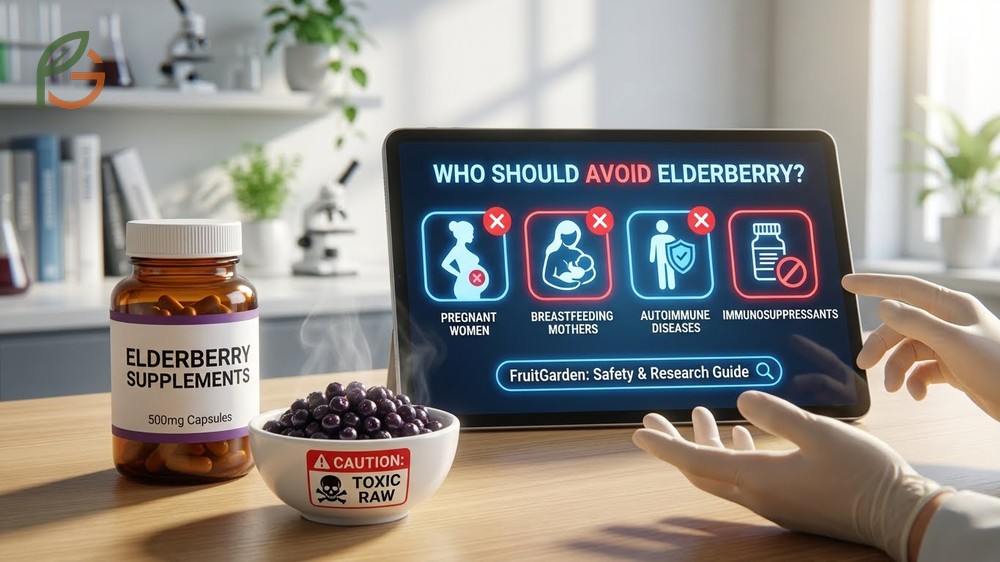
Who should not take elderberry? Research shows that pregnant women, breastfeeding mothers, people with autoimmune diseases, and those taking immunosuppressants should avoid elderberry supplements due to potential health risks.[1] Raw or uncooked elderberries contain toxic compounds that can cause severe symptoms, including nausea, vomiting, and dizziness.[2] FruitGarden synthesizes current medical research to help you make informed decisions about elderberry safety and who should exercise caution.
Quick Answer
- People with autoimmune diseases should avoid elderberry as it stimulates immune system activity[1]
- Pregnant and breastfeeding women lack safety data and should avoid elderberry supplements[3]
- Raw elderberries contain cyanide-inducing compounds causing toxicity at 0.5-3.5 mg/kg body weight[4]
- Safe adult dosage is 300 mg of standardized extract twice daily when properly cooked[5]
Who Should Not Take Elderberry
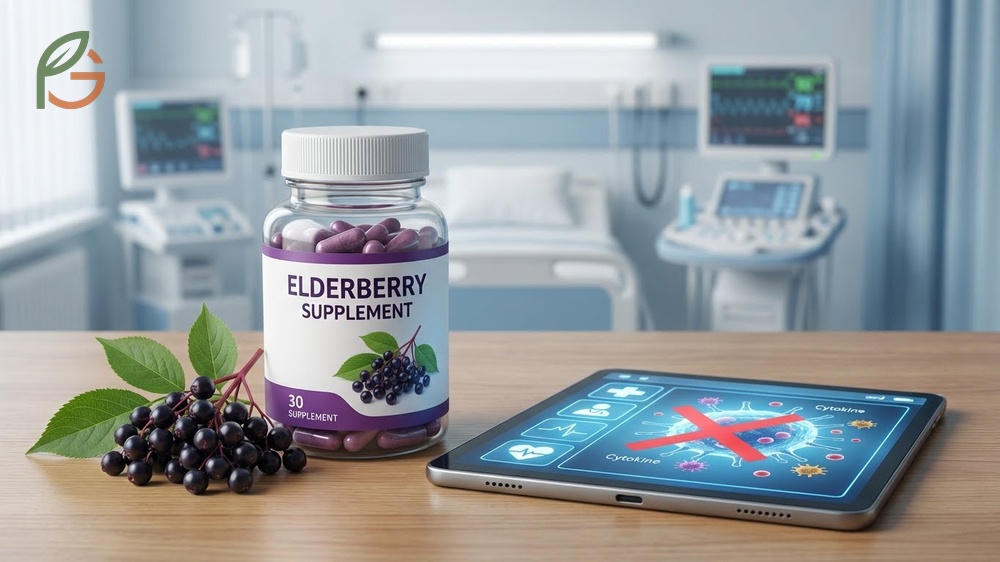
Research demonstrates that certain groups face significant health risks from elderberry supplementation. Evidence suggests elderberry’s immune-stimulating properties can worsen existing conditions or interfere with critical medications.[1]
Studies show the plant compounds in elderberry activate cytokine production, including interleukin and tumor necrosis factor. This immunostimulatory activity creates problems for people whose immune systems need suppression rather than enhancement.
Autoimmune Disease Concerns
Current medical guidance indicates elderberry can increase immune system activity, which worsens symptoms in autoimmune conditions. People with multiple sclerosis, lupus, or rheumatoid arthritis should avoid elderberry entirely.[1]
The mechanism works through enhanced immune response that attacks the body’s own tissues. What often gets overlooked is that even small amounts of elderberry can trigger disease flares in susceptible individuals.
- People with multiple sclerosis experiencing active disease symptoms
- Individuals diagnosed with systemic lupus erythematosus (SLE)
- Those with rheumatoid arthritis taking immunosuppressive therapy
- Patients with inflammatory bowel diseases like Crohn’s or ulcerative colitis
- Anyone with other autoimmune conditions requiring immune suppression
Important Note: Research documented one case linking elderberry supplements to autoimmune hepatitis, where liver biopsy revealed extensive inflammation and tissue damage requiring immunosuppressive treatment.[6]
Pregnancy and Breastfeeding Safety
Medical experts recommend pregnant women avoid elderberry supplements due to insufficient safety data. The immune system necessarily changes during pregnancy to protect the developing fetus, and concentrated elderberry could trigger unwanted immune responses.[3]
Breastfeeding mothers face similar concerns since researchers don’t know how much elderberry transfers into breast milk. Evidence shows unregulated commercial preparations may contain inconsistent ingredient levels or contamination from toxic plant parts like bark and leaves.
Children under 12 years shouldn’t consume elderberry products because unripe berries contain toxic alkaloids. Cooking above 149°F (65°C) destroys these toxins, but commercial products may not meet this standard consistently.
Side Effects of Elderberry
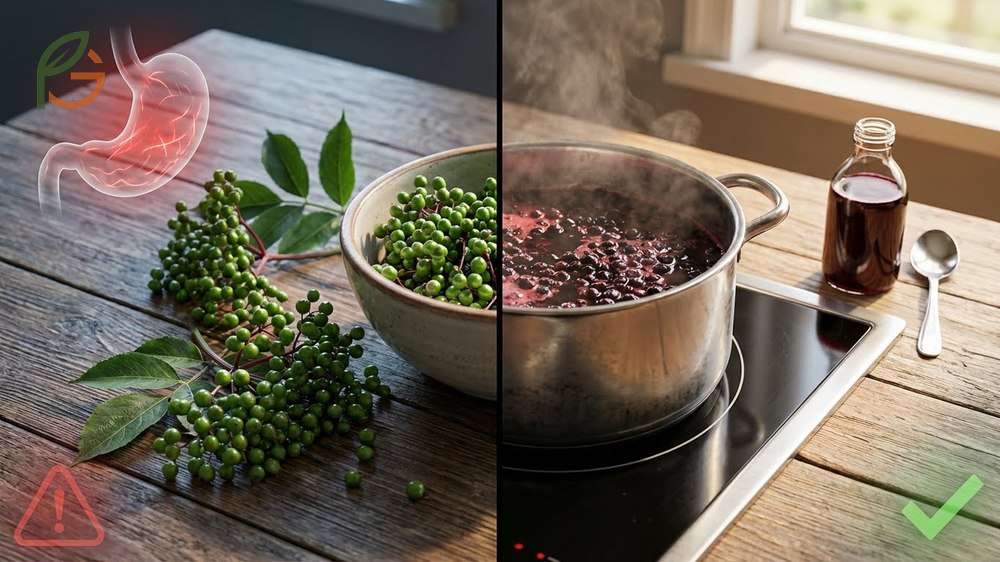
Studies document various adverse reactions ranging from mild gastrointestinal distress to severe neurological symptoms. The severity depends on whether the elderberries were properly cooked and which plant parts were consumed.
Most people don’t realize that all green plant parts of elderberry contain dangerous compounds. Consuming leaves, stems, or unripe berries can lead to toxic buildup requiring medical intervention.
Raw Elderberry Poisoning Symptoms
Raw elderberries contain cyanogenic glycosides that release cyanide when ingested. Research shows acute cyanide toxicity occurs at doses of 0.5-3.5 mg per kg of body weight, causing decreased consciousness, hypotension, and paralysis.[4]
One documented case involved 11 people who experienced nausea and vomiting after consuming juice made from raw elderberries, leaves, and branches. Eight individuals developed acute gastrointestinal and neurological symptoms, with one requiring hospitalization.[2]
- Nausea and vomiting within 30 minutes to 2 hours of consumption
- Severe diarrhea and abdominal cramping
- Dizziness, weakness, and loss of coordination
- Numbness in extremities or facial areas
- In severe cases, stupor, coma, or respiratory failure
Common Side Effects
Even properly prepared elderberry can cause side effects in some people. Current data shows gastrointestinal distress is the most frequent complaint, though most reactions are mild and temporary.
Type 1 allergies have been reported in people sensitive to plants in the Caprifoliaceae family. What’s concerning is that acute pancreatitis has occurred following elderberry use, though such cases remain rare.
Warning: Don’t combine elderberry with laxatives. Research shows elderberry can enhance laxative effects, potentially causing severe dehydration and electrolyte imbalances.[2]
Elderberry Drug Interactions
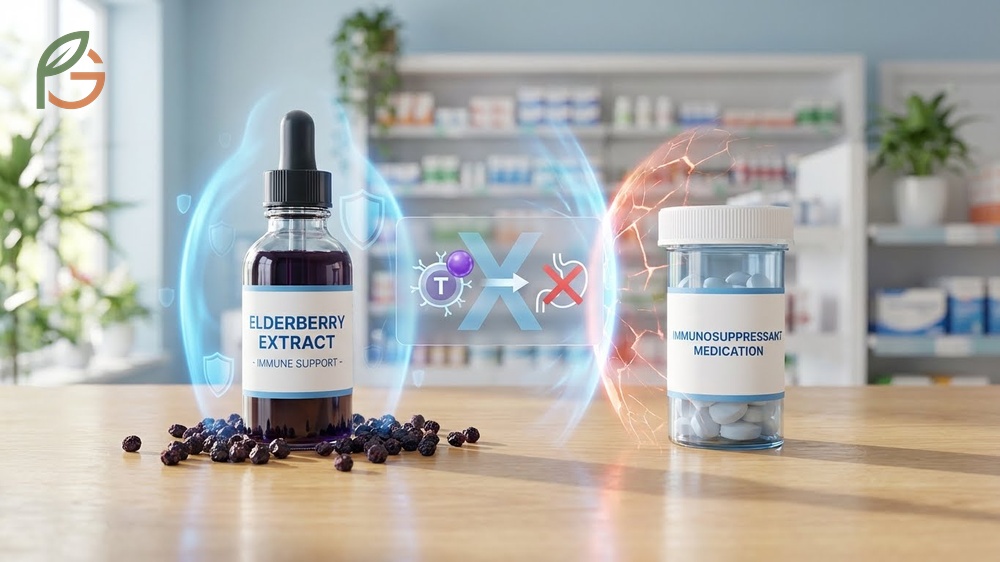
Evidence indicates elderberry can interfere with multiple medication classes through its immunostimulatory effects. The most serious interactions occur with drugs designed to suppress immune function.
Elderberry stimulates cytokine production, which directly opposes the action of immunosuppressants. Taking elderberry with these medications might reduce their effectiveness, leading to organ rejection in transplant patients or disease flares in autoimmune conditions.[1]
This table compares five medication categories that interact with elderberry, showing interaction severity, affected drug examples, and specific risks for each category
| Medication Category | Interaction Severity | Examples | Risk |
|---|---|---|---|
| Immunosuppressants | Moderate[1] | Cyclosporine, tacrolimus, prednisone, azathioprine | Reduces medication effectiveness, increases rejection risk |
| Diabetes medications | Moderate | Metformin, insulin, glipizide | Additive hypoglycemic effects causing low blood sugar |
| Chemotherapy drugs | Moderate | Pazopanib (Votrient) | Increased liver toxicity risk[1] |
| Diuretics | Mild | Furosemide, hydrochlorothiazide | Enhanced diuretic effect causing dehydration |
| Laxatives | Mild | Senna, bisacodyl, docusate | Increased laxative effects, electrolyte loss[2] |
Research shows elderberry has hypoglycemic activity, meaning it lowers blood sugar levels. This creates additive effects when combined with diabetes medications, potentially causing dangerous hypoglycemia. Patients taking antidiabetic drugs should monitor blood glucose levels closely or avoid elderberry entirely.
- Organ transplant medications like cyclosporine and tacrolimus
- Corticosteroids including prednisone and methylprednisolone
- Disease-modifying antirheumatic drugs (DMARDs)
- Insulin and oral diabetes medications
- Cancer chemotherapy drugs, especially CYP3A4 substrates
Safe Elderberry Dosage
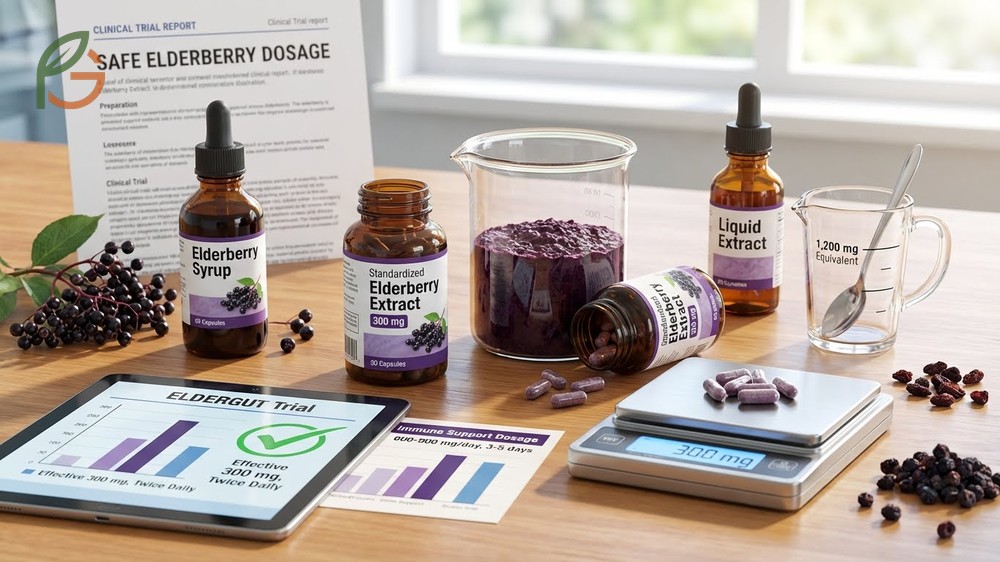
Clinical trials demonstrate that 300 mg of standardized elderberry extract taken twice daily is well-tolerated and effective for adults. This dosage was validated in the ELDERGUT trial, which represents the highest quality evidence available.[5]
For immune support during illness, studies show dosages ranging from 600-900 mg of elderberry extract daily (divided into 2-3 doses) are effective for 3-5 days. Commercial elderberry syrups typically contain the equivalent of 1,200-1,500 mg per tablespoon.
What matters most is the anthocyanin content, which provides elderberry’s therapeutic effects. Research estimates minimum effective doses at 110 mg of anthocyanins daily for metabolic support, while respiratory symptom relief may require up to 90-135 mg daily.[5]
| Age Group | Prevention Dose | Illness Dose |
|---|---|---|
| Adults (18+ years) | 300 mg twice daily[5] | 600-900 mg daily for 3-5 days |
| Teens (12-17 years) | 150 mg twice daily | 300-450 mg daily for 3-5 days |
| Children (under 12) | Not recommended | Consult pediatrician only |
Safety Tip: Only use elderberry products from cooked berries. Cooking above 149°F (65°C) destroys toxic cyanogenic glycosides, making elderberry safe for consumption. Never eat raw elderberries, leaves, stems, or roots under any circumstances.
- Start with the lowest effective dose and increase gradually if needed
- Take elderberry with food to minimize gastrointestinal side effects
- Limit supplementation to short-term use (5-7 days) during illness
- Choose standardized extracts with verified anthocyanin content
- Store elderberry products away from heat and direct sunlight
Conclusion
The evidence is clear: who should not take elderberry includes pregnant women, breastfeeding mothers, people with autoimmune diseases, organ transplant recipients, and anyone taking immunosuppressants. Raw elderberry contains toxic compounds causing severe poisoning, while even properly prepared elderberry can interact with multiple medications.
Current medical guidance emphasizes consulting healthcare professionals before starting elderberry supplementation, especially if you have existing health conditions or take prescription medications. FruitGarden provides research-based information to help you make informed decisions about herbal supplements and fruit-based remedies for your garden and health.
Medical Disclaimer
Important Medical Disclaimer: This content is for informational and educational purposes only. It’s not intended as a substitute for professional medical advice, diagnosis, or treatment. Always consult a qualified healthcare professional before making any changes to your supplement routine, medication, or health practices, especially if you’re pregnant, breastfeeding, have autoimmune conditions, or take prescription medications. Never disregard professional medical advice or delay seeking it because of information you read here.
Frequently Asked Questions
Can you take elderberry if you have an autoimmune disease?
No, people with autoimmune diseases should avoid elderberry because it stimulates immune system activity, which can worsen symptoms and trigger disease flares. Research shows elderberry increases cytokine production, directly opposing the immunosuppression needed for conditions like lupus, rheumatoid arthritis, and multiple sclerosis.
Is elderberry safe during pregnancy and breastfeeding?
No, medical experts recommend avoiding elderberry during pregnancy and breastfeeding due to insufficient safety data. Studies haven’t established how elderberry affects fetal development or how much transfers into breast milk, making it an unnecessary risk during these critical periods.
What happens if you eat raw elderberries?
Eating raw elderberries causes cyanide poisoning with symptoms including nausea, vomiting, dizziness, numbness, and in severe cases, respiratory failure. Research documents that toxic effects occur at 0.5-3.5 mg cyanide per kg body weight. One case study showed 11 people falling ill after consuming raw elderberry juice, with one requiring hospitalization.
Can elderberry interact with blood pressure medications?
Yes, elderberry can interact with blood pressure medications, particularly diuretics used to control hypertension. The interaction enhances diuretic effects, potentially causing excessive fluid loss, dehydration, and electrolyte imbalances. Anyone taking blood pressure medications should consult their doctor before using elderberry.
What is the safe daily dose of elderberry for adults?
Clinical research shows the safe and effective dose for adults is 300 mg of standardized elderberry extract twice daily. During illness, studies support taking 600-900 mg daily divided into 2-3 doses for 3-5 days. This dosage provides 90-135 mg of therapeutic anthocyanins without significant side effects.
Can children take elderberry supplements?
Children under 12 years shouldn’t take elderberry supplements due to safety concerns. Raw or unripe elderberries contain toxic alkaloids particularly dangerous for children. If considering elderberry for children over 12, consult a pediatrician first and only use properly cooked, commercial preparations with verified safety standards.
Does elderberry cause liver damage?
Research documents at least one case linking elderberry supplements to autoimmune hepatitis requiring immunosuppressive treatment. While liver damage remains rare, elderberry can increase liver side effects when combined with certain chemotherapy drugs like pazopanib. People with existing liver conditions should avoid elderberry or use it only under medical supervision.





