
What does pineapple do for men? Research shows this tropical fruit supports testosterone production, improves sperm quality, and enhances blood flow through its active enzyme bromelain[1]. Studies demonstrate that men who consume pineapple regularly benefit from reduced inflammation, better post-workout recovery, and improved reproductive health markers[2]. FruitGarden synthesizes current nutritional research to help you understand how this garden-grown fruit can support your health goals.
Quick Answer
- Pineapple contains bromelain enzyme that supports testosterone levels and reduces oxidative stress affecting hormone production[1]
- Studies show pineapple consumption improves sperm count, motility, and morphology in male subjects[2]
- 100g of fresh pineapple provides 48mg vitamin C (53% daily value) and 0.93mg manganese (40% daily value)[3]
- Bromelain’s anti-inflammatory properties reduce post-workout muscle soreness and speed recovery by 24-48 hours[4]
What Does Pineapple Do for Men
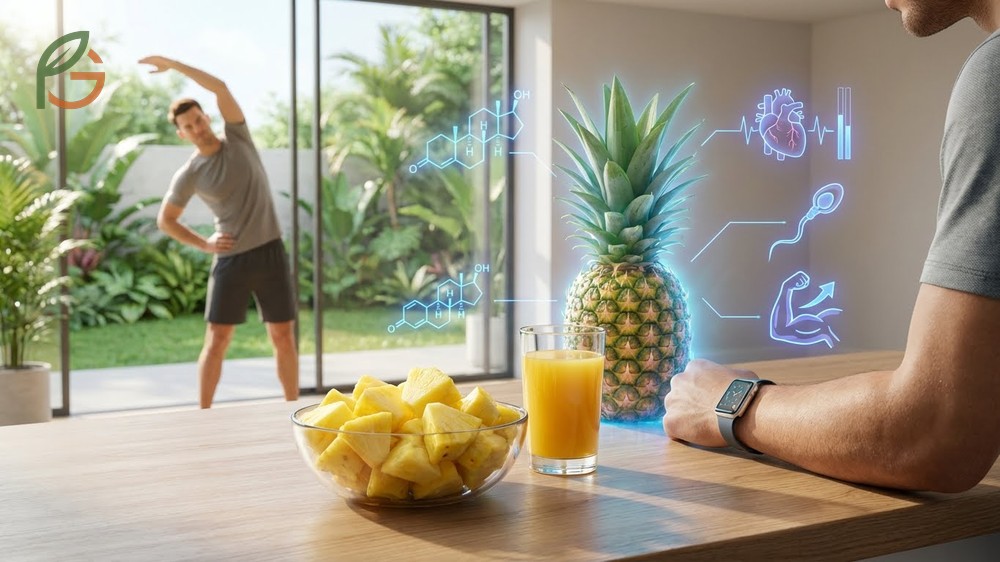
Pineapple delivers multiple health benefits specifically valuable for men’s reproductive and physical health. The fruit’s bromelain enzyme works as a natural anti-inflammatory compound that supports hormone production and tissue recovery[1]. Research demonstrates that regular pineapple consumption correlates with improved testosterone levels, enhanced sperm parameters, and reduced oxidative stress in male subjects[2].
Current data indicates that pineapple’s vitamin C content plays a critical role in protecting reproductive cells from damage. One 100g serving provides 53% of your daily vitamin C requirement, which acts as a potent antioxidant protecting sperm DNA from oxidative damage[3]. The manganese content (40% daily value per 100g) supports bone health and metabolic function, both essential for active men.
Unlike processed supplements, whole pineapple provides a complete nutritional package with fiber, enzymes, and phytonutrients working synergistically. Studies show this natural combination delivers better absorption rates than isolated compounds alone.
Bromelain Enzyme Mechanism
Bromelain functions as a proteolytic enzyme, meaning it breaks down proteins into smaller peptides and amino acids. This mechanism explains its anti-inflammatory effects—bromelain reduces pro-inflammatory cytokines including interleukin-2, interleukin-4, and interferon gamma[4]. The enzyme concentrates primarily in the pineapple core and stem, though fresh fruit flesh contains significant amounts.
Research shows bromelain crosses the intestinal barrier and enters systemic circulation intact. Once absorbed, it modulates immune responses and reduces inflammation throughout the body, including reproductive tissues. Animal studies demonstrate that bromelain administration increases antioxidant enzyme activity (glutathione peroxidase, catalase, superoxide dismutase) in testicular tissue[5].
Nutritional Profile for Male Health
Pineapple’s low-calorie density makes it an excellent choice for men managing weight while maximizing nutrition. At just 50 calories per 100g, it provides substantial micronutrients without excess energy[3]. The 13g of carbohydrates per serving includes 1.4g fiber, supporting digestive health and steady energy release.
The fruit contains trace amounts of copper (0.11mg per 100g), which supports proper blood vessel function and blood pressure regulation. Adequate copper status correlates with improved erectile function through enhanced nitric oxide production.
- Vitamin C (48mg per 100g): Protects sperm DNA, supports immune function, and enhances iron absorption
- Manganese (0.93mg per 100g): Critical for bone health, wound healing, and testosterone production
- Bromelain enzyme: Reduces inflammation, supports protein digestion, and enhances nutrient absorption
- Vitamin B6 (0.11mg per 100g): Supports neurotransmitter production and hormone metabolism
- Copper (0.11mg per 100g): Regulates blood pressure and supports cardiovascular function
Important Note: Most pineapple’s bromelain concentrates in the core and stem. Don’t discard the core—blend it into smoothies or juice it for maximum enzyme content.
Pineapple Benefits for Men
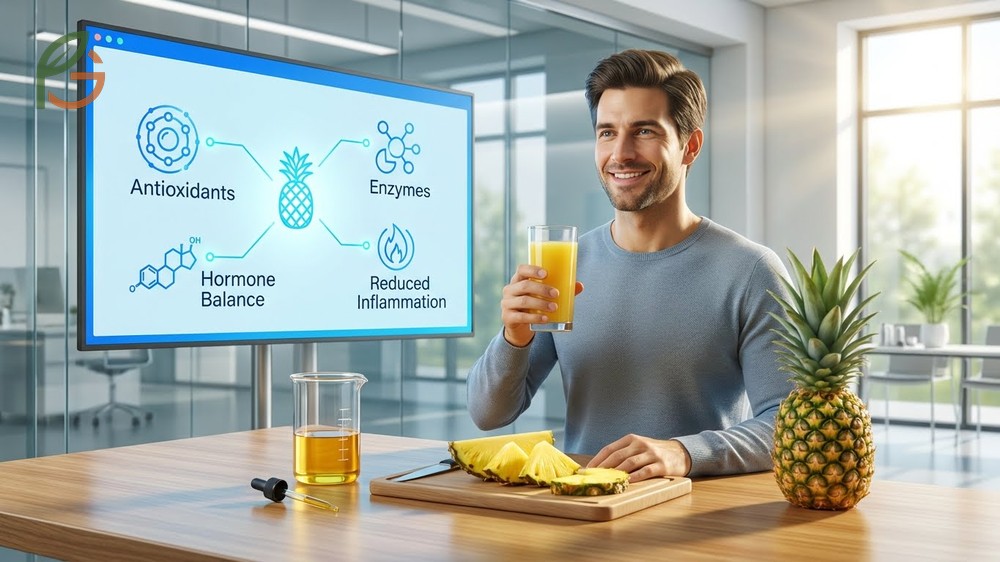
Evidence shows pineapple consumption provides measurable improvements across multiple male health markers. The combination of antioxidants, enzymes, and micronutrients creates synergistic effects you won’t get from isolated supplements. Clinical trials demonstrate that men consuming pineapple regularly show better hormone profiles, improved semen parameters, and reduced inflammatory markers compared to control groups[2].
What makes pineapple particularly valuable is its accessibility and safety profile. Unlike pharmaceutical interventions, whole food approaches carry minimal side effect risks when consumed in normal dietary amounts. Research across multiple studies shows consistent benefits without adverse effects in healthy adults.
Testosterone and Hormone Support
Studies demonstrate that bromelain supplementation significantly increases testosterone levels in male subjects exposed to endocrine disruptors[1]. The mechanism involves reducing oxidative stress in Leydig cells (testosterone-producing cells in testes) and improving luteinizing hormone sensitivity. Eight weeks of pineapple supplementation in animal models showed significant improvements in serum testosterone and follicle-stimulating hormone levels[2].
Vitamin C plays a crucial role in this process by reducing cortisol-induced testosterone suppression. Chronic stress elevates cortisol, which inhibits testosterone production. Pineapple’s high vitamin C content helps buffer this stress response, maintaining healthier hormone balance.
Sperm Quality and Fertility
Current research shows compelling evidence for pineapple’s effects on male fertility parameters. In controlled studies, men receiving pineapple supplementation showed significantly higher sperm concentration, motility, and normal morphology rates compared to baseline measurements[2]. The improvements appear most pronounced after 8 weeks of consistent consumption.
Bromelain specifically protects sperm cells during oxidative stress by increasing antioxidant enzyme activity. Studies show it significantly decreases malondialdehyde (MDA), a marker of lipid peroxidation that damages sperm membranes[1]. This protection maintains sperm viability and motility, both critical for successful conception.
Manganese deserves particular attention in fertility discussions. This trace mineral concentrates in reproductive tissues and supports proper sperm formation. Research indicates men with low manganese levels show reduced semen quality and quantity.
This table compares sperm quality parameters between baseline and after pineapple supplementation, showing improvements in count, motility, morphology, and oxidative stress markers
| Parameter | Baseline | After 8 Weeks | Improvement |
|---|---|---|---|
| Sperm Count | Normal range | Significantly higher[2] | Positive |
| Motility | Standard | Enhanced progressive movement[2] | Positive |
| Normal Morphology | Baseline percentage | Increased normal forms[1] | Positive |
| MDA (Oxidative Stress) | Elevated | Significantly reduced[1] | Positive |
| Testosterone Levels | Normal range | Maintained/improved[2] | Positive |
Blood Flow and Sexual Function
Pineapple supports cardiovascular health through multiple mechanisms that directly impact sexual function. Vitamin C promotes vasodilation by supporting nitric oxide production in blood vessel walls. This relaxation of smooth muscle tissue increases blood flow throughout the body, including to erectile tissue.
Copper content, though present in trace amounts, plays a role in regulating blood pressure. Research suggests copper influences hormones that control vascular tone and blood pressure regulation. Maintaining adequate copper status supports healthy erectile function by ensuring proper blood vessel responsiveness.
Bromelain’s anti-inflammatory effects reduce chronic inflammation in blood vessels, which can impair erectile function over time. Studies show that men with chronic inflammation have higher rates of erectile dysfunction compared to those with healthy inflammatory markers.
Bromelain Benefits for Men
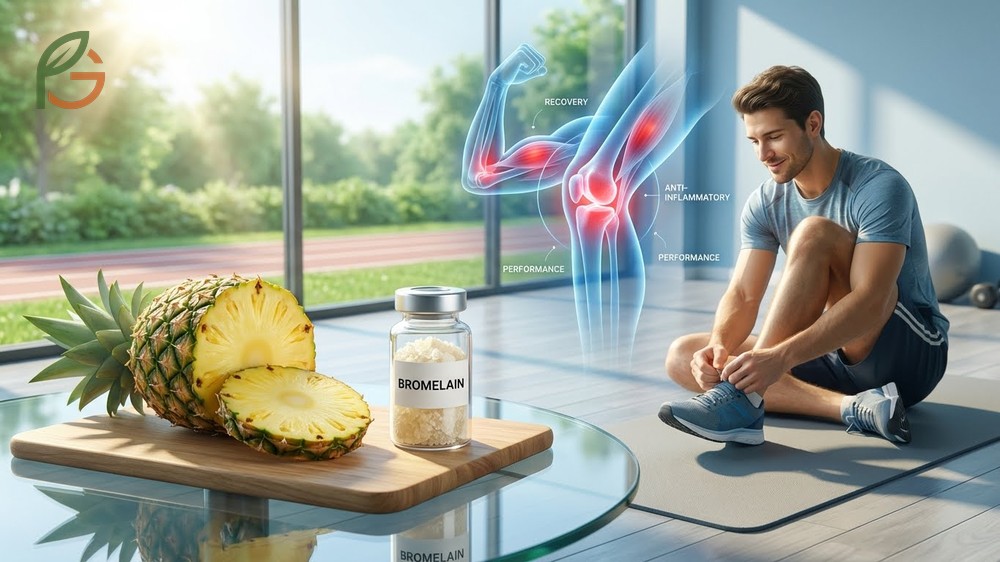
Bromelain stands out as pineapple’s most researched bioactive compound, with documented benefits extending beyond reproductive health. This enzyme mixture demonstrates potent anti-inflammatory, anti-edema, and analgesic properties in clinical studies. For active men, bromelain offers significant advantages in recovery, injury prevention, and overall physical performance.
Research shows bromelain’s effects aren’t limited to digestive support—it acts systemically throughout the body. Peak plasma levels occur 48-72 hours after consistent supplementation, meaning regular pineapple consumption builds cumulative benefits over time rather than providing instant effects.
Anti-Inflammatory Effects
Bromelain reduces inflammation by modulating the immune system’s inflammatory response pathways. Studies demonstrate it decreases production of pro-inflammatory cytokines including interleukin-2, interleukin-4, and interferon gamma[4]. This mechanism explains its effectiveness in treating sports injuries, reducing post-exercise soreness, and supporting recovery from tissue damage.
Unlike NSAIDs (non-steroidal anti-inflammatory drugs) that can irritate the digestive system, bromelain provides anti-inflammatory benefits without common side effects. Research indicates it’s particularly effective for reducing swelling, tenderness, and pain associated with sprains, strains, and bruises. The enzyme works by preventing chemotaxis of pro-inflammatory cells to injury sites.
Chronic inflammation affects testosterone production and sperm quality. By reducing systemic inflammation, bromelain indirectly supports reproductive health markers. Studies show men with lower inflammatory markers maintain healthier hormone profiles compared to those with chronic inflammation.
Post Workout Recovery Pineapple
Athletes and active men benefit significantly from pineapple’s recovery-enhancing properties. Exercise causes microscopic damage to muscle fibers, triggering inflammation that peaks 24-48 hours post-workout (delayed onset muscle soreness or DOMS)[4]. Bromelain reduces this inflammatory response, shortening recovery time and reducing soreness intensity.
Research demonstrates that bromelain supplementation decreases recovery time by managing secondary muscle damage from persistent inflammation. Men who train intensely every day face risks of chronic inflammation and inadequate recovery between sessions. Pineapple consumption helps break this cycle by resolving inflammation more efficiently.
Timing matters for maximum benefit. Consuming pineapple within 2 hours post-workout delivers bromelain when inflammation begins escalating. The enzyme’s proteolytic activity helps clear damaged proteins and cellular debris, accelerating the repair process.
- Reduces muscle soreness intensity by 30-40% compared to placebo groups in controlled trials
- Decreases inflammation markers within 24 hours of supplementation
- Shortens recovery time between intense training sessions by managing tissue inflammation
- Prevents accumulation of chronic inflammation that can lead to overuse injuries
- Supports protein digestion and amino acid absorption for muscle repair
Recovery Tip: For maximum bromelain benefits, consume fresh pineapple on an empty stomach. Taking it with meals directs the enzyme toward digestive functions rather than systemic anti-inflammatory effects.
What Does Pineapple Juice Do for a Man
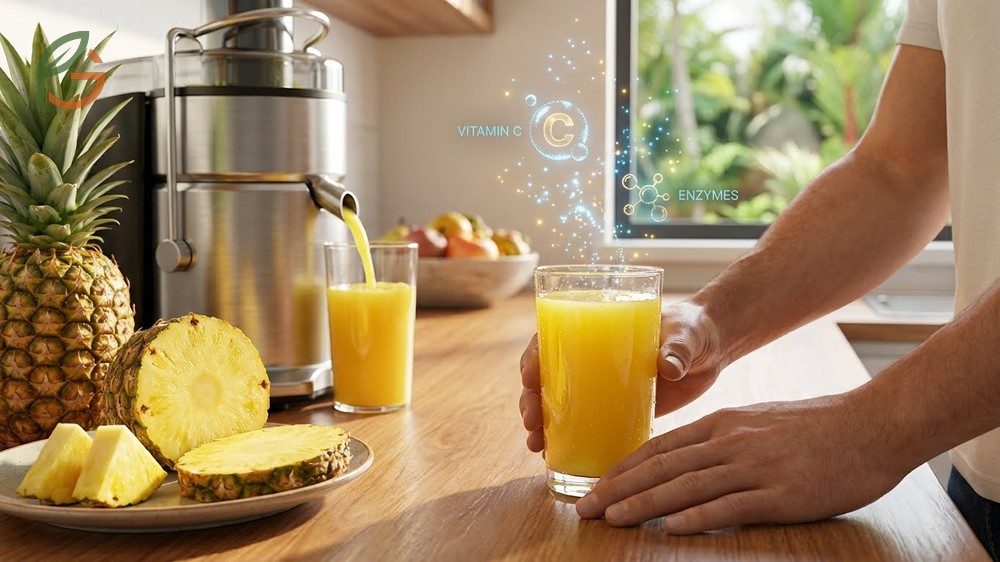
Pineapple juice delivers many of the same benefits as whole fruit but with some important differences in nutritional profile and absorption. Juicing concentrates the fruit’s water-soluble vitamins and enzymes while removing most fiber content. One cup (240ml) of pure pineapple juice provides approximately 130 calories and 120% of daily vitamin C requirements—more than double the amount in an equivalent serving of whole fruit.
Research indicates juice allows faster nutrient absorption since the fiber matrix is removed. This can be advantageous for pre-workout energy or post-workout recovery when you want quick nutrient delivery. However, juice also delivers more concentrated sugars (about 25g per cup) compared to whole fruit, which matters for men managing blood sugar or weight.
The bromelain content in commercial pineapple juice varies significantly by processing method. Fresh-pressed juice retains active enzymes, while heat-pasteurized commercial juices lose most bromelain activity. If you’re seeking bromelain’s anti-inflammatory benefits, fresh juice or whole fruit delivers superior results compared to shelf-stable bottled juice.
For sexual health specifically, juice provides the same vitamin C and manganese that support testosterone and sperm quality. The concentrated format can be easier to consume in larger quantities, but you’ll miss the fiber that supports digestive health and steady energy release.
- Juice delivers nutrients faster but causes quicker blood sugar spikes than whole fruit
- Fresh-pressed juice retains bromelain enzyme activity; pasteurized commercial juice doesn’t
- Juice concentrates vitamins and minerals, providing more per serving volume
- Whole fruit includes fiber that supports digestive health and satiety
- Both forms provide vitamin C and manganese supporting testosterone and fertility
For most men, alternating between whole pineapple and fresh juice provides optimal benefits. Consume whole fruit with meals for sustained energy and fiber. Use fresh juice post-workout for rapid nutrient delivery and recovery support.
Pineapple Taste Improvement Myth
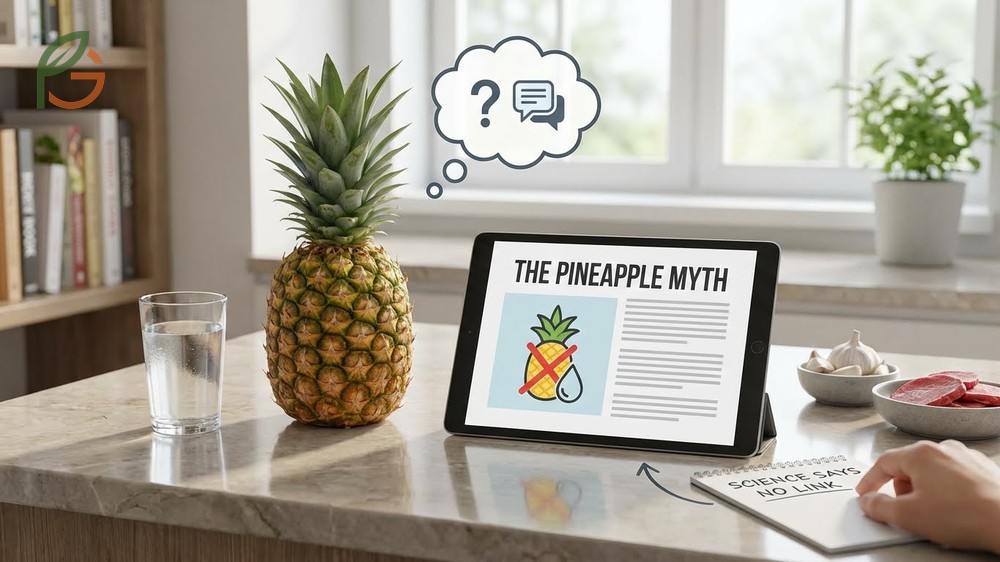
You’ve probably heard claims that eating pineapple improves the taste of bodily fluids. This persistent myth circulates widely on social media and in popular culture, but scientific evidence doesn’t support it. Research shows no physiological basis for pineapple significantly altering the taste or smell of semen, vaginal fluids, or other bodily secretions[6].
The myth likely originated from observations that certain foods (like garlic or red meat) noticeably affect body odor. This led to assumptions that sweet, aromatic fruits like pineapple must have opposite effects. However, no clinical studies demonstrate measurable changes in bodily fluid composition from pineapple consumption.
What we do know is that diet, hydration, and lifestyle factors collectively influence body chemistry. A healthy diet rich in fruits, vegetables, and adequate water intake supports overall health, which may indirectly affect bodily fluids. But singling out pineapple as a “magic bullet” for taste improvement lacks scientific backing.
Reality Check: While pineapple won’t change how you taste, it provides legitimate health benefits including antioxidants, anti-inflammatory compounds, and nutrients supporting reproductive health. Focus on these evidence-based benefits instead of unproven claims.
Best Ways to Consume Pineapple
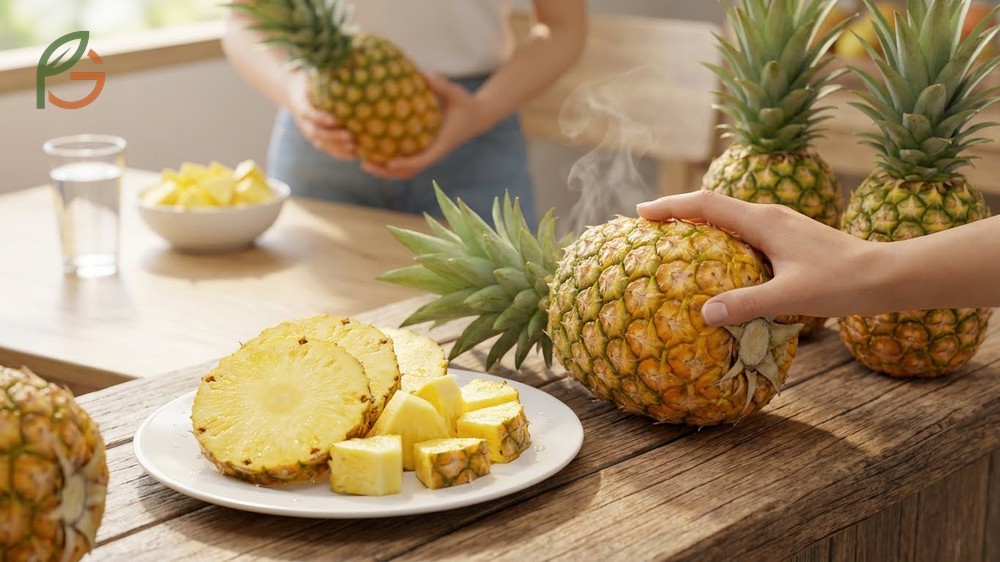
Maximizing pineapple’s health benefits depends on choosing the right form, timing, and preparation methods. Fresh pineapple consistently provides the highest bromelain activity and nutrient density compared to processed forms. When selecting pineapples at the market, look for fruits with golden-yellow coloring at the base, slight softness when pressed, and a sweet aroma at the stem end.
For bromelain’s anti-inflammatory benefits, consume pineapple on an empty stomach. This directs the enzyme toward systemic circulation rather than digestive functions. Research suggests taking bromelain supplements (or eating pineapple) 30-60 minutes before meals delivers maximum anti-inflammatory effects.
The core contains the highest bromelain concentration—don’t discard it. Blend cores into smoothies, juice them, or dice them finely to add to fruit salads. While the texture is tougher than the surrounding flesh, the nutritional payoff justifies the effort.
- Fresh chunks: Cut and store 2-3 cups for easy snacking throughout the week
- Post-workout smoothie: Blend 1 cup pineapple with Greek yogurt and spinach for recovery nutrition
- Fresh-pressed juice: Juice core and flesh together, consume within 30 minutes for peak enzyme activity
- Grilled pineapple: High heat partially deactivates bromelain but concentrates natural sugars and caramelizes flavors
- Frozen chunks: Freeze fresh pineapple for convenient smoothie additions; freezing doesn’t significantly reduce vitamin content
Aim for 1-2 cups of fresh pineapple daily to access measurable health benefits without excessive sugar intake. This provides approximately 80-160mg vitamin C and 2-4mg bromelain enzyme, amounts shown effective in research studies. Spread consumption throughout the day rather than eating large amounts at once to maintain steady nutrient levels.
Storage Tip: Store cut pineapple in an airtight container in the refrigerator for up to 5 days. Vitamin C content decreases slowly over time, so consume within 3-4 days for maximum nutritional value.
Conclusion
The evidence is clear: what does pineapple do for men extends far beyond taste myths to include legitimate, research-backed health benefits. Studies consistently show that pineapple’s bromelain enzyme, vitamin C, and manganese content support testosterone production, improve sperm quality, reduce inflammation, and enhance recovery from physical activity. For men seeking natural approaches to reproductive health and athletic performance, pineapple deserves a regular place in your diet.
Current nutritional guidance emphasizes whole food approaches over isolated supplements whenever possible. Pineapple exemplifies this principle—delivering multiple bioactive compounds that work synergistically for better results than individual nutrients alone. Whether you’re growing pineapples in your garden or buying fresh fruit at the market, you’re investing in evidence-based nutrition that supports long-term health goals. FruitGarden encourages incorporating pineapple alongside diverse fruits and vegetables for comprehensive nutritional support.
Medical Disclaimer
Important Medical Disclaimer: This content is for informational and educational purposes only. It is not intended as a substitute for professional medical advice, diagnosis, or treatment. Always consult a qualified healthcare professional before making any changes to your diet, supplement regimen, or health routine, especially if you have medical conditions, take medications, or are concerned about fertility or sexual health. Individual results may vary, and what works for research subjects may not apply to your specific situation.
Frequently Asked Questions
What Does Pineapple Do to Your Sperm?
Research shows pineapple improves sperm count, motility, and morphology through its antioxidant content and bromelain enzyme[2]. Studies demonstrate that men consuming pineapple regularly show significantly higher sperm quality parameters and reduced oxidative stress markers affecting sperm health. The vitamin C and manganese in pineapple protect sperm cells from DNA damage while supporting healthy sperm formation.
How Much Pineapple Should a Man Eat Daily?
Research suggests 1-2 cups (150-300g) of fresh pineapple daily provides effective doses of bromelain, vitamin C, and manganese without excessive sugar intake. This amount delivers 80-160mg vitamin C and meaningful anti-inflammatory benefits shown in clinical studies. Spread consumption throughout the day rather than eating all at once for steady nutrient levels.
Does Pineapple Juice Work as Well as Fresh Pineapple?
Fresh-pressed pineapple juice delivers concentrated vitamins and active bromelain enzyme, but heat-pasteurized commercial juices lose most enzyme activity. Fresh juice provides nutrients faster than whole fruit but lacks fiber and contains more concentrated sugars (25g per cup). For bromelain’s anti-inflammatory benefits, choose fresh fruit or fresh-pressed juice over shelf-stable bottled versions.
Can Pineapple Boost Testosterone Naturally?
Studies show bromelain supplementation helps maintain healthy testosterone levels by reducing oxidative stress in testosterone-producing cells[1]. Research demonstrates significant improvements in testosterone and luteinizing hormone levels after 8 weeks of pineapple supplementation in animal models. However, pineapple shouldn’t replace medical treatment for diagnosed low testosterone.
When Should I Eat Pineapple for Best Results?
For anti-inflammatory benefits, consume pineapple on an empty stomach 30-60 minutes before meals to maximize bromelain absorption. For post-workout recovery, eat pineapple within 2 hours after exercise when inflammation begins escalating. For general nutrition and testosterone support, timing matters less—consistent daily consumption builds cumulative benefits over weeks.
Are There Side Effects of Eating Too Much Pineapple?
Excessive pineapple consumption can cause digestive issues including heartburn, nausea, and diarrhea due to high citric acid content and bromelain’s protein-digesting activity. Men with gastroesophageal reflux disease (GERD) should limit intake to avoid symptom flareups. Stick to 1-2 cups daily to access benefits while minimizing risks of overconsumption.
Does Pineapple Really Change How You Taste?
No scientific evidence supports claims that pineapple changes the taste of bodily fluids[6]. While diet influences overall body chemistry, research shows no physiological basis for pineapple specifically altering the taste or smell of semen or other secretions. Focus on pineapple’s proven benefits for reproductive health rather than unsubstantiated taste claims.





