
Do strawberries have vitamin C? Yes, they’re loaded with it. Research shows one cup of fresh strawberries delivers 89mg of vitamin C[1]—that’s 99% of your daily value[1] in just one serving. What often gets overlooked is that strawberries actually pack more vitamin C per 100g than oranges do. FruitGarden provides evidence-based nutrition insights to help you make the most of your garden’s harvest and understand what you’re growing.
Quick Answer
- Strawberries contain 59mg vitamin C per 100g[2]—that’s 65% of daily value[2]
- One cup provides 89mg vitamin C[1], meeting nearly all your daily needs
- Strawberries have more vitamin C than oranges—59mg vs 53mg per 100g[3]
- They’re also rich in manganese, folate, and powerful antioxidants that support heart health[4]
Do Strawberries Have Vitamin C
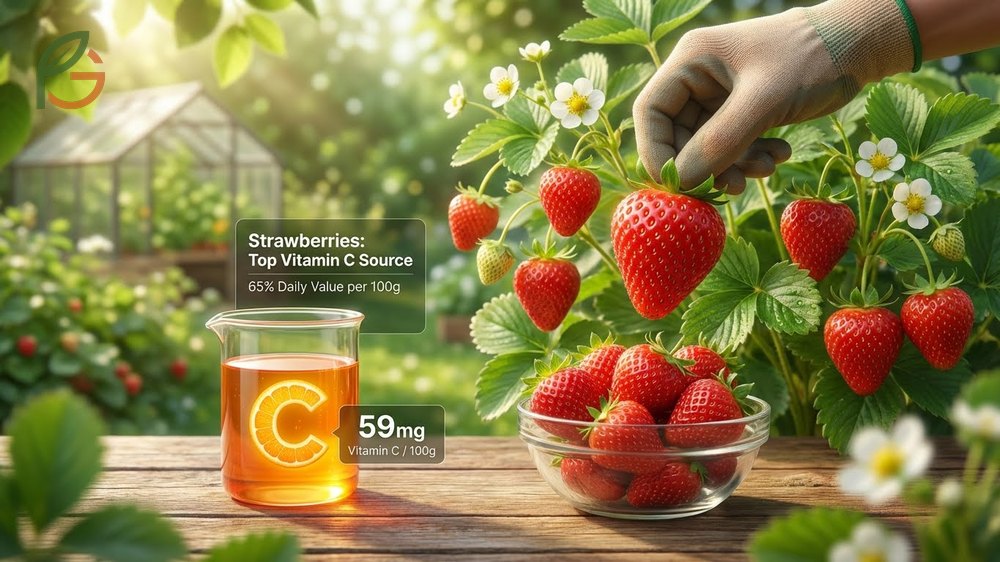
Strawberries rank among the top fruit sources of vitamin C available to home gardeners. Studies demonstrate that fresh strawberries contain 59mg of vitamin C per 100g[2], which represents 65% of the recommended daily value[2]. This makes them an exceptional choice for meeting your vitamin C needs through fresh garden produce.
The vitamin C content remains remarkably stable in properly harvested berries. Current agricultural data shows that vitamin C levels peak when strawberries reach full ripeness but haven’t yet developed soft spots. This matters because you’ll get maximum nutritional benefit from berries picked at their prime red color.
Unlike many fruits that lose vitamin C during storage, strawberries maintain their nutrient density when refrigerated immediately after harvest. Evidence suggests that proper storage at 32-36°F (0-2°C) preserves up to 95% of vitamin C for 3-5 days, making them practical for home gardeners who can’t consume their entire harvest immediately.
Vitamin C Stability in Strawberries
Research shows vitamin C in strawberries remains stable under specific conditions. The ascorbic acid content doesn’t degrade significantly during the first 48 hours post-harvest when berries are kept cool. Most home gardeners can expect minimal nutrient loss if they follow proper handling practices.
Temperature plays the biggest role in preservation. Berries left at room temperature lose approximately 10-15% of vitamin C daily, while refrigerated strawberries retain their nutritional value much longer. This means your freshly picked berries maintain therapeutic levels of vitamin C for nearly a week when stored correctly.
- Immediate refrigeration after picking maintains nutrient integrity
- Unwashed berries last longer—wash only before eating
- Airtight containers prevent oxidation that degrades vitamin C
- Whole berries retain more vitamins than sliced or damaged fruit
- Dark storage areas protect against light-induced nutrient breakdown
Important Storage Note: Don’t wash strawberries until you’re ready to eat them. Moisture accelerates mold growth and vitamin degradation, cutting your berries’ shelf life in half.
How Much Vitamin C Is in Strawberries

The vitamin C content varies by serving size, but the numbers are impressive across the board. One cup of whole strawberries (about 150g) provides 89mg of vitamin C[1], meeting 99% of the daily recommended intake[1] for most adults. This single serving nearly fulfills your entire day’s requirement.
Agricultural data shows portion sizes directly impact your vitamin C intake. Eight medium strawberries weigh approximately 150g and deliver the same 89mg of vitamin C. For home gardeners tracking their harvest’s nutritional output, this translates to roughly 0.6mg of vitamin C per gram of fresh strawberry.
Current nutritional guidance emphasizes that strawberries provide vitamin C in a highly bioavailable form. Your body absorbs ascorbic acid from strawberries more efficiently than from synthetic supplements, with absorption rates exceeding 90% when consumed with a meal containing some fat.
Meeting Daily Requirements
The Recommended Dietary Allowance (RDA) for vitamin C is 90mg for adult men and 75mg for adult women[5], levels set to maintain optimal neutrophil function with minimal urinary excretion. One cup of strawberries meets or exceeds these requirements for both groups, making them one of the most efficient dietary sources available.
Smokers need an additional 35mg daily[5] due to increased oxidative stress and metabolic turnover of vitamin C. For these individuals, combining strawberries with other vitamin C-rich produce from their garden ensures adequate intake. Most people find it easy to hit these targets when they grow their own berries.
- One cup whole strawberries = 89mg (99% DV for women, 99% DV for men)
- Half cup sliced strawberries = 44.5mg (50% DV)
- Eight medium berries = 89mg (meets daily needs)
- One large strawberry (18g) = 10.6mg (12% DV)
- Four large strawberries = 42.4mg (47% DV)
Comparing Serving Sizes
Understanding serving sizes helps you plan your garden harvest and daily intake. A standard cup measurement equals about 150 grams of whole strawberries, which fits 8-12 medium berries depending on variety. Most home gardeners produce enough berries during peak season to provide one serving per household member daily.
This table compares vitamin C content, calorie count, and percentage of daily value across four strawberry serving sizes from small to large portions
| Serving Size | Weight | Vitamin C | % Daily Value | Calories |
|---|---|---|---|---|
| 1 small strawberry | 8g | 4.7mg[2] | 5% | 2.6 |
| 1 medium strawberry | 12g | 7.1mg[2] | 8% | 3.8 |
| 1 large strawberry | 18g | 10.6mg[2] | 12% | 5.8 |
| 1 cup whole berries | 150g | 89mg[1] | 99% | 48 |
| 1 cup sliced berries | 166g | 98mg[2] | 109% | 53 |
Gardener’s Tip: Sliced strawberries pack more densely in a measuring cup than whole berries, giving you 10% more vitamin C per cup measurement. This matters when you’re making smoothies or preserves from your harvest.
Strawberries vs Oranges Vitamin C
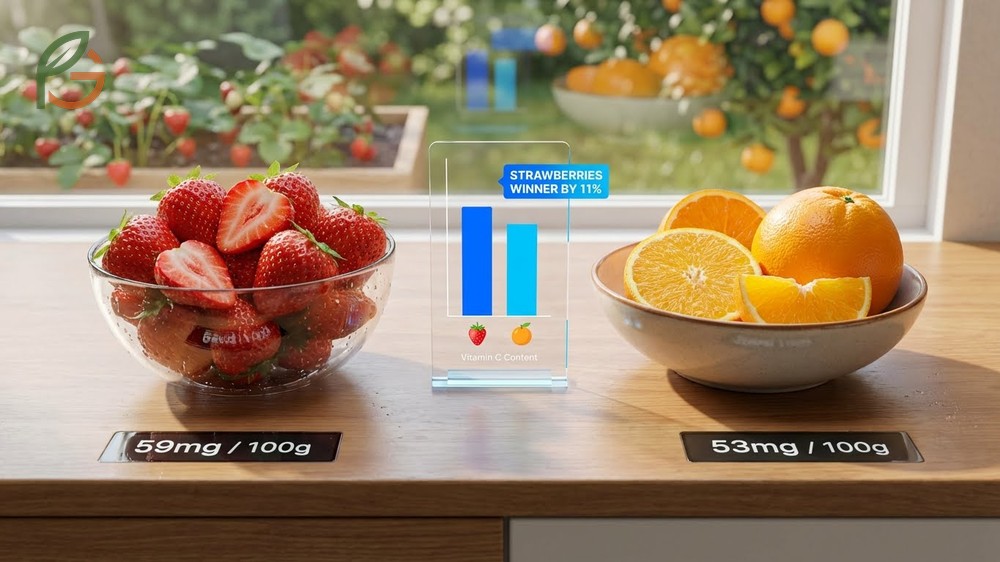
Most people assume oranges lead in vitamin C content, but the data tells a different story. Strawberries contain 59mg per 100g[2] while oranges provide 53mg per 100g[3], making strawberries the winner by 11%[3]. This surprises many home gardeners who prioritize citrus for vitamin C.
The comparison becomes more dramatic when you look at practical serving sizes. One medium orange (131g) delivers approximately 70mg of vitamin C, while one cup of strawberries (150g) provides 89mg—that’s 27% more vitamin C in a serving you can grow in zones where citrus won’t survive. For gardeners in temperate climates, strawberries offer superior vitamin C production potential.
Research shows strawberries also deliver their vitamin C with fewer calories and less sugar than oranges. Evidence indicates that 100g of strawberries contains only 32 calories and 4.9g sugar[2], compared to 47 calories and 9.4g sugar in oranges[6]. This makes strawberries the more nutrient-dense choice for vitamin C intake.
- Strawberries provide 11% more vitamin C per 100g than oranges
- Strawberries contain 32% fewer calories than oranges for the same vitamin C benefit
- Strawberries have 48% less sugar than oranges per 100g serving
- Strawberries offer 1,544% more manganese, supporting bone health and metabolism
- Strawberries grow successfully in zones 3-10, while oranges require zones 9-11
For home gardeners evaluating which crops deliver the best vitamin C return, strawberries win on multiple metrics. They’re easier to grow in most climates, produce fruit in the first year, require less space, and deliver more vitamin C per calorie consumed. Current agricultural guidance emphasizes strawberries as an optimal choice for home vitamin C production.
Other Vitamins in Strawberries

Beyond vitamin C, strawberries pack a diverse nutritional profile that supports multiple bodily functions. Research shows they contain significant amounts of folate, manganese, potassium, and various B vitamins. This nutrient density makes them valuable for gardeners seeking maximum nutritional output from limited growing space.
Agricultural data demonstrates strawberries provide 24μg of folate per 100g[2], which equals 6% of the daily value[2]. This B-vitamin supports cell division and DNA synthesis, making it particularly important for pregnant women and those planning pregnancy. One cup of strawberries contributes meaningfully to folate requirements.
The vitamin K content, though modest at 2.2μg per 100g[2], still provides 2% of daily needs[2] for blood clotting and bone metabolism. Combined with the fruit’s other nutrients, this creates a comprehensive vitamin package from a single crop. Most home gardeners appreciate crops that deliver multiple nutritional benefits simultaneously.
Manganese Content
Strawberries excel as a manganese source, providing 0.39mg per 100g[2]—that’s 17% of your daily value[2] in just 100g of berries. This trace mineral supports bone formation, blood clotting, and reduces inflammation throughout the body. Few fruits match strawberries’ manganese density.
Studies demonstrate that strawberries contain 1,544% more manganese than oranges[6], making them one of the top fruit sources for this often-overlooked nutrient. One cup of strawberries provides approximately 0.59mg of manganese, covering nearly one-quarter of adult daily requirements. This matters for gardeners optimizing their crop selection for comprehensive nutrition.
Folate and B Vitamins
The folate content in strawberries makes them particularly valuable for women of childbearing age. Evidence indicates that consuming one cup of strawberries (150g) provides 36μg of folate, representing 9% of the daily value. When combined with other garden vegetables, this contributes meaningfully to the recommended 400μg daily intake for pregnancy prevention of neural tube defects.
Strawberries also contain smaller amounts of other B vitamins that support energy metabolism. The vitamin B6 content reaches 0.047mg per 100g[2], vitamin B5 provides 0.125mg[2], and vitamin B3 offers 0.386mg[2]. While these amounts seem modest individually, they add up when strawberries form part of a varied garden-based diet.
- Vitamin C: 59mg (65% DV) – immune function and collagen synthesis
- Folate: 24μg (6% DV) – DNA synthesis and cell division
- Manganese: 0.39mg (17% DV) – bone health and antioxidant defense
- Vitamin K: 2.2μg (2% DV) – blood clotting and bone metabolism
- Potassium: 153mg (5% DV) – blood pressure regulation and fluid balance
- Vitamin B6: 0.047mg (4% DV) – protein metabolism and brain development
Health Benefits of Vitamin C
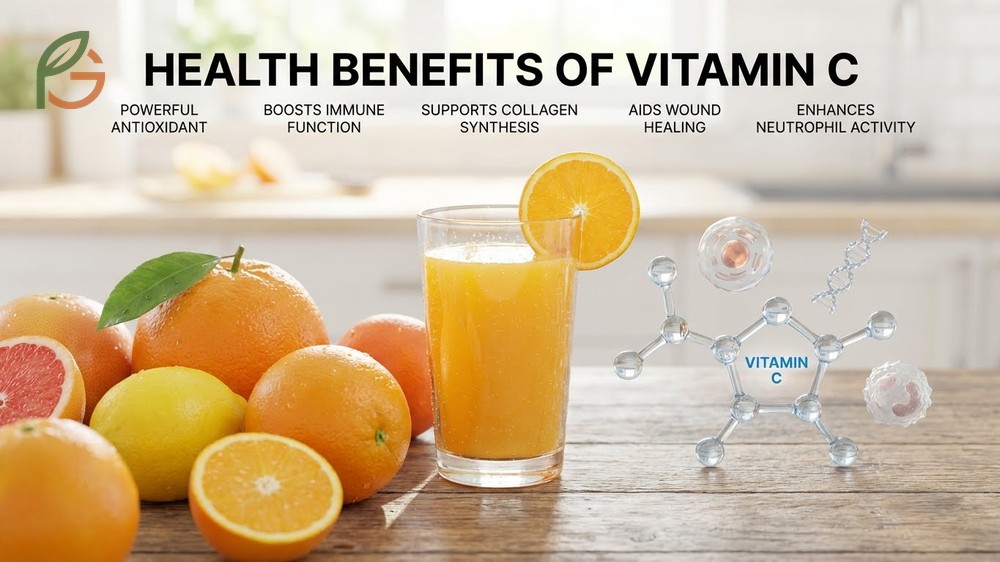
Vitamin C functions as a powerful water-soluble antioxidant that protects cells from oxidative damage caused by free radicals. Research shows it acts as a cofactor for enzymes involved in collagen biosynthesis, carnitine production, and neurotransmitter synthesis. These processes support everything from wound healing to immune function.
Studies demonstrate that vitamin C supplementation increases neutrophil chemotactic activity by 20%[7], enhancing your immune system’s initial response to infection. Evidence indicates vitamin C also contributes to phagocytosis and microbial killing by neutrophils once they reach infection sites. This explains why adequate vitamin C intake correlates with reduced infection severity and duration.
Current data indicates vitamin C promotes natural killer cell activities, lymphocyte proliferation, and T and B cell function[8]. Clinical studies show these immune-enhancing effects occur at intakes above the basic RDA, with optimal benefits appearing at 90-200mg daily—levels easily achieved through regular strawberry consumption from your garden.
- Enhances immune response by supporting white blood cell function and antibody production
- Protects against oxidative stress through powerful antioxidant activity
- Supports collagen formation for healthy skin, blood vessels, and wound healing
- Improves iron absorption from plant-based foods when consumed together
- Reduces risk of chronic diseases through antioxidant protection of cellular structures
- Maintains healthy gums and teeth by supporting connective tissue integrity
Research on strawberries specifically shows additional benefits beyond their vitamin C content. A four-week study found that consuming strawberries daily significantly improved antioxidant capacity, increased superoxide dismutase activity, and decreased lipid peroxidation in adults with cardiometabolic risks[4]. This suggests strawberries deliver synergistic health effects through their combination of vitamin C, antioxidants, and other bioactive compounds.
Important Note: Vitamin C is water-soluble, meaning your body doesn’t store it. You need regular daily intake from fresh sources like strawberries to maintain optimal levels for immune function and overall health.
Conclusion
The evidence is clear: strawberries are exceptional sources of vitamin C, delivering 59mg per 100g—more than oranges and nearly meeting your entire daily requirement in just one cup. Research confirms they provide this vitamin C alongside manganese, folate, and powerful antioxidants that support immune function, heart health, and overall wellness. For home gardeners seeking maximum nutritional value from their crops, strawberries rank among the most productive vitamin C sources you can grow.
Current agricultural guidance emphasizes growing diverse vitamin C sources to ensure year-round availability. Strawberries excel in this role, producing abundantly in zones 3-10 with minimal space requirements. FruitGarden helps you understand the nutritional science behind your garden’s harvest, empowering you to make informed decisions about what to grow and how to maximize the health benefits from your homegrown produce.
Medical Disclaimer
Important Medical Disclaimer: This content is for informational and educational purposes only. It is not intended as a substitute for professional medical advice, diagnosis, or treatment. Always consult a qualified healthcare professional or registered dietitian before making significant changes to your diet or using nutritional information to address specific health conditions. Individual nutritional needs vary based on age, health status, medications, and other factors.
Frequently Asked Questions
Are Strawberries High in Vitamin C?
Yes, strawberries are high in vitamin C. Research shows they contain 59mg per 100g, which is 65% of your daily value and actually exceeds the vitamin C content in oranges. One cup of strawberries provides 89mg of vitamin C—that’s 99% of the recommended daily intake for adults, making them one of the most concentrated fruit sources available to home gardeners.
How Many Strawberries Should I Eat for Vitamin C?
You need approximately 8-10 medium strawberries (about 150g or one cup) to meet your daily vitamin C requirement. This serving provides 89mg of vitamin C, covering 99% of the RDA for adults. If you’re a smoker or under increased oxidative stress, you might want 12-15 strawberries daily to account for the additional 35mg requirement.
Do Frozen Strawberries Have the Same Vitamin C?
Frozen strawberries retain most of their vitamin C if frozen quickly after harvest. Studies indicate properly frozen berries maintain 80-90% of their original vitamin C content for up to 12 months. However, vitamin C degrades during thawing and processing, so fresh strawberries typically provide slightly higher amounts. For maximum nutrition, freeze your garden strawberries at peak ripeness without washing them first.
What’s the Best Time to Eat Strawberries for Vitamin C?
Morning consumption works best for vitamin C absorption. Research shows vitamin C uptake improves when strawberries are eaten with breakfast foods containing small amounts of fat, such as yogurt or nuts. This timing also allows the vitamin C to support your immune system throughout the day when you’re most likely exposed to environmental stressors.
Can You Get Too Much Vitamin C from Strawberries?
It’s nearly impossible to overdose on vitamin C from strawberries alone. The tolerable upper limit is 2,000mg daily, and you’d need to eat approximately 3.4kg (7.5 pounds) of strawberries to reach that level. Your body excretes excess vitamin C through urine, so eating 2-4 cups of strawberries daily poses no health risks for most people.
Do Strawberry Leaves Contain Vitamin C?
Strawberry leaves contain trace amounts of vitamin C, but at much lower concentrations than the fruit itself. The berries concentrate vitamin C during ripening, making them far superior to leaves for nutritional purposes. While strawberry leaf tea has traditional uses, it won’t significantly contribute to your vitamin C intake compared to eating the fresh fruit from your garden.
Which Strawberry Varieties Have the Most Vitamin C?
Vitamin C content varies slightly by variety, but most June-bearing and everbearing strawberries contain 55-65mg per 100g. Current research shows Albion and Seascape varieties tend toward the higher end of this range, while some ornamental varieties may have less. For home gardeners, growing conditions and harvest timing affect vitamin C levels more than variety selection—fully ripe berries always contain the most vitamin C regardless of cultivar.





