

Are strawberries good for you? Yes, research shows these berries deliver exceptional health benefits. Studies demonstrate that regular strawberry consumption improves heart health, boosts brain function, and provides powerful antioxidants while containing just 32 calories per 100g[1]. FruitGarden synthesizes current nutritional research to help you understand why strawberries are one of the most nutrient-dense fruits you can grow or buy.
Quick Answer
- Strawberries contain 59mg vitamin C per 100g[1] (65% daily value) and powerful anthocyanin antioxidants
- Studies show strawberries improve cognitive processing speed by 5.2%[2] and lower blood pressure by 3.6%
- A review of 47 clinical trials[3] confirms strawberries reduce LDL cholesterol and support heart health
- Safe for most people, including pregnant women; true strawberry allergies are rare
Are Strawberries Good for You
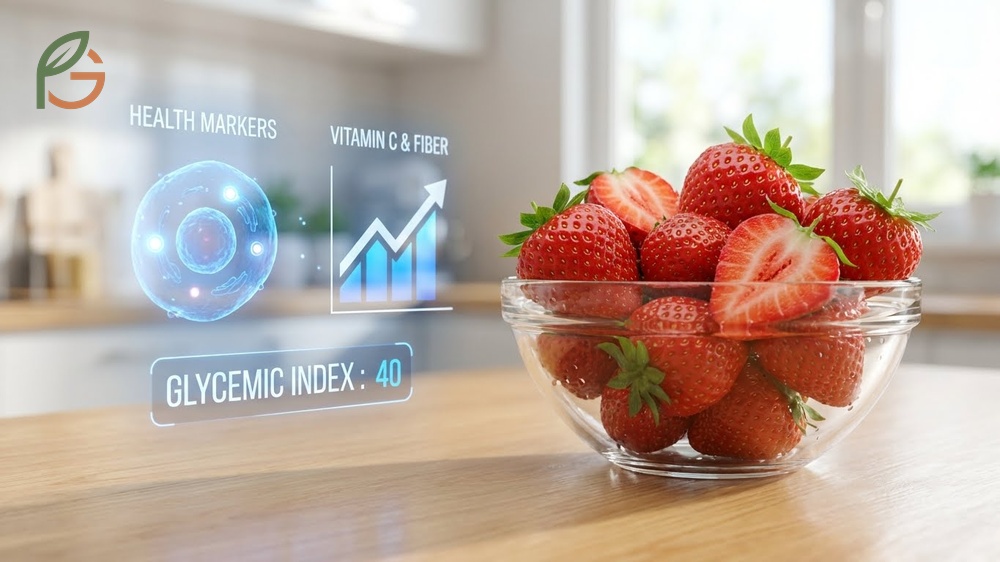
Research shows strawberries rank among the healthiest fruits you can eat. They’re packed with vitamin C, fiber, and bioactive compounds that protect your cells from damage. Unlike many sweet fruits, strawberries won’t spike your blood sugar due to their moderate glycemic index of 40.
Studies demonstrate that eating strawberries regularly improves multiple health markers. One four-week clinical trial found that participants who consumed strawberries daily showed significant increases in antioxidant capacity and improved endothelial function[4]. The same study reported decreased inflammation markers and reduced lipid peroxidation in adults with cardiometabolic risks.
Current dietary guidance emphasizes berries as nutrient-dense foods that deliver maximum nutrition with minimal calories. Most people can safely eat 1-2 cups of strawberries daily without concerns. What makes strawberries particularly valuable is their combination of soluble fiber, polyphenols, and micronutrients working together synergistically.
Strawberry Nutrition Profile
Strawberries consist primarily of water (91%) and carbohydrates (7.7%), with minimal protein and virtually no fat. A 100-gram serving delivers 65% of your daily vitamin C requirement. This makes them one of the richest vitamin C sources among commonly eaten fruits.
Beyond vitamin C, strawberries provide meaningful amounts of manganese (17% DV), folate (6% DV), and potassium (5% DV). The fiber content reaches 2 grams per 100g, with about half being soluble fiber that supports digestive health. Research indicates that this fiber helps slow sugar absorption and promotes beneficial gut bacteria.
- Vitamin C: 59mg per 100g (65% daily value) – supports immune function and collagen production
- Manganese: 0.39mg (17% DV) – essential for metabolism and bone health
- Folate: 24mcg (6% DV) – critical for DNA synthesis and cell division
- Potassium: 153mg (5% DV) – regulates blood pressure and heart function
- Fiber: 2g (8% DV) – aids digestion and blood sugar control
Calorie and Macronutrient Breakdown
Strawberries contain just 32 calories per 100g, making them one of the lowest-calorie fruits available. The carbohydrate content breaks down into 4.9g natural sugars and 2g fiber, resulting in only 5.7g net carbs. This low net carb count makes strawberries compatible with most eating plans.
The protein content sits at 0.67g per 100g, while fat content remains minimal at 0.3g. This macronutrient profile positions strawberries as an ideal snack for those managing calorie intake. Most Americans consume strawberries fresh, which preserves all nutrients without added sugars or processing.
This table compares nutritional values between 100g and one cup serving sizes of strawberries across calories, carbohydrates, fiber, sugars, protein, and vitamin C content
| Nutrient | Per 100g | Per 1 Cup (152g) | % Daily Value |
|---|---|---|---|
| Calories | 32 kcal[1] | 49 kcal | 2% |
| Carbohydrates | 7.7g[1] | 11.7g | 3% |
| Fiber | 2g[1] | 3g | 8% |
| Sugars | 4.9g | 7.4g | — |
| Protein | 0.67g | 1g | 2% |
| Vitamin C | 59mg[1] | 89.4mg | 65-99% |
Important Note: Fresh and frozen strawberries contain nearly identical nutrients. Freezing preserves vitamin C and antioxidants effectively, so don’t hesitate to buy frozen berries when fresh aren’t available or affordable.
Health Benefits of Strawberries
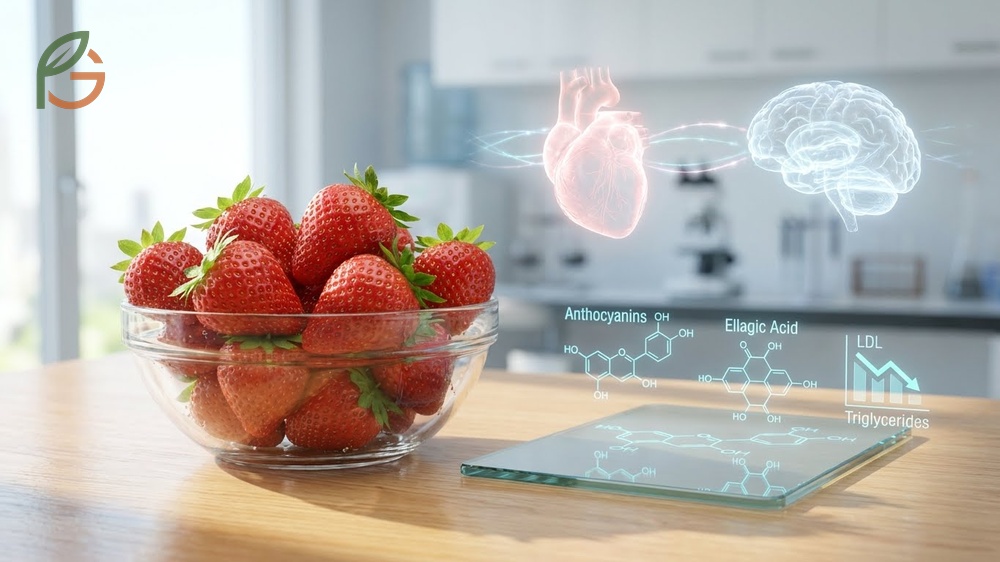
Evidence from 47 clinical trials demonstrates that strawberries significantly improve cardiovascular health markers. The research, published in Critical Reviews in Food Science and Nutrition, showed that consuming 1-4 cups of strawberries daily lowers LDL cholesterol and reduces triglyceride levels[3]. These benefits stem from strawberries’ rich polyphenol content, particularly anthocyanins and ellagic acid.
Beyond heart health, strawberries protect brain function and combat cellular aging. Studies on middle-aged adults found improved memory and executive function after just 12 weeks of daily strawberry consumption. The anti-inflammatory compounds in strawberries also reduce oxidative stress throughout your body.
Most experts recommend eating strawberries regularly rather than occasionally for maximum benefit. The bioactive compounds accumulate in your system over time, providing stronger protective effects. Whether you eat them fresh, frozen, or blended into smoothies doesn’t matter—all forms deliver similar benefits.
Strawberries for Heart Health
Research confirms strawberries lower multiple cardiovascular risk factors simultaneously. The University of California, Davis review found strawberries reduce inflammation while improving cholesterol profiles[3]. This dual action makes them particularly valuable for people with elevated cholesterol or metabolic syndrome.
One eight-week trial measured blood pressure changes in older adults eating strawberries daily. Participants experienced a 3.6% reduction in systolic blood pressure[2], which translates to meaningful cardiovascular protection. The potassium and polyphenols in strawberries work together to relax blood vessels and improve circulation.
- Lower LDL cholesterol: Reduces “bad” cholesterol that contributes to arterial plaque buildup
- Decreased triglycerides: Improves blood lipid profile and metabolic health
- Reduced inflammation: Lowers C-reactive protein and other inflammatory markers
- Improved endothelial function: Enhances blood vessel flexibility and responsiveness
- Blood pressure regulation: Potassium content supports healthy blood pressure levels
Strawberries Brain Benefits
Current research shows strawberries protect cognitive function and may delay age-related mental decline. A 2023 randomized controlled trial found that middle-aged adults with mild cognitive complaints who ate strawberry powder daily for 12 weeks showed measurable improvements in verbal memory and executive function. The strawberry group also reported better mood and fewer depression symptoms.
The cognitive benefits appear linked to anthocyanins, the pigments that give strawberries their red color. These compounds cross the blood-brain barrier and reduce neuroinflammation. Studies measuring cognitive processing speed found a 5.2% improvement after just eight weeks[2], meaning participants could think faster and more clearly.
Long-term epidemiological data supports these findings. The Rush Memory and Aging Project tracked over 16,000 older adults for six years and found those eating the most strawberries and blueberries had significantly less cognitive decline. They maintained brain function equivalent to someone 2.5 years younger than their actual age.
Strawberries Antioxidants List
Strawberries contain multiple classes of antioxidants that work synergistically to protect your cells. The primary compounds include anthocyanins (pelargonidin, cyanidin), ellagitannins that break down into ellagic acid, and various flavonols like quercetin and kaempferol[5]. Each compound targets different free radicals and oxidative stress pathways.
One clinical study measured plasma antioxidant capacity before and after four weeks of strawberry consumption. Participants showed a 10.2% increase in total antioxidant capacity[2], indicating improved ability to neutralize harmful molecules. This effect persisted as long as participants continued eating strawberries regularly.
- Anthocyanins: Red pigments (pelargonidin-3-glucoside) that reduce inflammation and protect blood vessels
- Ellagic acid: Polyphenol with anti-cancer properties found in strawberry seeds
- Quercetin: Flavonol that supports immune function and reduces allergic responses
- Kaempferol: Compound linked to reduced risk of chronic diseases
- Vitamin C: Water-soluble antioxidant that regenerates other antioxidants
- Manganese: Trace mineral that activates antioxidant enzymes like superoxide dismutase
Research Insight: Studies show strawberries increase superoxide dismutase activity in your body. This enzyme represents your cells’ first line of defense against oxidative damage, making it crucial for healthy aging and disease prevention.
Are Strawberries Good for Weight Loss

Strawberries support weight management through their low calorie density and high water content. At just 32 calories per 100g, you can eat a full cup (152g) for under 50 calories while feeling satisfied. The fiber content slows digestion, helping you stay full longer between meals.
Research indicates that people who eat more berries, including strawberries, tend to have lower body weight and better metabolic health. The polyphenols in strawberries may influence how your body processes and stores fat. Unlike processed snacks, strawberries won’t trigger blood sugar spikes followed by energy crashes that lead to overeating.
For best results, eat strawberries as whole fruit rather than juice. Whole strawberries retain all their fiber, which juice lacks. Try adding fresh strawberries to Greek yogurt for breakfast, blending them into smoothies with protein powder, or eating them as an afternoon snack paired with nuts for balanced nutrition.
- Low energy density: High volume with minimal calories helps you feel full without overeating
- Fiber content: 2-3g per serving slows digestion and promotes satiety
- Natural sweetness: Satisfies sugar cravings without the empty calories of candy or desserts
- Nutrient density: Provides vitamins and minerals your body needs during calorie restriction
- Versatility: Easy to incorporate into meals and snacks throughout the day
Are Strawberries Good for Pregnancy

Strawberries are safe and beneficial for pregnant women when washed thoroughly. They provide folate, a B-vitamin essential for preventing neural tube defects during early fetal development[6]. One cup of strawberries contributes about 40mcg of folate, though pregnant women still need a folic acid supplement to meet the 400-600mcg daily requirement.
The high vitamin C content helps pregnant women absorb non-heme iron from plant foods, combating the iron deficiency common during pregnancy. Strawberries also provide potassium, which maintains healthy fluid balance and supports muscle function as your body changes. The fiber helps relieve pregnancy-related constipation without medications.
Most obstetricians recommend eating a variety of fruits during pregnancy, with strawberries ranking among the safest choices. Just wash them carefully under running water to remove any pesticide residues or bacteria. Organic strawberries offer an alternative if you’re concerned about pesticide exposure during pregnancy.
Pregnancy Safety Tip: Always wash strawberries thoroughly before eating, especially during pregnancy. Rinse them under cool running water and gently rub the surface to remove dirt, bacteria, and potential pesticide residues. Don’t use soap or produce washes—plain water works best.
Strawberry Side Effects and Considerations

Most people tolerate strawberries well, but some individuals experience adverse reactions. True strawberry allergies remain relatively rare, affecting less than 1% of the population. More common are contact reactions that cause mild symptoms like itching or tingling around the mouth without involving the immune system.
Symptoms of strawberry sensitivity can include hives, swelling, gastrointestinal discomfort, or respiratory issues like sneezing and congestion. These reactions typically occur within minutes to two hours after eating strawberries. Severe anaphylaxis is extremely uncommon but requires immediate medical attention if breathing difficulties develop.
Some people notice digestive upset when eating large amounts of strawberries, particularly if they’re not accustomed to high-fiber foods. Start with smaller portions and gradually increase your intake. Those taking blood thinners should maintain consistent berry intake since vitamin K affects medication effectiveness.
- Oral allergy syndrome: Tingling or itching in mouth and throat, usually mild and temporary
- Digestive discomfort: Bloating or gas when eating excessive amounts due to fiber content
- Pesticide exposure: Conventionally grown strawberries often contain residues; wash thoroughly or choose organic
- Medication interactions: May affect blood thinners due to vitamin K content; maintain consistent intake
- Tooth staining: Natural pigments can temporarily discolor teeth; rinse mouth with water after eating
When to Avoid Strawberries: Skip strawberries if you’ve experienced severe allergic reactions to other berries or rosaceae family fruits (apples, peaches, cherries). Anyone with a known strawberry allergy should avoid them completely and carry an epinephrine auto-injector if prescribed by their doctor.
Conclusion
The evidence is clear: strawberries are good for you and deserve a regular place in your diet. Research confirms they deliver powerful antioxidants, support heart and brain health, and provide essential nutrients with minimal calories. Whether you’re managing your weight, supporting pregnancy nutrition, or simply seeking healthier snack options, strawberries offer science-backed benefits.
Current nutritional guidance emphasizes whole fruits like strawberries as cornerstone foods for disease prevention and optimal health. FruitGarden recommends incorporating 1-2 cups of fresh or frozen strawberries into your daily routine, whether eaten fresh, blended into smoothies, or added to yogurt and oatmeal for maximum nutritional benefit.
Medical Disclaimer
Important Medical Disclaimer: This content is for informational and educational purposes only. It is not intended as a substitute for professional medical advice, diagnosis, or treatment. Always consult a qualified healthcare professional before making any changes to your diet, especially if you have allergies, chronic health conditions, are pregnant, or take medications. Individual nutritional needs vary, and what works for most people may not be appropriate for your specific situation.
Frequently Asked Questions
How Many Strawberries Should You Eat per Day?
Most nutrition experts recommend eating 1-2 cups (150-300g) of strawberries daily for optimal health benefits. This amount provides significant vitamin C, antioxidants, and fiber without excessive sugar or calories. Studies showing cardiovascular and cognitive benefits used doses ranging from 1-4 cups per day, so there’s flexibility based on your preferences and overall diet.
Are Strawberries Better Than Blueberries for Health?
Both berries offer excellent health benefits with slightly different nutrient profiles. Strawberries contain more vitamin C (59mg vs 10mg per 100g), while blueberries have higher anthocyanin levels and different antioxidant compounds. Research suggests eating a variety of berries provides broader health benefits than focusing on just one type, so include both in your diet when possible.
Can You Eat Strawberries Every Day?
Yes, eating strawberries every day is safe and beneficial for most people. Clinical trials showing health improvements used daily strawberry consumption for weeks or months without adverse effects. The key is moderation—stick to 1-2 cups daily and wash them thoroughly. If you have diabetes, monitor portion sizes since strawberries do contain natural sugars, though their fiber helps moderate blood sugar impact.
Do Strawberries Have Anti-Aging Properties?
Research supports strawberries as an anti-aging food due to their high antioxidant content. The vitamin C supports collagen production for skin health, while anthocyanins and ellagic acid protect cells from oxidative damage that accelerates aging. Studies show regular berry consumption is associated with slower cognitive decline and reduced age-related disease risk, though strawberries aren’t a magic solution—overall lifestyle matters most.
Are Frozen Strawberries as Healthy as Fresh?
Frozen strawberries retain nearly all the nutrients found in fresh berries. Freezing happens shortly after harvest, locking in vitamins, minerals, and antioxidants at peak ripeness. Some studies show frozen berries actually have higher antioxidant levels than “fresh” berries that spent days in transit and storage. Choose unsweetened frozen strawberries without added sugars for maximum health benefits.
Can Strawberries Cause Allergic Reactions?
True strawberry allergies are rare, but some people experience reactions ranging from mild oral itching to more serious symptoms like hives, swelling, or respiratory issues. Most reactions are contact-related rather than true immune system allergies. If you notice symptoms after eating strawberries, especially difficulty breathing or throat swelling, stop eating them and consult an allergist for proper testing.
What Makes Strawberries Good for Your Heart?
Strawberries protect heart health through multiple mechanisms. Their polyphenols reduce LDL cholesterol oxidation and lower triglycerides, while potassium helps regulate blood pressure. The anti-inflammatory compounds decrease arterial inflammation, and fiber supports healthy cholesterol levels. A comprehensive review of 47 clinical trials confirmed these cardiovascular benefits occur with regular strawberry consumption of 1-4 cups daily.





