

How many calories in strawberries? One cup of sliced strawberries contains just 53 calories, making them one of the lowest-calorie fruits you can enjoy[1]. Research shows that strawberries deliver exceptional nutritional value per calorie, with 3g of fiber and only 13g of carbohydrates per serving, plus nearly 100% of your daily vitamin C needs[1]. FruitGarden synthesizes current USDA nutrition data and peer-reviewed research to help fruit enthusiasts and home gardeners understand the complete nutritional profile of their harvest.
Quick Answer
How Many Calories in Strawberries

Strawberries rank among the lowest-calorie fruits available, with most serving sizes containing fewer than 60 calories. Current USDA data indicates that the calorie content varies slightly based on serving size and preparation method, but fresh strawberries consistently deliver under 55 calories per standard cup serving[1]. This makes them an excellent choice for anyone monitoring their calorie intake.
The water content in strawberries accounts for about 91% of their total weight, which explains their remarkably low caloric density. Unlike processed snacks that pack hundreds of calories into small portions, strawberries provide volume and satisfaction without adding significant calories to your daily intake. You’d need to eat nearly four cups of strawberries to match the calories in a single chocolate chip cookie.
Understanding the calorie content across different measurements helps you make informed decisions about portion sizes. Whether you’re snacking on individual berries, measuring by the cup, or purchasing by the pound, knowing these values supports better dietary planning for your gardening harvest or grocery purchases.
Calories in One Cup of Strawberries
One cup of sliced fresh strawberries (approximately 168g) contains 53 calories according to USDA nutritional standards[1]. This measurement represents the most commonly used serving size in recipes and nutritional guidelines. Research shows that this same cup delivers 13g of carbohydrates, 3g of dietary fiber, and less than 1g of fat[1].
The difference between whole and sliced measurements matters for accuracy. A cup of whole strawberries contains slightly fewer berries than a cup of sliced ones because sliced pieces pack more densely into measuring cups. If you’re tracking calories precisely, slicing your berries before measuring gives you the most consistent results aligned with standard nutrition labels.
Important note: When comparing nutrition labels, verify whether the cup measurement refers to whole, halved, or sliced strawberries, as this can create variations of 5-10 calories per serving.
Calories in a Single Strawberry
A single large strawberry weighing approximately 18g contains just 6 calories[2]. Medium-sized strawberries typically range from 4-5 calories each, while extra-large berries might reach 7-8 calories. This minimal calorie content makes strawberries an ideal snacking fruit throughout the day without concern for overconsumption.
Studies demonstrate that eating 8 large strawberries equals one standard serving and provides approximately 48-53 calories total. Most people find that 5-8 strawberries satisfy their fresh fruit cravings between meals, contributing only 30-48 calories to their daily intake. The visual appeal and natural sweetness of whole strawberries also promotes mindful eating, as you can physically count each berry consumed.
Calories in a Pound of Strawberries
One pound (16 ounces) of fresh strawberries contains approximately 145-151 calories[3]. This measurement proves particularly useful when buying strawberries in bulk from farmers markets or picking your own at local berry farms. Current data shows that a typical one-pound container from grocery stores yields about 3 cups of sliced strawberries or 20-24 medium-large whole berries.
For home gardeners tracking their harvest yield, a pound represents roughly 15-20 mature strawberries depending on variety and growing conditions. June-bearing varieties often produce larger individual fruits with slightly higher calories per berry, while day-neutral types might yield smaller berries with correspondingly fewer calories each. The total per-pound calorie count remains consistent regardless of berry size.
Nutrition Facts for Strawberries

Strawberries deliver comprehensive nutrition that extends far beyond their low calorie count. Research demonstrates that these berries provide significant amounts of essential vitamins, minerals, and beneficial plant compounds in every serving. The USDA recognizes strawberries as a nutrient-dense food, meaning they offer substantial nutritional value relative to their calorie content[1].
One cup of strawberries meets or exceeds daily requirements for several key nutrients while contributing minimal calories to your diet. Evidence suggests that regular strawberry consumption supports immune function, digestive health, and cardiovascular wellness through its combination of vitamin C, fiber, and antioxidant compounds. Home gardeners who grow their own strawberries can maximize these nutritional benefits by harvesting berries at peak ripeness.
The nutritional profile remains relatively stable across different strawberry varieties, though factors like soil quality, growing conditions, and harvest timing can influence exact values. Understanding these core nutritional components helps you appreciate why nutrition experts consistently recommend strawberries as part of a balanced diet.
Carbs in Strawberries
One cup of sliced strawberries contains 13g of total carbohydrates[1]. Studies show that subtracting the 3g of dietary fiber yields approximately 10g of net carbohydrates, which represents the amount that affects blood sugar levels. This relatively low net carb content makes strawberries more blood sugar-friendly than many other fruits like bananas or grapes.
The carbohydrate composition includes both simple sugars and complex fibers in balanced proportions. Current research indicates that about 7-8g of the total carbs come from natural sugars (fructose, glucose, and sucrose), while the remaining portion consists of dietary fiber and small amounts of starch. This ratio explains why strawberries taste sweet but don’t cause rapid blood sugar spikes.
This table compares total carbohydrates, net carbs, fiber content, and sugar amounts across four common strawberry serving sizes from single berry to one pound
| Serving Size | Total Carbs | Dietary Fiber | Net Carbs | Sugars |
|---|---|---|---|---|
| 1 large strawberry (18g) | 1g[2] | 0.4g[2] | 0.6g | 1g[2] |
| 1 cup sliced (168g) | 13g[1] | 3g[1] | 10g | 7g |
| 1 cup frozen (140g) | 13g[5] | 3g[5] | 10g | 7-8g |
| 1 pound (454g) | 35g | 8-9g | 26-27g | 19-20g |
Fiber and Sugar Content
Each cup of strawberries provides 3g of dietary fiber, representing about 11% of the recommended daily intake[1]. This fiber consists of both soluble and insoluble types, with evidence showing that the combination supports digestive health and helps regulate blood sugar absorption. The fiber content also contributes to the feeling of fullness after eating strawberries, despite their low calorie density.
Strawberries contain approximately 7g of natural sugars per cup, which equals about 1.4 teaspoons of sugar. Research demonstrates that these natural fruit sugars come packaged with fiber, water, and nutrients rather than as isolated refined sugar. The sugar content in strawberries is lower than most fruits—oranges contain 12g per cup, while apples have 13g per medium fruit. What often gets overlooked is that strawberry’s fiber slows sugar absorption, preventing the blood glucose spikes associated with added sugars.
Vitamins in Strawberries
Strawberries are exceptionally rich in vitamin C, with one cup providing approximately 90mg, which meets 100% of the daily recommended value[5]. Studies show that vitamin C content in fresh strawberries typically ranges from 50-100mg per 100g depending on variety, growing conditions, and ripeness at harvest. This makes strawberries one of the best non-citrus sources of this essential antioxidant vitamin.
Beyond vitamin C, strawberries deliver meaningful amounts of folate (B9), with one cup providing about 6-9% of daily needs. Current research indicates they also contain smaller quantities of vitamins K, B6, and manganese. The vitamin content remains highest in freshly picked berries and gradually decreases during storage, which is why home-grown strawberries often provide superior nutritional value compared to store-bought options that may be several days old.
- Vitamin C: 90mg (100% Daily Value) – supports immune function and collagen production
- Folate: 40mcg (9% Daily Value) – essential for cell growth and DNA synthesis
- Potassium: 220mg (5% Daily Value) – helps regulate blood pressure and fluid balance
- Manganese: 0.6mg (29% Daily Value) – important for bone health and metabolism
- Vitamin K: 3.7mcg (4% Daily Value) – necessary for blood clotting and bone health
- Magnesium: 22mg (5% Daily Value) – supports muscle and nerve function
Strawberries for Weight Loss
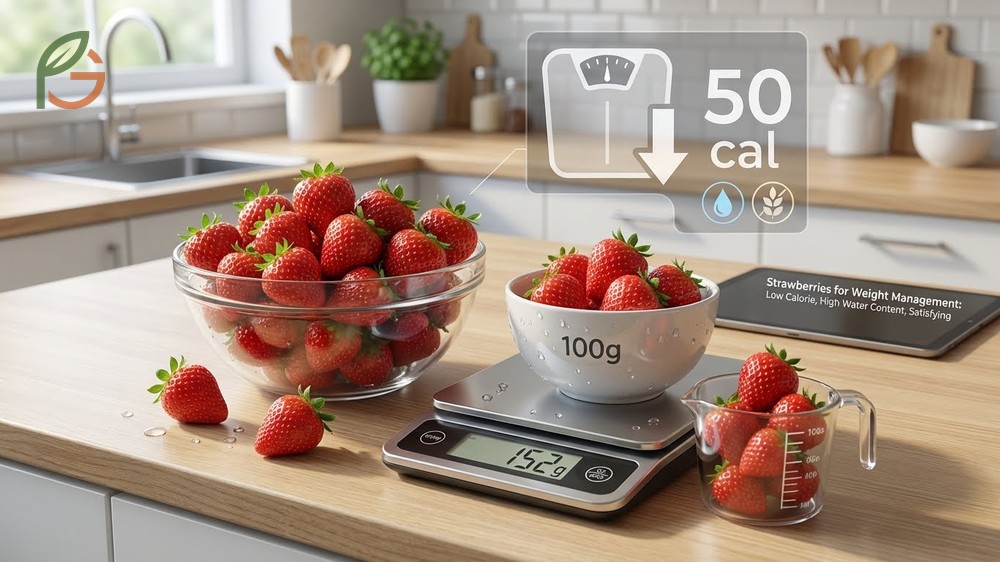
Research shows that strawberries work effectively for weight management due to their low calorie density, high water content, and satisfying fiber. Studies demonstrate that foods with high water and fiber content like strawberries help control appetite by increasing satiety without adding excessive calories. You can eat a full cup of strawberries for fewer calories than two small cookies, making them an ideal replacement for high-calorie snacks.
Evidence suggests that the fiber in strawberries slows digestion and helps maintain steady blood sugar levels between meals. This prevents the energy crashes and hunger pangs that often trigger overeating. Most people find that adding strawberries to breakfast or as an afternoon snack reduces overall calorie intake throughout the day by curbing cravings for processed sweets.
The natural sweetness of strawberries satisfies sugar cravings while delivering essential nutrients that support metabolic health. Unlike empty-calorie desserts, strawberries provide vitamin C and antioxidants that may support fat metabolism and energy production during weight loss efforts. For home gardeners, having fresh strawberries readily available creates convenient access to this weight-friendly food option throughout the growing season.
Strawberries Glycemic Index
Strawberries have a glycemic index (GI) of 40-41, placing them firmly in the low glycemic category[4]. Research demonstrates that foods with a GI below 55 cause minimal blood sugar spikes and provide more sustained energy compared to high-GI options. This makes strawberries suitable for people monitoring blood glucose levels or following diabetes management plans.
The glycemic load (GL) of a one-cup serving measures approximately 3, which is considered very low[4]. Glycemic load accounts for both the quality and quantity of carbohydrates in a serving, providing a more practical measure than GI alone. Current data indicates that you’d need to eat more than five cups of strawberries to reach a moderate glycemic load of 10.
Blood Sugar Tip: Pairing strawberries with protein sources like Greek yogurt or nuts further slows sugar absorption and creates an even more balanced blood glucose response.
Are Strawberries Keto-Friendly
Strawberries can fit into ketogenic diets when consumed in moderation. One cup of strawberries contains 10g of net carbs (total carbs minus fiber), which represents 33-50% of the typical 20-30g daily net carb limit for strict keto dieters. Studies show that smaller portions of 1/4 to 1/2 cup, providing 2.5-5g net carbs, allow most people to enjoy strawberries while maintaining ketosis.
Evidence suggests that strawberries rank among the most keto-compatible fruits available. They contain fewer net carbs than blueberries (14g per cup), raspberries (7g per cup), and significantly less than bananas (24g per medium banana) or apples (21g per medium fruit). The high fiber content and low sugar-to-fiber ratio make strawberries a better choice than most other fruits for low-carb eating plans.
Most keto practitioners find success by incorporating strawberries as occasional treats rather than daily staples. Research demonstrates that combining strawberries with high-fat foods like heavy cream or almond butter helps balance macronutrient ratios while satisfying sweet cravings. For gardeners following keto diets, growing your own strawberries provides fresh access to this relatively low-carb fruit option during harvest season.
- Limit portions to 1/4-1/2 cup (2.5-5g net carbs) per serving to stay within keto limits
- Combine strawberries with high-fat ingredients like heavy cream, cream cheese, or macadamia nuts
- Choose fresh strawberries over dried or sweetened versions which contain added sugars
- Time strawberry consumption after workouts when insulin sensitivity is highest
- Use strawberries as a substitute for higher-carb desserts and sweetened beverages
Calories in Frozen and Chocolate Covered Strawberries

Frozen unsweetened strawberries contain approximately 50 calories per cup, nearly identical to fresh strawberries at 53 calories[5]. Research shows that freezing preserves most of the nutritional value, including vitamin C content, fiber, and natural sugars. The slight calorie variation between fresh and frozen berries comes from minor differences in water content and measurement methods rather than actual nutritional changes.
Studies demonstrate that unsweetened frozen strawberries maintain their low-calorie profile throughout extended storage periods. However, sweetened frozen strawberries contain significantly more calories—typically 80-120 calories per cup due to added sugar. Current data indicates that one tablespoon of added sugar contributes approximately 50 extra calories, nearly doubling the calorie content of a standard serving.
Chocolate-covered strawberries present a dramatically different nutritional profile. Research shows that dipping a large strawberry in chocolate adds 24-30 calories from the chocolate coating alone, bringing the total to approximately 30-36 calories per piece[6]. Commercial chocolate-covered strawberries typically contain even more, with 6 pieces providing 180 calories, averaging 30 calories per strawberry[6]. The chocolate coating also adds saturated fat and sugar, transforming the nutritional characteristics entirely.
For weight management purposes, unsweetened frozen strawberries serve as an excellent substitute for fresh berries year-round without adding calories. They work particularly well in smoothies, where the frozen texture creates a thick, creamy consistency without requiring ice or other ingredients. Home gardeners who freeze their harvest at peak ripeness often achieve better flavor and nutrition than purchasing out-of-season fresh strawberries that traveled long distances.
Storage Tip: Flash-freeze fresh strawberries on a baking sheet before transferring to freezer bags to prevent clumping and preserve individual berry shape for easier portioning.
What Is a Serving of Strawberries

The American Heart Association defines one serving of strawberries as 8 large berries or approximately 1 cup sliced[7]. This standard serving provides the full nutritional benefits discussed throughout this article—53 calories, 3g fiber, 13g carbohydrates, and 100% daily value of vitamin C. Current dietary guidelines recommend 1.5-2 cups of fruit per day for most adults, which means a single serving of strawberries represents about half to two-thirds of your daily fruit intake.
Research demonstrates that actual serving sizes people consume often vary significantly from official recommendations. Studies show that most individuals naturally eat 1-1.5 cups of strawberries when served as a snack, while smaller portions of 1/2 cup work better when strawberries accompany other foods in mixed dishes. The visual appeal and low calorie content of strawberries means that eating slightly larger portions doesn’t significantly impact overall calorie intake.
For home gardeners, understanding serving sizes helps estimate harvest yields and plan plantings. Evidence suggests that a mature strawberry plant produces approximately 1-2 pounds of fruit per season, which translates to 6-12 standard servings per plant. This information allows you to calculate how many plants you need to supply your household’s strawberry consumption throughout the growing season.
- 8 large whole strawberries = 1 standard serving = approximately 150-168g
- 1 cup sliced strawberries = 1 serving = approximately 168g = 53 calories
- 1 cup whole strawberries = approximately 144g = slightly smaller than 1 standard serving
- 1/2 cup strawberries = half serving = approximately 75-85g = 25-27 calories
- 1 pint fresh strawberries = approximately 2.5 servings = about 12-15 large berries
- 1 pound strawberries = approximately 3 servings = 20-24 medium-large berries
The flexibility of strawberry serving sizes accommodates various dietary approaches and preferences. Studies indicate that people following weight loss diets often consume 1-2 servings daily as satisfying low-calorie snacks, while athletes and active individuals might eat 2-3 servings to support increased vitamin C and carbohydrate needs. Current guidance emphasizes that eating slightly more than one standard serving of strawberries remains well within healthy eating patterns due to their exceptional nutritional value per calorie.
Conclusion
The evidence is clear: strawberries deliver exceptional nutritional value with remarkably few calories, making them one of the most diet-friendly fruits you can eat. With just 53 calories per cup, they provide substantial fiber, vitamin C, and beneficial plant compounds while supporting weight management and blood sugar control. Current nutrition research consistently demonstrates that incorporating strawberries into your daily diet contributes to better overall health outcomes without adding significant calories.
Whether you’re growing your own strawberries in a home garden or selecting them at your local market, understanding their nutritional profile helps you maximize the benefits of this versatile fruit. FruitGarden continues to synthesize the latest agricultural research and USDA nutrition data to help fruit enthusiasts make informed decisions about growing, harvesting, and consuming nutrient-dense crops like strawberries throughout the seasons.
Medical Disclaimer
Important Medical Disclaimer: This content is for informational and educational purposes only. It is not intended as a substitute for professional medical advice, diagnosis, or treatment. Always consult a qualified healthcare professional or registered dietitian before making any changes to your diet, meal plans, or health routine, especially if you have diabetes, food allergies, or other medical conditions. Individual nutritional needs vary based on age, activity level, health status, and other factors that require personalized professional guidance.
Frequently Asked Questions
How many strawberries can I eat per day?
Most people can safely eat 1-2 cups (8-16 large strawberries) daily as part of a balanced diet. Research shows this amount provides significant vitamin C, fiber, and antioxidants while contributing only 50-100 calories to your daily intake. Current dietary guidelines recommend 1.5-2 cups of total fruit per day, so eating 1-2 cups of strawberries fits well within these recommendations without crowding out other important foods.
Are strawberries good for weight loss?
Yes, strawberries support weight loss due to their low calorie density (53 calories per cup) and high water and fiber content. Studies demonstrate that foods with these characteristics increase feelings of fullness while providing fewer calories, helping reduce overall daily calorie intake. Their natural sweetness also satisfies cravings for sugary foods without derailing weight loss efforts.
Do frozen strawberries have the same calories as fresh?
Unsweetened frozen strawberries contain virtually the same calories as fresh—approximately 50-53 calories per cup. Research shows that freezing preserves nutritional content without adding calories. However, sweetened frozen strawberries contain significantly more calories (80-120 per cup) due to added sugar, so always check labels and choose unsweetened varieties for weight management.
What’s the best time to eat strawberries for weight loss?
Studies suggest eating strawberries at breakfast or as an afternoon snack provides optimal benefits for weight management. Morning consumption helps control blood sugar and reduces mid-morning cravings, while afternoon servings prevent energy crashes that trigger unhealthy snacking. Evidence shows that timing matters less than consistency—regularly including strawberries in your diet produces better results than focusing on specific meal timing.
How many calories are in chocolate-covered strawberries?
Chocolate-covered strawberries contain approximately 30-36 calories each, depending on the size of the berry and thickness of the chocolate coating. The chocolate adds 24-30 calories to each strawberry’s natural 6 calories. Commercial varieties typically average 30 calories per piece, with 6 pieces totaling 180 calories. This represents about 5 times more calories than fresh strawberries alone.
Can diabetics eat strawberries daily?
Yes, strawberries’ low glycemic index of 40-41 makes them suitable for most people with diabetes when consumed in appropriate portions. Research demonstrates that the fiber content slows sugar absorption and prevents blood glucose spikes. Current guidance recommends 1/2 to 1 cup servings (5-10g net carbs) and pairing strawberries with protein or healthy fats for optimal blood sugar control. Always consult your healthcare provider for personalized advice.
How do strawberries compare to other berries in calories?
Strawberries contain fewer calories than most other berries—53 calories per cup compared to blueberries at 85 calories, blackberries at 62 calories, and raspberries at 64 calories per cup. Studies show that strawberries’ higher water content (91% vs 85-88% in other berries) accounts for their lower caloric density. All berries provide excellent nutrition, but strawberries offer the most volume per calorie.





