
How to tell when figs are ripe? Research shows ripe figs display three key signs: they droop at the stem, feel soft when gently squeezed (especially at the neck), and show deepened color based on variety[1]. Unlike many fruits, figs don’t ripen after picking, so timing your harvest correctly matters[2]. FruitGarden synthesizes current horticultural research to help you harvest figs at peak sweetness.
Quick Answer
- The fruit droops and hangs downward from the branch when ripe[1]
- The neck (where fig attaches to stem) feels soft to gentle pressure[3]
- Color deepens from green to purple/brown (for most varieties)[4]
- Harvest window is typically July through September in the northern hemisphere[3]
How to Tell When Figs Are Ripe
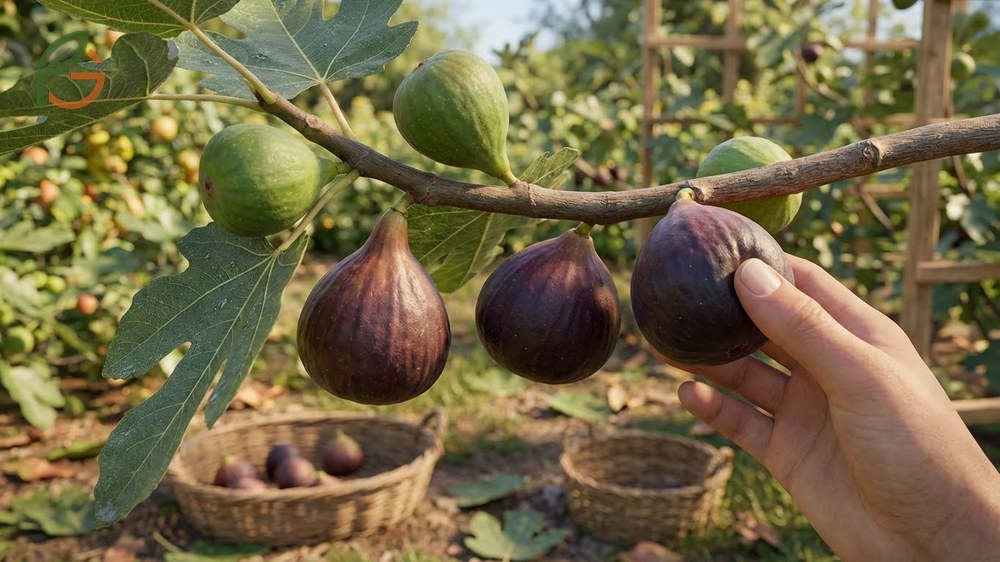
Studies demonstrate that fig ripeness involves multiple physical changes that occur simultaneously. The most reliable method combines checking the fruit’s position, texture, and appearance rather than relying on just one factor.
Agricultural research shows figs ripen from the bottom up, which means the neck softens before the rest of the fruit[3]. This pattern helps you identify the exact moment for harvest. Most people don’t realize that checking at the stem attachment reveals ripeness more accurately than squeezing the entire fruit.
The window between perfect ripeness and overripe can be as short as one day. Current guidance emphasizes daily monitoring once figs begin showing initial signs of maturity.
The Droop Test
The droop remains the most visible indicator of ripeness. Unripe figs stand perpendicular to the branch with a straight, stiff stalk. As sugars develop and the fruit reaches peak maturity, gravity takes over.
Research shows the stalk begins to bend and the fig hangs downward in a drooping position[1]. You’ll notice this change happens within 24-48 hours of peak ripeness. The droop test works for all varieties regardless of their mature color.
From My Experience: My cousin in Guadalajara, Mexico grows Brown Turkey figs and checks them every morning in August. She noticed figs that drooped in the morning were perfect by evening—waiting another day meant the birds got there first.
Texture and Softness
Texture provides the second critical test for ripeness. Current agricultural data indicates the neck of the fig is where you should apply gentle pressure[3]. A ripe fig yields slightly to gentle squeezing, feeling like a partially filled water balloon[5].
Firm figs aren’t ready for harvest. The skin should give under your fingertips without feeling mushy. Overripe figs become too soft and may show signs of fermentation.
Color Transformation
Color changes vary significantly by variety. Brown Turkey and Celeste figs shift from green to deep purple or brown[4]. Kadota and other green varieties remain greenish-yellow even when fully ripe, making color alone unreliable for these types.
Evidence suggests looking for a deepening of whatever the mature color is for your variety. The skin often develops a slight sheen and the color becomes more uniform across the entire fruit.
Important Note: You can’t pick figs green and ripen them on the counter. Figs don’t continue developing sugars or softening after harvest, so tree-ripened figs are the only way to get full flavor[2].
Fig Ripeness Indicators
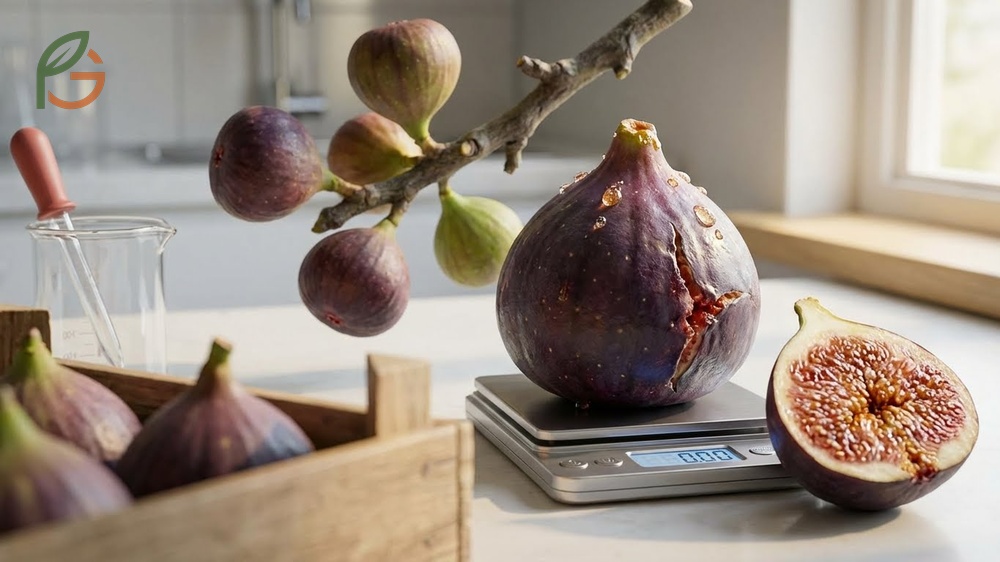
Beyond the primary tests, several secondary indicators help confirm your figs are ready. These signs work together to paint a complete picture of ripeness. Research shows combining multiple indicators reduces the risk of harvesting too early.
What often gets overlooked is that ripe figs emit subtle changes in aroma and weight. The fruit becomes heavier as it fills with sugars and moisture content increases.
Visual Cues
Visual changes extend beyond basic color shifts. The skin texture transforms from thick and taut to thin and delicate. Agricultural data shows the ostiole (the small opening at the bottom of the fig) may slightly open in ripe figs[1].
Some varieties develop small cracks in the skin as they reach peak ripeness. A droplet of nectar sometimes appears at the base—this “weeping” signals the fruit is bursting with sugars and ready to pick.
- Skin becomes thinner and more delicate to touch
- Surface develops a slight sheen or glossy appearance
- Small cracks may appear near the stem or on the body
- The ostiole at the base slightly opens
- Nectar droplets form at the bottom opening
- Overall size reaches maximum for the variety
Aroma and Taste
A ripe fig emits a subtly sweet, honey-like aroma when you get close to it[1]. Unripe figs have little to no scent. The aroma intensifies as sugars concentrate in the final days before peak ripeness.
Taste remains the ultimate test. Ripe figs are delightfully sweet with a smooth texture and jammy interior. Unripe figs taste bland or bitter, with a rubbery texture and firm white flesh inside[4]. Most people only make the mistake of eating an unripe fig once before learning to wait for full maturity.
Ripe Fig Signs
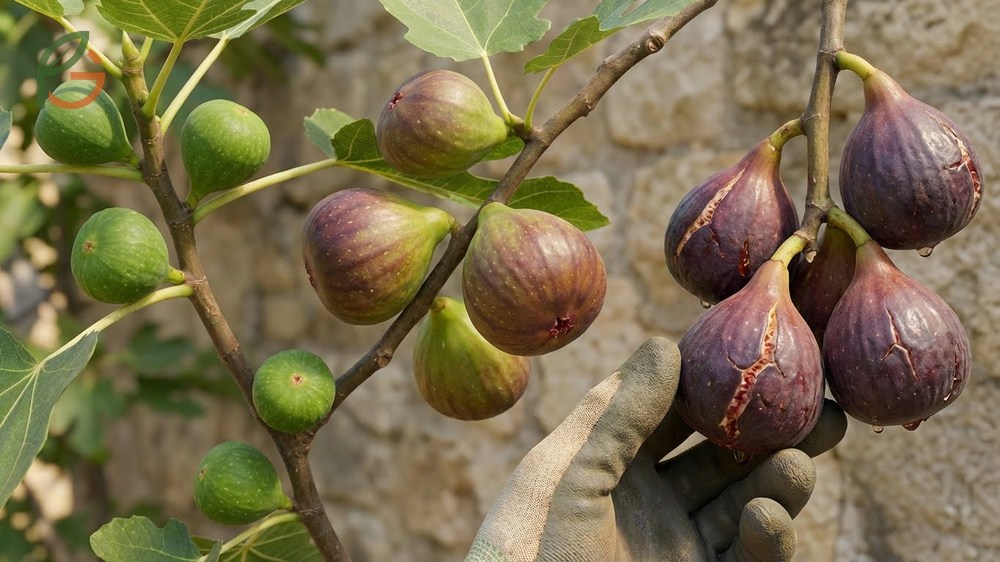
Current horticultural guidance emphasizes a systematic approach to checking ripeness. Start with the droop test from a distance, then move closer for texture and aroma checks. This method prevents you from handling figs unnecessarily, which can damage their delicate skin.
The progression of ripeness follows a predictable pattern. Figs swell to full size first, then begin color changes, followed by softening and drooping in the final 2-3 days.
- Fruit hangs downward with a bent stalk rather than pointing outward
- Gentle pressure on the neck produces a soft, yielding feel
- Color has deepened to the mature shade for your variety
- A sweet aroma is detectable when you’re near the fruit
- The skin feels thin and tears easily if you apply pressure
- Interior flesh is pink to red with translucent seeds when cut open
- The fruit feels heavier than it looks due to moisture content
Research shows that checking these signs in the morning yields the best results. Figs that show all indicators in the morning are typically at peak ripeness by afternoon. Evening checks help you plan which figs to harvest the following morning.
Harvesting Tip: Pick figs in the morning after dew dries but before midday heat. They’ll have better texture and last longer after harvest. Wear gloves if you’re sensitive to the white latex sap that appears at the stem.
When Figs Ready
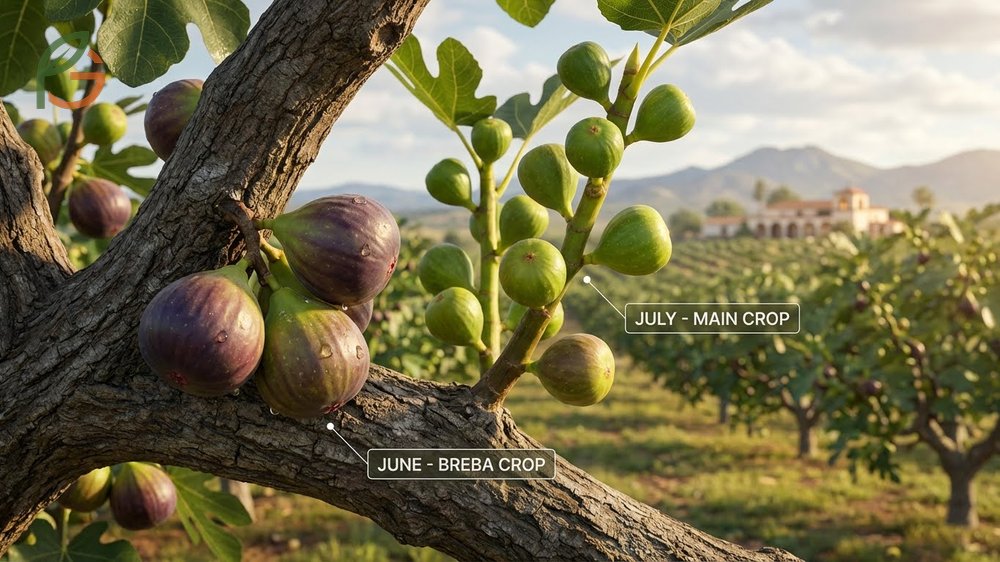
Timing varies by variety, climate, and whether you’re harvesting the breba crop or main crop. Research shows the breba crop (produced on last year’s wood) ripens in late spring to early summer, approximately 90 days after the figs first swell[3]. The main crop follows about 30 days later on new growth.
My friend near Veracruz grows Celeste figs and tracks ripening dates each year. In 2024, his breba crop peaked in early June while the main crop came in late July—matching the typical 30-day gap from agricultural studies.
Climate significantly influences ripening speed. Warm regions with long growing seasons see faster ripening and larger crops. Cooler climates extend the ripening period and may produce smaller yields.
This table compares ripening periods and characteristics across four common fig varieties showing breba and main crop timing
| Variety | Breba Crop | Main Crop | Mature Color |
|---|---|---|---|
| Brown Turkey | June-July | Late August – Early October[1] | Purple-brown |
| Celeste | Late June | Early-Mid August[4] | Light brown |
| Kadota | June-July | August-September | Greenish-yellow |
| Chicago Hardy | Late June | August-September[4] | Purple-brown |
Fig Harvest Timing
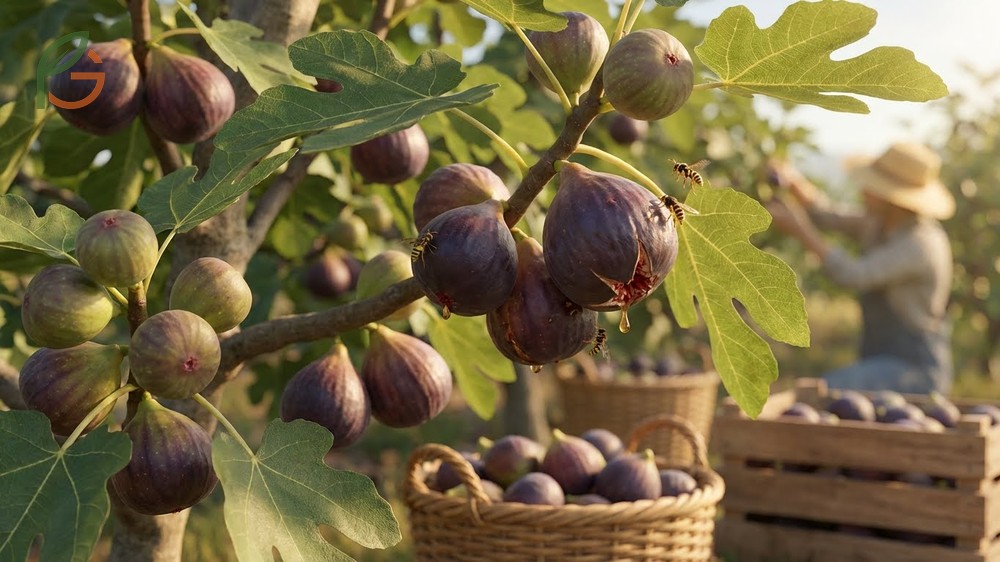
The production season for figs in the northern hemisphere typically runs July through September[3]. July brings breba figs for varieties that produce them. August is peak season for early and midseason main crop varieties, while September sees late-ripening types reach maturity.
Evidence indicates that harvest windows can be quite short—sometimes just 2-3 days between under-ripe and overripe. Birds, squirrels, wasps, and fruit flies compete for ripe figs, so timing your harvest correctly means you’ll actually get to eat your crop.
Check your trees daily once figs begin showing signs of maturity. One day can make the difference between perfect sweetness and mushy, fermented fruit. If you’re growing multiple varieties with staggered ripening times, you can extend your harvest from early summer through fall.
- Start monitoring figs when they reach full size but are still firm
- Check for drooping and color changes every morning during peak season
- Plan to harvest within 24 hours once all ripeness indicators appear
- Pick before major rain events to prevent splitting and spoilage
- Harvest in morning after dew evaporates for best texture and storage life
- Use the 2-3 day rule: if a fig looks close to ripe, check it again in 2 days maximum
Checking Fig Ripeness
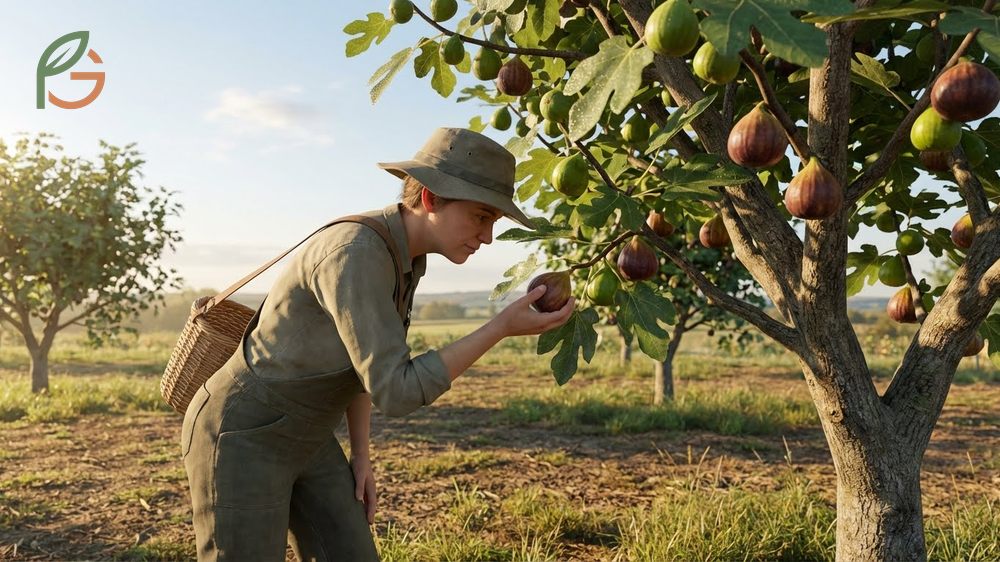
A systematic checking routine prevents missed harvests and reduces fruit loss to pests. Studies demonstrate that establishing a morning inspection routine yields better results than random checking. Walk your fig trees at the same time each day during the ripening season.
Start by scanning branches for drooping figs from a few feet away. Once you’ve identified potential candidates, move closer to check color and perform the gentle neck squeeze test. This approach minimizes handling and prevents damage to figs that need another day or two.
For green varieties like Kadota that don’t show obvious color changes, rely more heavily on the droop test and texture checks. The same principles apply—you’re just removing color from the equation. These varieties can fool beginners who expect all figs to turn purple or brown.
When you cut open a ripe fig, the interior should reveal pink to red flesh with translucent, jammy seeds. Unripe figs show white, firm flesh with underdeveloped seeds. This internal check helps you calibrate your external observations for future harvests.
From My Experience: An uncle in Monterrey taught me to check fig necks without looking at color. He’d walk the tree with his eyes half-closed, feeling for soft necks. His success rate was about 95% even with green Kadota varieties—proving texture beats color every time.
Conclusion
The evidence is clear: how to tell when figs are ripe comes down to three primary indicators working together—drooping position, soft neck texture, and deepened color for your variety. Don’t rely on just one sign; combine all three for accurate timing. Current horticultural guidance emphasizes that figs must ripen on the tree since they won’t develop sugars or soften after picking.
Start checking daily once your figs reach full size in mid to late summer. The 24-48 hour window between perfect and overripe means you’ll want to establish a morning inspection routine. With practice, you’ll develop an eye for that perfect moment when sweetness peaks and texture is ideal. FruitGarden provides research-based growing guides to help you master fig cultivation and harvest timing for maximum flavor.
Frequently Asked Questions
How do you know when a fig is ripe and ready to pick?
A ripe fig droops from the branch, feels soft when you gently squeeze the neck, and shows deepened color for its variety. The fruit should yield to light pressure without feeling mushy. These three signs together indicate perfect ripeness.
What happens if you pick figs too early?
Figs picked too early taste bland or bitter with a rubbery texture and won’t ripen off the tree. They lack the sweetness and jammy interior of tree-ripened figs. Since figs don’t continue developing sugars after harvest, early picking means poor flavor with no remedy.
Can you eat figs straight from the tree?
Yes, you can eat figs straight from the tree once they’re ripe—this is actually the best way to enjoy them. Tree-ripened figs have optimal sweetness and texture. Just rinse them to remove any debris or insects, and you can eat the entire fruit including the skin.
What month do figs typically ripen?
Figs typically ripen from July through September in the northern hemisphere. Breba crops come in late June to July, while main crops peak in August for most varieties. Late-season varieties extend the harvest into September and sometimes early October in warm climates.
Should figs be hard or soft when picked?
Figs should be soft but not mushy when picked. The neck should yield to gentle pressure, feeling similar to a partially filled water balloon. Hard figs aren’t ripe yet, while overly soft ones are past their prime and may ferment quickly.
Why are my figs not getting ripe?
Figs may not ripen due to insufficient sunlight, cool temperatures, excessive nitrogen fertilizer promoting leaf growth over fruit, or picking a variety unsuited to your climate zone. Some varieties need long, warm growing seasons to mature properly. Check that your variety matches your USDA hardiness zone.
How long do fresh figs last after picking?
Fresh figs last 2-3 days at room temperature or 5-7 days refrigerated. Store them in a single layer with good airflow to prevent moisture buildup. Don’t wash figs until you’re ready to eat them, as moisture accelerates spoilage. For longer storage, freeze them in sugar syrup or make fig jam.





