
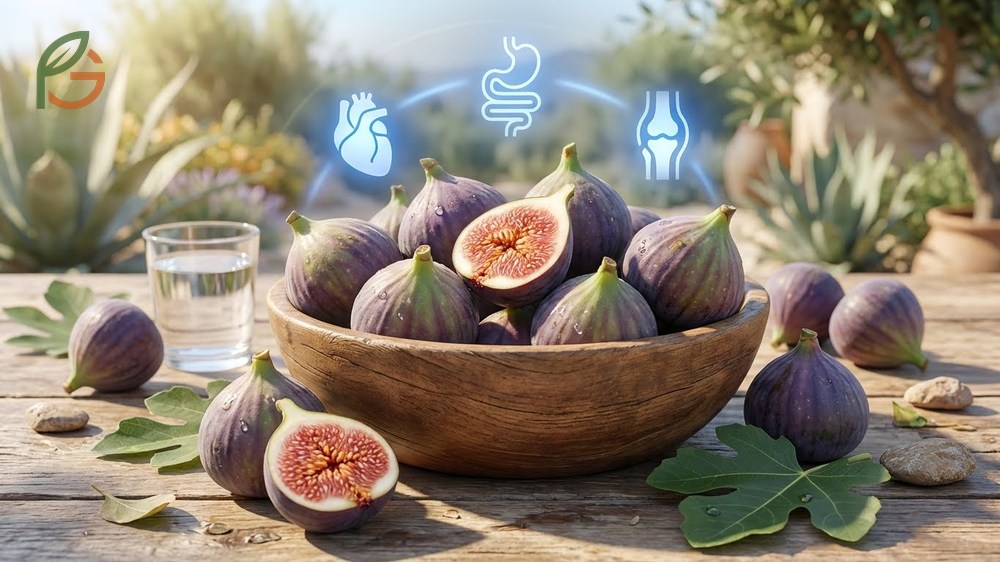
Are figs good for you? Yes, research shows figs deliver substantial health benefits through their fiber, mineral, and antioxidant content. One medium fresh fig provides 30 calories, 1.2g fiber[1], and essential minerals including potassium and calcium. Studies demonstrate that incorporating figs into your diet supports digestive health, cardiovascular function, and bone density. FruitGarden synthesizes current agricultural research and nutritional data to help you understand how this ancient fruit fits into modern healthy eating patterns.
Quick Answer
- Fresh figs contain only 30 calories[1] with 1.2g fiber[1] per medium fruit
- Six dried figs provide 5g fiber[2] (17% daily value) and 125 calories[2]
- Research shows fig consumption reduces IBS-C symptoms by improving bowel regularity[3]
- Fresh figs have a low glycemic index of 51[4], making them diabetes-friendly in moderation
Are Figs Good for You
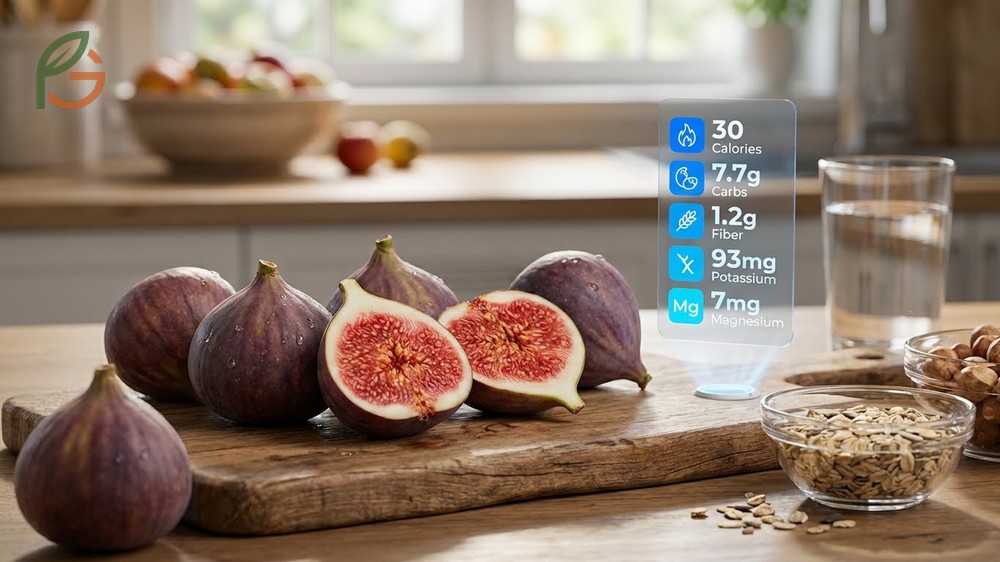
Research confirms that figs are nutrient-dense fruits offering multiple health advantages. Current data indicates one medium fresh fig weighing 40g contains 30 calories[1], 7.7g carbohydrates[1], and 1.2g fiber[1]. Studies show that regular fig consumption supports digestive wellness, cardiovascular health, and metabolic function.
The mineral profile makes figs particularly valuable for specific health needs. Evidence suggests figs provide 93mg potassium[1] and 7mg magnesium[1] per medium fruit. These minerals play crucial roles in blood pressure regulation and bone health.
Most people don’t realize that figs rank among the top fiber-rich fruits relative to their calorie content. This combination creates a satisfying snack that doesn’t derail weight management goals while delivering essential nutrients your body needs daily.
Important Note: Fresh and dried figs differ significantly in nutrient concentration. Dried figs contain roughly 4-5 times more calories and minerals per serving due to water removal during processing.
Health Benefits of Figs

Agricultural data shows figs deliver multiple evidence-based health benefits that extend beyond basic nutrition. Research demonstrates these benefits stem from the fruit’s unique combination of soluble fiber, minerals, and bioactive compounds. Current guidance emphasizes whole fruits like figs for their synergistic nutrient effects.
The health advantages of figs include digestive support, antioxidant protection, cardiovascular benefits, and bone health maintenance. Studies indicate that the fiber content works with minerals to create complementary health effects throughout multiple body systems.
Figs for Digestion
Research shows figs promote digestive wellness through both mechanical and prebiotic mechanisms. The 1.2g fiber[1] in one fresh fig adds bulk to stools and stimulates intestinal movement. Clinical evidence demonstrates significant digestive improvements with regular fig consumption.
A 2019 clinical study involving 150 participants[3] with IBS-C found that consuming four dried figs twice daily reduced pain, bloating, and constipation compared to control groups. The fiber serves as a prebiotic, feeding beneficial gut bacteria and promoting a healthy microbiome.
- Softens stools and increases bulk for easier passage
- Stimulates natural peristaltic movement in intestines
- Feeds beneficial gut bacteria as a prebiotic fiber source
- Reduces symptoms of irritable bowel syndrome with constipation
- Supports production of short-chain fatty acids that reduce inflammation
Figs Nutrition Facts
Current USDA data reveals the complete nutritional profile of fresh versus dried figs. Understanding these differences helps you choose the right form for your dietary needs and health goals.
This table compares calories, macronutrients, and key minerals between one medium fresh fig and four dried figs
| Nutrient | 1 Fresh Fig (40g) | 4 Dried Figs (40g) | Daily Value % |
|---|---|---|---|
| Calories | 30[1] | 100[5] | 5% (dried) |
| Fiber | 1.2g[1] | 5.6g[5] | 14% (dried) |
| Potassium | 93mg[1] | 270mg[2] | 7% (dried) |
| Calcium | 14mg | 65mg[2] | 6% (dried) |
| Sugar | 6.5g[1] | 24g[2] | N/A |
The concentration effect of drying amplifies both beneficial nutrients and natural sugars. This makes dried figs more calorie-dense but also richer in fiber, calcium, and iron per serving.
Antioxidants in Figs
Studies demonstrate figs contain polyphenolic compounds that protect cells from oxidative damage. Research shows these antioxidants include flavonoids, anthocyanins, and catechins that counteract free radical activity. The highest concentrations appear in fig skin and leaves.
Laboratory analyses reveal that flavonoids in figs reduce inflammation by suppressing inflammatory pathways in the body[6]. This anti-inflammatory action supports their use as a dietary intervention for conditions driven by chronic inflammation.
- Flavonoids that reduce oxidative stress and inflammation
- Anthocyanins concentrated in darker fig varieties
- Catechins that inhibit fat peroxidation
- Phenolic acids that protect DNA from damage
- Vitamin C supporting immune function and collagen synthesis
Benefits of Figs for Men

Research indicates figs offer specific advantages for male health through their mineral content and nutrient profile. Evidence suggests the zinc and magnesium in figs support testosterone production and reproductive health. Studies show these minerals play direct roles in male hormonal function and fertility.
The potassium content helps regulate cardiovascular health, which becomes increasingly important for men as they age. Data demonstrates that adequate potassium intake correlates with healthier blood pressure readings and reduced cardiovascular disease risk.
Current guidance emphasizes that figs provide plant-based minerals supporting bone density. The calcium, magnesium, and phosphorus content helps maintain skeletal strength, counteracting age-related bone loss that affects men over 50.
- Zinc content supports natural testosterone synthesis and sperm production
- Antioxidants improve sperm motility and count in reproductive health
- Potassium helps maintain healthy blood pressure levels (7% DV per serving[2])
- Calcium and magnesium support bone density and skeletal strength
- Fiber promotes prostate health by reducing inflammation risk
- Natural sugars and carbohydrates provide sustained energy for physical activity
Important Note: While figs contain beneficial minerals, they’re not a substitute for medical treatment of fertility issues. Men experiencing reproductive health concerns should consult healthcare providers for comprehensive evaluation.
Figs Benefits for Female

Studies demonstrate figs provide specific nutritional support for women’s health across different life stages. Research shows the iron content becomes particularly valuable during menstruation when blood loss depletes iron stores. The copper in figs works synergistically with iron to support hemoglobin production and prevent deficiency.
Evidence indicates that calcium-rich foods like figs support bone health throughout women’s lives, becoming critical during pregnancy and post-menopause. Dried figs deliver 6% of daily calcium needs[2] per serving, helping maintain bone density when estrogen levels decline.
Current nutritional guidance recognizes that the mineral profile in figs supports hormone regulation and reproductive wellness. The combination of calcium, iron, and potassium contributes to balanced hormonal function, particularly for women managing conditions like PCOS or irregular menstrual cycles.
- Iron content helps replace blood loss during menstruation
- Copper enhances iron absorption and hemoglobin production
- Calcium supports bone density during pregnancy and menopause (6% DV[2])
- Fiber helps balance hormones by supporting healthy digestion
- Antioxidants combat oxidative stress affecting egg quality
- Potassium reduces water retention and bloating during menstrual periods
Figs for Blood Pressure and Heart Health
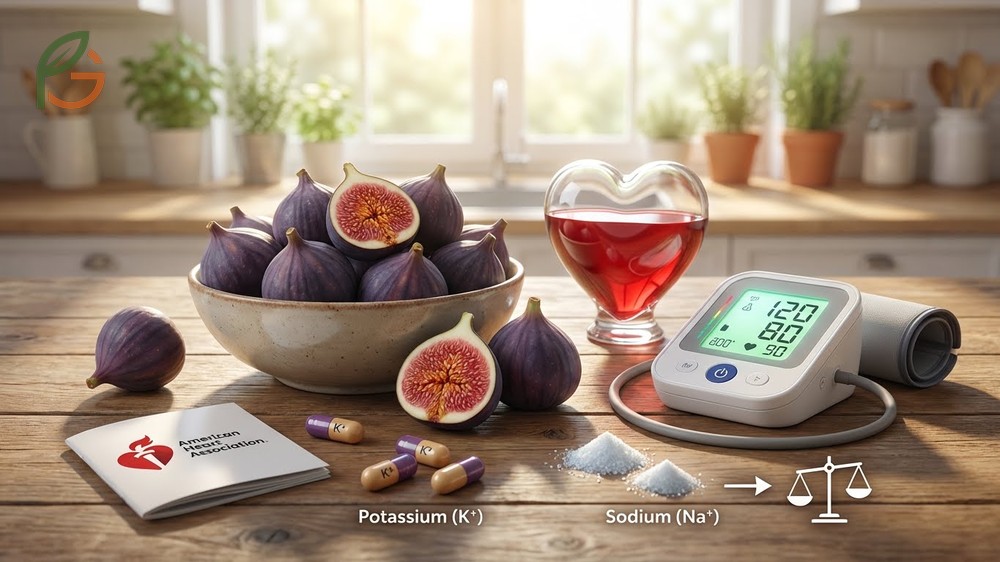
Research confirms that figs support cardiovascular health through multiple mechanisms. The American Heart Association notes that figs are potassium-rich foods that help correct imbalances caused by excessive sodium intake[7]. High fiber levels assist in flushing excess sodium from the body, creating a dual-action benefit for blood pressure management.
Studies demonstrate that adequate potassium intake directly influences blood vessel relaxation and fluid balance regulation. Six dried figs provide 7% of daily potassium needs[2], making them a practical snack for supporting healthy blood pressure levels.
Evidence suggests that the fiber in figs contributes to cholesterol reduction, another key factor in cardiovascular disease prevention. The soluble fiber binds to cholesterol in the digestive tract, helping remove it before absorption into the bloodstream.
- Potassium helps regulate blood pressure by balancing sodium effects
- Fiber flushes excess sodium through improved kidney function
- Soluble fiber reduces LDL cholesterol absorption in the digestive tract
- Antioxidants prevent plaque buildup in arterial walls
- Low sodium content (0.4mg per fresh fig[1]) supports blood pressure goals
Important Note: Figs complement but don’t replace prescribed blood pressure medications. If you’re taking antihypertensive drugs or have diagnosed hypertension, consult your healthcare provider before making significant dietary changes.
Figs and Diabetes

Research reveals that figs can fit into diabetic meal plans when consumed strategically. Fresh figs have a glycemic index of 51[4], placing them in the low-GI category. This means they’re less likely to cause rapid blood sugar spikes compared to high-GI foods.
Studies published in peer-reviewed journals demonstrate that fig fruit extract reduces glycemic response to carbohydrate loads. A clinical trial found that 200mg fig extract[8] lowered blood glucose and insulin levels by 13-25% compared to control groups. The extract works by improving glucose transporter efficiency.
Current guidance emphasizes portion control and pairing strategies for diabetics eating figs. The fiber content helps slow sugar absorption, but dried figs contain concentrated sugars—six dried figs deliver 24g sugar[2]. Pairing figs with protein or healthy fats moderates blood sugar response.
- Choose fresh figs (GI 51[4]) over dried (GI 61[9]) for better blood sugar control
- Limit portions to 1-2 fresh figs or 2-3 dried figs per serving
- Pair figs with protein sources like nuts or Greek yogurt
- Monitor blood glucose response when first adding figs to your diet
- Time fig consumption with meals rather than as isolated snacks
Fresh vs Dried Figs Benefits

Understanding the differences between fresh and dried figs helps you choose the right form for your health goals. The drying process concentrates nutrients but also increases calorie and sugar density by roughly 4-5 times per equivalent weight.
Fresh figs work better for weight management and blood sugar control due to their high water content and lower calorie density. One fresh fig contains only 30 calories[1] versus 25 calories per dried fig, but the volume difference means you feel fuller eating fresh.
Dried figs excel when you need concentrated minerals for specific health concerns. They deliver significantly higher amounts of calcium, iron, and fiber per serving—making them valuable for bone health, anemia prevention, and digestive support when portion-controlled properly.
| Health Goal | Best Choice | Reason |
|---|---|---|
| Weight Management | Fresh Figs | Lower calorie density, higher water content creates satiety |
| Blood Sugar Control | Fresh Figs | Lower GI (51[4]) and less concentrated sugar |
| Bone Health | Dried Figs | Higher calcium concentration (6% DV[2]) |
| Digestive Health | Dried Figs | More fiber per serving (5.6g vs 1.2g[1]) |
| Iron Needs | Dried Figs | Concentrated iron content (4% DV[2]) per serving |
Conclusion
The evidence is clear: are figs good for you? Yes, figs deliver scientifically validated health benefits through their fiber, mineral content, and antioxidant compounds. Research demonstrates they support digestive wellness, cardiovascular health, blood sugar management, and provide gender-specific nutritional advantages. Choose fresh figs for weight control and lower glycemic response, or select dried figs when you need concentrated minerals for bone health and digestive support.
Current nutritional guidance from FruitGarden emphasizes that figs work best as part of balanced eating patterns that include diverse fruits and vegetables. Whether you’re managing specific health conditions or simply seeking nutrient-dense snacks, figs offer versatile options that fit multiple dietary approaches when portioned appropriately.
Medical Disclaimer
Important Medical Disclaimer: This content is for informational and educational purposes only. It’s not intended as a substitute for professional medical advice, diagnosis, or treatment. Always consult a qualified healthcare professional before making any changes to your diet, medication, or health routine, especially if you have diabetes, cardiovascular disease, or other medical conditions. Individual responses to foods vary, and what works for one person may not be appropriate for another.
Frequently Asked Questions
How Many Figs Should You Eat Per Day?
Research suggests 2-3 fresh figs or 3-4 dried figs daily provides health benefits without excessive calories or sugar. This amount delivers substantial fiber (4-5g) and minerals while keeping sugar intake moderate. If you’re managing diabetes or weight, limit portions to 1-2 fresh figs or 2-3 dried figs per serving, paired with protein sources.
Are Figs High in Sugar?
Yes, figs contain natural sugars—one fresh fig has 6.5g sugar while six dried figs contain 24g sugar. However, the fiber content (1.2g per fresh fig, 5g per six dried figs) slows sugar absorption. Fresh figs have a low glycemic index of 51, making them diabetic-friendly in controlled portions when paired with protein or healthy fats.
Can Figs Help You Lose Weight?
Studies show figs support weight management through high fiber content that promotes satiety. Four dried figs provide only 100 calories with 5.6g fiber (14% daily value), helping you feel full longer. Research indicates fiber-rich foods like figs reduce overall calorie intake by preventing overeating, but they must fit within your total calorie budget for weight loss.
What Are Figs Good for Sexually?
Research indicates figs contain zinc and antioxidants that support reproductive health. Zinc plays a role in testosterone production and sperm quality for men, while iron and calcium support hormonal balance in women. However, figs aren’t aphrodisiacs—their sexual health benefits come from providing essential minerals needed for normal reproductive function rather than directly enhancing libido.
Are Fresh Figs Better Than Dried Figs?
Neither is universally “better”—the choice depends on your health goals. Fresh figs win for weight management and blood sugar control with their lower calorie density (30 vs 100+ calories) and lower glycemic index (51 vs 61). Dried figs excel when you need concentrated minerals like calcium (6% DV vs 1% DV) or fiber (5.6g vs 1.2g per serving) for bone health or digestive support.
Do Figs Cause Constipation or Relieve It?
Research confirms figs relieve constipation rather than cause it. A clinical study of 150 people with IBS-C found that eating four dried figs twice daily significantly reduced constipation symptoms. The soluble and insoluble fiber content adds bulk to stools, stimulates intestinal movement, and feeds beneficial gut bacteria—all mechanisms that improve bowel regularity.
Are Figs Safe During Pregnancy?
Yes, figs are generally safe during pregnancy and provide valuable nutrients like calcium, iron, and fiber that support maternal and fetal health. The calcium supports bone development while iron prevents anemia common in pregnancy. However, pregnant women should consume figs in moderation (2-3 daily) due to natural sugar content and always consult their healthcare provider about specific dietary choices.





