
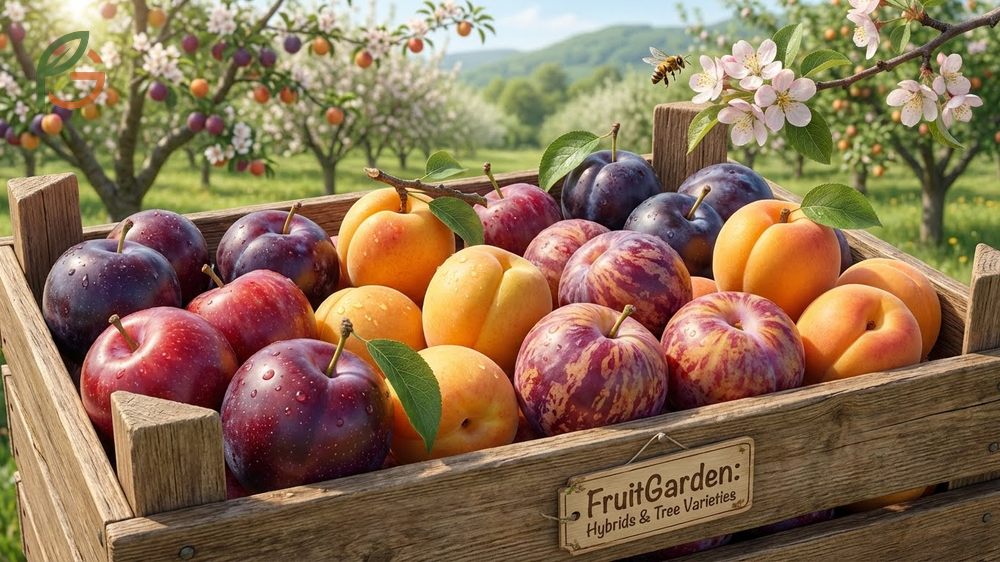
Plum and apricot fruit combine to create delicious stone fruit hybrids including pluots, apriums, and plumcots—each offering unique flavor profiles from sweet to tart. Research shows these hybrids thrive in USDA zones 6-9 with proper cross-pollination partners[1]. FruitGarden synthesizes current horticultural research to help you select, grow, and harvest these versatile stone fruits.
Quick Answer
- Plumcots are 50% plum, 50% apricot with smooth skin and balanced flavor[2]
- Pluots contain 70-75% plum genetics, offering sweeter, juicier flesh than their parents[2]
- Apriums feature 75% apricot traits with fuzzy skin and firmer texture[2]
- Trees produce fruit within 3-6 years after planting, fruiting from June through September[3]
Plum and Apricot Fruit
Stone fruit hybrids represent decades of careful breeding between plums and apricots—two closely related species in the Prunus family. Luther Burbank created the first plumcot in the late 1800s by successfully crossing these fruits at a 50-50 genetic ratio[2]. Modern breeding techniques now allow growers to adjust the genetic balance, creating varieties that lean more toward either parent fruit.
Floyd Zaiger’s company revolutionized stone fruit breeding by developing pluots and apriums—later-generation hybrids with refined characteristics. His operation patented 446 plant varieties through hand-pollination methods[2]. These advances transformed backyard orchards by offering fruit that combines the best traits of both species.
Interspecific plums—the scientific term for these crosses—maintain the hardiness of plums while incorporating apricot sweetness. Different hybrid types serve distinct culinary purposes, from fresh eating to baking and preserving. The genetic ratio determines everything from skin texture to sugar content.
What Are Stone Fruit Hybrids
Stone fruit hybrids form when breeders deliberately cross-pollinate different Prunus species to combine desirable traits. The resulting offspring inherit characteristics from both parent trees in varying proportions. This process differs from natural pollination, which rarely occurs between plums and apricots without human intervention.
First-generation hybrids like plumcots maintain equal genetic contributions from both parents. Later generations involve backcrossing hybrids with purebred parents to emphasize specific qualities. This technique allows breeders to fine-tune sweetness levels, growing seasons, and disease resistance.
Flavor Profiles and Textures
Plum-dominant hybrids deliver juicy, candy-like sweetness with smooth skins that require no peeling. Apricot-leaning varieties offer floral notes and firmer flesh that holds its shape during cooking. The 50-50 plumcot provides balanced tartness and sweetness in equal measure[2].
Texture varies significantly across hybrid types. Pluots feature soft, yielding flesh similar to ripe plums but with enhanced sugar concentration. Apriums maintain apricot firmness with a subtle fuzz on the skin that distinguishes them from their plum relatives.
Important Note: Ripeness dramatically affects flavor in all hybrids. Fruit harvested too early tastes sour and lacks characteristic sweetness, while overripe specimens develop mealy textures.
Purple Leaf Plum Tree Fruit Edible
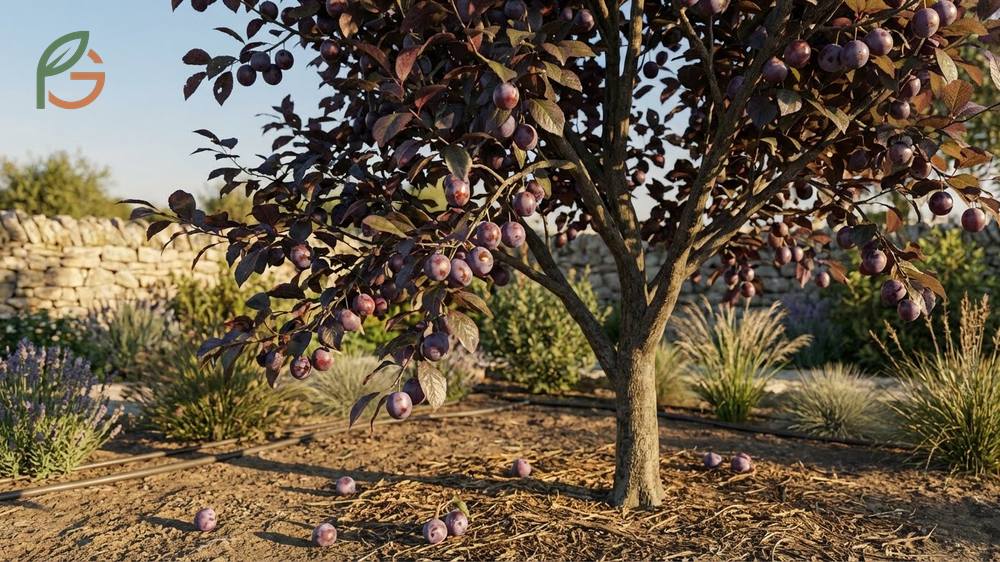
Purple leaf plums produce completely edible fruit despite their ornamental reputation. These cherry-sized plums measure slightly larger than true cherries but much smaller than commercial plum varieties[4]. Many gardeners overlook this fruit source because not all ornamental cultivars set heavy crops.
The species, scientifically known as Prunus cerasifera, thrives in moderate to cool climates but adapts well to hot, dry regions with regular irrigation. Trees bloom first among spring fruit trees, producing light pink flowers before leaves emerge. This early flowering makes them vulnerable to late frosts that can damage developing fruit.
Unlike standard plum trees bred specifically for fruit production, purple leaf varieties prioritize foliage color and ornamental value. However, their fruit remains safe and nutritious for consumption when properly ripened on the tree. Quality varies significantly between individual trees and growing conditions.
Taste Characteristics
Well-ripened purple leaf plums taste sweet and juicy with moderate tartness near the pit. The skin contributes a sour kick that balances the flesh’s sweetness[4]. Leaving fruit on the tree longer generally increases sugar content, though some cultivars produce consistently tart fruit regardless of hang time.
Unripe specimens taste extremely sour—comparable to lemons or limes—and should remain on branches until fully colored. The transition from green to deep purple signals ripeness in most varieties. Some trees produce fruit that never achieves the sweetness of commercial plums, offering only sharp acidity.
From My Experience: My cousin in Guadalajara, Mexico harvested purple leaf plums in July 2024. The fruit measured 2.5 cm diameter versus typical 2-3 cm range, achieving peak sweetness when dark purple—matching horticultural guidelines for ripeness indicators.
Nutritional Benefits
Purple leaf plums contain vitamins and antioxidants comparable to standard plum varieties. Their smaller size concentrates nutrients in the skin, where most beneficial compounds reside. The fruit works well fresh in salads and desserts or cooked into jams and sauces[4].
Small fruit size makes them labor-intensive for large-scale processing but perfect for snacking and garnishes. The unique flavor profile adds complexity to beverages and baked goods. Most home gardeners view them as a bonus crop rather than a primary harvest.
Pluot, Aprium, and Plumcot Varieties
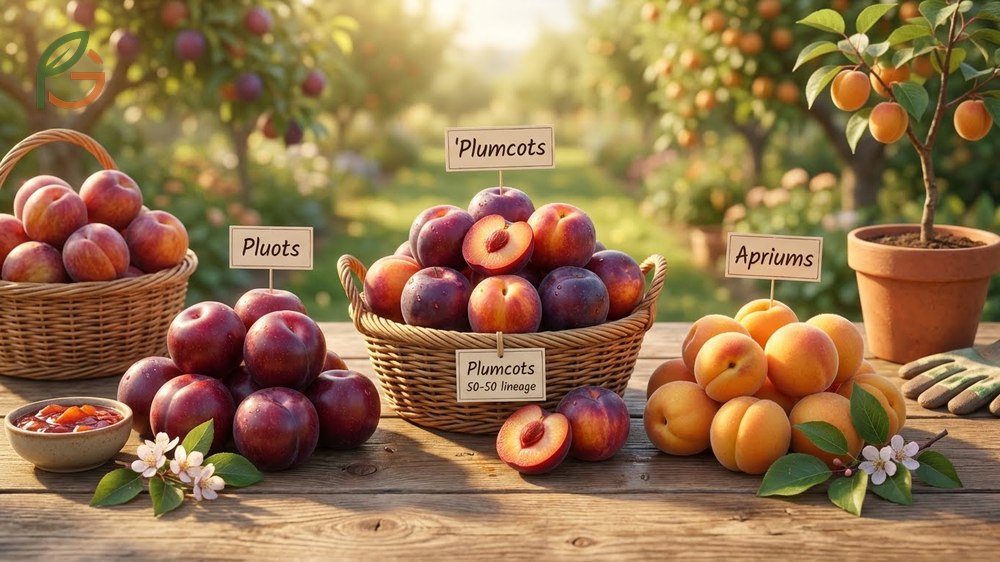
Three distinct hybrid categories organize plum-apricot crosses based on genetic ratios. Each type serves different culinary purposes and growing requirements. Understanding these differences helps gardeners select varieties that match their climate and taste preferences.
Plumcots represent the original 50-50 hybrid that Luther Burbank developed over a century ago. Pluots and apriums emerged later as breeders refined the genetic balance through successive generations. Modern varieties number in the dozens, with new introductions appearing regularly from breeding programs.
This table compares genetic ratios, skin textures, flavor profiles, and best culinary uses across three types of plum-apricot hybrids
| Hybrid Type | Genetic Ratio | Skin Texture | Best Use |
|---|---|---|---|
| Plumcot | 50% plum, 50% apricot[2] | Smooth, like plum | Fresh eating, desserts |
| Pluot | 70-75% plum[2] | Smooth, very juicy | Fresh eating, canning |
| Aprium | 75% apricot[2] | Slightly fuzzy | Baking, drying, fresh |
Pluot Characteristics
Pluots dominate the commercial hybrid market because of their exceptional sweetness and vibrant coloring. Popular varieties include ‘Flavor Grenade’, ‘Dapple Dandy’, and ‘Flavor Supreme’, each offering unique taste profiles. The smooth skin requires no peeling, making them convenient for fresh consumption[2].
These varieties contain more sugar than either parent fruit, sometimes reaching 20-25 Brix at peak ripeness. Flesh colors range from amber to deep red depending on the cultivar. The crisp texture holds up well in fruit salads and maintains integrity when lightly cooked.
Aprium Characteristics
Apriums favor apricot traits with their fuzzy skin and firmer, denser flesh. They resist browning better than pluots, making them ideal for dried fruit production and baking applications. The flavor profile emphasizes apricot’s floral notes with reduced tartness[2].
Common varieties like ‘Cot-N-Candy’ and ‘Flavor Delight’ ripen earlier than most pluots, extending the stone fruit season. The firmer texture means they ship and store better than soft-fleshed alternatives. Home bakers prefer them for pies and tarts because they don’t release excessive moisture during cooking.
- Pluots require Japanese plum pollinators while apriums need apricot or compatible hybrid partners
- Apriums tolerate slightly cooler climates than pluots due to apricot cold-hardiness genes
- Pluots produce heavier crops in warm-summer regions with Mediterranean climates
- Apriums resist brown rot disease better than plum-dominant hybrids
- Pluot trees grow slightly larger and require more aggressive pruning to maintain manageable size
When Do Plum Trees Produce Fruit
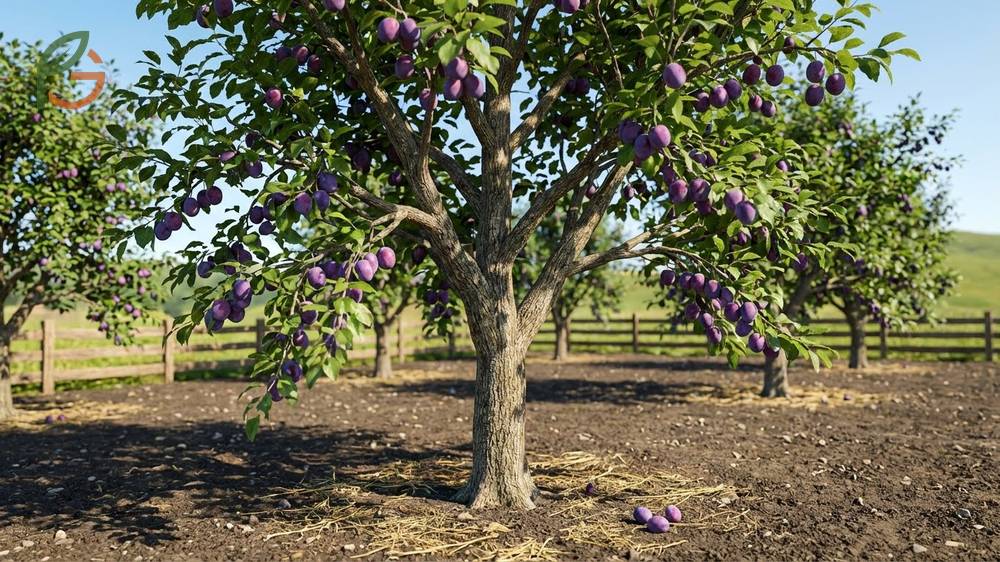
Plum trees begin fruit production 3-6 years after planting, with grafted nursery stock fruiting faster than seed-grown specimens[3]. European varieties like ‘Stanley’ reach maturity faster than Japanese types such as ‘Santa Rosa’. Trees planted in optimal conditions with full sun and well-drained soil establish productive canopies more quickly than those in marginal sites.
The annual fruiting cycle starts with late winter to early spring flowering, lasting 1-2 weeks depending on weather conditions. Successful pollination leads to small green fruit that gradually enlarges through spring and summer. Harvest season runs from June through September, varying by cultivar and regional climate.
First-year fruit production typically yields light crops as young trees allocate energy to root and branch development. By years 5-7, mature trees can produce up to 2 bushels of fruit per season. Consistent watering during fruit enlargement and proper thinning improve size and sweetness in developing plums.
For breakfast timing, plums work best when paired with protein sources like yogurt or nuts between 6-9 AM. This combination provides sustained energy for 4-5 hours while moderating sugar absorption. Mid-morning snacks around 10 AM let you enjoy plums when natural energy dips occur, offering a nutritious alternative to processed foods.
Pre-workout consumption 30-45 minutes before exercise delivers quick carbohydrates for energy without causing digestive discomfort. Post-workout plums within 2 hours of finishing help replenish glycogen stores and provide recovery nutrients. Evening consumption after dinner can satisfy sweet cravings with natural sugars, though eating them too close to bedtime may cause digestive issues for sensitive individuals.
Growing Tip: Late frosts damage plum blossoms and young fruit. Plant trees in locations with good air drainage to minimize frost pockets, or choose late-flowering varieties in frost-prone areas.
- Late winter (January-March): Dormant buds swell and break, revealing pink or white blossoms
- Early spring (March-April): Full bloom occurs, requiring pollinator activity for fruit set
- Mid spring (April-May): Petal fall signals successful pollination as tiny fruit begins developing
- Late spring (May-June): Rapid fruit enlargement phase with pit hardening inside developing plums
- Summer (June-September): Skin color changes from green to final hue as sugars accumulate and fruit ripens
- Fall (October-November): Trees enter dormancy after leaf drop, storing energy for next season’s crop
Growing Plum Apricot Hybrids
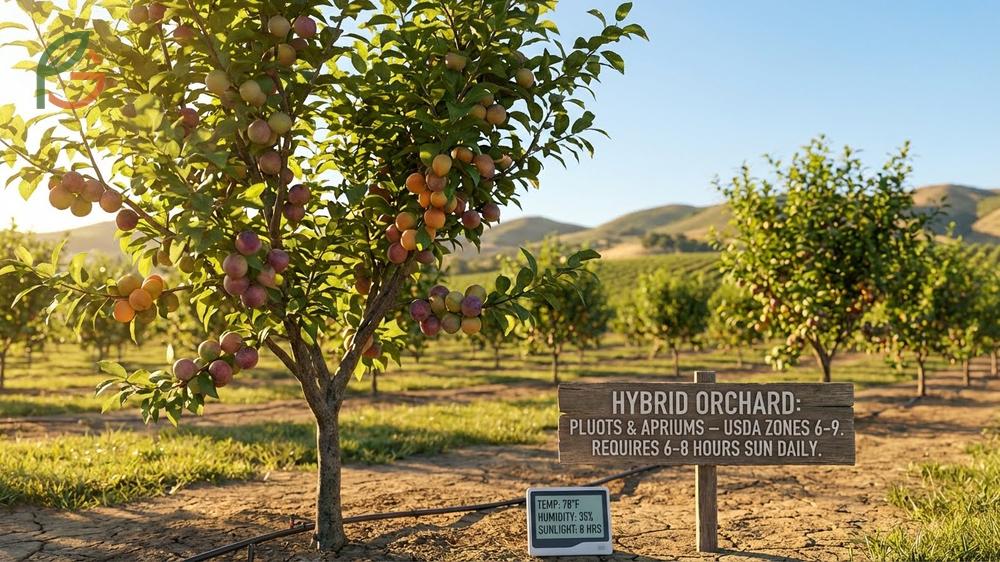
Successful hybrid cultivation requires understanding specific climate and care requirements that differ from standard plum or apricot trees. Most pluots and apriums thrive in USDA hardiness zones 6-9, preferring Mediterranean climates with dry summers and cold winters[1]. These conditions mirror their development origins in California’s Central Valley.
Trees need 6-8 hours of direct sunlight daily to develop sweet, flavorful fruit. Insufficient light results in sparse crops with poor sugar development. Site selection should prioritize south or west-facing locations that maximize sun exposure throughout the growing season.
Hybrid stone fruits demand consistent moisture during fruit development but require excellent drainage to prevent root diseases. Loamy or sandy soils amended with organic matter provide the ideal growing medium. Clay soils need substantial improvement or raised bed planting to ensure adequate drainage.
Soil and Sunlight Requirements
Well-drained loamy soil with a pH between 6.0-7.0 supports optimal nutrient uptake in hybrid stone fruits. Heavy clay requires amendment with compost and coarse sand to improve drainage and aeration. Sandy soils benefit from organic matter additions to increase water retention and nutrient-holding capacity.
Full sun exposure means at least 6 hours of direct, unfiltered sunlight reaches the canopy daily. Morning sun dries dew quickly, reducing fungal disease pressure on leaves and fruit. Afternoon shade in extremely hot climates (above 100°F/38°C) can prevent sunscald on developing fruit.
Pruning and Maintenance
Late winter pruning before bud break shapes trees and improves air circulation through the canopy. Remove dead, damaged, or crossing branches that create congestion and disease harbors[5]. Open-center or modified-central-leader forms work well for hybrid stone fruits, allowing light penetration to lower branches.
Fruit thinning in early summer when plums reach marble size dramatically improves final fruit quality. Remove excess fruit to space remaining specimens 4-6 inches apart, preventing branch breakage and increasing individual fruit size. This practice also reduces alternate bearing patterns that cause heavy crops one year followed by light production the next.
Fertilize with balanced fruit tree formulations in early and mid-spring, avoiding excessive nitrogen that promotes vegetative growth over fruiting. Phosphorus-rich products like bone meal support strong root development and spring flowering[5]. Stop fertilizing by mid-summer to allow trees to harden off before dormancy.
- Water deeply once weekly during fruit development, providing 1-2 inches per week through irrigation or rainfall
- Apply 3-4 inch mulch layer around trees, keeping material 6 inches away from trunks to prevent collar rot
- Monitor for brown rot disease during bloom and fruit ripening, applying organic fungicides preventatively in wet springs
- Protect developing fruit from birds using netting draped over canopies 2-3 weeks before expected harvest
- Test soil pH every 2-3 years and adjust with sulfur or lime as needed to maintain optimal 6.0-7.0 range
Fruit Tree Cross Pollination
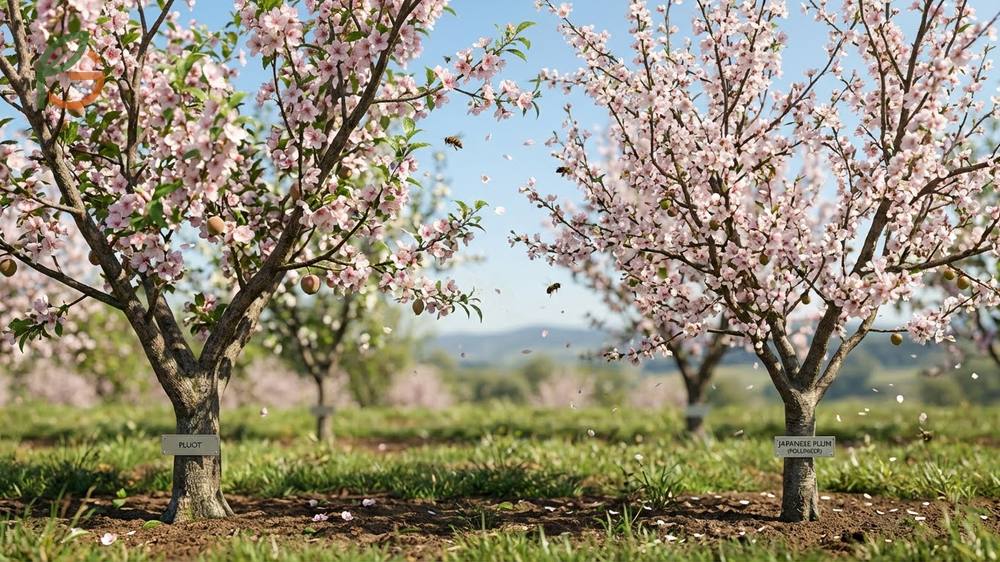
Most pluot and aprium varieties require cross-pollination from compatible partner trees to set fruit crops. Unlike self-fertile varieties that can produce alone, these hybrids need pollen transfer between different cultivars blooming simultaneously[1]. Planting a single tree results in beautiful spring blooms but no fruit development.
Compatible pollinizers must bloom within the same 1-2 week window to ensure fresh pollen availability. Japanese plums work as pollinizers for pluots, while apricots or compatible hybrids pollinate apriums. Flowering crabapples don’t pollinate stone fruits despite simultaneous bloom times because they belong to different botanical families.
Honeybees transfer pollen most effectively when temperatures exceed 65°F (18°C) and winds remain calm. Trees planted more than 100 feet apart may experience poor pollination due to limited bee flight patterns[6]. Closer spacing of 8-15 feet ensures adequate pollen movement between compatible varieties.
Cross-pollination benefits extend beyond hybrids to include many common fruit trees. Apples, pears, and sweet cherries require partner trees, while peaches and nectarines generally self-pollinate. Even self-fertile varieties produce heavier crops with cross-pollination from compatible partners[6].
Grafting multiple varieties onto a single rootstock creates self-sufficient “fruit cocktail” trees that don’t require separate pollinizers. This technique works well in small gardens where space limits planting multiple trees. Four-in-one grafted trees can include compatible pluot, plum, and apricot varieties on one root system.
Pollination Success Tip: Plant at least two compatible varieties within 50 feet of each other. Check nursery labels or websites for specific pollination partner recommendations for your chosen cultivar.
- Bloom timing overlap between varieties determines pollination success more than genetic compatibility
- Cold, rainy weather during flowering reduces bee activity and limits pollen viability
- Native bees and bumblebees often pollinate more efficiently than honeybees in home gardens
- Hand pollination using small brushes ensures fruit set when weather prevents bee activity
- Avoiding pesticide applications during bloom protects pollinator populations
Conclusion
The evidence is clear: plum and apricot fruit hybrids offer exceptional diversity for home orchards and commercial operations alike. Pluots deliver candy-sweet flavor, apriums provide baking versatility, and plumcots balance both parents’ best traits in equal measure. Success depends on selecting climate-appropriate varieties, providing proper pollinizers, and maintaining consistent care through the growing season.
Current horticultural research emphasizes site preparation and variety selection as the foundation for productive hybrid trees. FruitGarden continues tracking breeding developments and regional performance data to help growers maximize their stone fruit harvests through evidence-based cultivation practices.
Frequently Asked Questions
What’s the Difference Between a Pluot and a Plumcot?
Pluots contain 70-75% plum genetics through multiple generations of selective breeding, while plumcots represent first-generation 50-50 hybrids. Pluots taste sweeter and juicier than plumcots because breeders selected for enhanced sugar content. Plumcots maintain more balanced characteristics from both parent fruits.
Can You Grow Pluots From Seed?
Growing pluots from seed produces unreliable results because hybrids don’t breed true to the parent variety. Seedlings may revert to plum or apricot characteristics rather than maintaining the hybrid traits. Grafting remains the only method to reproduce specific pluot cultivars with predictable fruit quality.
Do Purple Leaf Plums Taste Good?
Purple leaf plums range from sweet and juicy to extremely tart depending on the individual tree and ripeness level. Well-ripened fruit from quality trees tastes pleasant with balanced sweetness and tartness. Unripe specimens taste very sour like lemons, and some ornamental varieties never develop good flavor regardless of ripeness.
How Long Until a Plum Tree Bears Fruit?
Grafted plum trees produce their first crops 3-6 years after planting, with European varieties fruiting faster than Japanese types. Trees planted in optimal conditions with full sun and proper care reach productive maturity sooner. Seed-grown trees require 5-7 years before bearing fruit and may not match parent variety characteristics.
What Pollinates Pluot Trees?
Pluot trees require cross-pollination from compatible Japanese plum varieties or other pluots that bloom simultaneously. Honeybees and native pollinators transfer pollen between trees when temperatures exceed 65°F (18°C). Apricots don’t effectively pollinate pluots despite their shared genetics because bloom times rarely overlap perfectly.
Are Apriums Better Than Pluots?
Neither hybrid is objectively better—they serve different purposes based on your preferences. Apriums excel in baking and drying because of their firmer texture and apricot-forward flavor. Pluots dominate fresh eating with superior sweetness and juiciness. Choose based on intended use rather than perceived quality differences.
What Climate Do Plum-Apricot Hybrids Need?
Hybrid stone fruits thrive in USDA zones 6-9 with Mediterranean climates featuring cold winters and dry summers. They need 6-8 hours of daily sunlight and well-drained soil to prevent root diseases. Hot, humid regions experience more fungal disease problems, while extreme cold below -10°F (-23°C) damages flower buds and reduces crops.





