
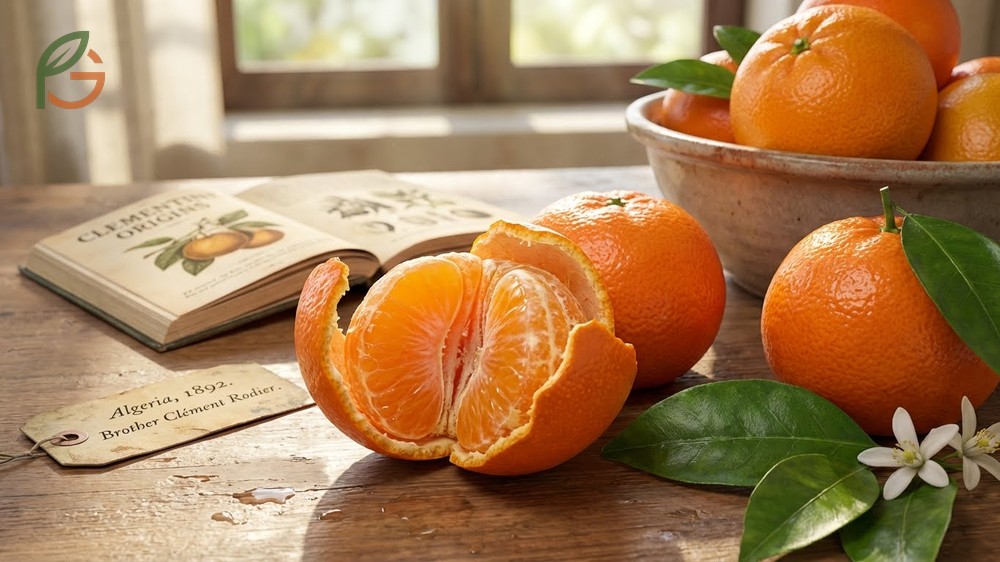
What is a clementine? It’s a seedless hybrid citrus fruit created in 1892 when Brother Clément Rodier crossed a sweet orange with a mandarin in Algeria[1]. Research shows these easy-to-peel fruits thrive in warm climates, reaching peak sweetness between November and April. FruitGarden compiles current cultivation data and seasonal guides to help home growers and citrus enthusiasts make informed decisions about growing and enjoying clementines.
Quick Answer
- A clementine is a hybrid citrus (orange × mandarin) discovered in Algeria around 1892[1]
- Peak season runs November through April in the United States, with sweetest fruit January-April[2]
- Store refrigerated for 2-3 weeks in ventilated bags or up to 1 week on the counter[3]
- Best growing temperatures: 70-85°F (21-29°C) in USDA zones 8-11[4]
What Is a Clementine
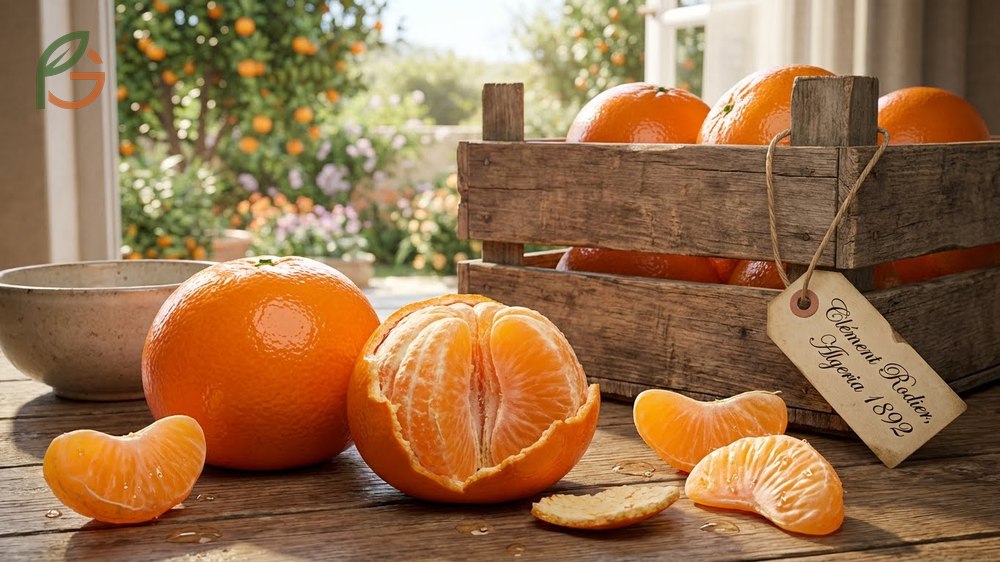
A clementine is a hybrid citrus fruit created by crossing a sweet orange with a mandarin orange. It’s named after Brother Clément Rodier, who discovered this accidental hybrid in 1892 at his orphanage garden in Misserghin, Algeria[1]. Unlike regular mandarins, clementines are seedless, easier to peel, and sweeter.
The fruit has a distinctive bright orange color with smooth, glossy skin. Most clementines contain 8-12 segments of juicy flesh that separate easily. They’re smaller than regular oranges but pack intense sweetness with minimal acidity.
Current agricultural data shows clementines contain approximately 35-40 calories per fruit and provide around 60% of the daily recommended vitamin C intake[5]. This makes them one of the most nutrient-dense snacks available during winter months.
History of Clementine Fruit
The clementine’s origin story centers on French missionary Brother Clément Rodier in Algeria. He formally named the fruit in 1902 after observing its superior characteristics[6]. The hybrid quickly gained popularity throughout the Mediterranean region due to its commercial advantages.
Some agricultural historians suggest similar fruits existed in China’s Guangxi and Guangdong provinces centuries earlier. However, the modern clementine we know today traces directly to Algeria’s cultivation experiments. By 1940, clementines had become a permanent fixture in European markets.
Why Clementines Have No Seeds
Clementines are seedless because they’re self-incompatible hybrids. The pollen from clementine trees can’t physically reach the ovary at the bottom of the flower to complete fertilization. This means the tree produces fruit without pollination, resulting in no seed development.
Growers reproduce clementine trees through grafting rather than seeds. They attach clementine branches to existing citrus rootstock, ensuring every new tree produces identical seedless fruit. If clementines cross-pollinate with other citrus varieties, seeds can appear—that’s why commercial orchards isolate their clementine groves.
Important Note: Finding occasional seeds in store-bought clementines doesn’t mean they’re defective. Cross-pollination from nearby citrus orchards sometimes occurs, especially in mixed farming operations.
Are Cuties Clementines
Yes, Cuties are clementines—but not exclusively. Cuties is a brand name that includes multiple mandarin varieties depending on the season[7]. From November through January, Cuties packages contain Clementine mandarins. February through April, they switch to W. Murcott and Tango varieties.
The Cuties brand has become synonymous with easy-peel mandarins in the United States. They grow these fruits on approximately 45,000 acres of California orchards and deliver around 465 million pounds yearly. The brand’s success comes from consistent quality control and year-round availability using different mandarin types.
When Are Clementines in Season
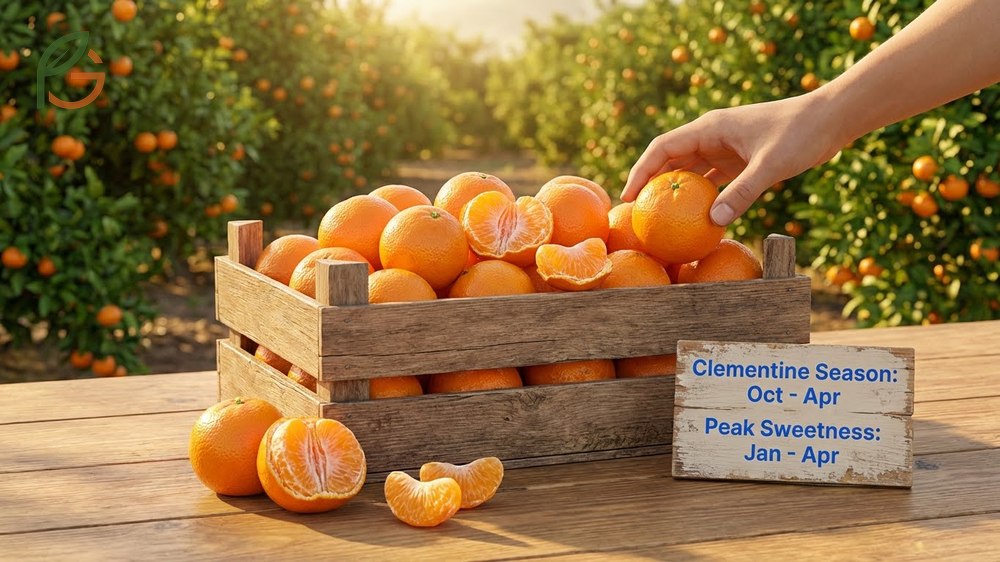
Clementines are in season from October through April in the United States, with peak availability running January through April[2]. The season is shorter than other citrus varieties because clementines require specific temperature conditions to develop their signature sweetness. Early-season fruit (October-December) tends to be slightly more tart.
California harvests begin in mid-October and continue through early spring. Florida’s smaller clementine production follows a similar timeline. The fruit reaches optimal sugar content after experiencing cool nights but not freezing temperatures—typically late December through February.
Most home growers and commercial orchards find that fruit quality declines after April. The combination of warming temperatures and natural tree cycles means later harvests produce smaller, less sweet clementines with thicker peels.
Where Are Clementines Grown
China produces approximately 25 million tonnes of clementines, mandarins, and tangerines annually—accounting for 60% of global production[8]. Spain ranks second with 2 million tonnes, followed by Turkey with 1.8 million tonnes. The United States produces around 1 million tonnes yearly, primarily in California and Florida.
Mediterranean countries dominate production because clementines originated near Algeria. Morocco, Italy, and Greece maintain significant commercial operations. Southern Hemisphere countries like South Africa, Peru, and Chile grow clementines for counter-seasonal export to Northern markets.
From My Experience: My cousin in Guadalajara, Mexico planted a clementine tree from nursery stock in March 2023. The tree produced its first small harvest in January 2025—about 22 months after planting, which matches the typical 18-24 month timeline researchers document for dwarf varieties.
Clementine Varieties by Season
Three main clementine types exist based on seed content. Seedless clementines contain zero seeds and represent the most commercially valuable variety. Standard clementines may have up to 10 seeds if cross-pollination occurs. Monreal clementines contain more than 10 seeds and are primarily grown in specific Mediterranean regions.
The Nules variety dominates early season (October-December) with a slightly tart profile. Murcott clementines take over from January through April, offering sweeter, juicier fruit. Some growers cultivate Tango clementines as a late-season option extending into May in warmer microclimates.
How to Store Clementines
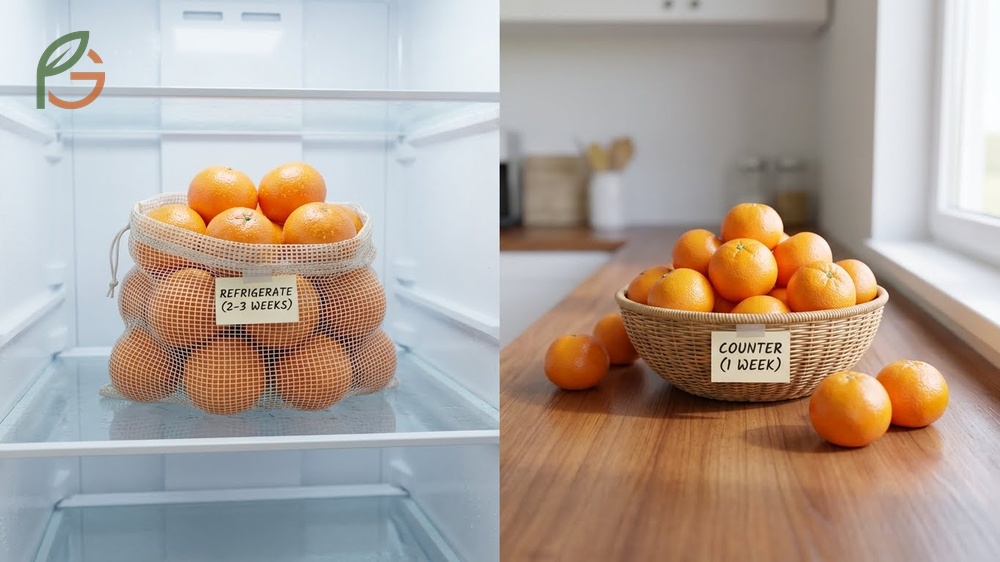
Store whole clementines in a ventilated bag or mesh container in the refrigerator for 2-3 weeks[3]. The airflow prevents moisture buildup that causes mold and soft spots. Don’t use airtight containers or sealed plastic bags—clementines need to breathe. If you’re eating them within a week, counter storage at room temperature works fine.
Refrigeration significantly extends freshness without affecting flavor. The cool temperature slows moisture loss and prevents the peel from drying out. Most clementine brands, including Cuties, recommend refrigeration for optimal quality retention.
For peeled clementines or separated segments, use an airtight container in the fridge. They’ll stay fresh for 3-4 days this way. Freezing isn’t ideal for whole clementines because the texture becomes mushy when thawed, though frozen segments work well in smoothies.
Shelf Life of Clementines
Whole clementines last approximately 7 days at room temperature and 2-3 weeks refrigerated. Once peeled, expect 3-4 days of freshness when stored properly in the fridge. The variance depends on initial fruit quality and how soon after harvest you purchased them.
Signs of spoilage include soft spots, mold growth (usually white or green), and an off smell. The peel may also become excessively dry or wrinkled. If only one clementine in a batch shows mold, remove it immediately—mold spores spread quickly in humid conditions.
Best Storage Conditions
Keep clementines in your refrigerator’s crisper drawer if you’re storing them for more than a few days. The crisper maintains slightly higher humidity than the main refrigerator compartment. Set the humidity control to low or medium—clementines don’t need as much moisture as leafy greens.
Avoid stacking heavy items on top of clementines. The pressure creates bruises that accelerate spoilage. If using the original mesh bag, fold the top loosely rather than sealing it. Counter storage works best in a fruit bowl where air circulates around each piece.
Storage Tip: Check stored clementines every few days and remove any showing soft spots. One spoiled fruit can affect the entire batch through ethylene gas release and mold spore transmission.
Clementine vs Satsuma
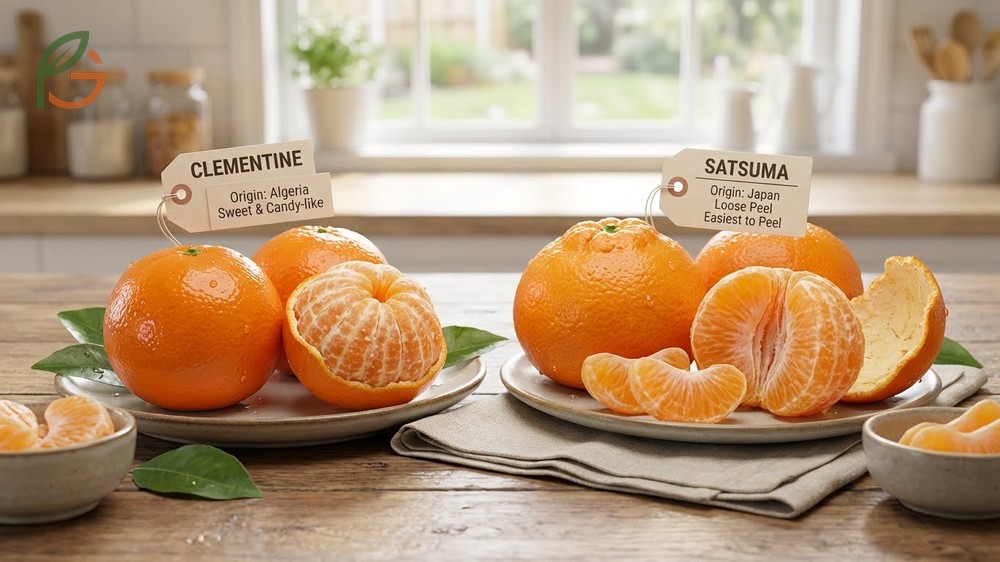
Clementines and satsumas are both citrus hybrids but differ in origin and characteristics. Clementines come from Algeria (orange × mandarin), while satsumas originated in Japan around 700 years ago[9]. Satsumas have extremely loose skin that makes them the easiest citrus to peel, whereas clementines require slightly more effort but still peel cleanly.
Taste profiles diverge significantly. Clementines are sweeter and less aromatic, with a candy-like flavor that appeals to children. Satsumas offer more complex aromatics with a mild, slightly tangy taste. The texture differs too—satsumas have softer, more delicate segments that can feel almost melting, while clementines maintain firmer, juicier segments.
Cold tolerance sets them apart for home growers. Satsumas withstand temperatures down to 15°F (-9°C), making them suitable for USDA zone 8a and some protected zone 7b locations. Clementines are less cold-hardy, preferring zones 9-10 with protection needed below 28°F (-2°C).
This table compares origin, peel characteristics, taste profile, and cold hardiness between clementines and satsumas
| Characteristic | Clementine | Satsuma |
|---|---|---|
| Origin | Algeria, 1892[1] | Japan, ~700 years ago[9] |
| Peel Ease | Easy (smooth, glossy) | Extremely easy (very loose) |
| Taste | Very sweet, less aromatic | Mild, tangy, aromatic |
| Cold Tolerance | 28°F (-2°C) minimum | 15°F (-9°C) minimum |
| Segments | 8-12 segments | 10-12 segments |
Growing Clementines
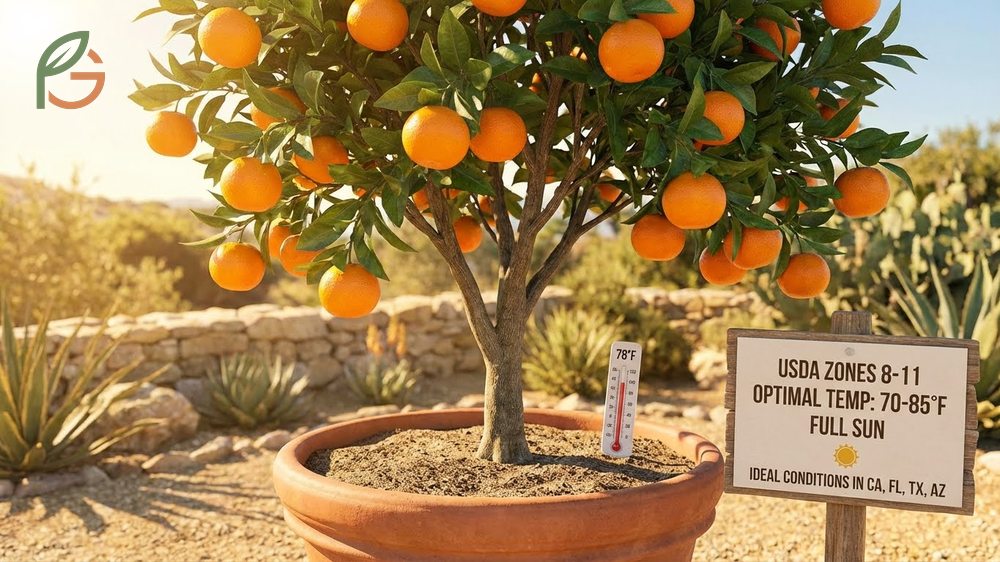
Clementines thrive in USDA hardiness zones 8-11 with optimal growing temperatures between 70-85°F (21-29°C)[4]. They can tolerate brief temperature drops to 25°F (-4°C) but sustained cold below 28°F (-2°C) causes fruit and foliage damage. California, Florida, Texas, and Arizona provide ideal conditions for commercial and home cultivation.
Plant clementine trees in well-draining, sandy loam soil with a pH between 6.0-7.0. Full sun exposure (8+ hours daily) is essential for fruit production and sugar development. Space trees 12-15 feet apart for standard varieties or 6-8 feet for dwarf cultivars. Expect first harvests 2-3 years after planting grafted nursery stock.
Regular pruning maintains tree health and fruit quality. Remove dead branches, crossing limbs, and inward-growing shoots annually after harvest. This improves air circulation and light penetration throughout the canopy. Fertilize three times yearly—early spring, mid-summer, and early fall—using citrus-specific formulations.
- Water deeply once or twice weekly during growing season; reduce to weekly in winter
- Apply 2-4 inches of mulch around the base, keeping it 6 inches from the trunk
- Protect from frost below 28°F using frost cloth or temporary shelters
- Monitor for citrus leafminer, aphids, and scale insects monthly
- Hand-thin fruit to 4-6 inches apart for larger, sweeter clementines
- Harvest when fruit reaches full orange color and separates easily from the branch
Container growing works well in zones 7 and below. Use a 20-gallon pot minimum with excellent drainage holes. Bring potted trees indoors when nighttime temperatures consistently drop below 40°F (4°C). Place near a south-facing window or supplement with grow lights providing 12-14 hours of illumination daily.
Growing Tip: Clementines require isolation from other citrus varieties to remain seedless. If growing multiple citrus types, plant clementines at least 50 feet away or use physical barriers to prevent cross-pollination by bees.
Conclusion
The evidence is clear: what is a clementine centers on a sweet, seedless hybrid that revolutionized winter citrus consumption since its 1892 discovery. Understanding their November-April seasonality, 2-3 week refrigerated storage life, and zone 8-11 growing requirements helps both consumers and home gardeners maximize enjoyment of these fruits. Current agricultural guidance emphasizes proper storage ventilation and temperature management to maintain quality from harvest through consumption.
Whether you’re buying Cuties at the grocery store or cultivating your own clementine tree, knowing these seasonal patterns and care requirements ensures you’ll experience these fruits at their peak sweetness. FruitGarden synthesizes current cultivation research to help you make informed decisions about growing and storing citrus varieties in your home garden.
Frequently Asked Questions
How do you peel a clementine easily?
Start by inserting your thumb into the stem end where the fruit attached to the branch. The skin is thinnest and loosest at this point. Gently pull the peel away in large sections—clementines typically come off in 3-4 pieces. If the peel feels tight, roll the fruit firmly on a countertop before peeling to loosen the membrane between skin and flesh.
Can you grow clementines indoors?
Yes, you can grow clementines indoors in large containers (20+ gallons) with proper lighting. Dwarf varieties work best for indoor cultivation. Place the tree near a south-facing window or provide 12-14 hours of full-spectrum grow light daily. Maintain temperatures between 60-75°F and humidity around 50%. Hand-pollinate flowers with a small brush since bees won’t access indoor trees.
What are uses for clementine peels?
Clementine peels contain aromatic oils perfect for flavoring baked goods, teas, and cocktails. Zest the outer orange layer before juicing to add to recipes. Dried peels make excellent fire starters or natural air fresheners. You can also simmer peels with cinnamon and cloves to create a natural room deodorizer, or candy them in sugar syrup for a sweet treat.
What’s the difference between clementine and mandarin orange?
Clementines are a specific type of mandarin orange—a hybrid between sweet orange and mandarin. The key differences include seed content (clementines are seedless, mandarins often have seeds), sweetness level (clementines are sweeter and less tart), and peel thickness (clementines have slightly thicker, more protective peels). All clementines are mandarins, but not all mandarins are clementines.
Are clementine mandarin orange trees self-pollinating?
Clementine trees are self-incompatible, which means their pollen can’t fertilize their own flowers effectively. This creates the seedless trait that makes them commercially valuable. Trees produce fruit without pollination (parthenocarpy), but if bees bring pollen from other citrus varieties, seeds can develop. Most commercial growers isolate clementine orchards to maintain seedless production.
When is the best time to buy clementines?
Buy clementines between January and March for peak sweetness and quality. Early season fruit (October-December) tends to be smaller and more tart. Late season clementines (April) may have thicker peels and less juice. Look for fruit that feels heavy for its size, has bright orange color, and shows no soft spots or mold.
What are clementine hybrids?
Clementine hybrids include crosses with other citrus varieties to create new fruit types. The Tango mandarin is a clementine hybrid bred for extended season and disease resistance. Nadorcott is another popular hybrid combining clementine genetics with other mandarins. These second-generation hybrids aim to improve characteristics like seedlessness, sweetness, cold tolerance, or harvest timing while maintaining the easy-peel trait.





