
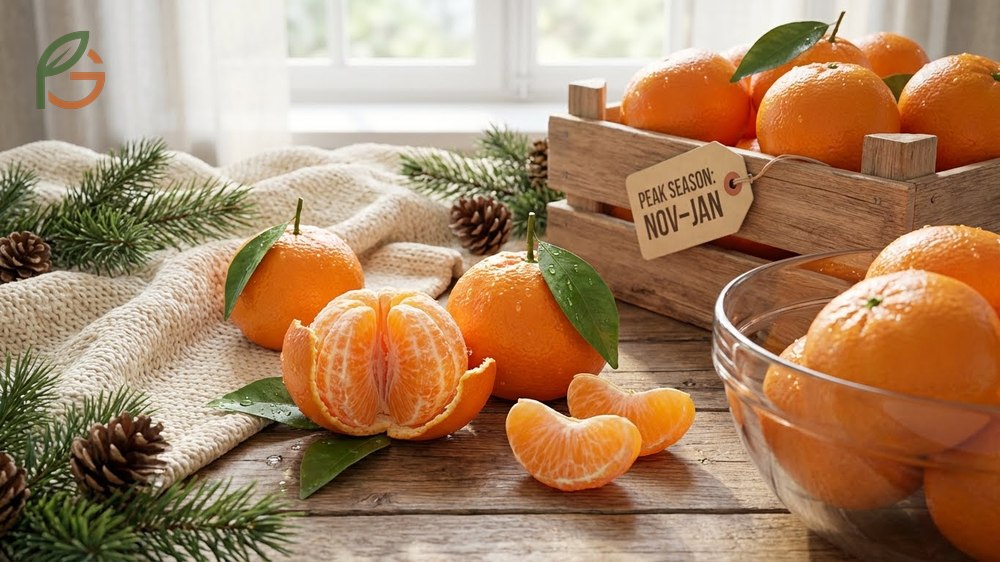
When are clementines in season? These sweet winter citrus gems reach peak availability from November through January in the United States.[1] Research shows that California growers harvest clementines from mid-October through early January, with the highest quality fruit appearing during the holiday season.[2] FruitGarden synthesizes current agricultural data to help you understand seasonal availability and make informed purchasing decisions for fresh winter citrus.
Quick Answer
When are clementines in season
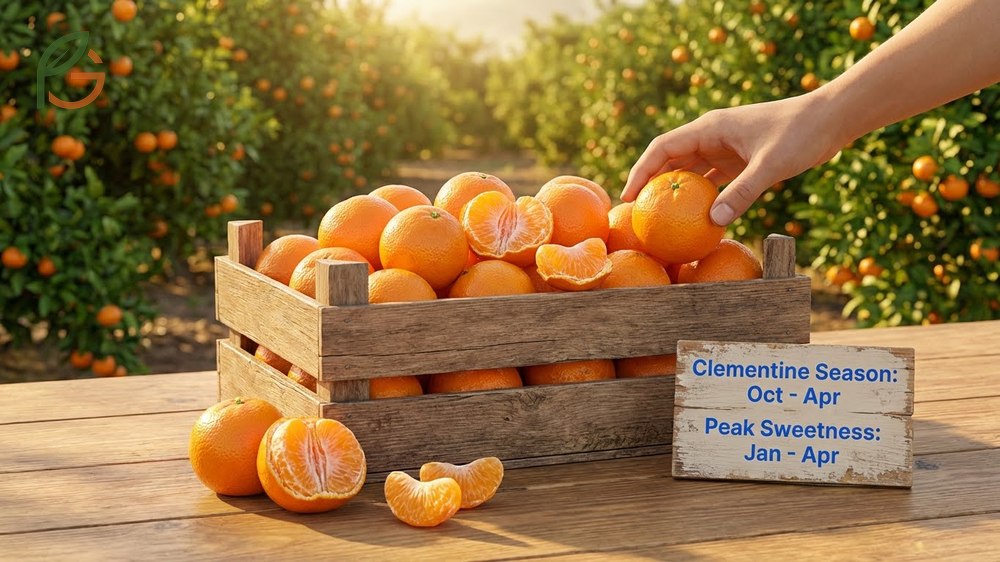
Clementines are available during the cooler months when citrus trees benefit from temperature drops that trigger sugar development. Studies demonstrate that these seedless mandarins thrive in specific climate windows that occur primarily between late fall and mid-winter.
In the United States, local grocers stock fresh clementines from December through March.[4] Most Americans don’t realize that clementine season is relatively short compared to other citrus varieties. The concentrated harvest window means you’ll find the freshest, most flavorful fruit during a specific three to four-month period.
The season starts when California orchards begin harvesting in mid-October, though fruit quality improves significantly by November. Cold nights help convert starches to sugars, resulting in sweeter taste profiles as winter approaches.
Winter harvest window
California growers harvest clementines between mid-October and early January.[2] This timing coincides with ideal temperature ranges of 55-65°F (13-18°C) that promote optimal fruit development. Trees require cool weather to produce the characteristic easy-peel skin and sweet juice that consumers expect.
Agricultural data shows that harvest timing varies by microclimate within California’s Central Valley. Coastal regions with milder temperatures may start slightly earlier, while inland areas with sharper temperature swings often produce fruit with higher sugar content by late November.
Variety differences
Two main clementine varieties dominate the market with distinct seasonal windows. Nules clementines arrive first, available from October through December with a tart-sweet profile.[3] Murcott clementines follow, appearing from January through April with notably sweeter flesh and slightly more seeds.
The variety you find at your local store depends on the month. Early-season shoppers get Nules, while late-season buyers encounter Murcott or imported fruit from Mediterranean regions.
- Nules variety: Earlier harvest, firmer texture, balanced sweet-tart flavor, virtually seedless
- Murcott variety: Later harvest, softer texture, sweeter taste, may contain 2-5 seeds
- Monreal variety: Premium export type, extremely sweet, grown primarily in Morocco and Spain
- Algerian clementine: Traditional variety, medium sweetness, historically popular in California
- Orogrande variety: Mid-season harvest, excellent peel quality, preferred for gift boxes
Important note: Clementines won’t ripen further after picking, unlike some fruits. Buy them when they’re already at peak ripeness during their main season for the best eating experience.
Peak season months
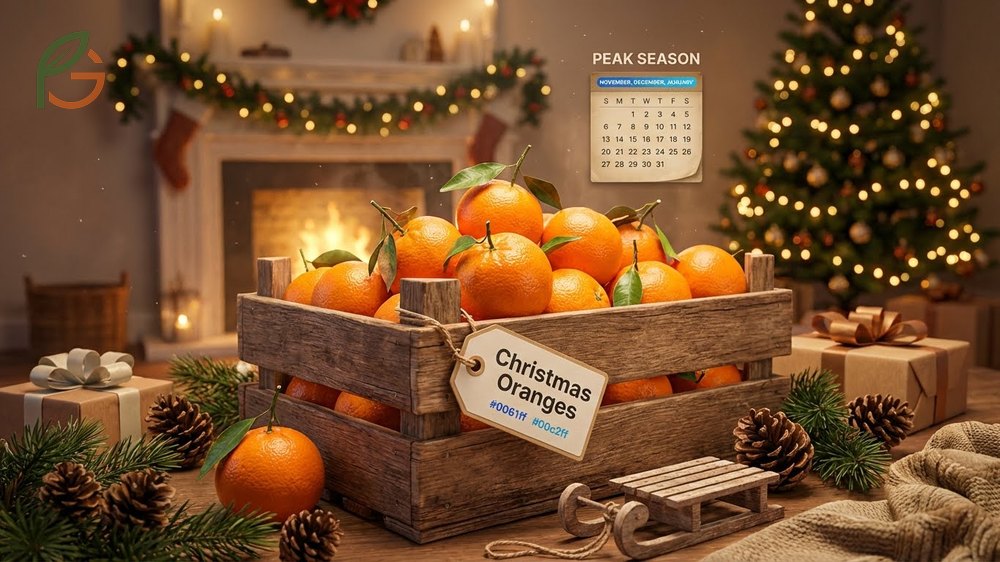
The absolute prime time for clementines runs from early November through late January. Current data indicates this three-month window delivers the highest volume, best pricing, and optimal fruit quality for American consumers.[1]
Retailers often call clementines “Christmas oranges” because their limited growing season aligns perfectly with holiday gifting traditions. The fruit reaches its flavor peak during December when cold nights and warm days create ideal sugar-acid balance.
November start
November marks the ramp-up phase when California supply increases substantially. Growers wait for proper color development and internal sugar levels before releasing significant volumes to distributors.
Early November fruit may lack the deep orange color and full sweetness of December harvests. By mid-November, quality improves as trees respond to consistent cool temperatures that have persisted for several weeks.
December-January prime time
December offers the absolute best clementines of the entire season. Trees have experienced optimal cold exposure, fruit has developed full color, and sugar content peaks. You’ll find the juiciest, most aromatic clementines during this month.
January extends the peak period, though supply begins tapering as California growers finish their harvests. Late-season fruit can be slightly drier if left on trees too long, but quality remains excellent through the first three weeks of January.
- October: Early harvest begins, fruit often lacks full color, lower sugar content, limited availability
- November: Volume increases, quality improves weekly, good pricing, Thanksgiving promotions start
- December: Peak quality and flavor, highest availability, best value, ideal for gift boxes
- January: Still excellent quality, supply decreases, prices may rise, California harvest ends
- February-April: Imported fruit from Spain and Morocco, Murcott variety appears, different flavor profile
Shopping tip: Buy clementines in bulk during December for the best combination of quality and price. They’ll stay fresh in your refrigerator’s crisper drawer for up to two weeks.
Best time buy clementines
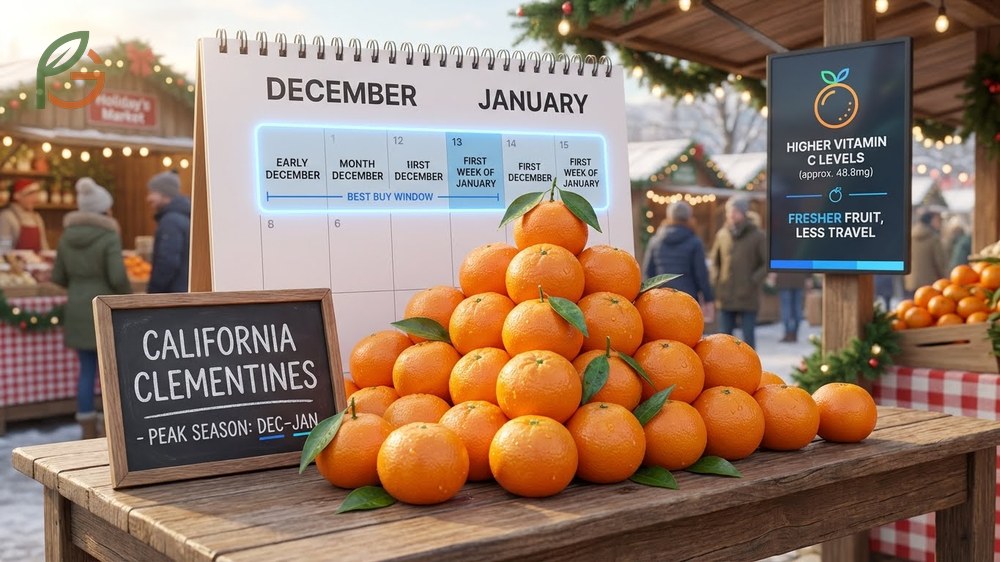
The ideal purchasing window opens in early December and extends through the first week of January. During this period, you’ll encounter the highest quality fruit at competitive prices due to abundant California supply meeting holiday demand.
Research shows that clementines purchased during peak season contain higher vitamin C levels—approximately 48.8mg per 100g serving—compared to off-season imports.[5] Fresher fruit that hasn’t traveled long distances retains more nutrients and delivers better flavor.
Smart shoppers know that Thanksgiving week typically sees slower movement and slightly better deals. The three weeks between Thanksgiving and Christmas represent peak pulling period when retailers offer aggressive pricing to move high volumes.
For Nules variety lovers who prefer tart citrus notes, October and November provide the best selection. If you’re like most Americans who favor sweeter profiles, wait until December when sugar content reaches its maximum. Murcott fans should shop in January through March when this later-maturing variety dominates shelves.
- Feel for firmness: Choose fruit with slight bounce-back when gently squeezed, not too soft or too hard
- Check the weight: Select clementines that feel heavy for their size, indicating high juice content
- Assess the aroma: Fresh clementines emit a strong citrusy fragrance even through the peel
- Examine the skin: Look for bright orange color without green patches, smooth texture without soft spots
- Avoid damaged fruit: Skip any with brown spots, bruises, or mushy areas that signal deterioration
- Buy loose when possible: Inspect individual fruit rather than sealed bags where quality varies
Most people don’t realize that timing matters more than quantity when buying clementines. A five-pound box purchased in December will taste significantly better than the same quantity bought in March, even if the price is similar.
Storage advice: Keep clementines in a mesh bag inside your refrigerator’s crisper drawer. They’ll maintain peak quality for 1-2 weeks when stored at 40-45°F (4-7°C) with good air circulation.
Regional season variations
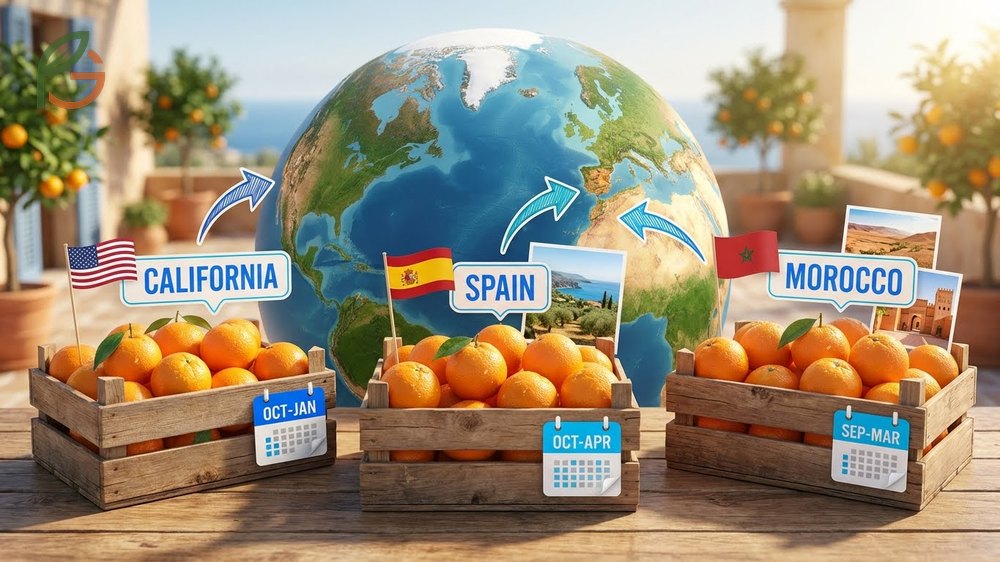
Growing regions around the world produce clementines at different times, extending overall availability beyond California’s season. Spain and Morocco provide the bulk of imported clementines that appear in US stores from February through April.
Spanish clementines begin harvesting in October, with premium fruit from coastal Mediterranean regions arriving by November. Morocco’s season kicks off slightly later, typically in late September for early varieties, with exports continuing through mid-December for main varieties.
California dominates the US market during November through January, supplying fresh domestic fruit with minimal shipping time. Once California’s harvest concludes in January, retailers transition to importing Mediterranean clementines to maintain year-round availability, though quality and flavor profiles differ.
This table compares harvest timing, peak months, and key characteristics across three major clementine-producing regions
| Region | Harvest Start | Peak Months | Season End | Primary Varieties |
|---|---|---|---|---|
| California, USA | Mid-October | Nov-Jan[2] | Early January | Nules, Algerian |
| Spain | October | Nov-Feb | March | Nules, Orogrande, Clemenvilla |
| Morocco | Late September | Oct-Dec | Mid-December | Marisol, Nules, Monreal |
| South Africa | May | Jun-Aug | September | Nules, Clemenules |
| Chile | April | May-Jul | August | Clemenules, Marisol |
Southern hemisphere countries like Chile and South Africa harvest during their winter months (May-August), which coincides with summer in the Northern Hemisphere. These imports fill the gap when North American and European production is completely absent.
What often gets overlooked is that Mediterranean clementines face different growing conditions than California fruit. Warmer coastal climates in Morocco produce exceptionally early maturity with sweeter profiles, while Spain’s cooler inland regions yield firmer fruit with longer shelf life.
- Temperature patterns: Cool winter nights trigger sugar development and color change in fruit
- Growing zones: Clementines thrive in USDA zones 9-11 with minimal frost exposure
- Rainfall timing: Adequate moisture during fruit set (April-May) determines crop size and quality
- Heat exposure: Excessive heat above 95°F (35°C) during flowering causes poor fruit set and delays harvest
- Elevation differences: Higher elevation orchards produce fruit 2-3 weeks later than coastal plantings
Clementine season calendar
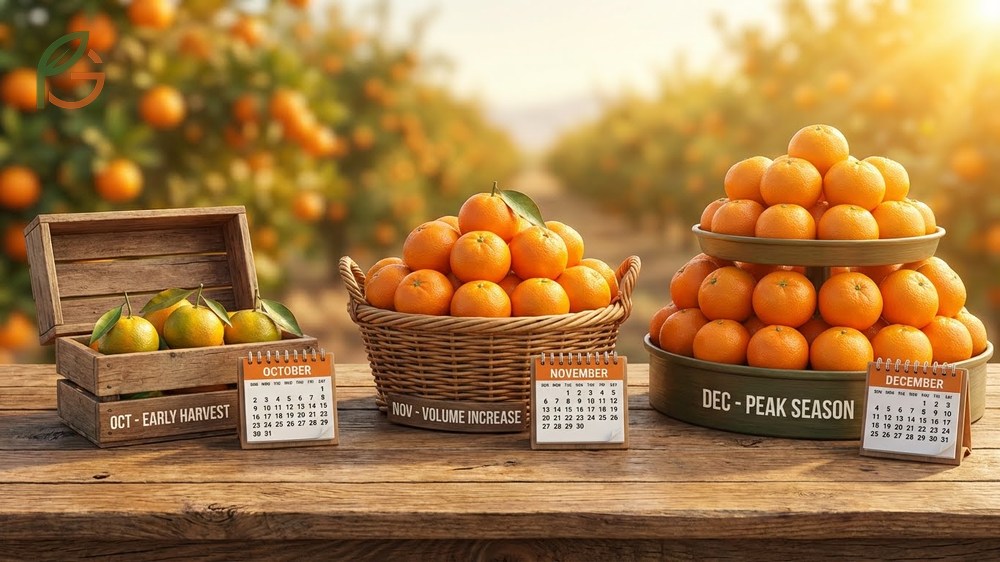
Understanding the full clementine calendar helps you plan purchases around availability peaks and quality windows. The annual cycle shows distinct phases from California’s autumn harvest through spring imports and summer off-season.
October marks the beginning when early California fruit appears, though quality is still developing. November brings rapid volume increases as more orchards reach optimal picking conditions. December represents the absolute peak when supply, quality, and value align perfectly.
January sees California’s harvest wind down while Spanish imports begin arriving in greater quantities. February through April relies entirely on Mediterranean imports, primarily Spain and Morocco. May through September represents the true off-season when only expensive southern hemisphere imports or stored fruit are available.
| Month | Availability | Primary Source |
|---|---|---|
| January | High | California (ending), Spain (starting) |
| February | Moderate | Spain, Morocco |
| March | Moderate | Spain[4] |
| April | Low | Spain (late harvest) |
| May-September | Very Low | Southern Hemisphere (limited) |
| October | Moderate | California (early harvest) |
| November | High | California[1] |
| December | Very High | California[4] |
The calendar reveals a clear pattern: domestic fruit from November-January offers the best value and quality, while February-April provides acceptable imported alternatives. The summer months present the poorest selection with significantly higher prices and lower quality.
Most shoppers don’t track these patterns, missing out on the dramatic quality differences between peak and off-season purchases. A December California clementine contains fresher juice, brighter color, and higher nutrient levels compared to an August import that’s been in cold storage for months.
Conclusion
The evidence is clear: when are clementines in season matters significantly for quality, flavor, and value. Peak season runs from November through January when California orchards produce the freshest, sweetest fruit at optimal prices.[1] Smart shoppers target December purchases to capture the absolute best clementines of the year.
Current guidance emphasizes buying domestic fruit during its harvest window rather than relying on off-season imports. FruitGarden helps gardeners and fruit enthusiasts understand these seasonal patterns to make informed decisions about when to buy, plant, and harvest citrus crops.
Frequently Asked Questions
What months are clementines in season?
Clementines are in season from November through January in the United States, with December offering peak quality.[1] California growers harvest from mid-October through early January, while imported fruit from Spain and Morocco extends availability through April.
Can you get clementines year-round?
Clementines are technically available year-round through imports from different hemispheres, but quality varies dramatically. The best fresh fruit appears November-January from California, while May-September offers only expensive southern hemisphere imports with inferior taste and texture compared to peak-season fruit.
What’s the difference between clementines and mandarins?
Clementines are a specific variety of mandarin orange, typically seedless with sweeter flavor and thinner, easier-to-peel skin. All clementines are mandarins, but not all mandarins are clementines. Other mandarin varieties include tangerines, satsumas, and Murcott honey mandarins, each with distinct harvest windows and taste profiles.
How do you know when clementines are ripe?
Ripe clementines feel heavy for their size, emit a strong citrus fragrance, and display bright orange color without green patches. The best test is gentle firmness—fruit should have slight bounce-back when squeezed. Clementines don’t ripen after picking, so choose fruit that’s already ripe at the store.
Why are clementines called Christmas oranges?
Clementines earn the nickname “Christmas oranges” because their limited growing season peaks during December, making them readily available during the holiday season. Their small size, easy-peel nature, and sweet flavor make them popular for gift boxes and holiday traditions, with many families ordering them specifically for Christmas celebrations.
How long do fresh clementines last?
Fresh clementines last 1-2 weeks when stored properly in the refrigerator’s crisper drawer at 40-45°F (4-7°C). At room temperature, they’ll stay fresh for about one week. Store them in mesh bags or open containers rather than sealed plastic to prevent moisture buildup that causes mold. Frozen peeled segments last up to 12 months.
Are clementines good for you?
Clementines provide excellent nutritional value with 48.8mg of vitamin C per 100g serving (54% of daily value), along with fiber, folate, and potassium.[5] One medium clementine contains only 35-47 calories, making them a low-calorie snack packed with immune-boosting nutrients and antioxidants that support overall health.





