
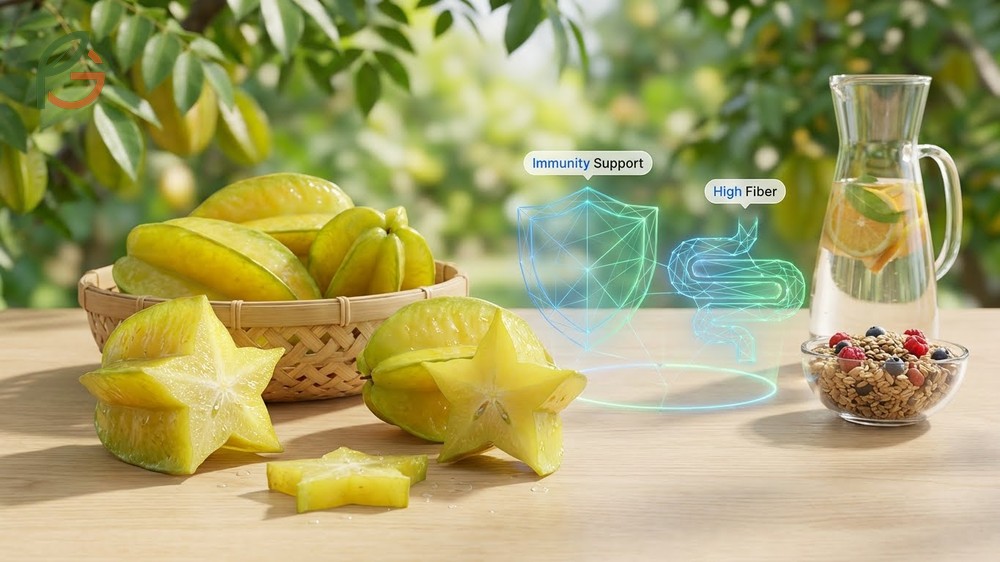
The health benefits of starfruit include powerful immune system support through high vitamin C content and exceptional digestive health from its fiber-rich composition. Research shows starfruit delivers 52% of daily vitamin C requirements and 3 grams of fiber per medium fruit[1]. Studies demonstrate this tropical fruit also contains antioxidants like quercetin and gallic acid that combat oxidative stress[2]. FruitGarden synthesizes current nutritional research to help you understand how starfruit can enhance your wellness routine.
Quick Answer
- One medium starfruit provides 52% of daily vitamin C[1] to strengthen immunity
- Contains 3 grams of dietary fiber[1] per serving for digestive health
- Delivers powerful antioxidants including quercetin and gallic acid[2]
- Contains only 31 calories per 100g serving, making it ideal for weight management[3]
Health Benefits of Starfruit

Starfruit, scientifically known as Averrhoa carambola, delivers substantial health advantages through its unique nutritional profile. This tropical fruit contains a powerful combination of vitamins, minerals, and plant compounds that work together to support multiple body systems.
Current data indicates starfruit’s nutrient density makes it particularly effective for immune function and metabolic health. The fruit’s high water content—approximately 91%—combined with its fiber and vitamin C creates a low-calorie option that doesn’t compromise nutritional value.
Evidence suggests regular consumption may help with weight management while providing essential nutrients. Most people don’t realize that starfruit’s combination of soluble and insoluble fiber works synergistically with its vitamin content to maximize absorption.
Immune System Support
Vitamin C in starfruit plays a critical role in strengthening your body’s defense mechanisms. Research shows this water-soluble antioxidant helps produce white blood cells that fight infections and eliminates harmful free radicals[3].
One cup of cubed starfruit provides 76% of daily vitamin C requirements[4]. This substantial amount supports immune cell function and helps your body develop resistance against infectious agents.
Studies demonstrate vitamin C’s dual action as both an antioxidant and immune booster makes starfruit particularly valuable during cold and flu season. The nutrient enhances the production and function of lymphocytes and phagocytes, specialized cells that protect against pathogens.
Digestive Health Benefits
The dietary fiber in starfruit promotes healthy digestion by supporting regular bowel movements and preventing constipation. Agricultural data shows fiber content helps move waste through your digestive tract efficiently, reducing bloating and cramping[3].
What often gets overlooked is how starfruit’s fiber feeds beneficial gut bacteria. This prebiotic effect maintains gut health and improves overall digestive function beyond simple waste elimination.
Research indicates the combination of soluble and insoluble fiber creates a balanced approach to digestive wellness. Soluble fiber slows glucose absorption while insoluble fiber adds bulk to stool, creating optimal conditions for intestinal health.
Cardiovascular Protection
Starfruit contains potassium and fiber that work together to support heart health. The potassium content helps counteract sodium’s blood pressure-raising effects by relaxing blood vessel walls and reducing cardiovascular strain.
Studies show starfruit fiber can lower serum cholesterol levels significantly. Research on micronized starfruit fiber demonstrated reductions in serum triglycerides by 15.6-17.8% and total cholesterol by 15.7-17.0%[2].
The mechanism involves enhanced excretion of cholesterol and bile acids in feces. This process forces your liver to use blood cholesterol to produce more bile acids, effectively lowering overall cholesterol levels over time.
Important Warning: People with kidney disease must avoid starfruit due to a neurotoxin called caramboxin that healthy kidneys normally filter out. This toxin can cause seizures, coma, and potentially fatal complications in those with compromised kidney function[5].
Starfruit Nutrition Benefits
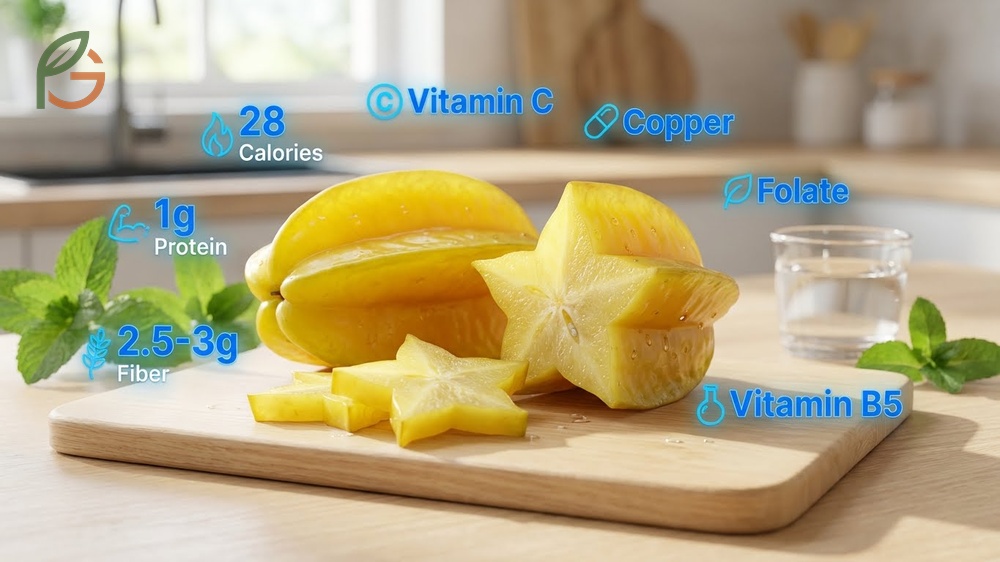
A medium-sized starfruit delivers comprehensive nutrition with minimal calories. One 3-inch fruit provides 28 calories, 1 gram of protein, 2.5-3 grams of fiber, and zero fat or cholesterol[1].
The fruit’s micronutrient profile extends beyond vitamin C to include copper, folate, and vitamin B5. Copper supports iron absorption and red blood cell formation, while folate is essential for cell division and DNA synthesis.
Current nutritional guidance emphasizes starfruit as a nutrient-dense food that provides substantial vitamins and minerals relative to its calorie content. This makes it particularly valuable for weight management and overall wellness.
This table compares nutritional content per 100 grams of starfruit including calories, macronutrients, fiber, and key vitamins with their daily value percentages
| Nutrient | Amount | % Daily Value |
|---|---|---|
| Calories | 31 kcal[1] | 2% |
| Dietary Fiber | 2.8-3g[1] | 10-12% |
| Vitamin C | 31.3-34mg[1] | 35-52% |
| Copper | 0.1mg | 6-11% |
| Potassium | 133mg | 3-4% |
- Low glycemic index of 45 makes it suitable for blood sugar management
- High water content (91%) provides hydration along with nutrients
- Zero cholesterol and minimal fat content supports heart health
- Rich in plant compounds including epicatechin and gallic acid
- Contains trace minerals like magnesium, iron, zinc, and phosphorus
- Provides B-complex vitamins including folate and pantothenic acid
Vitamin C Starfruit
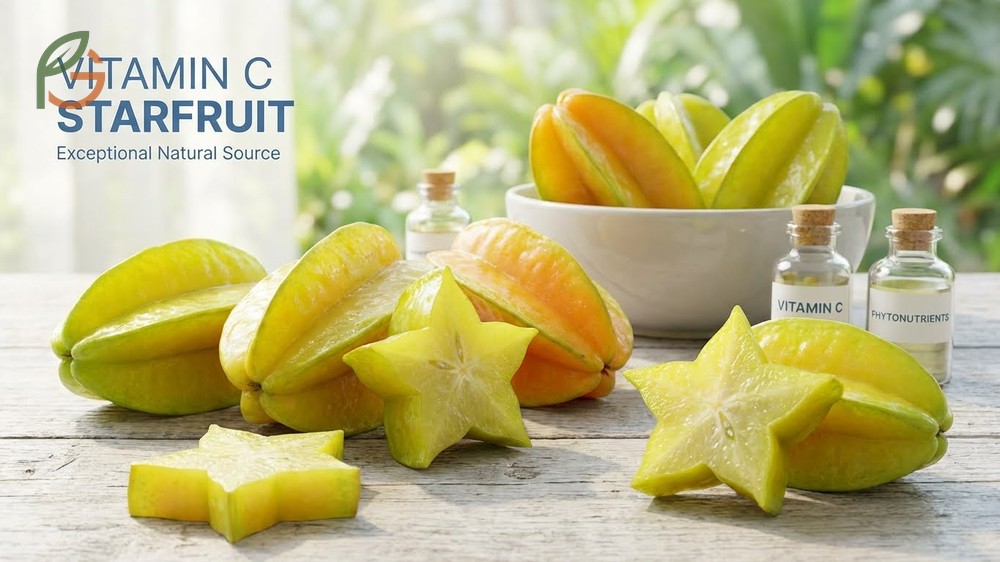
Starfruit stands out as an exceptional source of vitamin C among tropical fruits. The vitamin C concentration varies slightly by ripeness and growing conditions, but consistently delivers 35-52% of daily requirements per serving[1].
Unlike synthetic vitamin C supplements, the natural ascorbic acid in starfruit comes packaged with complementary phytonutrients. These compounds work synergistically to enhance absorption and maximize biological activity.
Current data indicates vitamin C’s water-soluble nature means your body can’t store it long-term. This makes regular consumption of vitamin C-rich foods like starfruit essential for maintaining optimal levels.
The vitamin’s role extends beyond immunity to include collagen synthesis for skin health and wound healing. Research shows adequate vitamin C intake supports connective tissue formation and helps your body absorb iron from plant sources.
- Neutralizes harmful free radicals that contribute to aging and disease
- Stimulates white blood cell production and activity
- Enhances iron absorption from plant-based foods
- Supports collagen formation for skin, bones, and blood vessels
- Protects cells from oxidative damage and inflammation
Storage Tip: Vitamin C degrades when exposed to air, heat, and light. Store starfruit in your refrigerator and consume within 3-5 days of purchase to maintain maximum vitamin content.
Antioxidant Benefits Fruit
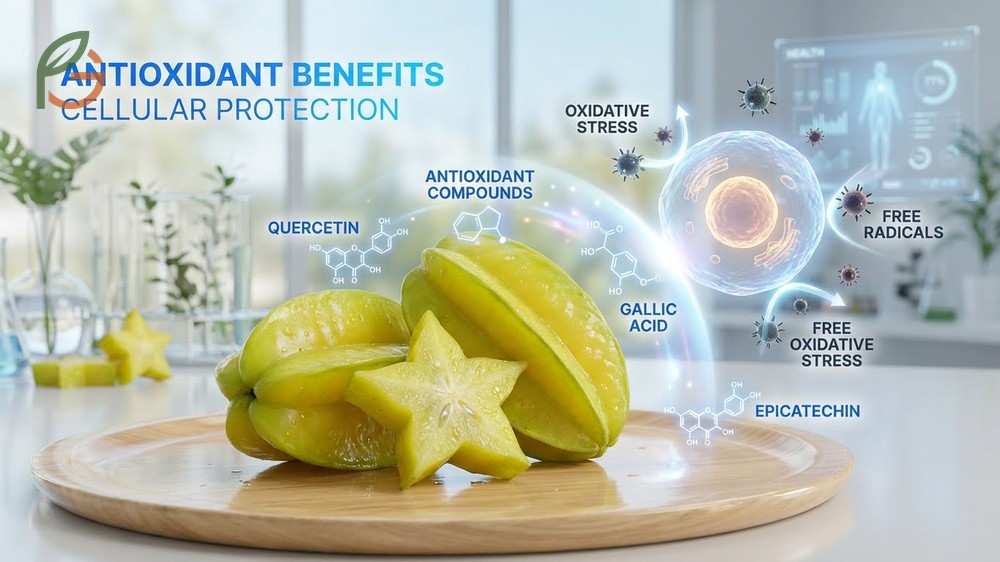
Starfruit contains a diverse array of antioxidant compounds that protect your cells from oxidative stress. The primary antioxidants include quercetin, gallic acid, epicatechin, and various polyphenols that combat free radical damage[2].
Studies demonstrate these plant compounds provide anti-inflammatory effects that may help ease symptoms of inflammatory conditions. The antioxidant profile makes starfruit particularly valuable for protecting against chronic diseases linked to oxidative damage.
Evidence suggests quercetin in starfruit may boost both physical and mental performance. In vitro studies show this flavonoid protects brain cells and supports cardiovascular function through multiple mechanisms.
Research indicates the combination of vitamin C, polyphenols, and carotenoids creates a comprehensive antioxidant system. These compounds work together more effectively than any single antioxidant would alone, providing enhanced cellular protection.
- Quercetin enhances physical performance and protects brain health
- Gallic acid provides potent anti-inflammatory and antimicrobial effects
- Epicatechin supports cardiovascular health and blood flow
- Polyphenols reduce oxidative stress markers in blood
- Carotenoids protect eye health and support immune function
- Combined antioxidants may help prevent chronic diseases like diabetes and heart disease
The anti-inflammatory properties extend to skin health as well. Agricultural research shows topical applications and dietary consumption both contribute to reduced inflammation in conditions like psoriasis and dermatitis[3].
Conclusion
The evidence is clear: health benefits of starfruit stem from its exceptional combination of vitamin C, dietary fiber, and powerful antioxidants that support immunity, digestion, and cardiovascular health. This tropical fruit delivers 52% of daily vitamin C needs while providing only 31 calories per serving, making it an ideal choice for health-conscious consumers.
Current nutritional guidance emphasizes incorporating diverse fruits like starfruit into your diet for optimal wellness. FruitGarden continues to research and share evidence-based information about tropical fruits that enhance your health naturally, helping you make informed decisions about nutrition and home gardening.
Medical Disclaimer
Important Medical Disclaimer: This content is for informational and educational purposes only. It is not intended as a substitute for professional medical advice, diagnosis, or treatment. Always consult a qualified healthcare professional before making any changes to your diet, especially if you have kidney disease, diabetes, or other medical conditions. People with chronic kidney disease must avoid starfruit completely due to potentially fatal neurotoxic effects. Never disregard professional medical advice or delay seeking it because of information you read here.
Frequently Asked Questions
What Are the Main Health Benefits of Eating Starfruit?
Starfruit provides powerful immune support through high vitamin C content (52% daily value), improves digestion with 3 grams of fiber per serving, and delivers antioxidants like quercetin that fight inflammation. Studies show it can also help lower cholesterol levels by 15-17% and supports cardiovascular health through potassium content.
How Much Starfruit Should I Eat Daily?
One to two medium starfruits (3-4 inches long) daily provides optimal health benefits without excessive calories or sugar. This serving delivers adequate vitamin C, fiber, and antioxidants while maintaining a balanced diet. However, people with kidney disease should avoid starfruit entirely due to neurotoxin risks.
Does Starfruit Help With Weight Loss?
Yes, starfruit supports weight management with only 31 calories per 100 grams and high fiber content that promotes satiety. The fiber boosts metabolism and helps you feel full longer, reducing overall calorie intake. Its low glycemic index of 45 also helps maintain stable blood sugar levels.
Can Starfruit Boost Your Immune System?
Research confirms starfruit strengthens immunity through exceptional vitamin C levels that stimulate white blood cell production and activity. One cup provides 76% of daily vitamin C requirements, helping your body develop resistance against infectious agents and eliminate harmful free radicals that compromise immune function.
Who Should Not Eat Starfruit?
People with kidney disease, kidney stones, or those on dialysis must completely avoid starfruit. The fruit contains caramboxin, a neurotoxin that healthy kidneys filter out but can accumulate to dangerous levels in those with compromised kidney function, potentially causing seizures, coma, or death. Always consult your doctor if you have any kidney concerns.
What Nutrients Does Starfruit Contain?
Starfruit delivers vitamin C (35-52% daily value), dietary fiber (2.8-3g), copper (6-11% daily value), potassium, folate, and vitamin B5. It also contains powerful antioxidants including quercetin, gallic acid, and epicatechin, plus trace minerals like magnesium, iron, zinc, and phosphorus with minimal calories and zero cholesterol.
How Does Starfruit Compare to Other Fruits for Vitamin C?
Starfruit ranks high among fruits for vitamin C concentration, providing 52% of daily requirements per medium fruit. While citrus fruits like oranges are famous for vitamin C, starfruit delivers comparable amounts with fewer calories and additional benefits like higher fiber content and unique antioxidant compounds not found in citrus.





