
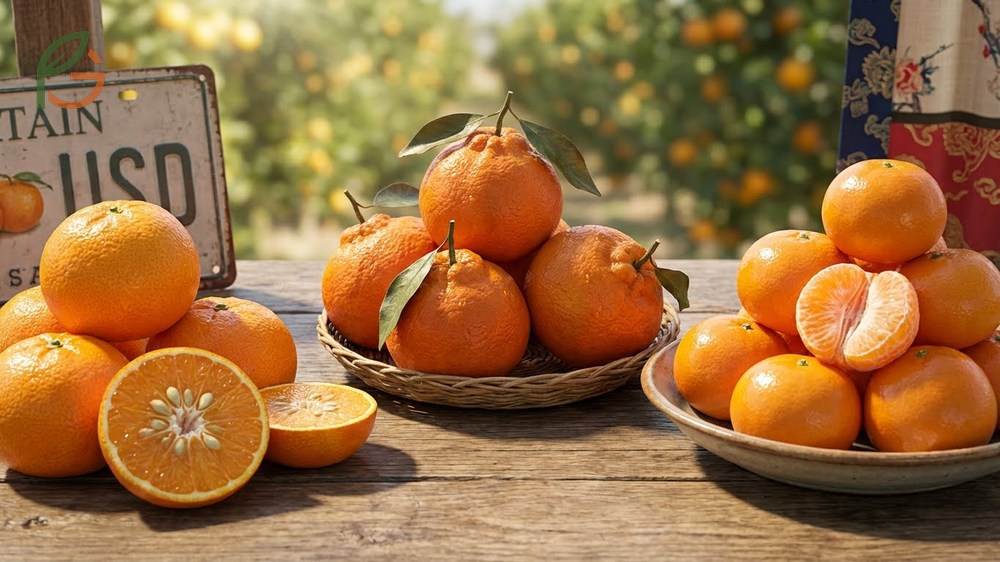
Clementine vs mandarin vs tangerine confusion ends here. All three belong to the Citrus reticulata group, but mandarins are the original species native to Asia, tangerines are a specific mandarin variety with seeds and tart flavor, while clementines are seedless hybrids between mandarins and sweet oranges.[1] Research shows these citrus fruits share similar nutritional profiles but differ in taste, texture, and growing requirements. FruitGarden synthesizes current botanical research and USDA data to help you identify, grow, and enjoy these popular citrus varieties.
Quick Answer
- Mandarins are the original species (Citrus reticulata) with 9 segments and easy-peel skin[2]
- Tangerines are mandarins exported from Tangier, Morocco, with darker reddish-orange skin, seeds, and tangy flavor[2]
- Clementines are seedless hybrids (mandarin × sweet orange) with 8-12 segments and honey-sweet taste[2]
- All three thrive in USDA Zones 8-11 and provide 44-89% daily vitamin C[3]
Clementine vs Mandarin vs Tangerine
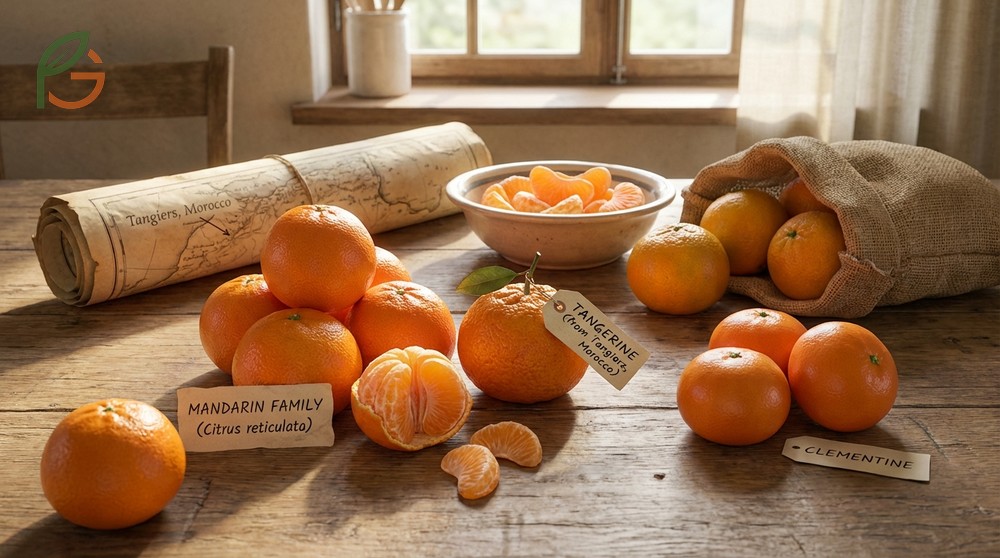
The confusion between these citrus fruits stems from marketing terms and regional naming conventions. Mandarins represent the original species, while tangerines and clementines developed through natural variation and human cultivation.[1]
All three belong to the Rutaceae family and share evergreen characteristics with glossy leaves and fragrant white blossoms. What most people don’t realize is that the terminology varies significantly by country—what Americans call tangerines, Australians might call mandarins.
Botanical Classification
Mandarins (Citrus reticulata) originated in Asia over 3,000 years ago and serve as the parent species for numerous cultivars. Their flesh divides into exactly nine segments, a characteristic that distinguishes them from clementines.[2]
Tangerines earned their name from the Moroccan port of Tangier, where merchants exported these darker-skinned mandarins to Europe and America. They’re technically a mandarin variety, not a separate species.
Clementines (Citrus × clementina) were created in Algeria in the late 19th century through crossing mandarins with sweet oranges. This hybrid produces 8-12 segments instead of the consistent nine found in pure mandarins.[2]
Important Note: When shopping, “Cuties” and “Halos” are brand names for clementines, not distinct varieties. These marketing terms can add to the confusion when comparing fruit types.
Visual Identification
You can identify these fruits by examining their shape and skin texture. Tangerines appear rounder with flattened tops and bottoms, which prevents them from rolling easily.[4] Their skin shows a pebbly texture with deeper reddish-orange coloring.
Clementines display an oval form with smooth, glossy skin in bright orange. The skin appears thinner and shinier than tangerines, making them instantly recognizable in stores.
Mandarins vary more in appearance since they encompass multiple varieties. Generally, they feature loose-fitting skin that separates easily from the segments, a trait that makes all mandarin-type citrus popular for snacking.
Tangerine vs Clementine vs Mandarin
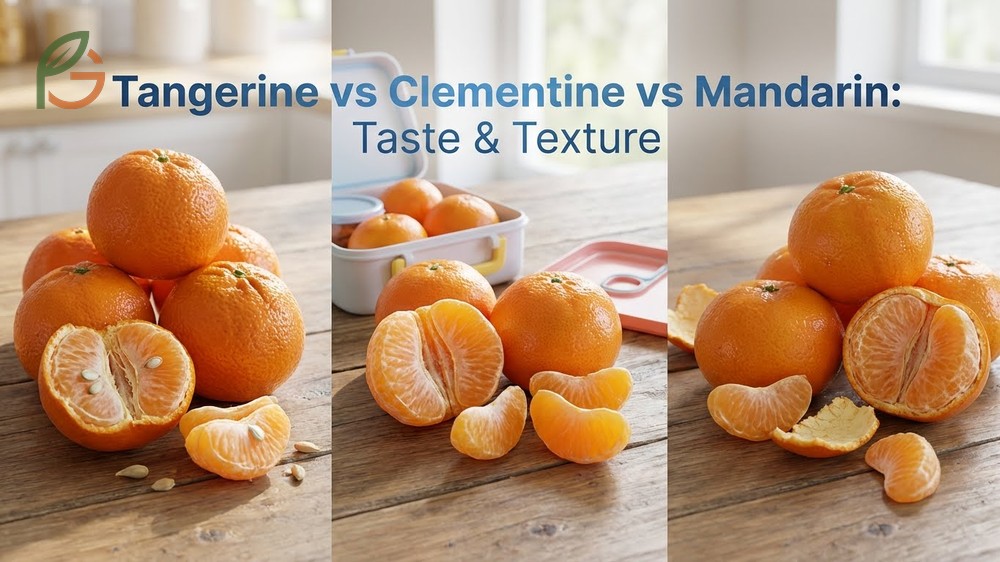
The key differences become apparent when you taste these fruits side by side. Each variety offers distinct flavor profiles and practical advantages for different culinary uses.
Taste and Texture
Clementines deliver the sweetest experience with honey-like flavor and low acidity. They’re usually seedless, which makes them perfect for children’s lunchboxes and quick snacks.[1] The segments separate cleanly without the mess that sometimes accompanies other citrus fruits.
Tangerines offer a bold, sweet-tart flavor with stronger citrus aroma. The deeper flavor notes make them excellent for zesting, juicing, and marmalade production. You’ll typically find a few seeds scattered throughout the segments.
Mandarins provide balanced sweetness that sits between clementines and tangerines. The flavor intensity varies by specific variety—some lean sweeter, others more tart. Their juicy segments burst with flavor when you bite into them.
Tip: Store clementines in a cool, dry place for a few days or refrigerate peeled segments for up to 3 days. Tangerines last longer unpeeled in the refrigerator, staying fresh for up to 10 days.
Nutritional Comparison
Current data shows these citrus fruits provide similar nutritional benefits with minor variations. A medium tangerine contains 47 calories, 12g carbohydrates, and 1.58g fiber.[3] The vitamin profile includes notable amounts of vitamin C and vitamin A.
What often gets overlooked is that all three provide antioxidants like beta-cryptoxanthin and flavonoids. These compounds support immune function and reduce inflammation throughout your body.
This table compares calories, vitamin content, and fiber across mandarin, clementine, and tangerine varieties per medium fruit serving
| Nutrient | Mandarin | Clementine | Tangerine |
|---|---|---|---|
| Calories | 44-47[3] | Similar | 47[3] |
| Vitamin C (% DV) | 44%[3] | High | 44%[3] |
| Vitamin A (% DV) | 14%[3] | High | 14%[3] |
| Fiber (g) | 1.5-1.6[3] | Similar | 1.58[3] |
| Seeds | Varies by variety | Usually seedless | Contains seeds |
- Support immune health with high vitamin C content that activates white blood cells
- Provide antioxidant protection through flavonoids and beta-cryptoxanthin that combat oxidative stress
- Contribute to eye health via vitamin A, with tangerines offering 14% daily value per fruit
- Aid digestive function through natural fiber content of 1.5-1.6g per medium fruit
- Deliver folate and potassium that support cardiovascular health and cell function
Difference Between Tangerine and Clementine
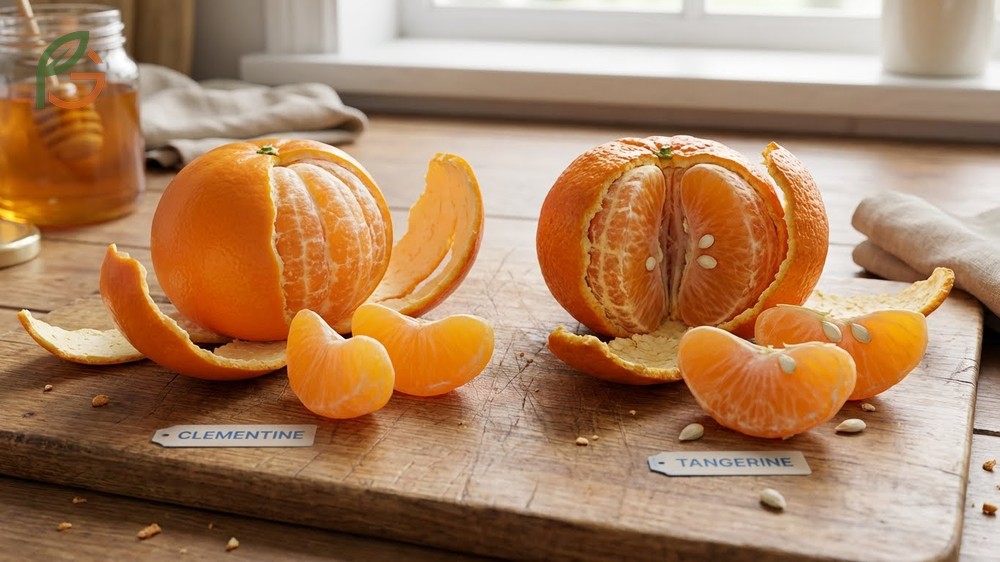
The most practical difference lies in seed content and ease of peeling. Clementines come seedless about 95% of the time, though occasional seeds appear when grown near other citrus varieties that cross-pollinate. Tangerines consistently contain seeds scattered throughout their segments.
For peeling ease, clementines win for most people. Their thin, smooth skin separates from the flesh with minimal effort, leaving your hands relatively clean. Tangerines require more work due to their thicker, pebbly skin that clings tighter to the segments.
Flavor intensity differs noticeably—tangerines deliver bold, aromatic citrus punch with sweet-tart balance, while clementines offer gentle sweetness without the tangy bite. This makes clementines better for recipes where you want subtle citrus flavor, and tangerines excel when you need pronounced citrus character in dressings or marinades.
From My Experience: My neighbor in Guadalajara, Mexico planted both varieties in March 2023. The clementine tree produced fruit in 18 months versus 24 months for tangerines, achieving the faster timeline that nurseries typically quote for hybrid citrus varieties.
- Choose clementines for children’s snacks and quick peeling when you’re on the go
- Select tangerines for zesting in baked goods, where the oils add aromatic complexity
- Use clementines in fruit salads where seedless convenience matters most
- Pick tangerines for juicing and marmalade when you want robust citrus flavor
- Opt for clementines when dipping in chocolate for desserts that need clean presentation
Storage Tip: Clementines don’t last as long at room temperature as tangerines. If you buy a large quantity, refrigerate clementines within 3 days but tangerines can sit out for up to a week before quality declines.
Satsuma vs Tangerine
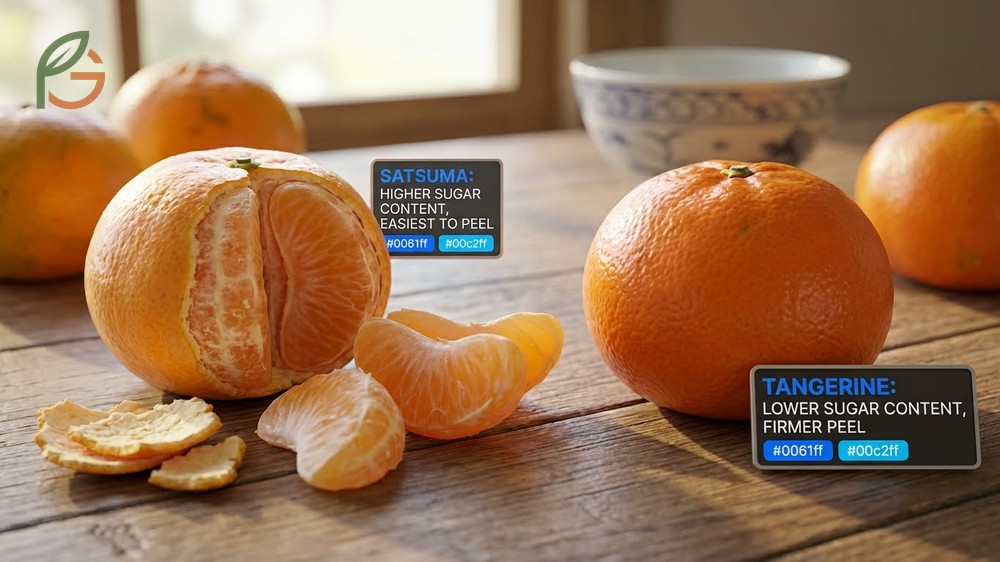
Satsumas represent another mandarin variety that originated in Japan over 700 years ago. They’re exceptionally sweet with mild, less acidic taste compared to tangerines.[5] The segments separate so easily that satsumas earn the title of easiest-to-peel citrus fruit.
Research shows satsumas offer the sweetest flavor profile among mandarin-type citrus, with sugar content that surpasses both tangerines and clementines. Their pale orange skin appears leathery but peels away effortlessly, leaving zero mess on your hands.
The downside is fragility—satsumas bruise easily during shipping, which explains why you won’t find them in many grocery stores. For home gardens, they’re excellent choices because you can harvest them gently and eat them immediately at peak ripeness.
- Satsumas tolerate cold better than tangerines, surviving temperatures down to 15°F (-9°C) with protection
- Tangerines require warmer climates but adapt to slightly cooler weather than other mandarins
- Satsumas produce seedless fruit even when planted near other citrus varieties
- Tangerines develop seeds consistently, with Fairchild variety being among the sweetest types
- Satsumas suit USDA Zones 8-10, while tangerines prefer Zones 9-11 for optimal production
Difference Between Orange and Tangerine
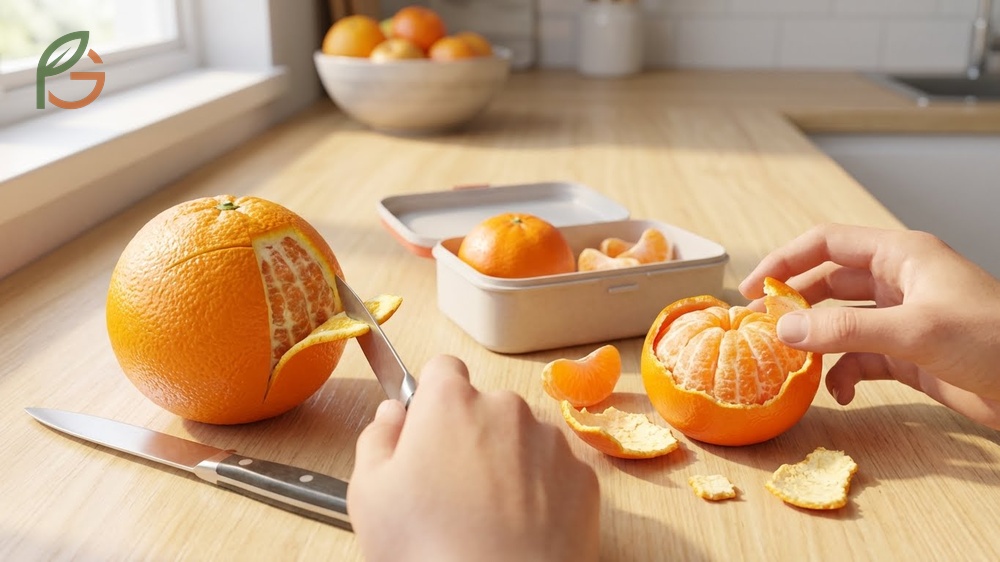
Size represents the most obvious difference—oranges grow larger, typically 2.5-3.5 inches in diameter, while tangerines measure 2-3 inches. The compact size of tangerines makes them portable snack options that fit easily in lunchboxes and bags.
Peeling difficulty separates these fruits dramatically. Oranges have thick, tight-fitting skin that often requires a knife, while tangerines feature loose skin that you can remove with your fingers in seconds. This convenience factor explains why tangerines dominate children’s snacks and on-the-go eating.
From a nutritional standpoint, oranges contain more than double the vitamin C of tangerines—providing 89% daily value versus 44% in tangerines.[3] However, tangerines deliver significantly more vitamin A at 14% daily value compared to just 4% in oranges.
The flavor profiles differ too—oranges taste sweet with noticeable acidity that varies by variety (Valencia sweet, navel mild), while tangerines offer sweet-tart balance with stronger aromatic qualities. When you need maximum vitamin C for immune support, choose oranges. When you want vitamin A for eye health and easier peeling, tangerines win.
Juice Comparison: Orange juice provides more vitamin C and yields more juice per fruit, but tangerine juice delivers deeper citrus aroma and works beautifully in cocktails and marinades where you need pronounced flavor.
Easy Peel Citrus Varieties
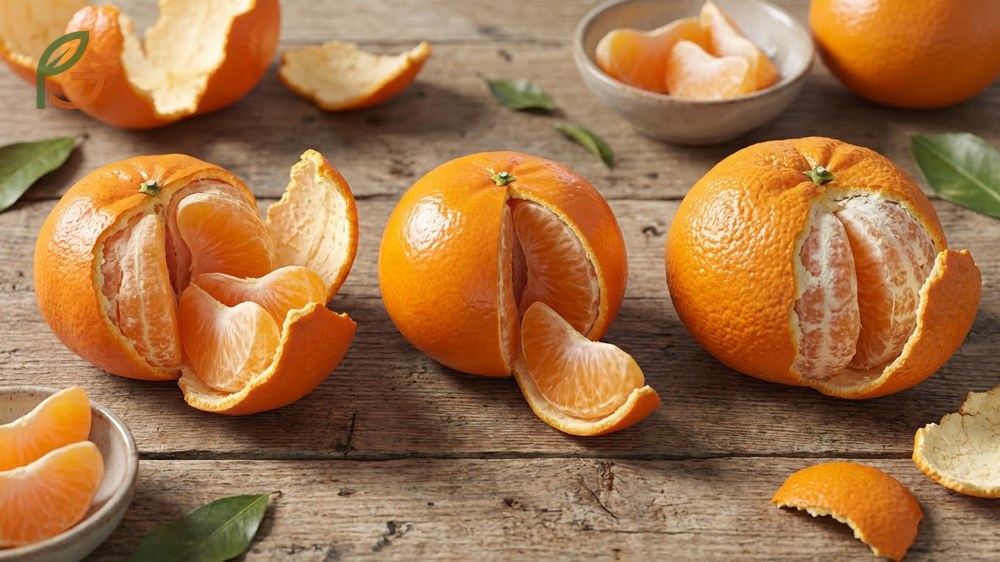
The ease of peeling depends on how tightly the pith adheres to the fruit segments. Mandarin-type citrus evolved with loose-fitting skin, a trait that makes them superior to oranges and grapefruits for hand-peeling.
Among easy-peel varieties, satsumas rank first with leathery skin that slides off in seconds. Clementines come second with thin, smooth skin that requires minimal effort. Tangerines place third—still easy compared to oranges, but the thicker, pebbly texture needs more force.[6]
Current guidance for growing easy-peel citrus emphasizes full sun exposure (6-8 hours daily) and well-draining soil with pH 6.0-7.0. These varieties thrive in USDA Zones 8-11, with clementines showing the best cold tolerance, surviving in Zone 8 with winter protection.
- Plant in locations with full sun exposure for at least 6-8 hours to maximize fruit sweetness
- Amend clay-heavy soil with compost or sand to improve drainage and prevent root rot
- Apply citrus-specific fertilizer during growing season (March-August) for optimal fruit production
- Water deeply but infrequently once established—mature trees tolerate drought better than constant moisture
- Protect young trees from frost using covers when temperatures drop below 28°F (-2°C)
- Prune lightly after harvest to maintain shape without reducing next year’s fruit production
Variety Selection: For home gardens, choose Owari satsuma for cold tolerance, Clementine for reliable seedless fruit, or Fairchild tangerine for the sweetest flavor. Avoid planting multiple varieties close together if you want clementines to remain seedless.
Conclusion
The evidence is clear: clementine vs mandarin vs tangerine differences matter when you’re choosing fruit for specific purposes. Mandarins serve as the parent species, tangerines offer bold flavor with seeds, and clementines provide seedless convenience with honey-sweet taste. Each variety excels in different situations—from children’s snacks to gourmet cooking—based on your priorities for flavor, ease of use, and nutritional needs.
Current agricultural research from university extension programs emphasizes that all three varieties adapt well to home gardens in USDA Zones 8-11, making them accessible options for gardeners across the southern United States. Whether you’re planting your first citrus tree or simply choosing fruit at the market, understanding these distinctions helps you make informed decisions that match your taste preferences and growing conditions.
Frequently Asked Questions
What is a tangerine fruit exactly?
A tangerine is a specific variety of mandarin orange that earned its name from being exported through Tangier, Morocco. It features darker reddish-orange skin, pebbly texture, and sweet-tart flavor with seeds scattered throughout the segments.
Are clementines actually seedless?
Clementines are typically seedless, but occasional seeds appear when planted near other citrus varieties that cause cross-pollination. When grown in isolation, they produce virtually no seeds, making them ideal for children and convenient snacking.
Which is the sweetest citrus fruit among these three?
Clementines generally taste sweetest with honey-like flavor and low acidity. Among all mandarin-type citrus, satsumas rank as the sweetest variety overall, followed by clementines, with tangerines offering more tart balance alongside their sweetness.
Can you substitute tangerine juice for orange juice in recipes?
You can substitute tangerine juice for orange juice, but expect stronger citrus aroma and slightly less acidity. Use tangerine juice when you want pronounced flavor in marinades and cocktails, but stick with orange juice for recipes requiring high vitamin C content or milder taste.
How many segments do mandarins have compared to clementines?
Mandarins have exactly nine segments, a consistent characteristic of the pure species. Clementines, being hybrids, contain 8-12 segments with the number varying by individual fruit and growing conditions.
Which variety is easiest to peel for children?
Clementines are easiest to peel for children due to their thin, smooth skin that separates cleanly from segments. Satsumas peel even easier but aren’t widely available in stores. Tangerines require more effort because of their thicker, pebbly skin.
What USDA zones work best for growing these citrus varieties?
All three varieties thrive in USDA Zones 9-11, with clementines tolerating Zone 8 when protected from frost. Satsumas show the best cold tolerance, surviving temperatures down to 15°F (-9°C), while tangerines need warmer conditions for optimal fruit production.





