
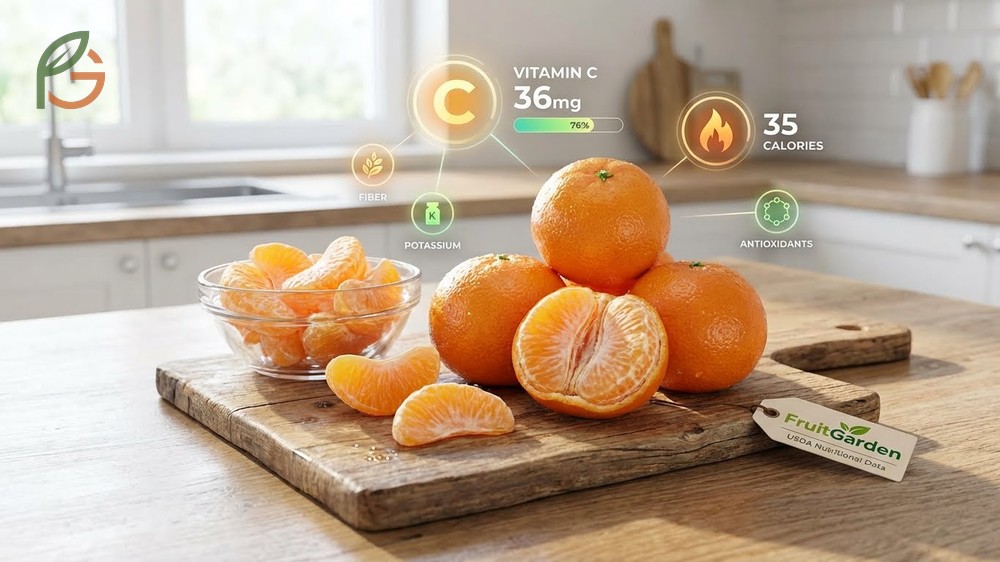
Clementine nutrition facts show one medium fruit contains 35 calories and delivers 36mg of vitamin C—about 60% of the daily recommended intake[1]. Research shows these seedless citrus fruits provide essential nutrients including fiber, potassium, and antioxidants while remaining naturally low in fat and sodium. FruitGarden synthesizes current agricultural research and USDA nutritional data to help you understand how clementines fit into a balanced diet.
Quick Answer
Clementine Nutrition Facts
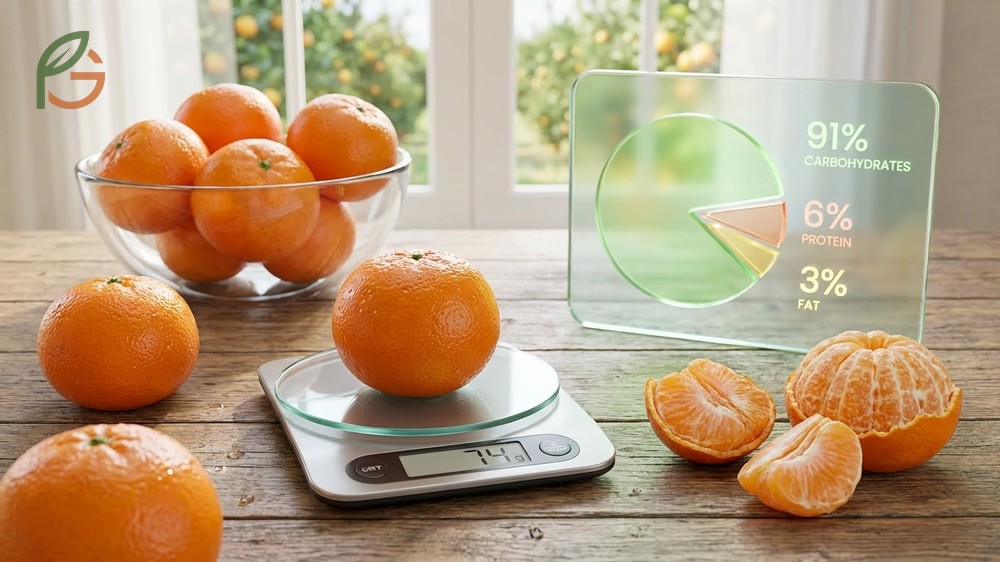
Studies demonstrate that clementines rank among the most nutrient-dense citrus fruits available. One medium clementine weighing approximately 74 grams delivers substantial vitamins and minerals while contributing minimal calories to your daily intake[2].
Current nutritional data shows clementines contain 91% carbohydrates, 6% protein, and 3% fat by macronutrient distribution[2]. The USDA confirms these fruits have zero cholesterol and remain naturally low in sodium at just 1mg per fruit[5].
Unlike processed snacks, clementines provide hydration benefits with their high water content. Most people find them convenient as grab-and-go nutrition since they’re seedless and easy to peel.
Macronutrient Breakdown
Research shows the macronutrient profile of clementines makes them ideal for weight management. One fruit contains 0.63g protein, 0.11g fat, and 8.76g total carbohydrates[1].
The protein content remains negligible at roughly 2% of daily recommended values. Fat content stays minimal, with clementines being virtually fat-free options for those monitoring lipid intake.
Micronutrient Profile
Evidence suggests clementines deliver essential micronutrients beyond vitamin C. Each fruit provides 22.2mg calcium, 0.10mg iron, and 0.06mg vitamin B-6[1].
Agricultural data shows clementines contain 18 micrograms of folate per fruit—about 4% of the recommended daily value. This B-vitamin supports cell growth and DNA synthesis throughout the body.
- Vitamin C: 36.1mg per fruit (40-60% daily value)
- Potassium: 131mg supporting heart health and blood pressure regulation
- Calcium: 22.2mg contributing to bone health
- Folate: 18µg essential for cellular function
- Vitamin E: 0.15mg providing antioxidant protection
Important Note: Clementines contain more vitamin C than mandarins—48.8mg per 100g compared to 26.7mg—making them superior choices for immune support[6].
Calories and Macros

Current data indicates clementines offer exceptional calorie-to-nutrition ratios. At just 35 calories per medium fruit, they deliver substantial vitamins without derailing weight management goals.
Research shows 100 grams of clementines contains 47 calories[7]. This positions them as lower-calorie alternatives to bananas (89 calories per 100g) or grapes (69 calories per 100g).
Calorie Content by Serving
Studies demonstrate that portion sizes significantly affect caloric intake from clementines. A typical two-fruit serving provides 70 calories, making it sustainable for daily consumption[4].
For those tracking macros, four clementines deliver 139 calories and 0.44g total fat[8]. This serving size remains practical for active individuals requiring higher fruit intake.
This table compares calories, carbohydrates, fiber, and vitamin C content across three common clementine serving sizes
| Serving Size | Calories | Carbohydrates | Fiber | Vitamin C |
|---|---|---|---|---|
| 1 clementine (74g) | 35 kcal[2] | 9g[2] | 1.3g[3] | 36mg (40% DV)[1] |
| 2 clementines (148g) | 70 kcal[4] | 18g[4] | 6g[4] | 72mg (120% DV)[4] |
| 100g | 47 kcal[7] | 12g[9] | 1.7g[9] | 48.8mg (54% DV)[7] |
Carbohydrate Composition
Evidence indicates that clementines contain 12g total carbohydrates per 100g, with 10.3g net carbs after subtracting fiber[9]. This makes them moderately high in carbs but suitable for most eating patterns.
The glycemic response remains moderate since fiber slows sugar absorption. Most people find that eating clementines with protein sources like nuts further stabilizes blood sugar levels.
Vitamin C Content
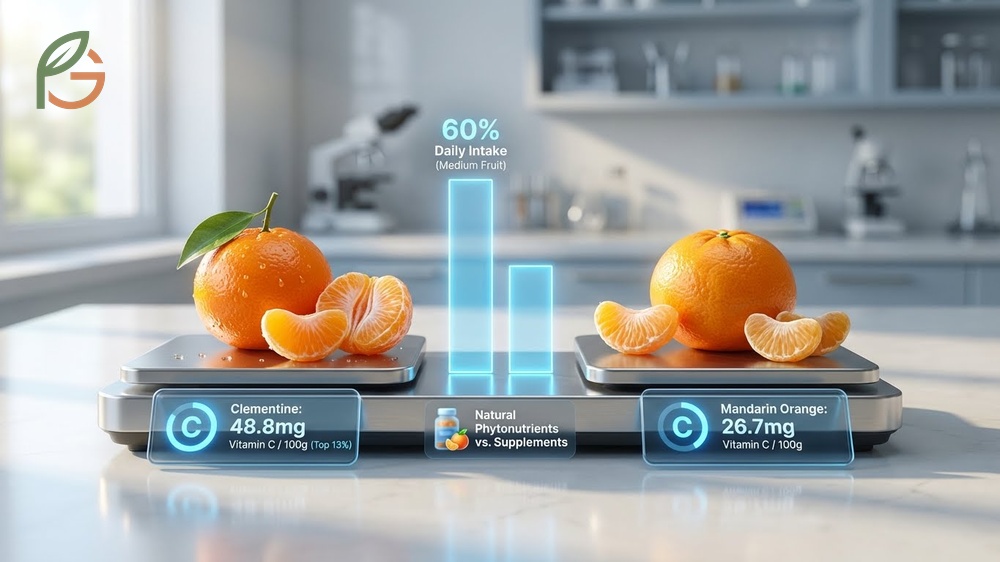
Research shows clementines rank as excellent vitamin C sources, providing 36.1mg per medium fruit[3]. This represents approximately 60% of the 60-95mg daily recommended intake for adults.
Agricultural data confirms clementines deliver more vitamin C per 100g than mandarin oranges—48.8mg versus 26.7mg[6]. This positions them among the top 13% of foods for this essential nutrient.
Unlike supplements, clementines provide vitamin C alongside complementary phytonutrients. The synergistic effect enhances antioxidant absorption and bioavailability throughout the body.
Daily Value Comparison
Current guidance shows that two clementines exceed the minimum daily vitamin C requirement. This serving delivers 72mg, representing 120% of the daily value established by USDA standards[4].
Studies demonstrate that regular vitamin C intake from whole fruits offers advantages over synthetic ascorbic acid. The natural form includes bioflavonoids that work together to maximize cellular uptake.
Immune System Benefits
Evidence suggests vitamin C in clementines strengthens immune function through multiple mechanisms. The high concentration supports white blood cell production and enhances the body’s disease-fighting capabilities[5].
Research indicates that vitamin C acts as a powerful antioxidant, protecting cells from free radical damage. This protective mechanism may reduce oxidative stress linked to chronic disease development.
- Immune support: Boosts white blood cell production and antibody response
- Antioxidant protection: Neutralizes free radicals that damage cellular structures
- Collagen synthesis: Essential for skin health, wound healing, and tissue repair
- Iron absorption: Enhances non-heme iron uptake from plant-based foods
- Cardiovascular health: Supports blood vessel integrity and reduces oxidative stress
Fiber Sugar Content

Studies demonstrate that clementines provide moderate dietary fiber alongside natural sugars. One medium fruit contains 1.26g fiber—about 5% of the 25g recommended daily intake[3].
Current data shows clementines contain both soluble and insoluble fiber types. The combination supports digestive health, promotes regular bowel movements, and helps maintain healthy gut microbiome balance[9].
Dietary Fiber Benefits
Research shows that fiber in clementines slows sugar absorption, preventing rapid blood glucose spikes. This mechanism makes them more blood-sugar-friendly than fruit juices lacking fiber content.
Agricultural studies indicate that consuming whole clementines with the white pith maximizes fiber intake. The pith contains pectin, a soluble fiber that supports cholesterol management and satiety.
Most people find that eating 2-3 clementines daily contributes meaningfully to total fiber goals. This practice works best when combined with vegetables, whole grains, and legumes throughout the day.
Natural Sugar Levels
Evidence indicates clementines contain 6.79g natural sugar per fruit, with sucrose comprising the largest fraction at 4g[2]. Smaller amounts include fructose (1g) and glucose (1g).
The sugar content represents about 18% of the recommended daily maximum for added sugars. However, natural fruit sugars come packaged with fiber, vitamins, and water—unlike processed sweeteners.
Nutritional analysis shows clementines have slightly less sugar than mandarin oranges—9.18g versus 10.58g per 100g[6]. This makes them preferable choices for those monitoring sugar intake.
Practical Tip: Pair clementines with protein-rich foods like Greek yogurt or almonds to slow sugar absorption and extend satiety between meals.
Health Nutrients Clementines
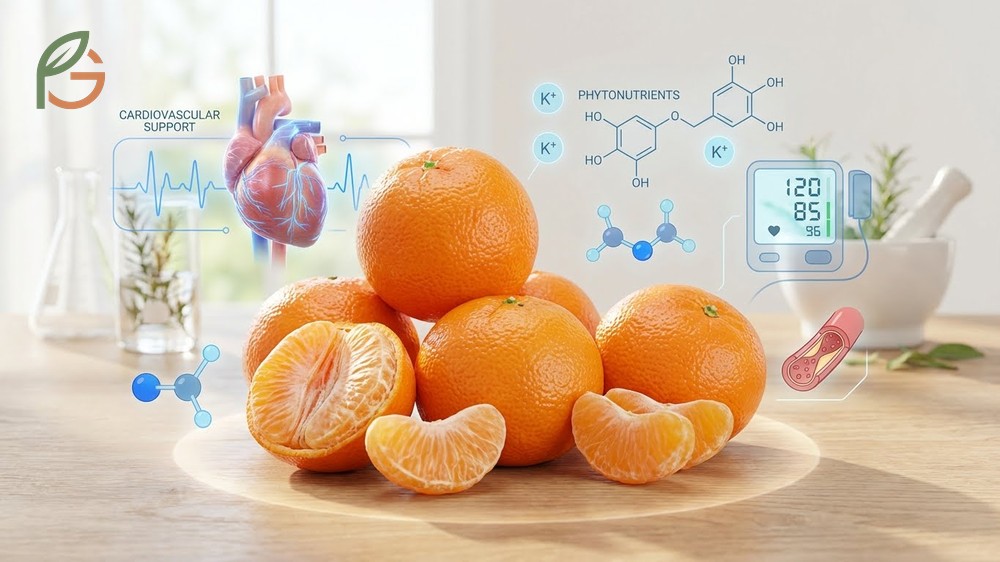
Current research demonstrates clementines contain diverse health-promoting compounds beyond basic vitamins. These phytonutrients work synergistically to support multiple body systems and reduce chronic disease risk.
Studies show that regular clementine consumption provides cardiovascular benefits through potassium content. The 131mg per fruit helps normalize cardiac arrhythmia and maintains healthy blood pressure levels[10].
Antioxidant Compounds
Evidence suggests clementines contain powerful antioxidants including flavonoids, carotenoids, and limonoids[10]. These compounds protect cells from oxidative damage linked to aging and disease development.
Research shows beta-cryptoxanthin serves as the primary carotenoid in clementines. This provitamin A compound supports vision health, immune function, and cellular communication throughout the body.
Agricultural data indicates that eating whole clementines rather than drinking juice maximizes antioxidant intake. The peel contains concentrated flavonoids, though most people consume only the flesh segments.
- Beta-cryptoxanthin: Provitamin A carotenoid supporting eye health and immune function
- Flavonoids: Anti-inflammatory compounds studied for chronic disease prevention
- Limonoids: Citrus-specific phytochemicals with potential anti-cancer properties
- Glycosylates: Antioxidant compounds that combat oxidative stress
- Alpha and beta-carotene: Additional carotenoids providing antioxidant protection
Mineral Content
Studies demonstrate clementines provide essential minerals supporting bone health and metabolic function. Each fruit contains 22mg calcium, 10mg magnesium, and 21mg phosphorus[10].
Current nutritional analysis shows trace minerals including iron (0.10mg), copper (0.04mg), and zinc (0.06mg) contribute to enzymatic functions. While amounts remain modest, they complement mineral intake from other food sources.
The potassium-to-sodium ratio in clementines strongly favors potassium at 131:1. This balance supports fluid regulation, nerve transmission, and muscle contraction throughout the body.
Conclusion
The evidence is clear: clementine nutrition facts reveal these citrus fruits deliver exceptional nutrient density with minimal calories. Research confirms that regular consumption provides substantial vitamin C, fiber, antioxidants, and essential minerals that support immune function, digestive health, and cardiovascular wellness.
Current guidance emphasizes choosing whole clementines over processed fruit products to maximize nutritional benefits. FruitGarden continues monitoring agricultural research and USDA data to provide accurate, science-based information for fruit enthusiasts and home gardeners.
Medical Disclaimer
Important Medical Disclaimer: This content is for informational and educational purposes only. It’s not intended as a substitute for professional medical advice, diagnosis, or treatment. Always consult a qualified healthcare professional or registered dietitian before making significant changes to your diet, especially if you have diabetes, kidney disease, or other medical conditions. Individual nutritional needs vary based on age, activity level, and health status.
Frequently Asked Questions
How many calories are in one clementine?
One medium clementine (74g) contains 35 calories. This low calorie count makes clementines excellent choices for weight management while providing substantial vitamin C and fiber. Two clementines deliver 70 calories—a reasonable snack portion for most eating plans.
What percentage of daily vitamin C does a clementine provide?
A single clementine provides 36mg of vitamin C, representing 40-60% of the daily recommended intake for adults. Two clementines exceed 100% of the daily value, delivering 72mg or 120% of recommended amounts. This makes them more vitamin C-dense than many other fruits.
Are clementines high in sugar?
Clementines contain moderate natural sugar at 6.79g per fruit, primarily sucrose. While they’re not “high sugar” compared to dried fruits or tropical varieties, the fiber content helps slow sugar absorption. They contain less sugar than mandarins (9.18g vs 10.58g per 100g), making them reasonable choices for balanced diets.
How much fiber is in a clementine?
One clementine contains 1.26-1.3g of dietary fiber, about 5% of the recommended daily intake. Two clementines provide 6g fiber—24% of the daily goal. The fiber includes both soluble and insoluble types that support digestive health and help regulate blood sugar response.
What’s the difference between clementine and mandarin nutrition?
Clementines contain significantly more vitamin C than mandarins (48.8mg vs 26.7mg per 100g) and slightly less sugar (9.18g vs 10.58g). Clementines have fewer calories (47 vs 53 per 100g) and more vitamin B1, B3, and folate. Mandarins edge out clementines in vitamin B2, B5, calcium, and magnesium.
Can you eat clementines every day?
Yes, eating 2-3 clementines daily fits well within balanced nutrition guidelines for most people. This provides vitamin C, fiber, and antioxidants without excessive calories or sugar. Those with citrus allergies, acid reflux, or specific medical conditions should consult healthcare providers before regular consumption.
What minerals do clementines contain?
Clementines provide essential minerals including 131mg potassium, 22.2mg calcium, 16mg phosphorus, 10mg magnesium, and trace amounts of iron (0.10mg), copper, and zinc. The high potassium content supports heart health and blood pressure regulation, while calcium contributes to bone strength and muscle function.





