
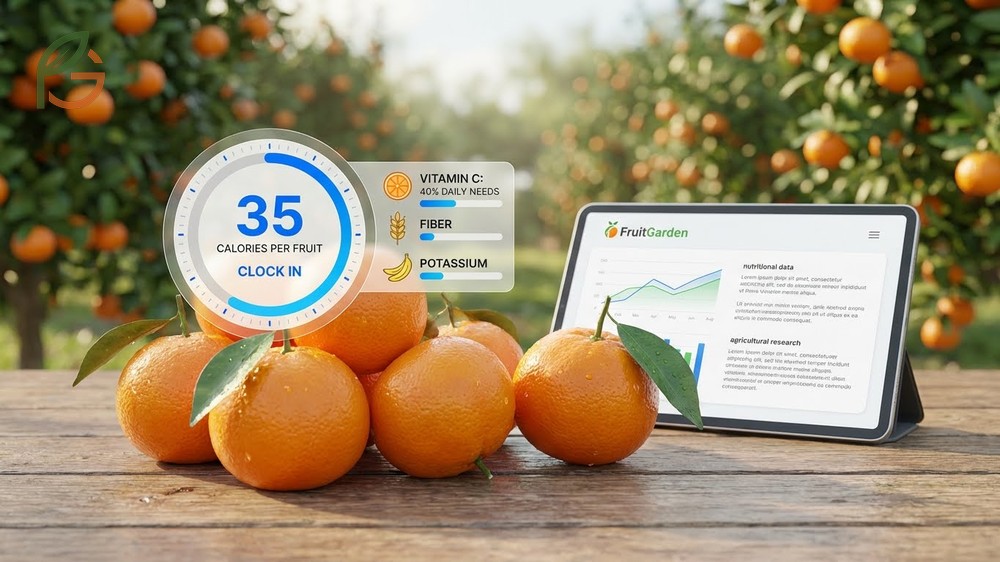
Calories in a clementine clock in at just 35 per fruit, making them a low-calorie snack packed with nutrients[1]. Research shows one clementine delivers 40% of your daily vitamin C needs alongside fiber and potassium[1]. FruitGarden synthesizes current agricultural research and nutritional data to help gardeners and fruit enthusiasts understand what they’re growing and eating.
Quick Answer
- One clementine contains 35 calories
- Provides 40% of daily vitamin C (36.1mg per fruit)[1]
- Contains 9g carbs with 1g fiber per clementine[1]
- Low glycemic index of 47±2 (similar to mandarin segments)[2]
Calories in a Clementine
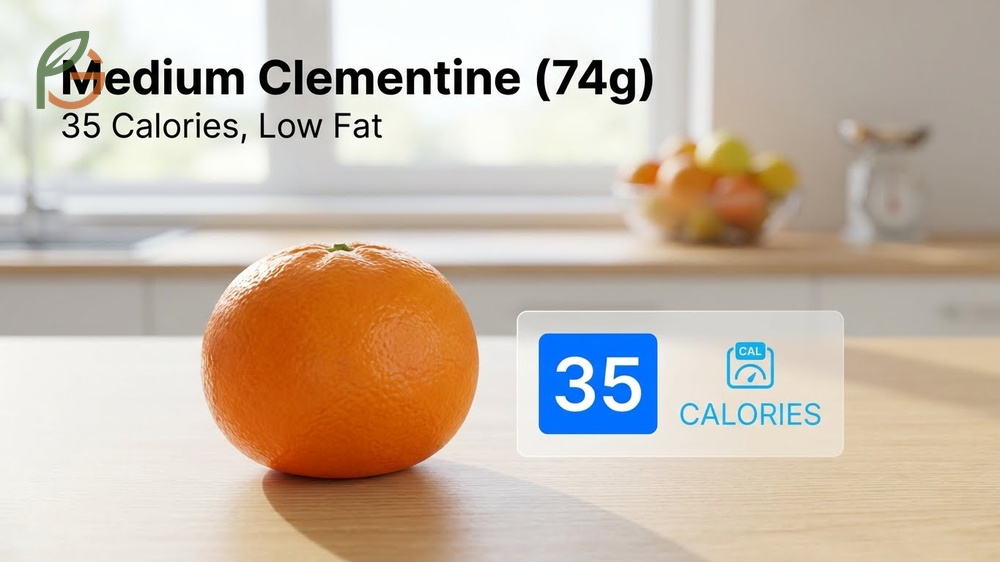
Research shows one medium clementine (74 grams) contains exactly 35 calories[1]. This makes clementines one of the lowest-calorie citrus fruits available. Most of these calories come from natural sugars and carbohydrates, with virtually no fat content.
The calorie count stays consistent across most clementines because they’re a standardized hybrid citrus variety. Unlike larger oranges where size can vary dramatically, clementines typically weigh between 70-80 grams. If you eat two clementines, you’re consuming around 70 calories—still less than a medium apple.
Current data indicates that clementines provide about 0.63 grams of protein and only 0.11 grams of fat per fruit[3]. The high water content (approximately 87% by weight) keeps the calorie density remarkably low. This means you can eat multiple clementines and still maintain a low-calorie intake for the day.
Important Note: Canned clementine segments packed in syrup contain significantly more calories than fresh clementines. Always choose fresh fruit when counting calories accurately.
Nutritional Value of Clementines
Studies demonstrate clementines pack an impressive nutritional profile for their small size. One fruit delivers 40% of your daily vitamin C requirement, which is roughly 36.1 milligrams[1]. They also provide 1.26 grams of dietary fiber, supporting digestive health and satiety[3].
Agricultural data shows clementines contain 131 milligrams of potassium per fruit, which helps regulate blood pressure and fluid balance[3]. They’re naturally low in sodium (essentially zero) and contain no cholesterol. The fruit provides small amounts of calcium (22.2mg), iron (0.10mg), and B vitamins including thiamine and folate.
Vitamins and Minerals in Clementines
Clementines deliver more than just vitamin C. They contain thiamine (vitamin B1) at about 5% of the daily value, which supports energy metabolism and nerve function[1]. Folate, another B vitamin critical for cell growth, appears at 5% of daily needs per fruit.
The mineral profile includes phosphorus for bone health and small amounts of magnesium. Vitamin E content reaches 0.15 milligrams per clementine, contributing to antioxidant protection[3]. Vitamin B-6 rounds out the micronutrients at 0.06 milligrams per fruit.
- Vitamin C: 36.1mg per fruit (40% daily value)
- Potassium: 131mg per fruit
- Dietary Fiber: 1.26g per fruit
- Folate: 5% of daily value
- Thiamine: 5% of daily value
- Calcium: 22.2mg per fruit
Macronutrient Breakdown
Evidence suggests the calorie breakdown in clementines follows a pattern typical of citrus fruits. Carbohydrates make up 91% of total calories, while protein contributes 6% and fat accounts for just 3%[4]. This carb-dominant profile makes them quick energy sources rather than sustained fuel.
The 9 grams of carbohydrates include approximately 7 grams of natural sugars (primarily fructose, glucose, and sucrose) and 1 gram of dietary fiber. The fiber-to-sugar ratio helps slow digestion compared to juice or processed sweets. Net carbs—total carbs minus fiber—come to about 8 grams per clementine.
This table shows complete nutrition facts for one medium clementine including calories, macronutrients, fiber, vitamins, and minerals
| Nutrient | Amount per Clementine | % Daily Value |
|---|---|---|
| Calories | 35 kcal[1] | 2% |
| Carbohydrates | 9g[1] | 3% |
| Fiber | 1g[1] | 4% |
| Sugars | 7g[5] | — |
| Protein | 1g[1] | 2% |
| Fat | 0g[1] | 0% |
| Vitamin C | 36.1mg[3] | 40% |
| Potassium | 131mg[3] | 3% |
How Many Carbs in a Clementine
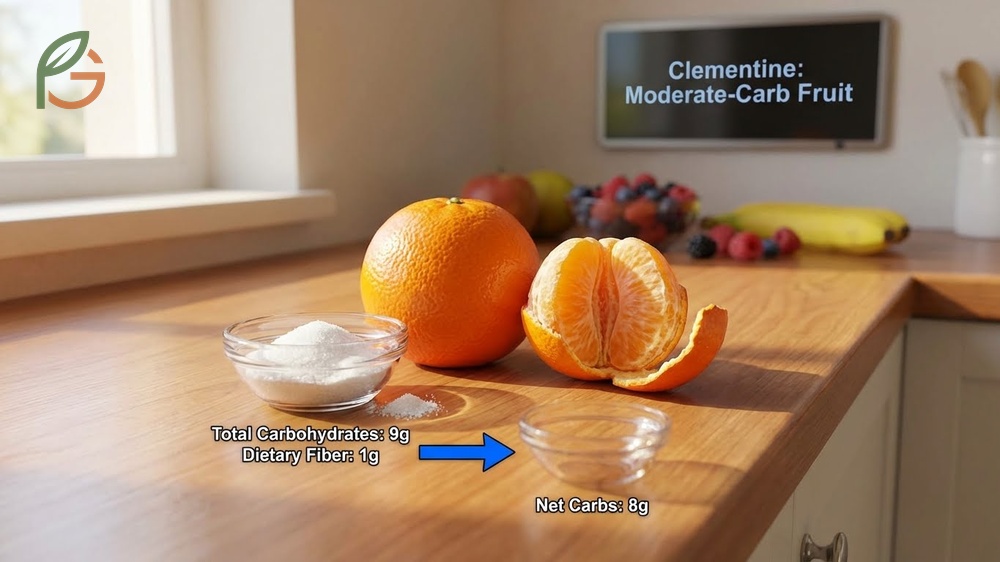
One clementine contains 9 grams of total carbohydrates[1]. After subtracting the 1 gram of dietary fiber, you’re left with 8 grams of net carbs—the number that matters most for blood sugar impact and low-carb dieting. This makes clementines a moderate-carb fruit compared to berries (lower) or bananas (higher).
Research across nutritional databases confirms that two clementines deliver approximately 18 grams of total carbs or 16 grams net carbs. For context, that’s similar to one slice of whole wheat bread. The natural sugar content breaks down into roughly equal parts fructose and glucose, with some sucrose.
Are Clementines Keto Friendly
Clementines don’t fit well into strict ketogenic diets. Studies demonstrate that one clementine provides 7.7 grams of net carbs, which represents about 38% of a 20-gram daily carb limit on strict keto[6]. Even on a more lenient 50-gram keto approach, a single clementine takes up 15% of your daily allowance.
For those following standard low-carb diets (50-100 grams per day), clementines can fit in moderation. The key is portion control—one clementine as part of a balanced low-carb meal works better than eating three or four at once. Many keto dieters avoid clementines entirely in favor of lower-carb fruits like berries.
Keto Warning: If you’re in nutritional ketosis, a single clementine might push you over your carb limit. Save them for cyclical keto days or choose blackberries (2g net carbs per half cup) instead.
Glycemic Index of Clementines
Current data indicates clementines have a low glycemic index of approximately 47±2, based on research measuring mandarin segments[2]. Foods scoring below 55 are classified as low-GI, meaning they cause slower, more gradual increases in blood sugar compared to high-GI foods like white bread (GI of 75).
The fiber content in clementines slows carbohydrate absorption, preventing the blood sugar spikes you’d get from juice or candy. Studies show citrus fruits with low glycemic indices can be safely consumed by people with diabetes when eaten in appropriate portions. The whole fruit format—with its fiber intact—makes all the difference compared to processed citrus products.
- Fiber slows digestion and glucose absorption
- Eating clementines with protein further reduces glycemic impact
- Whole fruit has lower GI than clementine juice
- Riper clementines may have slightly higher GI
- Pairing with nuts or cheese creates a balanced snack
Are Clementines Good for You
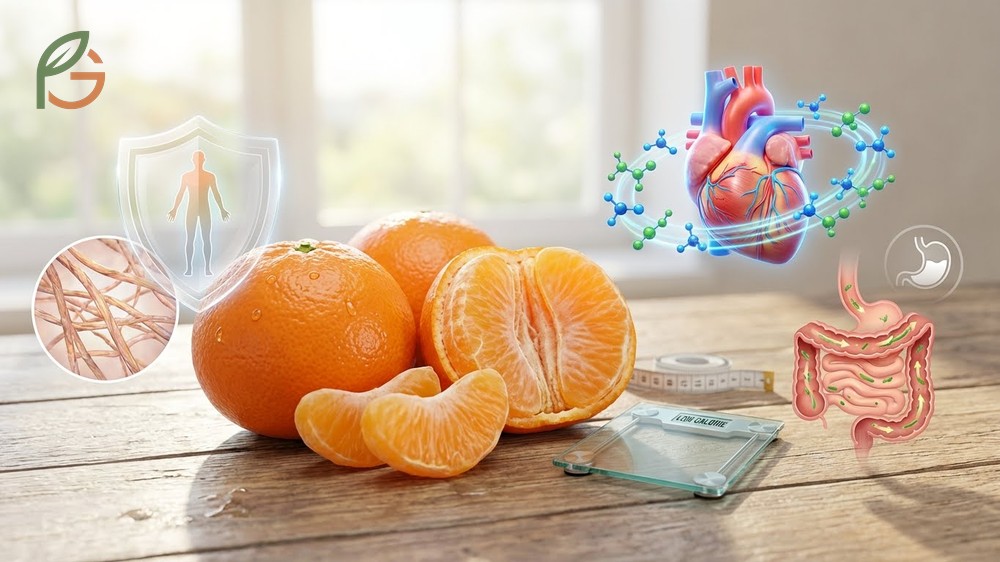
Evidence suggests clementines offer substantial health benefits for most people. Their high vitamin C content supports immune function, collagen production, and antioxidant protection[3]. The low calorie count makes them ideal for weight management, while the fiber aids digestive health and promotes feelings of fullness.
Research shows citrus fruits like clementines contain flavonoids—plant compounds that may reduce inflammation and support cardiovascular health. The potassium helps balance sodium levels and maintain healthy blood pressure. Unlike many sweet snacks, clementines provide these nutrients without added sugars, artificial ingredients, or preservatives.
For people monitoring blood sugar, clementines can fit into a balanced diet when eaten in moderation. Their low glycemic index means they won’t cause dramatic spikes[2]. However, portion size matters—eating five clementines at once delivers 45 grams of carbs, which could affect blood glucose levels.
Health Benefits of Clementines
Current guidance emphasizes clementines as sources of immune-supporting nutrients. One fruit provides 40% of daily vitamin C needs, which research links to improved immune cell function and faster recovery from minor illnesses[1]. The vitamin also acts as an antioxidant, protecting cells from oxidative damage caused by free radicals.
The fiber content supports digestive regularity and helps maintain healthy cholesterol levels. Studies demonstrate that soluble fiber from citrus fruits binds to cholesterol in the digestive tract, reducing its absorption. Clementines also provide hydration—their 87% water content contributes to daily fluid intake while delivering nutrients.
- Supports immune system function through high vitamin C content
- Promotes healthy skin and wound healing via collagen synthesis
- Aids digestive health with dietary fiber
- Helps maintain healthy blood pressure through potassium
- Provides antioxidants that combat cellular damage
- Supports weight management with low calorie density
Clementines for Cold and Flu
Research shows vitamin C won’t prevent colds in most people, but it can slightly reduce symptom duration by about 10%[7]. A cold lasting 10 days might resolve in 9 days with consistent vitamin C intake. While not a cure, the 36mg of vitamin C per clementine supports your immune system’s natural defenses during illness.
Studies demonstrate that vitamin C stimulates white blood cell production and function, helping your body fight off infections. For people already low in vitamin C, supplementation through foods like clementines can make a noticeable difference in immune response. The hydration from clementines also helps when you’re sick—staying hydrated thins mucus and supports recovery.
The key is consistent intake rather than mega-dosing when symptoms appear. Eating 2-3 clementines daily during cold season provides steady vitamin C levels without excessive sugar intake. This approach works better than fruit juice, which lacks fiber and delivers concentrated sugars that can spike blood glucose.
Sugar in Clementines vs Apples
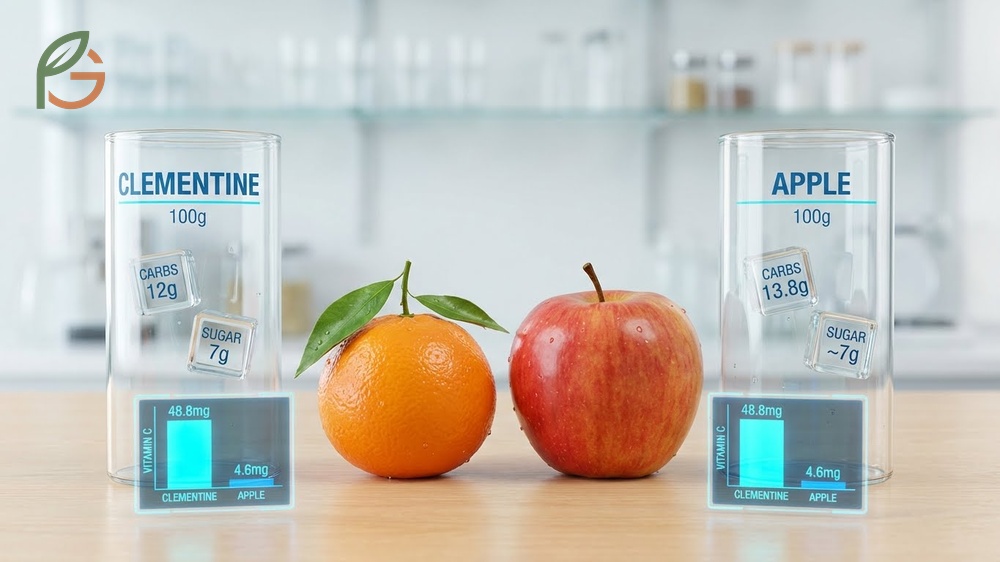
Clementines contain less total carbohydrates than apples—12 grams per 100g compared to 13.8 grams in apples[8]. However, the sugar content is similar, with clementines packing about 7 grams of natural sugars per fruit. The main difference lies in vitamin content—clementines deliver dramatically more vitamin C (48.8mg per 100g) than apples (4.6mg per 100g).
When comparing nutrients by weight, clementines offer higher water content and lower calories per 100 grams. Apples provide slightly more fiber overall, though both fruits contribute meaningfully to daily fiber goals. For blood sugar management, both rate as low-glycemic options, making either a reasonable choice for most people monitoring glucose levels.
The practical difference comes down to convenience and taste preferences. Clementines peel easily and work better for on-the-go snacking, while apples offer more crunch and volume. From a nutritional standpoint, eating either fruit regularly supports health—the best choice is whichever you’ll actually eat consistently.
| Nutrient | Clementine | Apple |
|---|---|---|
| Calories | 47 kcal[9] | 64 kcal |
| Carbohydrates | 12g[8] | 13.8g |
| Vitamin C | 48.8mg[9] | 4.6mg |
| Protein | 0.85g[8] | 0.30g |
Smart Pairing Tip: Combine clementines with a handful of almonds for a balanced snack. The healthy fats and protein from nuts slow sugar absorption and extend satiety for 3-4 hours.
Conclusion
The evidence is clear: calories in a clementine stay remarkably low at just 35 per fruit, while nutritional benefits remain impressively high. With 40% of your daily vitamin C, beneficial fiber, and essential minerals, clementines deliver exceptional nutritional value for their size. They fit easily into most eating patterns—from weight loss plans to diabetic diets—when consumed mindfully.
Current guidance emphasizes whole fruits like clementines over juices or processed alternatives for optimal health benefits. FruitGarden encourages gardeners and fruit enthusiasts to understand not just how to grow citrus, but why these small fruits pack such powerful nutritional benefits for you and your family.
Medical Disclaimer
Important Medical Disclaimer: This content is for informational and educational purposes only. It’s not intended as a substitute for professional medical advice, diagnosis, or treatment. Always consult a qualified healthcare professional or registered dietitian before making significant changes to your diet, especially if you have diabetes, are following a ketogenic diet, or have other medical conditions. Individual nutritional needs vary based on age, activity level, and health status.
Frequently Asked Questions
How Many Calories Are in a Clementine Orange?
A clementine orange contains 35 calories per fruit (74 grams). This low calorie count makes clementines excellent for snacking while managing calorie intake. Two clementines total about 70 calories—less than a medium banana.
How Much Vitamin C Is in a Clementine?
One clementine provides 36.1 milligrams of vitamin C, which equals 40% of the recommended daily value. This makes clementines one of the richest vitamin C sources among commonly eaten fruits, surpassing apples by more than tenfold.
What Are the Nutritional Facts for Clementines?
One clementine contains 35 calories, 9g carbohydrates, 1g fiber, 1g protein, 0g fat, 40% daily vitamin C, and 131mg potassium. They’re naturally low in sodium and provide small amounts of calcium, iron, folate, and thiamine.
Are Clementines Healthy for You?
Yes, clementines are healthy for most people. They provide immune-supporting vitamin C, digestive fiber, blood pressure-regulating potassium, and antioxidants—all with minimal calories and no added sugars. The low glycemic index makes them suitable for people monitoring blood sugar when eaten in moderation.
How Many Carbs Are in Two Clementines?
Two clementines contain approximately 18 grams of total carbohydrates or 16 grams of net carbs (after subtracting 2 grams of fiber). This amount is similar to one slice of whole wheat bread or one small apple.
What Are Cutie Clementine Nutrition Facts?
Cuties (a brand name for clementines) have the same nutrition as standard clementines: 35 calories, 9g carbs, 7g sugar, 1g fiber, and 40% daily vitamin C per fruit. The brand name refers to packaging rather than a different nutritional profile.
Can You Eat Clementines at Night?
Yes, you can eat clementines at night. Their low calorie content and natural sugars won’t significantly disrupt sleep for most people. However, the vitamin C and natural sugars provide a small energy boost, so eating them 1-2 hours before bed works better than right before sleeping.





