
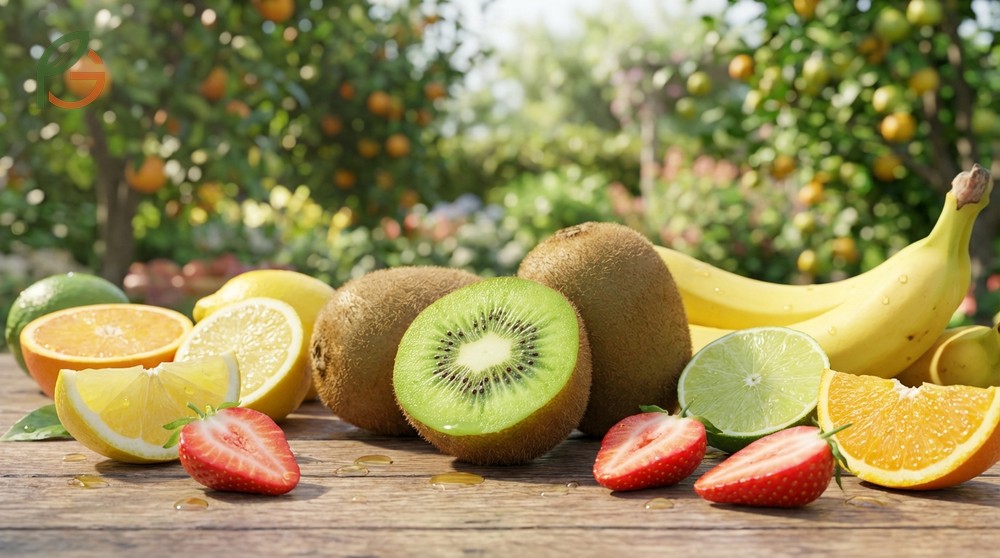
What does kiwi taste like? It’s a refreshing blend of sweet strawberry and tangy citrus with subtle banana undertones, balanced by bright acidity[1]. The fuzzy brown fruit delivers one of the most complex flavor profiles among common fruits, containing over 30 distinct volatile compounds that create its signature taste[1]. At FruitGarden, we explore how different kiwi varieties offer unique taste experiences for home gardeners and fruit enthusiasts across America.
Quick Answer
- Kiwi combines sweet strawberry and tangy citrus flavors with banana notes in the background[1]
- Green kiwi tastes tart and citrusy, while golden kiwi is sweeter with tropical mango and strawberry hints[2]
- One medium kiwi delivers 92.7mg vitamin C and 3g fiber in just 61 calories[3]
- Ripeness dramatically changes flavor—peak taste occurs at 14-16° Brix with pH between 3.1-3.5[1]
What Does Kiwi Taste Like
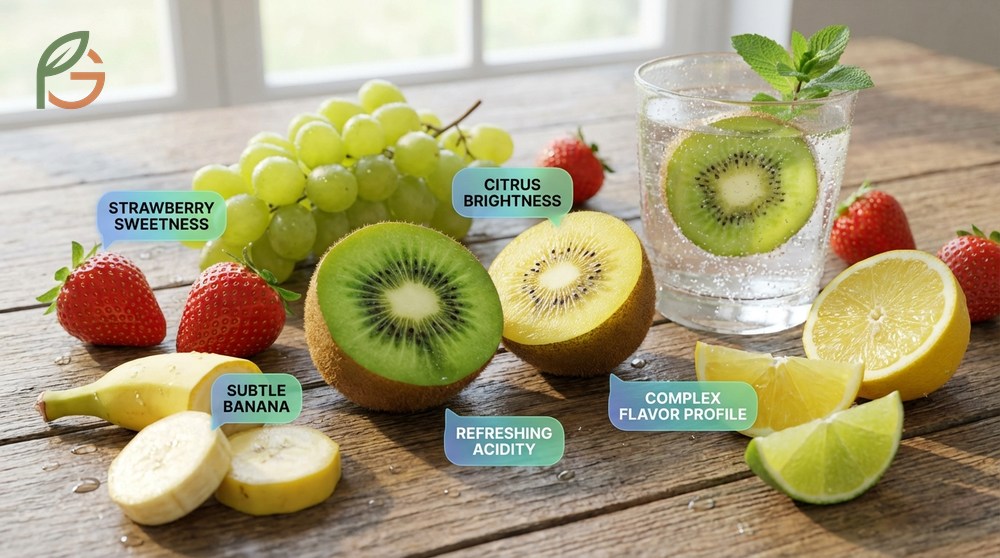
Research shows kiwi delivers a harmonious balance between sweetness and tartness that makes it stand out among fruits[1]. The predominant flavor combines strawberry-like sweetness with citrus brightness reminiscent of green grapes. Most people detect subtle banana notes in the background along with a refreshing acidity that cleanses the palate.
Food scientists describe kiwi as having one of the most complex flavor profiles among common fruits. The combination of sweet, tart, and tropical notes creates what many describe as a unique taste experience that’s hard to compare to any single fruit.
From My Experience: My cousin in Puebla, Mexico grows Hayward kiwis in her backyard orchard. When she harvested her first crop in October 2023, the fruits took 5-7 days to ripen at room temperature—matching the typical range from research—and achieved that perfect sweet-tart balance that makes fresh kiwi so appealing.
Core Flavor Notes
The primary taste components you’ll notice when biting into a ripe kiwi include distinct layers of flavor. The initial sweetness hits first, followed quickly by bright tartness. The tropical undertones emerge as you chew, with the edible black seeds adding a subtle crunch that enhances the overall experience.
Temperature plays a role in how you perceive kiwi flavor. Chilled kiwi emphasizes the bright acidity and refreshing quality, while room temperature kiwi showcases more of the sweet tropical notes[1].
- Strawberry-like sweetness that provides the fruit’s pleasant base flavor
- Citrus brightness similar to a mix of lime and green grape
- Subtle banana notes that emerge in the aftertaste
- Tropical undertones reminiscent of pineapple or guava
- Refreshing acidity that makes kiwi excellent for palate cleansing
Texture and Mouthfeel
Beyond flavor, kiwi’s texture contributes significantly to its eating experience. The juicy flesh feels soft and smooth on your tongue, punctuated by the delicate crunch of hundreds of tiny edible seeds. This combination creates what food scientists call a dynamic mouthfeel that engages multiple senses simultaneously.
The flesh consistency changes with ripeness—underripe kiwis feel firm and almost mealy, while perfectly ripe ones yield slightly to gentle pressure. Overripe kiwis become mushy and lose that appealing textural contrast between soft flesh and crunchy seeds.
Texture Tip: Don’t peel kiwi unless you prefer it that way. The thin skin is edible and adds fiber, though it does have a slightly fuzzy texture that some people find off-putting.
Golden Kiwi vs Green Kiwi
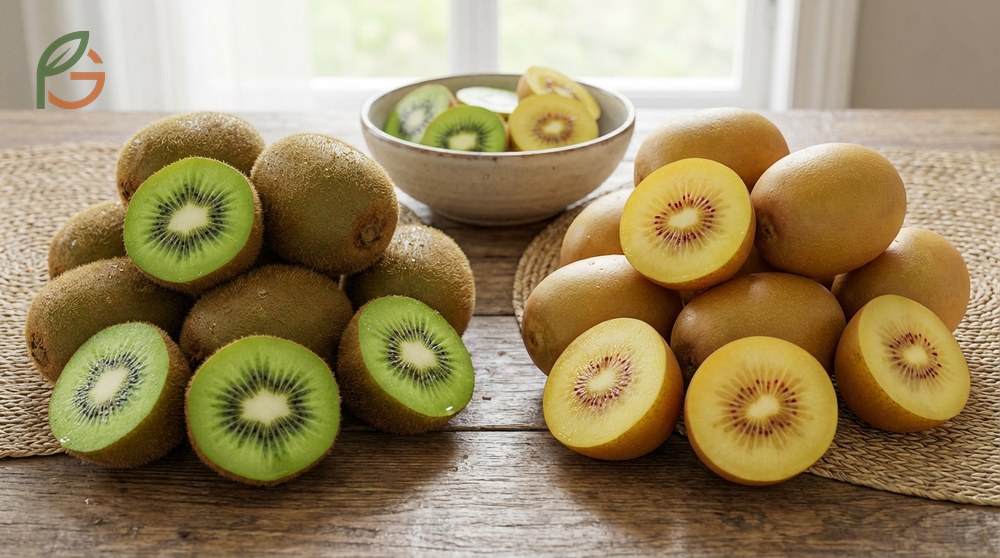
The taste difference between golden and green kiwi is significant enough that many people develop a strong preference for one over the other. Green kiwi offers a more intense, tangy citrus flavor with that classic zesty kick, while golden kiwi delivers a sweeter experience with tropical fruit notes[2]. If you love sweet fruits, you’ll gravitate toward golden kiwis.
Beyond taste, these varieties differ in appearance and texture. Golden kiwis have smooth or lightly fuzzy golden-brown skin with fewer seeds and softer flesh when ripe[2]. Green kiwis sport the traditional fuzzy brown exterior with bright green flesh and a firmer, meatier texture.
This table compares appearance, taste profile, texture, and nutritional content between green and golden kiwi varieties
| Characteristic | Green Kiwi (Hayward) | Golden Kiwi (SunGold) |
|---|---|---|
| Appearance | Fuzzy brown skin, bright green flesh | Smooth golden-brown skin, yellow flesh |
| Taste Profile | Tangy, citrusy with lime and pineapple notes[2] | Sweet with tropical mango and strawberry hints[2] |
| Texture | Firmer, meatier consistency[2] | Softer, almost mushy when fully ripe[2] |
| Calories (per medium fruit) | 45 calories | 55 calories |
| Sugar Content | Lower sugar, contributing to tangy taste[2] | Higher sugar, resulting in sweeter flavor[2] |
Green Kiwi Characteristics
Green kiwi, particularly the Hayward variety, remains the most recognizable type worldwide. Its pronounced tartness comes from higher acid content and lower sugar levels compared to golden varieties. Many describe the flavor as a refreshing mix of pineapple and lime with that characteristic zesty kick that wakes up your taste buds.
The Hayward variety contains more fiber than golden kiwi, which contributes to better digestive health and helps lower cholesterol[2]. This makes green kiwi an excellent choice if you’re looking for both flavor and functional nutrition benefits.
Golden Kiwi Characteristics
Golden kiwi, marketed primarily as Zespri SunGold, offers a distinctly sweeter taste experience. The tropical notes of mango and strawberry dominate the flavor profile, with minimal tartness. This makes golden kiwi more appealing to people who find green kiwi too sour.
The smoother, hairless skin of golden kiwi makes it easier to eat whole if you choose. The flesh contains an enzyme called actinidin that aids digestion, though both green and golden varieties contain this beneficial compound.
Sweetness Note: Golden kiwis contain about 110 calories per cup compared to green kiwi’s lower calorie count, reflecting their higher sugar content[2]. Choose based on your taste preference and dietary goals.
Types of Kiwi Fruit
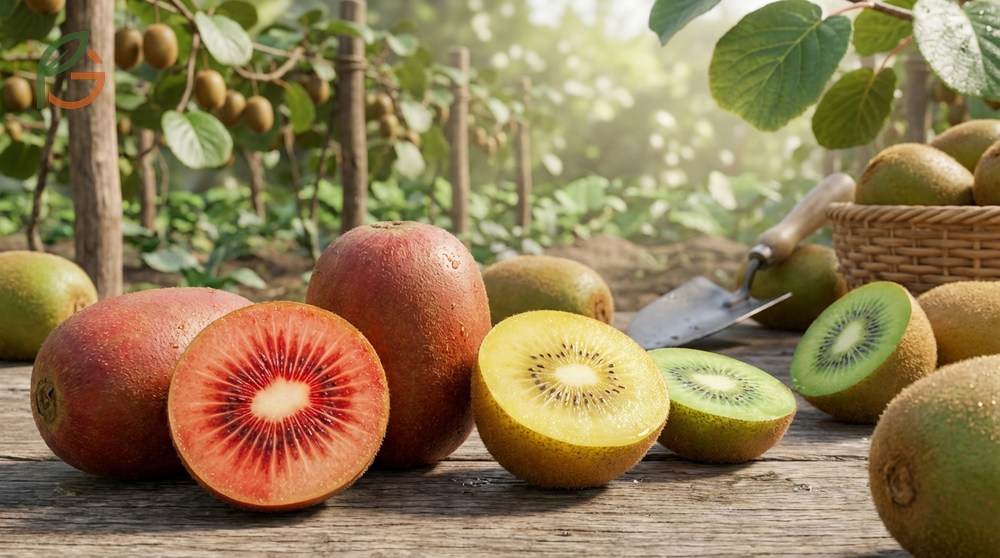
Beyond green and golden varieties, the kiwi family includes several distinctive types that home gardeners and fruit enthusiasts can explore. Red kiwi represents one of the newest additions to the commercial market. The Hongyang variety was probably the first red kiwi developed by plant breeders in China, featuring distinctive red flesh radiating from the center.
Each kiwi type belongs to the same species—Actinidia chinensis—but selective breeding has created remarkable diversity in flavor, appearance, and growing characteristics. New Zealand currently cultivates three main commercial varieties: green, yellow (marketed as SunGold), and red kiwifruit.
- Hayward: The most common green kiwi with large, egg-shaped fruit and sweet-tart flavor[4]
- SunGold (G3): Golden-fleshed variety with tropical sweetness and smooth skin
- Hongyang: Red-fleshed kiwi from China with berry-like sweetness and distinctive appearance
- Blake: Self-pollinating variety with smaller, oval fruit and firmer texture[4]
- Saanichton 12: Rectangular-shaped variety from British Columbia with sweet flavor[4]
- Jinyan: Yellow-fleshed Chinese variety developed for commercial cultivation
Red kiwi varieties offer the sweetest flavor profile of all types, with some describing the taste as similar to berries mixed with tropical fruit. The red flesh comes from anthocyanins, the same antioxidant compounds that give strawberries and cherries their color. These newer varieties are gradually becoming available in American specialty markets.
Chinese breeders continue developing new cultivars, with varieties like HFR18 representing the latest advances in red kiwi development. These breeding programs focus on improving sweetness, disease resistance, and shelf life while maintaining the distinctive kiwi flavor that consumers love.
Kiwi Origin and History
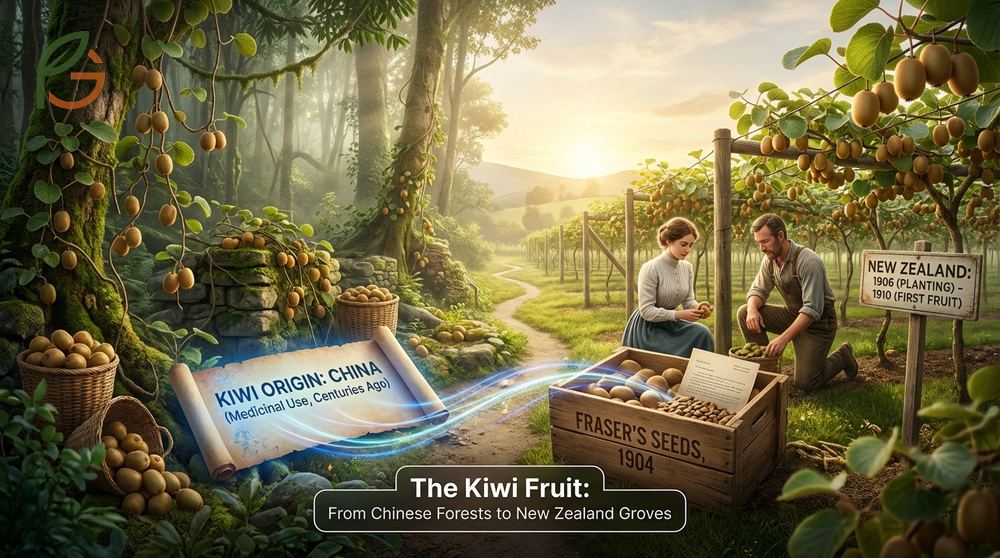
Despite the name, kiwifruit originated in China, not New Zealand. The fruit grew wild in temperate forests of southwest China for centuries, where people prized it for medicinal properties. Seeds made their way to New Zealand in 1904 when Mary Isabel Fraser brought them back after visiting mission schools in China[5].
A Whanganui nurseryman named Alexander Allison planted the seeds in 1906, and the vines first fruited in 1910[5]. Early tasters thought the fruit had a gooseberry flavor, leading to its original name “Chinese gooseberry” despite having no botanical relation to actual gooseberries. The modern name “kiwifruit” emerged later as New Zealand growers sought a more marketable name that connected the fruit to their country’s iconic kiwi bird.
Today, kiwifruit cultivation spans multiple continents. New Zealand remains a major producer and innovator in kiwi breeding, developing new varieties like SunGold that command premium prices in global markets. China has also expanded commercial cultivation significantly, drawing on centuries of traditional knowledge about growing these fruits in their native climate.
How Ripeness Affects Taste
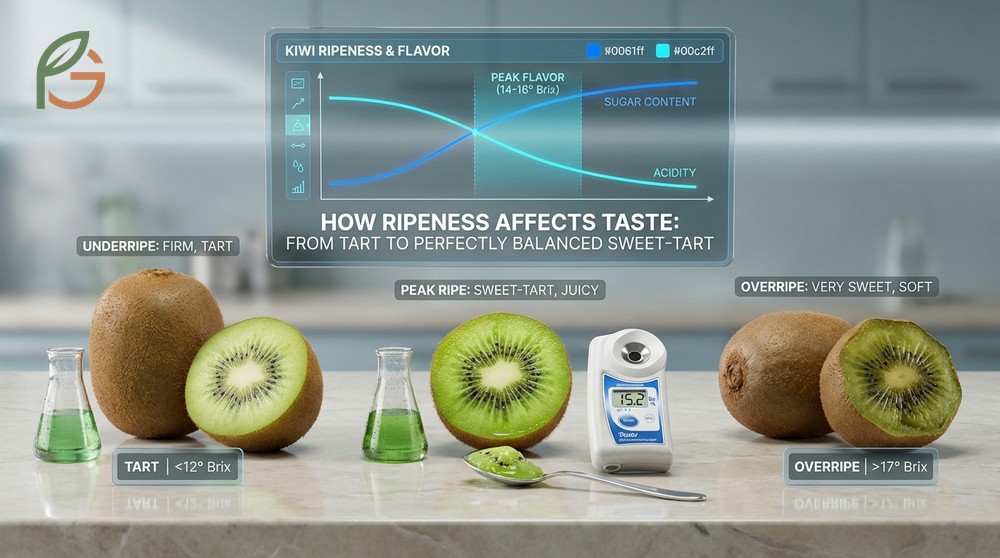
Ripeness dramatically transforms kiwi flavor from unpleasantly tart to perfectly balanced sweet-tart. According to sensory analysis, peak flavor occurs when kiwis reach 14-16° Brix (sugar measurement) with pH between 3.1-3.5[1]. Sugar content increases by approximately 2-3% while acidity decreases by 25-30% during optimal ripening[1].
Underripe kiwis taste very tart with minimal sweetness and sometimes a slightly bitter edge. The texture feels firm, almost hard when you gently squeeze the fruit. As kiwis ripen at room temperature, the flesh softens and tropical flavor notes emerge alongside the developing sweetness.
Perfectly ripe kiwis yield slightly to gentle pressure but spring back when released. The flavor achieves that optimal sweet-tart balance that makes people love this fruit. If you wait too long, overripe kiwis become excessively sweet with fermented notes, mushy texture, and loss of that bright, refreshing acidity that defines quality kiwi taste.
You can speed ripening by storing kiwis with ethylene-producing fruits like apples or bananas in a paper bag at room temperature. Once ripe, refrigeration slows further softening and preserves peak flavor for up to two weeks. For the best taste experience, remove refrigerated kiwis about 30 minutes before eating to let them warm slightly, which enhances the sweet tropical notes.
Conclusion
The complex flavor of what does kiwi taste like combines sweet strawberry, tangy citrus, and subtle banana notes in a refreshing package that delivers impressive nutrition. Current research confirms that ripeness, variety selection, and serving temperature all influence how you experience kiwi’s distinctive sweet-tart profile. Whether you prefer the zesty kick of green Hayward kiwis or the tropical sweetness of golden SunGold varieties, this fruit offers remarkable flavor diversity in a compact form.
At FruitGarden, we encourage home gardeners to explore growing different kiwi varieties to discover which flavors resonate most with their palate and climate conditions.
Frequently Asked Questions
What does golden kiwi taste like compared to green kiwi?
Golden kiwi tastes sweeter with tropical hints of mango and strawberry, while green kiwi has a tangy, citrusy flavor with lime and pineapple notes. Golden varieties contain higher sugar content, resulting in less tartness and a softer texture when ripe.
Does kiwi taste better cold or at room temperature?
Chilled kiwi emphasizes the bright acidity and refreshing quality, while room temperature kiwi showcases more sweet tropical notes. For optimal flavor balance, refrigerate ripe kiwis for about 30 minutes before eating rather than serving them ice-cold straight from the fridge.
What does unripe kiwi taste like?
Unripe kiwi tastes very tart with minimal sweetness and sometimes a slightly bitter edge. The texture feels firm and almost mealy. Research shows that acidity remains high in underripe kiwis before the natural ripening process reduces it by 25-30% and increases sugar content.
What fruits taste similar to kiwi?
Kiwi shares characteristics with several fruits including the tartness of green grapes, sweetness of strawberries, and subtle banana notes. Some people detect hints of citrus and tropical fruits like guava or pineapple in perfectly ripe kiwis, though kiwi’s combination of flavors remains distinctly unique.
How can I make kiwi taste sweeter?
Allow kiwi to fully ripen at room temperature until it yields slightly to gentle pressure. You can speed ripening by storing kiwis with ethylene-producing fruits like apples or bananas in a paper bag. Avoid adding sugar as it masks kiwi’s natural complex flavor profile.
What does red kiwi taste like?
Red kiwi varieties like Hongyang offer the sweetest flavor profile of all kiwi types, with berry-like sweetness mixed with tropical fruit notes. The red flesh contains anthocyanins that provide both the color and additional antioxidant benefits beyond what green or golden kiwis offer.
Why does kiwi fruit have such a complex taste?
Food scientists identify over 30 distinct volatile compounds in kiwi that contribute to its unique taste signature. This complexity explains why many people discover new flavor notes with each kiwi they eat, ranging from strawberry and citrus to banana and tropical fruit undertones.





