

Are kiwis good for you? Yes, research shows kiwis deliver exceptional nutritional value with 92.7mg vitamin C per 100g[1]—103% of your daily needs—plus digestive enzymes, sleep-supporting compounds, and heart-healthy nutrients. Studies demonstrate that eating two kiwis daily can improve sleep quality by 35%[2] and support digestive health through a unique enzyme called actinidin. FruitGarden synthesizes current nutritional research to help you understand which fruits truly benefit your health.
Quick Answer
- One medium kiwi provides 103% daily vitamin C[1]—more than oranges—with only 61 calories[1]
- Contains 3g dietary fiber[1] plus actinidin enzyme that relieves constipation
- Low glycemic index of 39-52[3] makes it suitable for blood sugar management
- Natural melatonin and serotonin improve sleep onset by 35%[2] when eating two kiwis before bed
Are Kiwis Good for You
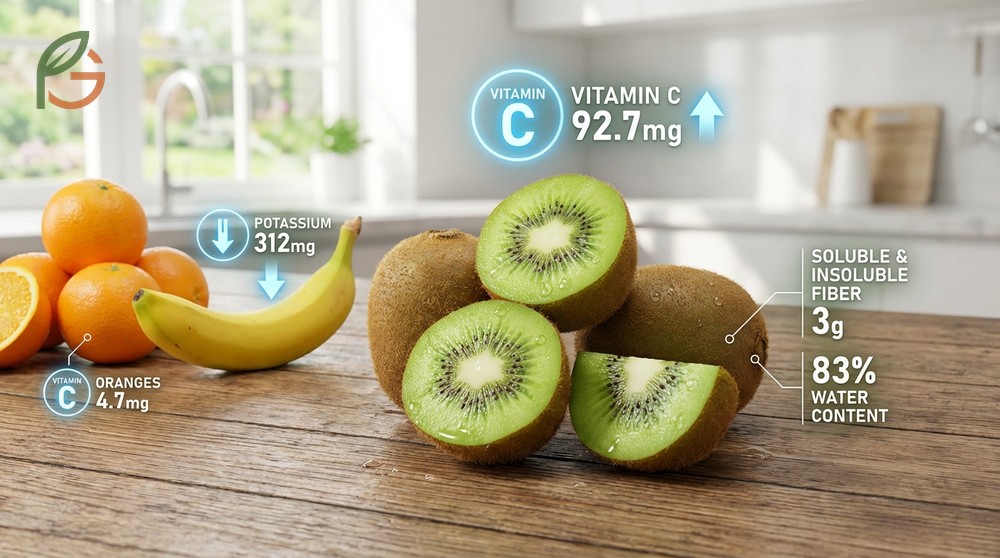
Research shows kiwis rank among the most nutrient-dense fruits available. A 100g serving delivers 92.7mg vitamin C[1], surpassing oranges and most citrus fruits. This small fuzzy fruit also provides 312mg potassium[1]—more than a medium banana.
Current data indicates kiwis offer a rare balance of soluble and insoluble fiber, with 3g per serving[1]. The high water content (83%) keeps calorie density low while supporting hydration. Most people don’t realize that kiwis contain more vitamin C than oranges on a gram-for-gram basis.
Nutrient Density
Evidence suggests kiwis pack multiple vitamins and minerals into each serving. Beyond vitamin C, you’ll get vitamin K, vitamin E, folate, and copper. The vitamin K content reaches 40.3µg per 100g[1], supporting bone health and blood clotting.
Studies demonstrate that kiwis contain over 20 essential nutrients. The antioxidant profile includes beta-carotene, lutein, and zeaxanthin—compounds that protect cells from oxidative damage. This combination makes kiwis particularly valuable compared to other fruits.
Low Calorie Profile
Agricultural data shows one medium kiwi contains just 61 calories with zero fat or cholesterol. This makes kiwis ideal for weight management while delivering substantial nutrition. The fiber content creates satiety without adding excess calories.
The glycemic load of kiwi sits at 7.7[3], meaning blood sugar impact remains minimal. Unlike processed snacks, kiwis provide sustained energy without causing rapid glucose spikes.
Health Benefits of Kiwi

Studies demonstrate kiwis deliver measurable health improvements across multiple body systems. The unique combination of nutrients, enzymes, and bioactive compounds sets kiwis apart from other fruits. Research validates benefits ranging from immune support to cardiovascular protection.
Immune System Support
One medium kiwi provides over 70% of daily vitamin C needs[4], which stimulates white blood cell production. Vitamin C acts as a powerful antioxidant that reduces illness duration and severity. The vitamin E and polyphenols work synergistically to strengthen immune defenses.
Clinical evidence indicates regular kiwi consumption enhances immune response during cold and flu season. The antioxidant content neutralizes free radicals that weaken immune function. This protection extends beyond basic nutrition to cellular-level defense mechanisms.
- Vitamin C (92.7mg per 100g) supports white blood cell function
- Vitamin E (1.46mg) provides additional antioxidant protection
- Folate (25µg) aids in immune cell production
- Polyphenols reduce oxidative stress and inflammation
- Zinc and copper support immune enzyme activity
Digestive Health Benefits
Kiwis contain actinidin, a proteolytic enzyme that breaks down proteins and enhances digestion. Research shows this enzyme improves gastric emptying and reduces bloating. A clinical trial found kiwi extract significantly increased bowel movements within 24 hours[5] of consumption.
The fiber combination—both soluble and insoluble—promotes healthy gut bacteria and regular bowel movements. Studies demonstrate participants consuming two kiwis daily experienced reduced constipation symptoms[5] including less abdominal pain and improved stool formation. Unlike fiber supplements, kiwis don’t cause adverse effects like cramping or urgency.
Important Note: For digestive benefits, eat kiwis with the skin on (after washing) to maximize fiber intake. The skin contains additional fiber and antioxidants that support gut health.
Heart Health Advantages
Evidence suggests eating 2-3 kiwis daily for 28 days[6] reduces platelet hyperactivity and lowers blood pressure. The potassium content (312mg per 100g[1]) acts as a natural vasodilator, relaxing blood vessels and counteracting sodium’s effects. Kiwis contain more potassium than bananas per 100g.
The soluble fiber, particularly pectin, binds cholesterol in the gut and prevents absorption. Clinical data shows regular kiwi consumers have improved HDL (good cholesterol) levels. Antioxidants like vitamins C and E protect arteries from oxidative damage and reduce blood clot formation risk.
Sleep Quality Improvement
Kiwis contain 24µg/g melatonin and 5.8µg/g serotonin[2]—compounds that regulate circadian rhythm and sleep quality. Research shows eating two kiwis one hour before bed improved sleep onset latency by 35.4%[2] and increased total sleep time. Participants also experienced 28.9% reduced wake time[2] after sleep onset.
Serotonin helps produce melatonin naturally in the brain, signaling when it’s time to sleep. The antioxidants suppress inflammatory cytokines that can disrupt sleep. This natural sleep aid offers benefits without the side effects of supplements.
Kiwi for Specific Conditions
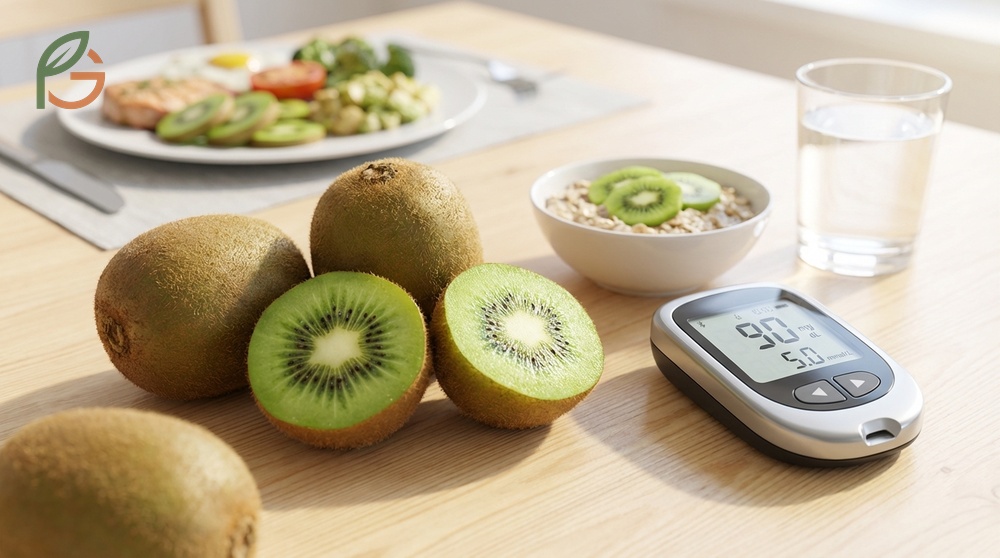
Kiwi Good for Diabetes
The glycemic index of kiwi ranges from 39 to 52[3], classified as low to moderate. This means kiwis cause minimal blood sugar spikes compared to high-GI fruits. A 100g kiwi has roughly the same blood glucose impact as 5g pure glucose[7], making them suitable for diabetes management.
Research shows kiwi polysaccharides help regulate glucose and lipid metabolism. The fiber slows sugar absorption, preventing rapid blood glucose elevation. Current guidance suggests people with diabetes can safely consume 1-2 kiwis daily as part of a balanced meal plan.
This table compares glycemic index, glycemic load, and carbohydrate content of kiwifruit for diabetes management
| Metric | Value | Classification | Diabetes Suitability |
|---|---|---|---|
| Glycemic Index | 39-52[3] | Low to Moderate | Suitable |
| Glycemic Load | 7.7[3] | Low | Suitable |
| Total Carbs (per 100g) | 14.7g[1] | Moderate | Monitor portion |
| Dietary Fiber | 3g[1] | Good source | Beneficial |
Diabetes Management Tip: Pair kiwis with protein sources like Greek yogurt or nuts to further slow sugar absorption and maintain stable blood glucose levels throughout the day.
Benefits for Constipation
Clinical trials demonstrate kiwi extract significantly relieves constipation symptoms. The actinidin enzyme gently stimulates gut motility while fiber adds bulk to stool. A study showed participants experienced increased bowel movements within the first 24 hours[5] of consumption, with no adverse effects like diarrhea or cramping.
Research indicates kiwis work better than many fiber supplements for occasional constipation. The combination of soluble fiber, insoluble fiber, and digestive enzymes creates a three-way approach. Benefits persist even after stopping consumption, suggesting improved gut function rather than dependency.
- Actinidin enzyme breaks down proteins and stimulates gut motility
- Soluble fiber softens stool and eases passage
- Insoluble fiber adds bulk and promotes regular movements
- High water content (83%) hydrates digestive system
- Natural prebiotic effect supports beneficial gut bacteria
- No harsh side effects like cramping or urgency
What Vitamins Do Kiwis Have
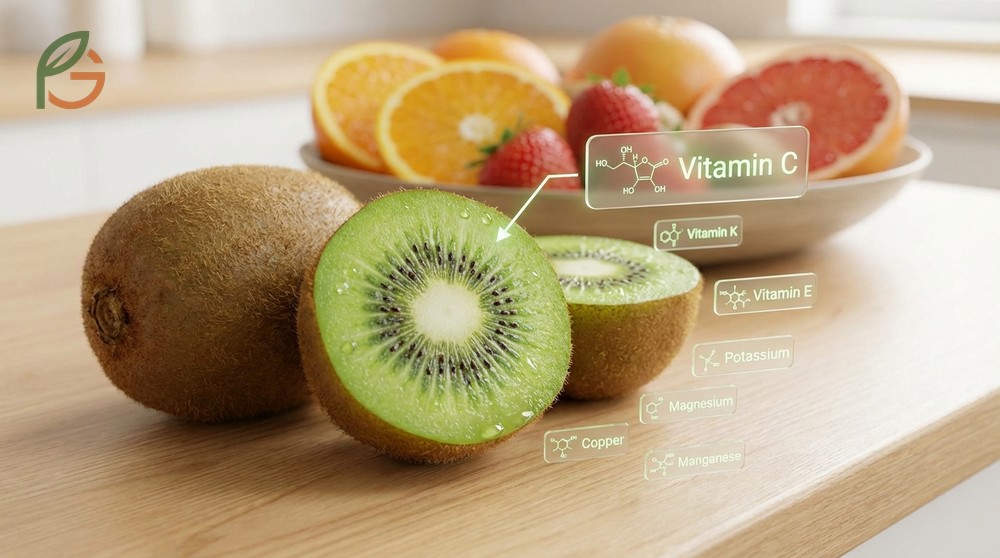
Kiwis deliver an impressive array of vitamins and minerals in each serving. The vitamin C content stands out at 92.7mg per 100g[1]—more than oranges, strawberries, or grapefruit. This single fruit covers your entire daily vitamin C requirement with room to spare.
Beyond vitamin C, kiwis provide vitamin K at 40.3µg[1] per 100g (34% daily value) and vitamin E at 1.46mg[1] (10% daily value). The mineral profile includes potassium, magnesium, copper, and manganese—all supporting various bodily functions.
| Nutrient | Amount | % Daily Value |
|---|---|---|
| Vitamin C | 92.7mg[1] | 103% |
| Vitamin K | 40.3µg[1] | 34% |
| Vitamin E | 1.46mg[1] | 10% |
| Potassium | 312mg[1] | 7% |
The B-vitamin complex includes folate, thiamin, riboflavin, niacin, and vitamin B-6. These vitamins support energy metabolism, nerve function, and red blood cell formation. The presence of carotenoids like beta-carotene and lutein provides additional antioxidant protection for eye health.
What often gets overlooked is kiwi’s copper content at 0.13mg[1] (14% daily value). Copper aids iron absorption and supports immune function alongside the vitamin C. This mineral combination makes kiwis particularly effective for preventing iron-deficiency anemia.
Kiwi Side Effects

Most people tolerate kiwis well, but allergic reactions occur in some individuals. Kiwi allergy symptoms range from mild oral tingling to severe anaphylaxis. Research shows 30-70% of people with latex allergies[8] also react to kiwis due to shared proteins—a condition called latex-fruit syndrome.
Common cross-reactivities include birch pollen, grass pollen, avocado, banana, and tree nuts. Symptoms typically appear within minutes to hours after consumption. Oral allergy syndrome causes itching or swelling in the mouth, throat, or lips but rarely progresses to serious reactions.
- Oral tingling, itching, or swelling (most common)
- Skin rashes, hives, or dermatitis upon contact
- Digestive issues like nausea, vomiting, or diarrhea (if overconsumption)
- Difficulty swallowing or throat tightness (seek medical attention)
- Anaphylaxis in severe cases (requires emergency treatment)
- Cross-reactions with latex, birch pollen, or other fruits
Overconsumption can cause digestive discomfort due to high fiber content. Bloating, gas, and loose stools may occur if you eat excessive amounts. The natural acidity might irritate sensitive mouths or throats, while oxalates could contribute to kidney stone formation in susceptible individuals.
Current guidance emphasizes moderation—1-2 kiwis daily provides benefits without risks. If you have a known latex allergy, consult your healthcare provider before adding kiwis to your diet. People taking blood thinners should discuss vitamin K intake with their doctor, as kiwis contain significant amounts.
Conclusion
The evidence is clear: kiwis are good for you and offer exceptional nutritional value with minimal calories. Research demonstrates measurable benefits including immune support through vitamin C, digestive relief via actinidin enzyme, improved sleep quality from natural melatonin, and cardiovascular protection through potassium and fiber. The low glycemic index makes kiwis suitable for blood sugar management while delivering over 20 essential nutrients.
Current nutritional guidance emphasizes whole fruits like kiwis that provide fiber, vitamins, and bioactive compounds working synergistically. FruitGarden continues tracking emerging research on fruit health benefits to help you make informed dietary choices based on scientific evidence rather than marketing claims.
Medical Disclaimer
Important Medical Disclaimer: This content is for informational and educational purposes only. It is not intended as a substitute for professional medical advice, diagnosis, or treatment. Always consult a qualified healthcare professional before making any changes to your diet, medication, or health routine, especially if you have diabetes, cardiovascular conditions, allergies, or other medical concerns. Individual nutritional needs vary based on age, health status, and medical history.
Frequently Asked Questions
Is it good to eat kiwi every day?
Yes, eating 1-2 kiwis daily provides significant health benefits without risks for most people. Studies show daily consumption improves vitamin C levels, supports digestive health, and enhances sleep quality. The low calorie content (61 calories per fruit) makes daily consumption sustainable for weight management while delivering essential nutrients like potassium and fiber.
What is the best time to eat kiwi?
Research suggests eating kiwi one hour before bed maximizes sleep benefits due to melatonin content. For digestive support, consume kiwi with breakfast to stimulate morning bowel movements. As a snack, kiwi works well between meals to maintain stable blood sugar levels and provide sustained energy without causing glucose spikes.
Can kiwi help with weight loss?
Yes, kiwis support weight loss through multiple mechanisms. Each fruit contains only 61 calories while providing 3g fiber that creates satiety and reduces overall calorie intake. The low glycemic load prevents insulin spikes that trigger fat storage. High water content (83%) adds volume without calories, helping you feel full longer.
Should I eat kiwi skin?
Yes, eating kiwi skin (after washing) provides additional fiber and antioxidants. The skin contains concentrated nutrients that support gut health and increase total fiber intake by 50%. If the fuzzy texture bothers you, try gold kiwis with smoother skin or gently rub the fuzz off under water before eating.
Are kiwis better than oranges for vitamin C?
Yes, kiwis contain more vitamin C than oranges per 100g. Kiwis provide 92.7mg vitamin C (103% daily value) compared to oranges at approximately 53mg per 100g. This means one medium kiwi delivers more vitamin C than a medium orange while containing fewer calories and more fiber.
Can diabetics eat kiwi fruit?
Yes, people with diabetes can safely eat kiwis in moderation. The glycemic index ranges from 39-52 (low to moderate), causing minimal blood sugar impact. One 100g kiwi has the same glucose effect as 5g pure sugar. The fiber content slows sugar absorption, making 1-2 kiwis daily suitable for most diabetic meal plans when paired with protein.
What are the signs of kiwi allergy?
Kiwi allergy symptoms include oral tingling or itching, lip or throat swelling, skin rashes, hives, digestive upset, and in severe cases, difficulty breathing or anaphylaxis. Symptoms typically appear within minutes to two hours after eating. People with latex allergies face higher risk due to cross-reactive proteins. Seek immediate medical attention for breathing difficulties or severe swelling.





