
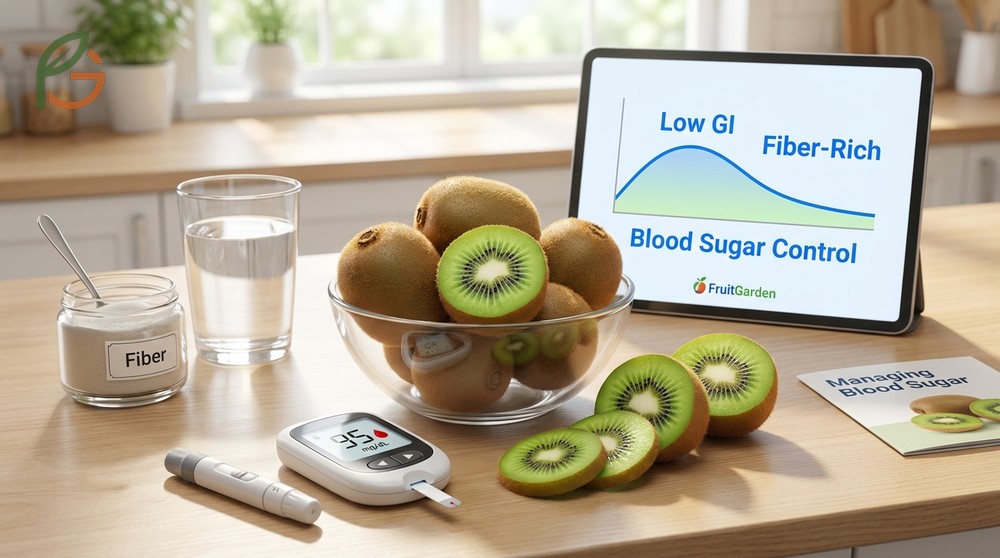
Is kiwi fruit good for diabetes? Yes, kiwi can be beneficial for people with diabetes when consumed in moderation. Research shows that kiwi has a low to moderate glycemic index (GI of 39-53) and contains 3g of fiber per 100g, which helps slow sugar absorption and stabilize blood glucose levels[1]. FruitGarden synthesizes current nutritional research and agricultural data to help you make informed choices about incorporating fruits into a diabetic-friendly diet.
Quick Answer
- Green kiwi has a GI of 39[1] and gold kiwi has a GI of 48[1], both considered low on the glycemic scale
- One medium kiwi (100g) contains 14.7g carbohydrates[2] and 3g fiber[1], with a glycemic load of just 7[3]
- Studies demonstrate kiwi polysaccharides can help regulate glucose metabolism and may improve insulin sensitivity[4]
- Current guidance recommends consuming 1-2 kiwis per day[5] for optimal blood sugar management
Is Kiwi Fruit Good for Diabetes
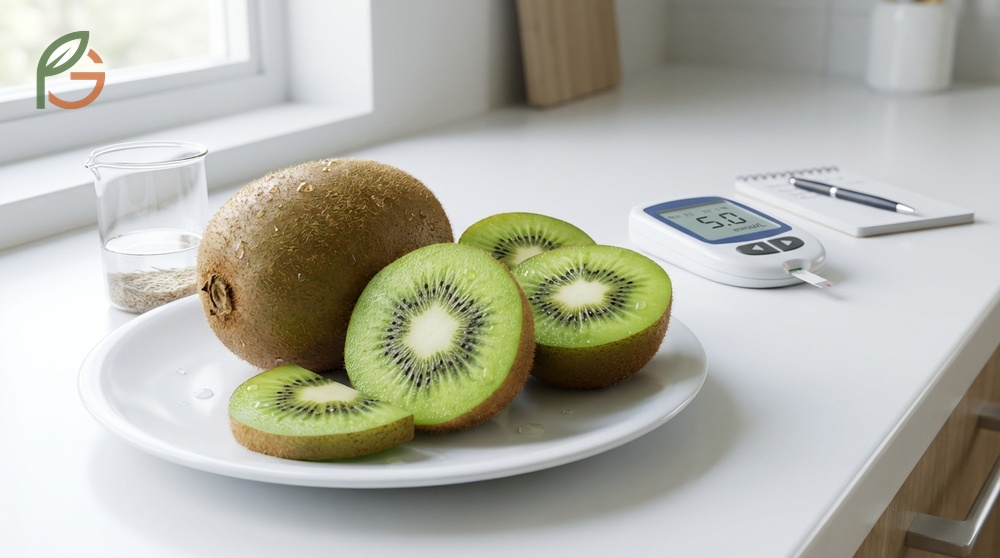
Research shows that kiwi fruit is a suitable choice for people managing diabetes due to its low glycemic impact and nutrient density. A 100g kiwi fruit contains approximately 14.7g of carbohydrates[2], which is equivalent to just 5g (1 teaspoon) of glucose in its effect on blood glucose levels. The high water content (83%) and fiber work together to minimize blood sugar spikes.
Studies demonstrate that kiwi’s carbohydrate composition includes glucose, fructose, and sucrose, with about 10% consisting of indigestible cell wall components that don’t raise blood sugar[2]. This unique structure means the available carbohydrate releases slowly during digestion. The fruit’s 3g of fiber per 100g portion helps slow carbohydrate absorption, preventing rapid glucose elevation.
Current data indicates that kiwi doesn’t cause transient increases in glucose levels or spikes when consumed in recommended amounts[5]. The combination of vitamin C (93mg per 100g), water content, and moderate GI creates a favorable metabolic response. What often gets overlooked is that kiwi’s polysaccharides can affect glucose metabolism in beneficial ways beyond just glycemic response.
Kiwi Glycemic Index
The glycemic index of kiwi fruit varies between varieties, with green kiwi measuring 39.3 ± 4.8 and gold kiwi at 48.5 ± 3.1[1]. Both values fall into the “low” GI category (GI < 55), making kiwi one of the better fruit choices for blood sugar management. This low GI has been observed consistently in both healthy individuals and those with Type 2 diabetes.
Evidence suggests that different studies report slightly varying GI values based on testing conditions and kiwi sources. Australian kiwifruit shows a GI of approximately 58[3], while other research indicates a moderate GI of 52-53[6]. These variations don’t significantly impact diabetic meal planning, as all values remain in the low-to-moderate range.
Important Note: The glycemic response to kiwi depends not only on GI but also on portion size and what you eat it with. Pairing kiwi with protein or healthy fats further reduces its glycemic impact.
Kiwi Glycemic Load
Glycemic load (GL) provides a more practical measure than GI alone because it accounts for both the quality and quantity of carbohydrates consumed. Kiwi fruit has a glycemic load of just 7 per 100g serving[3], which is considered low (GL < 10). This means one medium kiwi won’t cause significant blood sugar elevation even when eaten alone.
The low GL value comes from kiwi’s modest carbohydrate content relative to its total weight. A medium 76g kiwi contains only 11-12g of net carbohydrates after subtracting fiber. For comparison, this GL of 7 is lower than a slice of white bread (GL of 10) and similar to a cup of cherries.
- Prevents rapid blood sugar spikes that can occur with high-GL foods
- Allows for flexible meal timing without risking hyperglycemia
- Supports steady energy levels throughout the day
- Reduces the need for immediate insulin adjustments after consumption
- Enables incorporation into breakfast, snacks, or dessert without major impact
Sugar in Green vs Gold Kiwi

Green and gold kiwi varieties differ in their sugar content and sweetness levels, which affects their suitability for diabetic diets. Green kiwi contains approximately 9g of sugar per 100g and tastes tangy, while gold kiwi has a higher sugar content of around 12-15g per 100g and tastes noticeably sweeter. Despite this difference, both varieties remain acceptable for diabetics due to their fiber content and overall glycemic response.
The key distinction lies in how the sugar composition affects blood glucose. Green kiwi’s lower sugar level and higher fiber content (about 3g per 100g) make it the preferred choice for stricter blood sugar control. Gold kiwi, while sweeter, still maintains a low GI of 48[1] and provides additional vitamin C and folate.
Green Kiwi Nutritional Profile
Green kiwi stands out as the more diabetes-friendly option with its glycemic index of 39[1]. This variety contains more fiber per serving compared to gold kiwi, which helps lower cholesterol and supports digestive health. The higher fiber-to-sugar ratio creates a slower, more controlled glucose release into the bloodstream.
One medium green kiwi (100g) delivers 61 calories, 14.7g total carbohydrates, and 11.7g net carbs after fiber. The tangy flavor comes from higher citric acid content rather than excessive sugar. This makes green kiwi an excellent choice for people who need to minimize sugar intake while still enjoying fruit.
Gold Kiwi Nutritional Profile
Gold kiwi provides approximately 110 calories per cup due to its higher sugar content, compared to green kiwi’s lower calorie density. The increased sweetness makes it more palatable for those who find green kiwi too tart, though diabetics should monitor portion sizes more carefully. Despite the higher sugar, gold kiwi’s GI of 48 still qualifies it as a low-GI fruit.
Research shows gold kiwi contains exceptional levels of vitamin C and provides additional nutrients like folate and potassium. The trade-off between taste preference and glycemic control means diabetics can choose based on individual blood sugar responses and dietary goals. Most people with well-controlled diabetes can enjoy either variety in moderation.
This table compares nutritional values, glycemic metrics, and diabetic recommendations between green and gold kiwi varieties per 100g serving
| Metric | Green Kiwi | Gold Kiwi | Better for Diabetes |
|---|---|---|---|
| Glycemic Index | 39[1] | 48[1] | Green (Lower) |
| Sugar Content (per 100g) | 9g | 12-15g | Green (Lower) |
| Fiber Content | 3g[1] | ~2.5g | Green (Higher) |
| Calories (per 100g) | 61 kcal | ~75 kcal | Green (Lower) |
| Recommended Daily Intake | 1-2 fruits | 1 fruit | Green (More flexible) |
Kiwi and Insulin Resistance
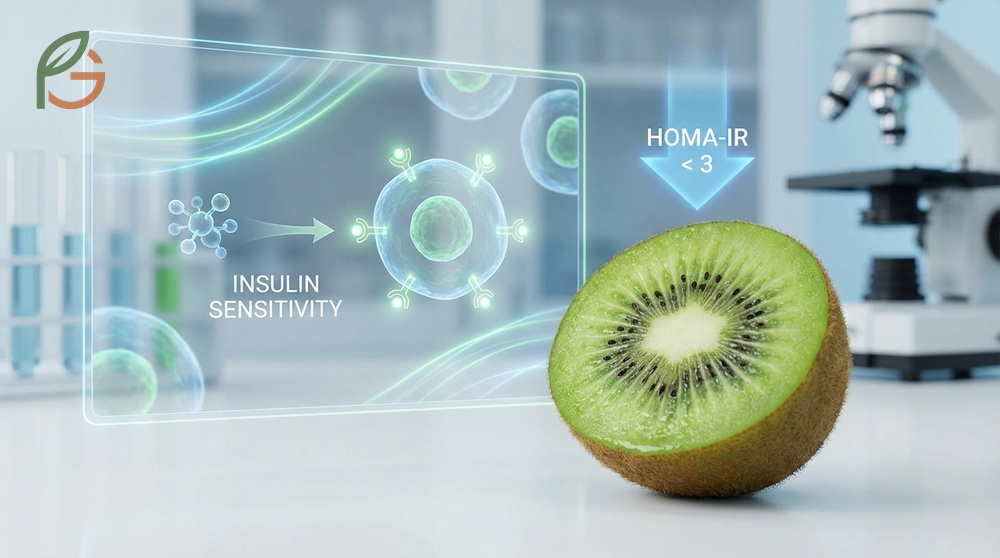
Research demonstrates that regular kiwi consumption is associated with improved insulin resistance markers in adults. A study found that consuming at least one kiwi per week correlates with a lower probability of having a HOMA-IR (insulin resistance index) above 3[4]. This suggests kiwi’s polyphenols and antioxidants may enhance cellular insulin sensitivity beyond just glycemic control.
Studies show that kiwi fruit extract can stimulate glucose uptake in differentiated adipocytes, indicating beneficial effects on adipocyte differentiation and function[5]. The mechanism likely involves kiwi polysaccharides affecting glucose and lipid metabolism at the cellular level. These compounds help lower blood sugar levels through pathways independent of glycemic index.
Evidence suggests that kiwi’s rich antioxidant profile—including vitamin C, vitamin E, and polyphenols—reduces oxidative stress and inflammation common in diabetics. Lower oxidative stress improves insulin sensitivity and reduces the risk of diabetes-related complications. The combination of fiber, polysaccharides, and antioxidants creates a synergistic effect on metabolic health.
- Polysaccharides modulate glucose metabolism and help regulate blood sugar independently of dietary fiber
- Antioxidants reduce oxidative stress that impairs insulin receptor function in cells
- Polyphenols enhance cellular glucose uptake without requiring additional insulin
- Fiber slows carbohydrate digestion, reducing the insulin demand after meals
- Regular consumption supports healthier lipid profiles, which correlate with better insulin sensitivity
Clinical Significance: The insulin resistance benefits appear more pronounced with frequent consumption (at least one kiwi per week) rather than occasional intake. Consistency matters more than occasional larger servings.
Fruits Safe for Diabetics Type 2
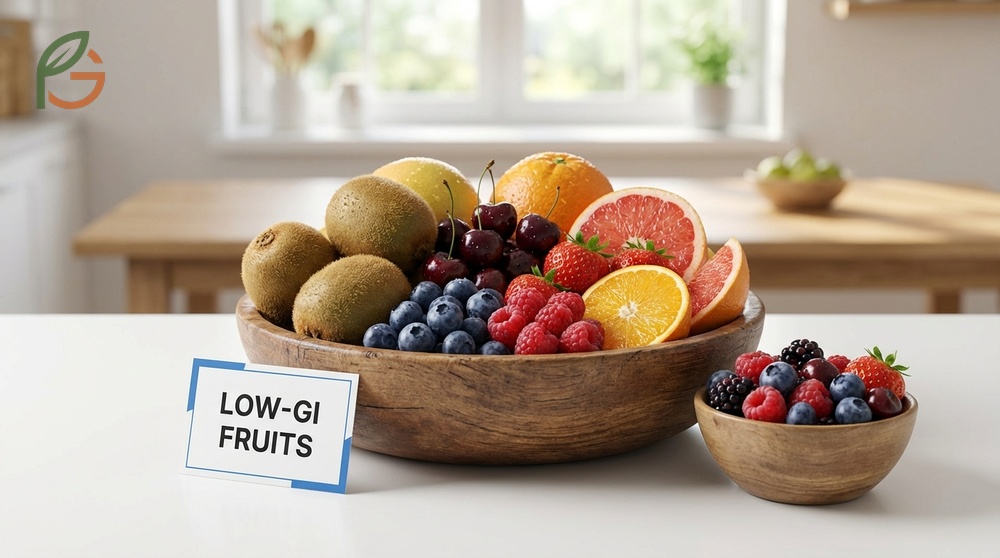
Type 2 diabetics can safely enjoy a variety of low-GI fruits that provide essential nutrients without causing blood sugar spikes. Kiwi ranks among the best choices alongside berries, cherries, and citrus fruits. Current guidance emphasizes choosing whole fruits over juices and paying attention to portion sizes rather than eliminating fruit entirely from diabetic diets.
The safest fruits for Type 2 diabetes share common characteristics: low glycemic index (GI < 55), high fiber content (≥2g per serving), and moderate carbohydrate loads. These fruits include cherries (GI of 20), strawberries (GI of 25), pears (GI of 30), apples (GI of 39), and kiwi (GI of 39-53). Each provides vitamins, minerals, and antioxidants that support overall health while minimizing glucose elevation.
Research indicates that whole fruit consumption is significantly associated with a lower risk of developing Type 2 diabetes, unlike fruit juice which can increase risk. The key difference lies in fiber content—whole fruits contain intact fiber that slows sugar absorption, while juices concentrate sugar without the protective fiber matrix. Most diabetics can safely consume 2-3 servings of low-GI fruit daily when spread throughout meals.
- Cherries (GI 20): Rich in anthocyanins that may improve insulin sensitivity
- Strawberries and blueberries (GI 25-53): High antioxidant content with minimal blood sugar impact
- Pears (GI 30): Excellent fiber source with slow carbohydrate release
- Apples (GI 39): Contains pectin fiber that supports blood sugar stability
- Kiwi (GI 39-53): Unique polysaccharides that may enhance insulin sensitivity
- Oranges and grapefruit (GI 35-45): Vitamin C and flavonoids with low glycemic load
Portion Control Tip: One serving equals approximately 15g of carbohydrates—that’s one small apple, one medium kiwi, or 3/4 cup of berries. Spreading fruit intake across meals prevents glucose spikes better than consuming multiple servings at once.
Diabetic Diet Plan with Fruits

Integrating fruits like kiwi into a diabetic diet plan requires strategic timing and pairing with other macronutrients. For breakfast (6-9 AM), adding one sliced kiwi to Greek yogurt provides sustained energy for 4-5 hours while the protein and fat slow sugar absorption. Mid-morning snacks (10-11 AM) can include kiwi paired with a handful of almonds to prevent the afternoon energy crash.
Lunch incorporation works best when kiwi is part of a salad with leafy greens, grilled chicken, and olive oil dressing. The combination of fiber, protein, and healthy fats creates a balanced glycemic response. Avoid eating fruit alone on an empty stomach, as this can cause faster glucose elevation even with low-GI fruits.
Evening consumption follows different rules—eating kiwi within 2 hours of bedtime isn’t ideal for most diabetics. The natural sugars can cause nighttime glucose elevation when physical activity is minimal. Instead, save fruit servings for earlier in the day when metabolic rate and insulin sensitivity are typically higher.
Current dietary guidance for Type 2 diabetics emphasizes the “plate method”: fill half your plate with non-starchy vegetables, one-quarter with lean protein, and one-quarter with complex carbohydrates, then add a serving of low-GI fruit like kiwi. This structure ensures balanced nutrition while maintaining blood sugar stability. Monitoring individual responses with a glucometer helps personalize fruit timing and portions.
| Meal Time | Kiwi Serving | Pairing Recommendation |
|---|---|---|
| Breakfast (6-9 AM) | 1 medium kiwi, sliced | Greek yogurt + chia seeds |
| Mid-Morning Snack (10-11 AM) | 1/2 kiwi | 10-12 almonds or walnuts |
| Lunch (12-2 PM) | 1 kiwi in salad | Mixed greens + protein + olive oil |
| Afternoon (3-4 PM) | 1/2 kiwi | String cheese or hummus |
- Never eat kiwi alone—always pair with protein or healthy fat to minimize glucose spikes
- Track your blood sugar response 2 hours after eating kiwi to find your personal tolerance
- Spread fruit servings throughout the day rather than consuming multiple servings at once
- Choose green kiwi over gold if blood sugar control is challenging
- Limit total fruit intake to 2-3 servings daily, with kiwi counting as one serving
- Eat kiwi with the skin (after washing) for extra fiber and nutrients
Conclusion
The evidence is clear: kiwi fruit is good for diabetes when consumed as part of a balanced diet with proper portion control. With a low glycemic index of 39-53, 3g of fiber per serving, and beneficial polysaccharides that support insulin sensitivity, kiwi stands out as one of the best fruit choices for Type 2 diabetics. Current nutritional guidance supports including 1-2 kiwis daily, preferably paired with protein or healthy fats to optimize blood sugar response.
Research demonstrates that regular kiwi consumption not only helps manage blood glucose but may also reduce insulin resistance and support overall metabolic health. FruitGarden encourages incorporating green kiwi as your first choice due to its lower sugar content and superior fiber profile, while gold kiwi remains acceptable for those with well-controlled diabetes who prefer sweeter fruit.
Medical Disclaimer
Important Medical Disclaimer: This content is for informational and educational purposes only. It’s not intended as a substitute for professional medical advice, diagnosis, or treatment. Always consult a qualified healthcare professional or registered dietitian before making any changes to your diet, medication, or health routine, especially if you have diabetes or other medical conditions. Individual blood sugar responses to foods can vary significantly, and what works for one person may not work for another. Monitor your blood glucose levels regularly and work with your healthcare team to develop a personalized nutrition plan.
Frequently Asked Questions
How many kiwis can a diabetic eat per day?
Research recommends 1-2 kiwis per day for diabetics[5]. This provides nutritional benefits without significantly impacting blood sugar levels. Monitor your individual glucose response and adjust portions accordingly, as tolerance varies between individuals.
Is green or gold kiwi better for diabetics?
Green kiwi is generally better for diabetics due to its lower glycemic index of 39 compared to gold kiwi’s GI of 48[1]. Green kiwi also contains more fiber and less sugar, making it the preferred choice for stricter blood sugar control.
What is the best time to eat kiwi for blood sugar control?
The best time to eat kiwi is during breakfast or as a mid-morning snack (before 2 PM) when insulin sensitivity is typically higher. Always pair kiwi with protein or healthy fats to slow sugar absorption and avoid eating it within 2 hours of bedtime.
Can kiwi lower blood sugar levels?
Kiwi doesn’t directly lower blood sugar, but its polysaccharides and fiber help regulate glucose metabolism and improve insulin sensitivity over time[4]. Regular consumption as part of a balanced diet supports better long-term blood sugar management rather than providing immediate glucose-lowering effects.
Does kiwi spike blood sugar?
Kiwi doesn’t cause blood sugar spikes when consumed in recommended portions[5]. Its low glycemic index (39-53) and 3g of fiber per 100g create a slow, gradual glucose release. However, eating multiple kiwis at once or on an empty stomach may cause moderate elevation in some individuals.
What fruits should Type 2 diabetics avoid?
Type 2 diabetics should limit high-GI fruits like watermelon (GI 72), pineapple (GI 66), and dried fruits which concentrate sugar without fiber. Avoid fruit juices entirely as they lack fiber and cause rapid blood sugar spikes. Stick to whole, low-GI fruits like kiwi, berries, and apples in controlled portions.
Can I eat kiwi skin if I have diabetes?
Yes, eating kiwi skin is beneficial for diabetics as it provides additional fiber that helps slow sugar absorption. The skin contains antioxidants and increases the total fiber content from 3g to approximately 4-5g per fruit. Always wash kiwi thoroughly before eating with the skin.





