
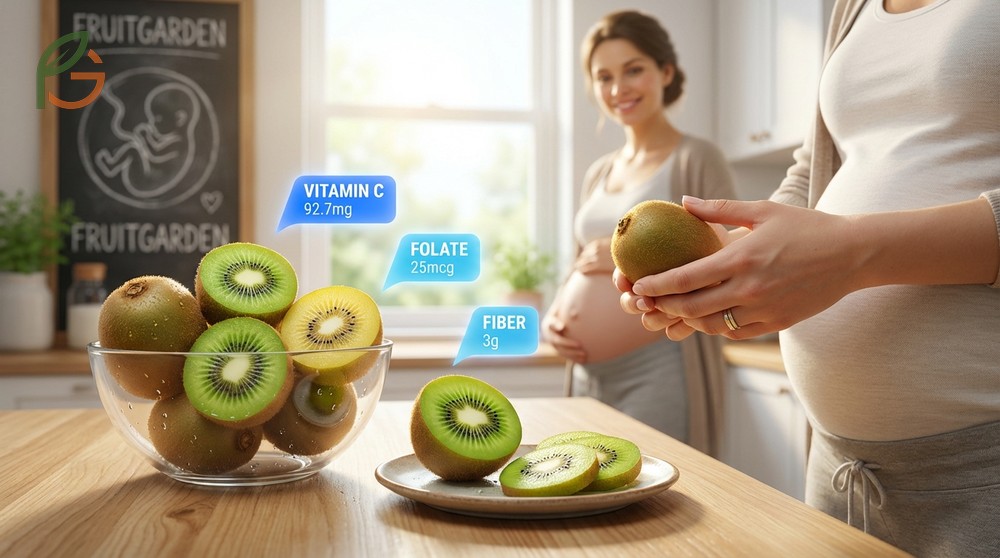
Kiwi fruit for pregnancy is both safe and highly nutritious for expectant mothers. Research shows that a medium kiwi delivers 92.7mg of vitamin C, 25mcg of folate[1], and 3g of fiber[2]—supporting immune function, fetal development, and digestive health across all three trimesters. FruitGarden synthesizes current nutritional research to help expectant mothers make informed dietary choices during pregnancy.
Quick Answer
- Safe for all trimesters: Kiwi contains 92.7mg vitamin C per 100g[1], meeting over 100% of daily needs
- Prevents birth defects: Provides 25mcg folate[1] to support neural tube development
- Relieves constipation: Delivers 3g fiber per 100g[2] for digestive health
- Low glycemic impact: GI of 50[2] helps manage gestational diabetes risk
Kiwi Fruit for Pregnancy
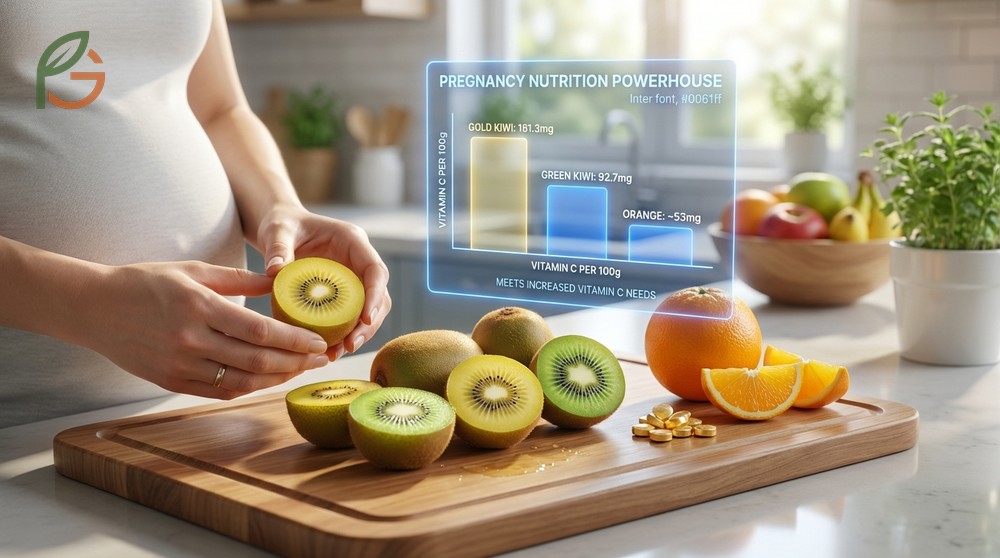
Kiwi fruit ranks among the most nutrient-dense options for pregnant women. Studies demonstrate that green kiwifruit contains 92.7mg of vitamin C per 100g[1], while the gold variety delivers even more at 161.3mg per 100g[1]. This concentration exceeds that of oranges and most other fruits, making kiwi an efficient way to meet increased vitamin C requirements during pregnancy.
Current data indicates that kiwi’s nutritional profile addresses multiple pregnancy needs simultaneously. The combination of folate, fiber, potassium, and antioxidants works together to support maternal health and fetal growth. Unlike many fruits, kiwi provides meaningful amounts of vitamin E and vitamin K alongside its more abundant nutrients.
Research across multiple clinical studies shows that regular kiwi consumption supports digestive health, immune function, and blood pressure regulation. The fruit’s low glycemic index of 50[2] makes it suitable even for women monitoring blood sugar levels. Most pregnant women find that incorporating kiwi into their daily diet produces noticeable improvements in energy and digestion within days.
Benefits of Kiwi Fruit in Pregnancy
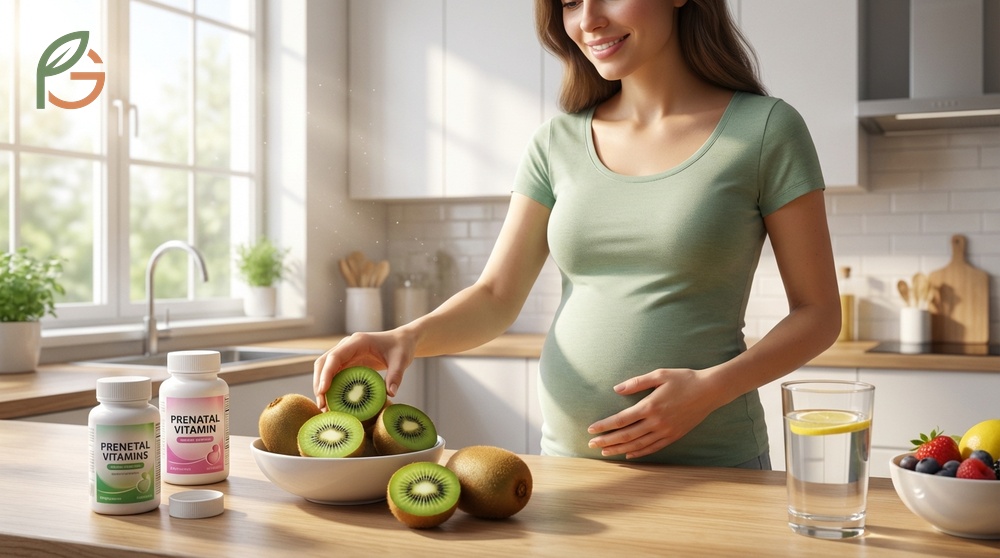
The benefits of kiwi during pregnancy extend beyond basic nutrition. Evidence suggests that the synergistic effect of kiwi’s nutrients provides advantages that isolated supplements can’t match. The fruit’s natural packaging of vitamins, minerals, and phytonutrients enhances absorption and utilization compared to synthetic alternatives.
Pregnant women often notice improvements in multiple health areas when they add kiwi to their daily routine. The combination of soluble and insoluble fiber promotes gut health, while the high antioxidant content protects cells from oxidative stress. These benefits become particularly important during the third trimester when physiological demands peak.
Folate Content Supports Fetal Development
Folate plays a critical role in preventing neural tube defects, which affect approximately 3,000 pregnancies annually in the United States[3]. The US Preventive Services Task Force recommends that all women planning pregnancy or who could become pregnant take 400-800 mcg of folic acid daily[3]. While kiwi provides 25mcg per 100g[1], it serves as a valuable complement to folic acid supplements rather than a replacement.
Neural tube development occurs during the first 4-6 weeks of pregnancy, often before women realize they’re pregnant. Research shows that adequate folate intake during this critical window reduces the risk of spina bifida and anencephaly by more than 50%. The natural folate in kiwi is readily absorbed and contributes to the body’s folate stores when consumed regularly.
Vitamin C Boosts Immune Function
Pregnancy naturally suppresses certain immune functions to prevent rejection of the developing fetus. This makes adequate vitamin C intake essential for fighting off infections. A single green kiwi provides over 100% of the daily vitamin C requirement[1], supporting both maternal immunity and iron absorption from plant-based foods.
The vitamin C in kiwi also promotes collagen production, which becomes increasingly important as skin stretches to accommodate a growing belly. Studies demonstrate that consuming about two kiwis daily maintains optimal plasma vitamin C levels in healthy adults. This amount provides sufficient antioxidant protection without exceeding safe upper limits during pregnancy.
Fiber Relieves Pregnancy Constipation
Constipation affects up to 40% of pregnant women due to hormonal changes and pressure from the expanding uterus. Kiwi’s 3g of fiber per 100g[2] includes both soluble and insoluble types that work together to promote regular bowel movements. The fruit also contains actinidin, an enzyme that aids protein digestion and may enhance overall digestive comfort.
Clinical trials show that eating two kiwis daily significantly improves bowel function in people with constipation. The effect typically appears within 1-2 weeks of regular consumption. Unlike some fiber supplements that can cause bloating, kiwi’s natural fiber is generally well-tolerated even by women with sensitive digestive systems during pregnancy.
- Vitamin C content meets daily requirements with just one medium fruit
- Folate supports neural tube closure in the first trimester
- Fiber promotes digestive regularity and prevents constipation
- Potassium helps regulate blood pressure and fluid balance
- Antioxidants protect maternal and fetal cells from oxidative damage
- Low calorie density supports healthy weight gain during pregnancy
Kiwi for Morning Sickness
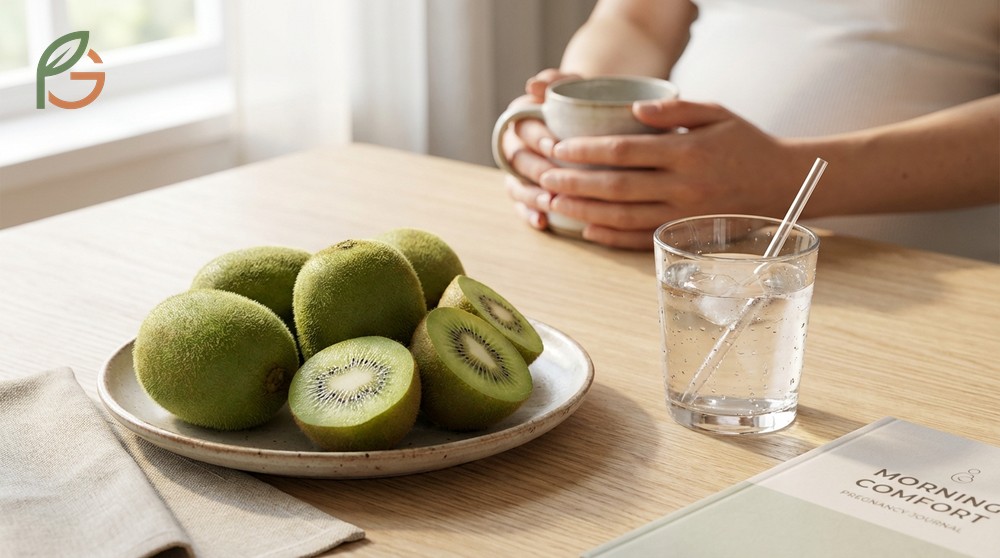
Morning sickness typically peaks during the first trimester when many women struggle to maintain adequate nutrition. Kiwi’s combination of mild sweetness, high water content, and refreshing tartness makes it more palatable than many foods during this challenging period. The fruit’s soft texture requires minimal chewing, which helps women who experience nausea triggered by strong flavors or prolonged eating.
The natural sugars in kiwi provide quick energy without causing rapid blood sugar spikes that can worsen nausea. Many pregnant women find that eating small amounts of cold kiwi throughout the day helps maintain stable blood sugar and reduces the severity of morning sickness symptoms. The vitamin B6 content, while modest, may also contribute to nausea relief when consumed as part of a balanced diet.
Important Note: If you’re experiencing severe morning sickness or hyperemesis gravidarum that prevents you from keeping food down, consult your healthcare provider before relying on any food-based remedies. Severe cases require medical intervention to prevent dehydration and nutritional deficiencies.
- Mild flavor doesn’t trigger strong aversions common in early pregnancy
- Cold kiwi soothes nausea better than room-temperature foods
- High water content helps maintain hydration when fluids are difficult to consume
- Natural sugars provide energy without overwhelming the digestive system
- Can be blended into smoothies for easier consumption during severe nausea
Kiwi for Gestational Diabetes
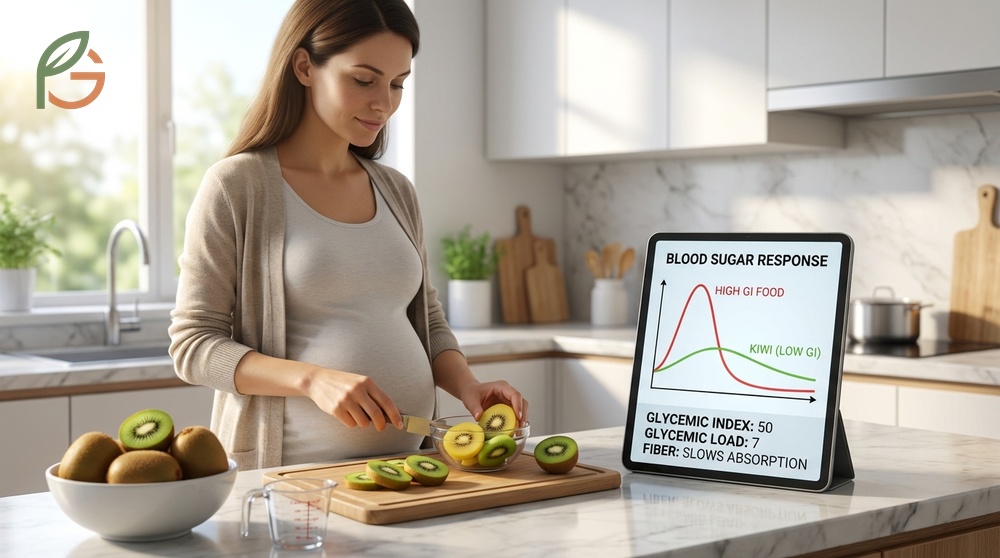
Gestational diabetes develops in 2-10% of pregnancies and requires careful carbohydrate management. Kiwi’s glycemic index of 50[2] and glycemic load of 7[2] place it in the low category, meaning it causes a gradual rise in blood sugar rather than a sharp spike. This makes kiwi a suitable fruit choice for women managing gestational diabetes when consumed in appropriate portions.
The fiber in kiwi slows the absorption of natural sugars, further moderating blood glucose response. Research shows that pairing kiwi with protein sources like Greek yogurt or nuts enhances this effect by providing sustained energy and improved satiety. Women with gestational diabetes should monitor their blood sugar response to kiwi, as individual tolerance varies based on factors like insulin sensitivity and overall carbohydrate intake.
A medium kiwi contains approximately 14g of carbohydrates[2], which fits within most gestational diabetes meal plans when counted as part of the carbohydrate budget. The key is timing and portion control—eating half a kiwi as part of a balanced snack works better than consuming multiple fruits at once.
Blood Sugar Monitoring: Always test your blood glucose 1-2 hours after eating kiwi to understand your individual response. If levels exceed your target range, reduce portion size or pair kiwi with more protein and healthy fats to slow digestion.
How Many Kiwis to Eat Per Day Pregnancy
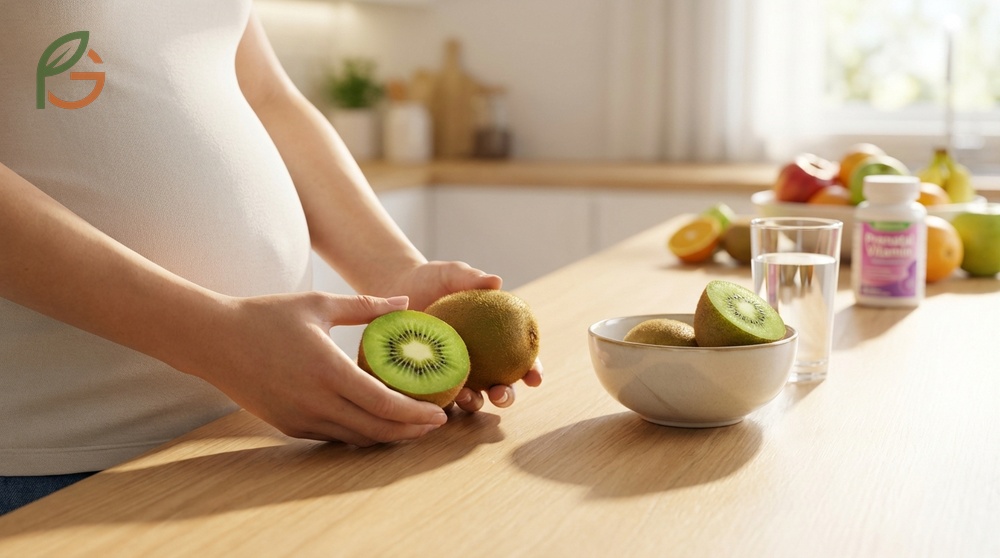
Current nutritional guidance suggests that 1-2 kiwis daily provides optimal benefits for most pregnant women without exceeding recommended fruit intake. This amount delivers substantial vitamin C, folate, and fiber while maintaining balanced overall nutrition. Studies on vitamin C metabolism show that consuming two kiwis daily saturates plasma levels, meaning additional intake provides diminishing returns.
The timing of kiwi consumption matters as much as quantity. Eating one kiwi at breakfast kickstarts digestion and provides morning energy, while a second kiwi as an afternoon snack helps maintain stable blood sugar through the evening. Women experiencing constipation often see better results by eating kiwi at the same time each day to establish digestive regularity.
Individual needs vary based on overall diet quality, pregnancy stage, and specific health concerns. Women following vegetarian or vegan diets may benefit from slightly higher kiwi intake to maximize vitamin C for iron absorption. Those managing gestational diabetes should limit intake to one small kiwi daily, carefully monitoring blood glucose response.
This table shows recommended daily kiwi intake for pregnant women across different trimesters and health conditions, including portion sizes and key nutritional considerations.
| Pregnancy Stage | Recommended Amount | Primary Benefits | Special Considerations |
|---|---|---|---|
| First Trimester | 1-2 medium kiwis | Folate for neural development, vitamin C for immune support | Helps with morning sickness when eaten cold |
| Second Trimester | 1-2 medium kiwis | Fiber for constipation relief, sustained energy | Best paired with protein for balanced nutrition |
| Third Trimester | 1-2 medium kiwis | Potassium for blood pressure, vitamin C for tissue repair | Monitor portion size to avoid excess natural sugars |
| Gestational Diabetes | 1 small kiwi or ½ medium | Low GI fruit option for controlled blood sugar | Always pair with protein, monitor glucose levels |
- Eat kiwi with skin on after thorough washing to maximize fiber intake
- Store ripe kiwis in the refrigerator for up to one week
- Add sliced kiwi to yogurt or oatmeal for balanced breakfast options
- Blend frozen kiwi into smoothies for refreshing hydration
- Pair kiwi with nuts or cheese to balance carbohydrates with protein and fats
- Choose firm kiwis and let them ripen at room temperature for best flavor
Is Kiwi Safe During Pregnancy
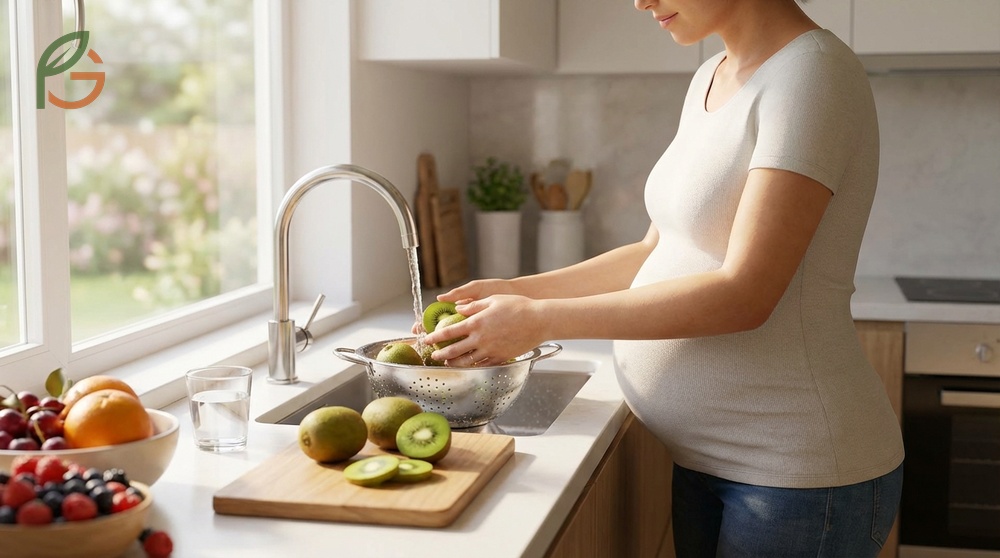
Kiwi is safe for pregnant women when properly washed and consumed in reasonable amounts. The fruit poses minimal risk compared to other foods that require more stringent pregnancy precautions. No evidence suggests that kiwi consumption causes complications or adverse effects during pregnancy when eaten as part of a varied diet.
The primary safety concern with any fresh fruit during pregnancy is potential contamination with bacteria like Listeria or Salmonella. Washing kiwi thoroughly under running water before cutting eliminates most surface contaminants. The thick, fuzzy skin of green kiwis provides natural protection, but proper washing remains essential since cutting transfers bacteria from the exterior to the flesh.
Some women wonder about eating kiwi skin during pregnancy. The skin is nutritionally beneficial, containing concentrated fiber and antioxidants, but it requires extra attention to cleaning. Scrub the skin gently with a clean produce brush under running water, or peel it off if you’re uncertain about contamination. Gold kiwis have smooth, edible skin that’s easier to clean than the fuzzy variety.
Allergy Warning: Kiwi allergy affects approximately 3% of adults and can cause symptoms ranging from mild oral itching to severe anaphylaxis. If you’ve never eaten kiwi before pregnancy, try a small amount first and wait 24 hours to check for reactions. Stop eating kiwi immediately if you develop itching, swelling, or difficulty breathing, and seek medical attention.
- Wash all kiwis thoroughly under running water before cutting or peeling
- Cut away any bruised or damaged areas that could harbor bacteria
- Refrigerate cut kiwi in sealed containers and consume within 2-3 days
- Avoid kiwis with visible mold or those that smell fermented
- Purchase organic kiwis when possible to reduce pesticide exposure
- Discontinue consumption if you develop any allergic symptoms
Conclusion
The evidence is clear: kiwi fruit for pregnancy offers exceptional nutritional value with minimal risk when consumed as part of a balanced diet. The combination of vitamin C, folate, fiber, and low glycemic impact makes kiwi an ideal fruit choice for expectant mothers seeking to optimize maternal health and support fetal development throughout all three trimesters.
Current nutritional guidance emphasizes whole food sources of essential nutrients over isolated supplements whenever possible. Kiwi exemplifies this approach by delivering multiple beneficial compounds in their natural form, enhancing absorption and utilization. FruitGarden encourages pregnant women to incorporate diverse fruits like kiwi into their daily routines while maintaining regular prenatal care and following their healthcare provider’s individualized recommendations.
Medical Disclaimer
Important Medical Disclaimer: This content is for informational and educational purposes only. It is not intended as a substitute for professional medical advice, diagnosis, or treatment. Always consult a qualified healthcare professional before making any changes to your diet, medication, or health routine during pregnancy. Individual nutritional needs vary based on pre-existing conditions, pregnancy complications, and other factors that only your healthcare provider can properly assess. If you have gestational diabetes, food allergies, or other medical conditions, seek personalized guidance before adding new foods to your pregnancy diet.
Frequently Asked Questions
Can I Eat Kiwi Fruit in Pregnancy Every Day?
Yes, eating 1-2 kiwis daily is safe and beneficial for most pregnant women. This amount provides substantial vitamin C and folate without exceeding recommended fruit intake. Monitor your overall diet to ensure you’re consuming a variety of fruits and vegetables rather than relying too heavily on any single food source.
Can You Eat Kiwi Skin While Pregnant?
Kiwi skin is safe to eat during pregnancy when thoroughly washed, providing extra fiber and antioxidants. Scrub the fuzzy skin with a clean produce brush under running water to remove dirt and potential contaminants. If you’re concerned about thorough cleaning or prefer a smoother texture, peeling the skin remains a perfectly acceptable option.
Is Kiwi Good for Morning Sickness?
Many pregnant women find that cold kiwi helps reduce nausea during the first trimester. The fruit’s mild flavor, high water content, and natural sugars provide gentle nutrition without triggering strong aversions common during morning sickness. Eat small amounts throughout the day rather than large portions at once for best results.
Are Kiwis Good for Pregnant Women With Gestational Diabetes?
Kiwi can fit into a gestational diabetes meal plan due to its low glycemic index of 50. Limit intake to one small kiwi or half a medium kiwi per serving, and pair it with protein sources like Greek yogurt or nuts to minimize blood sugar impact. Always monitor your glucose levels 1-2 hours after eating to understand your individual response.
What Are the Benefits of Kiwi Fruit During Pregnancy First Trimester?
During the first trimester, kiwi provides critical folate for neural tube development, vitamin C for immune support and iron absorption, and fiber to combat early pregnancy constipation. The 25mcg of folate per 100g complements folic acid supplements recommended during this crucial period of fetal organ formation.
How Many Kiwis Should I Eat Per Day When Pregnant?
Most pregnant women benefit from eating 1-2 medium kiwis daily, which provides 100-200% of daily vitamin C needs along with substantial fiber and folate. This amount fits well within the recommended 2-3 cups of fruit per day for pregnant women. Adjust intake based on your overall fruit consumption and individual nutritional needs.
Does Kiwi Help With Constipation During Pregnancy?
Research shows that eating two kiwis daily significantly improves bowel function and reduces constipation. The 3g of fiber per 100g includes both soluble and insoluble types that promote regularity, while the enzyme actinidin aids digestion. Most women notice improvements within 1-2 weeks of consistent daily consumption.





