
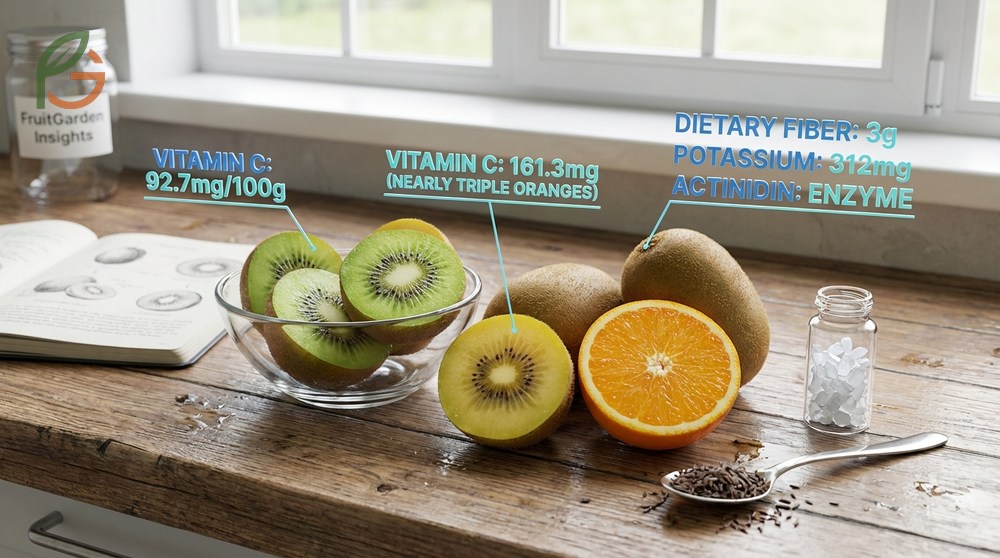
The nutritional value of kiwi stands out among fruits, with green varieties delivering 92.7mg of vitamin C per 100g and gold varieties providing an impressive 161.3mg—nearly triple the amount found in oranges[1]. Research shows this fuzzy fruit also packs 3g of dietary fiber, 312mg of potassium, and a unique digestive enzyme called actinidin that enhances protein breakdown[2]. FruitGarden brings you evidence-based insights on growing and enjoying nutrient-dense fruits like kiwi in your home garden.
Quick Answer
Nutritional Value of Kiwi
Research demonstrates that kiwifruit ranks among the most nutrient-dense fruits available to home gardeners and consumers. A single 100g serving contains just 61 calories while delivering over 100% of the daily recommended vitamin C intake[1]. This exceptional nutrient-to-calorie ratio makes kiwis valuable for anyone growing fruit with health benefits in mind.
The fruit’s composition includes approximately 83% water, with the remaining 17% packed with essential vitamins, minerals, and dietary fiber. Unlike many fruits that lose nutritional value during storage, kiwis maintain their vitamin C content remarkably well when properly refrigerated. Studies show the high ascorbic acid and low tannin levels prevent the browning reaction common in other cut fruits[1].
What sets kiwis apart isn’t just individual nutrients but their synergistic combination. The fruit provides meaningful amounts of vitamin E, copper, magnesium, and phosphorus alongside its standout vitamin C content. This diverse micronutrient profile supports multiple body systems simultaneously, from immune function to bone health.
Vitamin C Content in Kiwi
Green kiwifruit varieties like Hayward contain 92.7mg of vitamin C per 100g, while gold varieties such as SunGold deliver an exceptional 161.3mg per 100g[1]. These levels far exceed most common fruits and vegetables. For perspective, you’d need to eat nearly two oranges to match the vitamin C in one gold kiwi.
Clinical trials confirm that vitamin C from kiwifruit is highly bioavailable, effectively raising plasma levels in human subjects. Research involving participants who consumed just half a kiwi daily for four weeks showed significant increases in blood vitamin C concentrations[1]. Consuming two kiwis per day provides approximately 200mg of vitamin C, the threshold at which plasma levels reach saturation in most adults.
Fiber and Macronutrient Profile
Each 100g serving of kiwifruit provides 3g of dietary fiber, consisting of approximately one-third soluble and two-thirds insoluble fiber[3]. This unique fiber blend demonstrates exceptionally high water-retention capacity, contributing to the fruit’s digestive benefits. Soluble fiber helps regulate blood sugar and cholesterol, while insoluble fiber promotes regular bowel movements.
The macronutrient breakdown includes 15g of carbohydrates (9g natural sugars), 1.1g of protein, and just 0.52g of fat per 100g serving. This low-fat, moderate-carbohydrate profile makes kiwis suitable for various dietary approaches. The natural fruit sugars come packaged with fiber, which moderates their absorption and prevents blood sugar spikes common with processed sweets.
- Calories: 61 kcal (3% of daily value)
- Total carbohydrates: 15g (5% DV) with 3g fiber (12% DV)
- Protein: 1.1g (3% DV)
- Total fat: 0.52g (1% DV) with negligible saturated fat
- Water content: 83% by weight
Vitamin C in Kiwi vs Orange
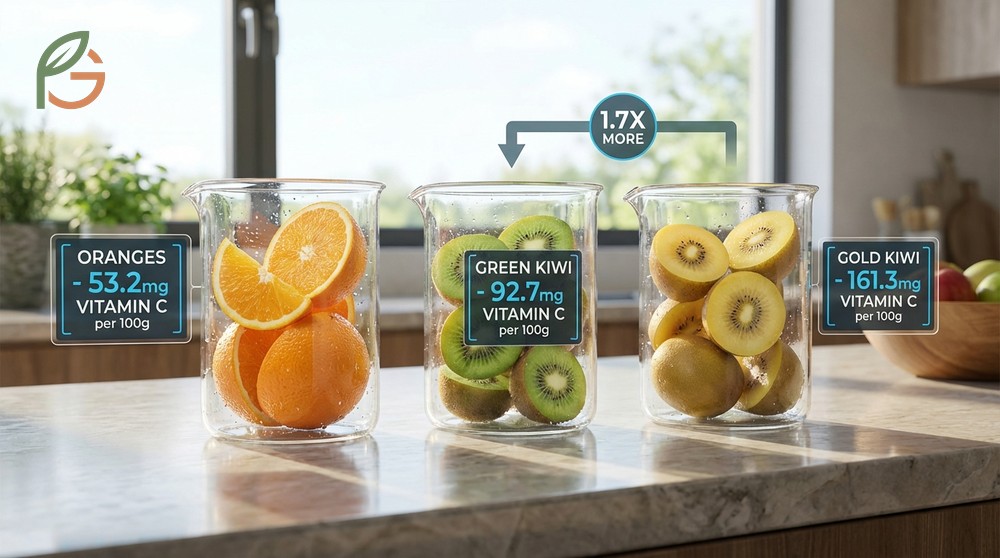
Direct comparisons reveal kiwifruit contains 1.7 times more vitamin C than oranges on an edible flesh weight basis[1]. While oranges have long held the reputation as the go-to vitamin C source, green kiwis deliver 92.7mg per 100g compared to just 53.2mg in the same amount of orange. Gold kiwis extend this advantage even further with their 161.3mg content.
This difference matters for gardeners planning fruit trees and home growers selecting crops for nutritional value. A single medium kiwi (69g) provides 64mg of vitamin C, meeting 71% of adult daily requirements in just 42 calories. You’d need to consume about 120g of orange (nearly twice the weight) to get equivalent vitamin C, along with additional calories and sugar.
The vitamin C stability in kiwis also surpasses many citrus fruits during storage. Research shows kiwifruit maintains its ascorbic acid content better than oranges when refrigerated, making it more reliable for consistent nutrient intake throughout its storage life. This characteristic proves especially valuable for home gardeners who harvest in bulk and need produce that retains nutritional quality.
This table compares vitamin C content, serving sizes, and daily value percentages across four fruit varieties including two types of kiwi and two citrus fruits
| Fruit Type | Vitamin C per 100g | Vitamin C per Serving | % Daily Value |
|---|---|---|---|
| Green Kiwi (Hayward) | 92.7mg[1] | 64mg (1 medium, 69g) | 71% |
| Gold Kiwi (SunGold) | 161.3mg[1] | 111mg (1 medium, 69g) | 123% |
| Navel Orange | 53.2mg | 70mg (1 medium, 131g) | 78% |
| Strawberries | 58.8mg | 89mg (1 cup, 152g) | 99% |
Important Note: While both kiwis and oranges provide excellent vitamin C, kiwis deliver more nutrients per calorie and per gram of fruit. For home gardeners in suitable climates, kiwi vines can be more productive than citrus trees, yielding 50-100 pounds of fruit per mature vine annually.
Kiwi Fruit Nutritional Information
Beyond vitamin C, kiwifruit provides a comprehensive array of essential minerals and vitamins that support overall health. Current agricultural data shows kiwis grown in optimal conditions develop peak nutrient density, with mineral content varying slightly based on soil composition and cultivation practices. Understanding this complete nutritional profile helps gardeners appreciate why kiwi vines represent such valuable additions to home orchards.
The mineral content in kiwis contributes to cardiovascular health, bone strength, and cellular function. Evidence suggests regular kiwi consumption as part of a balanced diet supports multiple physiological processes. The fruit’s naturally low sodium content (just 3mg per 100g) combined with high potassium makes it particularly beneficial for blood pressure management.
Potassium and Mineral Content
Kiwifruit delivers 312mg of potassium per 100g serving, representing 9% of the daily value and more than double the amount found in cucumbers[1]. This essential mineral helps regulate fluid balance, nerve signals, and muscle contractions. For home gardeners growing their own produce, kiwis offer an efficient way to boost potassium intake without the calories and sugar found in bananas.
Additional minerals include 17mg magnesium (4% DV), 34mg calcium (3% DV), and 34mg phosphorus (5% DV) per 100g. The fruit also provides 0.13mg copper (14% DV) and 0.31mg iron (4% DV). While individual percentages may seem modest, the combination supports enzymatic reactions, energy production, and red blood cell formation.
- Potassium: 312mg (9% DV) for heart and muscle function
- Magnesium: 17mg (4% DV) supporting 300+ enzymatic reactions
- Copper: 0.13mg (14% DV) for iron metabolism and connective tissue
- Phosphorus: 34mg (5% DV) for bone health and energy storage
- Calcium: 34mg (3% DV) for skeletal strength and nerve transmission
- Manganese: 0.1mg (4% DV) for antioxidant defense and metabolism
Vitamin K and Folate Levels
Each 100g serving of kiwifruit contains 40.3mcg of vitamin K, meeting 34% of daily requirements[1]. This fat-soluble vitamin plays crucial roles in blood clotting and bone metabolism. Unlike many fruits that contain minimal or no vitamin K, kiwis provide meaningful amounts that contribute to meeting daily needs.
The fruit also supplies 25mcg of folate (6% DV), a B-vitamin essential for DNA synthesis and cell division. Women of childbearing age particularly benefit from folate-rich foods. Additional B-vitamins present include 0.03mg thiamin (B1), 0.03mg riboflavin (B2), 0.34mg niacin (B3), 0.18mg pantothenic acid (B5), and 0.06mg vitamin B6.
Growing Tip: Kiwi vines grown in nutrient-rich, well-draining soil with pH 6.0-6.5 produce fruit with optimal mineral content. Regular soil testing and appropriate amendments ensure your homegrown kiwis deliver maximum nutritional value.
Antioxidants in Kiwi Fruit
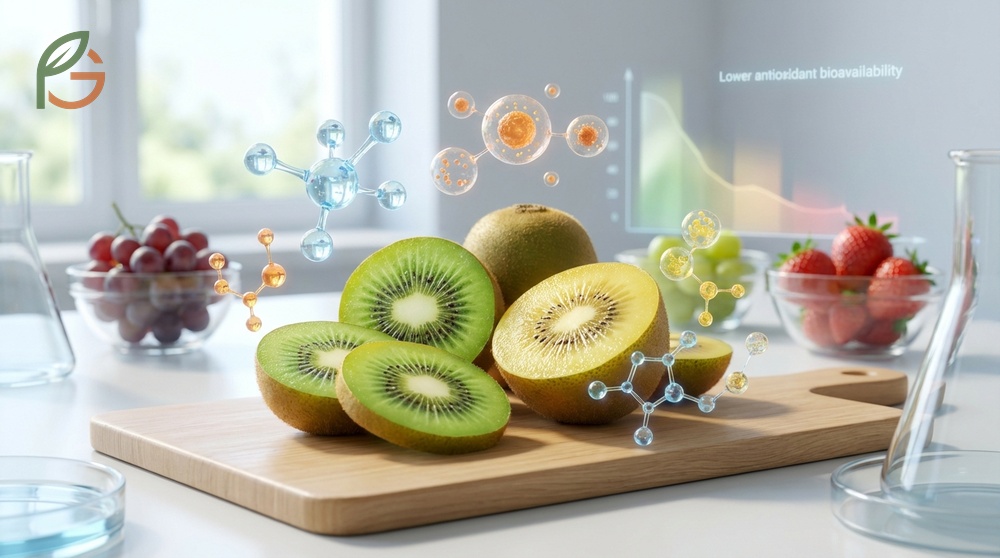
Studies demonstrate that kiwifruit contains a diverse array of antioxidant compounds beyond vitamin C, including vitamin E, carotenoids, and polyphenols. Research shows these antioxidants work synergistically, with the vitamin C content showing the highest correlation with total antioxidant activity[1]. The fruit’s antioxidant capacity can be three to ten times more bioavailable than that of grapes and strawberries.
The vitamin E content in kiwis reaches 1.5mg per 100g (10% DV), providing additional antioxidant protection for cell membranes and lipid structures. This fat-soluble vitamin complements the water-soluble vitamin C, creating comprehensive antioxidant coverage throughout different cellular compartments. Together, these compounds help neutralize free radicals that contribute to cellular aging and disease processes.
Clinical research involving participants with hyperlipidemia found that consuming two kiwis daily for four to eight weeks significantly reduced lipid peroxidation levels in plasma[4]. These findings suggest the antioxidants in kiwifruit provide measurable protection against oxidative stress when consumed regularly as part of a balanced diet.
- Vitamin C (ascorbic acid): Primary water-soluble antioxidant, 92-161mg per 100g depending on variety
- Vitamin E (tocopherols): Fat-soluble antioxidant protecting cell membranes, 1.5mg per 100g
- Carotenoids: Including lutein and beta-carotene for eye health and immune function
- Polyphenols: Plant compounds with anti-inflammatory properties
- Flavonoids: Supporting cardiovascular health and cellular signaling
Kiwi Digestive Health Benefits
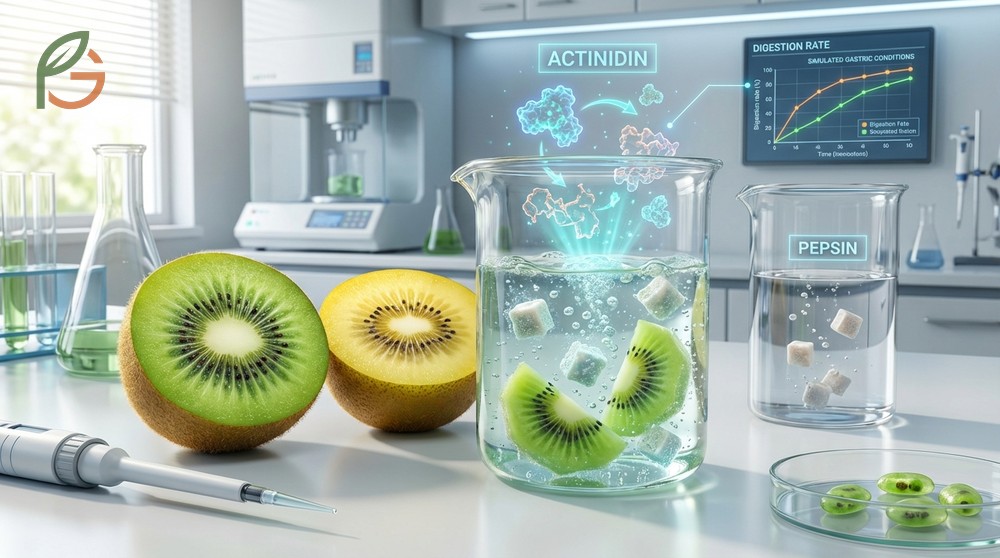
What makes kiwifruit particularly interesting for digestive health is actinidin, a proteolytic enzyme unique to this fruit. Laboratory studies using simulated gastric conditions show that actinidin enhances protein digestion beyond what pepsin (the stomach’s primary enzyme) achieves alone[2]. Both green Hayward and gold SunGold varieties contain this enzyme, unlike other gold kiwi varieties that lack actinidin entirely.
Research demonstrates that actinidin breaks down various protein sources including those from soy, meat, milk, and cereals. In controlled experiments, adding kiwifruit extract enhanced the digestion of caseins in milk protein by 33-48% compared to pepsin alone[2]. This suggests consuming kiwis with protein-rich meals may improve protein utilization and reduce digestive discomfort for some individuals.
The combined effects of fiber and actinidin make kiwifruit particularly effective for digestive health. Studies show that during the first five minutes of gastric digestion, kiwifruit extract releases considerably more free amino acids than digestive enzymes alone[5]. This faster peptide release may explain why people report feeling less bloated when consuming kiwis with meals.
The exceptional water-retention capacity of kiwi fiber contributes to improved bowel regularity and consistency. Unlike isolated fiber supplements, the natural fiber matrix in whole kiwifruit provides gentle, effective digestive support. For individuals with mild constipation, consuming one to two kiwis daily often produces noticeable improvements without the harsh effects of stimulant laxatives.
Conclusion
The evidence is clear: the nutritional value of kiwi surpasses many common fruits, delivering exceptional vitamin C levels (92.7-161.3mg per 100g), substantial fiber (3g per 100g), essential minerals like potassium (312mg per 100g), and unique digestive enzymes that enhance protein breakdown. Current guidance emphasizes consuming diverse, nutrient-dense fruits, and kiwis consistently rank among the highest in nutritional density scores.
For home gardeners and fruit enthusiasts, growing kiwi vines offers both high yields and exceptional nutritional returns. FruitGarden provides comprehensive resources on cultivating kiwifruit in various climates, helping you bring this nutritional powerhouse from vine to table while maximizing both garden productivity and dietary benefits.
Medical Disclaimer
Important Medical Disclaimer: This content is for informational and educational purposes only. It is not intended as a substitute for professional medical advice, diagnosis, or treatment. Always consult a qualified healthcare professional before making any changes to your diet, medication, or health routine, especially if you have allergies, medical conditions, or take blood-thinning medications (vitamin K in kiwis may interact with certain medications). Individual nutritional needs vary based on age, sex, activity level, and health status.
Frequently Asked Questions
How Much Vitamin C Is in a Kiwi?
A medium green kiwi (69g) contains approximately 64mg of vitamin C, meeting 71% of adult daily requirements. Gold kiwi varieties provide even more, with about 111mg per medium fruit. This makes a single kiwi more vitamin C-dense than a medium orange, which typically contains 70mg but weighs nearly twice as much at 131g.
Does Kiwi Have More Vitamin C Than Oranges?
Yes, kiwis contain significantly more vitamin C than oranges per 100g of edible fruit. Research shows green kiwis deliver 92.7mg per 100g compared to just 53.2mg in oranges—that’s 1.7 times more. Gold kiwi varieties extend this advantage even further with 161.3mg per 100g, making them nearly three times richer in vitamin C than oranges on a weight-for-weight basis.
What Are the Nutritional Facts of Kiwi Fruit?
Per 100g, kiwifruit contains 61 calories, 15g carbohydrates (including 3g fiber and 9g natural sugars), 1.1g protein, and 0.52g fat. It’s exceptionally rich in vitamin C (92.7mg), provides 312mg potassium, 40.3mcg vitamin K, 17mg magnesium, and contains the digestive enzyme actinidin. The fruit consists of approximately 83% water, making it naturally hydrating while delivering concentrated nutrients.
What Vitamins Does Kiwi Fruit Have?
Kiwifruit contains impressive amounts of vitamin C (103% DV per 100g), vitamin K (34% DV), and vitamin E (10% DV). It also provides B-complex vitamins including folate (6% DV), vitamin B6 (5% DV), pantothenic acid/B5 (4% DV), niacin/B3 (2% DV), plus smaller amounts of thiamin/B1 and riboflavin/B2. This diverse vitamin profile supports immune function, blood clotting, antioxidant defense, and energy metabolism.
What Is the Nutritional Value of Gold Kiwi Compared to Green Kiwi?
Gold kiwis (SunGold variety) contain 161.3mg of vitamin C per 100g compared to 92.7mg in green kiwis—that’s about 74% more vitamin C. Both varieties provide similar amounts of fiber, potassium, and other minerals. However, both contain the beneficial enzyme actinidin for protein digestion, unlike some other gold varieties. The primary difference lies in vitamin C content, with gold kiwis offering nearly double the amount of green varieties.
How Many Kiwis Should I Eat Per Day for Optimal Health Benefits?
Research suggests consuming one to two kiwis daily provides optimal health benefits for most adults. Studies show that eating two kiwis per day delivers approximately 200mg of vitamin C, the threshold at which plasma levels saturate in humans. This amount significantly increases blood vitamin C concentrations, enhances antioxidant protection, and supports digestive health through fiber and actinidin enzyme activity without excessive sugar or calorie intake.
Can You Eat Kiwi Skin for Additional Nutritional Value?
Yes, kiwi skin is edible and increases the fiber content by approximately 50% while adding additional antioxidants and vitamin E. The fuzzy brown skin contains concentrated polyphenols and doubles the fiber from 2.1g to about 3.1g per fruit. However, wash kiwis thoroughly before eating with skin, and people with oral allergy syndrome or sensitive digestion may prefer peeled kiwis. Gold kiwis have smoother, less fuzzy skin that’s easier to consume than green varieties.





