

Can cats eat kiwi? Yes, cats can safely eat kiwi in small amounts as an occasional treat. Veterinary research shows kiwi is non-toxic to felines, but you must remove the skin and seeds before feeding[1]. Studies demonstrate that while kiwi contains beneficial nutrients like vitamin C and fiber, its high sugar content means it shouldn’t replace your cat’s regular meat-based diet[2]. FruitGarden synthesizes current veterinary research to help pet owners make informed decisions about feeding fruits to their cats.
Quick Answer
- Kiwi is non-toxic and safe for cats when served properly[3]
- Always remove skin and seeds to prevent choking or digestive irritation[1]
- Limit portions to small bite-sized pieces once weekly due to high sugar content[4]
- Kiwi provides fiber and hydration but isn’t nutritionally necessary for obligate carnivores[5]
Can Cats Eat Kiwi
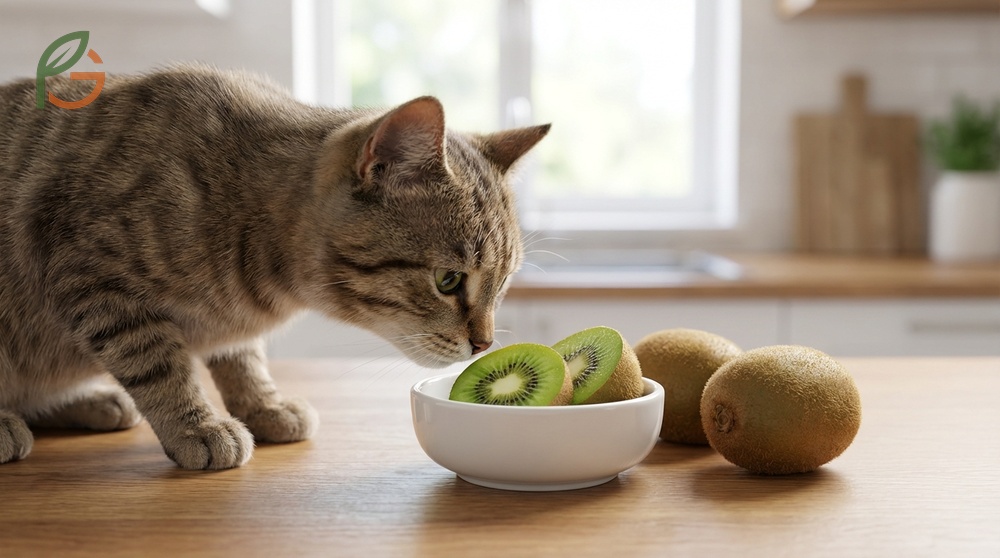
Research shows kiwi is completely safe for cats when prepared correctly. Veterinary experts confirm this tropical fruit contains no compounds that are toxic to felines[3]. Unlike grapes or citrus fruits that can cause severe reactions, kiwi won’t harm your cat’s kidneys or nervous system.
Current veterinary guidance emphasizes moderation when offering kiwi to cats. Studies demonstrate that cats are obligate carnivores who don’t require fruit in their diet[6]. Their digestive systems evolved to process animal proteins, not plant-based carbohydrates and sugars. Evidence indicates that excessive fruit consumption can lead to digestive upset including vomiting and diarrhea.
Most veterinarians recommend treating kiwi as an occasional snack rather than a dietary staple. You should only offer your cat a few small pieces once per week at most[7]. This frequency prevents sugar overload while allowing your cat to benefit from the fruit’s hydration properties.
Nutritional Profile of Kiwi
Kiwi contains several vitamins and minerals that can supplement a cat’s diet in small amounts. The fruit is rich in vitamin C, which supports immune function, though cats can synthesize their own vitamin C internally[8]. Kiwi also provides vitamin K, vitamin E, and folate in higher concentrations within the seeds.
The high fiber content in kiwi can aid digestion when given sparingly. Research shows kiwi contains actinidin, an enzyme that helps break down proteins in the digestive tract[5]. This enzyme may benefit cats with protein intolerances, though such cases are relatively rare.
What often gets overlooked is that kiwi’s water content can help cats stay hydrated. Cats typically don’t drink enough water, especially those on dry kibble diets[4]. A small kiwi treat provides moisture without significantly increasing caloric intake.
Important Note: Kiwi’s sugar content poses the biggest concern for cats. Too much sugar can contribute to obesity and related health problems like diabetes. Always balance treats against your cat’s total daily caloric needs.
Benefits for Cats
The fiber in kiwi supports regular bowel movements and can reduce hairball formation. Evidence suggests that dietary fiber helps move ingested fur through the digestive tract more efficiently[4]. This matters because cats spend significant time grooming and inevitably swallow fur.
Kiwi’s enzyme content offers digestive support for some cats. The actinidin enzyme breaks down proteins into smaller peptides, making them easier to absorb[5]. This can be especially helpful for senior cats whose digestive efficiency declines with age.
- High fiber content promotes digestive regularity and reduces hairballs
- Actinidin enzyme aids protein digestion for cats with sensitivities
- Water content helps maintain hydration in cats that don’t drink enough
- Vitamin C provides immune system support as a supplementary nutrient
- Low calorie density allows for treats without excessive weight gain when portioned correctly
Can Cats Eat Kiwi Skin
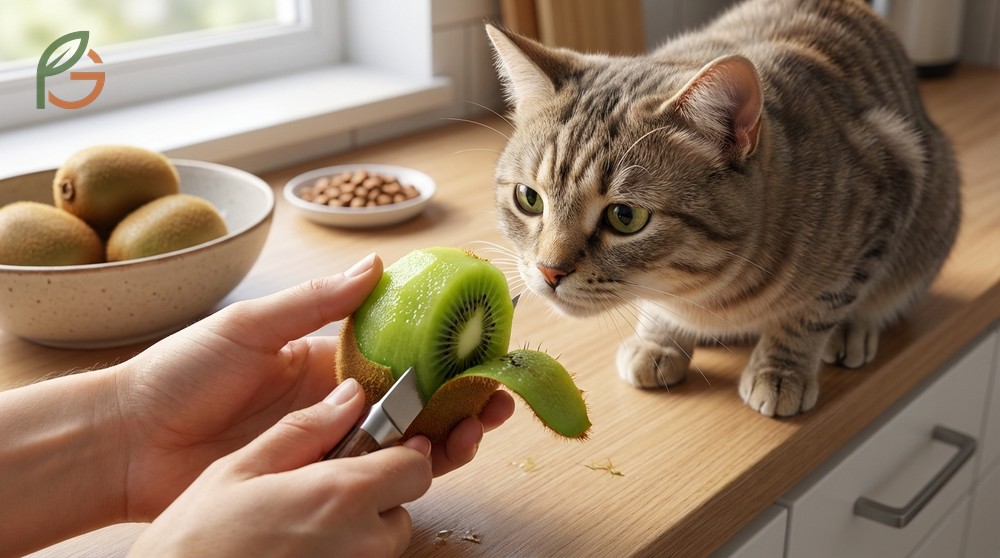
Veterinary experts recommend removing kiwi skin before feeding it to cats, despite the skin being technically non-toxic. The skin’s fuzzy texture contains fine hairs that can irritate your cat’s mouth, throat, and digestive tract[1]. These hairs don’t break down easily during digestion and may cause discomfort as they pass through the gastrointestinal system.
Research shows that while kiwi skin contains higher concentrations of vitamins than the flesh, the risks outweigh the benefits for cats. Studies demonstrate that the dense, fibrous structure of kiwi skin poses choking hazards when not properly prepared[5]. Most cats won’t chew thoroughly enough to break down the tough skin into safe pieces.
Current guidance emphasizes peeling kiwis completely before offering them to cats. This simple step eliminates the risk of oral irritation and makes the fruit easier for your cat to digest. The flesh alone provides sufficient nutrients without the textural complications.
Choking Hazards
The dense structure of kiwi skin creates genuine choking risks, especially for cats who eat quickly. Evidence indicates that cats don’t have the molar structure needed to thoroughly grind fibrous plant material[6]. Their teeth evolved for tearing meat, not breaking down tough vegetable matter.
Veterinary reports show that large pieces of kiwi skin can become lodged in a cat’s esophagus. This matters because cats have relatively narrow throats compared to their mouth size. Even if your cat manages to swallow kiwi skin, it may cause gagging or respiratory distress during the process.
Digestive Irritation Risks
The fine hairs on kiwi skin can trigger inflammation in your cat’s digestive tract. Studies show these hairs act as physical irritants, potentially causing gastritis or enteritis in sensitive cats[1]. Symptoms may include vomiting, diarrhea, or decreased appetite within hours of consumption.
Research demonstrates that some cats experience more severe reactions to plant materials than others. Kittens and senior cats face higher risks due to their more delicate digestive systems. If you notice any signs of distress after your cat eats kiwi skin, contact your veterinarian immediately.
Safety Tip: Always supervise your cat when introducing any new food, including kiwi. Watch for signs of choking, excessive drooling, or attempts to vomit. Remove any uneaten kiwi after 15-20 minutes to prevent bacterial growth.
Can Cats Eat Kiwi Seeds
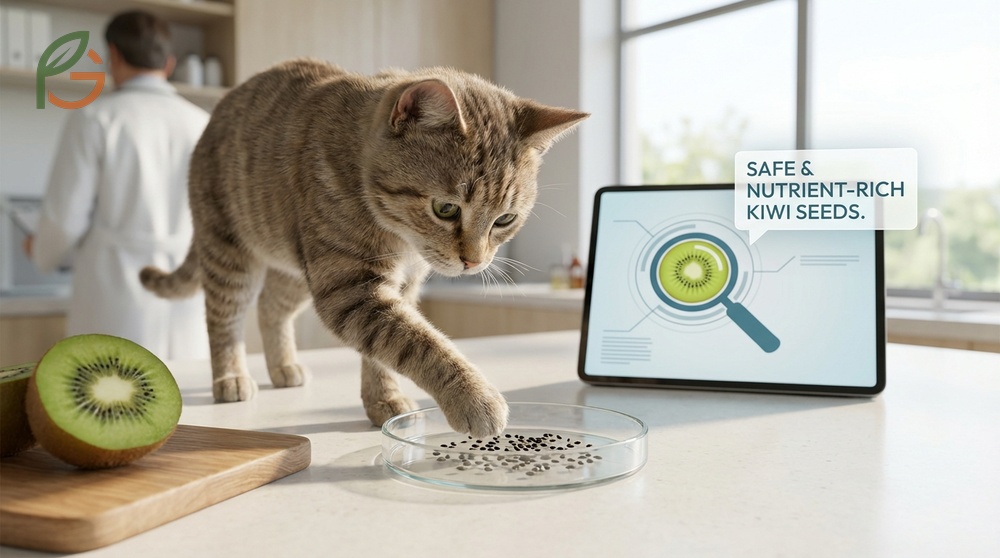
Kiwi seeds are perfectly safe for cats to consume, unlike apple or stone fruit seeds that contain toxic cyanide compounds. Veterinary research confirms that kiwi seeds contain no harmful chemicals and actually provide higher concentrations of nutrients than the flesh[5]. The seeds are rich in vitamin E, vitamin K, and folate, which support various bodily functions.
Studies show that kiwi seeds are small enough to pass through a cat’s digestive system without causing blockages. The seeds measure less than 2mm in diameter, making them significantly safer than larger fruit pits[5]. Most cats won’t even notice they’re eating the seeds mixed with the fruit’s flesh.
Current veterinary guidance indicates you don’t need to remove kiwi seeds before feeding. The seeds provide extra nutritional value without added risk. However, you should still cut the kiwi into small pieces to prevent choking on the fruit itself, regardless of seed presence.
- Vitamin E content supports skin health and immune function
- Vitamin K aids blood clotting and bone metabolism
- Folate helps produce healthy red blood cells
- Small size allows easy digestion without intestinal blockage
- No toxic compounds like cyanide found in other fruit seeds
Why Do Cats Like Kiwi Plants
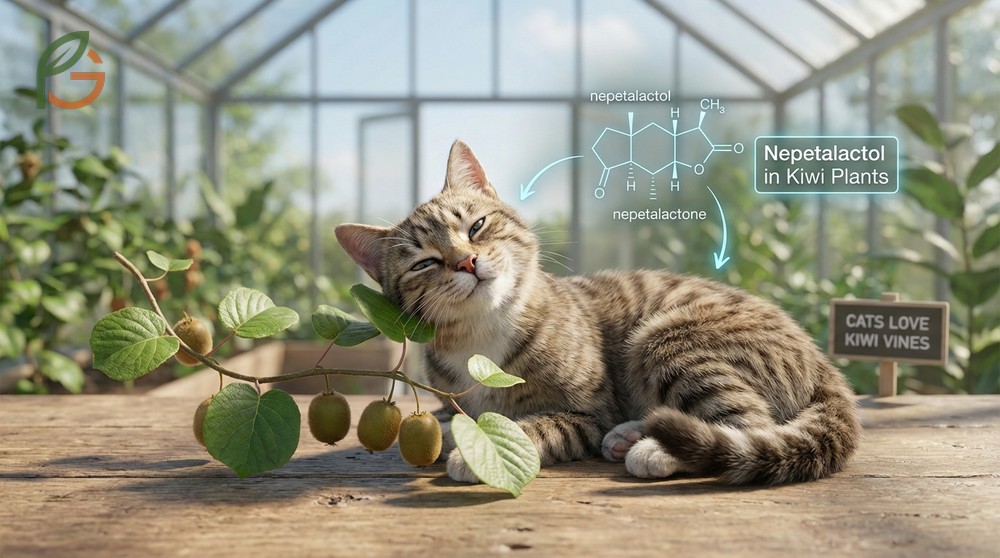
Research shows cats are strongly attracted to kiwi plants because they contain compounds similar to catnip. Kiwi vines belong to the Actinidiaceae family and produce a species called silver vine, which contains nepetalactol[9]. This chemical triggers the same euphoric response in cats as nepetalactone found in traditional catnip.
Studies demonstrate that cats rub against kiwi plant cuttings and exhibit typical catnip behaviors like rolling, purring, and facial rubbing. Evidence indicates that nepetalactol may have evolved to repel mosquitoes and parasites, which benefits cats when they transfer the compound to their fur[9]. This explains why felines instinctively seek out plants in the kiwi family.
Veterinary observations confirm that cats may show intense interest in kiwi vines in gardens or on trellises. The reaction typically lasts about 10 minutes before the cat loses interest. This response is hereditary, so not all cats react to kiwi plants with the same intensity.
What’s particularly interesting is that silver vine affects a broader range of cats than traditional catnip. Research shows that approximately 30% of cats don’t respond to catnip, but many of these non-responders react strongly to silver vine and kiwi plants[9]. This makes kiwi plant material a valuable enrichment tool for cat owners.
Garden Warning: If you grow kiwi vines, expect neighborhood cats to visit. While the plant interaction is safe, excessive consumption of kiwi leaves or stems may cause digestive upset. Monitor your cats around kiwi plants and trim any damaged vines that might tempt overconsumption.
Safe Human Food for Cats
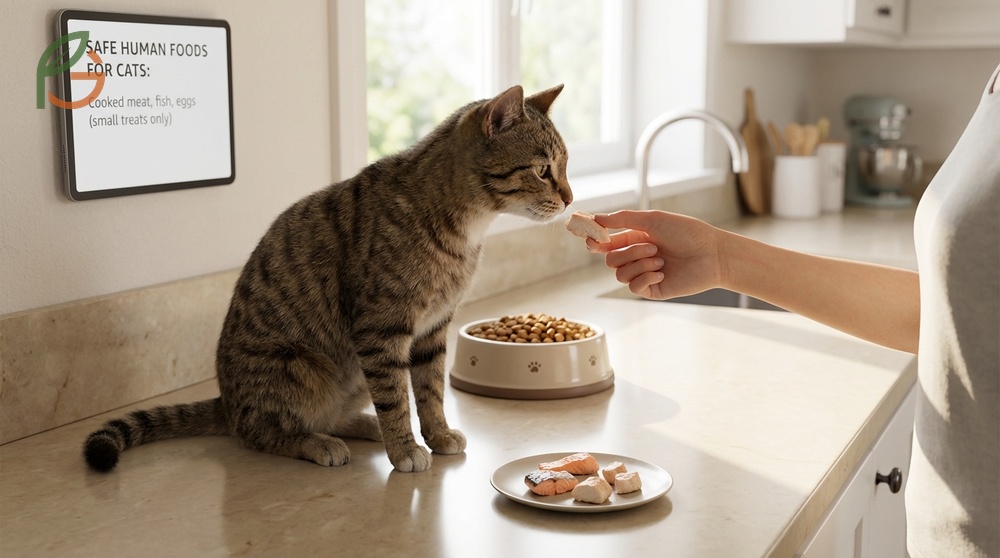
Evidence shows that several human foods make safe occasional treats for cats when prepared properly. Veterinary nutritionists emphasize that these foods should never replace complete and balanced cat food, which provides all essential nutrients felines need[10]. Treats should comprise no more than 10% of your cat’s daily caloric intake.
Research demonstrates that protein-based foods align better with cats’ carnivorous digestive systems than fruits or vegetables. Studies show cats lack certain liver enzymes needed to process plant-based nutrients efficiently[6]. This explains why meat treats typically cause fewer digestive issues than fruit-based options.
Current guidance recommends introducing any new food gradually and in small amounts. Monitor your cat for 24 hours after first exposure to watch for allergic reactions or digestive upset. If any symptoms appear, discontinue the food immediately and consult your veterinarian.
- Cooked chicken, turkey, or lean beef without seasoning or bones
- Scrambled or boiled eggs as a protein-rich treat
- Plain cooked salmon or tuna in small amounts to avoid mercury buildup
- Small pieces of cantaloupe, blueberries, or banana for variety
- Plain pumpkin puree to support digestive health and reduce hairballs
- Freeze-dried single-ingredient meat treats without additives or preservatives
Fruits Toxic to Cats
Certain fruits contain compounds that are extremely dangerous for cats and should never be offered. Research shows grapes and raisins can cause acute kidney failure, even in small amounts[11]. These fruits contain tartaric acid, which some cats are particularly sensitive to, leading to severe reactions including vomiting, lethargy, and renal damage.
Studies demonstrate that citrus fruits pose risks due to essential oils and psoralens in the skin and pith. While the flesh is generally safer, cats who consume lemon, lime, or orange peels may experience digestive irritation and central nervous system effects[11]. Symptoms include vomiting, diarrhea, and in severe cases, tremors or depression.
Veterinary reports confirm that cherries, avocados, and stone fruits present additional dangers. Cherry pits, stems, and leaves contain cyanide compounds that are highly toxic to cats[12]. Avocados contain persin, which can cause heart and respiratory problems in felines.
This table compares toxic fruits, their harmful compounds, and symptoms cats may experience if consumed
| Fruit | Toxic Compound | Primary Symptoms | Severity Level |
|---|---|---|---|
| Grapes & Raisins | Tartaric acid[11] | Kidney failure, vomiting, lethargy | Severe |
| Citrus (peel/pith) | Essential oils, psoralens[11] | Digestive upset, tremors, CNS depression | Moderate to Severe |
| Cherries | Cyanide in pits/stems[6] | Respiratory failure, organ damage | Severe |
| Avocado | Persin[6] | Heart problems, difficulty breathing | Moderate |
| Grapefruit | Psoralen[13] | Vomiting, diarrhea | Moderate |
Conclusion
The evidence is clear: cats can eat kiwi safely when you follow proper preparation guidelines. Remove the skin and seeds (though seeds are non-toxic), cut the fruit into small pieces, and limit servings to once weekly. Research confirms kiwi provides hydration and fiber benefits, but it can’t replace the animal proteins cats need to thrive.
Current veterinary guidance emphasizes that fruit should always remain a minor part of your cat’s diet. While kiwi won’t harm your feline friend in moderation, meat-based nutrition forms the foundation of feline health. FruitGarden recommends consulting your veterinarian before introducing any new foods, especially if your cat has existing health conditions or dietary restrictions.
Medical Disclaimer
Important Veterinary Disclaimer: This content is for informational and educational purposes only. It is not intended as a substitute for professional veterinary advice, diagnosis, or treatment. Always consult a qualified veterinarian before making any changes to your cat’s diet, especially if your cat has diabetes, kidney disease, or other medical conditions. If your cat shows signs of illness after eating kiwi or any new food, contact your veterinarian immediately.
Frequently Asked Questions
Can Kittens Eat Kiwi?
Kittens can eat tiny amounts of kiwi after 12 weeks of age, but it’s not recommended. Research shows kittens have more sensitive digestive systems than adult cats and need nutrient-dense food for growth. Their diet should consist almost entirely of high-quality kitten food formulated for their developmental needs. If you choose to offer kiwi, limit it to a piece smaller than a pea and monitor closely for digestive upset.
Can Cats Eat Golden Kiwi?
Yes, cats can safely eat golden kiwi using the same guidelines as green kiwi. Golden kiwi contains similar nutritional properties but has a sweeter taste and smoother skin. You should still remove the skin and cut the fruit into small pieces before feeding. Golden kiwi actually has slightly higher sugar content than green varieties, so limit portions even more strictly to prevent weight gain.
How Much Kiwi Can I Give My Cat?
Veterinarians recommend limiting kiwi to 1-2 small pieces (each about the size of your cat’s kibble) once per week maximum. Studies show treats should comprise no more than 10% of a cat’s daily caloric intake. For an average 10-pound cat, this translates to approximately 20-25 calories from treats per day. Since kiwi contains natural sugars, excessive amounts can contribute to obesity and related health issues.
What Should I Do If My Cat Ate Too Much Kiwi?
Monitor your cat closely for 24 hours if they consumed excessive kiwi. Watch for signs of digestive upset including vomiting, diarrhea, loss of appetite, or lethargy. Most cats will experience mild stomach discomfort that resolves on its own. Ensure your cat has access to fresh water to prevent dehydration. Contact your veterinarian immediately if symptoms persist beyond 24 hours or if your cat shows signs of severe distress like difficulty breathing or inability to keep water down.
Are There Better Fruit Options Than Kiwi for Cats?
Research shows that blueberries and small pieces of cantaloupe may be better fruit choices for cats due to lower sugar content and easier digestion. Blueberries contain antioxidants and are less likely to cause stomach upset. However, most veterinarians agree that cats don’t need fruit at all. Protein-based treats like small pieces of cooked chicken or freeze-dried meat align better with your cat’s nutritional requirements and carnivorous digestive system.
Can Diabetic Cats Eat Kiwi?
Diabetic cats should avoid kiwi and other fruits due to their natural sugar content. Studies demonstrate that even small amounts of fruit can cause blood sugar spikes in diabetic felines, complicating insulin management. Always consult your veterinarian before offering any treats to a diabetic cat. They can recommend appropriate low-carbohydrate treat options that won’t interfere with your cat’s glucose regulation.
Why Does My Cat Show No Interest in Kiwi?
Most cats show little interest in kiwi because they lack taste receptors for sweetness. Research confirms that cats are obligate carnivores whose taste preferences evolved to detect amino acids from meat, not sugars from fruit. This is completely normal and actually beneficial, as it prevents overconsumption of unnecessary carbohydrates. If your cat refuses kiwi, don’t force it—stick to meat-based treats that align with their natural dietary preferences.





