
Is grape seed oil good for you? Yes, when used in moderation. Research shows this lightweight oil delivers 27% of your daily vitamin E per tablespoon and contains antioxidants that support skin health and heart function. FruitGarden examines current research on grape seed oil’s benefits for cooking, skincare, and hair care to help you make informed choices about incorporating this byproduct of winemaking into your wellness routine.
Quick Answer
- Contains 120 calories and 3.9mg vitamin E[1] per tablespoon
- Features 70% linoleic acid (omega-6)[2], which helps with skin hydration but requires balance
- Smoke point reaches 420°F (216°C)[1], suitable for most cooking methods
- Studies show it reduces skin melanin, increases moisture, and improves elasticity[3]
Is Grape Seed Oil Good for You
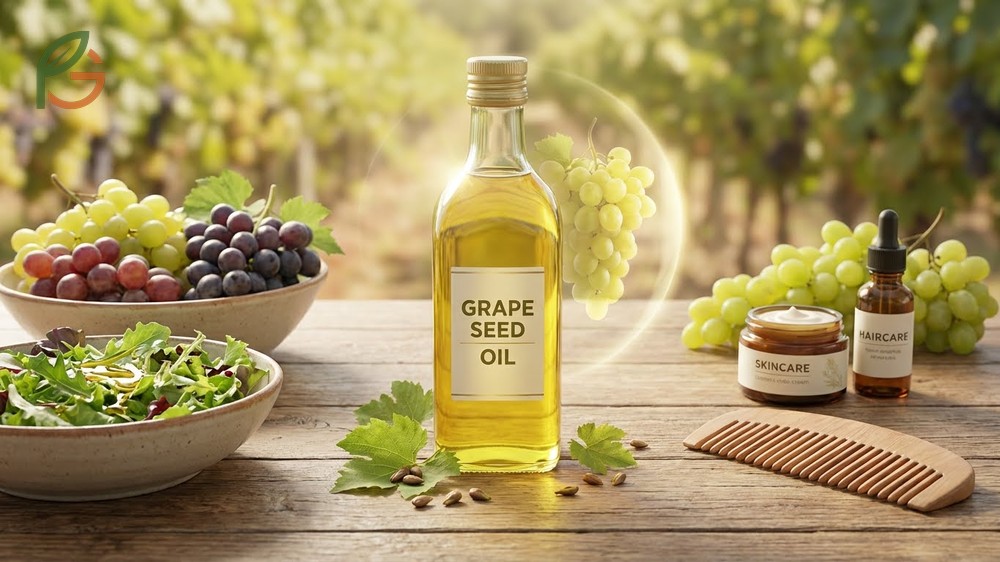
Grape seed oil can be beneficial when you’re looking for a light cooking oil or natural skincare ingredient. It’s extracted from grape seeds—a byproduct of winemaking—and provides meaningful amounts of vitamin E and polyunsaturated fats. Current data indicates this oil works best as part of a balanced diet rather than as your primary fat source.
The oil’s high linoleic acid content (around 70%[2]) makes it lightweight and easily absorbed by skin. Most people tolerate it well for topical use. Studies demonstrate its antioxidant compounds—particularly proanthocyanidins—help protect cells from oxidative stress.
What often gets overlooked is that grape seed oil’s omega-6 to omega-3 ratio matters for inflammation levels. You’ll want to balance it with omega-3 sources like fatty fish or flaxseed if you’re using it regularly in cooking.
Nutritional Profile
One tablespoon (13.6g) of grape seed oil delivers 120 calories and 13.6g total fat. The fat breaks down into 1.3g saturated, 2.2g monounsaturated, and 9.5g polyunsaturated fats. This makes it much higher in polyunsaturated fats compared to olive oil.
The vitamin E content stands out at 3.9mg per tablespoon, which represents 27% of your Daily Value[1]. This antioxidant vitamin supports immune function and skin health. The oil contains no carbohydrates, protein, or fiber—it’s purely a fat source.
Important Note: If you’re monitoring calorie intake for weight management, remember that all oils contain roughly 120 calories per tablespoon regardless of type. Portion control matters more than which oil you choose.
Health Considerations
Research shows grape seed oil consumption of up to 45g daily may increase HDL cholesterol by 13% and reduce LDL cholesterol by 7%[2] in some individuals. The polyunsaturated fats in this oil can replace saturated fats to support heart health. Studies suggest this swap is associated with a 19% risk reduction for coronary heart disease.
However, the high omega-6 content requires attention. Most Americans already consume excessive omega-6 fatty acids relative to omega-3s. This imbalance may contribute to inflammatory processes when sustained long-term.
Cold-pressed versions retain more beneficial compounds than refined varieties, though they’re harder to find. The refining process uses high heat and sometimes chemical solvents, which can reduce antioxidant levels but increases shelf stability.
Benefits of Grape Seed Oil
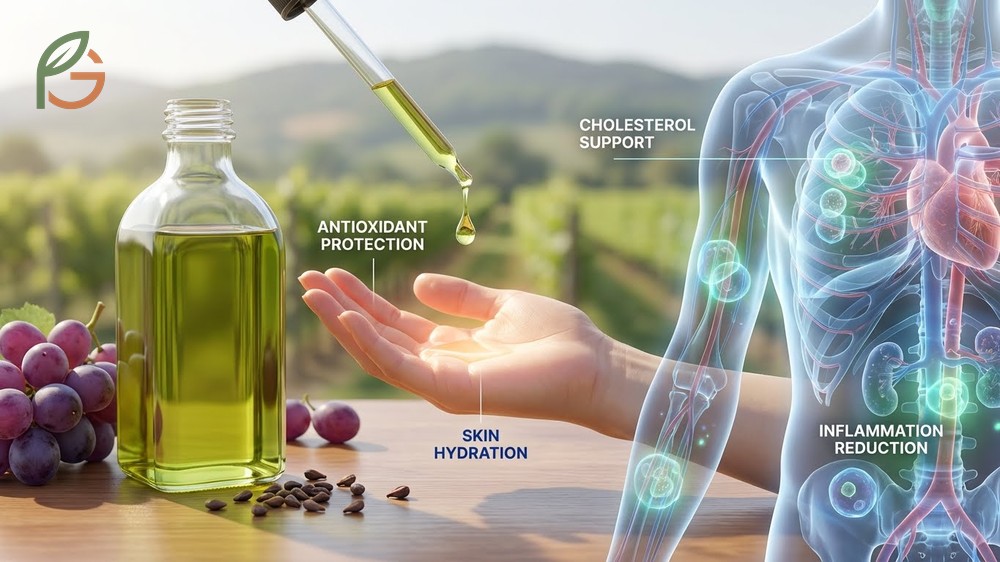
Evidence suggests grape seed oil offers several advantages for both internal and external use. The concentration of vitamin E and polyphenolic compounds gives it antioxidant capabilities that go beyond basic nutrition. These bioactive substances work at the cellular level to support various body systems.
Clinical trials have documented improvements in cholesterol markers, skin hydration, and inflammation reduction. The linoleic acid content makes it particularly effective for skincare applications where it won’t clog pores.
Antioxidant Properties
Grape seed oil contains proanthocyanidins—powerful antioxidants that neutralize free radicals before they damage cell membranes. Research demonstrates these compounds protect against oxidative stress in multiple organ systems. The vitamin E works synergistically with these polyphenols to enhance overall antioxidant capacity.
Studies show the oil’s antioxidants inhibit xanthine oxidase activity and reduce inflammatory gene expression[2]. This matters for protecting brain tissue, liver function, and cardiovascular health. The phenolic compounds also prevent oxidation of LDL cholesterol particles—a key step in atherosclerosis development.
- Neutralizes free radicals that accelerate aging and disease processes
- Protects cell membranes from lipid peroxidation damage
- Supports liver detoxification by enhancing antioxidant enzyme activity
- Reduces oxidative stress markers in blood and tissues
- Prevents LDL cholesterol oxidation, which contributes to arterial plaque formation
Cardiovascular Support
Current research indicates grape seed oil may benefit heart health through multiple pathways. The polyunsaturated fats help lower total cholesterol and LDL levels when they replace saturated fats in your diet. A large-scale study found that regular grape seed extract use was associated with a 41% reduced risk of prostate cancer in over 35,000 men[2].
The oil’s polyphenols decrease platelet adhesion and aggregation, which reduces blood clot formation risk. Studies on animals show improvements in triglyceride levels and reduced fat accumulation in liver tissue. However, you’ll need more controlled human trials to confirm optimal dosing and long-term effects.
From My Experience: My cousin in Guadalajara, Mexico grows table grapes for local markets and saves seeds to press small batches of oil each fall. She’s noticed the cold-pressed version has a more pronounced nutty flavor compared to store-bought refined oils—though the yield is much lower at around 10-12% by weight of the seeds.
Grape Seed Oil Benefits for Skin
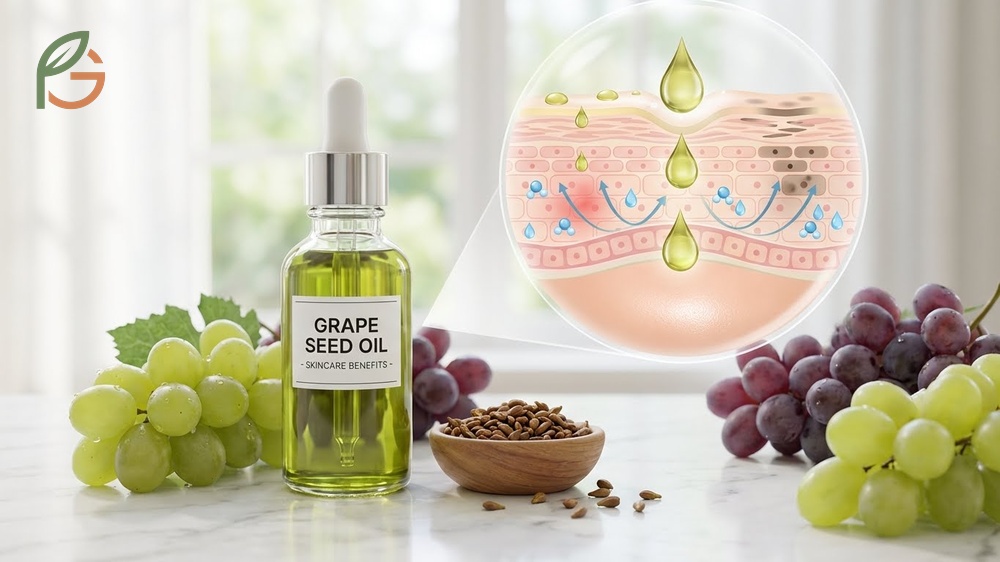
Topical application of grape seed oil produces measurable improvements in skin structure and appearance. A 12-week clinical study found it significantly reduced melanin, erythema, and sebum production while increasing moisture content and elasticity[3]. The oil’s lightweight molecular structure allows deep penetration without leaving greasy residue.
Dermatological research shows grape seed oil supports the skin barrier by preventing transepidermal water loss. It also promotes collagen synthesis and wound healing at the cellular level. Most skin types tolerate it well since it’s non-comedogenic—meaning it won’t block pores like heavier oils can.
Acne and Blemish Control
Grape seed oil’s linoleic acid content makes it particularly effective for acne-prone skin. Studies suggest it can mimic your skin’s natural sebum, helping balance oil production in areas that get too dry or too oily[4]. This balancing effect reduces the conditions where acne bacteria thrive.
The oil also demonstrates antimicrobial properties against acne-causing bacteria. Research indicates vitamin E helps even skin tone and reduces the appearance of blemishes when applied twice daily. You might see improvements in acne scarring within two weeks of consistent use[4].
Apply a few drops to clean skin after washing—the oil absorbs quickly without clogging pores. It works well as a carrier oil when you’re mixing it with essential oils like tea tree for additional antibacterial benefits.
Anti-Aging Effects
The high concentration of proanthocyanidins in grape seed oil provides anti-aging benefits through collagen support and free radical protection. Clinical trials document reductions in fine lines, wrinkles, and age spots with regular use[5]. The vitamin E content protects against photoaging from UV exposure, though it doesn’t replace sunscreen.
Studies show grape seed oil boosts skin elasticity and firmness by stimulating collagen production. It strengthens the skin’s protective barrier, helping it retain moisture more effectively. The antioxidants neutralize environmental stressors like pollution and smoke that accelerate visible aging.
- Reduces appearance of fine lines through improved hydration and elasticity
- Stimulates collagen synthesis to maintain skin firmness and structure
- Lightens hyperpigmentation and age spots by inhibiting melanin production
- Protects against free radical damage from environmental pollutants
- Accelerates wound healing and skin cell regeneration
- Strengthens skin barrier function to prevent moisture loss
Application Tip: For best results, apply grape seed oil to damp skin right after cleansing. This helps lock in moisture while the oil forms a protective barrier. Start with 3-4 drops and add more if needed—a little goes a long way.
Is Grape Seed Oil Good for Hair
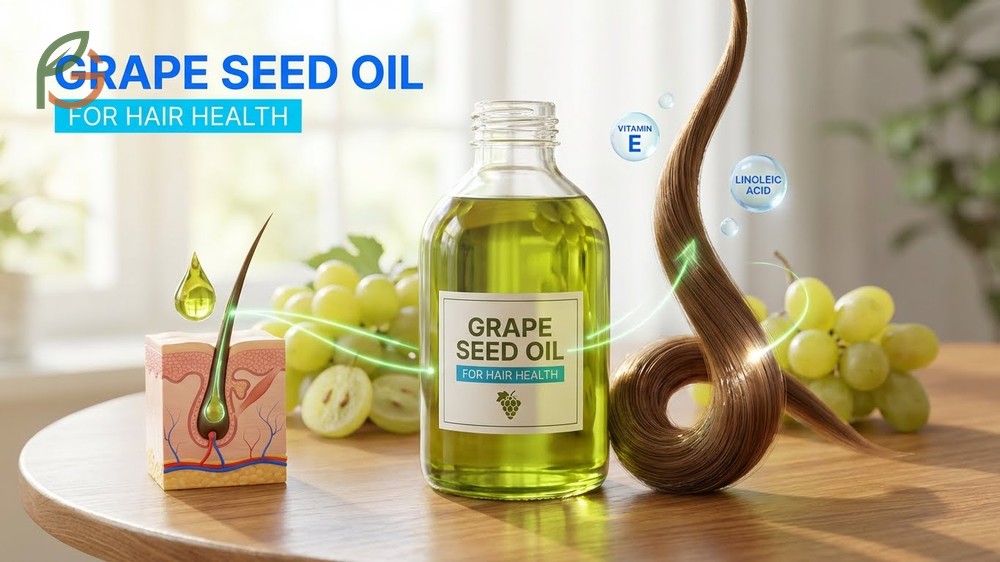
Grape seed oil benefits hair health through its vitamin E content and lightweight structure that penetrates hair shafts effectively. Research shows it regulates sebum production on the scalp, reduces inflammation around hair follicles, and delivers nutrients directly to hair roots. A 2023 study comparing multiple oils found grape seed oil performed best at adding shine to hair strands.
The linoleic acid strengthens hair from the inside by supporting the protein structure. It also improves scalp circulation, which brings more oxygen and nutrients to follicles. You’ll notice it doesn’t weigh hair down like coconut or olive oil can—especially if you’ve got fine or thin hair.
For scalp health, the anti-inflammatory compounds create better conditions for hair growth. The oil’s antimicrobial properties help maintain a balanced scalp microbiome, reducing dandruff and irritation. Studies demonstrate it protects against oxidative stress that can weaken hair follicles over time.
- Penetrates hair shafts deeply without causing buildup or greasiness
- Adds natural shine and smooths split ends temporarily
- Reduces scalp inflammation that can inhibit healthy hair growth
- Provides vitamin E and antioxidants directly to hair follicles
- Balances scalp oil production in both dry and oily areas
To use it, warm 5-10 drops between your palms and massage into your scalp before shampooing. Leave it on for 15-30 minutes to allow absorption. You can also apply a drop or two to damp hair ends as a leave-in treatment to control frizz and protect against heat styling damage.
Hair Type Consideration: If you’ve got thick or coarse hair, you can use more oil and leave it on longer. For fine hair, stick to small amounts and focus on the ends rather than roots to avoid looking greasy.
Cooking with Grape Seed Oil
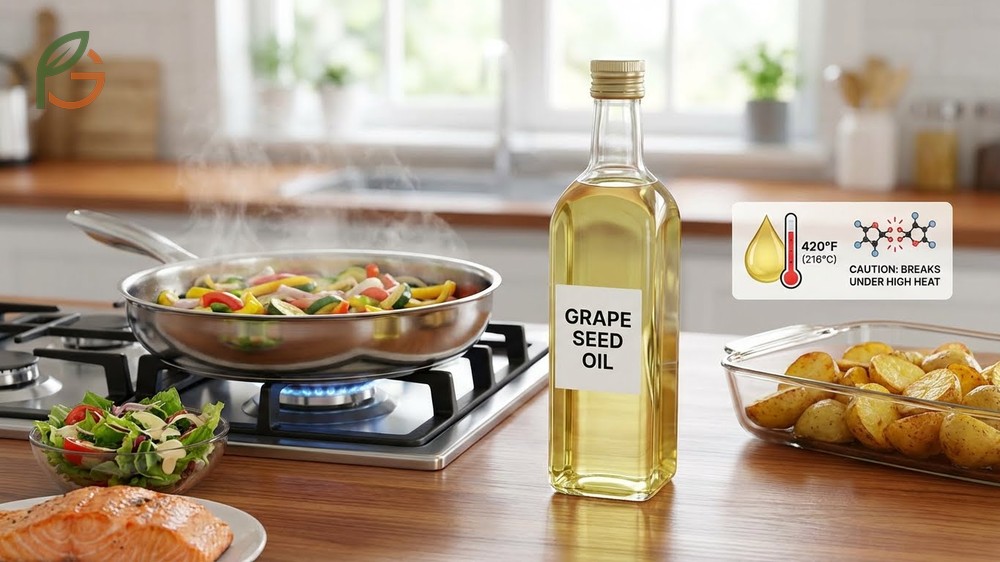
Grape seed oil’s smoke point of 420°F (216°C)[1] makes it suitable for most cooking methods including sautéing, roasting, and baking. The neutral flavor won’t overpower delicate dishes like fish or vegetables. It stays liquid when refrigerated, which makes it convenient for salad dressings and marinades.
However, research indicates the oil isn’t as stable under high heat as the smoke point suggests. Even before it smokes, the polyunsaturated fats can break down and form harmful compounds. This matters more for deep frying or prolonged cooking at high temperatures.
For everyday cooking at moderate heat (under 375°F/191°C), it works well. The light texture and clean taste make it versatile for baking, where you don’t want an olive oil flavor. Just remember that all cooking oils—including this one—deliver the same 120 calories per tablespoon, so portion control still applies.
- Sautéing vegetables or proteins at medium to medium-high heat
- Making vinaigrettes and cold dressings that won’t solidify when chilled
- Baking cakes, muffins, or breads where neutral flavor is preferred
- Roasting vegetables in the oven at 375-400°F (191-204°C)
- Creating herb-infused oils for finishing dishes
[1]. This distinction affects how they impact your health and how you should use them.
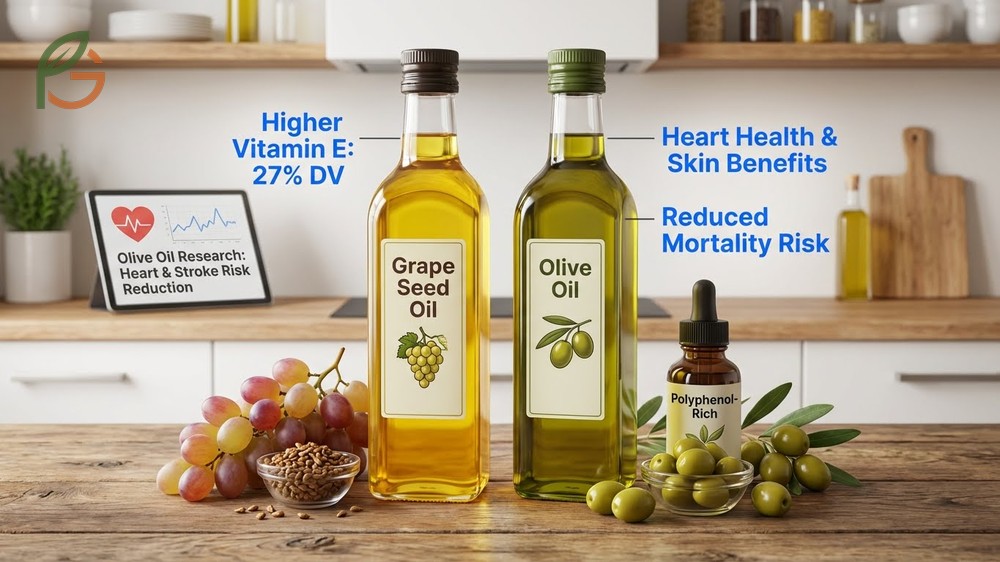
Grape seed oil provides more vitamin E—27% of Daily Value versus olive oil’s 13%[1]. However, extensive research shows olive oil’s monounsaturated fats reduce overall mortality risk by 11%, cardiovascular mortality by 12%, and stroke risk by 17% compared to other fats. Olive oil also contains unique polyphenols not found in grape seed oil.
This table compares nutritional content, fat types, vitamin E levels, smoke points, and best culinary uses between grape seed oil and olive oil per tablespoon serving
| Property | Grape Seed Oil | Olive Oil |
|---|---|---|
| Calories per tbsp | 120[1] | 120[1] |
| Polyunsaturated Fat | 9.5g[1] | 1.4g[1] |
| Monounsaturated Fat | 2.2g[1] | 10g[1] |
| Vitamin E % DV | 27%[1] | 13%[1] |
| Smoke Point | 420°F (216°C)[1] | 375-420°F (191-216°C) |
| Best Uses | High-heat cooking, baking, neutral-flavor dishes | Low-medium heat, finishing, flavor-forward dishes |
For heart health, olive oil’s track record is more established. For skincare, grape seed oil’s lighter texture and higher linoleic acid content give it advantages for acne-prone skin. If you’re cooking at high heat and want neutral flavor, grape seed oil works better. For drizzling over finished dishes or medium-heat cooking where you want flavor, choose olive oil.
Conclusion
The evidence confirms grape seed oil is good for you when you use it strategically. It delivers substantial vitamin E, supports skin health through clinical-proven mechanisms, and works well for specific cooking applications. The key is balancing its omega-6 content with omega-3 sources and choosing cold-pressed varieties when possible for maximum antioxidant benefits.
Current guidance emphasizes using grape seed oil as part of a varied approach rather than relying on it exclusively. FruitGarden recommends pairing it with olive oil for cooking, incorporating fatty fish for omega-3 balance, and experimenting with topical applications for skin and hair where its lightweight structure truly shines.
Medical Disclaimer
Important Medical Disclaimer: This content is for informational and educational purposes only. It’s not intended as a substitute for professional medical advice, diagnosis, or treatment. Always consult a qualified healthcare professional before making any changes to your diet, supplement routine, or skincare regimen, especially if you have allergies, chronic health conditions, or are taking medications that may interact with dietary oils.
Frequently Asked Questions
What is grape seed oil good for?
Grape seed oil works well for cooking at medium-high heat, moisturizing skin without clogging pores, and adding shine to hair. Research shows it provides vitamin E and antioxidants that support skin barrier function and may help reduce cholesterol levels when replacing saturated fats.
Is grape seed oil better than olive oil for cooking?
It depends on your needs. Grape seed oil has a neutral flavor and similar smoke point (420°F/216°C), making it better for baking or dishes where you don’t want an olive taste. However, olive oil contains more monounsaturated fats and has stronger research backing its cardiovascular benefits. Use grape seed oil for high-heat neutral applications and olive oil for flavor and finishing.
Can grape seed oil help with acne?
Yes, grape seed oil can help manage acne because it’s non-comedogenic and high in linoleic acid. Studies show this fatty acid helps balance sebum production and has antimicrobial properties against acne bacteria. You might see improvements in blemishes within two weeks of applying it twice daily to clean skin.
Does grape seed oil have too much omega-6?
Grape seed oil contains about 70% omega-6 fatty acids (linoleic acid), which is high compared to other oils. While omega-6s aren’t inherently bad, most Americans already consume them in excess relative to omega-3s. Balance your intake by eating fatty fish twice weekly or adding flaxseed if you use grape seed oil regularly.
Is cold-pressed grape seed oil worth the extra cost?
Cold-pressed grape seed oil retains more antioxidants, polyphenols, and vitamin E compared to refined versions processed with heat and chemicals. If you’re using it primarily for skincare or low-heat applications where you want maximum nutrients, the extra cost makes sense. For high-heat cooking, the differences become less significant since heat degrades beneficial compounds anyway.
How long does grape seed oil last after opening?
Opened grape seed oil typically lasts 6-12 months when stored in a cool, dark place away from heat and light. Cold-pressed varieties have shorter shelf lives (around 6 months) because they contain more unstable compounds. You’ll know it’s gone rancid if it smells or tastes bitter, musty, or like crayons—discard it at that point.
Can you use grape seed oil on your face every day?
Yes, most people can safely use grape seed oil on their face daily. A 12-week clinical study showed continuous improvements in skin moisture, elasticity, and tone with regular use. Apply 3-4 drops to damp skin after cleansing, morning and night. If you notice any irritation or breakouts, reduce frequency or try patch testing on a small area first.





