

Grapefruit and blood pressure create both benefits and serious risks depending on your medications. Research shows half a grapefruit delivers 166mg potassium[1] and may reduce systolic pressure by 3.21 mm Hg[2], but grapefruit juice blocks CYP3A4 enzymes that metabolize calcium channel blockers, causing dangerous blood pressure drops.[3] What most people don’t realize is that timing doesn’t matter—grapefruit’s effect lasts up to 24 hours after consumption. FruitGarden synthesizes current cardiovascular research to help you navigate grapefruit’s dual nature safely.
Quick Answer
- Half a pink/red grapefruit contains 166mg potassium[1] and 2g fiber that support healthy blood pressure
- Studies show 3.21 mm Hg reduction[2] in systolic blood pressure with daily grapefruit consumption
- Grapefruit blocks CYP3A4 enzymes, increasing blood levels of felodipine, nifedipine, and other calcium channel blockers by up to 200-300%[4]
- Amlodipine (Norvasc) is safer with grapefruit than other calcium channel blockers, but caution is still advised[4]
- ACE inhibitors (lisinopril) and ARBs don’t interact with grapefruit—safe alternatives for blood pressure management[4]
Grapefruit and Blood Pressure
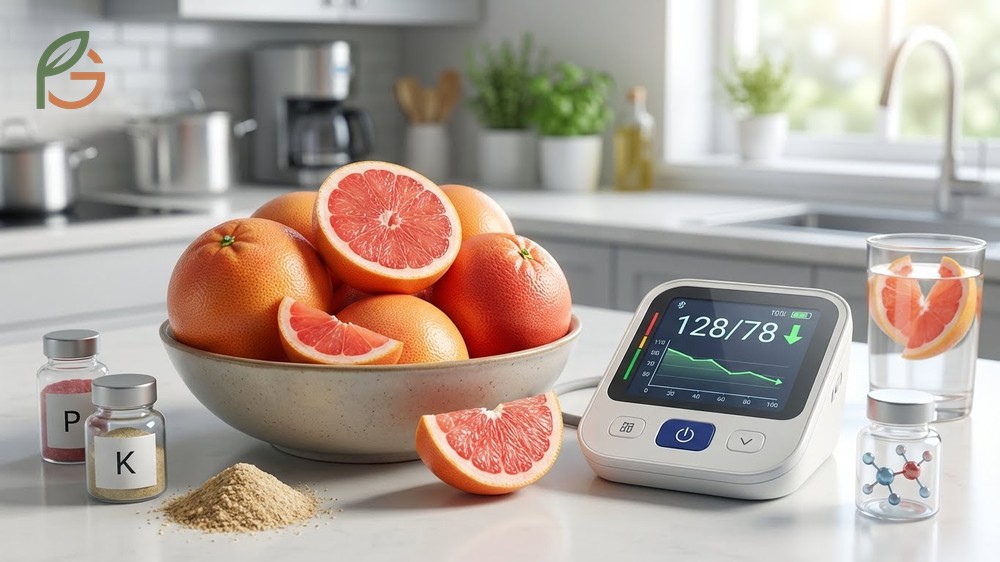
Studies demonstrate that regular grapefruit consumption can reduce systolic blood pressure by 3.21 mm Hg after six weeks.[2] This effect comes from grapefruit’s combination of potassium, fiber, and antioxidants working together. Research involving overweight adults who ate half a Rio-Red grapefruit with each meal showed measurable blood pressure improvements compared to baseline values.
The pink and red grapefruit varieties deliver stronger cardiovascular benefits than white grapefruit. Current data indicates these colored varieties contain higher concentrations of lycopene and other heart-protective compounds. Evidence suggests the effects accumulate over several weeks rather than appearing immediately after consumption.
Most people experience gradual blood pressure reduction when they incorporate grapefruit into a balanced diet. The fruit works best as part of an overall dietary pattern rich in fruits, vegetables, and whole grains. Research shows isolated grapefruit consumption produces modest benefits, but combined with other dietary improvements, the effects become more substantial.
Potassium Content and Benefits
Half a medium grapefruit provides 166mg of potassium,[1] representing about 4% of the 4,700mg daily requirement for adults. Potassium relaxes blood vessel walls and helps your body excrete excess sodium through urine. This mineral also improves muscle function and nutrient absorption throughout your cardiovascular system.
The potassium-sodium balance directly affects blood pressure regulation. Higher potassium intake associates with reduced risk of death from heart disease across multiple population studies. For context, you’d need to eat three grapefruit halves to match the potassium in one medium banana, which contains roughly 450mg.
Fiber and Weight Management
Grapefruit delivers approximately 2g of dietary fiber per half fruit, contributing to satiety and blood pressure control through weight management. High fiber intake correlates with lower blood pressure and cholesterol levels in cardiovascular research. The soluble fiber in grapefruit slows digestion and helps stabilize blood sugar levels throughout the day.
Weight loss of just 5-10 pounds can reduce blood pressure readings by several mm Hg. Grapefruit’s low caloric density—about 52 calories per half—makes it an effective tool for creating the calorie deficit needed for weight loss. Research participants who ate grapefruit regularly consumed fewer overall calories without conscious restriction.
Important Note: Never rely on grapefruit alone to manage high blood pressure. Combining dietary changes with prescribed medications, exercise, and stress management produces the best outcomes for cardiovascular health.
Blood Pressure Medication and Grapefruit
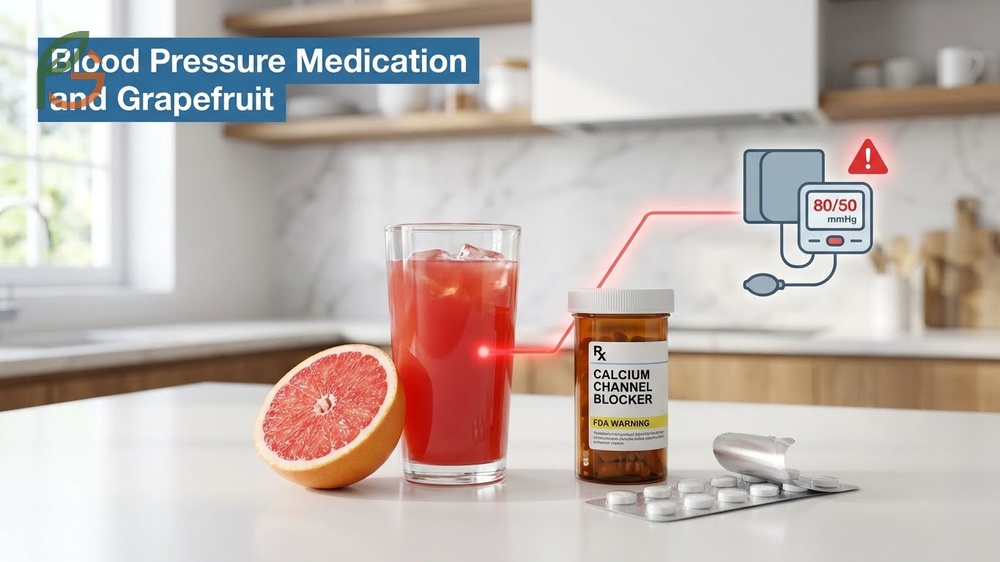
The FDA warns that grapefruit and grapefruit juice can cause dangerous interactions with blood pressure medications, particularly calcium channel blockers.[3] These interactions lead to excessive medication absorption, causing blood pressure to drop too low. Current data shows this isn’t just a theoretical risk—clinical studies document significant adverse effects when patients combine these substances.
Grapefruit juice increases blood levels of certain calcium channel blockers by 200-300% in some cases.[4] This means you’re essentially taking two or three times your prescribed dose. The effect persists for up to 24 hours, so spacing out consumption doesn’t eliminate the risk.
Both fresh grapefruit and juice create this interaction—there’s no safe form. Even one 8-ounce glass of juice can significantly inhibit drug-metabolizing enzymes. Research has identified this interaction affecting all age groups and both sexes equally.
Calcium Channel Blockers Interaction
Felodipine shows the most dramatic interaction with grapefruit among all calcium channel blockers. Studies reveal marked reductions in diastolic blood pressure and heart rate when patients combine felodipine with grapefruit juice.[5] Nifedipine blood levels increase dramatically with just 2 cups of grapefruit juice, resulting in rapid blood pressure drops that can cause dizziness and fainting.
Other problematic calcium channel blockers include nisoldipine, lercanidipine, and nicardipine. These medications rely on CYP3A4 enzymes for breakdown, making them vulnerable to grapefruit’s blocking effect. The consequences range from mild side effects like headaches to severe complications including muscle and kidney damage.
- Felodipine—shows highest interaction risk with up to 300% increased blood levels
- Nifedipine—causes rapid blood pressure drops within hours of grapefruit consumption
- Nisoldipine—significantly affected, avoid all grapefruit products during treatment
- Lercanidipine—moderate to high interaction, requires grapefruit avoidance
- Nicardipine—documented interactions leading to enhanced hypotensive effects
CYP3A4 Enzyme Mechanism
Grapefruit contains compounds that irreversibly bind to CYP3A4 enzymes in your small intestine. These enzymes normally break down many medications before they reach your bloodstream. When grapefruit blocks these enzymes, more medication enters circulation intact, creating higher-than-intended drug levels.
This mechanism involves both competitive inhibition and permanent enzyme destruction. Your body needs 24-72 hours to produce new CYP3A4 enzymes after grapefruit consumption. The blocking effect comes from both flavonoid and non-flavonoid components in the fruit, so removing juice pulp doesn’t eliminate the risk.
Research confirms that just one glass of regular-strength grapefruit juice equals two to three glasses of double-strength concentrate in enzyme inhibition.[5] This means even small amounts create clinically significant effects. The interaction doesn’t diminish with continued grapefruit use like some drug-drug interactions do.
Warning: Seville oranges (used in marmalade), pomelos, and tangelos also inhibit CYP3A4 enzymes. Avoid these citrus fruits alongside grapefruit when taking affected blood pressure medications.
Amlodipine and Grapefruit Juice
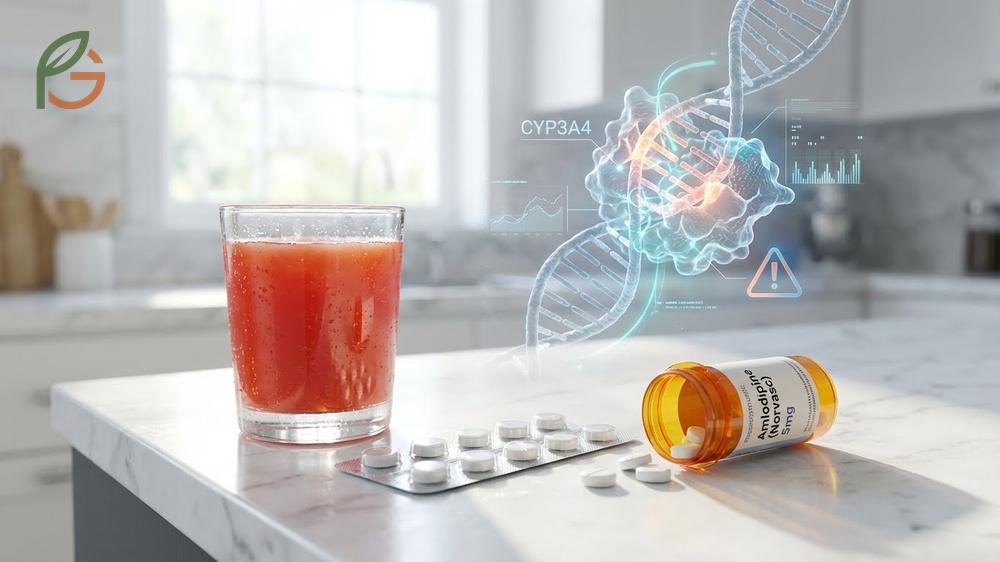
Amlodipine (Norvasc) represents a safer calcium channel blocker option for patients who can’t avoid grapefruit entirely, though interactions still occur.[4] Research shows amlodipine experiences less dramatic blood level increases compared to felodipine or nifedipine. However, doctors still recommend avoiding grapefruit because individual enzyme levels vary significantly between people.
Your genetics determine how many CYP3A4 enzymes you produce naturally. Some people have naturally lower enzyme activity, making them more vulnerable to grapefruit interactions even with “safer” medications like amlodipine. The side effects—dizziness, headaches, vomiting, and joint pain—can still occur when amlodipine levels rise too high.
Healthcare providers who prescribe amlodipine should discuss the grapefruit interaction during initial consultations. Evidence suggests that patients who understand the mechanism comply better with dietary restrictions. If you’re currently taking amlodipine and regularly consuming grapefruit, consult your doctor before making changes to either.
- Dizziness and lightheadedness from excessive blood pressure lowering
- Severe headaches caused by rapid vasodilation
- Nausea and vomiting from elevated drug concentrations
- Joint pain and muscle aches in severe cases
- Fatigue and weakness throughout the day
- Potential liver, muscle, and kidney damage with prolonged high levels
Safe Blood Pressure Medications with Grapefruit
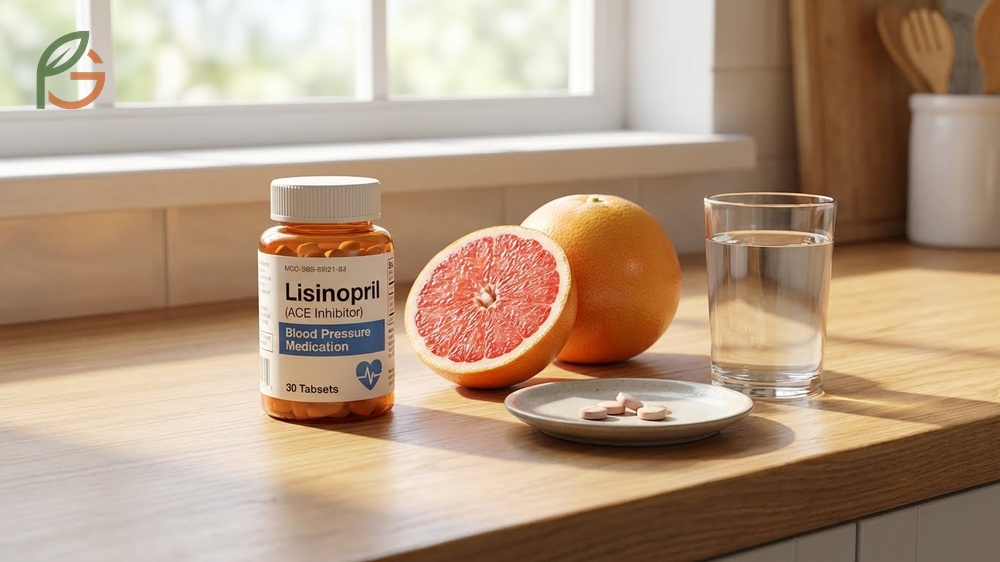
ACE inhibitors like lisinopril (Zestril) don’t interact with grapefruit and provide effective blood pressure control without dietary restrictions.[4] These medications work by blocking angiotensin-converting enzyme, a different mechanism than calcium channel blockers. Patients can safely consume grapefruit while taking lisinopril, enalapril, ramipril, or other ACE inhibitors.
Angiotensin receptor blockers (ARBs) also avoid grapefruit interactions, with one important exception. Losartan actually works less effectively when combined with grapefruit—the opposite problem from most interactions. Most other ARBs like valsartan, telmisartan, and irbesartan don’t interact with grapefruit at all.
Thiazide diuretics such as hydrochlorothiazide process through different metabolic pathways unaffected by grapefruit. Beta-blockers like metoprolol and atenolol similarly avoid CYP3A4 metabolism. Discuss these alternatives with your healthcare provider if you want to maintain grapefruit in your diet while managing blood pressure.
This table compares blood pressure medication classes, their interaction status with grapefruit, and recommended alternatives for safe use
| Medication Class | Grapefruit Interaction | Examples | Safe Alternative |
|---|---|---|---|
| Calcium Channel Blockers | High Risk—avoid grapefruit | Felodipine, nifedipine, nisoldipine | Amlodipine (lower risk) or switch classes |
| ACE Inhibitors | No interaction—safe | Lisinopril, enalapril, ramipril | Grapefruit consumption allowed |
| ARBs | Minimal (losartan reduced effectiveness) | Valsartan, telmisartan, losartan | Use non-losartan ARBs with grapefruit |
| Thiazide Diuretics | No interaction—safe | Hydrochlorothiazide, chlorthalidone | Grapefruit consumption allowed |
| Beta-Blockers | No interaction—safe | Metoprolol, atenolol, carvedilol | Grapefruit consumption allowed |
Grapefruit for High Blood Pressure
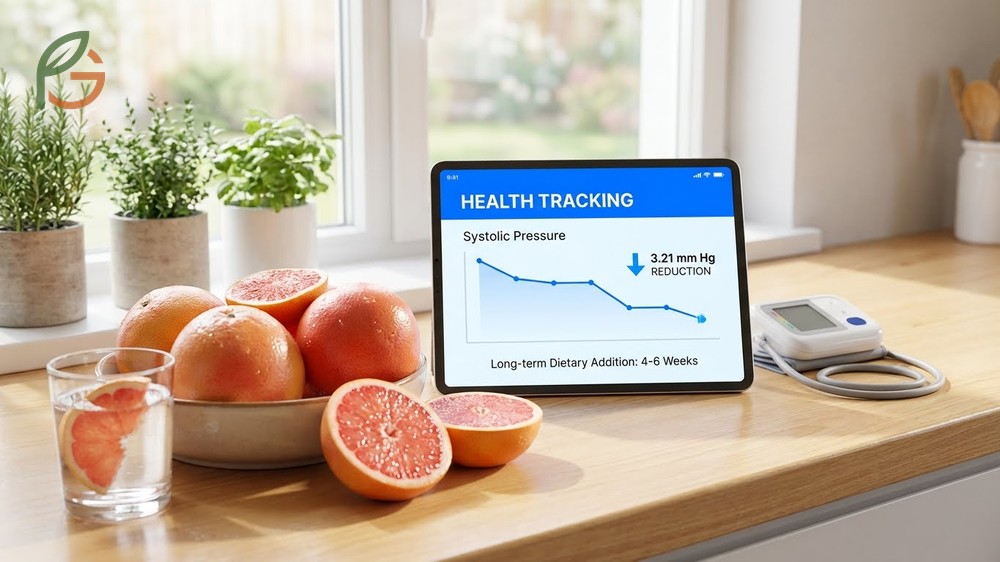
Research supports adding grapefruit to your diet if you have high blood pressure and aren’t taking interacting medications. The 3.21 mm Hg systolic reduction documented in clinical trials represents meaningful progress toward blood pressure goals.[2] Studies show effects become apparent after 4-6 weeks of daily consumption, suggesting grapefruit works best as a long-term dietary addition.
Pink and red grapefruit varieties deliver superior benefits compared to white varieties for cardiovascular health. These colored types contain higher lycopene concentrations and other bioactive compounds. Evidence indicates consuming half a grapefruit with each meal—breakfast, lunch, and dinner—produces optimal results.
Combining grapefruit with other potassium-rich foods amplifies blood pressure benefits. The American Heart Association recommends 4,700mg daily potassium for adults with hypertension. Since grapefruit alone doesn’t meet this target, pair it with bananas, sweet potatoes, spinach, and white beans throughout the day.
- Choose pink or red grapefruit varieties over white for maximum lycopene and antioxidants
- Eat half a fresh grapefruit with meals three times daily for consistent results
- Verify your blood pressure medications don’t interact before starting regular consumption
- Combine with other high-potassium foods to reach 4,700mg daily recommendation
- Monitor your blood pressure weekly to track improvements over 4-6 weeks
- Maintain grapefruit consumption long-term as effects accumulate gradually
- Include fiber-rich foods alongside grapefruit for additional cardiovascular benefits
Timing Tip: Eating grapefruit at breakfast provides the most satiety benefits, helping reduce overall calorie intake throughout the day. This supports weight management, which independently improves blood pressure.
Conclusion
The evidence is clear: grapefruit and blood pressure form a complex relationship where natural benefits clash with serious medication risks. Current guidance emphasizes verifying your specific blood pressure medications before adding grapefruit to your diet. If you’re taking felodipine, nifedipine, or similar calcium channel blockers, complete grapefruit avoidance remains essential to prevent dangerous blood pressure drops.
For patients on ACE inhibitors, ARBs (except losartan), or other non-interacting medications, half a pink grapefruit three times daily can meaningfully support blood pressure management. FruitGarden’s analysis of cardiovascular research confirms grapefruit delivers measurable benefits when used appropriately within comprehensive hypertension treatment plans that include medication, exercise, and dietary improvements.
Medical Disclaimer
Important Medical Disclaimer: This content is for informational and educational purposes only. It is not intended as a substitute for professional medical advice, diagnosis, or treatment. Always consult a qualified healthcare professional before making any changes to your diet, medication, or health routine, especially if you have hypertension or take blood pressure medications. Never stop or modify prescribed medications without direct supervision from your doctor. Individual medication interactions vary based on dosage, metabolism, and other factors that only your healthcare provider can properly assess.
Frequently Asked Questions
Does Grapefruit Lower Blood Pressure?
Yes, studies show grapefruit lowers systolic blood pressure by approximately 3.21 mm Hg after six weeks of daily consumption.[2] This effect comes from the fruit’s 166mg potassium content per half fruit and 2g fiber that support cardiovascular function. Pink and red varieties deliver stronger benefits than white grapefruit due to higher antioxidant concentrations.
Why Can’t You Have Grapefruit with Blood Pressure Medicine?
Grapefruit blocks CYP3A4 enzymes that metabolize calcium channel blockers, causing drug levels to increase by 200-300% in your bloodstream.[4] This excessive medication absorption drops blood pressure dangerously low, causing dizziness, fainting, and potentially serious cardiovascular complications. The FDA warns this interaction persists for up to 24 hours after consuming grapefruit.[3]
Which Blood Pressure Medications Interact with Grapefruit?
Calcium channel blockers including felodipine, nifedipine, nisoldipine, lercanidipine, and nicardipine show high interaction risk with grapefruit. Research identifies felodipine as having the most dramatic interaction, with marked blood pressure reductions documented in clinical studies.[5] ACE inhibitors like lisinopril and most ARBs don’t interact, making them safe alternatives for patients who want to consume grapefruit.
Is Grapefruit Good for High Blood Pressure?
Grapefruit is good for high blood pressure only if you’re not taking interacting medications. The fruit provides potassium, fiber, and antioxidants that support cardiovascular health and can reduce systolic pressure by 3-3.21 mm Hg over six weeks. However, this benefit completely reverses if grapefruit causes dangerous interactions with your blood pressure medication. Always verify medication compatibility with your doctor before adding grapefruit to your diet.
Can I Eat Grapefruit if I Take Amlodipine?
Amlodipine shows lower interaction risk than other calcium channel blockers, but caution is still necessary.[4] Individual enzyme levels vary significantly between people, making some patients more vulnerable to interactions even with amlodipine. Discuss grapefruit consumption with your prescribing doctor, who can assess your specific risk factors and potentially adjust your dose or switch medications if needed.
How Much Grapefruit Is Safe with Blood Pressure Medication?
No amount of grapefruit is safe with high-risk calcium channel blockers like felodipine or nifedipine—complete avoidance is necessary. Research shows just one 8-ounce glass of grapefruit juice significantly inhibits CYP3A4 enzymes.[5] Spacing consumption doesn’t help because the enzyme-blocking effect lasts 24-72 hours. For medications without interactions (ACE inhibitors, most ARBs, diuretics), unlimited grapefruit consumption is safe.
Will Grapefruit Lower Blood Pressure Immediately?
No, grapefruit’s blood pressure benefits accumulate gradually over 4-6 weeks rather than working immediately. Studies documenting the 3.21 mm Hg reduction measured effects after six weeks of daily consumption with three meals.[2] However, if you take calcium channel blockers, grapefruit can cause dangerous immediate blood pressure drops within hours through drug interactions—requiring emergency medical attention in severe cases.





