
Grapefruit benefits for skin include natural brightening, collagen production, and acne control. Research shows this citrus fruit delivers high vitamin C levels that inhibit melanin production and fade dark spots[1]. Pink grapefruit varieties contain lycopene and beta-carotene that reduce inflammation while slowing skin aging[2]. FruitGarden synthesizes current botanical research to help gardeners understand how homegrown citrus fruits translate into skincare benefits.
Quick Answer
- Vitamin C in grapefruit promotes collagen production and brightens skin tone[3]
- Natural AHAs provide gentle exfoliation that reveals fresher, more even skin[4]
- Lycopene and beta-carotene reduce redness while combating hyperpigmentation[2]
- Antibacterial properties fight acne-causing bacteria naturally
Grapefruit Benefits for Skin
Studies demonstrate that grapefruit’s bioactive compounds deliver multiple skin benefits through different mechanisms. The fruit contains vitamin C, natural acids, and carotenoids that work together to improve complexion. These nutrients support cellular renewal while protecting against environmental damage.
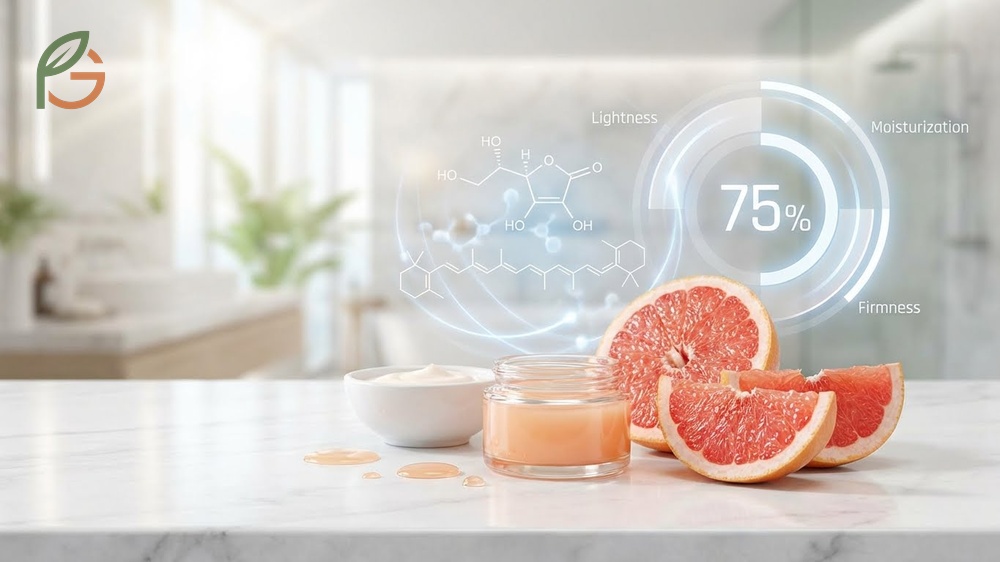
Research on grapefruit and rosemary extract combinations shows over 75% of patients reported improvements in skin lightness, moisturization, and firmness[5]. What’s often overlooked is how pink grapefruit varieties offer higher antioxidant levels than white varieties. This matters because lycopene and beta-carotene concentrations determine anti-inflammatory potency.
Most people don’t realize that timing affects how well your skin absorbs these nutrients. Morning application of grapefruit-based products aligns with your skin’s natural repair cycle. The citric acid content gently removes dead cells while vitamin C penetrates deeper layers.
Vitamin C Collagen Boost
Vitamin C acts as a cofactor in collagen synthesis reactions. It stabilizes collagen molecules and promotes their cross-linking in dermal tissue. This process maintains skin elasticity and reduces fine line formation.
Research confirms that vitamin C inhibits tyrosinase, the enzyme responsible for melanin production[6]. Unlike synthetic ascorbic acid, grapefruit’s natural vitamin C comes packaged with bioflavonoids that enhance absorption. You’ll get better results when these compounds work synergistically.
Natural Skin Brightening
Grapefruit’s brightening effects stem from multiple active ingredients working simultaneously. Vitamin C blocks melanin while alpha-hydroxy acids exfoliate pigmented cells. This dual action creates visible improvements faster than single-ingredient products.
Clinical observations show that consistent use reduces hyperpigmentation and dark spots within 4-6 weeks[4]. The natural acids promote cell turnover in the basal layer where melanocytes reside. This reveals fresh skin cells with more even pigmentation.
Important Note: Grapefruit contains photosensitizing compounds called furanocoumarins. Apply grapefruit-based products in the evening or use broad-spectrum SPF 30+ during daytime application to prevent sun sensitivity.
Skin Health Grapefruit
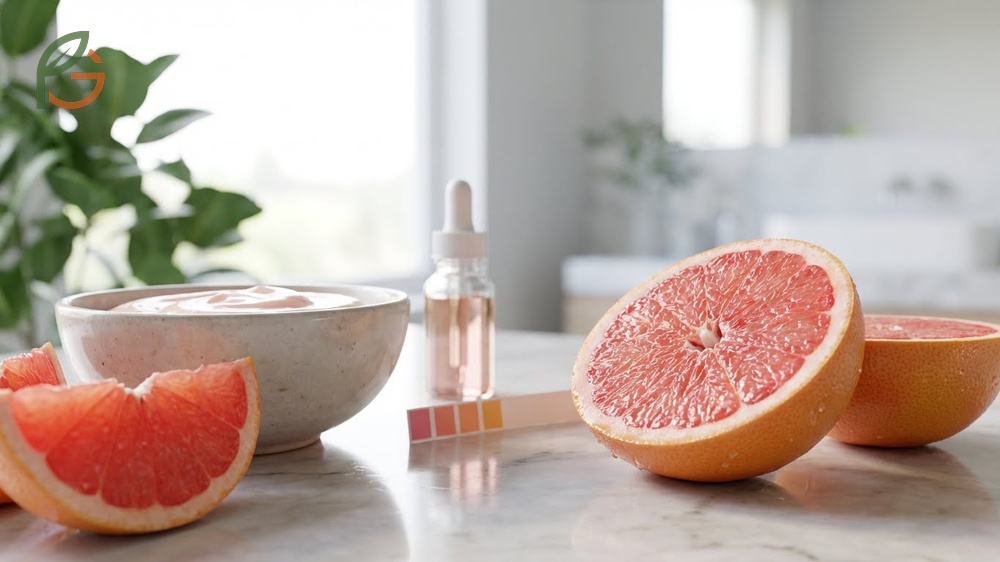
Current data indicates grapefruit supports overall skin health through antioxidant activity and pH balance. The fruit’s natural acidity (pH 3.0-3.5) helps restore skin’s protective acid mantle. This barrier function prevents moisture loss and bacterial invasion.
Pink grapefruit delivers superior skin benefits compared to white varieties. It contains lycopene that guards against sun-induced damage and reduces inflammation[2]. Beta-carotene slows aging at the cellular level while improving existing hyperpigmentation. These carotenoids can’t be synthesized by your body, so topical or dietary sources matter.
Antioxidant Protection
Free radicals from UV exposure, pollution, and metabolic processes damage skin cells daily. Grapefruit’s antioxidants neutralize these reactive molecules before they cause oxidative stress. This protection reduces wrinkle formation and maintains skin density.
Evidence suggests that grapefruit peel extracts show higher antioxidant capacity than juice alone[7]. The peel contains concentrated flavonoids like naringin and hesperidin. These compounds work alongside vitamin C to provide comprehensive antioxidant coverage.
- Vitamin C (ascorbic acid) – neutralizes free radicals and regenerates vitamin E
- Lycopene – protects against UV damage and reduces inflammation markers
- Beta-carotene – converts to vitamin A for cell renewal and repair
- Naringin – flavonoid that enhances other antioxidants’ effectiveness
- Limonene – terpene with anti-inflammatory and wound-healing properties
Anti-Inflammatory Effects
Chronic inflammation accelerates skin aging and worsens conditions like acne and rosacea. Grapefruit’s bioactive compounds reduce inflammatory cytokines in skin tissue. Limonene shows particular promise for soothing irritated skin and reducing redness.
Research demonstrates that higher vitamin C intake correlates with improved inflammatory skin conditions. The antioxidants calm immune responses while promoting tissue repair. You’ll notice reduced puffiness and more even skin tone with regular use.
Skin Type Consideration: If you’re dealing with very sensitive or compromised skin barriers, dilute grapefruit products or start with lower concentrations. The natural acids can be too strong for freshly exfoliated or irritated skin.
Vitamin C Skin
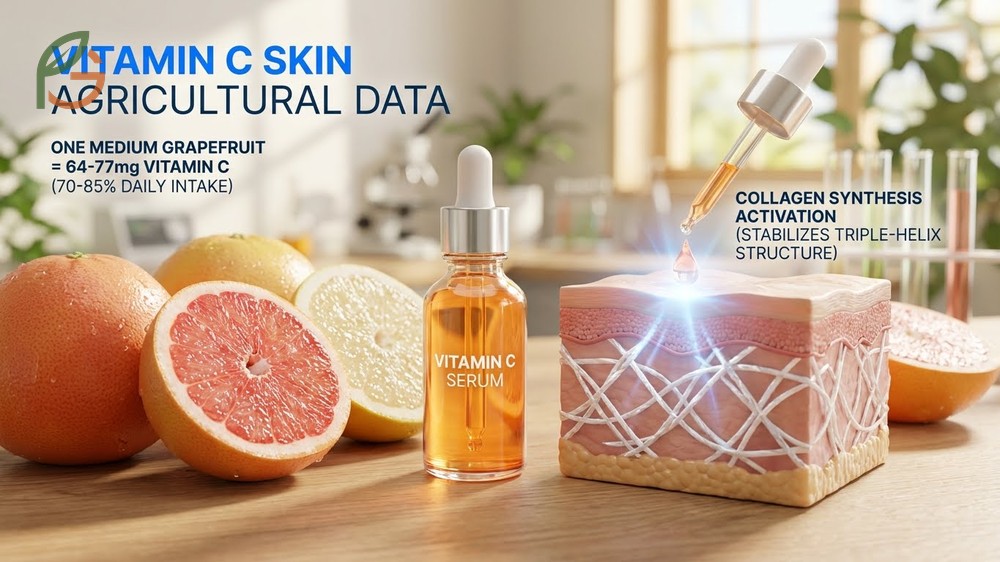
Agricultural data shows that one medium grapefruit provides approximately 64-77mg of vitamin C, depending on variety and ripeness. This represents 70-85% of daily recommended intake. While eating grapefruit supports overall health, topical application delivers higher concentrations directly to skin cells.
Vitamin C promotes collagen synthesis by activating enzymes that stabilize collagen’s triple-helix structure[3]. This protein comprises 75-80% of your skin’s dry weight. As we age, collagen production decreases by roughly 1% annually after age 20. Vitamin C supplementation—both dietary and topical—helps offset this decline.
The bioavailability of grapefruit’s vitamin C remains stable when the fruit is fresh. However, heat, light, and oxygen exposure degrade ascorbic acid rapidly. Store grapefruit-infused products in opaque containers away from direct sunlight. Use homemade treatments within 3-5 days for maximum potency.
- Fresh grapefruit juice face masks – apply for 5-10 minutes before rinsing
- Grapefruit essential oil mixed with carrier oils – 2-3 drops per tablespoon
- Commercial serums containing grapefruit extract – typically 5-15% concentration
- Grapefruit-infused toners – balances pH after cleansing
- DIY grapefruit sugar scrubs – combines exfoliation with vitamin C delivery
- Grapefruit peel powder in face masks – concentrated bioactive compounds
Grapefruit Skin Care
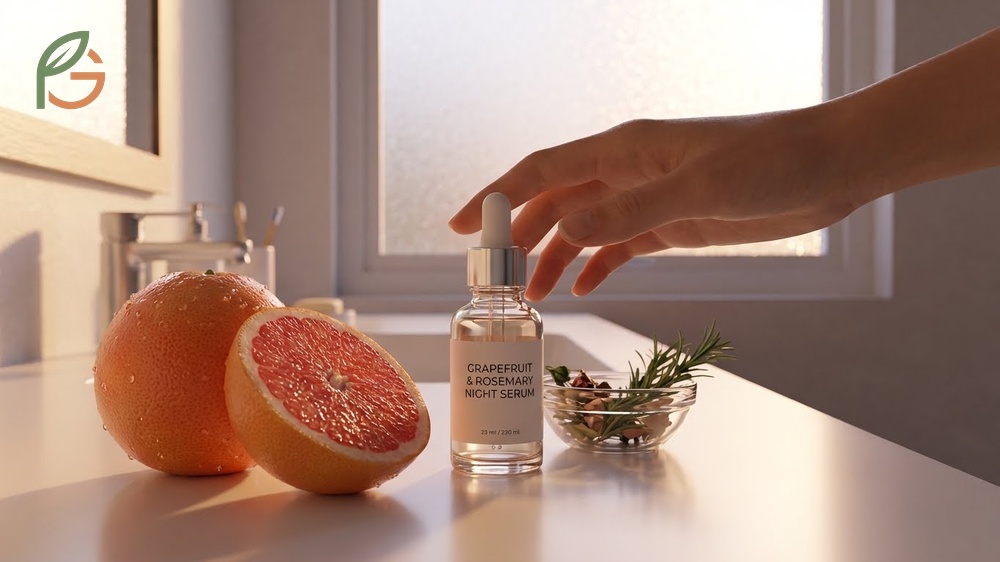
Incorporating grapefruit into your skincare routine requires understanding proper application methods and timing. The fruit’s natural acids make it most effective as a treatment step rather than a daily cleanser. Evening application works best because it allows active ingredients to work overnight without sun exposure risks.
Evidence indicates that grapefruit extract works well in combination with other botanicals. Rosemary and grapefruit pairings show enhanced photoprotective effects compared to either ingredient alone[8]. This synergy happens because different antioxidants target different free radical types. Combining them provides broader protection.
This table compares grapefruit skincare application methods, showing recommended usage frequency and primary benefits for each method
| Method | Frequency | Primary Benefit | Best For |
|---|---|---|---|
| Fresh juice mask | 2-3x weekly | Brightening, vitamin C boost | Dull or uneven skin tone |
| Essential oil blend | Daily (evening) | Antioxidant protection | Anti-aging routines |
| Peel powder mask | 1-2x weekly | Deep exfoliation | Congested or textured skin |
| Extract serum | Daily | Sustained brightening | Hyperpigmentation |
| Infused toner | Daily | pH balance, prep | All skin types |
Most people find that patch testing prevents adverse reactions. Apply a small amount of diluted grapefruit product to your inner wrist or behind your ear. Wait 24 hours to check for redness, itching, or irritation. This precaution matters especially if you have sensitive skin or citrus allergies.
- Cleanse face with gentle, pH-balanced cleanser to remove makeup and impurities
- Apply grapefruit toner with cotton pad using upward sweeping motions
- Wait 2-3 minutes for toner to fully absorb before next step
- Apply grapefruit serum or oil blend to target areas or entire face
- Follow with moisturizer to lock in active ingredients and hydration
- Use SPF 30+ sunscreen the next morning, even on cloudy days
- Limit grapefruit treatments to 3-4x weekly initially, adjusting based on skin response
Anti Aging Grapefruit
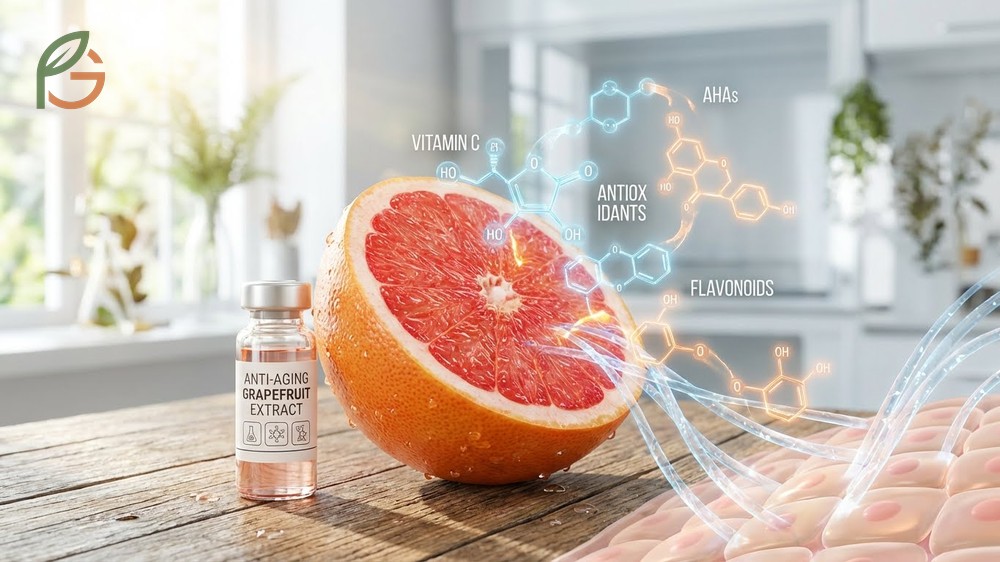
The anti-aging effects of grapefruit stem from its ability to combat multiple aging mechanisms simultaneously. Vitamin C stimulates collagen production while antioxidants prevent collagen breakdown. AHAs promote cell turnover that reveals younger-looking skin. This multi-pronged approach delivers more noticeable results than targeting just one pathway.
Research on citrus flavonoids confirms their anti-aging properties through reduced oxidative stress markers[9]. These compounds activate cellular defense systems that repair DNA damage. They also regulate inflammatory responses that would otherwise accelerate aging. You’re essentially supporting your skin’s natural repair mechanisms.
Pink grapefruit’s beta-carotene content provides additional anti-aging benefits. This provitamin A compound converts to retinol in your body, supporting cell renewal. It reduces fine lines and improves skin texture without the irritation synthetic retinoids sometimes cause. The effect builds gradually over 8-12 weeks of consistent use.
Realistic Expectations: While grapefruit offers genuine anti-aging benefits, it won’t replace professional treatments for deep wrinkles or significant sagging. Think of it as preventive maintenance and gradual improvement rather than dramatic transformation.
The natural salicylic acid in grapefruit provides another anti-aging advantage. This beta-hydroxy acid penetrates pores to clear debris and prevent breakouts. Clean pores look smaller and skin appears smoother. It’s particularly useful for mature skin that still experiences occasional breakouts.
Conclusion
The evidence is clear: grapefruit benefits for skin extend beyond simple brightening to comprehensive care that addresses aging, pigmentation, and overall health. Research demonstrates that vitamin C, natural acids, and antioxidants work synergistically to improve skin quality. Current guidance emphasizes consistent, proper application with sun protection for optimal results.
Whether you’re growing grapefruit in your garden or purchasing it fresh, this citrus fruit offers accessible skincare benefits. FruitGarden continues to explore how homegrown fruits translate into practical beauty applications for health-conscious gardeners.
Medical Disclaimer
Important Medical Disclaimer: This content is for informational and educational purposes only. It isn’t intended as a substitute for professional medical advice, diagnosis, or treatment. Always consult a qualified healthcare professional or dermatologist before making changes to your skincare routine, especially if you have sensitive skin, allergies, medical conditions, or take medications that interact with citrus. Grapefruit can cause photosensitivity and may interact with certain medications.
Frequently Asked Questions
Can grapefruit really lighten dark spots?
Yes, grapefruit’s vitamin C inhibits tyrosinase, the enzyme that produces melanin, which causes dark spots. The natural AHAs also exfoliate pigmented skin cells to reveal brighter skin underneath. You’ll typically see noticeable improvements in 4-6 weeks with consistent use, though results vary based on spot severity and skin type.
Is grapefruit safe for sensitive skin?
Grapefruit can be too acidic for very sensitive skin, especially in concentrated forms. Start with heavily diluted products or short contact times (2-3 minutes) before rinsing. If you experience burning, excessive redness, or irritation, discontinue use. Those with citrus allergies should avoid grapefruit skincare products entirely.
How does pink grapefruit differ from white for skin benefits?
Pink grapefruit contains lycopene and higher beta-carotene levels that white varieties lack. These additional antioxidants provide superior anti-inflammatory effects and better protection against UV-induced damage. Both types offer vitamin C and AHAs, but pink grapefruit delivers more comprehensive anti-aging benefits for most people.
Can I use grapefruit on my face every day?
Daily use depends on the product concentration and your skin’s tolerance. Diluted toners or low-concentration commercial serums can typically be used daily. However, fresh juice masks or high-concentration treatments should be limited to 2-3 times weekly to prevent over-exfoliation. Always follow with sunscreen during daytime use.
Does grapefruit help with acne?
Grapefruit’s natural salicylic acid and antibacterial properties help fight acne-causing bacteria and unclog pores. The anti-inflammatory compounds reduce redness and swelling associated with breakouts. However, it’s not strong enough for severe acne—those cases require dermatologist-prescribed treatments. It works best for mild to moderate occasional breakouts.
Will grapefruit make my skin more sensitive to sun?
Yes, grapefruit contains furanocoumarins that increase photosensitivity for 24-48 hours after application. This means your skin burns more easily in sunlight. Always apply broad-spectrum SPF 30+ sunscreen after using grapefruit products, or use them exclusively in evening routines. This precaution prevents sunburn and hyperpigmentation.
How long does it take to see results from grapefruit skincare?
You’ll typically notice initial brightening effects within 2-3 weeks of consistent use. More significant improvements in dark spots, texture, and fine lines appear around 6-8 weeks. Anti-aging benefits from increased collagen production become visible after 10-12 weeks. Results depend on product concentration, application frequency, and individual skin response rates.





