
Grape seed extract benefits include powerful cardiovascular support, anti-aging skin effects, and weight management assistance. Research demonstrates that proanthocyanidin-rich grape seed extract provides benefits against inflammation, cardiovascular disease, hypertension, diabetes, and oxidative stress[1]. FruitGarden synthesizes current nutritional research to help you understand how this grape-derived supplement supports whole-body wellness.
Quick Answer
- Reduces diastolic blood pressure in clinical studies with 1,080 participants[2]
- Improves skin hydration and reduces wrinkle depth significantly in 12-week trials[3]
- Contains oligomeric proanthocyanidins that inhibit fat-metabolizing enzymes[1]
- Safe dosage ranges from 150-475 mg daily for most health applications[4]
Grape Seed Extract Benefits
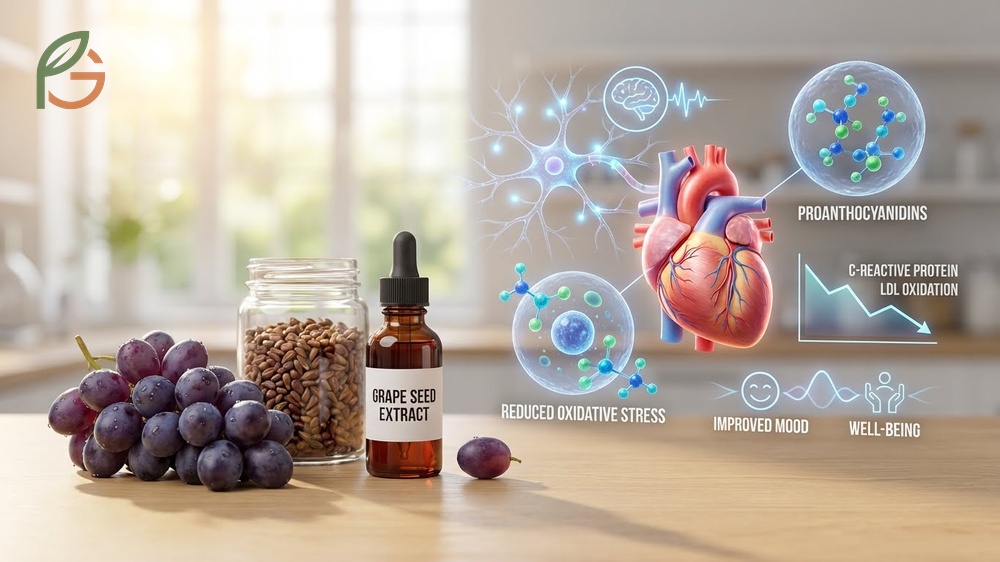
Studies demonstrate that grape seed extract delivers cardiovascular, neurological, and metabolic benefits through its high proanthocyanidin content. The extract reduces oxidative stress markers and C-reactive protein levels across multiple clinical trials[1]. These compounds work by inhibiting LDL oxidation, improving endothelial function, and reducing platelet aggregation.
Research shows grape seed extract positively modulates mood related to stress perception while benefiting endothelial functionality[5]. The extract’s free radical scavenging abilities protect cells from damage and support healthy inflammatory response. Current data indicates grape seed extract can minimize fat accumulation in adipose tissue by inhibiting pancreatic lipase and lipoprotein lipase[1].
What Is Grape Seed Extract
Grape seed extract comes from the seeds of Vitis vinifera, the wine grape. It’s a byproduct of winemaking companies, making it easily accessible and sustainable. The extract concentrates oligomeric proanthocyanidins (OPCs), which are flavonoid compounds with potent antioxidant properties.
The leaves and fruit of grapes have been used medicinally since ancient Greece. Modern extraction processes crush the seeds and use solvents to isolate active compounds through specific temperature and purification steps. Quality supplements standardize OPC content to 70-85% to ensure consistent benefits.
Antioxidants in Grape Seeds
Grape seeds contain oligomeric proanthocyanidins that provide stronger antioxidant activity than vitamins C and E. These compounds are less polymerized than those in pine bark extract, making them highly bioavailable. The OPCs absorb in the gastrointestinal tract and enter the bloodstream rapidly.
Evidence suggests grape seed extract protects cells from oxidative damage by neutralizing free radicals. The extract also contains small amounts of resveratrol and phenolic acids. These components work synergistically to reduce oxidative stress biomarkers and support cellular health[1].
- Oligomeric proanthocyanidins (OPCs) – primary active compounds
- Resveratrol – polyphenol with cardiovascular benefits
- Phenolic acids – contribute to anti-inflammatory effects
- Flavonoids – support vascular health and circulation
- Catechins – protect against cellular oxidative damage
Grape Seed Extract Benefits for Skin
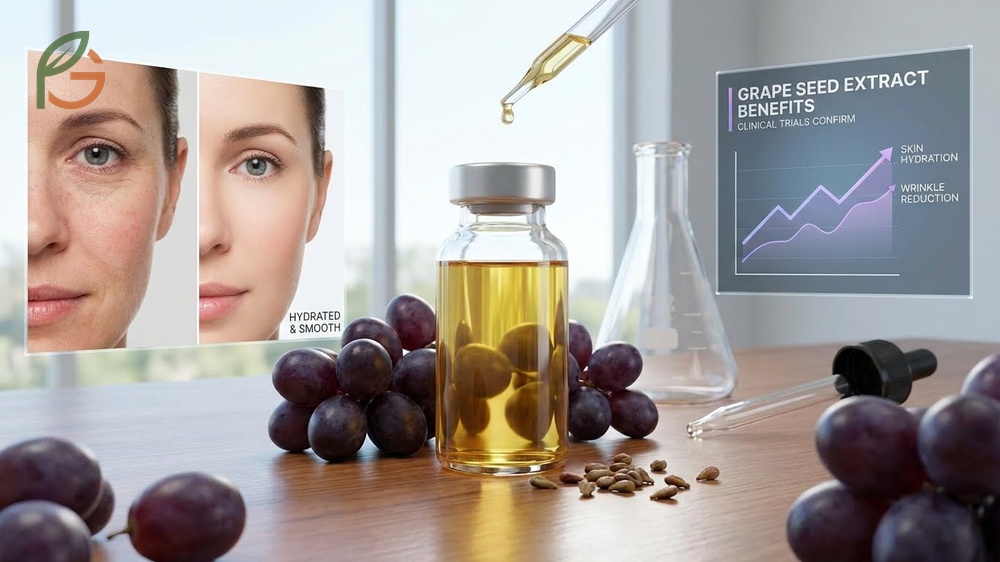
Clinical trials reveal that grape seed extract significantly improves skin hydration, reduces wrinkle depth, and decreases erythema (redness). A 12-week study with 40 women found statistically significant improvements in skin hydration with large effect sizes[3]. The extract showed visible reduction in crow’s feet and lateral canthal lines around the eyes.
Research demonstrates grape-derived polyphenols protect skin from UV damage, reduce inflammation, and stimulate collagen production. When delivered through nano-carriers like hyalurosomes, the active compounds increase keratinocyte cell viability by up to 144%[3]. This suggests both safety and potential to stimulate cell regeneration.
The reduction in skin redness reflects anti-inflammatory effects, while increased hydration and decreased trans-epidermal water loss demonstrate enhanced moisture retention and barrier function. Studies confirm reduced pH, wrinkles, dark circles, and skin blemishes with regular use[6].
Anti-Aging Effects
Grape seed extract combats visible signs of aging through multiple mechanisms. The proanthocyanidins neutralize free radicals that break down collagen and elastin fibers in skin. This protection maintains skin elasticity and firmness as you age.
Current data shows participants using grape seed extract serums twice daily experience softening of fine lines after 12 weeks. The extract protects skin cells from oxidative stress while promoting their growth. Most people notice improvements in skin texture, tone, and overall appearance within 8-12 weeks of consistent use.
Important Note: Grape seed extract works best when applied topically in combination with oral supplementation. The dual approach provides both systemic antioxidant support and direct skin surface benefits for optimal anti-aging results.
Collagen Protection
Proanthocyanidins strengthen collagen-based tissues by increasing collagen cross-links. Studies prove they can enhance collagen integrity and prevent enzymatic breakdown. The compounds selectively bind to collagen and elastin, protecting these structural proteins from degradation.
Evidence indicates grape seed extract promotes collagen synthesis while defending existing collagen from damage. This dual action maintains skin structure and reduces sagging. The extract’s ability to protect collagen extends beyond skin to support joint health and vascular integrity throughout the body.
Grape Seed Extract Health Benefits
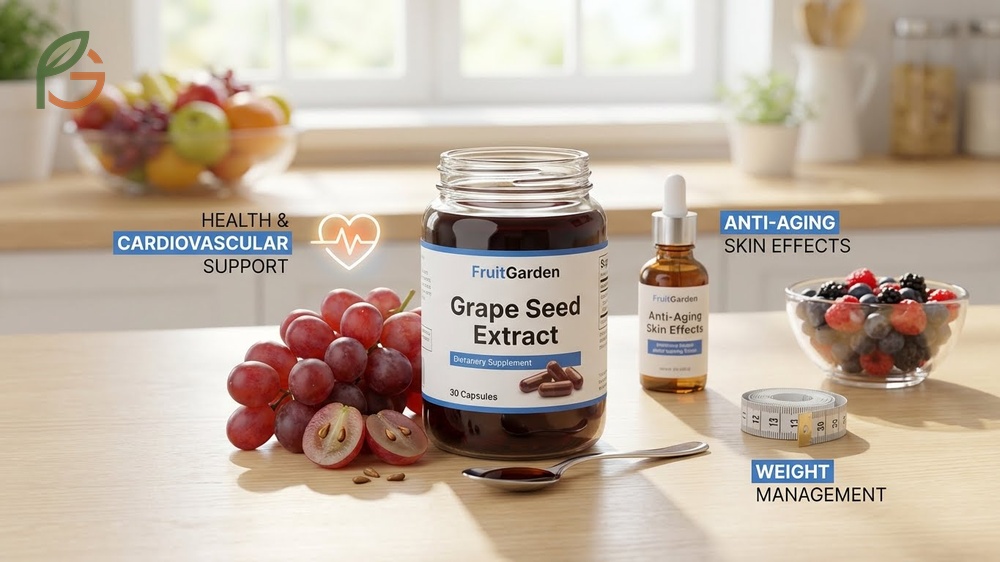
Grape seed extract delivers comprehensive cardiovascular protection through multiple pathways. Research confirms it reduces the risk of cardiovascular disease by inhibiting LDL oxidation, improving endothelial function, reducing inflammation, and lowering blood pressure[1]. The extract also prevents cell senescence by activating protective proteins.
Studies demonstrate grape seed extract improves brain memory, decreases protein carbonyl levels, and reduces reactive oxygen species production. Oral and intravenous administration of procyanidins significantly inhibits thrombus formation in animal models[1]. The extract provides protection against myocardial injury and reduces platelet adhesion and aggregation.
Current evidence shows grape seed extract acts as an immunomodulatory and antidiabetic agent. It exhibits cardioprotective, neuroprotective, and anti-proliferative properties across multiple organ systems. The extract’s benefits extend to peptic ulcer prevention and antimicrobial effects against various pathogens.
Blood Pressure Effects
A 2022 review of 19 studies with 1,080 participants showed grape seed extract reduced diastolic blood pressure significantly[2]. The extract boosts nitric oxide levels, which dilates blood vessels and improves circulation. Research on adults with pre-hypertension found 150 mg twice daily for 6 weeks produced meaningful systolic blood pressure reductions.
In vitro studies on human endothelial cells demonstrate grape seed extract significantly reduces sICAM and endothelin-1 secretion while activating eNOS, a vasodilating agent[5]. These effects support vasodilatation and reduced inflammation. Most people see blood pressure improvements within 4-6 weeks of consistent supplementation.
Cholesterol Management
Grape seed extract influences lipid profiles by preventing LDL cholesterol oxidation. A randomized, double-blind, placebo-controlled trial examined 40 obese or overweight individuals taking 300 mg daily with a restricted-calorie diet for 12 weeks[7]. The study measured changes in blood lipid profiles and anthropometric measures.
Evidence suggests the extract reduces total cholesterol and LDL while potentially increasing HDL (good cholesterol). The proanthocyanidins inhibit cholesterol absorption in the intestines and enhance bile acid excretion. Combined with healthy lifestyle changes, grape seed extract provides meaningful support for maintaining optimal cholesterol levels.
Anti-Inflammatory Properties
Grape seed extract reduces systemic inflammation by lowering C-reactive protein levels across multiple clinical trials. The extract’s anti-inflammatory effects extend to cardiovascular tissues, joints, and the digestive system. Research shows it modulates inflammatory cytokine production and reduces oxidative stress markers.
Current data indicates the extract’s natural anti-inflammatory properties work without the side effects associated with pharmaceutical anti-inflammatories. The proanthocyanidins selectively inhibit inflammatory pathways while supporting tissue repair and healing. Most users experience reduced inflammation symptoms within 4-8 weeks of regular supplementation.
- Cardiovascular disease – reduces multiple risk factors
- Hypertension – lowers both systolic and diastolic pressure
- Type 2 diabetes – improves insulin resistance markers
- Chronic inflammation – reduces C-reactive protein levels
- Metabolic syndrome – addresses multiple components simultaneously
- Cognitive decline – protects brain cells from oxidative damage
- Circulatory disorders – improves blood flow and vessel function
Grape Seed Extract Weight Loss
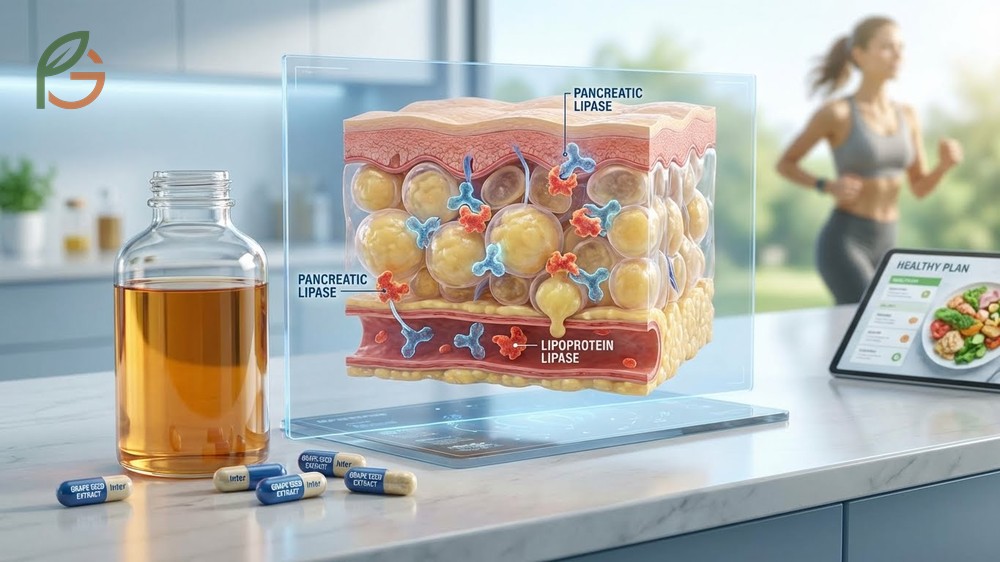
Grape seed extract supports weight management by inhibiting fat-metabolizing enzymes, specifically pancreatic lipase and lipoprotein lipase[1]. This action minimizes fat accumulation in adipose tissue and reduces dietary fat absorption. The extract’s metabolic effects complement calorie restriction and exercise programs.
A clinical trial with adolescents showed grape seed extract significantly improved insulin resistance markers when combined with a weight loss diet for 8 weeks[8]. Participants took 100 mg daily and experienced meaningful reductions in insulin levels and HOMA-IR scores. The extract showed no side effects while participants followed the intervention protocol.
Research on obese and overweight individuals (BMI 25-40) taking 300 mg grape seed extract daily with a restricted-calorie diet for 12 weeks demonstrated improvements in anthropometric measures[7]. The extract enhances the effectiveness of dietary interventions by supporting metabolism and reducing oxidative stress associated with weight loss.
Most people find grape seed extract works best when taken 30 minutes before meals. This timing maximizes the lipase inhibition effects and supports appetite control. The extract doesn’t replace healthy eating and regular exercise but provides meaningful metabolic support for sustainable weight management.
Weight Loss Tip: Combine grape seed extract with protein-rich meals and regular physical activity for optimal results. The extract enhances fat metabolism but works synergistically with lifestyle modifications rather than as a standalone weight loss solution.
Dosage and Side Effects
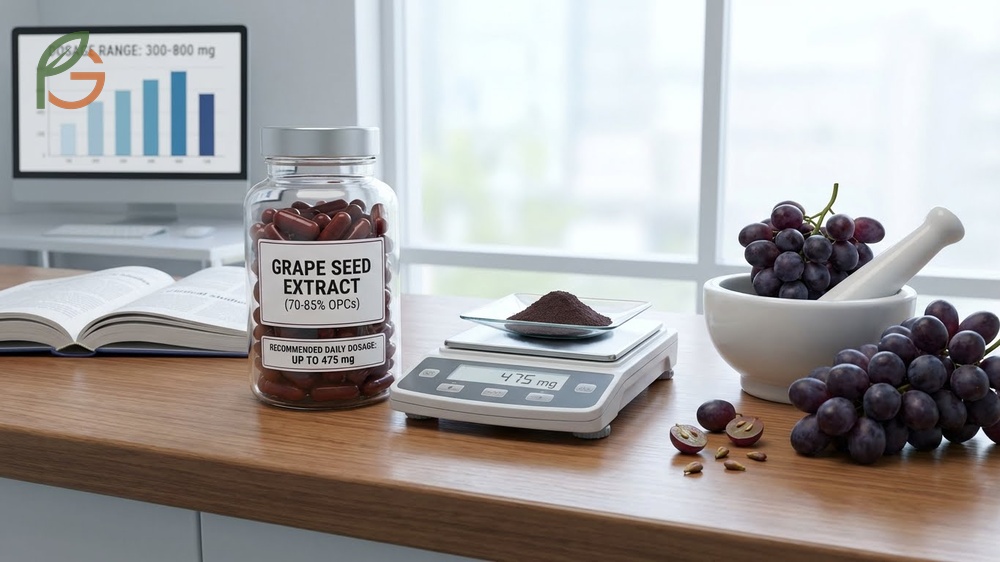
Understanding proper dosage and potential side effects helps you use grape seed extract safely and effectively. Clinical studies provide clear guidance on appropriate amounts for various health applications. Most research uses standardized extracts containing 70-85% oligomeric proanthocyanidins.
Recommended Dosage
Adults should not exceed 475 mg of grape seed extract daily when standardized to 70-85% OPCs[4]. Studies show participants have safely taken 300-800 mg daily for 8-16 weeks with beneficial results. General health benefits occur at 150-300 mg per day, typically taken as 1-3 capsules.
For blood pressure support, research demonstrates 150 mg twice daily (300 mg total) produces meaningful effects. Weight loss studies use 100-300 mg daily combined with calorie restriction. Skin benefits appear with both oral supplementation (150-300 mg daily) and topical application.
Japanese safety studies examined doses up to 2,500 mg daily for 4 weeks without serious adverse effects[9]. However, most experts recommend staying within the 150-475 mg range for long-term use. Take grape seed extract with meals to enhance absorption and minimize digestive discomfort.
This table compares recommended grape seed extract dosages for different health applications including cardiovascular support, skin health, weight management, and general wellness
| Health Application | Daily Dosage | Duration | Timing |
|---|---|---|---|
| Blood Pressure Support | 150 mg twice daily[2] | 6-12 weeks | Morning and evening with meals |
| Weight Loss Support | 100-300 mg[7] | 8-12 weeks | 30 minutes before main meals |
| Skin Anti-Aging | 150-300 mg | 12+ weeks | Once daily with breakfast |
| General Antioxidant | 150-300 mg | Ongoing | Once daily with food |
| Maximum Safe Dose | 475 mg[4] | Not recommended long-term | Divide into 2-3 doses with meals |
Potential Side Effects
Grape seed extract is generally safe for most people when taken at recommended doses. Mild side effects may include headache, abdominal pain, sore throat, nausea, and diarrhea. Studies involving 29 healthy volunteers taking 1,000-2,500 mg daily for 4 weeks reported occasional constipation and digestive discomfort[9].
Don’t take grape seed extract if you’re hypersensitive to grape products or have a bleeding disorder. The extract can increase bleeding risk, so avoid it before scheduled surgery or if you take blood thinners. No changes occurred in liver enzymes (ALT, AST, GGT) or other biochemical markers in safety studies.
Serious side effects are rare. Pregnant and breastfeeding women should avoid grape seed extract due to insufficient safety data. Allergic reactions may include rash, itching, swelling, severe dizziness, or trouble breathing—seek immediate medical attention if these occur. Most users tolerate the supplement well across all skin types with no adverse reactions reported in clinical trials.
Grape Seed Extract vs Pycnogenol
Grape seed extract and pycnogenol both contain proanthocyanidins but differ in their source and molecular structure. Pycnogenol comes from French maritime pine bark, while grape seed extract derives from Vitis vinifera seeds. Pycnogenol contains highly polymerized proanthocyanidins, whereas grape seed extract has less polymerized oligomeric proanthocyanidins (OPCs).
Studies suggest pycnogenol may have a broader range of antioxidant effects, while grape seed extract focuses more on cardiovascular protection. Both extracts show good bioavailability, absorbing in the small intestine and appearing in the bloodstream quickly. Pycnogenol’s smaller molecular size and lipophilic nature contribute to efficient absorption.
The key practical difference is cost—grape seed extract typically costs significantly less than pycnogenol while delivering comparable antioxidant benefits. Grape seeds are readily available as winemaking byproducts, making the extract more sustainable and accessible. Both supplements demonstrate excellent safety profiles with minimal side effects at recommended doses.
Conclusion
The evidence is clear: grape seed extract benefits span cardiovascular health, skin rejuvenation, weight management, and systemic inflammation reduction. Research confirms dosages of 150-475 mg daily provide meaningful improvements in blood pressure, skin hydration, metabolic function, and antioxidant status across multiple clinical populations.
Current guidance emphasizes starting with lower doses (150-300 mg daily) and increasing gradually based on your specific health goals and tolerance. FruitGarden recommends consulting healthcare professionals before beginning supplementation, especially if you take medications or have existing health conditions. The extract’s safety profile and proven benefits make it a valuable addition to comprehensive wellness strategies when used appropriately.
Medical Disclaimer
Important Medical Disclaimer: This content is for informational and educational purposes only. It’s not intended as a substitute for professional medical advice, diagnosis, or treatment. Always consult a qualified healthcare professional before making any changes to your diet, medication, or supplement routine, especially if you have cardiovascular disease, diabetes, bleeding disorders, or take prescription medications. Never disregard professional medical advice or delay seeking it because of information you’ve read on this website.
Frequently Asked Questions
What Is Grape Seed Extract Good For?
Grape seed extract is good for cardiovascular support, blood pressure reduction, skin anti-aging, weight management, and inflammation control. Research confirms it reduces oxidative stress, improves endothelial function, and provides powerful antioxidant protection through its proanthocyanidin content. Most people use it for heart health and skin benefits.
How Long Does It Take for Grape Seed Extract to Work?
Most people notice blood pressure improvements within 4-6 weeks of consistent use at 300 mg daily. Skin benefits typically appear after 8-12 weeks of supplementation or topical application. Weight loss and metabolic effects emerge within 6-8 weeks when combined with calorie restriction and exercise. Antioxidant benefits begin immediately but accumulate over time.
Can I Take Grape Seed Extract Every Day?
Yes, you can take grape seed extract daily at recommended doses of 150-475 mg. Studies show safe continuous use for 8-16 weeks, and many people supplement long-term without issues. Take it with meals to enhance absorption and minimize digestive discomfort. Consult your doctor if you take blood thinners or have scheduled surgery.
Does Grape Seed Extract Really Help With Weight Loss?
Grape seed extract supports weight loss by inhibiting fat-metabolizing enzymes and improving insulin resistance, but it’s not a magic solution. Clinical trials show meaningful results when combined with calorie restriction and exercise, with participants taking 100-300 mg daily for 8-12 weeks. It enhances metabolic effects rather than causing weight loss independently.
What Are the Side Effects of Grape Seed Extract?
Common side effects include mild headache, nausea, abdominal discomfort, and diarrhea, though most people tolerate it well. Serious side effects are rare. Don’t use grape seed extract if you have bleeding disorders, take blood thinners, or are pregnant. Avoid it before surgery as it may increase bleeding risk. Allergic reactions occur rarely but require immediate medical attention.
Is Grape Seed Extract Better Than Pycnogenol?
Grape seed extract and pycnogenol both provide strong antioxidant benefits with slightly different strengths. Pycnogenol may have broader antioxidant effects, while grape seed extract focuses more on cardiovascular protection. Grape seed extract costs significantly less while delivering comparable benefits, making it more accessible for most people. Both have excellent safety profiles.
When Should I Take Grape Seed Extract for Best Results?
Take grape seed extract with meals to enhance absorption and reduce digestive side effects. For weight loss, take it 30 minutes before main meals to maximize lipase inhibition. For blood pressure support, split your dose into morning and evening portions. Consistency matters more than exact timing—choose a schedule you’ll maintain long-term for optimal benefits.





