

Benefits of muscadine grapes include exceptional antioxidant levels, high fiber content, and natural disease resistance that makes them easier to grow than traditional wine grapes. Research shows muscadines contain 50-100 μg/g of resveratrol in their skins—one of the highest levels among fruits[1]. FruitGarden synthesizes current agricultural research and university extension data to help you understand why muscadine grapes deserve a place in your garden and diet.
Quick Answer
- Muscadine grapes provide 57 calories, 3.9g fiber, and 6.5mg vitamin C per 100g serving[2]
- They contain 258% daily value of riboflavin and 192% daily value of manganese per cup[3]
- Resveratrol content reaches 50-100 μg/g in grape skins, offering anti-inflammatory and cardiovascular benefits[1]
- Plant vines 12-20 feet apart in USDA zones 7-10 with 6-8 hours of daily sun[4]
Benefits of Muscadine Grapes
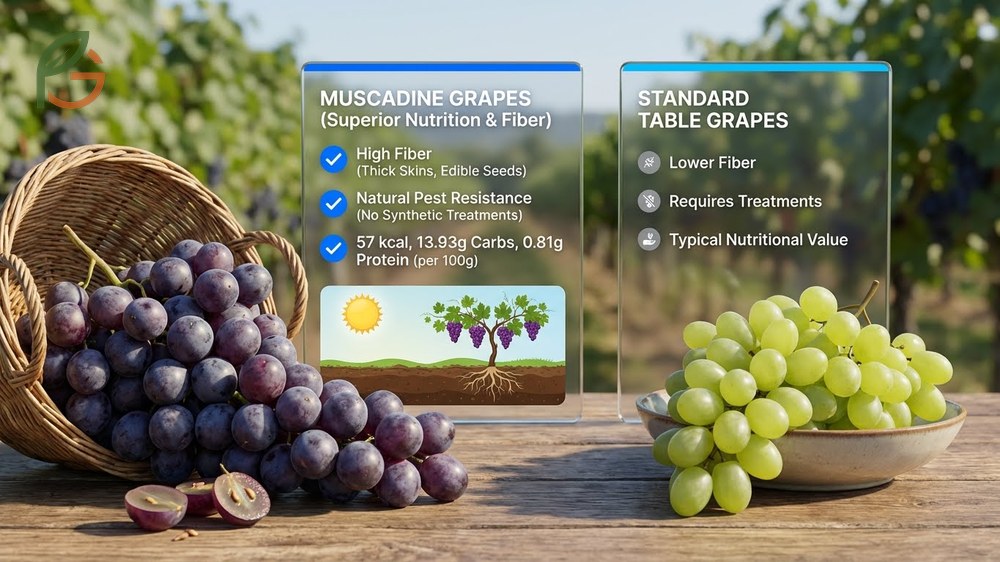
Studies demonstrate that muscadine grapes deliver superior nutritional value compared to standard table grapes. A 100g serving provides 57 kilocalories, 13.93g carbohydrates, and 0.81g protein[2]. These grapes naturally resist pests and diseases without requiring synthetic chemical treatments, making them valuable for sustainable agriculture.
The thick skins and edible seeds contribute to exceptional fiber content. Each 100g serving contains 3.9g dietary fiber—primarily insoluble fiber that supports digestive health. A single muscadine grape provides the same fiber as five seedless table grapes.
Agricultural data shows muscadine vines yield up to 60 pounds of fruit per vine—eight times more than bunch grape varieties that average only 8 pounds per vine[5]. This productivity advantage makes them economically attractive for home gardeners and commercial growers.
Nutritional Profile
Current nutritional analysis reveals muscadines excel in specific micronutrients. A one-cup serving delivers 258% of the daily value for riboflavin (vitamin B2) and 192% for manganese[3]. Riboflavin supports energy metabolism and red blood cell production.
Mineral content includes 37mg calcium, 24mg phosphorus, and 203mg potassium per 100g[2]. The vitamin C content reaches 6.5mg per 100g—double the amount found in seedless grapes.
Important Note: Eating muscadine grape skins maximizes nutritional benefits. The thick skins contain the highest concentrations of resveratrol, fiber, and polyphenols. Don’t discard them.
Antioxidant Powerhouse
Research published by the National Institutes of Health confirms muscadines possess one of the highest antioxidant levels among fruits. Grape skins contain 50-100 μg/g of resveratrol, a phytoalexin that strengthens plant immune responses[1]. This concentration significantly exceeds levels found in common wine grapes.
A one-cup serving provides 1,047mg of polyphenols and 2.0mg of coenzyme Q10[3]. Purple-skinned varieties contain higher resveratrol levels than bronze or green types due to increased skin pigmentation.
What Are Muscadine Grapes
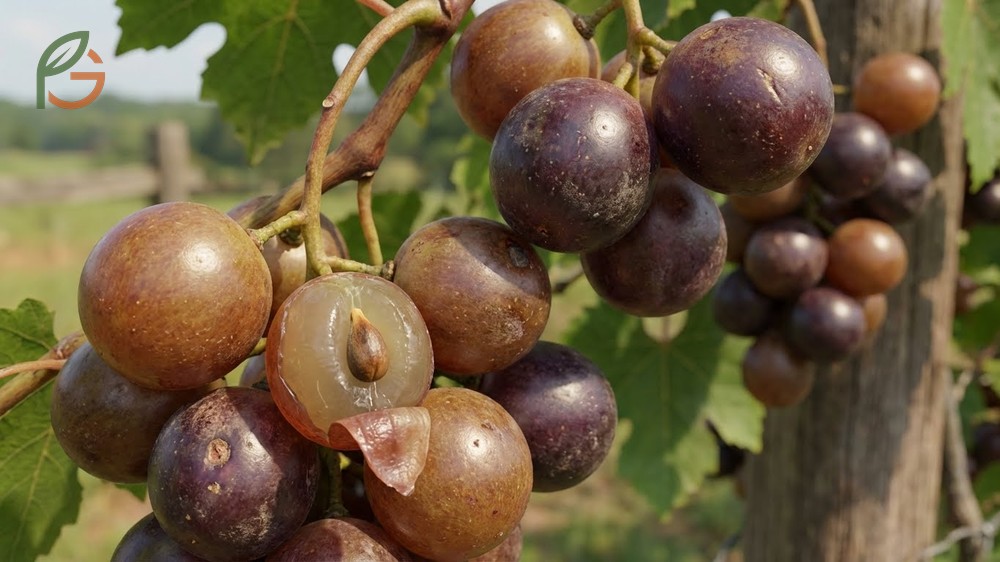
Muscadine grapes (Vitis rotundifolia) are native to the southeastern United States and represent a distinct grape species. Unlike European wine grapes (Vitis vinifera), muscadines don’t hybridize naturally with standard varieties. They grow in loose clusters with individual berries ripening separately rather than all at once.
These grapes feature thick skins, large seeds, and a distinctive sweet-tart flavor profile. The skins slip easily from the pulp, creating a unique eating experience. Muscadines thrive in USDA hardiness zones 7-10 where summer heat and humidity support vigorous growth.
Commercial cultivars come in various colors including green, bronze, pink, red, purple, and black. Berry size ranges from small to large, with each grape measuring significantly larger than standard table grapes. The drought tolerance and pest resistance make them ideal for low-maintenance orchards.
From My Experience: My cousin in Guadalajara, Mexico planted three Carlos muscadine vines in March 2023. The vines produced their first small harvest in September 2024—matching the typical 2-3 year timeline from university extension guides. The 12-foot spacing she used proved adequate for vigorous growth.
Muscadine vs Scuppernong
All scuppernongs are muscadines, but not all muscadines are scuppernongs. Scuppernong refers specifically to bronze or greenish-gold muscadine varieties. The name comes from the Scuppernong River in North Carolina where the first cultivar was discovered centuries ago.
Color serves as the primary distinction between types. Dark purple varieties are called muscadines in casual conversation, while bronze types may be labeled scuppernongs. However, both belong to the same Vitis rotundifolia species with identical growing requirements.
- Color: Muscadines range from deep purple to black; scuppernongs display bronze, green, or copper tones
- Flavor: Purple muscadines offer slightly more intense sweetness; scuppernongs taste milder with subtle tartness
- Resveratrol: Darker purple varieties contain higher concentrations due to increased skin pigmentation[5]
- Wine production: Purple types produce red wine; bronze scuppernongs create white wine
- Historical significance: The original scuppernong mother vine on Roanoke Island has thrived for hundreds of years
Harvest Season
Muscadine grape season begins in late August and extends through September in most growing regions. The harvest window spans approximately 4-6 weeks depending on variety and local climate. Individual berries ripen at different rates, requiring multiple picking sessions throughout the season.
First harvests typically occur 2-3 years after planting, once vines establish mature root systems and adequate canopy growth[6]. Ripe grapes develop deep color, slight softness to touch, and full sweetness without bitterness. Harvest during cool morning hours and refrigerate promptly—properly stored muscadines maintain quality for 3-10 days at refrigeration temperatures.
Muscadine Grapes Health Benefits

Evidence suggests resveratrol in muscadine grapes provides cardiovascular protection by reducing blood pressure and improving blood vessel function. The anti-inflammatory compound helps lower chronic inflammation linked to heart disease, diabetes, and cancer. Research demonstrates resveratrol may prevent amyloid plaque formation in the brain, potentially protecting against Alzheimer’s disease and dementia.
The high insoluble fiber content promotes bowel regularity and helps prevent constipation, hemorrhoids, and diverticulitis. Studies show this fiber type supports beneficial gut bacteria populations. The combination of fiber and polyphenols creates a synergistic effect that enhances metabolic health markers.
Current data indicates regular consumption may improve skin health through antioxidant protection against free radical damage. Vitamin C content supports collagen production essential for skin elasticity. The 27% daily value of vitamin K per cup contributes to proper blood clotting and bone metabolism[3].
- Anti-inflammatory effects: Resveratrol reduces systemic inflammation markers associated with chronic disease risk
- Cardiovascular support: Compounds improve blood vessel function and help maintain healthy blood pressure levels
- Digestive health: High fiber content promotes regular bowel movements and supports healthy gut microbiome
- Skin protection: Antioxidants neutralize free radicals that accelerate skin aging and wrinkle formation
- Blood sugar regulation: Polyphenols may improve insulin sensitivity and glucose metabolism
- Immune function: High vitamin C and riboflavin levels support immune cell production and activity
- Brain health: Resveratrol shows potential for protecting neural tissue from age-related degradation
Medical Consideration: While muscadine grapes offer nutritional benefits, they contain natural sugars and carbohydrates. People managing diabetes should monitor portions and pair grapes with protein to minimize blood sugar spikes. Consult healthcare providers for personalized dietary guidance.
How to Grow Muscadine Grapes
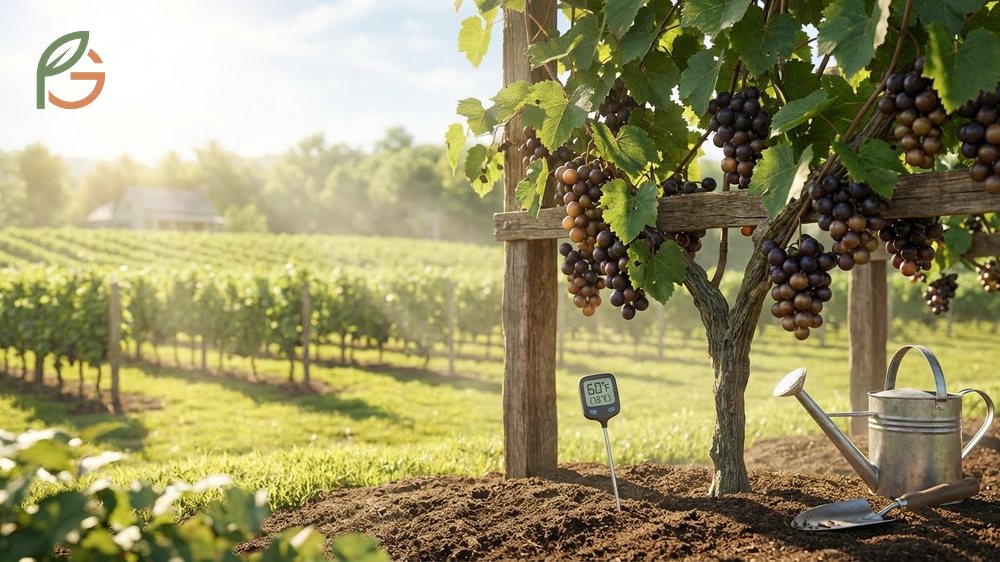
Muscadine grape vines thrive in USDA hardiness zones 7-10 with warm summers and moderate winters. They require 6-8 hours of direct sunlight daily for optimal fruit production[7]. Well-drained soil prevents root rot—the primary cause of vine failure in home gardens.
Spring planting works best for bare-root vines when soil temperatures reach 60°F (15°C) or above. Container-grown plants can be transplanted throughout the growing season. Expect vigorous growth during the first two years as vines establish extensive root systems before focusing energy on fruit production.
Water young vines regularly with 1-2 inches per week during establishment. Once mature, muscadines become drought-tolerant but produce better yields with consistent moisture. Mulch around the base retains soil moisture and suppresses competing weeds without chemical herbicides.
Planting Requirements
Select a location with excellent drainage—standing water kills muscadine roots quickly. Raised beds or natural slopes work well in areas with heavy clay soils. Full sun exposure maximizes photosynthesis and sugar development in developing fruit.
Install a sturdy trellis system before planting. Muscadine vines grow vigorously and require strong support structures. A single-wire trellis at 5-6 feet height accommodates the bilateral cordon training system used for these grapes.
- Dig a hole twice as wide and deep as the root ball to encourage lateral root expansion
- Loosen compacted roots gently to promote outward growth rather than circling patterns
- Position the graft union (if present) 1 inch above final soil level to prevent rootstock sprouting
- Backfill three-quarters full with native soil, then water thoroughly to eliminate air pockets
- Complete backfilling to ground level and apply 2-4 inches of organic mulch around the base
- Space vines 12-20 feet apart to accommodate mature canopy spread[4]
Soil and Spacing
Muscadines adapt to various soil types but perform best in rich, organic soil with pH between 5.5-6.5. Mix compost or aged manure into native soil before planting to improve structure and nutrient availability. A light application of phosphate-heavy fertilizer (5-10-5 ratio) supports root development without forcing excessive vegetative growth[7].
The 12-20 foot spacing requirement reflects muscadine’s sprawling growth habit. Mature vines spread extensively along trellis wires, developing thick cordons that bear fruit on lateral shoots. Closer spacing creates excessive shade and poor air circulation that promotes fungal diseases.
How to Prune Muscadine Grape Vines
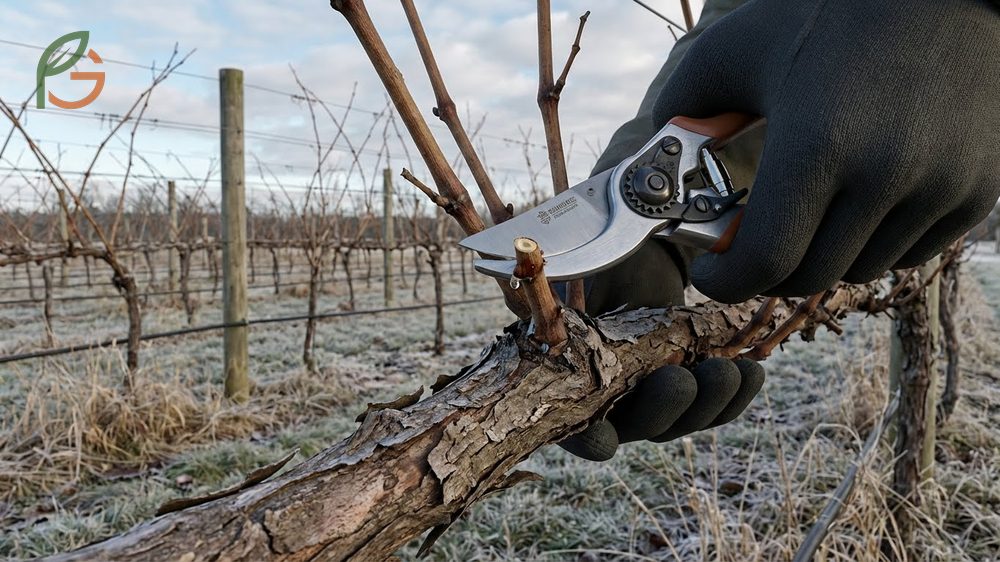
Pruning muscadine grape vines occurs during dormancy from January through February before spring bud break[8]. This timing minimizes stress on vines and prevents excessive “bleeding” of sap. Sharp bypass pruners reduce hand fatigue and create clean cuts that heal quickly without leaving stubs that invite disease.
New vines require training pruning during the first two growing seasons to establish framework structure. Cut the trunk back to 2-4 buds at planting time. Tie the trunk to trellis wire above or between buds. Remove side shoots throughout summer while leaving leaf growth along the trunk intact—these leaves fuel root development.
Once the trunk reaches above wire height, prune the terminal bud back to wire level. Allow the top two buds to develop into horizontal cordons growing along the trellis wire. Trim lateral growth on cordons to one-foot lengths to encourage rapid development. This bilateral cordon system creates the permanent framework for future fruit production.
Mature vine pruning focuses on developing short fruiting spurs off established cordons. Cut all previous season’s shoot growth back to spurs with 2-4 buds each. Retain one-year wood approximately pencil-diameter thick—these shoots produce the most fruitful buds. Remove thinner, less productive growth entirely.
- Use rough pruning with hedging equipment first to reduce total pruning time by half
- Trim vines to an approximate 12-inch by 12-inch box shape during initial rough pruning
- Follow up with hand pruning to select the most productive one-year wood for retention
- Apply balanced pruning by retaining at least 15 count buds per foot of cordon length
- Renew cordons periodically by training new shoots to replace old, unproductive wood
- Make flush cuts without leaving stubs that create entry points for pathogens
- Expect 30-60 minutes per mature vine using hand pruners alone without mechanical pre-pruning
Pruning Tip: Don’t worry about sap “bleeding” from pruning cuts. This is normal for muscadine grapes and doesn’t harm vine health or productivity. The flow stops naturally as temperatures warm and growth begins.
Storing and Freezing Muscadine Grapes

Fresh muscadine grapes maintain quality for 28 days at 39°F (4°C) but only 4 days at 68°F (20°C)[9]. Remove field heat immediately after harvest by refrigerating grapes within a few hours of picking. Store at 35-40°F (1.7-4.4°C) with 90-95% relative humidity to minimize water loss without promoting mold growth.
Can you freeze muscadine grapes? Yes, freezing preserves muscadines effectively for extended storage. Wash grapes thoroughly, drain completely, and package in airtight freezer bags or containers. Whole frozen grapes maintain quality for one year or longer[10]. Freezing ruptures cell walls, making grapes ideal for juice, jelly, and wine production after thawing.
For longer preservation, cook grapes first then freeze the juice, hulls, and pulp separately. Properly packaged cooked muscadine products maintain flavor and quality for 2-3 years in the freezer. Package in vented clamshell containers for commercial sales to facilitate quick cooling while protecting fruit during handling.
- Harvest during cool morning hours to minimize field heat and maximize shelf life
- Refrigerate immediately—each hour at ambient temperature reduces storage potential significantly
- Avoid washing before storage unless freezing immediately; moisture accelerates decay
- Use perforated containers that allow air circulation while maintaining high humidity
- Freeze individual grapes on trays first, then transfer to bags for easier portioning
- Label freezer packages with harvest date to track storage duration and rotate stock
Conclusion
The evidence is clear: benefits of muscadine grapes extend beyond exceptional nutrition to include practical advantages for home gardeners. With 50-100 μg/g of resveratrol, 3.9g fiber per 100g, and yields up to 60 pounds per vine, these native American grapes deliver value that standard table grapes can’t match. Current agricultural guidance emphasizes sustainable cultivation methods that leverage muscadines’ natural pest resistance and drought tolerance—reducing chemical inputs while maintaining productivity.
Whether you’re growing muscadine grapes for fresh eating, making preserves, or producing wine, the combination of health benefits and growing ease makes them worthy additions to any fruit garden. FruitGarden continues to monitor university extension research and USDA agricultural data to provide evidence-based guidance for successful muscadine cultivation.
Medical Disclaimer
Important Medical Disclaimer: This content is for informational and educational purposes only. It is not intended as a substitute for professional medical advice, diagnosis, or treatment. Always consult a qualified healthcare professional before making any changes to your diet, medication, or health routine, especially if you have diabetes, cardiovascular conditions, or other medical concerns. Individual responses to foods vary based on personal health status and medications.
Frequently Asked Questions
Are Muscadine Grapes Good for You?
Yes, muscadine grapes are exceptionally nutritious. They provide 258% daily value of riboflavin, 192% of manganese, and contain 50-100 μg/g of resveratrol—one of the highest antioxidant levels among fruits. The 3.9g fiber per 100g supports digestive health, while polyphenols offer anti-inflammatory and cardiovascular benefits.
What Is the Difference Between Muscadine and Scuppernong Grapes?
All scuppernongs are muscadines, but not all muscadines are scuppernongs. Scuppernong refers specifically to bronze or greenish-gold muscadine varieties native to North Carolina. Purple or black varieties are typically called muscadines. Both belong to the same Vitis rotundifolia species with identical growing requirements and similar nutritional profiles.
When Is Muscadine Grape Season?
Muscadine grape season runs from late August through September in most growing regions. The harvest window spans 4-6 weeks depending on variety and climate. Individual berries ripen at different rates, requiring multiple picking sessions. First harvests typically occur 2-3 years after planting once vines establish mature root systems.
Can You Freeze Muscadine Grapes?
Yes, you can freeze muscadine grapes successfully for extended storage. Wash, drain, and package whole grapes in airtight freezer bags—they’ll maintain quality for one year or longer. Freezing ruptures cell walls, making thawed grapes ideal for juice, jelly, and wine production. Cooked muscadine products properly packaged maintain flavor for 2-3 years frozen.
Should You Eat Muscadine Grape Skins?
Yes, eating muscadine grape skins maximizes nutritional benefits. The thick skins contain the highest concentrations of resveratrol (50-100 μg/g), fiber, and polyphenols. While the texture differs from standard table grapes, the skins provide most of the antioxidant and anti-inflammatory compounds that make muscadines exceptionally healthy.
How Far Apart Do You Plant Muscadine Grape Vines?
Plant muscadine grape vines 12-20 feet apart to accommodate their sprawling growth habit. Mature vines spread extensively along trellis wires, developing thick cordons that bear fruit on lateral shoots. Closer spacing creates excessive shade and poor air circulation that promotes fungal diseases and reduces fruit quality.
When Should You Prune Muscadine Grape Vines?
Prune muscadine grape vines during dormancy from January through February before spring bud break. This timing minimizes stress and prevents excessive sap bleeding. Cut all previous season’s shoot growth back to spurs with 2-4 buds each. Retain pencil-diameter one-year wood that produces the most fruitful buds.





