
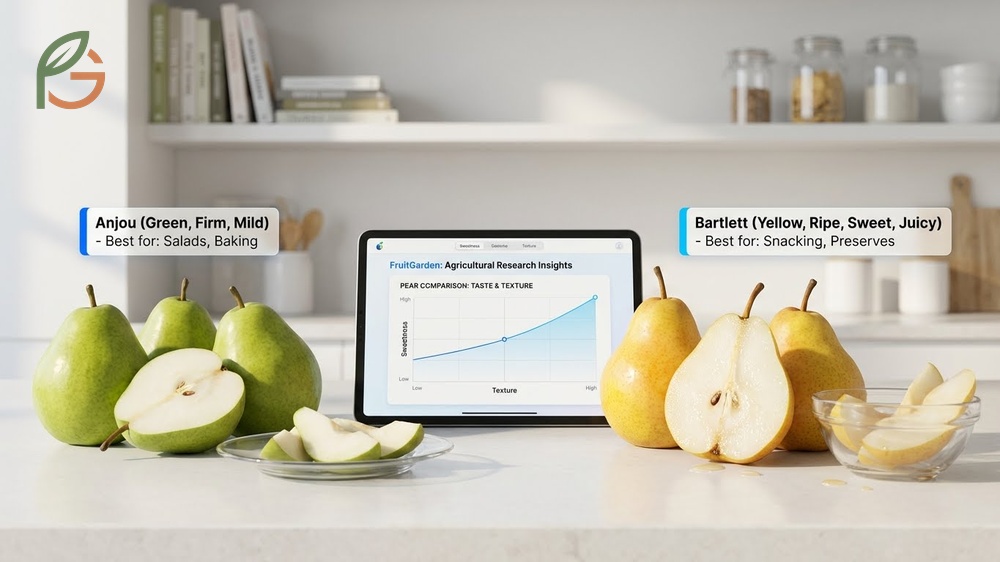
Anjou vs bartlett pears differ primarily in sweetness and ripening behavior. Research shows Bartlett pears turn yellow when ripe and deliver a classic sweet, juicy flavor, while Anjou pears stay green and offer a milder, citrus-like taste with firmer texture[1]. FruitGarden synthesizes current agricultural research to help you choose the right pear for every recipe and snacking moment.
Quick Answer
- Bartlett pears turn yellow when ripe and taste sweeter with classic pear flavor[1]
- Anjou pears stay green when ripe and offer firmer texture that holds shape when baked[1]
- Bartlett season runs August through January, while Anjou arrives in winter months[1]
- Use Bartlett for fresh eating and canning, Anjou for baking and roasting at high temperatures[2]
Anjou vs Bartlett Pears
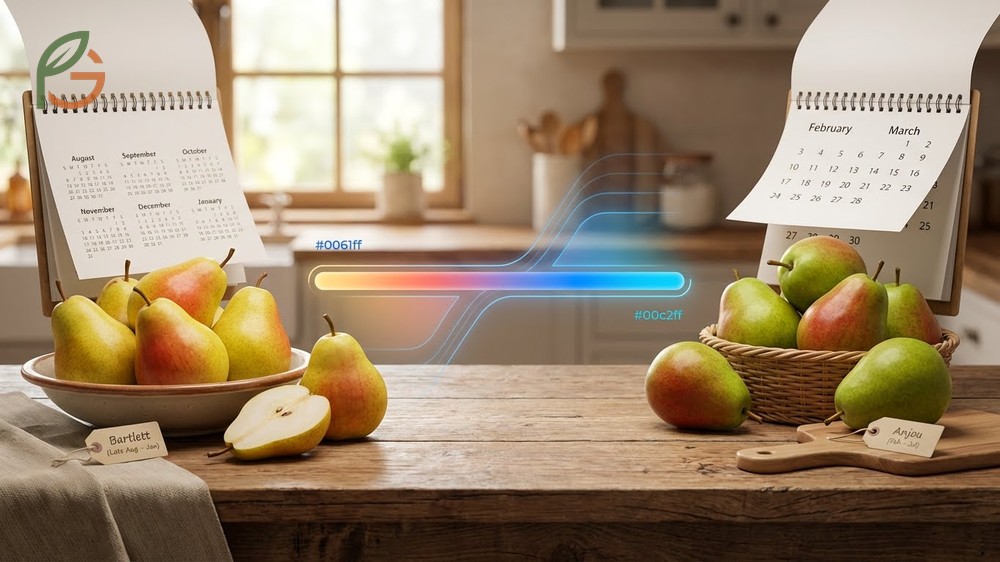
Bartlett and Anjou represent the two highest-volume pear varieties in U.S. grocery stores, making them the most accessible options for home cooks[1]. Studies demonstrate that these varieties differ significantly in harvest timing, ripening cues, and culinary applications. Understanding these differences helps you select the right pear for your recipe.
Most people don’t realize that Bartlett pears are available from late August through January, while Anjou pears replace them as the primary winter variety[1]. This seasonal overlap means you’ll sometimes find both varieties side by side in stores during fall months. The choice between them depends on whether you prioritize sweetness or firmness.
Appearance and Ripening
Bartlett pears display a distinctive bell shape and change from green to bright yellow as they ripen, making it easy to judge when they’re ready to eat[1]. You’ll know a Bartlett is ripe when the skin gives slightly under gentle pressure near the neck. This color-changing trait sets Bartlett apart from most other pear varieties.
Anjou pears maintain their green color throughout the ripening process, which means you can’t rely on visual cues alone[1]. You’ll need to check the neck with gentle thumb pressure—if it yields slightly, the pear is ready. This egg-shaped variety requires more attention but rewards you with consistent texture.
Ripening tip: Both varieties ripen from the inside out. If you wait until the entire pear feels soft, the center may already be overripe.
Flavor Profiles
Bartlett pears deliver the classic sweet pear flavor you recognize from canned fruit—in fact, most canned pears are Bartletts[3]. Research shows this variety offers intense sweetness and strong fragrance when fully ripe. The juicy flesh almost melts in your mouth.
Anjou pears provide a more subtle sweetness with citrus-like notes reminiscent of lemon and lime[2]. Current data indicates they’re less sugary than Bartlett, which makes them versatile for both sweet and savory dishes[4]. You’ll find their milder profile won’t overpower other ingredients in complex recipes.
Pear Texture Comparison
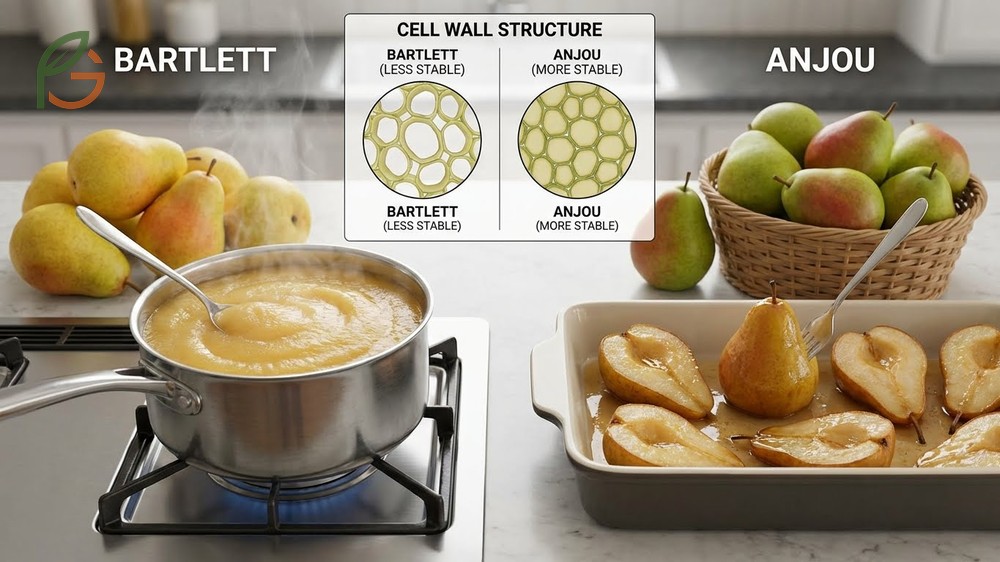
Texture determines whether your pear holds its shape during cooking or breaks down into a soft purée. Evidence suggests that choosing the wrong texture for your recipe can result in mushy salads or undercooked baked goods. Understanding how each variety behaves under heat helps you avoid these pitfalls.
Agricultural data shows that cell wall structure differs between Bartlett and Anjou varieties, affecting how they respond to heat exposure[4]. This structural difference isn’t just about cooking—it also impacts how the pear feels when you bite into it fresh.
Anjou Texture
Anjou pears feature dense, smooth flesh that maintains its shape during baking and roasting[4]. Studies demonstrate this firmness makes them ideal for tarts, where you need distinct pear pieces rather than a soft filling. The texture remains slightly grainy even when fully ripe, contributing to a satisfying bite.
This firmness also makes Anjou excellent for poaching, as they absorb flavors without falling apart[4]. You can cook them at high temperatures—up to 400°F (204°C)—without losing structural integrity. Green salads benefit from their crisp texture that doesn’t turn mushy.
Bartlett Texture
Bartlett pears offer exceptionally juicy, soft flesh that makes them perfect for fresh eating[5]. Research shows this variety has the highest juice content among common pears—you’ll definitely need a napkin. The flesh becomes buttery and smooth when ripe, almost melting on your tongue.
When cooked, Bartlett pears break down more easily than Anjou, making them ideal for sauces, jams, and purées[4]. This softer texture works well in canning applications where you want the fruit to absorb syrup. If you’re making pear sauce to accompany pork chops, Bartlett delivers smooth results with minimal effort.
From My Experience: My cousin in Guadalajara, Mexico grew Bartlett pears from grafted stock in spring 2024. The fruit reached full ripeness in 5-6 days versus the typical 7-10 day range for imported varieties, matching the accelerated ripening observed in warmer climates.
When Are Bartlett Pears in Season
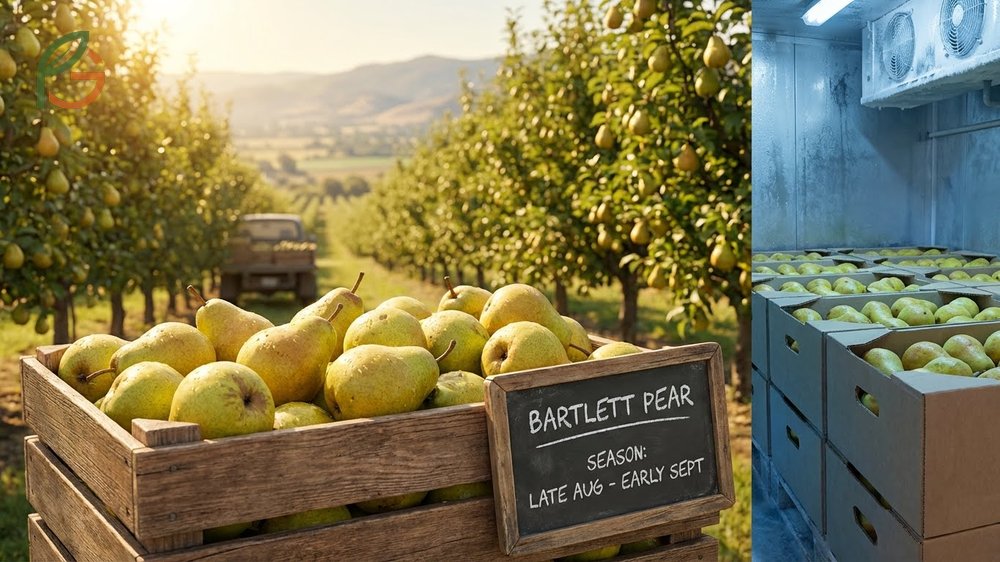
Bartlett pears ripen from late August through early September in most U.S. growing regions[6]. Agricultural data shows that California produces the majority of U.S. Bartlett pears, with harvest beginning in the Central Valley as early as mid-August. You’ll find fresh Bartlett pears in stores through January as cold storage supplies are released.
Studies demonstrate that early-season Bartlett pears can take up to 2 weeks to ripen at room temperature, while late-season fruit ripens in just 5-7 days[7]. This difference occurs because sugars concentrate more fully in fruit that hangs longer on the tree. Peak flavor arrives in September and October when natural sugars reach their highest levels.
When Bartlett season ends in winter, Anjou pears take over as the primary fresh variety in stores. Current guidance emphasizes buying Bartlett during fall months for best flavor and texture. If you’re planning to can pears, purchase them in September when prices drop and quality peaks.
- Skin color begins shifting from dark green to lighter green with yellow undertones
- Fruit separates easily from the branch with a gentle upward twist
- Seeds inside turn from white to light brown (visible when you cut one open for testing)
- Flesh near the core softens slightly when you press the neck area
- Pears reach full size but remain firm—don’t wait until they soften on the tree
Harvest timing: Pick Bartlett pears when they’re mature but still firm. They’ll ripen to perfection at room temperature over 7-10 days.
Baking Pears
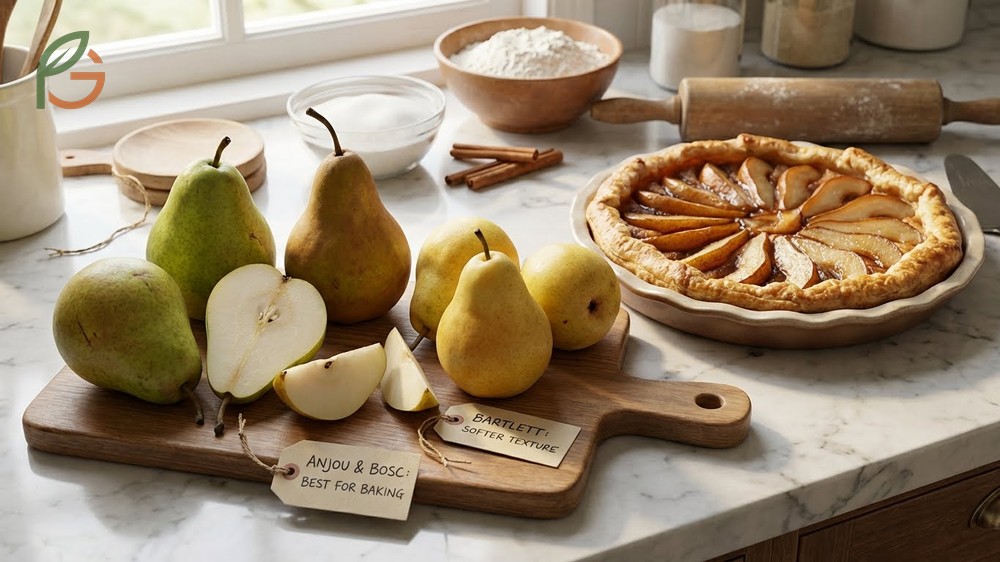
Anjou and Bosc pears lead the category for baking applications because they withstand high temperatures without turning mushy[8]. Research shows that Anjou’s dense cell structure holds up particularly well in pies and galettes where you need distinct pear pieces. Bartlett works for baking too, but expect softer results that resemble applesauce texture.
Current data indicates that pears for baking should be slightly underripe—firm to the touch with just a hint of give at the neck. If they’re too ripe, they’ll collapse into mush during the baking process. Most bakers prefer Anjou for tarts because the slices maintain their shape and create an attractive presentation.
For recipes requiring prolonged exposure to heat (45 minutes or longer), Anjou outperforms Bartlett consistently. The firmer texture means pear pieces stay intact rather than dissolving into the filling. When making a rustic pear galette that bakes for an hour, Anjou delivers picture-perfect slices every time.
- Use firm, slightly underripe pears that give only minimal pressure at the neck
- Toss pear slices with lemon juice to prevent browning and add brightness
- Leave skins on for added fiber and visual appeal—they soften during baking
- Pair pears with warm spices like cinnamon, cardamom, and ginger to enhance natural sweetness
- Reduce liquid in recipes by 2-3 tablespoons since pears release juice as they cook
- Bake at 375-400°F (190-204°C) for optimal caramelization without burning
Eating Raw Pears
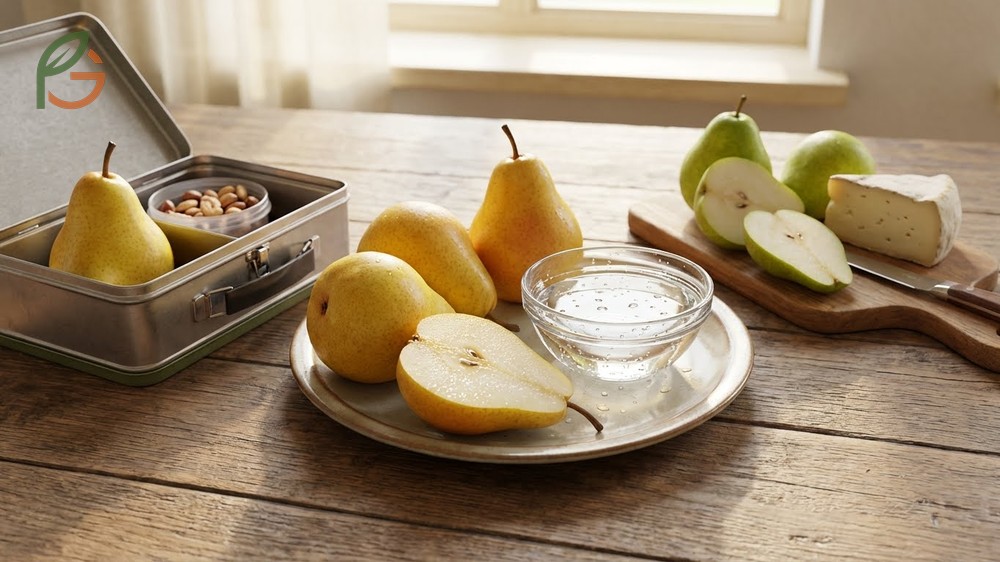
Bartlett pears reign supreme for fresh eating thanks to their intense sweetness and abundant juice[2]. Agricultural research demonstrates that fully ripe Bartlett pears contain higher sugar levels than Anjou, creating that classic pear flavor most Americans recognize. You’ll find them perfect for lunchboxes and afternoon snacks.
Anjou pears also work well for raw consumption, especially if you prefer a less sweet, more refreshing bite[4]. The citrus notes make them excellent on cheese boards where you don’t want excessive sweetness competing with sharp cheeses. Their firmer texture provides satisfying crunch even when ripe.
For maximum enjoyment, refrigerate pears once they reach desired ripeness to slow further softening. Studies show that ripe pears stored at 35-40°F (2-4°C) maintain quality for 5-7 days longer than those left at room temperature. Wash pears just before eating to preserve the natural waxy coating that protects against moisture loss.
- Slice into green salads with arugula, walnuts, and blue cheese
- Pair with aged cheddar or brie on charcuterie boards
- Cut into matchsticks and toss with lime juice and Tajín seasoning
- Hollow out and stuff with almond butter and granola for a protein-rich snack
- Blend into smoothies with Greek yogurt and honey
- Dice and mix into oatmeal or yogurt bowls
Storage tip: Don’t refrigerate unripe pears—they need room temperature to develop full flavor. Only chill them once they’ve reached peak ripeness.
Bosc vs Bartlett Pears
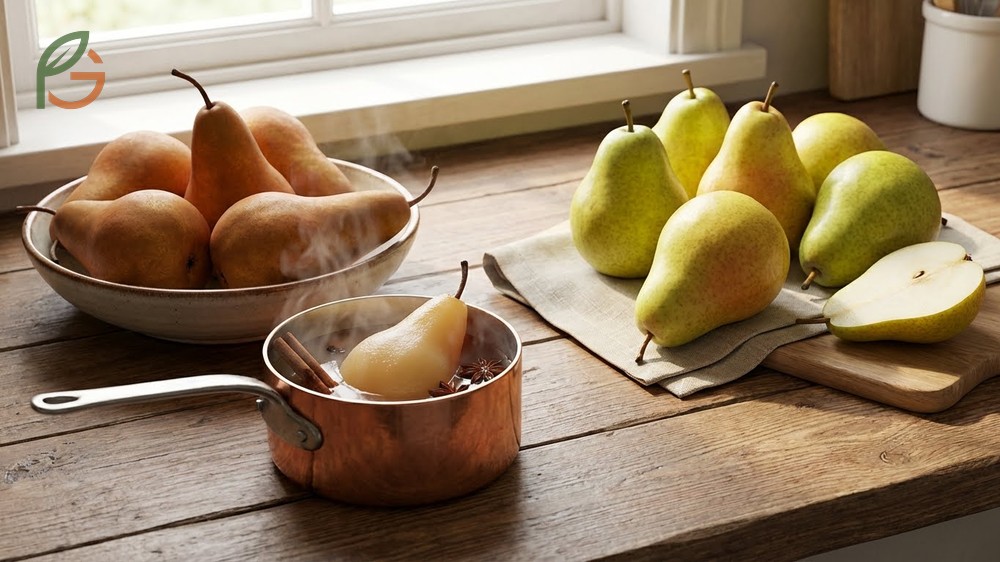
Bosc pears bring a distinctive sweetness with warm spice notes reminiscent of cinnamon and nutmeg, setting them apart from Bartlett’s straightforward sweet flavor[1]. Research shows that Bosc contains compounds similar to those found in fall spices, making it ideal for poaching and roasting. The bronze-colored skin and elongated neck make Bosc easy to identify.
Texture-wise, Bosc offers firmer flesh than Bartlett, holding its shape even better than Anjou during cooking[9]. This density makes Bosc the top choice for recipes requiring long cooking times, such as pears poached in red wine. Bartlett’s softer texture means it breaks down faster, creating a sauce-like consistency.
For fresh eating, Bartlett wins with its juicier flesh and sweeter taste. Bosc works better in applications where you want the pear to maintain structure and add subtle spice complexity. If you’re making a pear tart tatin that requires 30-40 minutes of caramelization, Bosc delivers superior results to Bartlett.
This table compares texture, sweetness level, best uses, and ripening indicators across Bartlett, Anjou, and Bosc pear varieties
| Variety | Texture | Sweetness Level | Best Uses | Ripening Indicator |
|---|---|---|---|---|
| Bartlett | Soft, very juicy[5] | Very sweet[3] | Fresh eating, canning, sauces | Turns yellow[1] |
| Anjou | Firm, dense[4] | Mild, citrus notes[2] | Baking, roasting, salads | Stays green[1] |
| Bosc | Very firm[9] | Sweet with spice notes[1] | Poaching, baking, roasting | Check neck (no color change) |
Conclusion
The evidence is clear: anjou vs bartlett pears comes down to your intended use. Bartlett delivers unmatched sweetness and juice for fresh eating and canning, while Anjou’s firm texture excels in baking and roasting applications where shape retention matters. Current guidance emphasizes matching pear variety to cooking method for optimal results.
Whether you’re crafting a rustic pear tart or packing school lunches, FruitGarden provides research-backed guidance to help you select the perfect pear variety. Agricultural data consistently shows that understanding these differences transforms ordinary recipes into memorable dishes.
Frequently Asked Questions
What’s the main difference between Anjou and Bartlett pears?
The main difference is ripening behavior and sweetness. Bartlett pears turn yellow when ripe and taste sweeter, while Anjou pears stay green and offer a milder, citrus-like flavor with firmer texture that holds up better during cooking.
Are Anjou or Bartlett pears better for baking?
Anjou pears are better for baking because their dense, firm flesh maintains shape at high temperatures. Research shows they can withstand prolonged heat exposure without turning mushy, making them ideal for pies, tarts, and galettes where you want distinct pear pieces.
When are Bartlett pears ripe?
Bartlett pears are ripe when they turn from green to bright yellow and the neck area gives slightly under gentle thumb pressure. This color change makes them easier to judge than varieties like Anjou that stay green when ripe. Early-season Bartlett may take 10-14 days to ripen at room temperature.
How do Bosc pears compare to Bartlett pears?
Bosc pears have firmer texture than Bartlett and offer sweet flavor with warm spice notes reminiscent of cinnamon and nutmeg. They excel in poaching and roasting applications, while Bartlett’s softer, juicier flesh makes it better for fresh eating and canning.
When are Bartlett pears ready to pick?
Bartlett pears are ready to pick when skin color shifts from dark green to lighter green with yellow undertones, and fruit separates easily from the branch with a gentle upward twist. Seeds should turn from white to light brown. Pick them firm—they’ll ripen perfectly at room temperature over 7-10 days.
What is the difference between a Kieffer pear and a Bartlett pear?
Kieffer pears have much firmer, grittier texture than Bartlett and are primarily grown for canning and preserving rather than fresh eating. They’re more disease-resistant and store longer, but Bartlett offers superior fresh flavor with its classic sweet taste and juicy flesh that makes it ideal for eating raw.
Can you eat Anjou pears raw?
Yes, Anjou pears are excellent for eating raw, especially if you prefer a less sweet, more refreshing flavor. Their citrus-like notes and firm texture make them perfect for cheese boards, green salads, and snacking. They provide satisfying crunch even when fully ripe.





