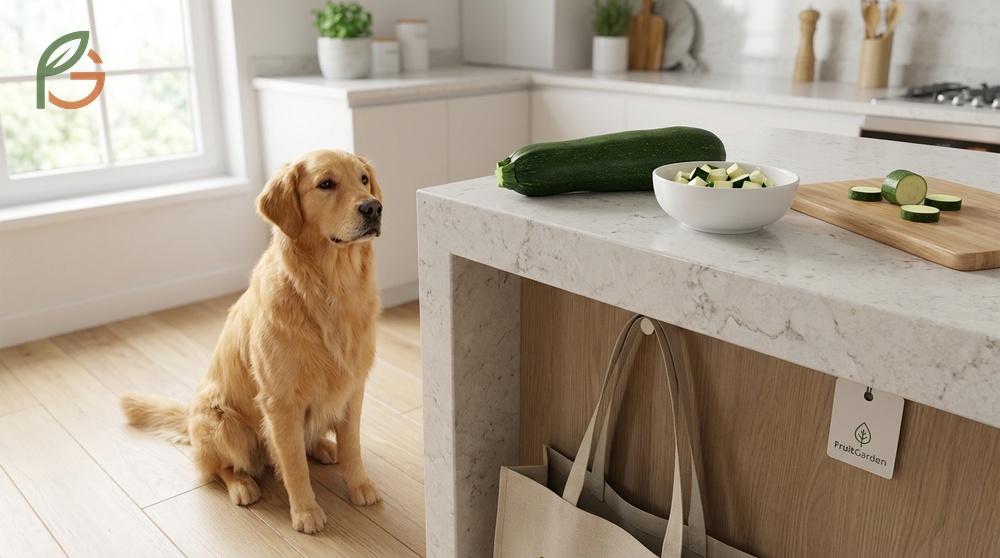
Can dogs eat zucchini? Yes, dogs can safely eat zucchini in moderation when it’s plain and properly prepared. Research shows this low-calorie vegetable provides vitamins, fiber, and hydration benefits for canine health[1]. FruitGarden synthesizes current veterinary guidance and nutritional data to help pet owners make informed feeding decisions for their dogs.
Quick Answer
- Zucchini is safe for dogs when served plain, fresh, and cut into small pieces
- One cup contains only 17 calories[2] and 3.1g fiber[2], making it ideal for weight management
- Limit treats to 10% of daily calories[3]—about 1-2 tablespoons for most dogs
- Avoid seasoned, fried, or large chunks that pose choking risks
Can Dogs Eat Zucchini

Studies demonstrate that zucchini is completely safe for dogs to consume in its natural form[1]. All parts of the vegetable—including the skin, flesh, and seeds—are non-toxic to canines. This summer squash belongs to the Cucurbitaceae family and provides a nutrient-dense, low-calorie option for treats.
Current veterinary guidance emphasizes plain preparation without added oils, butter, salt, or seasonings[4]. Dogs can eat zucchini both raw and cooked. Raw zucchini maintains maximum nutrient content, while cooked versions are easier to digest for puppies and senior dogs with sensitive stomachs.
Most dogs tolerate zucchini well when introduced gradually. However, large amounts can lead to digestive upset, so portion control matters more than preparation style.
Nutritional Benefits for Dogs
Zucchini delivers impressive nutritional value with minimal calories. One cup of chopped zucchini contains approximately 17 calories, making it ideal for dogs needing weight management[2].
The vegetable provides essential vitamins including 17.9mg of vitamin C per 100g, which supports immune function and skin health[2]. It’s also rich in vitamin K for bone health and B-complex vitamins for energy metabolism.
- Vitamin C: Boosts immune system and acts as an antioxidant
- Vitamin K: Supports blood clotting and bone density
- Fiber: Promotes healthy digestion and regular bowel movements
- Potassium: Maintains proper muscle and nerve function
- Magnesium: Aids energy production and muscle health
- Antioxidants: Lutein and zeaxanthin protect cells from damage
How Zucchini Supports Canine Health
Research shows that zucchini’s high fiber content helps prevent constipation and maintains digestive regularity in dogs[5]. Fiber also creates a feeling of fullness, which helps overweight dogs feel satisfied with fewer calories.
As a low-glycemic food, zucchini won’t cause blood sugar spikes. This makes it a smart choice for diabetic dogs or those prone to weight gain.
The vegetable’s high water content—approximately 95%—provides hydration benefits. This is especially valuable during hot weather or for dogs who don’t drink enough water throughout the day.
Important Note: While zucchini offers health benefits, it should never replace complete and balanced commercial dog food. Treats and vegetables should comprise no more than 10% of your dog’s total daily caloric intake to ensure proper nutrition.
Zucchini Safe Dogs
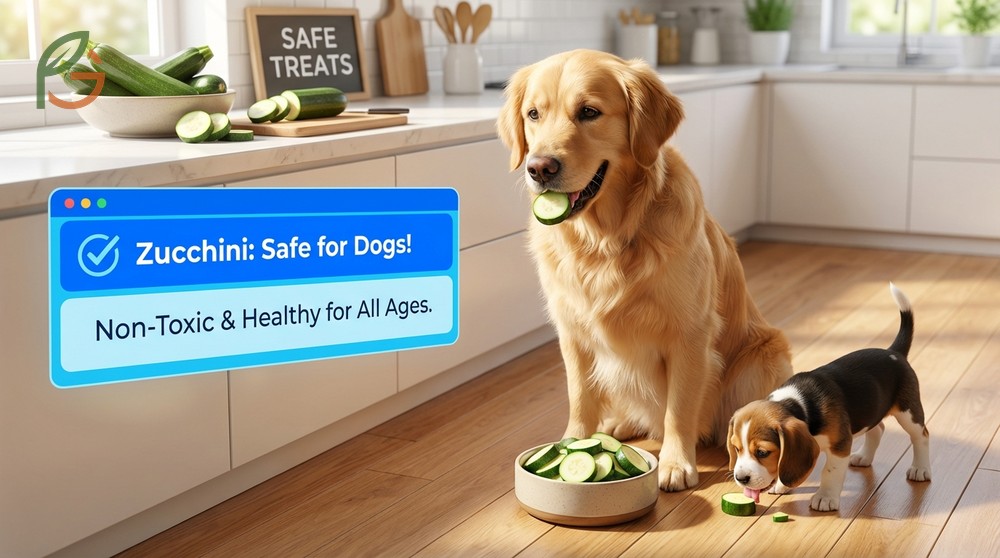
Veterinary experts confirm that zucchini poses minimal safety risks when prepared correctly[1]. The vegetable contains no toxic compounds that affect canine health. Unlike some vegetables such as onions or garlic, zucchini doesn’t contain substances that damage red blood cells or cause organ toxicity.
All dog breeds and ages can safely enjoy zucchini, including puppies over 6 weeks old. However, puppies have more sensitive digestive systems, so they should only receive small, cooked pieces after consulting with a veterinarian.
Fresh zucchini from grocery stores or home gardens is equally safe. Just wash thoroughly to remove any pesticides or dirt before serving.
What Makes Zucchini Safe
Unlike members of the nightshade family, zucchini doesn’t contain solanine or other toxic alkaloids. The entire edible portion of the fruit is safe for canine consumption.
However, the leaves and stems of zucchini plants contain compounds called cucurbitacins that can cause vomiting, diarrhea, and lethargy if ingested. Keep dogs away from zucchini plants in your garden.
- Plain preparation without seasonings or additives
- Fresh vegetables, not spoiled or moldy
- Cut into bite-sized pieces appropriate for dog size
- Served raw or cooked without oils or butter
- Free from garlic, onion, or other toxic ingredients
Potential Risks to Avoid
The primary safety concern involves choking hazards from large pieces. Cut zucchini into small, manageable chunks based on your dog’s size—smaller pieces for small breeds, larger chunks for big dogs.
Feeding excessive amounts can lead to diarrhea or vomiting due to the high fiber content[5]. This is especially true if your dog isn’t accustomed to eating vegetables.
- Fried zucchini: Contains unhealthy oils and excessive fat
- Zucchini bread: Includes sugar, flour, and sometimes toxic ingredients like chocolate or xylitol
- Seasoned zucchini: Garlic, onion, and excessive salt are harmful to dogs
- Moldy zucchini: Can contain mycotoxins that cause serious illness
- Whole raw zucchini: Poses choking risk, especially for eager eaters
Warning: Always introduce new foods gradually and monitor your dog for 24-48 hours. Signs of digestive upset include vomiting, diarrhea, gas, or loss of appetite. If your dog shows allergic reactions like itching, swelling, or difficulty breathing, contact your veterinarian immediately.
Feeding Dogs Zucchini

Proper portion control ensures your dog gets nutritional benefits without digestive issues. Veterinary nutritionists recommend limiting all treats—including vegetables—to 10% of daily caloric intake[3].
Start with one or two small pieces when introducing zucchini. Watch for any digestive changes over 24 hours before increasing the amount.
Dogs with sensitive stomachs, digestive conditions, or food allergies should only try zucchini after consulting with a veterinarian. Some dogs may experience gas or bloating from raw vegetables.
Recommended Serving Sizes
The appropriate zucchini amount depends on your dog’s weight and activity level. Smaller dogs need smaller portions, while large breeds can handle more.
One medium zucchini contains approximately 33 calories, so even large dogs don’t need much to benefit from its nutrients[3].
This table shows recommended zucchini serving sizes for different dog weight categories, from very small dogs under 20 pounds to very large dogs over 90 pounds
| Dog Size (Weight) | Daily Amount | Piece Thickness |
|---|---|---|
| Very small (10-20 lbs) | 1-2 teaspoons | 1/4 inch thick |
| Small (21-30 lbs) | 2-3 teaspoons | 1/2 inch thick |
| Medium (31-50 lbs) | 1 tablespoon | 1/2 inch thick |
| Large (51-90 lbs) | 1-2 tablespoons | 1/2 inch thick |
| Very large (91+ lbs) | 3-4 tablespoons | 1/2 inch thick |
Safe Preparation Methods
Raw zucchini works perfectly for most adult dogs. Simply wash the vegetable thoroughly, remove the ends, and cut into appropriate-sized pieces. You don’t need to peel it—the skin contains valuable fiber and nutrients[4].
Cooked zucchini offers advantages for dogs with digestive sensitivities. Steaming softens the vegetable and makes it easier to chew and digest. Avoid boiling, which leaches nutrients into the cooking water.
- Raw slices: Wash thoroughly, cut into rounds or strips
- Steamed chunks: Steam for 5-7 minutes until tender but not mushy
- Frozen treats: Freeze small pieces for a refreshing summer snack
- Mixed with food: Grate or dice finely and mix into regular meals
- Training rewards: Cut into tiny pieces for low-calorie training treats
Never add salt, pepper, garlic, onion, or other seasonings. These ingredients are either toxic to dogs or can cause digestive irritation. Plain preparation keeps zucchini safe and healthy.
Safe Vegetables Dogs
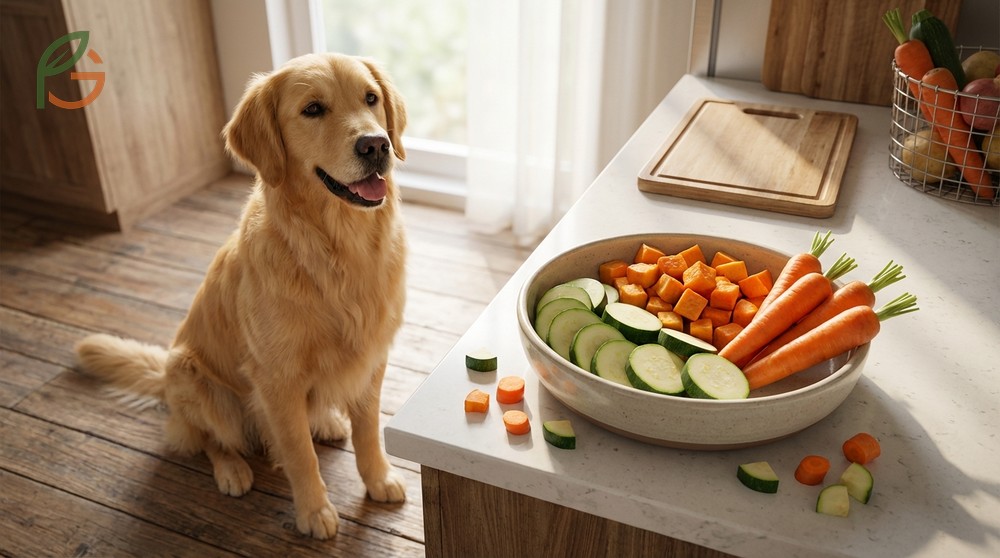
Zucchini joins a variety of dog-safe vegetables that provide nutritional benefits. Evidence indicates that many vegetables commonly found in kitchens make excellent low-calorie treats when prepared properly[6].
Like zucchini, most safe vegetables should be served plain without seasonings or added fats. Raw options work for vegetables with soft textures, while harder vegetables like sweet potatoes require cooking.
- Carrots: Crunchy texture cleans teeth; can be served raw or cooked
- Green beans: Low-calorie, high-fiber option that’s safe in any form
- Sweet potatoes: Must be cooked; rich in vitamins A and C
- Broccoli: Safe in small amounts; high in fiber and vitamin C
- Cucumbers: Hydrating and low-calorie, similar to zucchini
- Bell peppers: Rich in vitamins when raw; remove seeds first
- Pumpkin: Excellent for digestive health when cooked or canned
Always avoid toxic vegetables including onions, garlic, leeks, shallots, and wild mushrooms. These can cause serious health problems ranging from digestive upset to organ damage.
Tip: Rotate different safe vegetables to provide variety in your dog’s diet. This ensures a broader range of nutrients and keeps treats interesting for picky eaters. Just remember to introduce new vegetables one at a time to monitor tolerance.
Conclusion
The evidence is clear: can dogs eat zucchini safely when you follow veterinary guidelines for portion control and preparation. This nutrient-rich vegetable provides vitamins, fiber, and hydration with minimal calories, making it an excellent treat choice for dogs of all sizes and ages.
Current veterinary guidance emphasizes plain preparation, appropriate portion sizes based on dog weight, and gradual introduction to prevent digestive upset. FruitGarden recommends consulting with your veterinarian before making significant changes to your dog’s diet, especially for pets with existing health conditions or food sensitivities.
Medical Disclaimer
Important Pet Health Disclaimer: This content is for informational and educational purposes only. It is not intended as a substitute for professional veterinary advice, diagnosis, or treatment. Always consult a qualified veterinarian before making any changes to your dog’s diet, especially if your pet has existing health conditions, allergies, or special dietary needs. Individual dogs may react differently to foods, and what’s safe for one dog may not be appropriate for another.
Frequently Asked Questions
Can puppies eat zucchini safely?
Yes, puppies over 6 weeks old can eat small amounts of cooked zucchini. However, puppies have more sensitive digestive systems than adult dogs, so consult your veterinarian before introducing vegetables. Start with tiny, soft pieces and watch for any signs of digestive upset.
Is raw or cooked zucchini better for dogs?
Both raw and cooked zucchini are safe for dogs. Raw zucchini maintains maximum nutrients and provides a satisfying crunch, while cooked zucchini is easier to digest for dogs with sensitive stomachs or dental issues. Choose based on your dog’s individual needs and preferences.
Can dogs eat zucchini skin and seeds?
Yes, dogs can safely eat zucchini skin and seeds. The skin actually contains beneficial fiber and antioxidants that support digestive and overall health. Just wash the zucchini thoroughly to remove any pesticides or dirt before serving.
How much zucchini can I give my dog daily?
Limit zucchini to 10% of your dog’s daily caloric intake. For most dogs, this translates to 1-2 tablespoons per day depending on size. Small dogs under 30 pounds should get 1-2 teaspoons, while large dogs over 90 pounds can have up to 3-4 tablespoons.
Can zucchini help my dog lose weight?
Yes, zucchini can support weight loss in dogs due to its low calorie content—only 17 calories per cup—and high fiber content that promotes fullness. Replace a portion of regular treats with zucchini pieces, but always consult your veterinarian for a comprehensive weight management plan.
What happens if my dog eats too much zucchini?
Eating excessive zucchini can cause digestive upset including diarrhea, vomiting, gas, and stomach discomfort. The high fiber content overwhelms the digestive system when consumed in large quantities. If your dog shows these symptoms, withhold food for a few hours and provide plenty of water, then contact your veterinarian.
Are there any dogs that shouldn’t eat zucchini?
Dogs with diagnosed food allergies, severe digestive disorders, or specific health conditions should only eat zucchini after veterinary approval. While allergies to zucchini are rare, some dogs may experience adverse reactions. Always introduce new foods gradually and monitor your dog’s response.