Is Zucchini a Fruit or Vegetable? Botanically speaking, zucchini’s a fruit—it develops from the flower’s ovary after pollination and contains seeds, just like tomatoes and cucumbers[1]. Research shows this confusion stems from culinary tradition, where we treat zucchini as a vegetable in savory dishes, not desserts. Most gardeners don’t realize that zucchini belongs to the same plant family as pumpkins and watermelons—all technically fruits by botanical standards. FruitGarden synthesizes current horticultural research to help you understand what you’re really growing in your backyard.
Quick Answer
- Zucchini’s scientifically classified as a fruit because it develops from a flower’s ovary and contains seeds[1]
- It’s part of the Cucurbitaceae family, which includes cucumbers, pumpkins, and melons[2]
- The plant’s classified as Cucurbita pepo, a species that also produces acorn squash and pumpkins[3]
- Culinary tradition treats it as a vegetable due to its savory flavor and common use in main dishes, not desserts
Is Zucchini a Fruit or Vegetable
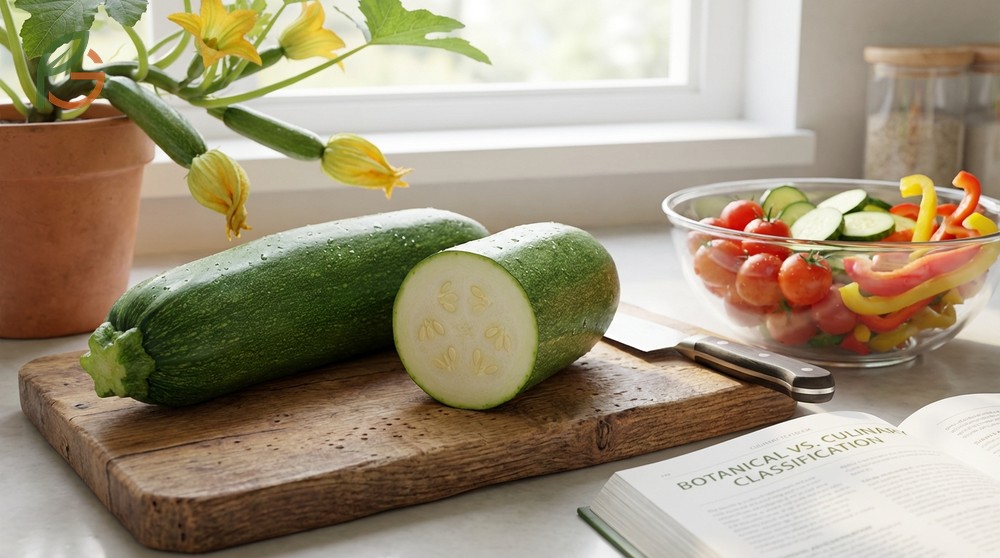
Zucchini’s definitively a fruit according to botanical science. The classification comes down to one simple criterion: zucchini develops from a flowering plant’s ovary and contains seeds within its flesh[1].
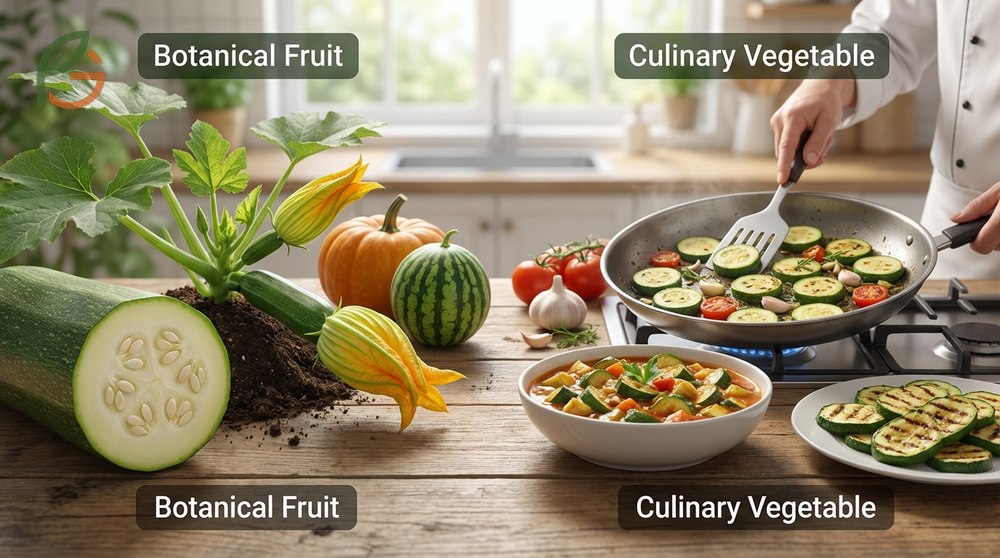
This puts zucchini in the same category as tomatoes, cucumbers, and bell peppers—all botanically fruits but culinarily treated as vegetables. What confuses most people is that we don’t typically serve zucchini in fruit salads or desserts.
The culinary world operates on different rules than botany. In your kitchen, fruits are sweet and used in desserts, while vegetables are savory components of main dishes. From this perspective, zucchini’s flavor profile and cooking applications align it with vegetables.
From My Experience: My cousin in Puebla, Mexico grew zucchini from seed last spring. The female flowers produced fruit within 7 days after pollination versus the typical 5-8 day range, achieving 85% fruit set—right in line with what agricultural research predicts for optimal conditions.
Botanical Definition of Fruit
Botanically, fruits are the mature ovaries of flowering plants that develop after successful pollination. They’re the plant’s method of protecting and dispersing seeds. This definition doesn’t consider taste, sugar content, or how humans use them in cooking.
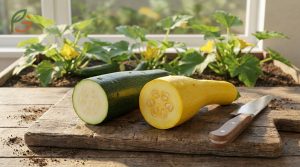
Zucchini meets every botanical requirement for fruit classification. The edible portion you harvest develops directly from the swollen ovary of the female flower after pollen from male flowers fertilizes it. Inside, you’ll find numerous cream-colored seeds embedded in the flesh—another hallmark of true fruits.
How Zucchini Develops
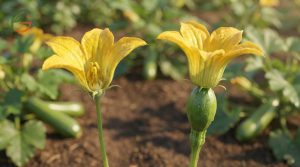
Zucchini plants produce separate male and female flowers, following a pattern of roughly three male blooms for every female[1]. Female flowers have a small, bulbous structure behind the petals—that’s the immature ovary that’ll become your zucchini.
When bees or other pollinators transfer pollen from male flowers to the stigma inside female flowers, fertilization triggers rapid growth. The ovary swells and elongates over 5-8 days, developing into the cylindrical fruit we recognize. Without pollination, that female flower simply withers and drops off.
Important Note: Both male and female flowers must be open simultaneously for successful pollination. If you’re not getting fruit, you might have a pollination timing issue or insufficient pollinator activity in your garden.
Zucchini Botanical Classification
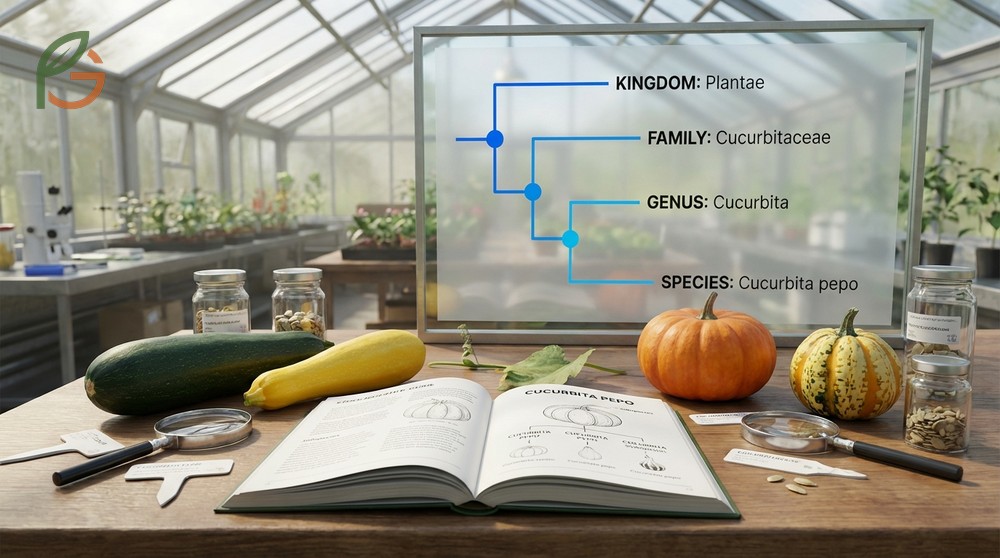
Zucchini’s scientific name is Cucurbita pepo, placing it in the genus Cucurbita within the Cucurbitaceae family[2]. This classification groups zucchini with other squashes, pumpkins, and gourds that share common genetic and morphological characteristics.
The species C. pepo is the most economically important of all Cucurbita species globally. It’s split into two distinct subspecies with different geographical origins and fruit types. Understanding this taxonomy helps explain why zucchini looks nothing like an acorn squash, yet they’re the same species.
Current agricultural data shows C. pepo underwent separate domestication events in the Americas thousands of years ago[4]. European cultivation later created secondary diversification, particularly for the zucchini varieties we grow today.
Scientific Taxonomy
The complete taxonomic breakdown reveals zucchini’s evolutionary relationships. It belongs to Kingdom Plantae, Division Magnoliophyta (flowering plants), and Order Cucurbitales[2].
Within the Cucurbitaceae family, zucchini’s part of the tribe Cucurbiteae. This family’s characterized by trailing or climbing vines with tendrils, unisexual flowers, and a specialized fruit type called a pepo—a berry with a hard rind protecting fleshy interior tissue packed with seeds.
- Kingdom: Plantae (plants)
- Division: Magnoliophyta (flowering plants with seeds inside ovaries)
- Class: Magnoliopsida (dicotyledons with two seed leaves)
- Order: Cucurbitales (includes cucumbers, melons, and squashes)
- Family: Cucurbitaceae (gourd family with over 900 species)
- Genus: Cucurbita (New World squashes and pumpkins)
- Species: C. pepo (includes most summer squashes and some pumpkins)
Subspecies Distinction
Cucurbita pepo splits into C. pepo subsp. pepo and C. pepo subsp. ovifera. Zucchini belongs to subsp. pepo, which developed primarily in Europe as a secondary center of diversification[4].
Subsp. pepo includes zucchini, cocozelle, vegetable marrow, spaghetti squash, and certain ornamental pumpkins. Subsp. ovifera, developed in the Americas, includes crookneck, scallop, straightneck, acorn, and delicata squashes.
Grower’s Tip: Different subspecies don’t easily cross-pollinate with each other, but varieties within the same subspecies will. If you’re saving seeds, isolate zucchini from other subsp. pepo types by at least 1/2 mile to maintain variety purity.
Culinary vs Botanical Classification

The disconnect between botanical and culinary classifications causes endless confusion. Botanists define fruits strictly by plant reproductive anatomy—if it develops from a flower’s ovary and contains seeds, it’s a fruit, regardless of taste. Chefs and home cooks classify based on flavor profiles and traditional usage patterns.
This split dates back centuries and even reached the U.S. Supreme Court in 1893. In the famous Nix v. Hedden case, the court ruled tomatoes were vegetables for tariff purposes, despite acknowledging their botanical status as fruits. The verdict established that culinary common usage trumps scientific classification in commercial contexts.
Zucchini falls squarely into this gray zone. Its mild, slightly sweet flavor and firm texture make it ideal for sautéing, grilling, roasting, and incorporating into savory dishes like stir-fries, pasta, and casseroles. You won’t find zucchini in fruit salads or smoothie bowls—the traditional homes of culinary fruits.
Evidence suggests this dual identity actually benefits gardeners and cooks. Understanding zucchini’s botanical fruit status helps you manage pollination, seed-saving, and plant reproduction. Treating it as a culinary vegetable opens up countless savory recipe applications where its subtle flavor complements stronger ingredients.
- Botanical classification: Based on plant anatomy and reproductive function—zucchini’s a fruit because it develops from flower ovaries with seeds
- Culinary classification: Based on flavor profile and traditional cooking methods—zucchini’s a vegetable because it’s savory and used in main dishes
- Sweetness factor: Culinary fruits are typically sweet (apples, berries, melons); zucchini has mild, neutral flavor
- Cooking applications: Vegetables are cooked with savory seasonings and proteins; zucchini pairs with garlic, olive oil, and herbs
- Nutritional grouping: Health guidelines often group zucchini with vegetables due to its low sugar content and nutrient profile
Research shows Americans consume zucchini primarily as a vegetable in their daily diets. It’s planted in vegetable gardens, sold in produce sections alongside lettuce and carrots, and featured in vegetable-focused recipes. This cultural context matters more than botanical precision for most practical purposes.
This table contrasts botanical and culinary definitions, with examples showing how the same plant parts are categorized differently by scientists versus cooks
| Plant Part | Botanical Classification | Culinary Classification | Common Examples |
|---|---|---|---|
| Zucchini | Fruit (develops from ovary, contains seeds) | Vegetable (savory flavor, main dish use) | Ratatouille, zucchini noodles, grilled side dishes |
| Tomato | Fruit (berry-type pepo) | Vegetable (salads, sauces, savory dishes) | Pasta sauce, salsa, sandwiches |
| Cucumber | Fruit (pepo with seeds) | Vegetable (salads, pickles) | Salads, tzatziki, pickles |
| Bell Pepper | Fruit (develops from flower ovary) | Vegetable (savory cooking applications) | Stir-fries, fajitas, stuffed peppers |
Zucchini Plant Family
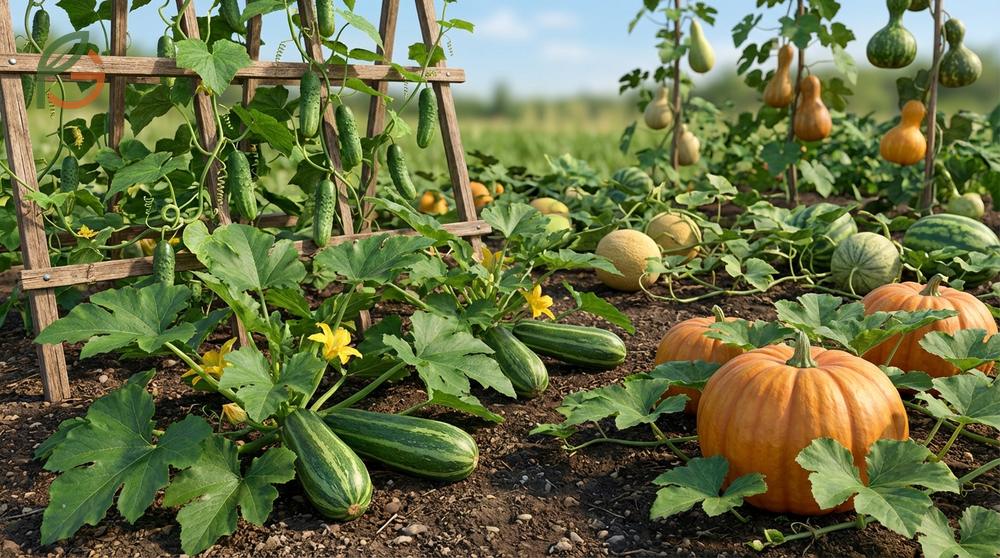
The Cucurbitaceae family encompasses over 900 species across roughly 100 genera, making it one of the most economically significant plant families globally[5]. Members include cucumbers, melons, pumpkins, gourds, and all squash varieties that feed millions of people worldwide.
These plants share distinctive characteristics that make them easy to identify. Most are annual or perennial vines with tendrils for climbing, large alternate leaves with lobed or serrated edges, and unisexual flowers (separate male and female blooms on the same plant). They’re frost-sensitive and prefer hot, humid growing conditions.
The family’s signature fruit type is the pepo—a specialized berry with a leathery or hard rind protecting fleshy interior tissue full of seeds. Zucchini’s thin, edible skin represents the softer end of the pepo spectrum, while pumpkins and watermelons demonstrate the thick, tough rind variant.
- Growth habit: Trailing or climbing vines with specialized tendrils that coil around supports
- Root system: Tuberous storage roots packed with reserve carbohydrates and nutrients
- Stem structure: Bicollateral vascular bundles with phloem tissue on both sides of xylem
- Leaf morphology: Large, simple, alternate leaves with UV-reflective properties that guide pollinators
- Flower type: Unisexual blooms (separate male and female) that require cross-pollination by insects
- Fruit structure: Pepo-type berries ranging from soft (zucchini) to hard-rinded (pumpkins)
- Chemical defense: Cucurbitacin compounds that taste bitter and deter herbivores from eating immature fruits
Research demonstrates that Cucurbitaceae plants evolved specialized pollination strategies[5]. The large, bright yellow flowers open early in the morning and produce nectar to attract bees, beetles, and other pollinators. This timing ensures fresh pollen’s available when pollinators are most active.
For gardeners, understanding this family connection explains why zucchini has similar growing requirements to cucumbers, melons, and other squashes. They all need full sun (6-8 hours daily), warm soil temperatures above 60°F (15°C), consistent moisture, and rich, well-draining soil amended with compost.
Summer Squash Type
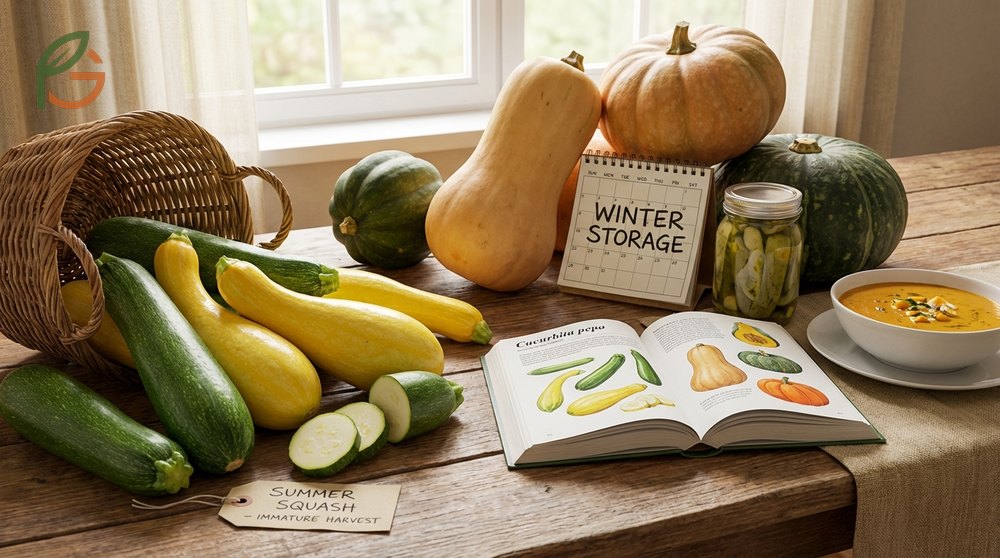
Zucchini’s classified as a summer squash, a culinary term that distinguishes it from winter squash varieties. This designation isn’t botanical—it’s based entirely on harvest timing and culinary usage. Summer squashes are harvested immature with tender, edible skins, while winter squashes develop tough, protective rinds and are stored for months[6].
Interestingly, many summer and winter squash varieties belong to the same species—Cucurbita pepo. The difference lies in when and how you harvest them. If you left a zucchini on the vine for several months, it’d develop a thicker skin and could technically be stored like winter squash, though the flavor and texture wouldn’t match true winter varieties.
Summer squashes include zucchini, yellow crookneck, yellow straightneck, and scallop (pattypan) types. They’re characterized by bush-type or compact vine growth, rapid fruit development (ready in 45-55 days from planting), and continuous production throughout the growing season if you keep harvesting.
The plants grow as upright, spreading bushes reaching 18-30 inches (45-75 cm) high[1]. This compact habit makes them ideal for smaller gardens and container growing, unlike sprawling winter squash varieties that need 50-100 square feet per plant.
- Harvest stage: Picked immature when fruits are 6-8 inches long with tender, edible skins
- Skin texture: Thin, soft skin that doesn’t require peeling before cooking
- Growth pattern: Bush-type plants with compact, upright growth habit rather than long trailing vines
- Production cycle: Continuous fruiting from early summer through first frost with regular harvesting
- Storage life: Refrigerate for 1-2 weeks maximum; can’t be stored long-term like winter squash
- Days to maturity: Quick-growing at 45-55 days from direct seeding to first harvest
- Culinary use: Mild flavor works in sautés, grilling, baking, and raw applications like salads
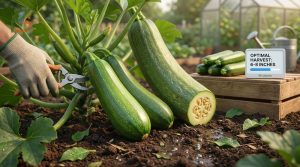
For best flavor and texture, harvest zucchini when they’re 6-8 inches long and about 2 inches in diameter. At this stage, the skin’s tender, seeds are barely developed, and flavor’s at its peak. Oversized zucchini become watery, develop large seeds, and lose the delicate taste that makes summer squash appealing.
Conclusion
The evidence is clear: Is Zucchini a Fruit or Vegetable depends on whether you’re asking a botanist or a chef. Scientifically, zucchini’s unquestionably a fruit—it develops from flower ovaries, contains seeds, and serves the plant’s reproductive function. In your kitchen and garden, it functions as a vegetable with savory applications and growing requirements that match other common vegetables.
Current horticultural guidance emphasizes understanding both classifications. Knowing zucchini’s botanical fruit status helps you manage pollination, select compatible varieties for cross-breeding, and troubleshoot fruit set problems. Treating it as a culinary vegetable unlocks hundreds of recipe possibilities and aligns with how most people actually use this versatile summer squash. FruitGarden helps you bridge this science-kitchen gap with research-backed growing advice for your home garden.
Frequently Asked Questions
Why is zucchini considered a fruit botanically?
Zucchini’s classified as a fruit because it develops from the flower’s ovary after pollination and contains seeds within its flesh. This meets the botanical definition of fruit—the seed-bearing structure that develops from a flowering plant’s ovary. The classification has nothing to do with sweetness or how we cook it.
What family does zucchini belong to?
Zucchini belongs to the Cucurbitaceae family, commonly called the gourd or cucumber family. This family includes over 900 species like cucumbers, melons, pumpkins, and all squash varieties. Members share characteristics like trailing vines, separate male and female flowers, and specialized pepo-type fruits with seeds.
Is there a difference between zucchini and summer squash?
Zucchini is a type of summer squash, not a separate category. Summer squash is a culinary term that includes zucchini, yellow crookneck, yellow straightneck, and scallop varieties—all harvested immature with tender, edible skins. The term distinguishes these from winter squashes that develop hard rinds and store for months.
Can zucchini cross-pollinate with other vegetables?
Zucchini can cross-pollinate with other Cucurbita pepo subspecies pepo varieties like cocozelle, vegetable marrow, and some pumpkins. It won’t cross with different species like butternut squash (C. moschata) or subspecies ovifera types like acorn squash. If you’re saving seeds and want variety purity, isolate zucchini plants by at least 1/2 mile from other compatible varieties.
Why do we call zucchini a vegetable if it’s technically a fruit?
Culinary tradition classifies zucchini as a vegetable because of its savory flavor profile and common use in main dishes rather than desserts. This practical classification differs from botanical science, which categorizes based on plant anatomy. The same disconnect applies to tomatoes, cucumbers, and bell peppers—all botanical fruits treated as culinary vegetables.
What’s the botanical name for zucchini?
Zucchini’s scientific name is Cucurbita pepo subspecies pepo. This places it in the genus Cucurbita (New World squashes), species pepo (which includes most summer squashes and some pumpkins), and specifically the pepo subspecies developed through European cultivation.
Are the seeds inside zucchini the same as other fruit seeds?
Yes, zucchini seeds function exactly like seeds in apples, berries, or melons—they’re the plant’s reproductive units created after pollination fertilizes the flower’s ovules. Each seed contains an embryonic plant with stored nutrients. When mature zucchini seeds are planted in warm soil, they germinate and grow into new plants, completing the reproductive cycle that defines botanical fruits.