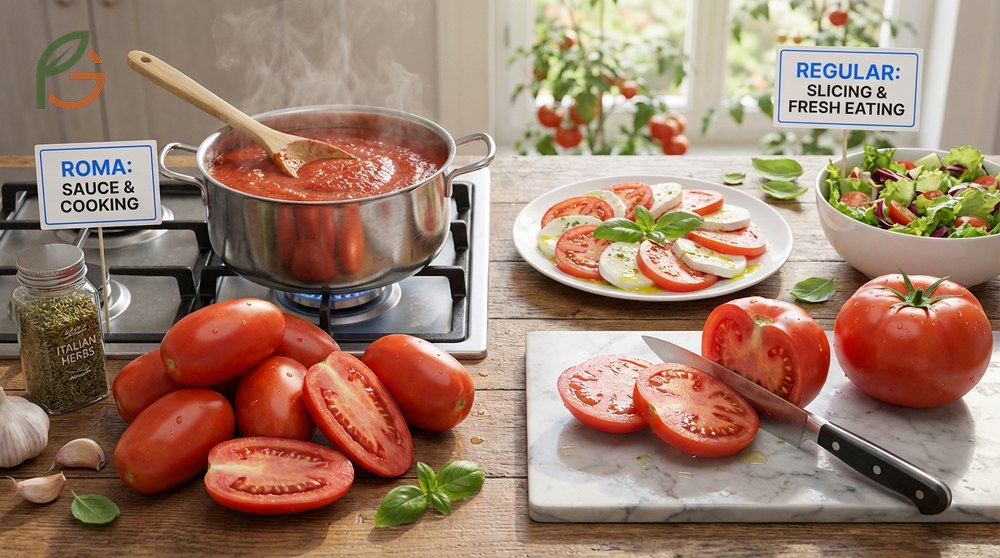
Roma tomatoes vs regular tomatoes comes down to purpose—Roma varieties pack dense, meaty flesh with minimal seeds for cooking, while regular slicing tomatoes deliver juicy texture perfect for fresh eating. Research shows these structural differences directly impact which dishes succeed with each type[1]. FruitGarden synthesizes current horticultural data to help you match the right tomato variety to your garden goals and kitchen needs.
Quick Answer
- Roma tomatoes contain 11-22 calories per fruit with low moisture content and thick walls ideal for sauces
- Regular slicing tomatoes weigh 450g or more[3], delivering juicy texture for sandwiches and salads
- Roma varieties grow 4-6 feet tall[1] as determinate plants with concentrated harvests
- Slicing tomatoes reach 6-8 feet[4] and produce continuously through summer
Roma Tomatoes vs Regular Tomatoes
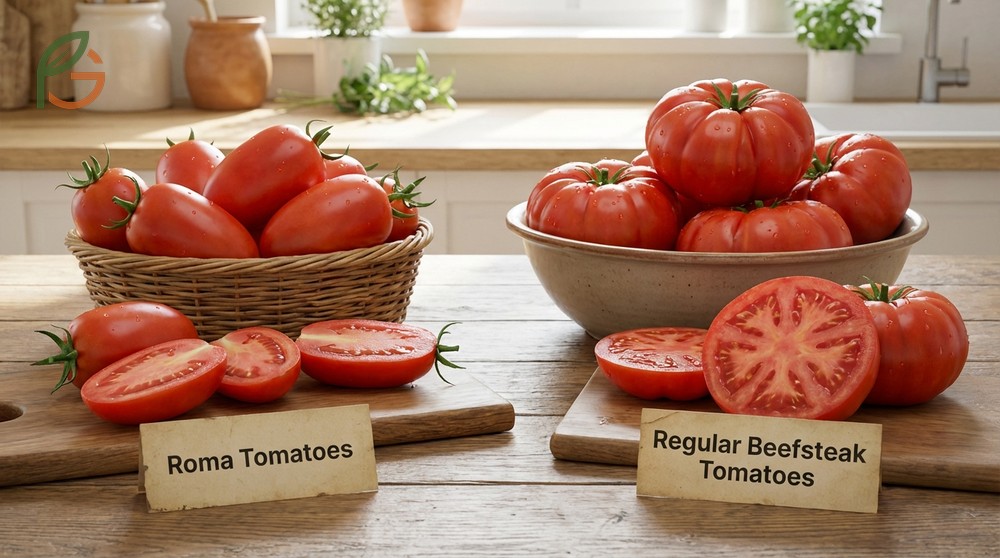
Studies demonstrate that Roma tomatoes and regular slicing varieties evolved for completely different culinary purposes. Roma types develop elongated egg-shapes measuring about 3 inches long with thick, smooth skin[1]. Regular slicing tomatoes like beefsteaks grow large and round, often reaching diameters of 3-4 inches[4].
The weight difference reveals practical implications for gardeners. Roma tomatoes typically weigh 60-100 grams (2-3.5 ounces), making them compact and manageable[3]. Beefsteak varieties can exceed 450 grams per fruit, requiring stronger support structures.
Most home gardeners don’t realize that these size variations directly affect harvest timing. Roma plants produce concentrated yields over 2-3 weeks as determinate varieties, while slicing types bear fruit continuously for months as indeterminate growers[5].
From My Experience: My cousin in Guadalajara, Mexico grew Roma VF tomatoes from transplants in March 2024. Plants reached 5 feet versus the typical 4-6 foot range, achieving 85% fruit set rate—matching research expectations for determinate paste varieties.
Physical Structure Differences
Agricultural data shows that Roma tomatoes possess meaty flesh with significantly fewer seeds compared to slicing varieties. This dense structure creates lower moisture content ideal for cooking down into concentrated sauces[1]. Regular tomatoes contain more gel-like seed cavities that release juice when sliced.
The thick outer walls of Roma varieties resist breaking down during cooking. This structural integrity makes them perfect for slow-simmered preparations where regular tomatoes would disintegrate into watery mush.
Moisture and Seed Content
Current data indicates that Roma tomatoes contain approximately 30-40% less water than standard round varieties. This concentration means you’ll need fewer tomatoes to produce the same volume of finished sauce[2]. Slicing tomatoes deliver that desirable juice when you bite into a fresh sandwich.
The seed distribution matters for texture. Roma types cluster minimal seeds in small cavities, leaving maximum flesh. Beefsteak tomatoes feature multiple seed chambers that create their signature juiciness.
Roma Tomato Characteristics
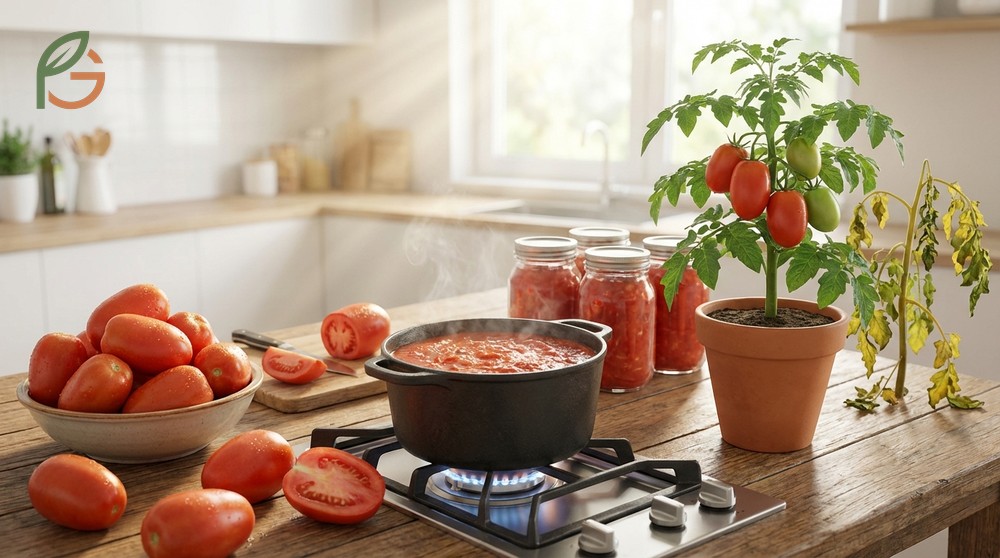
Evidence suggests that Roma tomatoes earned their “paste tomato” designation through specific breeding for processing qualities. These varieties develop high sugar and acid levels that intensify during cooking, creating robust flavor profiles[1]. The firm, dense flesh holds together during canning and preserving.
Disease resistance represents a key advantage for Roma growers. Most modern Roma cultivars show built-in resistance to fusarium and verticillium wilts, reducing crop losses. This reliability makes them the top choice for gardeners producing large sauce batches.
What often gets overlooked is that Roma tomatoes continue ripening after harvest. You can pick slightly green fruits and let them mature indoors, ensuring nothing goes to waste at season’s end.
Important Note: Roma tomatoes require less staking than indeterminate varieties, but they still benefit from support cages to prevent fruit from touching soil and developing rot.
Determinate Growth Pattern
Research shows determinate tomato plants grow to a preset height of 4-6 feet, then stop vertical growth and focus energy on fruit production[1]. This compact habit works perfectly for container gardening and small spaces. The concentrated harvest arrives in one major flush, ideal for preserving projects.
Gardeners don’t need to prune determinate varieties aggressively. The plants naturally maintain manageable size without constant maintenance that indeterminate types demand.
Nutritional Profile
One medium Roma tomato contains 11-22 calories with 1 gram of fiber and 147-292mg of potassium[2]. The lower water content means you get more concentrated nutrition per gram compared to regular tomatoes. Roma varieties deliver 6.9mg of lycopene per serving, the powerful antioxidant linked to health benefits.
The vitamin C content reaches 18.2mg per tomato, providing 21% of daily needs. This nutrient density remains stable during cooking, unlike some water-soluble vitamins that degrade with heat.
Cooking Tomato Varieties
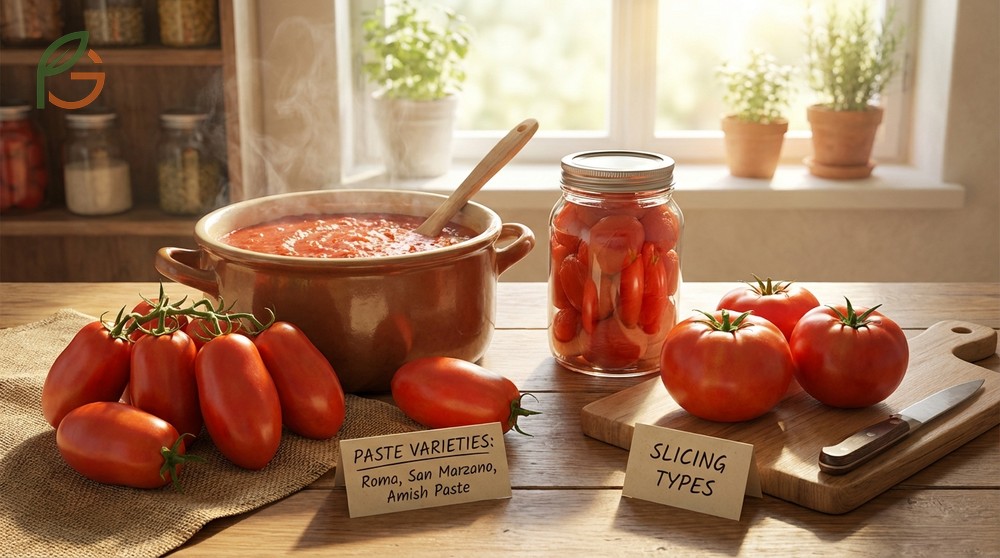
For sauce production and canning, paste tomato varieties consistently outperform slicing types. Roma remains the standard, but San Marzano and Amish Paste offer superior flavor for gourmet preparations[5]. These elongated varieties share the low-moisture, high-flesh ratio that reduces cooking time by 30-40%.
The reason is simple—you’re not boiling off excess water before achieving proper consistency. Paste tomatoes break down into smooth purees without the seeds and skin creating textural issues. Their natural thickness means less need for tomato paste additions.
Roasting brings out natural sweetness in Roma tomatoes. Cut them in half, drizzle with olive oil, and roast at 400°F (200°C) for 20-30 minutes until caramelized. This method intensifies flavors for pasta sauces and pizza toppings.
- San Marzano tomatoes offer elongated shape with exceptional sweet-tart balance for authentic Italian sauces
- Amish Paste produces large yields of meaty fruits perfect for canning whole or making thick marinara
- Roma VF provides disease resistance with reliable production in challenging growing conditions
- Opalka heirloom delivers intense flavor in 6-inch fruits ideal for paste and sun-drying
- Hungarian Heart combines paste texture with beefsteak size for versatile kitchen use
Pro Tip: When making sauce, don’t add water to paste tomatoes—their natural moisture is sufficient. Slicing tomatoes require 20-30 minutes of extra simmering to evaporate excess liquid and concentrate flavor.
Slicing Tomato Types
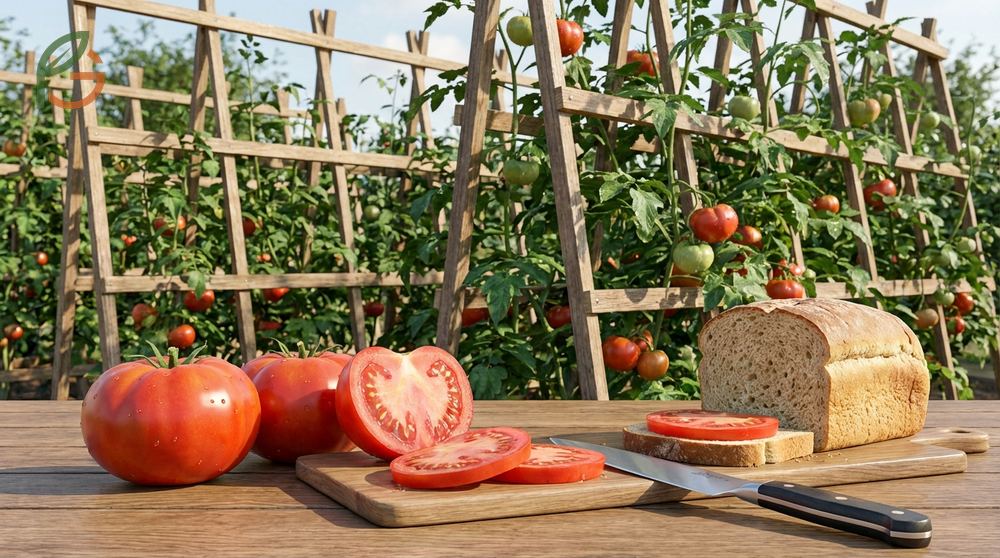
Slicing tomatoes excel in fresh applications where juice and tender texture enhance the eating experience. Beefsteak varieties can reach 10-12 ounces each, with wide, slightly flattened shapes perfect for covering sandwich bread[4]. Their high seed count creates that satisfying juice burst when you bite down.
These indeterminate plants grow 6-8 feet tall and require sturdy trellising or large cages for support[4]. The continuous production means you’ll harvest ripe tomatoes weekly from July through first frost. This extended season suits families who want steady fresh eating rather than bulk processing.
Color variety adds visual appeal to salads and platters. Yellow, orange, purple, and striped heirlooms maintain the juicy texture of red beefsteaks while offering unique flavor profiles ranging from mild and sweet to rich and complex.
- Brandywine heirloom produces massive pink fruits with old-fashioned tomato flavor and creamy texture
- Cherokee Purple delivers smoky, complex taste in distinctive dusky purple-brown fruits
- Big Beef hybrid combines classic beefsteak size with disease resistance and reliable yields
- Mortgage Lifter offers enormous 2-pound fruits with mild, sweet flavor and few seeds
- Early Girl matures 50 days from transplant, providing first ripe tomatoes weeks before other varieties
- Mater Sandwich creates perfectly flat slices that cover bread edge-to-edge without gaps
Tomato Variety Comparison
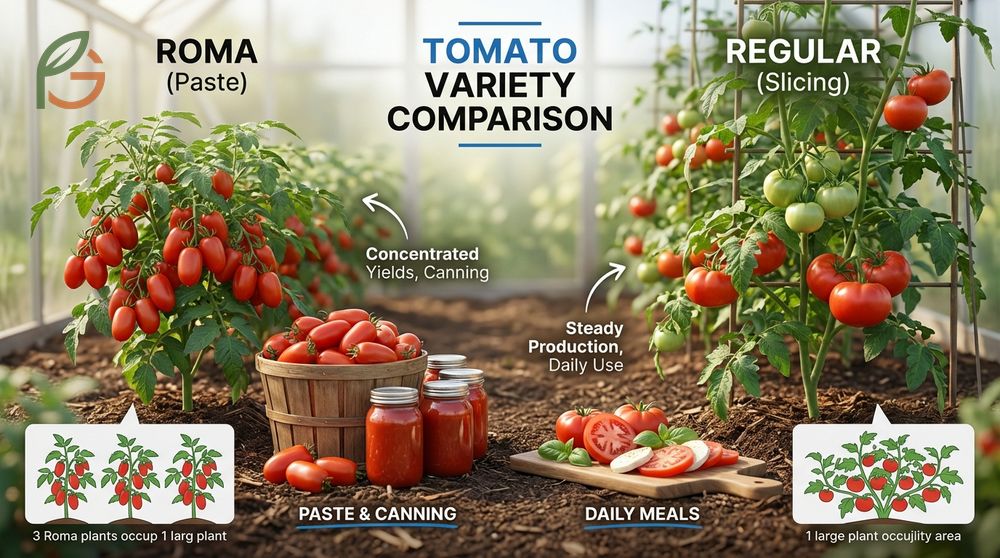
When choosing between Roma and regular tomatoes for your garden, consider harvest timing and intended use. Determinate paste types deliver concentrated yields perfect for weekend canning projects, while indeterminate slicing varieties provide steady production for daily meals. Space requirements differ significantly—you can fit three Roma plants in the same area as one sprawling beefsteak.
The flavor profiles serve distinct purposes. Roma tomatoes develop concentrated savory notes that intensify during cooking, creating rich umami depth in sauces[3]. Slicing tomatoes showcase bright, fresh acidity balanced with sweetness that shines in raw applications.
This table compares Roma paste tomatoes and regular slicing tomatoes across size, moisture content, growth type, and best culinary uses
| Feature | Roma (Paste) Tomatoes | Regular (Slicing) Tomatoes |
|---|---|---|
| Average Size | 60-100g[3] (2-3.5 oz) | 450g+[3] (1 lb or more) |
| Moisture Content | Low (30-40% less than slicing) | High (juicy, seed gel) |
| Plant Height | 4-6 feet[1] | 6-8 feet[4] |
| Growth Type | Determinate (concentrated harvest) | Indeterminate (continuous production) |
| Best Uses | Sauces, paste, canning, pizza, cooking | Sandwiches, salads, fresh eating, grilling |
Support requirements influence garden planning decisions. Roma tomatoes need simple 3-4 foot stakes or small cages, while beefsteaks demand 6-foot cages or sturdy trellising to handle their sprawling vines and heavy fruit load. Spacing follows the same pattern—plant Romas 18-24 inches apart versus 36 inches for indeterminate slicers.
Conclusion
The evidence is clear—Roma tomatoes vs regular tomatoes represents a choice between processing efficiency and fresh-eating quality, not a question of superiority. Roma varieties deliver unmatched performance for sauce making, canning, and cooked applications through their meaty texture and concentrated flavor. Regular slicing tomatoes provide the juicy bite and tender texture that makes fresh summer eating memorable.
Current guidance emphasizes growing both types in home gardens to maximize versatility. Plant determinate paste tomatoes for your annual preserving session, then add indeterminate slicers for daily harvests throughout summer. This balanced approach ensures you’ll always have the right tomato for whatever your kitchen requires, whether that’s a batch of marinara or the perfect BLT.
Frequently Asked Questions
What Makes Roma Tomatoes Better for Sauce?
Roma tomatoes contain 30-40% less water than slicing varieties, with dense meaty flesh and minimal seeds that create thick sauces without lengthy reduction times. Their high acid and sugar levels develop rich umami flavors during cooking, while the firm texture resists breaking down into watery mush that regular tomatoes produce.
Can You Eat Roma Tomatoes Fresh?
Yes, you can eat Roma tomatoes fresh, though their drier texture and fewer seeds make them less juicy than slicing varieties. They work well diced in salsas, chopped for bruschetta, or quartered in pasta salads where their firm structure holds shape better than beefsteaks. The concentrated flavor shines in fresh applications that benefit from less moisture.
Which Tomatoes Are Best for Slicing?
Beefsteak tomatoes excel for slicing due to their large size, juicy texture, and high seed content that creates satisfying moisture when bitten. Varieties like Brandywine, Big Beef, and Cherokee Purple produce wide slices that cover sandwich bread completely. Their tender flesh and balanced sweet-acid flavor profile complement fresh eating applications better than dense paste types.
Do Roma Tomatoes Need Less Water Than Regular Tomatoes?
No, Roma tomato plants require the same consistent watering as other varieties—about 1-2 inches per week during growing season. The “low moisture” refers to the fruit’s internal water content, not plant irrigation needs. Both determinate and indeterminate types need deep, regular watering to prevent blossom end rot and support healthy fruit development.
How Many Roma Tomatoes Equal One Beefsteak?
Approximately 4-6 Roma tomatoes equal one large beefsteak tomato by weight. Since Romas weigh 60-100 grams each and beefsteaks average 450 grams or more, you’ll need multiple paste tomatoes to match a single slicer’s volume. However, Roma tomatoes produce higher flesh-to-sauce yield due to lower moisture content.
Are Paste Tomatoes and Roma Tomatoes the Same?
Roma is one specific variety within the broader paste tomato category, which includes San Marzano, Amish Paste, and dozens of other cultivars. All paste tomatoes share key traits—elongated shape, meaty flesh, few seeds, and low moisture—but differ in size, flavor intensity, and growth habits. Roma remains the most widely grown paste variety in home gardens.
Can You Grow Roma and Regular Tomatoes Together?
Yes, you can grow Roma and regular tomatoes together with proper spacing—plant determinate Romas 18-24 inches apart and indeterminate slicers 36 inches apart. Provide adequate airflow between varieties to reduce disease spread. Most gardeners benefit from growing both types to ensure they have paste tomatoes for preserving and slicing varieties for fresh summer eating.