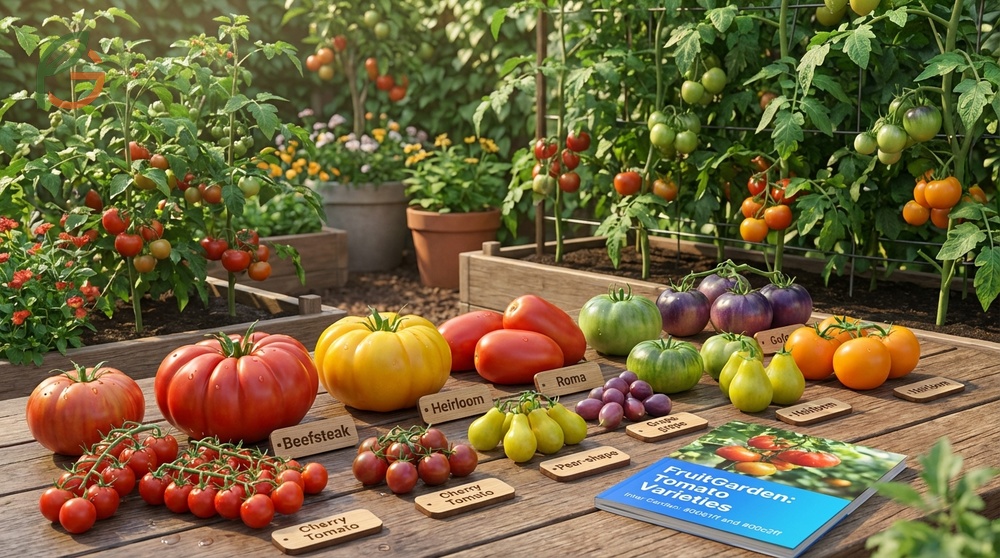
Different types of tomatoes offer gardeners hundreds of options, from tiny cherry tomatoes to massive two-pound beefsteaks. Research across the USDA’s collection shows over 5,600 tomato varieties with distinct growth patterns, flavors, and uses[1]. FruitGarden helps you navigate this diversity by categorizing tomatoes by growth habit, size, and culinary purpose so you can select the perfect varieties for your space and needs.
Quick Answer
- Tomatoes are classified as determinate (bush type, 3-5 feet tall) or indeterminate (vining type, 6-20 feet tall)[2]
- Common categories include cherry (1-2 oz), paste (4-6 oz), beefsteak (1-4 lbs), and heirloom varieties
- Heirlooms are open-pollinated varieties passed down for 50+ years through seed saving
- Dwarf varieties grow under 3 feet and work well in containers as small as 5 gallons
Different Types of Tomatoes
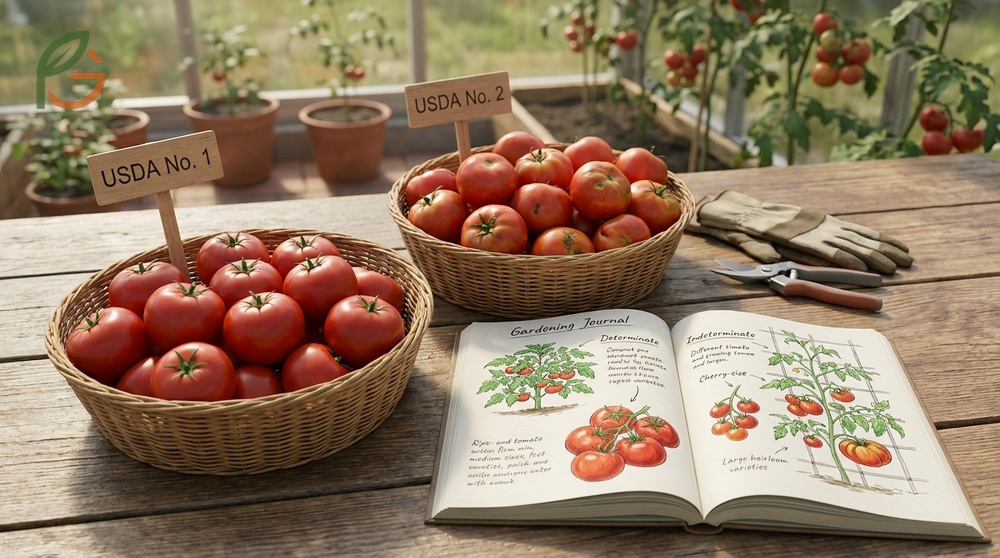
Tomatoes are categorized by their growth patterns, fruit size, and intended culinary uses. The USDA maintains grading standards for commercial tomatoes that classify them as U.S. No. 1 (well developed, fairly well formed) or U.S. No. 2 (firm, fairly well colored)[3]. Home gardeners use different classifications based on plant structure and fruit characteristics.
Most gardeners organize tomatoes into two primary groups: determinate varieties that stop growing at a predetermined height and produce fruit all at once, versus indeterminate varieties that continue growing and producing fruit throughout the season. Within these groups, you’ll find specialty categories like paste tomatoes for saucing, beefsteaks for slicing, and cherry types for snacking.
Growth Habit Classification
Growth habit determines how much space your tomato plants need and when they’ll produce fruit. Determinate tomatoes reach 3-5 feet tall and ripen their entire crop over approximately two weeks, making them ideal for gardeners who want to preserve sauces or salsas all at once[2]. Indeterminate varieties grow as vines from 6-20 feet long and produce fruit continuously until frost hits.
A third category called semi-determinate combines traits from both types. These plants grow taller than standard determinates but don’t vine as aggressively as indeterminates, offering a middle ground for gardeners with moderate space.
From My Experience: My cousin in Guadalajara, Mexico grew Cherokee Purple tomatoes from seed in April 2024. The indeterminate vines reached 8 feet by July versus the typical 6-7 foot range, producing fruit continuously for 11 weeks until the first frost.
Size Categories
Tomatoes range from tiny currant types under half an ounce to massive beefsteaks exceeding four pounds. Cherry tomatoes weigh 1-2 ounces and measure about an inch across, perfect for salads and lunchboxes. Grape tomatoes are slightly smaller and more oblong than cherries, typically weighing around 1 ounce.
Medium tomatoes called slicers weigh 6-12 ounces and work well for sandwiches and burgers. Beefsteak varieties start at one pound and can reach impressive sizes—the world record holder weighed over 10 pounds. Paste tomatoes like Roma fall into the 4-6 ounce range with dense, meaty flesh that contains less water than slicing types.
- Currant tomatoes: under 0.5 oz, smallest cultivated type
- Cherry tomatoes: 1-2 oz, round bite-sized fruits
- Grape tomatoes: 0.5-1 oz, oblong shape similar to grapes
- Paste tomatoes: 4-6 oz, dense flesh with few seeds
- Slicer tomatoes: 6-12 oz, standard round shape for sandwiches
- Beefsteak tomatoes: 1-4+ lbs, large irregular shapes with multiple lobes
Types of Tomato Plants
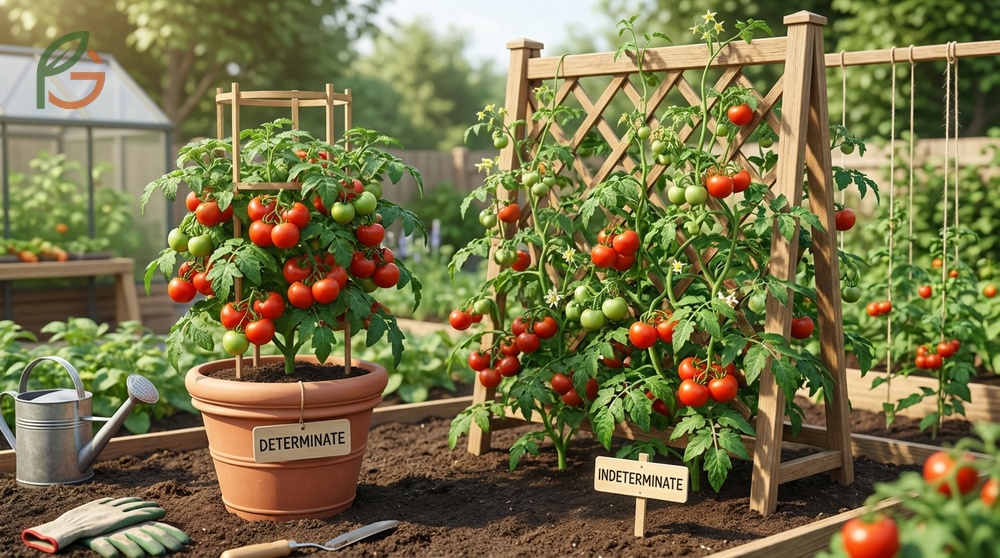
Tomato plants differ dramatically in their growth structure, affecting how you’ll need to support and maintain them. Determinate plants grow as compact bushes that reach their full size, set all their flowers at once, and then ripen fruit over a concentrated 2-3 week period. They work perfectly for container gardening and small spaces since they rarely need pruning.
Indeterminate plants produce long vines that continue growing until frost kills them. These varieties require sturdy support systems like tall cages (at least 6 feet), stakes, or trellises. What most people don’t realize is that indeterminate tomatoes need regular pruning by removing side shoots (called suckers) to focus energy on fruit production rather than foliage[2].
Dwarf varieties represent a specialized category bred for extreme compactness. These plants max out at 2-3 feet tall but maintain indeterminate characteristics, producing fruit continuously throughout the season. They’re engineered for balcony gardening and small containers.
Important Note: Don’t prune determinate tomatoes or you’ll remove the branches where fruit will form, drastically reducing your harvest.
- Determinate plants stop growing at predetermined height (bush form)
- Indeterminate plants continue growing as vines until killed by frost
- Determinate varieties ripen all fruit within 2-3 weeks
- Indeterminate varieties produce fruit continuously for months
- Dwarf varieties combine compact size with continuous production
- Semi-determinate varieties offer intermediate growth patterns
What Are Heirloom Tomatoes
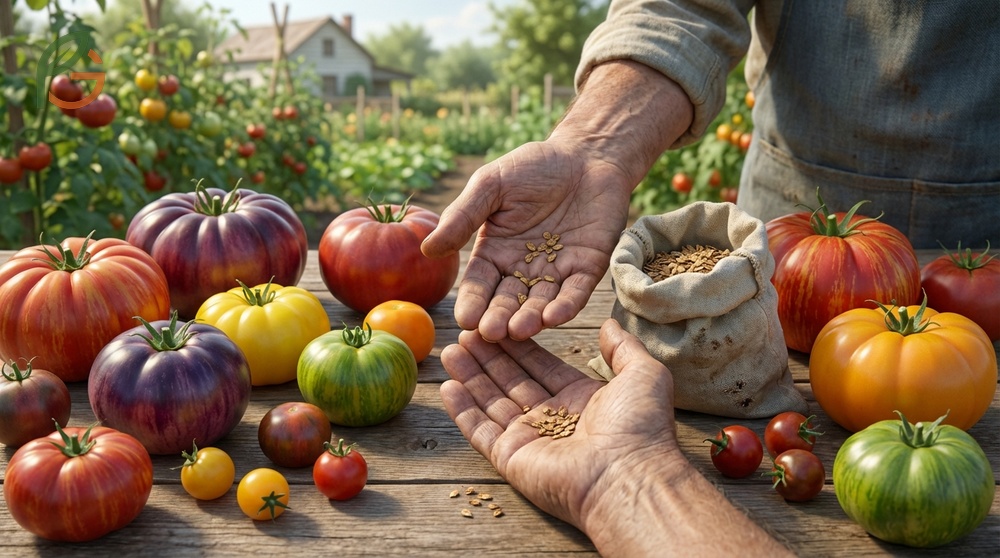
Heirloom tomatoes are open-pollinated varieties passed down through generations by seed saving, typically for at least 50 years. Unlike hybrid tomatoes created by crossing two different varieties, heirlooms breed true from seed—meaning plants grown from saved seeds will produce fruit identical to the parent plant. These varieties predate the introduction of hybrid tomatoes in the 1950s.
Gardeners prize heirlooms for their complex flavors and unusual colors ranging from deep purple to striped green. Varieties like Brandywine, Cherokee Purple, and Mortgage Lifter have devoted followings among tomato enthusiasts. The Cherokee Purple originated with the Cherokee people in Tennessee during the 19th century, producing 12-16 ounce dusty purple fruits with a sweet, almost candy-like aftertaste[4].
The Mortgage Lifter has a colorful history—it was developed in West Virginia in 1922 and earned its name because the developer allegedly paid off his mortgage by selling seedlings for $1 each during the Great Depression. These massive pink beefsteaks can weigh over 2 pounds and feature sweet, low-acid flesh perfect for slicing.
Heirloom Trade-offs: While heirlooms offer superior flavor, most lack disease resistance bred into modern hybrids. They’re also typically indeterminate varieties requiring more space and support than compact hybrids.
- Cherokee Purple: 12-16 oz purple fruits, sweet flavor, 80-day maturity
- Brandywine: 1-2 lb pink beefsteaks, considered the best-tasting heirloom by many gardeners
- Mortgage Lifter: 2+ lb pink fruits, developed in West Virginia in 1922[5]
- Black Krim: dark reddish-purple color, smoky sweet flavor from Crimean Peninsula
- Amish Paste: heart-shaped paste tomato, sweeter than San Marzano
- Green Zebra: small to medium green striped fruits with tart flavor
- Yellow Pear: pear-shaped yellow cherry tomatoes in large clusters
Determinate vs Indeterminate Tomatoes
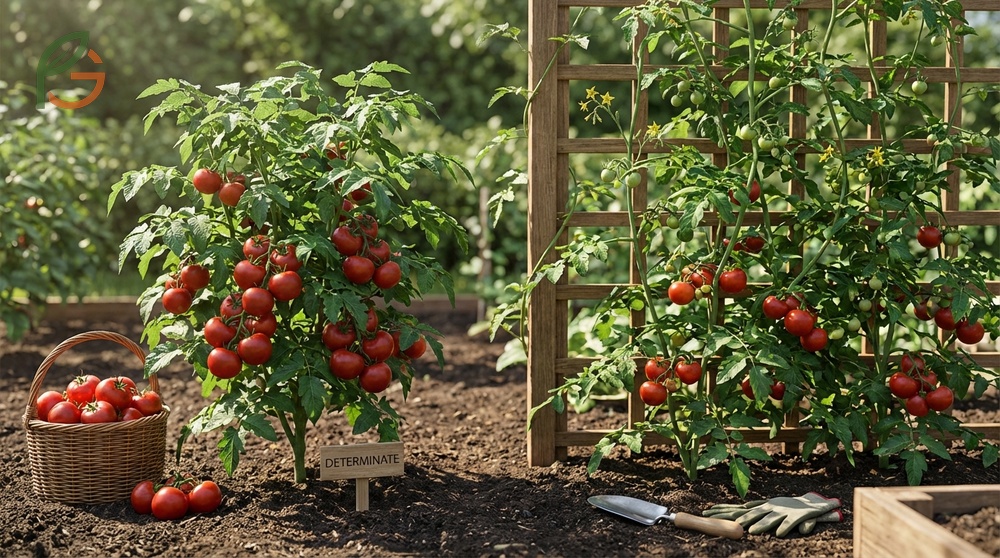
The fundamental difference between determinate and indeterminate tomatoes lies in their growth patterns and fruiting schedules. Determinate varieties grow to a fixed height (usually 3-5 feet), set all their fruit at once, and then ripen that fruit over approximately two weeks before the plant declines[2]. This concentrated harvest makes them ideal for canning and sauce-making.
Indeterminate tomatoes continue growing and producing new flowers and fruit throughout the entire growing season until frost. Their vines can reach 6-20 feet long depending on variety and growing conditions. Most heirloom tomatoes, beefsteak varieties, and cherry tomatoes are indeterminate—they’re better suited for gardeners who want to harvest a few tomatoes daily for fresh eating rather than processing large batches.
Support requirements differ dramatically between the two types. Determinates need only short cages or stakes around 3-4 feet tall, while indeterminates require substantial support structures at least 6 feet high. Indeterminates also benefit from regular pruning to remove suckers (side shoots that grow between the main stem and branches), which improves air circulation and focuses plant energy on fruit production.
This table compares growth characteristics, harvest timing, support needs, and best uses for determinate versus indeterminate tomato varieties
| Characteristic | Determinate | Indeterminate |
|---|---|---|
| Growth Height | 3-5 feet[2] | 6-20 feet[2] |
| Growth Pattern | Bush form, stops at set height | Vining, grows until frost |
| Harvest Period | 2-3 weeks concentrated harvest | Continuous until frost |
| Support Needed | Short cage (3-4 feet) | Tall cage/stake (6+ feet) |
| Pruning Required | No (reduces yield) | Yes (remove suckers) |
| Best For | Canning, sauces, containers | Fresh eating, extended harvest |
If you’re unsure whether a tomato is determinate or indeterminate, check the plant label or seed packet. Determinate varieties are often labeled as “bush” tomatoes, while indeterminates may be called “vining” or “cordon” types. Notable indeterminate varieties include Black Krim, San Marzano, Better Boy, and Early Girl, while popular determinates include Roma, Celebrity, and Bush Early Girl.
Paste Tomatoes
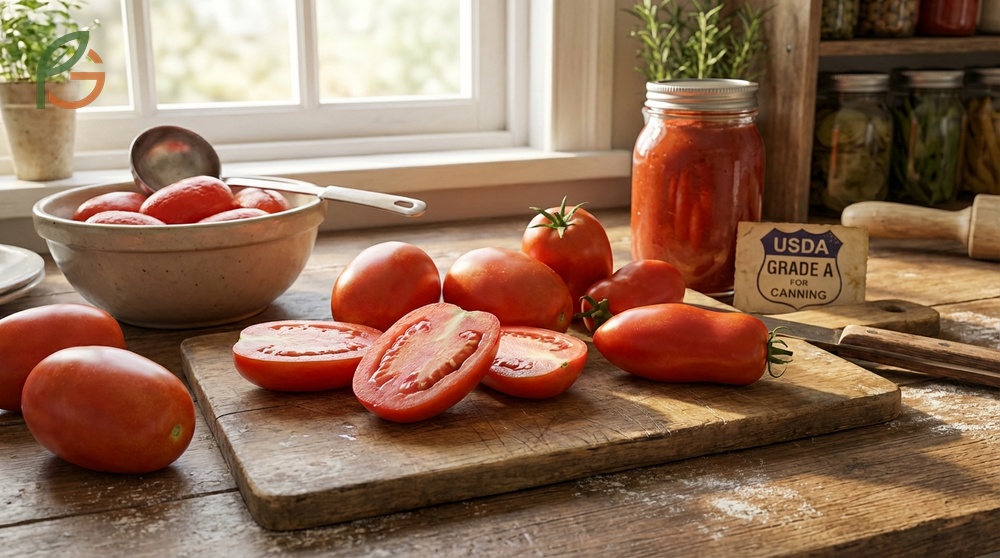
Paste tomatoes have thick walls, dense flesh, and fewer seeds than slicing varieties, making them perfect for sauces, canning, and drying. Roma represents the most widely recognized paste tomato—its 4-6 ounce oblong fruits contain minimal juice and produce thick, rich sauces without hours of simmering. The USDA maintains specific grading standards for Italian-type tomatoes used for canning, requiring them to be firm, well-colored, and fairly well-formed[6].
San Marzano tomatoes are prized paste varieties originating from Italy’s Campania region. These elongated fruits measure 3-4 inches long with pointed tips and feature sweeter, less acidic flesh than Roma. Amish Paste offers an heirloom alternative—these heart-shaped tomatoes ripen earlier than San Marzano and produce better in cooler conditions, though they contain more pulp and seeds than true paste types.
Most paste tomatoes are determinate varieties, producing their entire crop over 2-3 weeks so you can process large batches at once. They’re also naturally crack-resistant, which helps preserve quality during the ripening period. For fresh eating, paste tomatoes work well sliced on sandwiches despite their reputation as cooking tomatoes.
- Roma: Classic 4-6 oz paste type, determinate, tangy-sweet flavor
- San Marzano: Italian heirloom, 3-4 inches long, sweeter than Roma
- Amish Paste: Heart-shaped heirloom, earlier maturity, more seeds than San Marzano
- Juliet: Hybrid mini Roma, 1 oz grape size, crack-resistant
- Opalka: Polish heirloom, banana-shaped, very low moisture content
- Speckled Roman: Heirloom with red and yellow stripes, meaty texture
Cooking Tip: You don’t need to peel paste tomatoes for sauce since their skins break down during cooking. For smoother sauces, pass the cooked tomatoes through a food mill to remove skins and seeds in one step.
Cherry Tomato Varieties
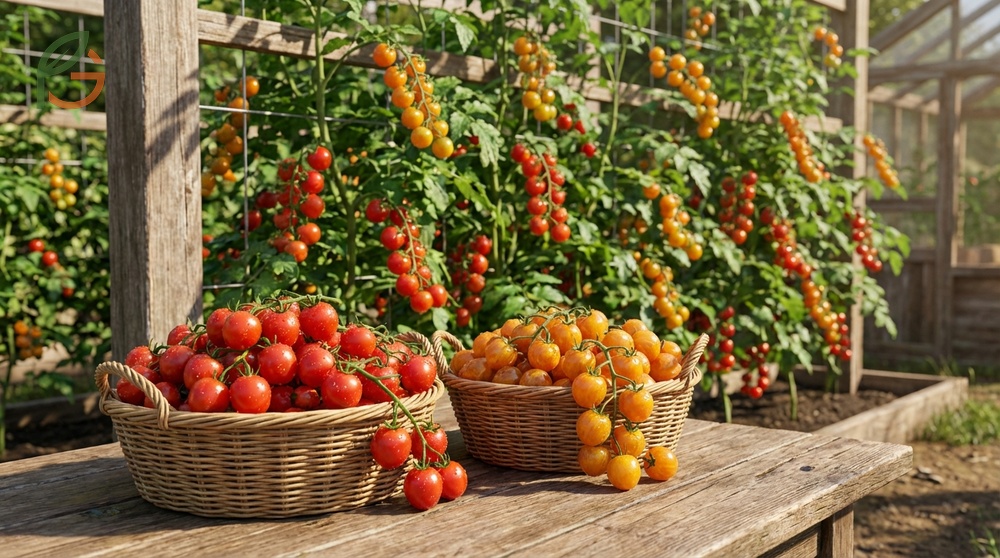
Cherry tomatoes pack intense flavor into 1-2 ounce bite-sized fruits perfect for snacking, salads, and roasting. Nearly all cherry varieties are indeterminate plants that produce long vines loaded with clusters of fruit throughout summer until frost. Sun Gold stands out as one of the sweetest cherries available—these golden-orange fruits have an almost tropical flavor with balanced acidity.
Sweet 100 produces massive yields of classic red cherry tomatoes on vigorous vines that can reach 7 feet or more. Black Cherry offers something different with its dusky purple color and complex smoky-sweet flavor. For yellow options, Lemon Cherry provides juicy round fruits with mild sweetness, while Yellow Pear produces distinctive pear-shaped tomatoes in large decorative clusters.
Cherry tomatoes thrive in hot weather and need consistent watering, especially during flowering and fruiting stages. Most varieties require at least 6-8 hours of direct sunlight daily for maximum production. They’re more forgiving of inconsistent care than larger-fruited varieties, making them ideal for beginning gardeners.
- Sun Gold: Golden-orange, candy-sweet tropical flavor, indeterminate
- Sweet 100: Classic red, very high yields, indeterminate vines to 7 feet
- Black Cherry: Dark purple, smoky complex flavor, 1.5 oz fruits
- Juliet: Oblong grape shape, crack-resistant, heat tolerant
- Yellow Pear: Pear-shaped yellow fruits in large clusters
- Isis Candy: Red and yellow striped, outstandingly sweet and fruity
- Riesentraube: Heirloom German variety, huge clusters of 1 oz red cherries
Beefsteak Tomato Varieties
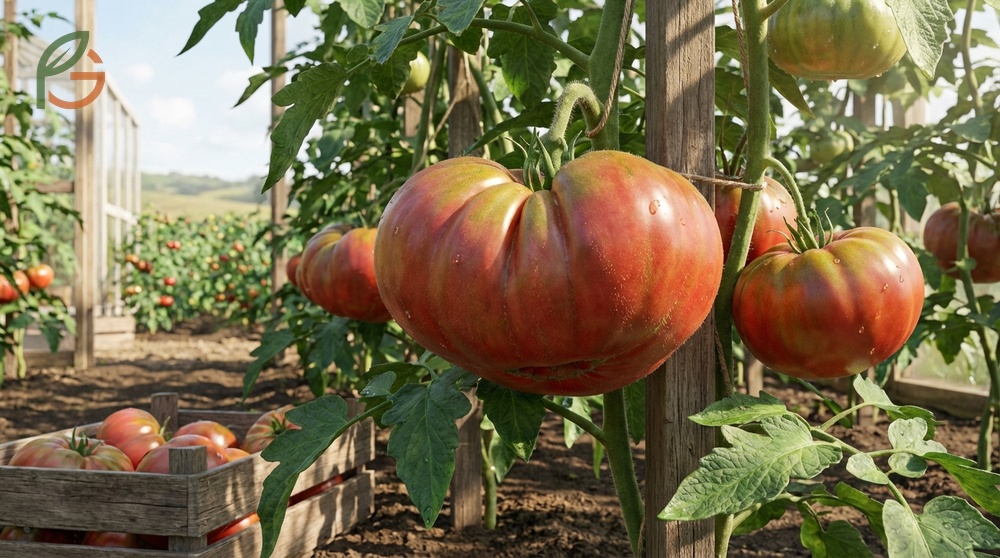
Beefsteak tomatoes are the giants of the tomato world, typically weighing 1-4 pounds with some exceptional specimens exceeding that range. These massive slicing tomatoes feature irregular, flattened shapes with multiple lobes and seed cavities. The world record tomato weighed over 10 pounds[7]. Most beefsteaks are indeterminate varieties requiring sturdy support and long growing seasons of 75-90 days.
Brandywine remains the most famous heirloom beefsteak, producing 1-2 pound pink fruits with complex, rich sweetness that many consider the gold standard for tomato flavor. Big Zac lives up to its name with 4-6 pound fruits that combine size with surprisingly good flavor and disease resistance[7]. Cherokee Purple offers dusky rose-purple coloring with a sweet aftertaste.
Growing beefsteaks successfully requires consistent watering to prevent blossom end rot and cracking, plus regular fertilization to support the development of such large fruits. Calcium deficiency commonly causes problems with beefsteaks, so amend your soil with compost and avoid excessive nitrogen that promotes foliage over fruit production.
| Variety | Weight | Days to Maturity | Color |
|---|---|---|---|
| Brandywine | 1-2 lbs[7] | 85 days | Pink-red |
| Big Zac | 4-6 lbs[7] | 80 days | Red |
| Cherokee Purple | 12-16 oz[4] | 80 days | Dusty purple |
| Mortgage Lifter | 2+ lbs[5] | 80 days | Pink |
Growing Tip: Beefsteaks need deep watering 2-3 times weekly rather than daily shallow watering. This encourages deep root growth that supports the weight of large fruits.
Dwarf Tomato Varieties
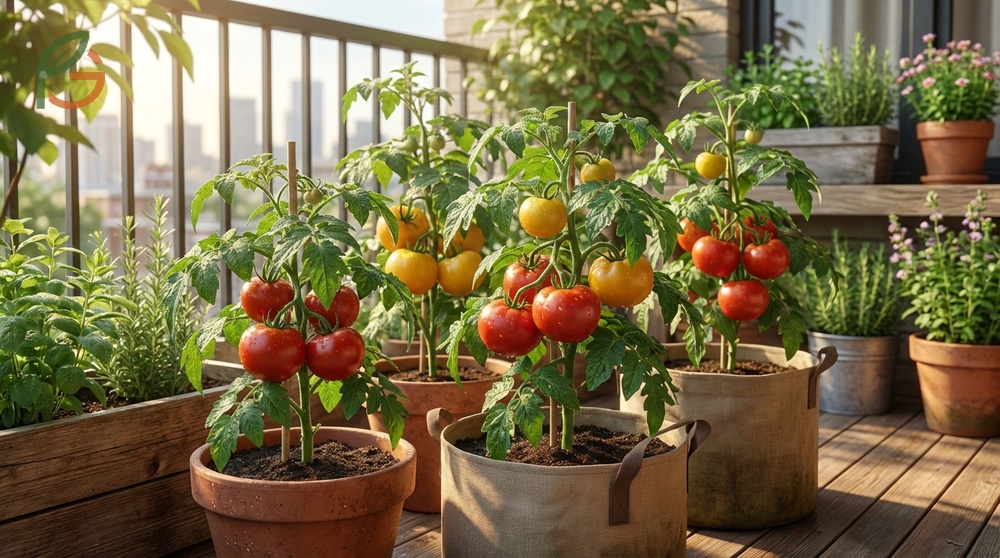
Dwarf tomato varieties are compact plants bred to stay under 3 feet tall while maintaining the continuous production of indeterminate types. These space-saving plants thrive in containers as small as 5 gallons and work perfectly for balcony gardens, patios, or small raised beds. Despite their size, many dwarf varieties produce full-sized fruits weighing 6-12 ounces.
Dwarf Sweet Sue ranks among the most productive dwarf varieties, with 2.5-3 foot plants yielding so many crack-free fruits that you’ll likely need help harvesting. The plants show excellent disease resistance and adapt well to container growing. Patio is another standout—this determinate variety produces medium-sized fruits on plants suitable for 10-inch or larger containers.
Most dwarf tomatoes mature earlier than standard varieties, often producing ripe fruit 55-65 days after transplanting versus 75-85 days for full-sized plants. They’re perfect for areas with short growing seasons or for gardeners who want an early harvest before their main-season tomatoes ripen.
- Dwarf Sweet Sue: 2.5-3 feet tall, heavy producer, excellent disease resistance
- Patio: Determinate, medium fruits, works in 10-inch containers
- Husky Red: Dwarf plant with cherry-sized fruit, 10-inch container minimum
- Totem: Vertical growth habit, compact width, good for small spaces
- Bush Early Girl: Determinate version of Early Girl, compact bush form
- Micro Tom: True micro-dwarf at 6-8 inches tall, tiny fruits
Container Growing: Use quality potting mix rather than garden soil in containers. Dwarf tomatoes in pots need daily watering during hot weather since containers dry out faster than ground plantings.
Conclusion
The evidence is clear: different types of tomatoes offer options for every garden size, climate, and culinary need. Whether you choose compact determinates for container growing, sprawling indeterminate heirlooms for complex flavors, or specialized varieties like paste and cherry tomatoes, matching variety characteristics to your space and harvest goals ensures success.
Current gardening guidance emphasizes selecting varieties based on your actual growing conditions—including available space, sunlight hours, and season length—rather than simply choosing varieties with appealing descriptions. FruitGarden synthesizes research from agricultural institutions and experienced growers to help you make informed variety selections that deliver abundant harvests tailored to your specific situation.
Frequently Asked Questions
What’s the difference between heirloom and hybrid tomatoes?
Heirloom tomatoes are open-pollinated varieties passed down for at least 50 years that breed true from seed, while hybrids result from crossing two different parent varieties and won’t produce identical offspring from saved seeds. Heirlooms typically offer superior flavor complexity but lack the disease resistance bred into many modern hybrids. Hybrids generally produce more uniformly and yield heavier crops, making them better choices for gardeners dealing with common tomato diseases.
Can you grow indeterminate tomatoes in containers?
Yes, indeterminate tomatoes grow successfully in containers if you use pots at least 18-20 inches in diameter (minimum 5 gallons) and provide sturdy support structures like tall cages or stakes. The container size is critical since indeterminate varieties develop extensive root systems that need adequate soil volume. You’ll also need to water daily during hot weather since containers dry out faster than ground plantings, and fertilize every 2-3 weeks to support continuous fruit production.
Which tomato varieties taste best for fresh eating?
Brandywine, Cherokee Purple, and Sun Gold consistently rank as top choices for fresh eating based on flavor complexity and sweetness. Brandywine offers rich, complex flavors with perfect acid-to-sugar balance, while Cherokee Purple provides a sweet, almost candy-like aftertaste. Sun Gold cherry tomatoes deliver tropical sweetness with balanced acidity. Black Krim adds smoky notes, and Mortgage Lifter provides low-acid sweetness preferred by many gardeners.
How many tomato plants fit in a 4×8 raised bed?
A 4×8 foot raised bed accommodates 6-8 determinate tomato plants spaced 24 inches apart, or 4-6 indeterminate varieties spaced 30-36 inches apart. The wider spacing for indeterminate types allows for better air circulation around their larger canopies, which reduces disease pressure. Dwarf varieties can be planted slightly closer at 18-24 inch spacing. Consider alternating plant types or using vertical trellising to maximize production in limited space.
Do paste tomatoes work for fresh eating?
Paste tomatoes work well for fresh eating despite their designation as cooking tomatoes. Their meaty texture and concentrated flavor make excellent sandwich slices, though they contain less juice than beefsteak or slicer varieties. Roma and San Marzano both offer tangy-sweet flavor profiles that complement salads and sandwiches. Some gardeners actually prefer the firmer texture of paste tomatoes for fresh applications since they don’t make bread soggy.
What’s the easiest tomato variety for beginners?
Cherry tomato varieties like Sweet 100 or Sun Gold are the easiest for beginners because they’re more forgiving of inconsistent watering and produce abundant fruit even under less-than-ideal conditions. Determinate varieties like Celebrity or Bush Early Girl also work well for new gardeners since they require less pruning and simpler support structures than indeterminate types. These varieties also show better disease resistance than many heirlooms, reducing the need for pest management interventions.
When should you prune tomato plants?
Prune indeterminate tomato plants by removing suckers (side shoots growing between the main stem and branches) when they’re 2-4 inches long, starting once plants reach 12-18 inches tall. Never prune determinate varieties since this removes fruiting branches and drastically reduces yields. Focus on removing lower leaves that touch the ground and any yellowing or diseased foliage throughout the season. Morning pruning allows wounds to dry quickly, reducing disease entry points.