
What To Do With Overripe Strawberries? Don’t toss those mushy berries—they’re perfect for smoothies, jams, baked goods, and sauces. Research shows that cooking or freezing soft strawberries intensifies their natural sweetness while preserving their 89.4mg vitamin C content per cup[1]. FruitGarden compiles current culinary research and preservation methods to help you transform overripe strawberries into delicious recipes instead of wasting them.
Quick Answer
- Freeze them for up to 6-12 months[2] to use in smoothies and baking
- Make homemade jam or sauce—heat intensifies the sweet flavor and creates thick consistency
- Blend into smoothies with 199 calories[3] and 4g fiber per serving
- Roast with honey or balsamic vinegar to create compote for desserts and breakfast dishes
What To Do With Overripe Strawberries
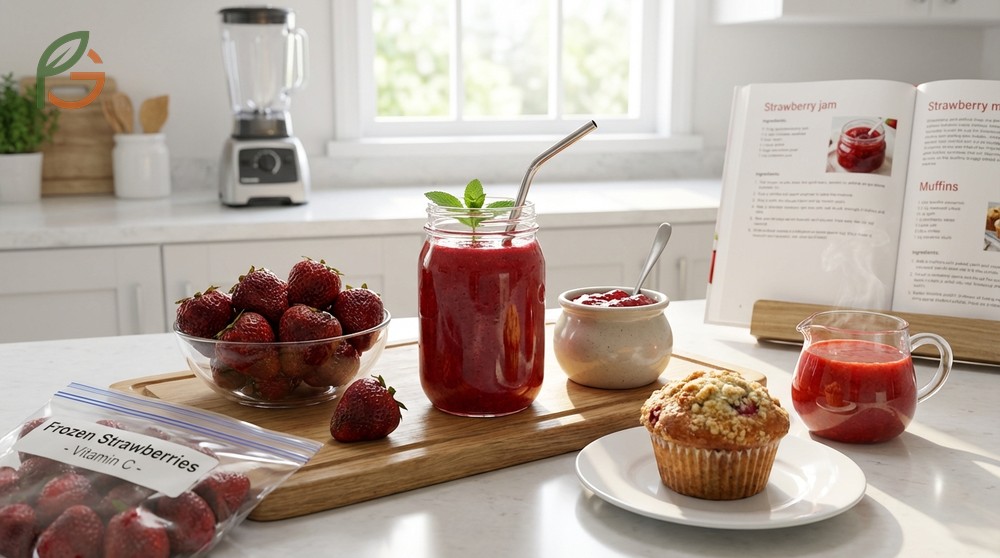
Overripe strawberries aren’t trash—they’re actually ideal for recipes that require cooking or blending. Studies show that soft berries contain the same nutritional value as firm ones, including 49 calories and 3g fiber per cup. The texture change happens as cell walls break down, releasing natural sugars that make them sweeter.
Current culinary guidance shows that heat transforms mushy texture into an advantage for jams, sauces, and baked goods. The berries break down faster during cooking, creating smoother consistency without extra mashing. You’ll save money while reducing food waste—most American households throw away soft strawberries that could’ve been repurposed.
Research demonstrates that cooking intensifies flavor compounds while preserving most nutrients. The vitamin C content remains stable during freezing and moderately decreases during cooking. This makes overripe berries perfect for everything from pies to breakfast smoothies.
Why Overripe Works Better
Soft strawberries deliver superior results in cooked applications because they’ve already begun breaking down. When you bake them into pies or simmer them for jam, they release juice immediately without requiring vigorous stirring. This speeds up cooking time and creates more uniform texture.
The increased sugar concentration in overripe berries means you can reduce added sweeteners in recipes. Many bakers report using 25-30% less sugar when working with soft strawberries compared to firm ones. The natural sweetness balances tart ingredients like lemon juice or balsamic vinegar.
Signs Berries Are Still Usable
You can safely use strawberries that are soft, wrinkled, or slightly darker in color. Acceptable berries still smell sweet and fruity without any fermented or sour odors. Visual inspection should reveal intact skin without visible mold growth.
Discard strawberries with fuzzy white or gray mold, sliminess, or strong fermented smell. Even one moldy berry can contaminate others through spore spread. Cut away small soft spots on otherwise firm berries, but use them within 24 hours.
Important Safety Note: Always inspect strawberries carefully before use. Mold can penetrate deeper than visible surface growth, so when in doubt, throw it out to avoid potential health risks.
Using Overripe Strawberries
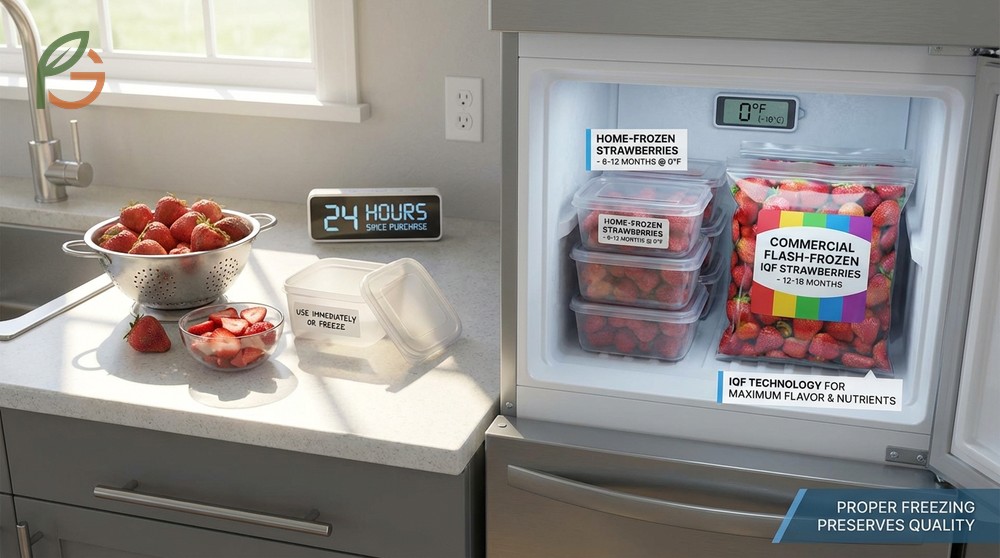
The most practical approach for soft strawberries involves either immediate use or proper freezing. Evidence indicates that freezing within 24 hours of purchase preserves maximum flavor and nutrient content. Home-frozen strawberries maintain quality for 6-12 months when stored at consistent 0°F (-18°C) temperatures[2].
Current data shows that commercial flash-frozen strawberries last 12-18 months due to IQF (individually quick frozen) technology[4]. You won’t achieve this timeline at home, but proper techniques significantly extend usability. The key involves spreading berries on trays before bagging to prevent clumping.
- Smoothies and protein shakes for quick breakfast nutrition
- Homemade jam with equal parts berries and sugar
- Strawberry sauce for pancakes, waffles, and ice cream
- Pies, cobblers, and crisps that require baked fruit
- Muffins and quick breads with natural moisture
- Roasted compote with balsamic vinegar or honey
- Strawberry vinaigrette for summer salads
- Cocktails and sangria with muddled berries
- Fruit leather strips as healthy snacks
- Dehydrated strawberry chips for long-term storage
From My Experience: My cousin in Guadalajara, Mexico makes strawberry agua fresca with overripe berries every summer. She blends 2 cups soft strawberries with water, lime juice, and minimal sugar—the natural sweetness from ripe berries reduces added sweetener by half compared to store recipes.
Freezing Method
Start by rinsing strawberries gently and patting them completely dry with paper towels. Remove hulls using a paring knife or strawberry huller to prevent excess moisture. Spread berries in a single layer on parchment-lined baking sheets, ensuring they don’t touch.
Freeze for 2-3 hours until solid, then transfer to freezer-safe bags or containers. Remove as much air as possible before sealing to prevent freezer burn. Label containers with the date—this helps you track the 6-12 month storage window and use oldest berries first.
Baking Applications
Overripe strawberries excel in baked goods because oven heat transforms soft texture into jammy pockets. Research shows that coating berries in sugar and letting them macerate for 30 minutes draws out excess liquid before baking[5]. This technique prevents soggy crusts in pies and tarts.
Mix soft strawberries into muffin and cake batters for natural moisture without added oil. The berries break apart during mixing, distributing flavor throughout instead of sinking to the bottom. You’ll get more even color and taste compared to using firm berries that stay intact.
Soft Strawberry Recipes
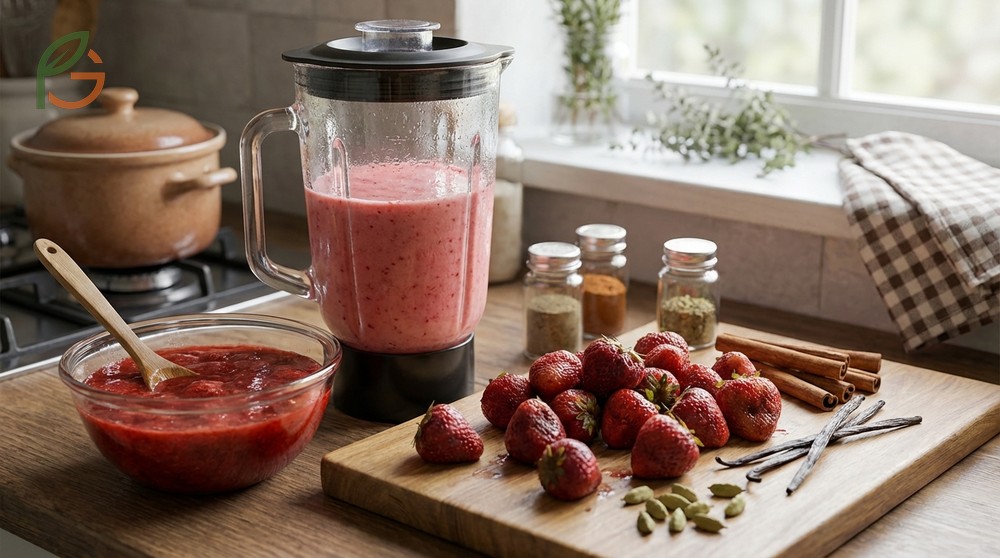
Current recipe development emphasizes simplicity—you don’t need complicated techniques to transform soft strawberries. The two most versatile preparations are smoothies and sauces, both requiring minimal ingredients and equipment. These basics serve as foundations for countless variations.
Most strawberry recipes work better with overripe fruit because the natural sugars have fully developed. You can experiment with spice additions like cinnamon, vanilla, or cardamom to create signature flavors. The key involves balancing sweetness with acidity using lemon juice or vinegar.
Strawberry Smoothie Recipe
Blend 2 cups frozen overripe strawberries with 1 cup milk (dairy or plant-based), ½ cup Greek yogurt, and 1 tablespoon honey. This combination provides 199 calories, 10g protein, and 4g fiber per serving[3]. Add ice cubes for thicker consistency or extra liquid for drinkable texture.
The frozen berries create creamy texture without needing banana or ice cream. Greek yogurt adds protein that keeps you full for 3-4 hours, making this ideal for breakfast. Customize with spinach for nutrients, protein powder for post-workout recovery, or nut butter for healthy fats.
Pro Tip: Use slightly thawed strawberries instead of fully frozen ones if your blender struggles with hard ingredients. Let them sit at room temperature for 10 minutes before blending for smoother results.
Strawberry Sauce Recipe
Combine 2 cups chopped strawberries, ⅓ cup sugar, and 1 tablespoon lemon juice in a saucepan. Cook over medium heat until boiling, then reduce to simmer for 20-23 minutes until thickened[6]. The mixture will continue thickening as it cools to room temperature.
This sauce works on pancakes, waffles, ice cream, cheesecake, and yogurt parfaits. Store in refrigerator for up to 2 weeks in an airtight container. You can reduce sugar by 25% when using very ripe berries without compromising sweetness.
For variations, add vanilla extract, balsamic vinegar, or fresh basil during the last 5 minutes of cooking. The acidity from lemon juice balances sweetness while helping preserve color. Strain through fine-mesh sieve if you prefer seedless sauce.
| Recipe Type | Prep Time | Cooking Method | Storage Duration |
|---|---|---|---|
| Smoothie | 5 minutes | Blending (raw) | Consume immediately or freeze 3 months |
| Strawberry Sauce | 5 minutes | Stovetop simmer 20-23 min | Refrigerate up to 2 weeks |
| Jam | 10 minutes | Boil then simmer 25-30 min | Canned: 12 months; refrigerated: 3 weeks |
| Roasted Compote | 10 minutes | Oven roast 350°F (177°C) 30-40 min | Refrigerate up to 10 days |
Preserving Soft Strawberries
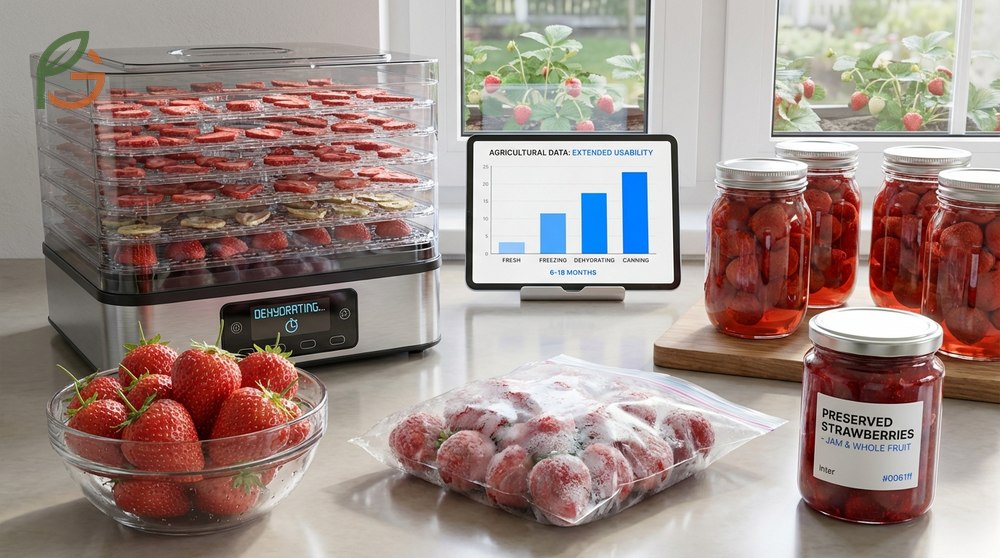
Agricultural data shows that proper preservation extends strawberry usability by 6-18 months depending on method. The most accessible techniques for home cooks include freezing, dehydrating, and canning as jam or whole fruit. Each method requires specific equipment and time investment but delivers distinct advantages.
Freezing remains the simplest approach with minimal equipment—you only need freezer bags or containers. Dehydrating requires an electric dehydrator but produces shelf-stable snacks that last up to 12 months at room temperature[7]. Canning demands more preparation but creates shelf-stable jam without refrigeration for up to 1 year.
- Freezing: Flash freeze on trays, store in airtight bags for 6-12 months at 0°F (-18°C)
- Jam making: Equal parts berries and sugar, boil and process in water bath for 10 minutes
- Dehydrating: Slice ⅛-inch thick, dry at 135°F (57°C) for 8-14 hours until crisp
- Canning whole berries: Macerate in sugar for 6 hours, then water bath process
- Fruit leather: Puree with sugar and lemon, bake at 170°F (77°C) for 3 hours
The preservation method you choose depends on intended use and available storage space. Frozen strawberries work best for smoothies and baking but require freezer space. Dehydrated berries offer portability for hiking snacks and kids’ lunchboxes without refrigeration.
Current guidance emphasizes processing overripe strawberries within 24 hours of noticing softness. The longer you wait, the more natural sugars convert to alcohol through fermentation. This affects both taste and safety—berries that smell fermented shouldn’t be preserved or consumed.
Strawberry Recipe Ideas
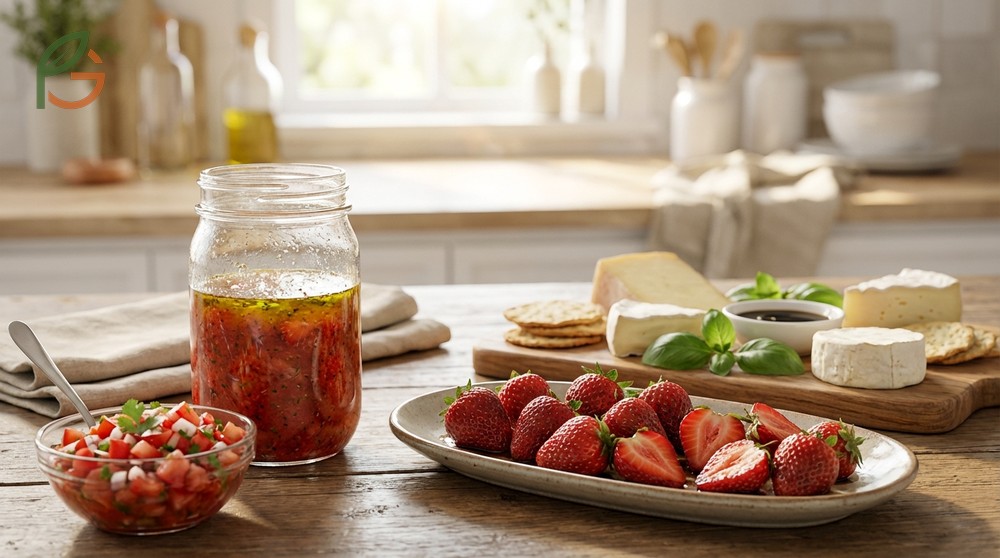
Beyond basic smoothies and jams, soft strawberries adapt to savory applications that surprise most home cooks. Evidence suggests that strawberry vinaigrettes and salsas balance sweet and acidic flavors better when made with overripe fruit. The natural sugars reduce need for added honey while the soft texture blends smoothly into dressings.
Research demonstrates that roasting strawberries with balsamic vinegar creates complex flavor profiles perfect for cheese boards. The heat caramelizes natural sugars while vinegar adds tangy depth. Serve this compote with goat cheese, feta, or burrata for impressive appetizers.
- Strawberry BBQ sauce for grilled chicken with smoky-sweet glaze
- Breakfast parfaits layering yogurt, granola, and strawberry compote
- Strawberry vinaigrette with olive oil, vinegar, and Dijon mustard
- Baked French toast casserole with strawberry cream cheese filling
- Strawberry chia seed pudding for make-ahead breakfast meal prep
- Cocktail mixers for daiquiris, margaritas, and sangria
- Strawberry-rhubarb crisp with oat crumble topping
The versatility of overripe strawberries extends to international cuisine—Mexican agua fresca, Italian granita, and Middle Eastern strawberry muhammara all benefit from naturally sweet berries. Don’t limit yourself to desserts when these berries can enhance savory dishes like salads, grain bowls, and meat glazes.
This table compares nutritional values and vitamin content across five common overripe strawberry preparations including smoothies, sauce, jam, roasted compote, and dehydrated chips
| Preparation | Calories | Sugar Content | Fiber | Vitamin C |
|---|---|---|---|---|
| Fresh Strawberries | 32 kcal[1] | 4.9g natural | 2g | 58.8mg |
| Strawberry Smoothie | 80-100 kcal | 12-15g (with milk/yogurt) | 2-3g | 45-50mg |
| Strawberry Sauce | 120-150 kcal | 25-30g (added sugar) | 1.5g | 35-40mg |
| Strawberry Jam | 250-280 kcal | 60-65g (high sugar) | 1g | 20-25mg |
| Dehydrated Chips | 320-350 kcal | 48-52g (concentrated) | 8-10g | 25-30mg |
Conclusion
The evidence is clear: What To Do With Overripe Strawberries involves smart preservation and creative cooking rather than disposal. Research demonstrates that soft strawberries retain full nutritional value while offering sweeter flavor and faster cooking times in recipes. You can freeze them for year-round smoothies, transform them into sauces and jams, or incorporate them into baked goods with superior results compared to firm berries.
Current culinary guidance emphasizes processing within 24 hours of noticing softness to maximize quality and safety. FruitGarden synthesizes preservation research showing that proper freezing extends usability to 6-12 months, while dehydrating and canning create shelf-stable options. Don’t waste those mushy strawberries—they’re your secret ingredient for intensely flavored dishes all year long.
Frequently Asked Questions
Can you eat overripe strawberries?
Yes, you can safely eat overripe strawberries as long as they don’t show mold, sliminess, or fermented smell. Soft texture and darker color indicate ripeness, not spoilage. The berries maintain their full nutritional value including vitamin C and fiber content.
How long do overripe strawberries last in the fridge?
Overripe strawberries last 1-2 days in the refrigerator before quality declines significantly. Store them in a single layer on paper towels inside a container to absorb excess moisture. For longer storage, freeze them within 24 hours of noticing softness.
What’s the best way to freeze mushy strawberries?
Rinse and dry the strawberries completely, then remove hulls and spread them on parchment-lined baking sheets without touching. Freeze for 2-3 hours until solid, then transfer to freezer bags with air removed. This prevents clumping and maintains quality for 6-12 months.
Why are my strawberries mushy after one day?
Strawberries turn mushy quickly due to high water content and delicate cell structure. They may have been overripe at purchase, stored incorrectly, or exposed to temperature fluctuations. Always refrigerate immediately and keep them dry to extend freshness.
Can you make jam with soft strawberries?
Soft strawberries are actually ideal for jam making because they break down faster during cooking and release natural sugars immediately. Use equal parts berries and sugar, simmer for 25-30 minutes, then process in a boiling water bath for 10 minutes for shelf-stable storage.
What can I substitute for fresh strawberries in recipes?
Frozen overripe strawberries substitute perfectly for fresh in smoothies, baked goods, and sauces without recipe adjustments. Thaw and drain excess liquid before using in pies or cakes. Dehydrated strawberries work in trail mixes and granola but need rehydration for baking.
How do you know when strawberries are too far gone?
Discard strawberries with visible mold (white or gray fuzz), slimy texture, or strong fermented odor. These signs indicate bacterial or fungal growth that can cause illness. Slightly soft or wrinkled berries without these symptoms are safe to cook or freeze.





