
Guava during pregnancy is generally safe and highly nutritious when properly washed and consumed in moderation. Research shows this tropical fruit delivers over 400% of the daily vitamin C requirement and 20% of folate needs per cup, supporting both maternal health and fetal development[1]. At FruitGarden, we synthesize current nutritional research to help you make informed choices about fruit consumption during pregnancy.
Quick Answer
- Guava provides 228mg vitamin C per 100g—nearly twice the amount in oranges[2]
- One cup delivers 49mcg folate, essential for preventing neural tube defects[1]
- Contains 8.9g fiber per cup, helping relieve pregnancy constipation[1]
- Always wash thoroughly under running water before eating to remove bacteria[3]
Guava During Pregnancy
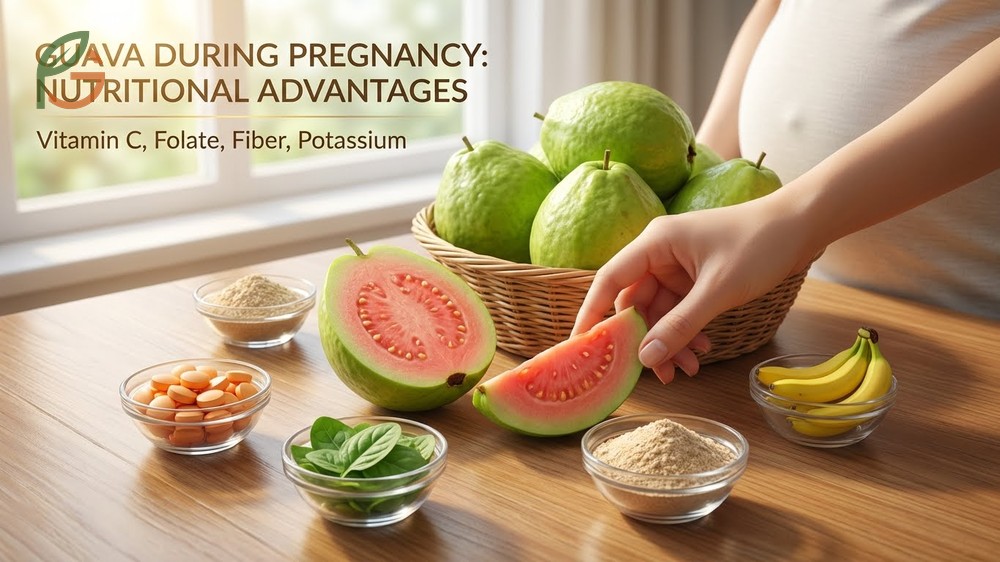
Studies demonstrate that guava offers significant nutritional advantages for pregnant women without posing safety risks when properly handled. Current data indicates this fruit contains exceptional concentrations of pregnancy-critical nutrients including vitamin C, folate, fiber, and potassium[1]. Unlike many fruits, guava delivers these nutrients in quantities that meaningfully contribute to daily requirements rather than providing trace amounts.
Evidence suggests guava’s nutrient density makes it particularly valuable during pregnancy’s second and third trimesters when fetal growth accelerates. The fruit’s combination of water-soluble vitamins and dietary fiber addresses common pregnancy challenges including constipation, immune function, and energy metabolism. Research shows pregnant women who consume vitamin C-rich fruits demonstrate better iron absorption rates, which helps prevent pregnancy-related anemia[1].
Nutritional Powerhouse for Expecting Mothers
A single guava packs 125 milligrams of vitamin C—nearly twice what you’ll get from an orange[2]. This matters because vitamin C supports collagen formation for your baby’s developing bones, cartilage, and blood vessels. The same serving provides folate, potassium, and vitamin A in amounts that support placental function and fetal organ development.
The fiber content in guava—approximately 8.9 grams per cup—exceeds that of most common fruits[1]. This high fiber concentration helps maintain stable blood sugar levels and promotes digestive regularity. Many pregnant women find that consistent fiber intake from whole fruits reduces the severity of common complaints like bloating and irregular bowel movements.
Safety Considerations
The limited number of human studies on guava suggests no adverse side effects during pregnancy when consumed as whole fruit[1]. Current medical guidance emphasizes that pregnant women should wash and peel guava before eating to minimize bacterial exposure. No safety studies specifically examine guava supplements or extracts in pregnant populations, so expecting mothers should consult healthcare providers before using these concentrated forms.
Important Safety Note: Toxoplasma parasites can contaminate unwashed fruits and harm developing babies. Always rinse guava thoroughly under running water and consider peeling the skin if you’re uncertain about the fruit’s origin[3].
Benefits of Guava for Fetus
Research shows guava’s nutrient profile directly supports critical stages of fetal development throughout pregnancy. The fruit’s folate content contributes to DNA synthesis and cell division processes that accelerate during embryonic and fetal growth periods. Evidence indicates adequate maternal folate intake reduces neural tube defect risk by up to 70% when consumed before conception and during early pregnancy[1].
Current data demonstrates that vitamin C from dietary sources like guava enhances iron bioavailability, which increases oxygen delivery to fetal tissues. This becomes particularly important during the second trimester when fetal blood volume expands rapidly. The antioxidants in guava—including carotenoids and polyphenols—may protect fetal cells from oxidative stress, though more research specifically examining pregnancy outcomes is needed.
Neural Tube Protection
One cup of guava provides over 20% of the daily folate requirement, making it a valuable addition to prenatal nutrition plans[1]. Folate intake during the first 28 days after conception proves most critical for neural tube closure. While prenatal vitamins supply concentrated folic acid, whole food sources like guava provide natural folate forms alongside complementary nutrients that enhance absorption.
Medical guidance emphasizes combining supplement-based folic acid with folate-rich foods for optimal protection. The vitamin B9 in guava supports not just neural tube formation but also placental development and maternal red blood cell production. Studies demonstrate that women maintaining adequate folate status throughout pregnancy show reduced rates of premature birth and low birth weight.
Immune System Development
The exceptional vitamin C concentration in guava—228mg per 100g serving—supports fetal immune system maturation[2]. This nutrient acts as a cofactor in collagen synthesis, which forms the structural foundation for skin, blood vessels, and connective tissues throughout the developing body. Research indicates maternal vitamin C status correlates with infant immune function during the first months of life.
Evidence suggests the antioxidants in guava help protect fetal tissues during rapid cell division. The fruit contains vitamin E, carotenoids, and polyphenols that work synergistically with vitamin C to neutralize free radicals. While these benefits appear promising, most studies examine general antioxidant intake rather than guava specifically, so more targeted research would strengthen these connections.
How Many Guavas to Eat During Pregnancy
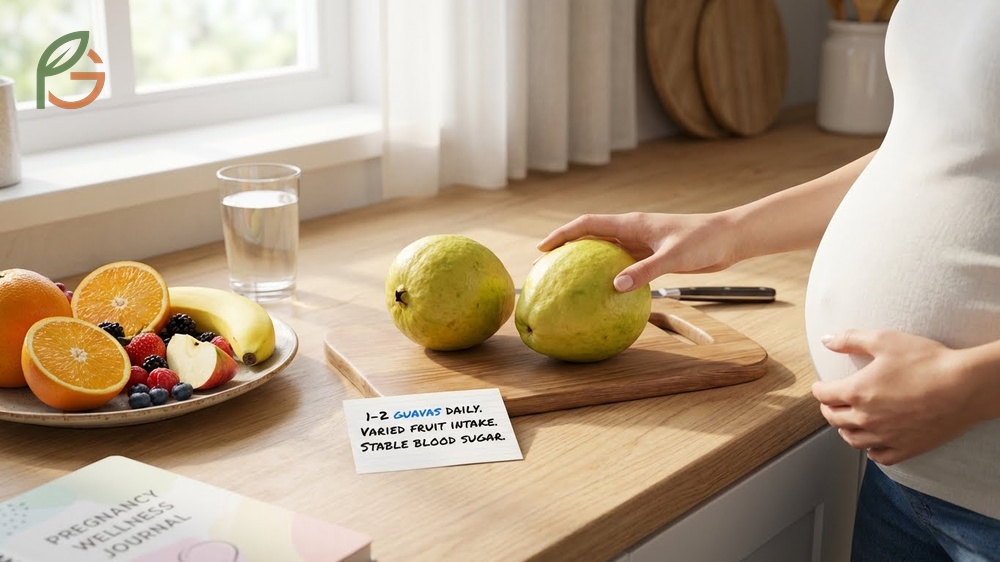
Medical professionals typically recommend one to two medium guavas daily as part of a varied fruit intake during pregnancy. This amount provides substantial vitamin C and folate without excessive sugar consumption. Most pregnant women benefit from distributing fruit servings throughout the day rather than consuming multiple servings at once, which helps maintain stable blood sugar levels.
A single medium guava (approximately 165 grams) delivers roughly 112 calories, 23.6 grams of carbohydrates, and 8.9 grams of fiber[1]. This macronutrient balance fits well within standard pregnancy nutrition guidelines that recommend 2-4 fruit servings daily. The high fiber content means guava promotes satiety more effectively than lower-fiber fruits, potentially helping manage pregnancy weight gain.
Current guidance suggests pregnant women should consume a variety of fruits rather than relying on a single type. Pairing guava with citrus fruits, berries, and melons ensures you’re getting diverse phytonutrients and vitamins. If you’re managing gestational diabetes, work with your healthcare provider to determine appropriate portion sizes, as individual carbohydrate tolerance varies.
- First trimester: 1 medium guava (165g) daily provides vitamin C and folate without overwhelming morning sickness-sensitive stomachs
- Second trimester: 1-2 medium guavas daily supports increased nutrient demands as fetal growth accelerates
- Third trimester: 1-2 medium guavas daily helps maintain fiber intake and prevents constipation
- With gestational diabetes: Limit to 1 small guava (100g) per serving and pair with protein to minimize blood sugar spikes
- For twin pregnancies: Up to 2-3 medium guavas daily may be appropriate given higher nutrient requirements, but consult your doctor
Moderation Matters: Excessive guava consumption can cause loose stools due to high fiber content. If you experience digestive discomfort, reduce your intake to one guava every other day until symptoms resolve.
Guava for Morning Sickness

Studies suggest guava’s natural composition may help reduce nausea symptoms experienced during early pregnancy. The fruit’s mild alkalinity helps neutralize stomach acid, potentially reducing the severity of acid reflux that often accompanies morning sickness. Research on rodent models indicates guava leaf extracts reduce stomach acid secretion and delay gastric emptying, though human studies remain limited[1].
The vitamin C content in guava offers an additional advantage for women struggling with morning sickness-related appetite loss. When nausea limits food intake, nutrient-dense options like guava provide maximum nutritional value in small servings. Many women find that chilled guava slices or frozen guava pieces offer relief when other foods seem unappetizing.
Evidence indicates that foods high in water content and natural sugars—like guava—help maintain hydration and energy levels when morning sickness limits meal frequency. The fruit’s natural sweetness provides quick energy without the blood sugar crash associated with refined sugars. Some women report that eating small amounts of guava before getting out of bed helps stabilize blood sugar and reduces morning nausea intensity.
- Eat small guava portions (50-75g) every 2-3 hours to maintain stable blood sugar and reduce nausea triggers
- Keep frozen guava chunks by your bedside to eat before standing up in the morning
- Pair guava with ginger tea, as both ingredients show promise for reducing nausea symptoms
- Choose ripe guava over unripe varieties, as softer fruit proves easier to digest during sensitive periods
- Blend guava into smoothies with yogurt for added protein if whole fruit textures trigger nausea
Gestational Diabetes and Guava
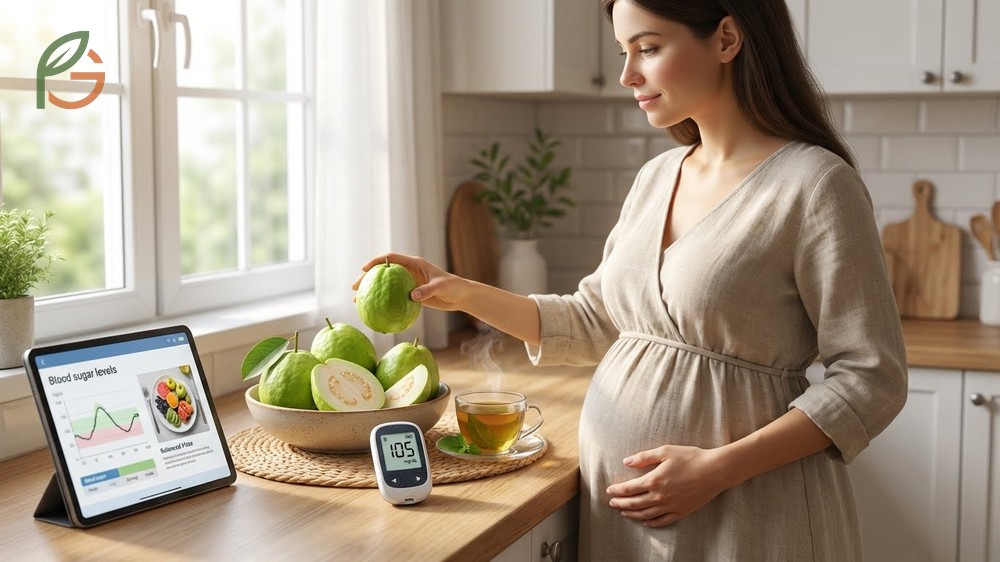
Gestational diabetes affects approximately 10% of pregnant women in the United States, requiring careful carbohydrate management throughout pregnancy[1]. Research shows guava’s high fiber content and relatively low glycemic impact make it a reasonable fruit choice for women managing this condition. The fiber slows sugar absorption, helping prevent the rapid blood glucose spikes that complicate gestational diabetes management.
Preliminary studies on guava leaf tea suggest compounds in the leaves may improve blood sugar control and insulin sensitivity. A study in 19 adults found that drinking 6.5 ounces of guava leaf tea containing 400mg extract significantly lowered post-meal blood sugar compared to a control group[1]. However, no studies specifically examine guava’s effects on gestational diabetes, so women shouldn’t use it as a treatment without medical supervision.
Current medical guidance emphasizes that women with gestational diabetes should pair fruit consumption with protein or healthy fats to minimize blood sugar elevation. Eating guava alongside almond butter, Greek yogurt, or cheese creates a balanced snack that provides sustained energy. Monitor your blood glucose response to guava during the first few times you eat it, as individual responses to fruit carbohydrates vary significantly.
This table compares carbohydrate content and serving recommendations for guava portions suitable for gestational diabetes management across four serving sizes
| Serving Size | Total Carbs | Fiber | Net Carbs | Recommendation |
|---|---|---|---|---|
| Small (100g) | 14g | 5.4g | 8.6g | Ideal single serving with protein |
| Medium (165g) | 23.6g | 8.9g | 14.7g | Split into two snacks |
| Large (200g) | 28g | 10.8g | 17.2g | Avoid unless paired with substantial protein |
| 1/2 cup sliced (82g) | 11.7g | 4.4g | 7.3g | Best for testing tolerance |
- Test blood glucose 1-2 hours after eating guava to understand your personal response to the fruit
- Limit servings to 100g (small guava) and always combine with 15-20g protein like nuts or cheese
- Choose firm, less ripe guavas which contain less concentrated sugars than fully ripe fruit
- Spread fruit intake across multiple small snacks rather than eating large portions at once
- Track your carbohydrate intake from all sources to stay within your prescribed daily limits
- Consult your healthcare provider before trying guava leaf tea or supplements, as no safety data exists for pregnant women
Washing Fruits for Pregnancy Safety
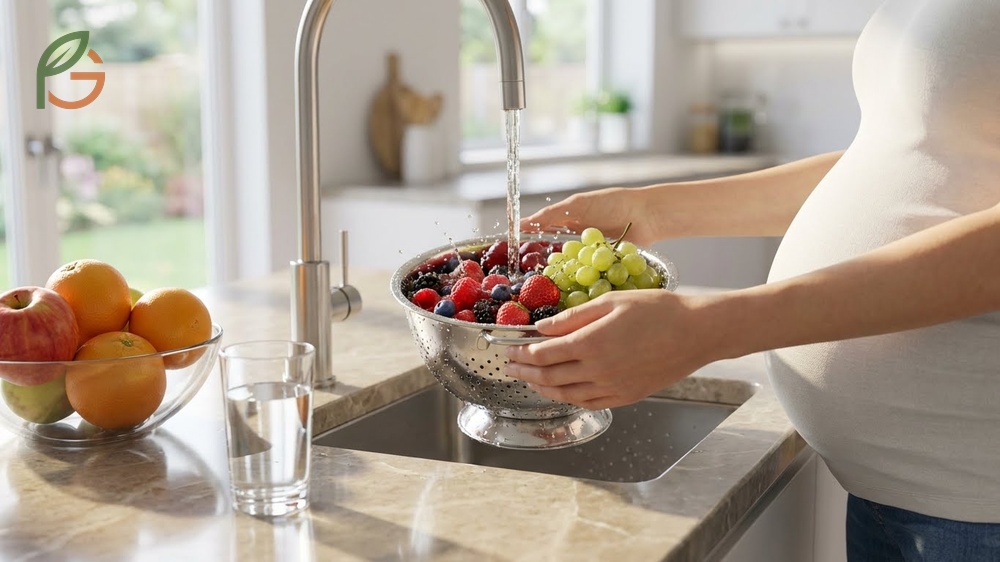
The FDA recommends thoroughly rinsing all raw fruits under running water before eating or preparing them during pregnancy[3]. This practice removes surface bacteria, parasites, and pesticide residues that pose particular risks to pregnant women and developing babies. Raw fruits and vegetables can harbor harmful organisms including Toxoplasma, Listeria, and E. coli, which can cause serious complications during pregnancy.
Research shows bacteria can thrive in damaged or bruised areas of fruit, so cut away these sections before consuming[3]. For guava specifically, the textured skin can trap more contaminants than smooth-skinned fruits. Many healthcare providers recommend peeling guava during pregnancy as an extra precaution, particularly if you’re uncertain about the fruit’s handling history.
Current guidance from food safety authorities emphasizes that pregnant women should avoid using soap, detergents, or bleach solutions on produce[3]. These substances can leave residues or be absorbed into the fruit’s flesh. Instead, use clean running water and scrub firm fruits with a dedicated vegetable brush to remove surface contamination effectively.
- Hold guava under cool, clean running water for 15-20 seconds while gently rubbing the surface with your hands
- Use a clean vegetable brush to scrub the textured skin, paying attention to stem areas where dirt accumulates
- Rinse again under running water to remove any loosened debris or bacteria from the scrubbing process
- Pat dry with a clean paper towel rather than a dish cloth, which may harbor bacteria
- Cut away any bruised or damaged spots before eating, as bacteria multiply rapidly in these areas
- Consider peeling the skin entirely if you’re buying guava from unfamiliar sources or markets with unknown handling practices
- Wash your hands with soap for 20 seconds before and after handling fresh fruit to prevent cross-contamination
Conclusion
The evidence clearly supports guava during pregnancy as a nutritious and safe choice when properly washed and consumed in appropriate portions. Current nutritional data shows this fruit delivers exceptional levels of folate, vitamin C, and fiber that directly address pregnancy-specific needs including fetal development, immune function, and digestive health. Research demonstrates that women who maintain adequate intake of these nutrients throughout pregnancy experience better outcomes for both themselves and their babies.
Current guidance emphasizes combining whole food sources like guava with prenatal supplements for optimal nutrition during pregnancy. At FruitGarden, we encourage expecting mothers to incorporate diverse fruits into their daily routine while following proper food safety protocols including thorough washing and mindful portion control.
Medical Disclaimer
Important Medical Disclaimer: This content is for informational and educational purposes only. It’s not intended as a substitute for professional medical advice, diagnosis, or treatment. Always consult a qualified healthcare professional before making any changes to your diet, medication, or health routine during pregnancy, especially if you have gestational diabetes, high blood pressure, or other medical conditions. Individual nutritional needs vary significantly during pregnancy, and what works for one person may not be appropriate for another.
Frequently Asked Questions
Can I Eat Guava During Pregnancy Every Day?
Yes, eating one to two medium guavas daily is generally safe during pregnancy when properly washed. Research shows this amount provides substantial vitamin C and folate without excessive sugar intake[1]. Always vary your fruit choices to ensure you’re getting diverse nutrients, and consult your healthcare provider if you have gestational diabetes or specific dietary restrictions.
Does Guava Help With Constipation During Pregnancy?
Yes, guava’s high fiber content—approximately 8.9 grams per cup—helps relieve pregnancy-related constipation[1]. The combination of soluble and insoluble fiber promotes regular bowel movements and supports digestive health. For best results, drink plenty of water when increasing fiber intake and eat guava consistently rather than in large occasional servings.
Is Unripe Guava Safe During Pregnancy?
Unripe guava is generally safe but may cause tooth sensitivity and digestive discomfort due to higher tannin content. Studies suggest unripe guava has similar nutritional value to ripe fruit but with firmer texture and more astringent taste. Most pregnant women find ripe guava easier to digest and more palatable, particularly during periods of morning sickness or heightened taste sensitivity.
Can Guava Juice Replace Fresh Guava During Pregnancy?
Fresh guava provides more fiber and nutrients than juice, making it the preferred choice during pregnancy. The FDA recommends pregnant women only consume pasteurized juices to avoid bacterial contamination risks[3]. If you choose juice, verify it’s pasteurized, limit portions to 4-6 ounces daily due to concentrated sugars, and remember you’re missing the beneficial fiber found in whole fruit.
What’s the Best Time to Eat Guava During Pregnancy?
Eating guava in the morning or as a mid-morning snack provides sustained energy and helps stabilize blood sugar throughout the day. The fruit’s fiber content promotes satiety, potentially reducing cravings for less nutritious foods. Some women find eating a small portion of guava before bed helps prevent overnight blood sugar drops that can trigger morning nausea, though responses vary individually.
Can Guava Cause Allergic Reactions During Pregnancy?
Guava allergies are rare but possible, with symptoms including itching, swelling, or digestive upset. If you’ve never eaten guava before pregnancy, try a small portion first and wait 24 hours to check for reactions. Current medical guidance suggests introducing new foods cautiously during pregnancy, as hormonal changes can sometimes alter immune responses to foods that previously caused no issues.
Should I Take Guava Supplements During Pregnancy?
No safety studies exist for guava supplements or extracts in pregnant women, so consult your healthcare provider before taking them[1]. Whole guava fruit provides nutrients in safe, food-based forms that your body recognizes and processes naturally. Supplements contain concentrated compounds that may interact with pregnancy hormones or medications in ways that haven’t been studied, making fresh fruit the safer choice.





