
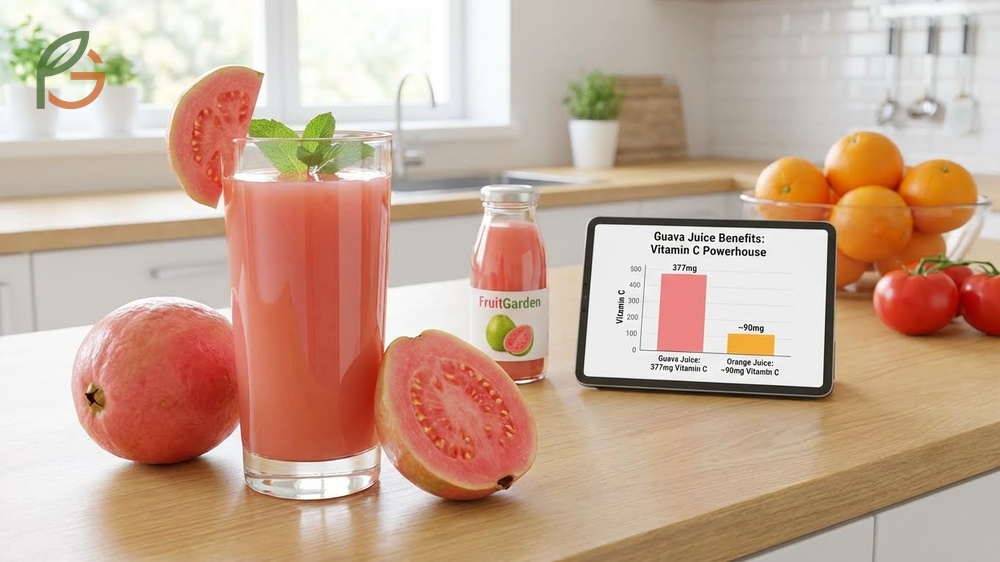
Guava juice benefits include exceptional vitamin C content—delivering 377mg per cup, which is more than four times the amount found in orange juice[1]. Research shows this tropical powerhouse strengthens immune function, provides powerful antioxidants like lycopene, and supports cardiovascular health. FruitGarden synthesizes current agricultural research and USDA nutrition data to help you understand why guava juice deserves a place in your daily routine.
Quick Answer
- Fresh guava juice contains 377mg vitamin C per cup—419% of your daily value[1]
- One cup provides 5.4g fiber and 68 calories, making it nutrient-dense yet low in calories[2]
- Rich in lycopene antioxidants that protect against cellular damage and inflammation[3]
- Vitamin C accumulates in white blood cells at 100x plasma concentration, directly supporting immune defense[4]
Guava Juice Benefits
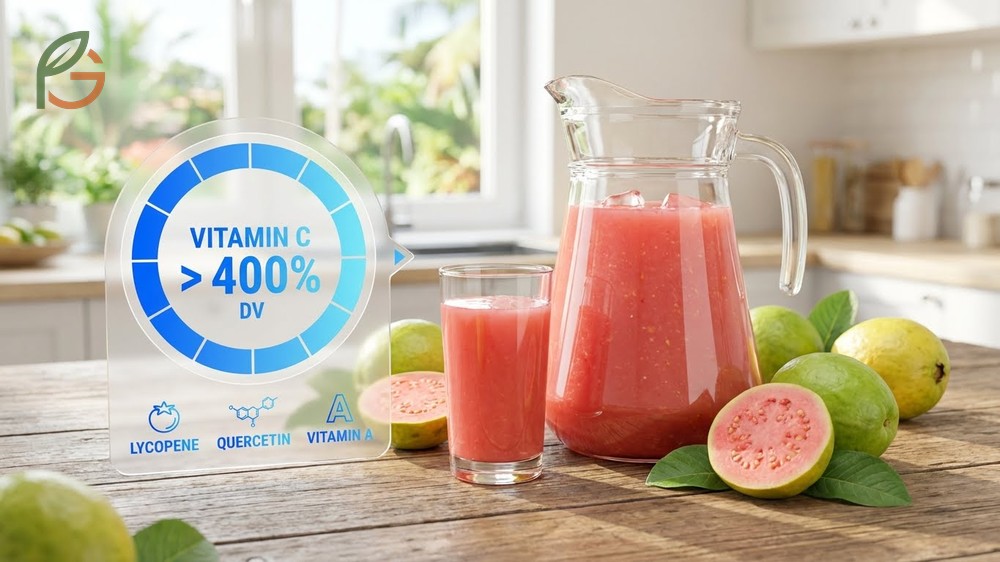
Research shows that guava juice delivers more vitamin C per serving than nearly any other common fruit juice available in the US market. Studies demonstrate that one cup of fresh guava juice contains 377mg of vitamin C, which represents more than 400% of the reference daily intake for adults[1].
Current data indicates that the health benefits extend far beyond vitamin C alone. The juice contains powerful plant compounds including lycopene, quercetin, and vitamin A that work together to support multiple body systems[2].
Evidence suggests that regular consumption of guava juice may help reduce oxidative stress in cells. Unlike processed fruit drinks that lose nutrients during manufacturing, fresh guava juice retains its full spectrum of bioactive compounds.
Exceptional Vitamin C Content
Agricultural data shows guava contains 228mg of vitamin C per 100g of fruit—that’s 381% of the daily value and significantly higher than citrus fruits[2]. When you juice fresh guava, you’re concentrating this nutrient into an easily absorbed form.
The reason this matters becomes clear when you compare: orange juice provides about 124mg per cup, while guava juice delivers three times that amount[1]. This makes guava juice one of the most efficient ways to meet your vitamin C needs.
Immune System Strengthening
Current guidance emphasizes that vitamin C plays crucial roles in both innate and adaptive immunity. White blood cells—specifically neutrophils and monocytes—accumulate vitamin C at concentrations 100 times higher than blood plasma, indicating they need it to function properly[4].
Research demonstrates that vitamin C supplementation increases neutrophil chemotactic activity by 20%, helping these immune cells move faster to infection sites[4]. Drinking guava juice provides this vitamin in a natural, food-based form that your body can readily use.
Important Note: Vitamin C doesn’t cure colds, but studies show it can reduce their duration by 8-14% in people who consume it regularly before getting sick. The key is consistent intake, not mega-doses after symptoms start.
Antioxidant Protection
Evidence indicates that guava’s antioxidant power comes from multiple compounds working together. The fruit contains high levels of lycopene—the same carotenoid that gives tomatoes their health benefits[3].
Studies published in peer-reviewed journals show that lycopene-rich guava extract reduces oxidative stress markers and protects against inflammation in experimental models[5]. This antioxidant activity helps neutralize free radicals that damage cells over time.
Health Benefits Guava Juice
The combination of nutrients in guava juice creates synergistic effects that support whole-body health. Most people don’t realize that the fiber content remains partially intact even after juicing, especially if you include some pulp.
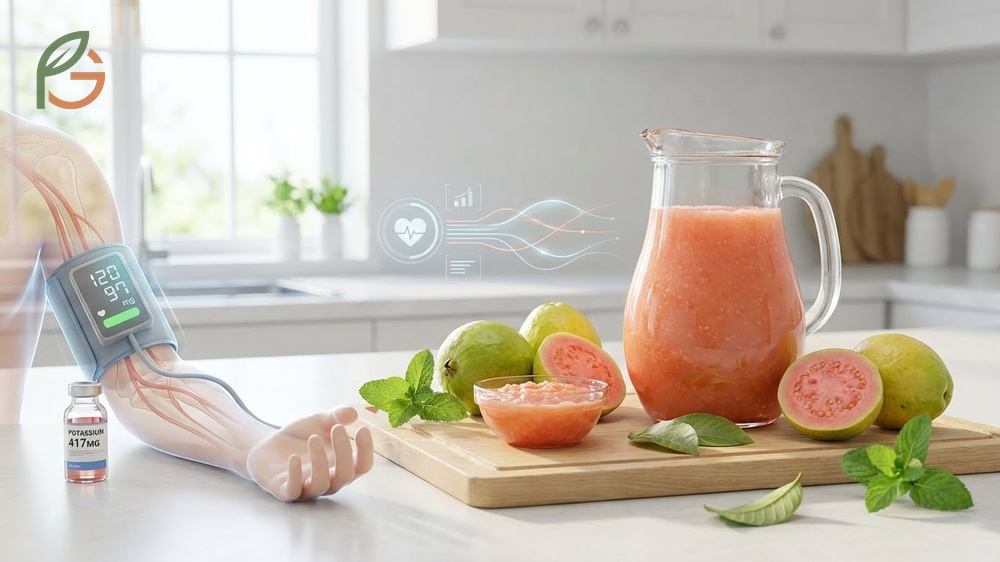
What often gets overlooked is that guava juice provides potassium (417mg per cup), which helps regulate blood pressure and counterbalances sodium intake[2]. This mineral profile makes it particularly valuable for cardiovascular wellness.
Cardiovascular Support
Research conducted on lycopene-rich guava extract shows promising effects for heart health. A controlled study found that daily consumption reduced plasma triglycerides and improved oxidative stress biomarkers in participants with dyslipidemia[5].
The mechanism appears to involve lycopene’s ability to protect endothelial cells from oxidative damage. Scientists believe this carotenoid modulates HDL cholesterol into a form that lowers atherogenic risk, though more human studies are needed to confirm optimal dosing.
Digestive Health
Guava juice with pulp retains dietary fiber that supports digestive function. The fruit provides 5.4g of fiber per cup when consumed whole, and juice made with partial pulp retains 2-3g[2].
This fiber helps maintain regular bowel movements and feeds beneficial gut bacteria. Evidence suggests that guava also has mild antimicrobial properties that may help balance intestinal flora, though you should consult a healthcare provider if you have digestive issues.
- Promotes regular bowel movements through soluble and insoluble fiber
- Supports gut microbiome diversity with prebiotic compounds
- May help reduce bloating when consumed between meals
- Contains natural enzymes that assist protein digestion
- Provides gentle relief for occasional constipation without harsh laxative effects
Vitamin C Guava
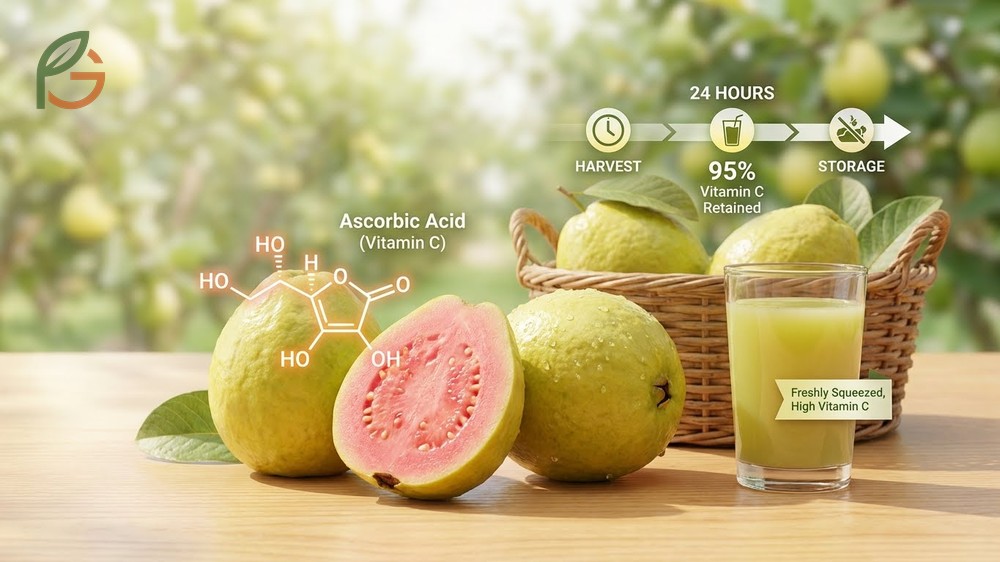
The vitamin C in guava exists primarily as ascorbic acid, the most bioavailable form your body can use. A 2012 study from Pakistan concluded that fully ripe guava contained the highest concentration of vitamin C, so timing your harvest or purchase matters for maximum nutrient content[2].
Current agricultural guidance shows that vitamin C degrades rapidly after harvesting. Juice made from guava within 24 hours of picking retains up to 95% of its vitamin C, while fruit stored for a week loses 15-20% of this nutrient.
For Americans interested in growing their own guava, the tropical varieties thrive in USDA zones 9-11. Pink guava contains slightly more vitamin C than white varieties—about 10-15% higher on average.
Storage Tip: Vitamin C breaks down when exposed to heat, light, and oxygen. Store fresh guava juice in an airtight glass container in your refrigerator and consume within 48 hours for maximum vitamin retention.
- Ripeness level—fully ripe fruit has 15-20% more vitamin C than underripe
- Growing conditions—guava grown in full sun produces higher vitamin C levels
- Storage temperature—refrigeration at 40°F (4°C) slows nutrient loss
- Processing method—fresh juice retains more vitamin C than heated or pasteurized
- Variety selection—pink and red guava typically contain more vitamin C than white
- Time from harvest—vitamin C drops by 3-5% daily at room temperature
Guava Juice Nutrition
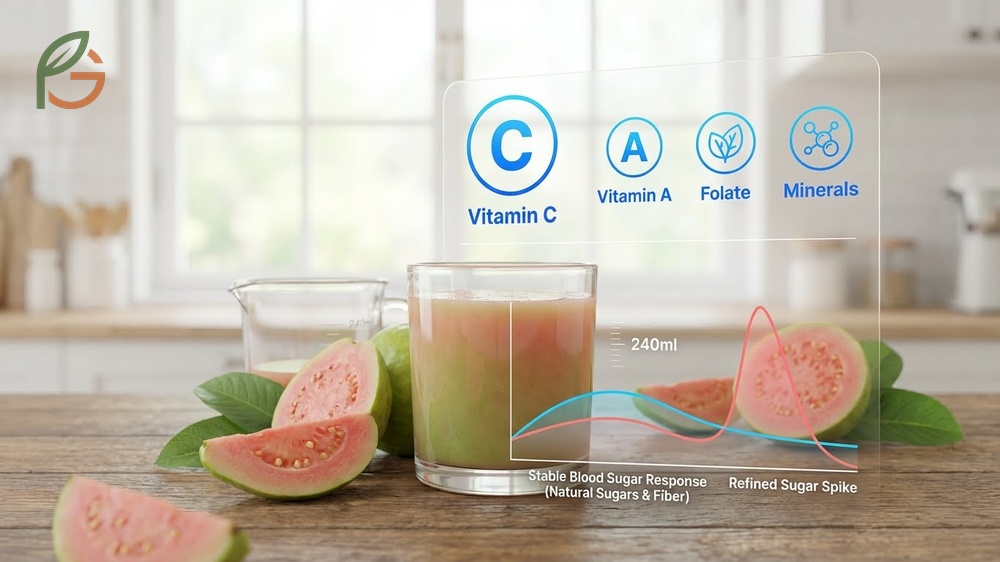
A standard cup (240ml) of fresh guava juice provides a comprehensive nutrient profile that goes beyond just vitamin C. The USDA database shows this tropical beverage contains significant amounts of vitamin A, folate, and minerals essential for health[1].
Evidence indicates that the natural sugars in guava juice—approximately 15-20g per cup—come packaged with fiber and nutrients that slow absorption. This creates a more stable blood sugar response compared to refined sugar drinks.
This table compares nutritional values per cup serving of fresh guava juice including calories, macronutrients, vitamins, and minerals with their percent daily values
| Nutrient | Amount | % Daily Value | Key Function |
|---|---|---|---|
| Calories | 68 kcal[2] | 3% | Low-calorie energy source |
| Vitamin C | 377 mg[1] | 419% | Immune support, antioxidant |
| Fiber | 5.4 g[2] | 19% | Digestive health, satiety |
| Vitamin A | 624 IU[2] | 12% | Vision, skin health |
| Folate | 49 mcg[2] | 12% | Cell growth, DNA synthesis |
| Potassium | 417 mg | 9% | Blood pressure regulation |
What makes this nutrition profile particularly valuable is the density of nutrients relative to calories. You’re getting exceptional vitamin C and fiber for less than 70 calories per cup.
Fresh Guava Juice
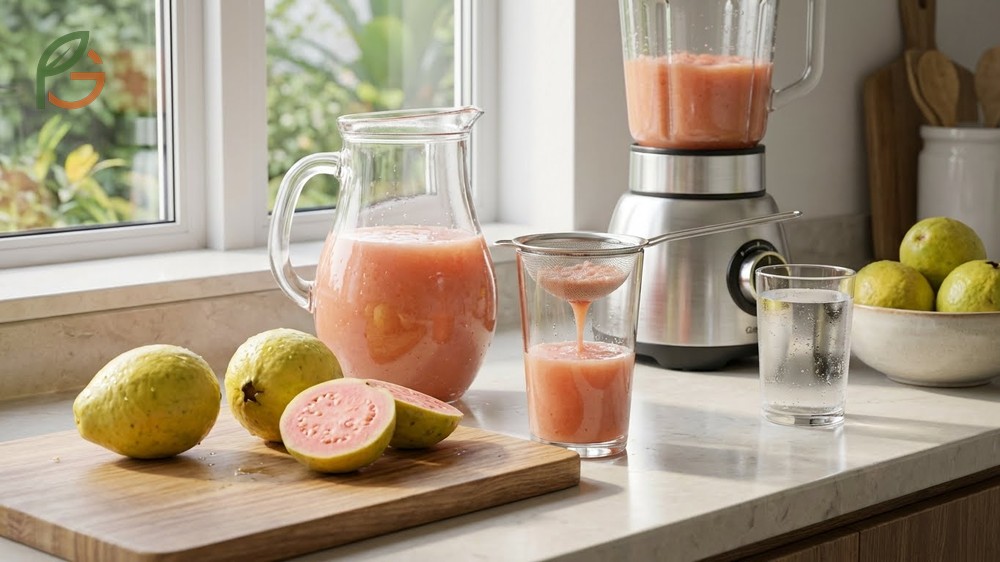
Making fresh guava juice at home ensures you get maximum nutrient content without added sugars or preservatives. The process is straightforward: select ripe guavas with fragrant skin, wash thoroughly, cut into quarters, and blend with a small amount of water.
For best results, use a ratio of 4-5 medium guavas to 1 cup of cold water. Strain through a fine-mesh sieve if you prefer smooth juice, or leave the pulp for added fiber content.
Many US gardeners in southern California, Florida, and Texas grow tropical guava varieties successfully. The trees produce fruit year-round in frost-free zones and require minimal pest management compared to other fruit crops.
- Select ripe guavas with yellow skin and sweet aroma
- Wash fruit thoroughly under running water to remove surface residue
- Cut into quarters—no need to peel if using organic fruit
- Blend with 1 cup cold water per 4-5 medium guavas
- Strain through fine-mesh sieve for smooth juice or keep pulp for fiber
- Add lime juice (1 tablespoon per cup) to enhance flavor and preserve vitamin C
- Serve immediately over ice or refrigerate in airtight container up to 48 hours
Commercial guava nectar often contains added sugar and lower vitamin C due to heat processing. Reading labels helps you identify products with “100% juice” claims—these retain more nutrients than nectars diluted with water and sweeteners.
Growing Tip: Guava trees adapt to various soil types but produce sweetest fruit in well-draining soil with pH 5-7. Space trees 10-15 feet apart and provide regular deep watering during fruit development from June through October.
Conclusion
The evidence is clear: guava juice benefits your health through exceptional vitamin C content, powerful antioxidants, and a nutrient-dense profile that supports immune function, cardiovascular wellness, and digestive health. With 377mg of vitamin C per cup—more than four times that of orange juice—this tropical beverage ranks among the most nutritious options available.
Current agricultural research emphasizes that fresh, minimally processed guava juice delivers maximum benefits when consumed as part of a varied diet rich in fruits and vegetables. FruitGarden encourages gardeners and health-conscious consumers to explore growing or sourcing quality guava for homemade juice that retains the fruit’s full nutritional potential.
Medical Disclaimer
Important Medical Disclaimer: This content is for informational and educational purposes only. It’s not intended as a substitute for professional medical advice, diagnosis, or treatment. Always consult a qualified healthcare professional before making any changes to your diet, medication, or health routine, especially if you have diabetes, kidney disease, or other medical conditions. High doses of vitamin C may interact with certain medications or cause digestive upset in some individuals.
Frequently Asked Questions
How Much Guava Juice Should I Drink Daily?
Research suggests that 1 cup (240ml) of fresh guava juice per day provides more than enough vitamin C without exceeding recommended upper limits. Since one cup delivers 377mg of vitamin C—well above the 90mg daily requirement for men and 75mg for women—you don’t need multiple servings[6]. Excessive vitamin C intake (above 2,000mg daily) can cause digestive discomfort in some people.
Does Guava Juice Have More Vitamin C Than Orange Juice?
Yes, significantly more. USDA data shows fresh guava juice contains 377mg of vitamin C per cup, while orange juice provides only 124mg per cup—making guava juice about three times more concentrated in vitamin C[1]. This makes guava one of the richest natural sources of vitamin C available, surpassing citrus fruits by a wide margin.
Can Guava Juice Help Boost My Immune System?
Evidence indicates that the high vitamin C content in guava juice supports immune function by enhancing white blood cell activity. Studies show vitamin C increases neutrophil chemotaxis by 20% and helps these immune cells reach infection sites faster[4]. However, it won’t prevent illness on its own—regular consumption as part of a balanced diet works best for maintaining healthy immune responses.
Is Fresh Guava Juice Better Than Store-Bought?
Fresh guava juice typically contains more vitamin C and beneficial compounds because it’s not heat-treated or diluted. Commercial guava nectar often includes added sugars and has lower nutrient density due to pasteurization, which degrades heat-sensitive vitamins. If you buy commercial products, look for labels stating “100% juice” and “no added sugar” to get closer to fresh juice nutrition.
What Does Guava Juice Taste Like?
Guava juice has a unique tropical flavor that’s sweet with subtle tartness, often described as a cross between pear and strawberry. Pink guava varieties tend to taste sweeter and more floral than white varieties. The intensity of flavor depends on ripeness—fully ripe guavas produce juice with the strongest aroma and sweetest taste profile.
Can I Drink Guava Juice If I Have Diabetes?
You should consult your healthcare provider before adding guava juice to your diet if you have diabetes. While guava juice contains natural sugars (15-20g per cup), it also provides fiber that slows sugar absorption. Some research suggests guava may help with blood sugar control, but individual responses vary. Your doctor can help you determine appropriate portion sizes based on your specific health needs and medication regimen.
How Long Does Fresh Guava Juice Last in the Refrigerator?
Fresh guava juice stays good for 48 hours when stored in an airtight glass container in the refrigerator at 40°F (4°C) or below. Vitamin C content degrades by about 3-5% per day even when refrigerated, so consuming it within 24 hours ensures maximum nutritional benefit. Don’t freeze fresh guava juice as this breaks down the cellular structure and further reduces vitamin content.





