

Guava leaf tea benefits include powerful blood sugar management, natural weight loss support, and enhanced digestive health. Research shows that compounds in guava leaves can lower glucose levels by up to 10% after meals and reduce LDL cholesterol significantly.[1] Studies demonstrate that this tropical remedy contains quercetin and other flavonoids that combat inflammation and boost immunity.[2] FruitGarden synthesizes current botanical research to help you understand how to safely incorporate this natural wellness tea into your routine.
Quick Answer
Guava Leaf Tea Benefits
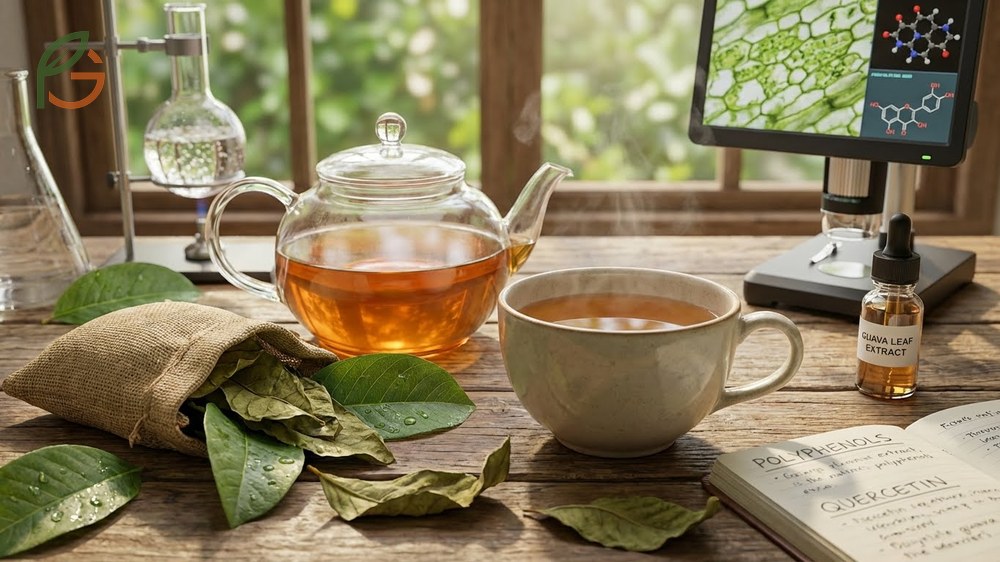
Research demonstrates that guava leaves contain polyphenols, quercetin, and tannins that deliver multiple health advantages. The methanol extract shows the strongest glucose-lowering effects in laboratory studies.[1] These bioactive compounds work through different mechanisms to support metabolic health.
Studies indicate that drinking guava leaf tea can improve long-term blood sugar control and reduce insulin resistance. Hot water extracts demonstrate hepatoprotective properties with minimal cytotoxicity at therapeutic doses.[5] Most people notice digestive improvements within the first week of regular consumption.
Blood Sugar Control
Evidence shows that guava leaf extract modulates blood glucose by inhibiting enzymes that convert carbohydrates to glucose during digestion. Cell culture studies from 2020 and 2022 confirm improved insulin sensitivity in test subjects.[2] The tea blocks absorption of two specific sugars: sucrose and maltose.
Clinical observations reveal that drinking guava leaf tea after meals prevents blood sugar spikes. People who consumed the tea with white rice had lower insulin levels compared to the water-only group. This makes it particularly valuable for type 2 diabetes management.
Heart Health Protection
Current data indicates that guava leaf tea reduces LDL cholesterol while raising beneficial HDL cholesterol. An eight-week study found significant decreases in total cholesterol and triglyceride levels among participants.[2] Lower blood pressure readings also occurred in subjects consuming ripe guava regularly.
The antioxidants in guava leaves protect blood vessels from oxidative damage. This cardiovascular protection happens through reduced inflammation in arterial walls. Regular tea consumption supports overall heart function and circulation.
Digestive Wellness
Guava leaf tea soothes the gastrointestinal tract by inhibiting pathogenic bacteria growth. Research confirms its effectiveness against Staphylococcus aureus, a common cause of diarrhea and digestive upset. The antimicrobial properties come from flavonoids, tannins, and natural acids.[1]
The tea promotes beneficial gut bacteria while reducing harmful microbes. This balance improves nutrient absorption and relieves abdominal pain. You’ll notice reduced bloating and more regular bowel movements within days.
- Lowers blood glucose levels by inhibiting carbohydrate absorption enzymes
- Reduces LDL cholesterol and triglycerides while boosting HDL cholesterol
- Kills harmful bacteria like Staphylococcus aureus in the digestive tract
- Delivers high doses of vitamin C and quercetin for immune system support
- Protects liver cells from alcohol-induced damage at therapeutic doses
- Reduces oxidative stress through powerful antioxidant compounds
Important Note: If you’re taking diabetes medications, monitor your blood sugar closely when starting guava leaf tea. The combined effect can lower glucose more than expected, requiring medication adjustments.
Guava Leaf Tea for Weight Loss
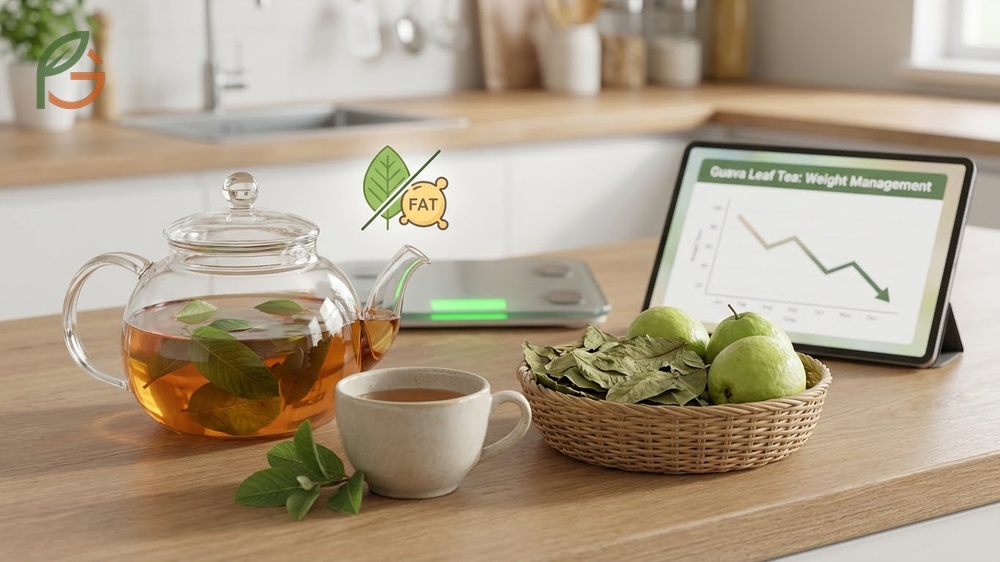
Studies show that guava leaf supplementation prevents fat deposition in high-fat diet conditions. A controlled study with rats found that guava leaf powder stopped weight gain by blocking carbohydrate conversion to fat.[3] The compounds inhibit enzymes responsible for turning complex sugars into stored body fat.
Research demonstrates that drinking guava leaf tea reduces hunger signals and creates fuller feelings after meals. This natural appetite suppression helps you consume fewer calories throughout the day. The tea’s low-calorie profile makes it an excellent replacement for sugary beverages.
Data from a nine-month trial revealed significant decreases in triglycerides and free fatty acids among participants consuming guava leaf tea daily. These metabolic improvements outperformed standard low-fat diet approaches in some measures. The tea boosts metabolism and enhances your body’s ability to burn existing fat stores.
- Blocks enzymes that convert carbohydrates into glucose and fat
- Reduces appetite by regulating hunger hormones naturally
- Increases metabolic rate for more efficient calorie burning
- Lowers free fatty acid levels in blood circulation
- Prevents complex sugar absorption in the intestinal tract
Guava Leaf Tea for Hair Growth

Guava leaves contain phenolic compounds that stimulate blood circulation to the scalp when applied topically or consumed as tea. This increased blood flow activates dormant hair follicles and encourages thicker, healthier growth. The high vitamin C content boosts collagen production in scalp tissues.
The antioxidants in guava leaves combat oxidative stress that damages hair follicles and causes premature hair loss. Lycopene provides additional protection against UV radiation damage to hair proteins. Regular use improves hair texture, making strands softer, shinier, and more manageable.
Antimicrobial properties help control dandruff by eliminating fungal growth on the scalp. The flavonoid quercetin preserves and restores natural hair shine. You can drink the tea daily or rinse your hair with cooled guava leaf water after shampooing for best results.
Application Tip: For topical use, let the tea cool completely before applying to your scalp. Massage gently for 2-3 minutes, then leave on for 15-20 minutes before rinsing with lukewarm water.
How to Make Guava Leaf Tea
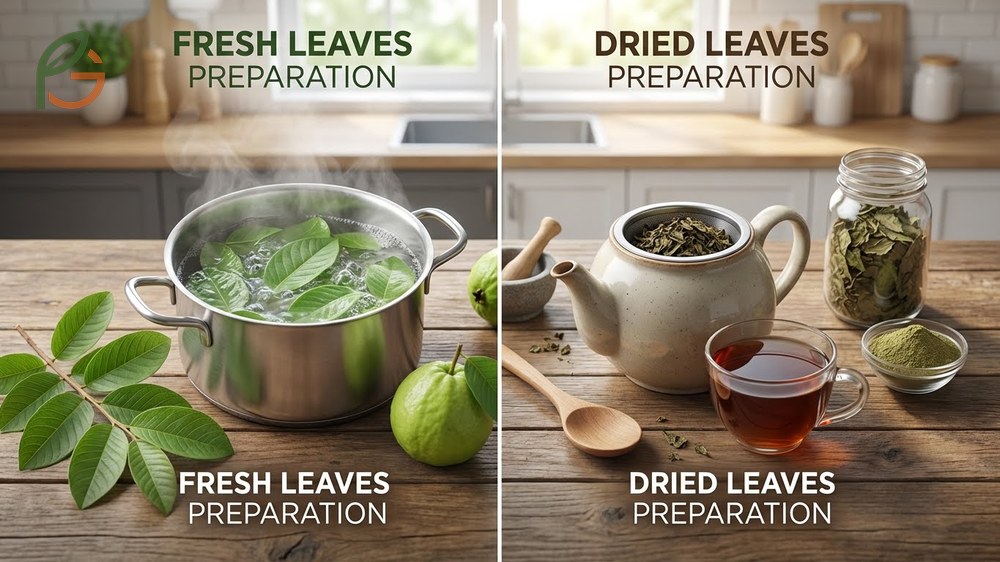
Making guava leaf tea requires just two ingredients: guava leaves and water. The traditional method involves boiling fresh leaves, while modern preparations often use dried, powdered leaves for convenience.[4] Both methods produce effective results when prepared correctly.
Fresh vs Dried Guava Leaves
Traditional medicine experts suggest dried guava leaves offer safer, more consistent results than fresh leaves. Fresh leaves contain higher levels of bitter compounds that can damage body fluids when consumed in excess. Drying or brewing softens the intense taste while preserving beneficial compounds.
Dried leaves store longer without losing potency, making them more practical for regular use. You can dry young guava leaves under shade for several days, then crush them into powder. Fresh leaves work well when you need immediate preparation and don’t mind the stronger flavor.
Basic Recipe
Start with 6 fresh guava leaves or 1.5 cups of dried leaves (approximately 8 grams). Wash fresh leaves thoroughly under running water to remove dirt and pesticides. Tear large leaves coarsely to release more compounds during brewing.
Combine the leaves with 6 cups (1,400 ml) of filtered water in a saucepan. Bring the mixture to a full boil over high heat, then reduce to a gentle simmer. Cover the pot and cook for 10-15 minutes to extract maximum beneficial compounds.[4]
Remove from heat and let the tea cool for 5-10 minutes before straining. Pour the liquid through a fine-mesh strainer to remove all leaf particles. Transfer to a heat-proof glass bottle or jar for storage.
- Measure 6 fresh leaves or 1.5 cups dried leaves per liter of water
- Wash fresh leaves thoroughly or use clean dried leaves
- Boil water and leaves together for 10-15 minutes with lid on
- Let cool for 5-10 minutes after removing from heat
- Strain through fine mesh to remove all leaf particles
- Store in glass container in refrigerator for up to 3 days
For sweetened iced tea, dissolve 1 tablespoon of raw honey or agave syrup into each cup while still warm, then pour over ice. You can add 1.5 tablespoons of fresh passion fruit juice or 2 teaspoons of lemon juice for flavor variations. Hot tea pairs well with cinnamon sticks or a few fresh mint leaves.
Drinking Guava Leaf Tea Empty Stomach
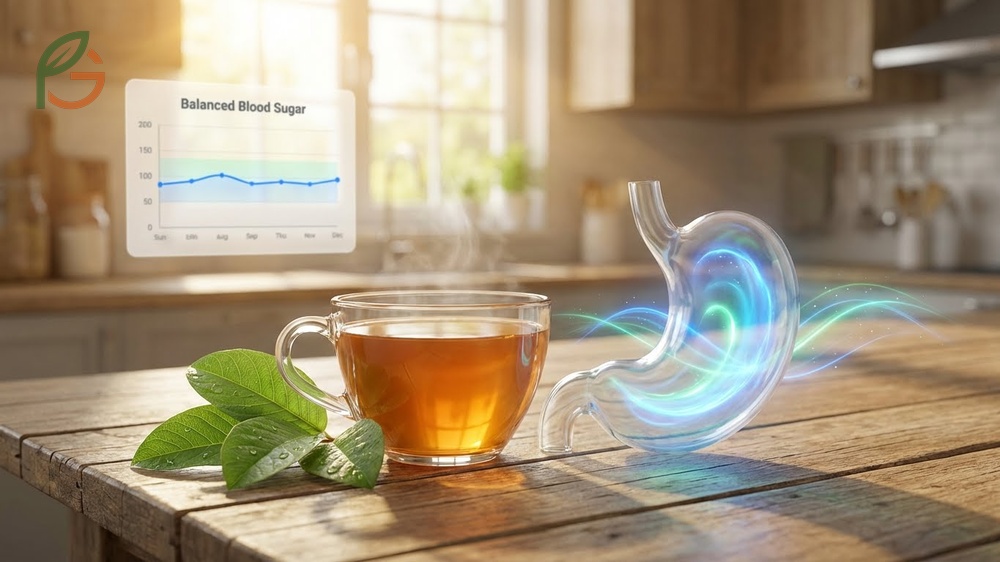
Consuming guava leaf tea on an empty stomach enhances its digestive and detoxifying effects. The active compounds absorb more efficiently when no food is present in your stomach. This timing kickstarts your metabolism and provides sustained energy for 4-5 hours.
Morning consumption helps control blood sugar levels throughout the day by improving glycemic response to meals. Your body processes the beneficial compounds first thing, allowing them to work before you eat breakfast. This creates better metabolic conditions for fat burning and appetite regulation.
However, people with low blood pressure should avoid drinking the tea on an empty stomach. The blood-pressure-lowering effects can cause dizziness and lightheadedness when combined with fasting. If you have sensitive digestion or IBS, start with smaller amounts after eating to assess tolerance.
For best results with weight loss and diabetes management, drink one cup 30 minutes before breakfast. This gives the compounds time to prepare your digestive system and metabolism. You can have a second cup before lunch or dinner, but don’t exceed three cups daily.
Guava Leaf Tea Side Effects

Research indicates that guava leaf extracts are generally safe when consumed in moderate amounts. High concentrations can produce cytotoxic effects on liver cells, particularly with ethanol and acetone extracts.[5] Doses below 100 μg/mL show hepatoprotective benefits without harmful effects.
The tannin content can irritate intestinal lining and worsen constipation in susceptible individuals. People with pre-existing digestive disorders like IBS should limit intake to avoid abdominal cramping and bloating. Temporary nausea or stomach pain occurs in some users, especially at higher doses.
This table compares four groups who should avoid guava leaf tea, listing their specific health conditions and potential adverse effects
| Group | Condition | Potential Effects |
|---|---|---|
| Digestive Issues | Constipation, IBS, sensitive gut | Worsened constipation, cramping, bloating from tannins |
| Low Blood Pressure | Hypotension or blood pressure medication | Dizziness, lightheadedness, excessive pressure drops |
| Medication Users | Diabetes drugs, antibiotics, blood thinners | Enhanced drug effects, blood sugar disorders, interactions |
| Skin Conditions | Eczema, sensitive skin (topical use) | Skin irritation, worsened eczema symptoms |
Guava leaves can interact with diabetes medications, causing blood sugar to drop too low. Monitor your glucose levels closely if you take metformin or insulin. The tea may also affect blood pressure medications and certain antibiotics, reducing their effectiveness or causing unwanted side effects.
Stop using guava leaf tea at least two weeks before scheduled surgery. The compounds can lower blood sugar during procedures and increase bleeding risk. Pregnant women should consult healthcare providers before regular consumption, though moderate amounts are generally considered safe.
- Temporary nausea or stomach discomfort at high doses
- Worsened constipation due to tannin content in sensitive individuals
- Excessive blood pressure reduction when combined with medications
- Blood sugar drops requiring medication adjustment for diabetics
- Skin irritation from topical application in people with eczema
- Drug interactions with diabetes medications and antibiotics
Dosage Warning: Don’t exceed three cups of guava leaf tea per day. Higher amounts increase the risk of liver cytotoxicity and digestive problems. Start with one cup daily and gradually increase if well-tolerated.
Conclusion
The evidence is clear: guava leaf tea benefits extend from blood sugar management and weight loss to heart protection and digestive health. Research confirms that regular consumption at therapeutic doses delivers measurable improvements in metabolic markers without significant risks for most people. The simple preparation method makes this traditional remedy accessible to anyone seeking natural wellness support.
Current guidance emphasizes moderation and individual assessment when incorporating herbal teas into your routine. FruitGarden encourages you to start with one cup daily, monitor your body’s response, and consult healthcare providers if you take medications. This ancient botanical solution offers modern health benefits when used wisely and consistently.
Medical Disclaimer
Important Medical Disclaimer: This content is for informational and educational purposes only. It’s not intended as a substitute for professional medical advice, diagnosis, or treatment. Always consult a qualified healthcare professional before making any changes to your diet, supplements, or health routine, especially if you have diabetes, low blood pressure, digestive disorders, or take prescription medications. Guava leaf tea can interact with various drugs and isn’t suitable for everyone.
Frequently Asked Questions
What is guava leaf good for?
Guava leaf is good for controlling blood sugar levels, supporting weight loss, and improving digestive health. Research shows it reduces glucose absorption after meals, lowers LDL cholesterol, and kills harmful gut bacteria like Staphylococcus aureus. The leaves also boost immunity through high vitamin C and antioxidant content.
Can I drink guava leaf tea every day?
Yes, you can drink guava leaf tea daily in moderate amounts. Studies indicate that 1-2 cups per day provide health benefits without significant side effects for most people. Don’t exceed three cups daily to avoid potential liver cytotoxicity and digestive issues from excessive tannin intake.
How long does it take for guava leaves to work?
Most people notice digestive improvements within 3-7 days of regular consumption. Blood sugar benefits appear after meals within hours, while cholesterol changes take 6-8 weeks to become measurable. Weight loss effects develop gradually over 4-12 weeks when combined with healthy eating habits.
Does guava leaf tea help you sleep?
Research suggests that guava leaf extract can modulate inflammatory pathways and reduce oxidative damage, which supports relaxation. While not a direct sleep aid, the anti-inflammatory properties may improve sleep quality indirectly. Drink it 1-2 hours before bed rather than right before sleeping.
Are fresh or dried guava leaves better for tea?
Dried guava leaves are generally safer and more practical than fresh leaves for regular use. Fresh leaves contain higher levels of bitter compounds that can damage body fluids when overconsumed. Drying preserves beneficial compounds while reducing harsh properties and extending shelf life.
Can guava leaf tea damage your liver?
Guava leaf tea is hepatoprotective at normal doses but can cause liver cytotoxicity at very high concentrations. Studies show that doses at or below 100 μg/mL protect liver cells, while excessive amounts damage them. Stick to 1-3 cups daily and avoid prolonged high-dose consumption.
What are the benefits of guava leaves sexually and for fertility?
Research indicates that guava leaf essential oil increases testosterone levels, sperm concentration, and reproductive organ weight in male subjects. The folate content may support female fertility by improving pregnancy rates. However, no controlled human studies specifically confirm sexual or fertility benefits beyond general nutritional support.





