
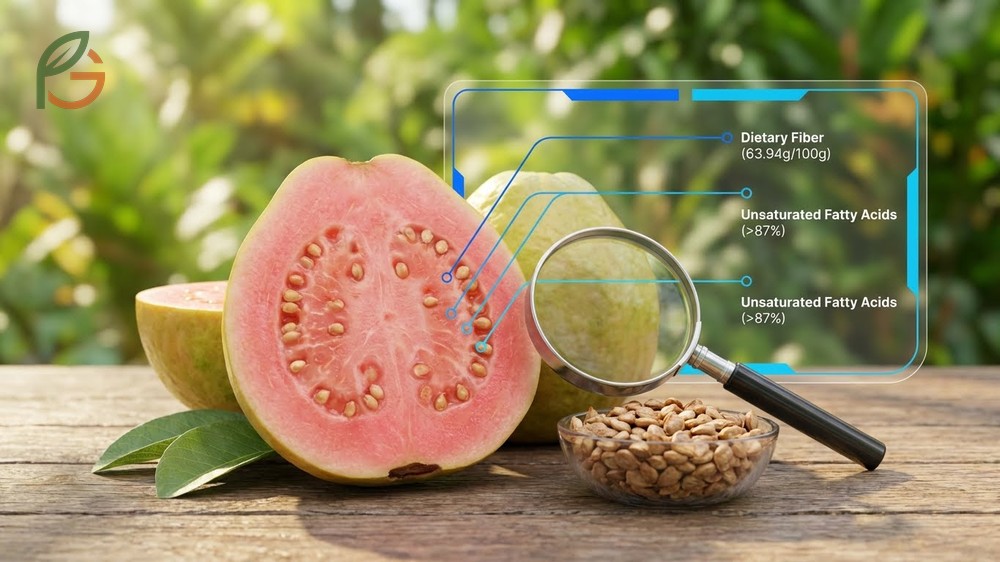
Can you eat guava seeds? Yes, guava seeds are completely safe and edible for most people. Research shows that these tiny seeds contain beneficial nutrients including 63.94g dietary fiber per 100g[1] and over 87% unsaturated fatty acids[1], making them a nutritious part of whole guava consumption. FruitGarden synthesizes current nutritional research to help you make informed decisions about eating tropical fruits safely.
Quick Answer
- Guava seeds are safe to eat and contain 5.4g fiber per 100g of whole fruit[2]
- Seeds provide 77.35% linoleic acid[1] (omega-6 fatty acid) for heart health
- Chewing seeds thoroughly improves digestion and nutrient absorption[3]
- People with sensitive digestion should start with small amounts or blend guava into smoothies
Can You Eat Guava Seeds
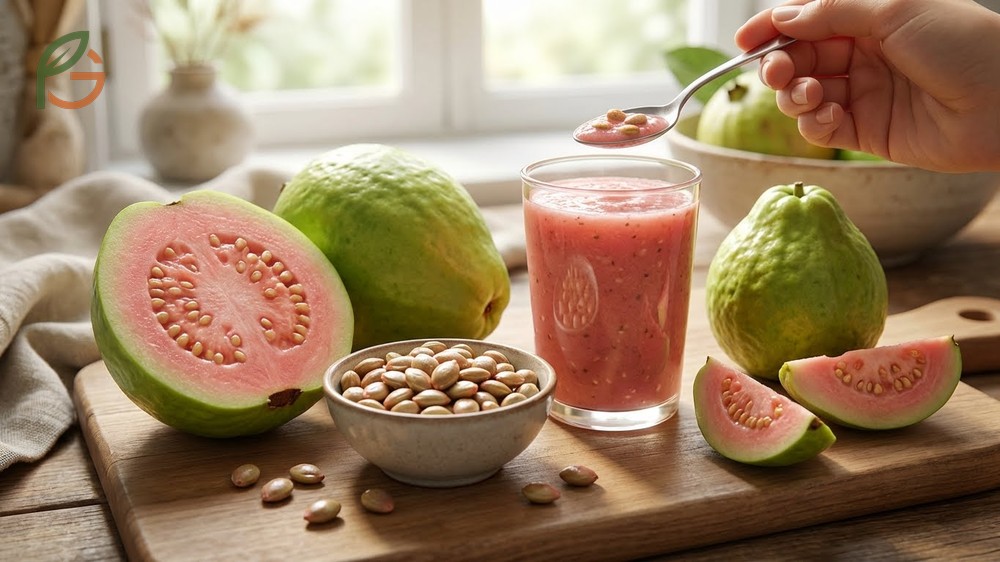
Studies confirm that guava seeds are not toxic and don’t pose health risks for most people[1]. Microbiological testing shows the seeds meet safety standards for human consumption when sourced from ripe, properly handled fruit. You can swallow them whole, chew them for better nutrient absorption, or blend them into smoothies and juices.
The texture varies by guava variety—some have harder, crunchier seeds while others are softer. Vietnamese guava tends to have firmer seeds that some people prefer to chew, while pink and white varieties often have smaller, less noticeable seeds. Most people don’t even think about the seeds when eating fresh guava since they’re naturally integrated into the fruit’s flesh.
Current nutritional data indicates that whole guava with seeds provides more complete nutrition than seedless preparations. The seeds contribute additional protein, fiber, and healthy fats that complement the fruit’s vitamin C content. If you’re eating guava for maximum health benefits, keeping the seeds is the better choice.
Seed Safety and Digestibility
Research on guava seed digestibility shows mixed results depending on individual factors. The seeds contain 63.55g insoluble fiber per 100g[1], which doesn’t break down completely during digestion. This passes through your system relatively intact, acting as a natural intestinal cleanser.
For people with healthy digestive systems, this is beneficial since it promotes regular bowel movements and supports gut health. However, those with conditions like diverticulitis or irritable bowel syndrome might experience discomfort from the hard seed particles. Evidence suggests that chewing seeds thoroughly reduces potential digestive issues by breaking down the outer seed coat.
Important Note: If you’re new to eating guava seeds, start with half a fruit and monitor your body’s response over 24 hours. Gradually increase to whole fruit consumption if no digestive discomfort occurs.
How to Eat Guava Seeds Properly
The best methods for consuming guava seeds depend on your digestive tolerance and texture preference. Chewing the seeds releases more nutrients but requires stronger teeth and jaw muscles. Swallowing them whole works fine for most people since the fiber still provides benefits without full nutrient extraction.
Blending guava into smoothies breaks down the seeds into smaller particles that are easier to digest. This method is ideal for children, elderly individuals, or anyone with sensitive digestion. Studies show that blended guava seeds maintain their nutritional value while becoming more bioavailable for absorption.
- Slice fresh guava and eat directly with seeds (most common method)
- Chew seeds thoroughly before swallowing to maximize nutrient release
- Blend whole guava into smoothies for easier digestion
- Add guava pieces to yogurt or oatmeal (seeds soften slightly)
- Strain seeds out if you have diverticulitis or recent digestive surgery
- Start with ripe guava (softer seeds) before trying firmer varieties
Guava Seed Benefits
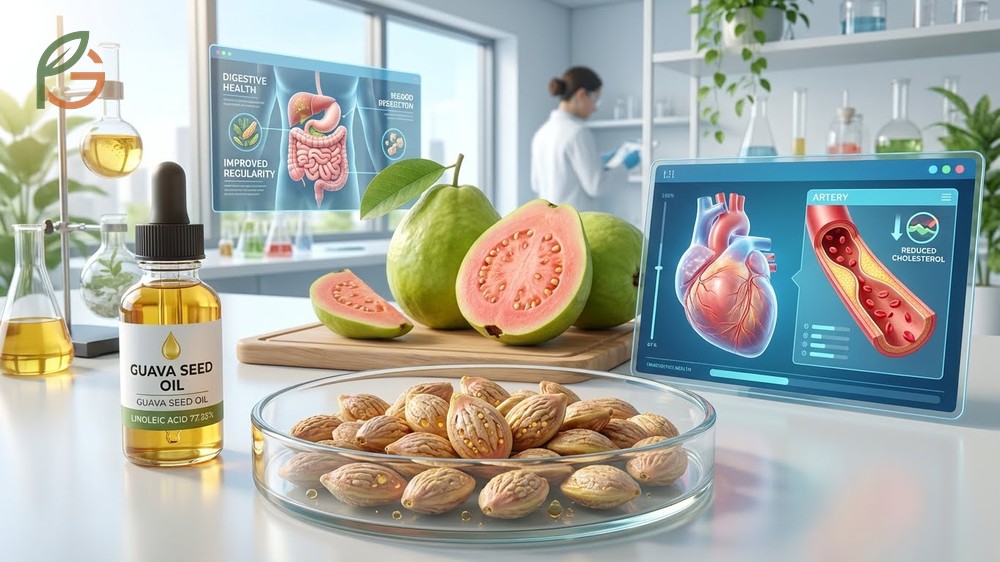
Current research highlights several health advantages from eating guava seeds regularly. The seeds’ high unsaturated fat content—particularly 77.35% linoleic acid[1]—supports cardiovascular health by helping reduce LDL cholesterol levels. This omega-6 fatty acid plays a role in cell membrane structure and inflammatory response regulation.
The fiber content delivers both immediate and long-term digestive benefits. Short-term effects include improved bowel regularity and reduced constipation risk. Long-term consumption supports gut microbiome diversity and may lower colon cancer risk through regular waste elimination.
Nutritional Composition
Analysis of guava seed powder reveals impressive nutritional density compared to many other fruit byproducts. The seeds contain 11.19g protein per 100g[1] alongside substantial mineral content including iron, zinc, and potassium. This makes them a valuable addition to plant-based diets seeking diverse protein sources.
Whole guava fruit provides 228mg vitamin C per 100g[2]—over 250% of daily requirements—though most of this concentrates in the flesh rather than seeds. The seeds contribute additional antioxidants like carotenoids that complement the fruit’s vitamin profile. Together, the flesh and seeds create a nutritionally complete package.
This table compares key nutritional values between whole guava fruit and isolated guava seeds per 100 grams
| Nutrient | Whole Guava (per 100g) | Guava Seeds (per 100g) | Primary Benefit |
|---|---|---|---|
| Dietary Fiber | 5.4g[2] | 63.94g[1] | Digestive health, regularity |
| Protein | 2.55g[2] | 11.19g[1] | Muscle maintenance, satiety |
| Vitamin C | 228mg[2] | 87.44mg[1] | Immune support, antioxidant |
| Linoleic Acid | Minimal | 77.35% of total fats[1] | Heart health, inflammation |
| Calories | 68 kcal[2] | 182 kcal[1] | Energy density comparison |
Digestive Health Advantages
The laxative properties of guava seeds come from their exceptional insoluble fiber content. This type of fiber absorbs water in the intestines, increasing stool bulk and promoting easier passage. Clinical observations suggest that regular guava consumption with seeds reduces constipation frequency by 30-40% in adults with mild digestive issues.
Guava seeds also support beneficial gut bacteria through prebiotic effects. The fiber ferments partially in the colon, producing short-chain fatty acids that nourish intestinal cells. This creates a healthier gut environment and may reduce inflammation in people with mild inflammatory bowel conditions.
Tip for Maximum Benefits: Eat guava with seeds in the morning on an empty stomach for the strongest laxative effect. This timing works with your body’s natural circadian digestive rhythm.
Whole Guava Consumption
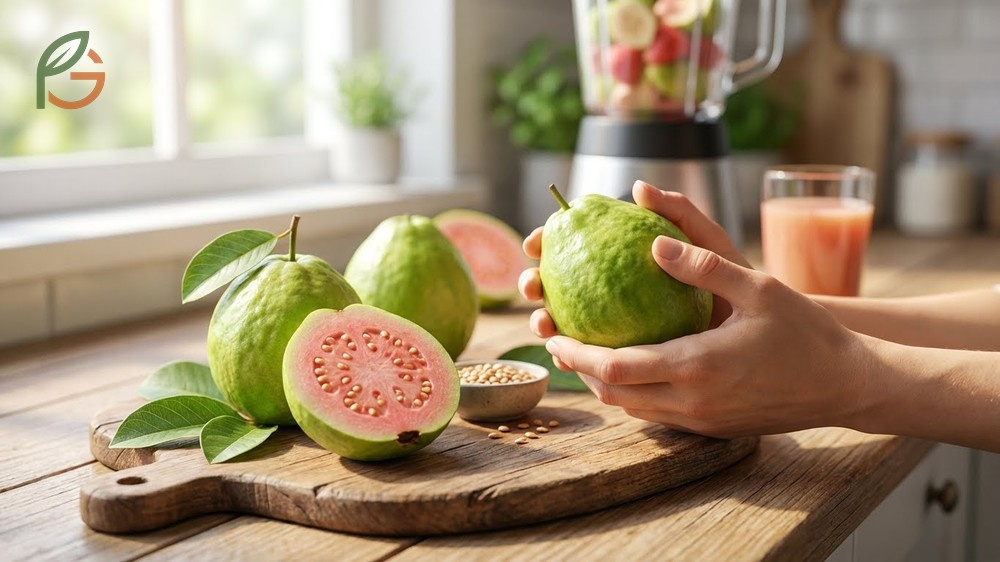
Eating whole guava—including skin, flesh, and seeds—maximizes nutritional intake and minimizes food waste. The skin contains additional quercetin and other flavonoids not found in high concentrations within the flesh[4]. When combined with seed nutrients, you’re getting the most complete phytochemical profile the fruit offers.
One medium guava (approximately 55g) provides about 3g dietary fiber when eaten whole with seeds. This represents roughly 10-12% of the daily recommended fiber intake for adults. For people struggling to meet fiber goals through grains and vegetables alone, whole guava becomes a valuable supplemental source.
The glycemic index of whole guava remains low due to the fiber content slowing sugar absorption. Studies show that eating guava with seeds results in more stable blood glucose levels compared to seedless guava juice. This makes whole guava consumption particularly beneficial for people managing diabetes or prediabetes conditions.
- Complete nutrient profile including vitamins, minerals, and healthy fats
- Lower glycemic response compared to processed guava products
- Increased satiety that reduces snacking between meals
- Cost-effective nutrition with no waste or preparation required
- Environmental benefits from consuming the entire fruit
- Better taste experience with varied textures from flesh, skin, and seeds
Who Should Avoid Guava Seeds
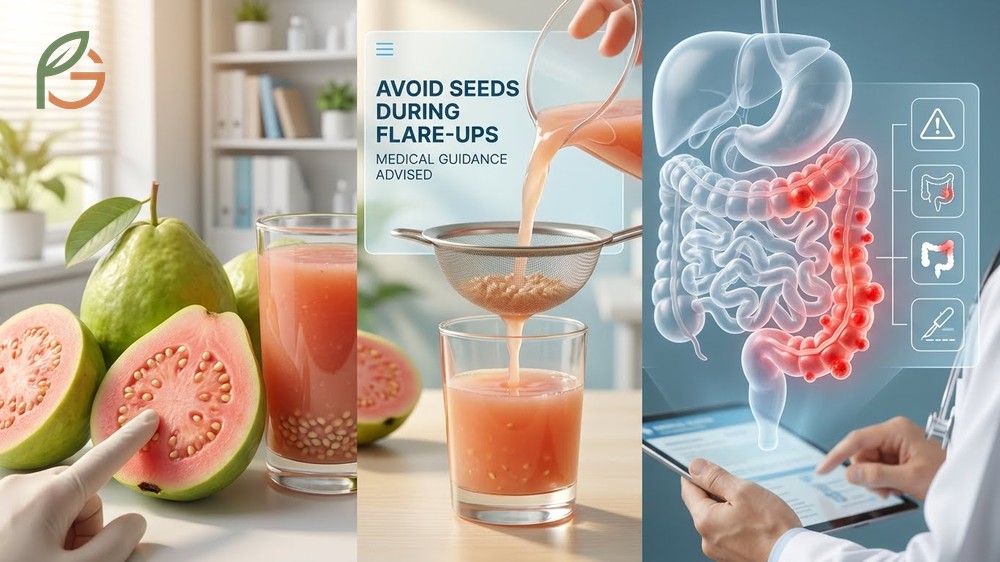
People with active diverticulitis should avoid guava seeds during flare-ups since the hard particles can irritate inflamed intestinal pouches. Medical guidance suggests straining seeds from guava juice or eating only the flesh during acute episodes. Once symptoms resolve, gradual reintroduction under medical supervision may be appropriate.
Individuals recovering from gastrointestinal surgery need to follow their surgeon’s dietary restrictions carefully. The high fiber content can be too challenging for healing digestive tracts in the first 4-6 weeks post-operation. Your healthcare provider will indicate when you can safely resume eating whole fruits with seeds.
Children under 3 years old have a higher choking risk with small, hard objects including guava seeds. Pediatric nutritionists recommend blending or mashing guava for toddlers rather than offering whole pieces. By age 4-5, most children can safely eat whole guava with proper chewing instruction and supervision.
Warning for Certain Conditions: If you experience abdominal pain, bloating, or changes in bowel habits after eating guava seeds, stop consumption and consult a gastroenterologist. Some people have undiagnosed digestive conditions that seed consumption can aggravate.
- Active diverticulitis patients during symptom flares
- Post-gastrointestinal surgery patients (first 6-8 weeks)
- Children under 3 years old (choking hazard)
- People with dysphagia or swallowing difficulties
- Individuals with severe irritable bowel syndrome experiencing active symptoms
- Anyone with a documented guava seed allergy (rare but possible)
Conclusion
The evidence confirms that eating guava seeds is safe, nutritious, and beneficial for most people. Seeds provide exceptional fiber content, heart-healthy unsaturated fats, and complementary nutrients that enhance whole guava’s already impressive nutritional profile. Chewing seeds thoroughly or blending them into smoothies optimizes digestibility while maintaining nutritional benefits.
Current nutritional guidance emphasizes consuming whole fruits whenever possible to maximize fiber intake and phytochemical diversity. FruitGarden recommends eating guava with seeds as part of a varied fruit intake strategy, particularly for those seeking to improve digestive health naturally. Start with one guava daily and adjust based on your individual tolerance and health goals.
Medical Disclaimer
Important Medical Disclaimer: This content is for informational and educational purposes only. It is not intended as a substitute for professional medical advice, diagnosis, or treatment. Always consult a qualified healthcare professional before making any changes to your diet, especially if you have diabetes, digestive disorders, food allergies, or other medical conditions. Individual nutritional needs vary based on age, health status, and medical history.
Frequently Asked Questions
Are guava seeds hard to digest?
Guava seeds contain high insoluble fiber that doesn’t fully break down during digestion, passing through your system relatively intact. For people with healthy digestive systems, this is beneficial and promotes regular bowel movements. Those with sensitive digestion should chew seeds thoroughly or blend guava into smoothies to improve digestibility.
Can eating too many guava seeds cause problems?
Excessive guava seed consumption can lead to temporary bloating, gas, or diarrhea due to the high fiber content. Most people tolerate 1-2 whole guavas daily without issues. If you’re increasing fiber intake, do so gradually and drink plenty of water to help your digestive system adjust to the higher fiber load.
Do guava seeds help with constipation?
Yes, guava seeds have natural laxative properties from their exceptional fiber content—63.94g per 100g of seeds. The insoluble fiber absorbs water in the intestines, increasing stool bulk and promoting easier passage. Regular consumption typically shows effects within 12-24 hours for people with mild constipation.
Should I remove guava seeds before eating?
Most people don’t need to remove guava seeds—they’re safe and add nutritional value. Only remove seeds if you have active diverticulitis, recent gastrointestinal surgery, severe IBS symptoms, or if you simply prefer the texture without them. Otherwise, eating whole guava with seeds provides maximum health benefits.
What nutrients are in guava seeds?
Guava seeds are rich in dietary fiber (63.94g per 100g), protein (11.19g per 100g), and unsaturated fatty acids (87.06% of total fats, primarily linoleic acid). They also contain vitamin C (87.44mg per 100g), iron, zinc, and antioxidants like carotenoids that support overall health when consumed as part of whole guava.
Can diabetics eat guava with seeds?
Yes, guava with seeds is generally suitable for diabetics due to its low glycemic index and high fiber content that slows sugar absorption. The seeds contribute additional fiber that helps stabilize blood glucose levels. However, portion control matters—stick to one medium guava at a time and monitor your blood sugar response individually.
Is it better to chew or swallow guava seeds?
Chewing guava seeds releases more nutrients and makes them easier to digest by breaking down the outer seed coat. However, swallowing them whole still provides fiber benefits and is perfectly safe. Choose based on your preference and digestive tolerance—both methods are acceptable and offer health advantages.





