
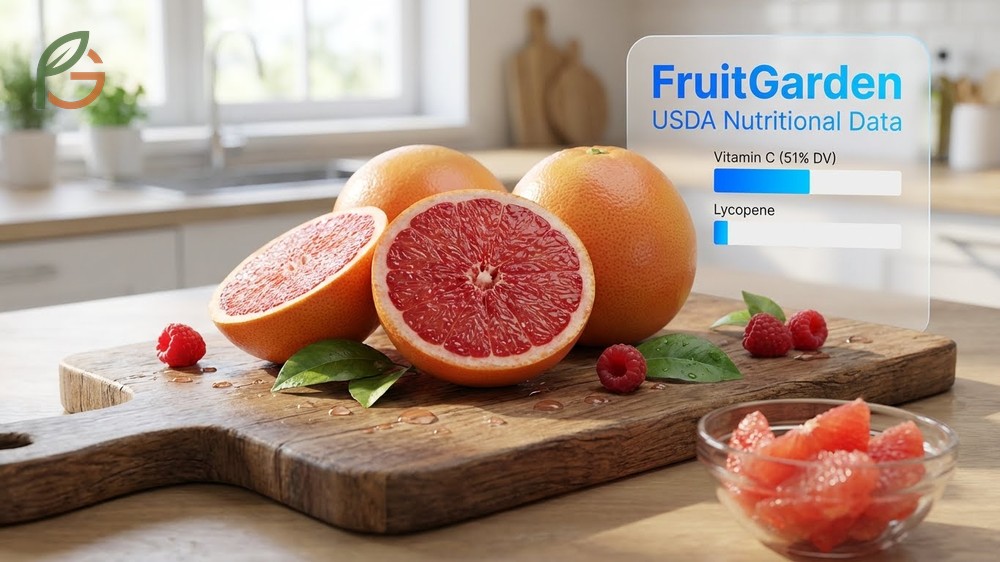
Ruby Red grapefruit stands out as one of the sweetest grapefruit varieties, featuring deep red flesh packed with lycopene and a balanced flavor profile that’s less bitter than white varieties. Research shows this citrus delivers 51% of your daily vitamin C in just half a fruit while offering unique raspberry undertones that make it ideal for fresh eating[1]. FruitGarden synthesizes current horticultural research and USDA nutritional data to help you understand what makes this pink grapefruit variety exceptional for both cultivation and consumption.
Quick Answer
- Ruby Red grapefruit contains 40 calories and 46mg vitamin C per half fruit (120g serving)[1]
- Flavor profile: sweet with mild tartness, raspberry hints, and minimal bitterness compared to white grapefruit[2]
- Thrives in USDA zones 9-11 with temperatures between 70-85°F (21-29°C)[3]
- Rich in lycopene (same amount as a medium tomato), supporting heart health and cancer prevention[4]
Ruby Red Grapefruit
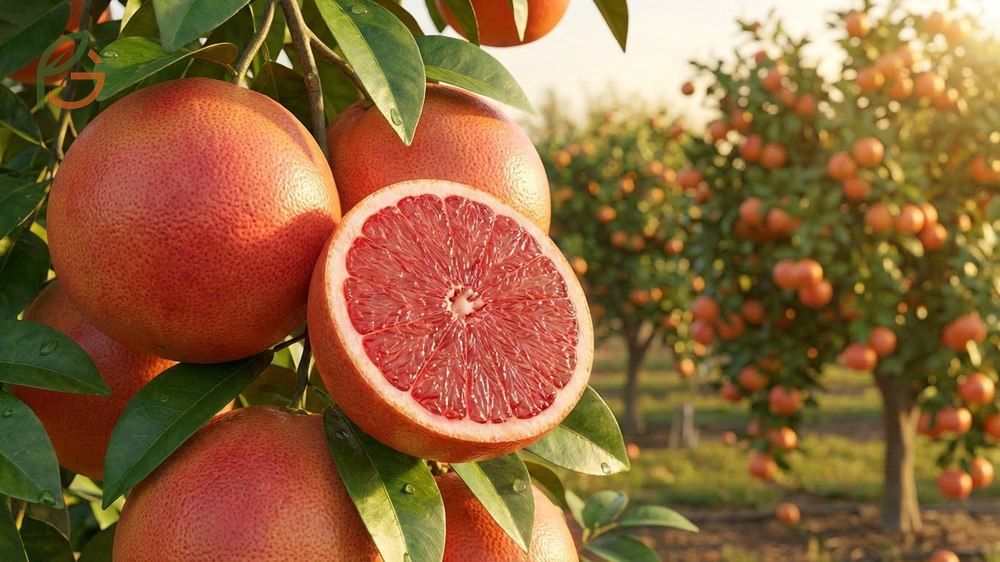
Studies demonstrate that Ruby Red grapefruit represents a significant improvement over earlier white grapefruit varieties, combining superior sweetness with enhanced nutritional value. The variety emerged through selective breeding programs focused on reducing bitterness while intensifying natural sugars and beneficial phytochemicals.
Agricultural data shows this cultivar produces heavy crops of large, round fruit with distinctive red-tinged skin and deeply pigmented flesh. The redder the flesh, the sweeter the fruit and the higher the concentration of lycopene and beta-carotene—the compounds responsible for both color and health benefits.
What Makes Ruby Red Different
Research shows Ruby Red grapefruit contains significantly higher levels of lycopene compared to white varieties, making it nutritionally superior. One cup of red grapefruit sections contains as much lycopene as a medium 4-ounce tomato[4].
The variety’s sweet-tart balance makes it more palatable for fresh consumption than traditional bitter white grapefruits. Most people find Ruby Red requires no added sugar, unlike white varieties that often need sweetening.
- Deep red to pink flesh color indicating high antioxidant content
- Self-fertile trees requiring no cross-pollination for fruit production
- Nearly seedless fruit with minimal interruption when eating fresh
- Juice content averaging 50% of total fruit weight
- Harvest season from late winter through early spring
- Moderate to low bitterness compared to white grapefruit varieties
Nutritional Composition
Current nutritional data indicates half a medium Ruby Red grapefruit (120g) provides a concentrated source of essential vitamins with minimal calories. The vitamin C content alone supplies over half your daily requirement[1].
The fruit’s nutrient density makes it valuable for weight management programs. You’re getting substantial vitamins, minerals, and antioxidants for just 40 calories per serving.
Important Note: Grapefruit can interact with certain medications by affecting how your body metabolizes them. If you’re taking prescription drugs, especially for blood pressure, cholesterol, or anxiety, consult your healthcare provider before adding grapefruit to your regular diet.
Ruby Red Variety
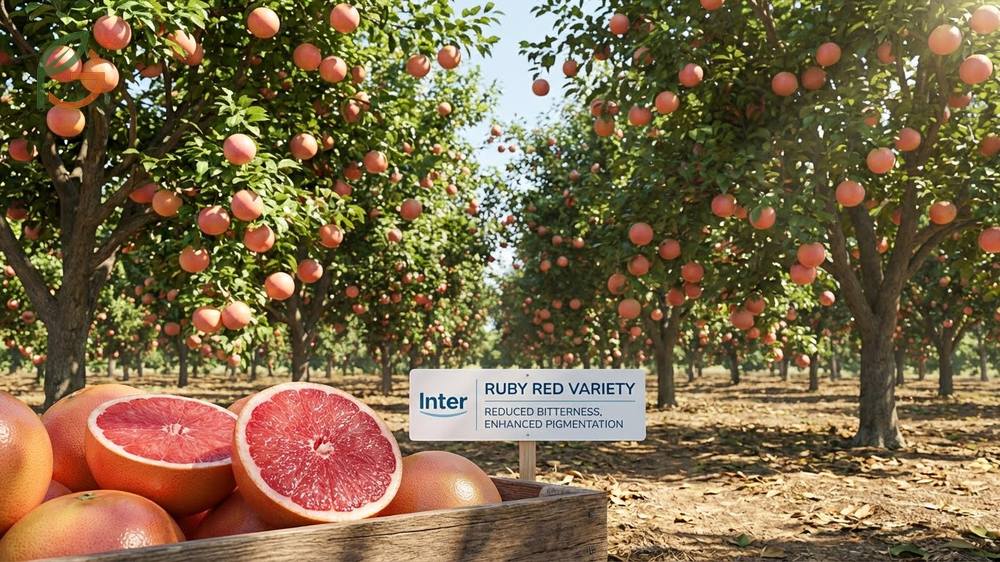
Evidence suggests Ruby Red belongs to the “Ruby Sweet” group of pink grapefruits, which also includes Star Ruby and Flame varieties. These cultivars share genetic markers for reduced bitterness and enhanced pigmentation.
The variety performs exceptionally well in commercial production due to its vigorous growth habit and consistent fruiting. Trees can reach 15-20 feet tall with a 12-15 foot spread at maturity, producing abundant harvests when properly maintained[3].
Variety Comparison
Different pink and red grapefruit varieties offer distinct characteristics for growers and consumers. Star Ruby provides the darkest flesh color but demands more precise growing conditions. Flame offers superior cold tolerance, making it better suited for marginal growing zones.
This table compares sweetness levels, bitterness, and flavor characteristics across four major pink and red grapefruit varieties
| Variety | Sweetness Level | Bitterness | Distinct Flavor Notes |
|---|---|---|---|
| Ruby Red | Sweet | Low-Moderate | Raspberry hints, minimal bitterness[2] |
| Star Ruby | Very Sweet | Low | Nearly seedless, honey-like sweetness |
| Flame | Sweet | Low-Moderate | Similar to Star Ruby, better cold tolerance |
| Pink | Moderately Sweet | Moderate | Berry undertones, balanced tartness |
| White | Moderate | High | Clean citrus, pronounced bitter finish |
Cultivation Requirements
Ruby Red grapefruit trees thrive in warm, sunny climates with consistent temperatures. They’re best suited for USDA hardiness zones 9-11, where winter temperatures rarely drop below 28°F (-2°C)[5].
If you’re growing Ruby Red trees, they’ll need full sun exposure—at least 6 to 8 hours of direct sunlight daily. The trees prefer well-draining, sandy loam soil with slightly acidic pH between 6.0 and 7.0.
- Temperature range: 70-85°F (21-29°C) for optimal growth and fruit development
- Cold hardiness: Can endure brief periods down to 28°F (-2°C) with protection
- Water needs: 0.8 cups every 9 days for established trees not in direct sun[5]
- Spacing: Plant at least 12 feet from structures to accommodate mature canopy
- Fertilization: Regular feeding during growing season with citrus-specific fertilizer
- Container growing: Possible in cooler zones with winter indoor protection
Growing Tip: In zones 4-8, you can successfully grow Ruby Red grapefruit in large containers (at least 20 gallons) and move them indoors during winter months. This extends the growing range significantly beyond traditional outdoor zones.
Pink Grapefruit Characteristics
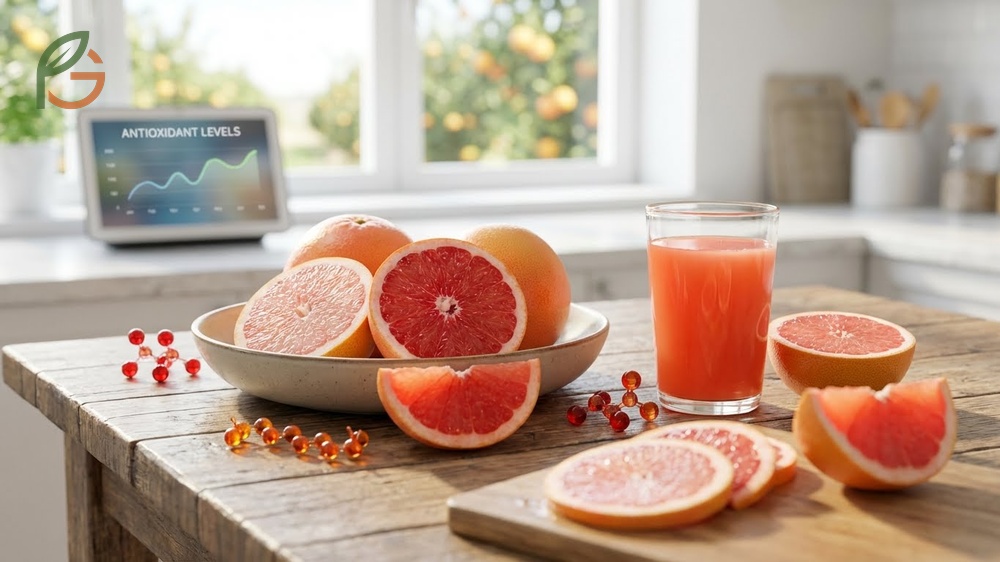
Pink grapefruit varieties, including Ruby Red, derive their distinctive coloring from lycopene and beta-carotene pigments. These same compounds that create the appealing pink-to-red flesh also deliver significant health benefits beyond what white grapefruits can provide.
The pigmentation serves as a visual indicator of antioxidant content. Research demonstrates that deeper red coloration correlates directly with higher lycopene concentrations, making color an easy way to identify the most nutritious fruits.
When selecting Ruby Red grapefruits, look for fruits that feel heavy for their size—this indicates high juice content. The skin should be smooth with minimal blemishes, and a slight give when gently squeezed suggests ripeness.
Storage conditions affect flavor retention. You can keep Ruby Red grapefruits at room temperature for up to one week, or refrigerate them for three to four weeks without significant quality loss. The fruit doesn’t continue ripening after harvest, so purchase ready-to-eat specimens.
- Choose fruits with consistent color and smooth, thin skin
- Avoid grapefruits with soft spots, mold, or extensive scarring
- Peak season runs from November through June in most growing regions
- Refrigerated fruit develops slightly sweeter flavor over time
- Cut grapefruit should be wrapped tightly and used within 3-4 days
Ruby Red Flavor
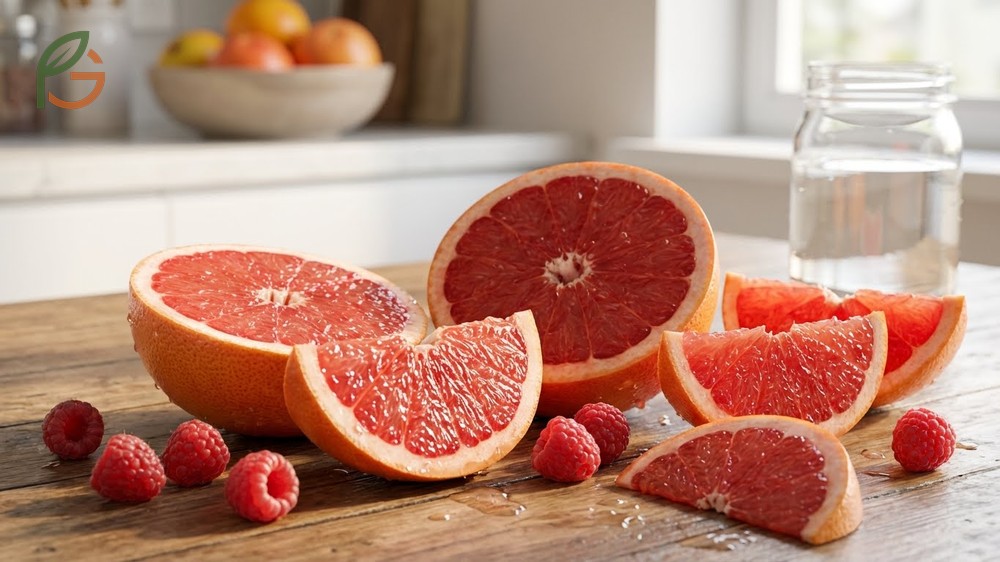
The flavor profile of Ruby Red grapefruit combines sweetness, tanginess, and subtle fruit notes that set it apart from other citrus. Studies show the variety contains natural sugars balanced with organic acids, creating a harmonious taste that doesn’t require added sweeteners[2].
What makes Ruby Red distinctive is its raspberry undertone—a unique characteristic not found in white or even some pink varieties. This berry note enhances the overall citrus experience and makes the fruit particularly suitable for fresh applications like salads and breakfast preparations.
The bitterness level in Ruby Red registers significantly lower than white grapefruit due to reduced naringin content, the compound responsible for harsh bitter flavors. Most people find the sweetness-to-tartness ratio ideal without modification.
For breakfast preparation, pairing Ruby Red grapefruit sections with Greek yogurt and honey creates a balanced meal. The fruit’s natural acidity cuts through rich foods, making it an excellent palate cleanser between courses or alongside fatty fish like salmon.
Culinary Tip: Sprinkle a small amount of sea salt on Ruby Red grapefruit halves before eating. The salt enhances sweetness perception while reducing any residual bitterness, making the fruit taste even more balanced and complex.
Ruby Red Grapefruit Benefits

Current research indicates Ruby Red grapefruit delivers multiple health benefits through its concentrated nutrient profile. The vitamin C content supports immune function, collagen production for skin health, and serves as a powerful antioxidant protecting cells from oxidative damage[6].
Lycopene, the red pigment in Ruby Red varieties, has been linked to reduced risk of certain cancers and heart disease. Evidence suggests diets high in lycopene correlate with lower rates of prostate cancer and may slow tumor growth[6].
The fruit’s flavanones demonstrate anti-inflammatory properties that help regulate blood pressure and cholesterol levels. These compounds work synergistically with other nutrients to support cardiovascular health.
For weight management, Ruby Red grapefruit offers high satiety relative to its calorie content. The fiber and water content help you feel full, potentially reducing overall calorie intake when consumed before meals.
- May improve insulin sensitivity and reduce Type 2 diabetes risk through blood sugar regulation
- Supports heart health by helping to lower LDL cholesterol and blood pressure
- Provides antioxidants that protect against oxidative stress and cellular damage
- Contains fiber promoting digestive health and regular bowel movements
- Delivers beta-carotene converted to vitamin A for eye health and immune function
- Low glycemic index makes it suitable for blood sugar-conscious eating plans
The combination of low calories with high nutrient density makes Ruby Red grapefruit ideal for calorie-restricted diets. You’re getting substantial nutritional value without excess energy intake.
Conclusion
The evidence is clear: Ruby Red grapefruit stands out among citrus varieties for its exceptional balance of sweet flavor, nutritional density, and health-promoting compounds. Its superior taste profile with raspberry hints and minimal bitterness makes it more accessible than traditional white grapefruits, while the high lycopene and vitamin C content deliver measurable health benefits.
Current horticultural guidance emphasizes Ruby Red’s versatility for both home gardens in appropriate zones and fresh consumption year-round. FruitGarden continues to track emerging research on citrus cultivation and nutrition to help growers and consumers make informed decisions about fruit selection and care.
Medical Disclaimer
Important Medical Disclaimer: This content is for informational and educational purposes only. It is not intended as a substitute for professional medical advice, diagnosis, or treatment. Always consult a qualified healthcare professional before making any changes to your diet, medication, or health routine, especially if you’re taking prescription medications that may interact with grapefruit. Grapefruit can affect how your body metabolizes certain drugs, potentially causing serious health complications.
Frequently Asked Questions
What’s the difference between Ruby Red and pink grapefruit?
Ruby Red is a specific variety of pink grapefruit with deeper red flesh color and higher lycopene content than standard pink varieties. It’s generally sweeter with more pronounced raspberry notes and less bitterness. Generic “pink grapefruit” refers to several varieties with lighter pink flesh and moderate sweetness-to-bitterness ratios.
Can you grow Ruby Red grapefruit in containers?
Yes, you can successfully grow Ruby Red grapefruit in large containers (minimum 20 gallons) if you’re in zones 4-8. The trees need full sun, regular watering, and should be brought indoors when temperatures drop below 40°F (4°C). Container growing allows gardeners outside traditional citrus zones to enjoy fresh fruit with proper winter protection.
How much vitamin C is in a Ruby Red grapefruit?
Half a medium Ruby Red grapefruit (120g serving) contains 46mg of vitamin C, which provides 51% of the recommended daily intake. This makes it an excellent source of this essential nutrient, surpassing many other fruits in vitamin C density relative to calories.
Why does Ruby Red grapefruit interact with medications?
Ruby Red grapefruit contains compounds called furanocoumarins that inhibit enzymes in your intestines responsible for breaking down certain medications. This can cause drug levels in your bloodstream to increase dangerously. Medications affected include some statins, blood pressure drugs, antihistamines, and anti-anxiety medications. Always check with your pharmacist or doctor.
When is Ruby Red grapefruit in season?
Ruby Red grapefruit season runs from late winter through early spring in most growing regions, with peak availability from November through June. The fruit harvested mid-season (January-March) typically offers the best balance of sweetness and acidity. Grapefruits don’t ripen after picking, so purchase them ready to eat.
Is Ruby Red grapefruit better than white grapefruit?
Ruby Red offers nutritional advantages over white grapefruit, including higher lycopene and beta-carotene levels that support heart and eye health. It’s also significantly sweeter with less bitterness, making it more palatable for fresh consumption. However, white grapefruit contains slightly more naringenin, an antioxidant with its own benefits. Choose based on taste preference and nutritional goals.
How do you know when a Ruby Red grapefruit is ripe?
Ripe Ruby Red grapefruits feel heavy for their size due to high juice content and give slightly when gently squeezed without being soft or mushy. The skin should be smooth and relatively thin with consistent yellow-pink coloring. Since grapefruits don’t ripen after harvest, if the fruit is on store shelves, it’s already at peak ripeness and ready to eat.





