

Are blueberries good for you? Yes—these tiny berries pack a powerful nutritional punch. Research shows they’re loaded with anthocyanins (antioxidants that give them their blue color), fiber, and essential vitamins that support brain function, heart health, and skin quality. FruitGarden synthesizes current agricultural research to help you understand which fruits deliver the most benefits for your garden and your health.
Quick Answer
- One cup provides 84 calories, 4g fiber, and 24% daily vitamin K[2]
- Anthocyanins may slow cognitive decline—≥1 serving weekly showed slower memory loss in studies[1]
- Fat oxidation increased by 19.7-43.2% during exercise after 2 weeks of daily consumption[3]
- Daily intake supports collagen production and may reduce wrinkles[4]
Are Blueberries Good for You

Blueberries rank among the most nutrient-dense fruits you can eat. They’re low in calories but high in antioxidants—specifically anthocyanins, which give them their distinctive color and account for many of their health benefits[5].
Studies demonstrate that regular blueberry consumption supports cardiovascular function, protects against cognitive decline, and helps manage blood sugar levels in people with metabolic concerns[1]. What makes them stand out? Their phytonutrient profile delivers benefits you won’t find in most other fruits.
Current agricultural guidance emphasizes berries as a core component of healthy eating patterns. The USDA’s MyPlate recommendations include 1-2 cups of fruit daily for adults, and blueberries can easily fill that quota while delivering vitamins, minerals, and fiber your body needs[6].
Nutritional Value of Blueberries
One cup (148g) of fresh blueberries contains just 84 calories but provides substantial nutrients[2]. You get 4 grams of fiber (14% of your daily value), which supports digestive health and helps you feel full longer.
The carbohydrate content—22 grams per cup—comes primarily from natural sugars, with zero added sugars[2]. This makes them a better choice than processed snacks when you’re craving something sweet. They’re also virtually fat-free and sodium-free.
This table compares key nutrients in fresh versus frozen blueberries per one cup serving, showing calories, fiber, vitamin C, vitamin K, and manganese content
| Nutrient | Fresh Blueberries (148g) | Key Benefit |
|---|---|---|
| Calories | 84[2] | Low-calorie snack option |
| Dietary Fiber | 4g (14% DV)[2] | Digestive health, satiety |
| Vitamin C | 14mg (16% DV) | Collagen synthesis, immunity |
| Vitamin K | 29mcg (24% DV) | Bone health, blood clotting |
| Manganese | 0.5mg (25% DV) | Brain function, metabolism |
What Vitamins Are in Blueberries
Blueberries are an excellent source of vitamin K, providing about 24% of your daily needs per cup. This vitamin plays a crucial role in blood clotting and works with calcium to build strong bones. They’re also a good source of vitamin C, which supports your immune system and helps your body absorb iron from plant foods.
The manganese content deserves attention too—you get roughly 25% of your daily requirement from one cup. Manganese supports normal brain and nerve function while playing a role in blood sugar regulation and calcium absorption. These three nutrients work together synergistically for overall health.
- Vitamin K: Essential for blood clotting and bone mineralization
- Vitamin C: Antioxidant protection, collagen formation, wound healing
- Manganese: Enzyme activation, metabolism support, antioxidant defense
- Fiber: Promotes digestive health and stabilizes blood sugar
- Anthocyanins: Powerful antioxidants that reduce inflammation and oxidative stress
Important Note: If you’re taking blood-thinning medications like warfarin, talk to your doctor about vitamin K intake. While blueberries are healthy, consistent vitamin K consumption matters more than avoiding these foods entirely.
Health Benefits of Blueberries
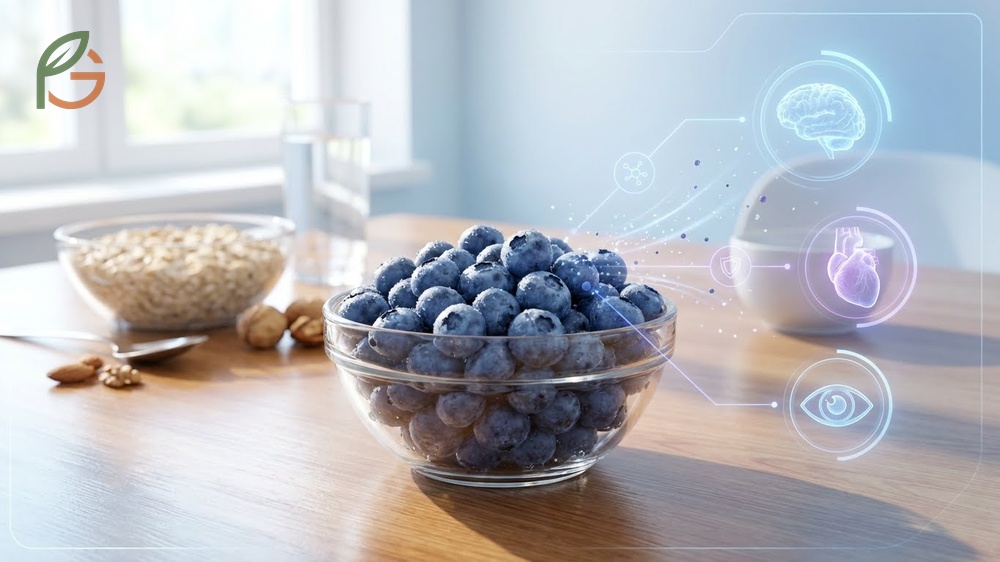
The health benefits of blueberries extend far beyond basic nutrition. Research shows they work at a cellular level to protect your body from oxidative stress and inflammation—two factors that contribute to chronic diseases and aging[7].
What makes blueberries special? Their anthocyanin content ranks among the highest of all common fruits. These compounds don’t just act as antioxidants—they interact with your gut microbiota, potentially creating metabolites that enhance their beneficial effects throughout your body[1].
Studies spanning cardiovascular health, metabolic function, and neuroprotection consistently show positive outcomes. Let’s break down the specific ways blueberries support different body systems.
Blueberries and Brain Health
Evidence from population studies shows that eating berries regularly slows cognitive decline. People who consumed at least one serving of blueberries per week showed significantly slower rates of memory loss compared to those who rarely ate them[1].
Clinical trials demonstrate measurable improvements too. After 12 weeks of blueberry consumption, older adults with mild cognitive impairment showed enhanced brain activity during memory tests when measured by MRI[7]. Regional blood flow increased in areas responsible for cognitive function.
The mechanisms behind these benefits include reducing inflammation in brain tissue, improving insulin signaling (which affects memory formation), and enhancing cerebral blood flow[1]. Animal studies show blueberry supplementation protects vulnerable brain regions from age-related damage.
Blueberries for Heart Health
Cardiovascular benefits appear with consistent consumption. Studies show blueberries help lower blood pressure—particularly systolic pressure—likely through enhanced nitric oxide production, which relaxes blood vessels. People with metabolic syndrome who ate blueberries for 6 weeks showed improved vascular endothelial function[7].
They also influence cholesterol profiles positively. Regular intake increases HDL (“good”) cholesterol while reducing the oxidation of LDL cholesterol[8]. This matters because oxidized LDL contributes to arterial plaque formation—a key factor in atherosclerosis.
- Blood pressure reduction: Systolic and diastolic improvements through enhanced nitric oxide
- Improved cholesterol: Higher HDL levels, reduced LDL oxidation
- Enhanced vascular function: Better endothelial health and blood flow regulation
- Anti-inflammatory effects: Reduced markers of chronic inflammation
- Blood sugar regulation: Improved insulin sensitivity, lower diabetes risk
Benefits of Blueberries for Skin

Blueberries offer notable skin benefits through both dietary consumption and topical application. The combination of vitamin C and anthocyanins creates a powerful duo that supports skin structure and protects against environmental damage[4].
Research indicates that anthocyanins from berries can reduce collagen breakdown when applied to skin samples[4]. This matters because collagen provides your skin’s structural framework—its breakdown leads to sagging and wrinkle formation.
Collagen Production and Anti-Aging
Vitamin C plays a direct role in collagen synthesis—your body can’t produce this structural protein without adequate vitamin C. Blueberries provide a bioavailable source that’s easy to incorporate into your daily routine. Studies on skin supplements containing blueberry extract showed reduced skin roughness and increased elasticity after 12 weeks[4].
The antioxidants in blueberries also combat free radical damage from UV exposure and pollution. While they don’t replace sunscreen, a diet rich in these compounds helps your skin defend itself against oxidative stress that accelerates aging. The anti-inflammatory properties may benefit people dealing with acne, eczema, or other inflammatory skin conditions.
- Collagen support: Vitamin C enables collagen synthesis for firmer skin
- Antioxidant protection: Guards against UV damage and environmental stressors
- Anti-inflammatory effects: May calm redness, acne, and irritation
- Improved elasticity: Studies show measurable improvements after 12 weeks
- Hydration enhancement: Compounds in blueberries support skin barrier function
Tip for Maximum Benefits: Pair blueberries with healthy fats like nuts or yogurt. The anthocyanins absorb better when consumed with dietary fat, potentially enhancing their skin-protective effects.
Blueberries for Weight Loss

Emerging research suggests blueberries can support weight management through multiple mechanisms. A study from Cal Poly Humboldt found that consuming roughly 1 cup of wild blueberries daily for 2 weeks significantly increased fat oxidation during exercise[3].
Participants showed fat-burning increases of 19.7% at 20 minutes, 43.2% at 30 minutes, and 31.1% at 40 minutes during moderate-intensity cycling[3]. What’s remarkable? This happened despite adding carbohydrates to their diet—typically, people reduce carbs drastically to force fat burning.
Long-term studies show promise too. Daily blueberry intake has been linked to significant reductions in body weight and body fat in humans, along with improved insulin sensitivity[8]. The fiber content (4g per cup) helps you feel fuller, potentially reducing overall calorie intake throughout the day.
The low calorie density matters too—at just 84 calories per cup, you can eat a satisfying portion without derailing your calorie goals. Unlike processed snacks that spike blood sugar and leave you hungry an hour later, blueberries provide sustained energy through their fiber and natural sugar balance.
Daily Recommended Intake of Blueberries

For a 2,000-calorie diet, USDA guidelines recommend about 2 cups of fruit daily[6]. One cup of blueberries counts as a full serving, getting you halfway to your daily fruit quota with minimal calories.
Most research showing health benefits used doses ranging from ½ cup to 1 cup daily. The cognitive studies showing slower memory decline involved eating at least 1 serving weekly (though more frequent consumption likely offers greater benefits)[1]. For metabolic and cardiovascular benefits, daily consumption works best.
There’s no strict upper limit for healthy adults, but moderation makes sense. Most people do well with 1-2 cups daily as part of a varied fruit intake. If you’re eating multiple servings, spread them throughout the day rather than consuming them all at once for better blood sugar stability.
- General recommendation: 1 cup daily provides optimal benefits with minimal calories
- For brain health: At least 1 serving weekly, daily consumption for best results
- For weight loss: 1 cup daily paired with exercise shows measurable fat-burning effects
- Serving size: 1 cup fresh (148g) or ½ cup frozen counts as one fruit serving
- Timing tip: Add to breakfast or pre-workout snacks to maximize energy benefits
Blueberries Benefits and Side Effects
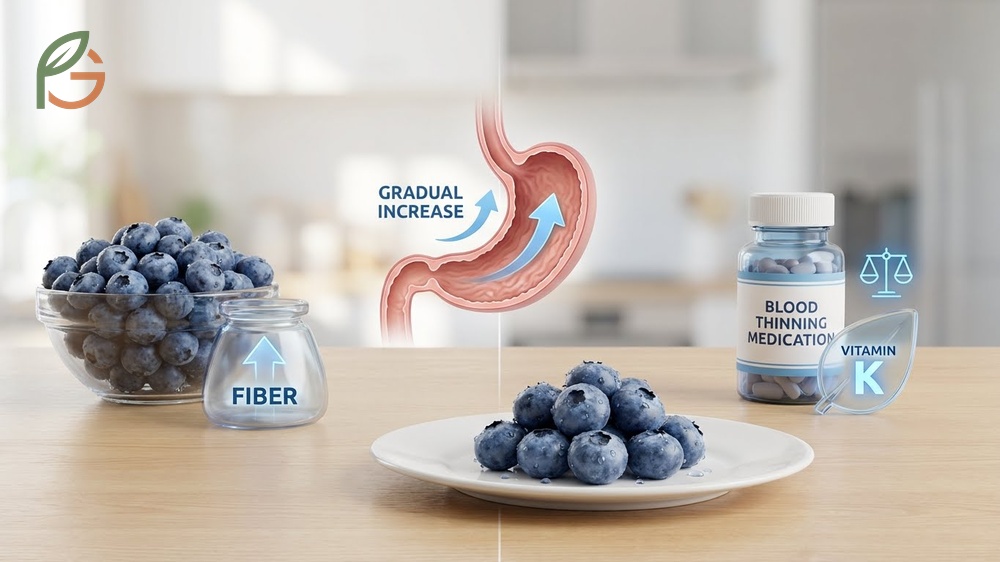
While blueberries are safe for most people, some individuals may experience side effects. The high fiber content (4g per cup) can cause bloating, gas, or digestive discomfort if you’re not accustomed to eating much fiber[9]. Start with smaller portions and gradually increase your intake to let your digestive system adjust.
People taking blood-thinning medications should note the vitamin K content. While you don’t need to avoid blueberries, maintaining consistent intake matters more than elimination—sudden changes in vitamin K consumption can affect how your medication works. Always discuss dietary changes with your doctor if you’re on anticoagulants.
Some individuals have salicylate sensitivity. Blueberries contain natural salicylates, which can trigger symptoms like nausea, bloating, headaches, or rash in sensitive people[9]. If you notice these symptoms after eating berries, reduce your portion size or consult with a healthcare provider.
There’s limited evidence that very high blueberry consumption might lower blood sugar levels, which could potentially affect people taking diabetes medications. While this isn’t common, if you’re on blood sugar-lowering drugs, monitor your levels when adding significant amounts of blueberries to your diet and discuss any concerns with your doctor.
Watch For: Don’t worry if your stool turns dark blue or black after eating lots of blueberries—it’s temporary and harmless. The color comes from anthocyanin pigments passing through your digestive system and should return to normal within a day or two.
- Digestive issues: Bloating or gas from high fiber, especially if eaten in large amounts suddenly
- Medication interactions: Vitamin K may affect blood thinners; maintain consistent intake
- Salicylate sensitivity: May cause nausea, headaches, or rash in susceptible individuals
- Blood sugar effects: Potential to lower glucose levels in people taking diabetes medications
- Temporary stool color: Dark blue or black stools are harmless and fade quickly
- Rare allergic reactions: True blueberry allergies are uncommon but possible
Conclusion
The evidence is clear: blueberries are good for you and deserve their superfood reputation. They deliver measurable benefits for brain health, cardiovascular function, skin quality, and weight management—all while providing essential vitamins, minerals, and fiber at just 84 calories per cup. The anthocyanins that give them their color work at a cellular level to reduce inflammation and oxidative stress throughout your body.
Current nutritional guidance emphasizes eating a variety of colorful fruits, and blueberries should be at the top of your list. Whether you’re looking to protect your memory as you age, support your heart health, or simply enjoy a delicious low-calorie snack, adding 1 cup to your daily routine offers real, research-backed benefits. At FruitGarden, we encourage growing your own blueberries for the freshest, most nutritious berries—and the satisfaction of harvesting fruit you cultivated yourself.
Medical Disclaimer
Important Medical Disclaimer: This content is for informational and educational purposes only. It’s not intended as a substitute for professional medical advice, diagnosis, or treatment. Always consult a qualified healthcare professional before making any changes to your diet, medication, or health routine, especially if you have diabetes, take blood-thinning medications, or have other medical conditions. Individual results may vary, and what works for one person may not work for another.
Frequently Asked Questions
How many blueberries should I eat per day?
For optimal health benefits, aim for 1 cup (148g) of fresh blueberries daily. Research showing improvements in brain function, heart health, and weight management typically used doses ranging from ½ to 1 cup daily. This amount provides significant nutrients without excessive calories—just 84 per cup.
Are blueberries better fresh or frozen?
Both fresh and frozen blueberries offer excellent nutritional value. Frozen berries are picked at peak ripeness and flash-frozen, which preserves their antioxidant content. Fresh berries may have slightly more vitamin C if eaten immediately after harvest, but frozen versions are more convenient and available year-round. Choose whichever fits your lifestyle best.
Can blueberries help you lose weight?
Yes, research supports blueberries for weight loss. Studies show that consuming 1 cup daily for 2 weeks increased fat oxidation during exercise by 19.7-43.2%. The high fiber content (4g per cup) promotes satiety, and at just 84 calories per cup, they satisfy sweet cravings without derailing your calorie goals.
Do blueberries improve brain function?
Evidence strongly supports blueberries for cognitive health. Population studies show that eating at least 1 serving weekly is associated with slower rates of memory decline. Clinical trials found that older adults showed enhanced brain activity during memory tests after 12 weeks of consumption, with improved blood flow to regions responsible for cognitive function.
Are there any risks to eating too many blueberries?
Most people can safely eat 1-2 cups daily without issues. Potential side effects from excessive consumption include digestive discomfort (bloating, gas) due to high fiber content, especially if you’re not used to eating much fiber. People on blood-thinning medications should maintain consistent intake due to vitamin K content. True overdose is unlikely with whole berries.
What makes blueberries good for your skin?
Blueberries support skin health through vitamin C (essential for collagen production) and anthocyanins (which reduce collagen breakdown). Studies show that berry anthocyanins decrease collagen degradation in skin samples and may improve skin elasticity. The antioxidants also protect against UV damage and environmental stressors that accelerate aging.
When is the best time to eat blueberries?
You can eat blueberries anytime, but they work especially well at breakfast (paired with yogurt or oatmeal for sustained energy) or as a pre-workout snack. The study showing enhanced fat burning during exercise had participants consume them daily for 2 weeks, suggesting consistent daily intake matters more than specific timing for long-term benefits.





