
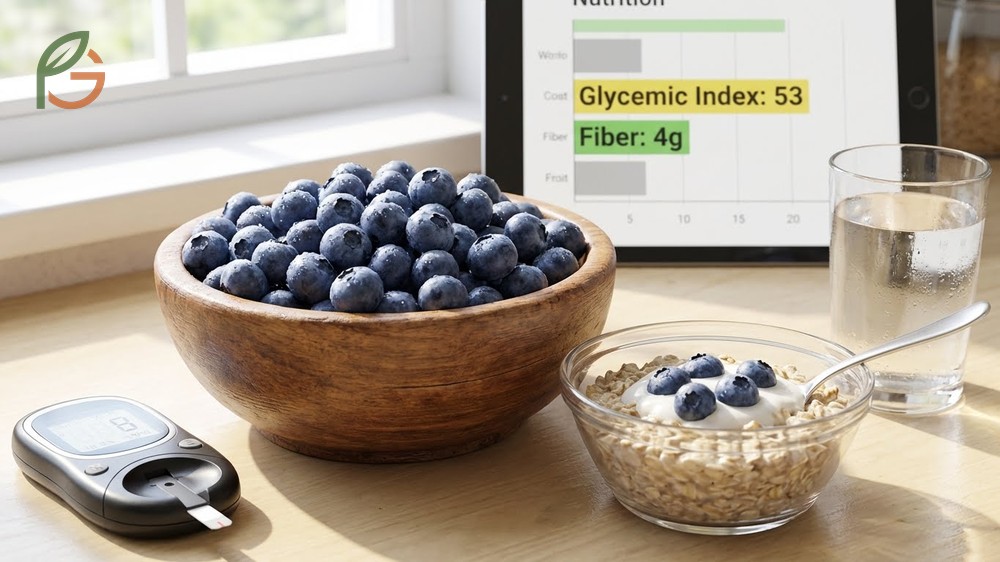
Are blueberries bad for you? No, they’re not when eaten in moderation. Research shows blueberries offer significant health benefits with a low glycemic index of 53[1], making them suitable for most diets, including those managing diabetes. Studies demonstrate that one cup provides 84 calories[2] and 4g fiber[2], supporting digestive health and blood sugar control. FruitGarden synthesizes current nutritional research and clinical data to help you understand when blueberries might cause issues and how to enjoy them safely.
Quick Answer
- Blueberries aren’t bad for you—one cup contains just 84 calories[2] and 21g carbohydrates[2]
- They have a low glycemic index of 53[1], making them diabetic-friendly when paired with protein
- Side effects occur mainly from overconsumption: bloating, gas, or salicylate sensitivity reactions[3]
- Daily consumption can lower blood pressure by 5.1% systolic and 6.3% diastolic[4]
Are Blueberries Bad for You
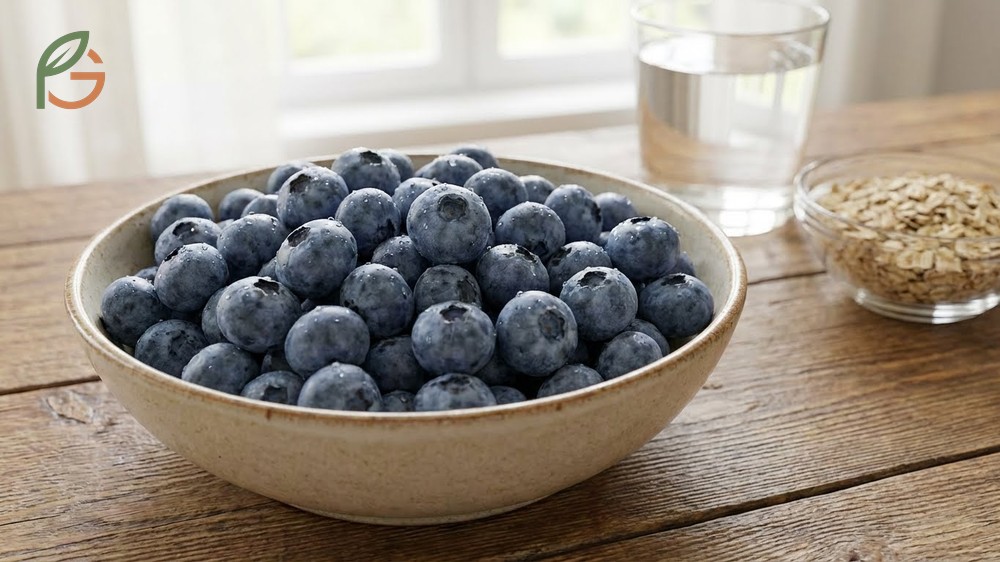
Blueberries aren’t bad for you—they’re actually one of the most nutrient-dense fruits available. Current nutritional data shows that one cup of fresh blueberries delivers 84 calories, 21g carbohydrates, and 4g dietary fiber. This combination supports digestive health while keeping calorie intake low.
The fiber content helps slow sugar absorption, preventing blood sugar spikes that occur with processed snacks. Studies demonstrate that blueberries contain powerful antioxidants called anthocyanins, which reduce inflammation and oxidative stress[5]. Unlike empty-calorie foods, blueberries provide 15g natural sugars[2] alongside vitamins C, K, and manganese.
Problems arise mainly when you eat too many at once or have specific sensitivities. Most people can enjoy half to one cup daily without issues. The key is pairing blueberries with protein sources like Greek yogurt or nuts to balance the carbohydrate load and maximize nutrient absorption.
What often gets overlooked is that blueberry ripeness affects nutrient density. Fully ripe berries contain higher antioxidant levels compared to underripe ones, making proper selection crucial for maximizing health benefits.
Are Blueberries Good for Diabetics
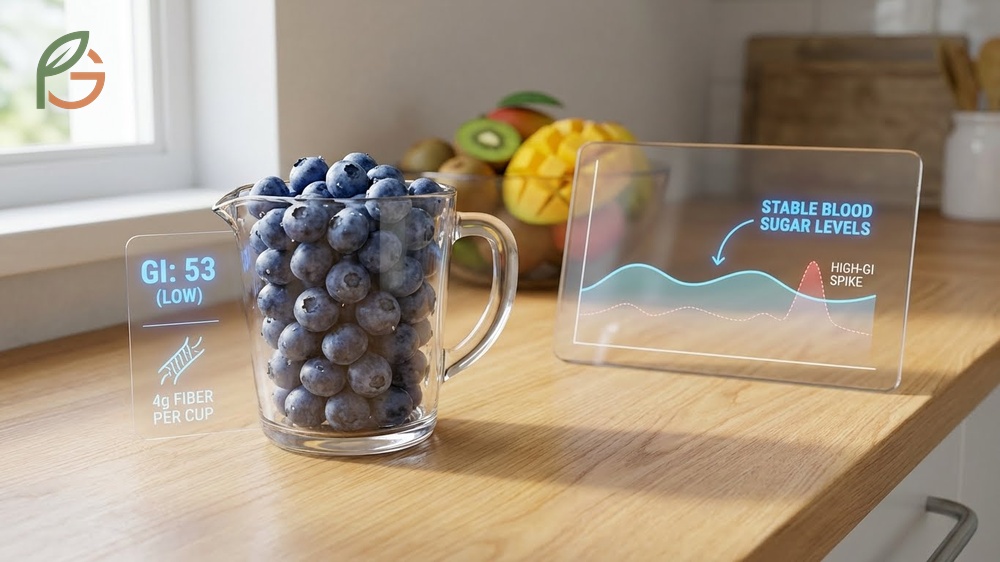
Research shows blueberries can be good for diabetics when consumed in controlled portions. The glycemic index of blueberries sits at 53[1], placing them in the low GI category alongside kiwi and mango[1]. This means they won’t cause rapid blood sugar spikes like high-GI foods do.
Evidence suggests that the 4g fiber[2] per cup helps slow glucose absorption into the bloodstream. For diabetics, this creates more stable blood sugar levels throughout the day. The anthocyanins in blueberries may also improve insulin sensitivity, helping your body process glucose more efficiently.
Timing matters more than most people realize. Eating blueberries at breakfast with protein-rich foods like eggs or cottage cheese provides sustained energy for 4-5 hours while preventing mid-morning crashes.
Glycemic Impact and Blood Sugar
The low glycemic index of 53[1] means blueberries release sugar gradually. Understanding the GI scale helps diabetics make informed choices: foods scoring 55 or less are considered low, 56-69 medium, and 70 or more high[6].
Glycemic load matters too—it accounts for both GI and portion size. Half a cup of blueberries has a lower glycemic load than a full cup, making smaller servings ideal for tight blood sugar control. Frozen blueberries retain the same GI as fresh ones, offering year-round convenience.
Portion Control for Diabetics
Current guidance emphasizes portion size for diabetic management. A half-cup serving contains approximately 10.5g carbohydrates, which fits easily into most diabetic meal plans without medication adjustment. Full cups provide 21g carbohydrates[2], requiring careful counting.
Pairing strategies maximize benefits while minimizing blood sugar impact. Combine blueberries with almonds (15-20 nuts), Greek yogurt (6 ounces), or chia seeds (1 tablespoon) to add protein and healthy fats that slow digestion further.
Important Note: If you’re taking diabetes medication, monitor your blood sugar closely when adding blueberries to your diet. The fiber content may enhance insulin effectiveness, potentially requiring dosage adjustments under medical supervision.
Unhealthy Side of Eating Blueberries

The unhealthy side of eating blueberries typically involves overconsumption or individual sensitivities. Research shows that eating excessive amounts can cause gastrointestinal distress, including bloating, gas, nausea, and diarrhea[3]. These symptoms stem from the high fiber load overwhelming your digestive system when you consume too much too quickly.
The 4g fiber[2] per cup benefits most people, but eating multiple cups in one sitting can lead to cramping and discomfort. Your stool may also turn dark blue or black temporarily—this is harmless and resolves once the fruit passes through your system.
Beyond digestive issues, blueberries contain compounds that interact with medications and may trigger allergic reactions in sensitive individuals. The natural pigments can also stain teeth with regular consumption, though this washes away with proper dental hygiene.
Blueberry Allergy Symptoms
Blueberry allergies are uncommon but can cause significant reactions in affected individuals. Symptoms range from mild to severe and typically appear within minutes to hours after consumption. Common reactions include itching or swelling of the mouth, tongue, or lips, along with skin responses like hives, rashes, or eczema[7].
Severe cases can progress to anaphylaxis, a life-threatening reaction marked by difficulty breathing, rapid or weak pulse, dizziness, and loss of consciousness. If you experience these symptoms, seek immediate medical attention—this requires emergency intervention with epinephrine.
- Itching or swelling of mouth, tongue, and lips
- Skin reactions including hives, rashes, and eczema
- Gastrointestinal symptoms like nausea, vomiting, and stomach pain
- Respiratory issues such as wheezing or difficulty breathing
- Cardiovascular symptoms including drop in blood pressure and lightheadedness
Salicylate Sensitivity in Blueberries
Salicylate sensitivity affects more people than true blueberry allergies. Blueberries contain 27.6mg salicylates per 100g[8], which acts as a natural preservative in plants. People with salicylate intolerance can’t properly process these compounds, leading to uncomfortable symptoms.
Common reactions include headaches, nasal congestion, stomach pain, and skin rashes[9]. Some people experience asthma-like symptoms such as wheezing and difficulty breathing. Unlike allergies, sensitivity reactions are dose-dependent—smaller portions may not trigger symptoms.
If you suspect salicylate sensitivity, you’ll need to avoid aspirin, mint flavorings, and many fruits and vegetables beyond just blueberries. Working with an allergist helps identify your tolerance threshold and safe consumption levels.
Blueberries and Kidney Stones
Blueberries contain moderate oxalate levels at 18.5mg per half cup[10], according to updated Harvard data. This places them in the medium-oxalate category, which matters for people prone to calcium oxalate kidney stones. Previous studies listed them as low-oxalate, but revised measurements show higher levels.
Oxalate concerns don’t mean you need to eliminate blueberries entirely. Nutritionists recommend pairing berries with calcium-rich foods like yogurt or milk to reduce oxalate absorption in your gut. This binding process prevents oxalates from reaching your kidneys where they form stones.
Portion control remains essential—stick to half-cup servings rather than multiple cups daily. Evidence indicates that following kidney stone prevention guidelines, including adequate hydration and balanced calcium intake, can reduce stone risk by up to 80%[10].
Blueberries and Blood Thinners

Blueberries contain vitamin K, which can interfere with blood-thinning medications like warfarin (Coumadin). One cup provides approximately 28mcg vitamin K[11], placing them in the medium vitamin K category. This matters because vitamin K promotes blood clotting, working directly against anticoagulant medications.
The key isn’t avoiding blueberries entirely—it’s maintaining consistent intake. Warfarin works by blocking vitamin K’s clotting effects, so your dosage is calibrated to your typical vitamin K consumption. Sudden increases or decreases can make your medication less effective or increase bleeding risk.
If you take blood thinners, don’t start eating blueberries daily without telling your doctor. Similarly, don’t suddenly eliminate them if they’re already part of your routine. Your healthcare provider may need to adjust your medication dosage based on dietary changes to maintain therapeutic blood thinning levels.
Warning for Blood Thinner Users: Always take warfarin at the same time each day and keep your vitamin K intake consistent. Talk to your cardiologist before making significant dietary changes involving blueberries or other vitamin K-containing foods.
Do Blueberries Lower Blood Pressure

Research shows blueberries can lower blood pressure significantly. An eight-week clinical trial involving 48 postmenopausal women with prehypertension found that daily blueberry consumption reduced systolic blood pressure by 5.1% and diastolic pressure by 6.3%[4]. Participants consumed freeze-dried blueberry powder equivalent to one cup of fresh berries daily.
The mechanism involves increased nitric oxide production, which relaxes blood vessels and improves circulation. These changes in blood pressure are clinically significant—they can prevent progression from prehypertension to full hypertension without medication[12].
The study also found reduced arterial stiffness, which improves cardiovascular health beyond just blood pressure numbers. Stiffer arteries force your heart to work harder, increasing heart disease risk. Blueberry anthocyanins combat this stiffening through their antioxidant and anti-inflammatory effects.
If you’re looking to lower blood pressure naturally, eating one cup of blueberries daily works best when combined with other heart-healthy habits. Reduce sodium intake below 2,300mg daily, maintain a healthy weight, and exercise for 150 minutes weekly for optimal results.
- Systolic blood pressure reduction of 5.1% over eight weeks
- Diastolic blood pressure decrease of 6.3% in clinical trials
- Improved arterial flexibility and reduced stiffness
- Enhanced nitric oxide production for better circulation
- Reduced LDL cholesterol oxidation, lowering heart disease risk
Pesticides in Blueberries

Conventional blueberries frequently appear on the Environmental Working Group’s “Dirty Dozen” list of produce with high pesticide residues. Testing shows that 9 out of 10 samples contained pesticide residues, with some showing traces of up to 17 different pesticides[13]. Common pesticides include organophosphates, neonicotinoids, and various fungicides used during cultivation.
These residues persist even after washing, though rinsing under running water for 30 seconds removes some surface pesticides. The thin skin of blueberries absorbs chemicals during growth, making complete removal impossible through washing alone.
Organic blueberries offer a safer alternative for pesticide-conscious consumers. Organic farming practices prohibit synthetic pesticides, herbicides, and fertilizers[14]. While organic produce costs 20-40% more on average, the reduced chemical exposure may justify the price for families with young children or those concerned about long-term pesticide effects.
If organic blueberries aren’t accessible or affordable, continue eating conventional ones—the health benefits still outweigh pesticide risks for most people. The antioxidants, fiber, and vitamins provide significant advantages that typically exceed potential pesticide concerns.
Pesticide Reduction Tips: Rinse blueberries under running water for 30 seconds before eating. Consider buying frozen organic blueberries when fresh organic ones are too expensive—they’re often more affordable and retain full nutritional value.
Conclusion
The evidence is clear: blueberries aren’t bad for you when consumed in appropriate portions as part of a balanced diet. Their low glycemic index of 53[1], combined with 4g fiber[2] per cup, makes them suitable for diabetics and anyone watching their blood sugar. Clinical studies show they can reduce blood pressure by over 5%[4] while providing powerful antioxidant protection.
Current guidance emphasizes moderation and awareness of individual sensitivities. If you have salicylate sensitivity, kidney stone history, or take blood thinners, consult your healthcare provider about safe consumption levels. For most people, half to one cup daily offers maximum benefits without triggering side effects. FruitGarden encourages gardeners and fruit enthusiasts to grow their own blueberries when possible—homegrown berries eliminate pesticide concerns while providing fresher, more flavorful fruit.
Medical Disclaimer
Important Medical Disclaimer: This content is for informational and educational purposes only. It’s not intended as a substitute for professional medical advice, diagnosis, or treatment. Always consult a qualified healthcare professional before making any changes to your diet, medication, or health routine, especially if you have diabetes, kidney disease, take blood thinners, or have known food allergies or sensitivities.
Frequently Asked Questions
Are Blueberries Keto Friendly
Blueberries are moderately keto-friendly in small portions. With 21g carbohydrates per cup, you’d need to limit intake to 1/4 to 1/2 cup to stay within typical keto macros of 20-50g daily carbs. Most keto dieters choose lower-carb berries like raspberries or strawberries instead.
Can Diabetics Eat Blueberries
Yes, diabetics can eat blueberries safely when following portion guidelines. The low glycemic index of 53 means they won’t spike blood sugar rapidly. Stick to half-cup servings paired with protein sources, and monitor your blood glucose response to determine your ideal portion size.
Are Blueberries Good for Constipation
Yes, blueberries help relieve constipation due to their 4g fiber per cup. The combination of soluble and insoluble fiber promotes regular bowel movements and supports digestive health. Eat them with adequate water intake for best results—aim for eight glasses daily.
Why Are Blueberries Bad for You
Blueberries aren’t inherently bad, but they can cause problems in specific situations. Overconsumption leads to bloating and digestive issues from excess fiber. People with salicylate sensitivity may experience allergic-type reactions, and those on blood thinners need to maintain consistent intake due to vitamin K content.
Do Blueberries Lower Cholesterol
Research suggests blueberries can help lower cholesterol, particularly by reducing LDL oxidation. Studies show anthocyanins in blueberries prevent oxygen damage to LDL cholesterol particles, making them less likely to stick to artery walls. Regular consumption may improve overall cholesterol profiles over time.
What Are Too Many Blueberries Symptoms
Eating too many blueberries causes gastrointestinal symptoms including bloating, gas, cramping, and diarrhea from fiber overload. You may also notice dark blue or black stool, which is harmless. Some people experience nausea or stomach pain when consuming more than two cups in one sitting.
Should I Buy Organic vs Non-Organic Blueberries
Organic blueberries are preferable if budget allows, as conventional ones frequently contain multiple pesticide residues. However, the health benefits of eating conventional blueberries still outweigh pesticide risks for most people. Rinse thoroughly under running water and prioritize organic when buying for young children.





