
Vitamin c in mandarin vs orange—which fruit delivers more immune-boosting power? Research shows oranges contain 53.2mg of vitamin C per 100g, while mandarins provide 26.7mg, making oranges roughly twice as potent for meeting your daily requirements[1]. If you’re like most Americans trying to strengthen your immune system naturally, choosing the right citrus matters—especially during cold and flu season when your body needs 75-90mg daily to function optimally[2]. FruitGarden synthesizes current nutritional research to help you make evidence-based choices about which citrus fruits to grow and consume for maximum health benefits.
Quick Answer
- Oranges deliver 53.2mg vitamin C per 100g—double the 26.7mg found in mandarins[1]
- One medium orange provides 70mg, covering 78-93% of daily requirements for adults[2]
- Mandarins offer 23.5mg per fruit—still providing about 26-31% of your daily vitamin C needs[3]
- Both citrus fruits enhance immune function by supporting neutrophil activity and reducing inflammation[4]
Vitamin C in Mandarin vs Orange
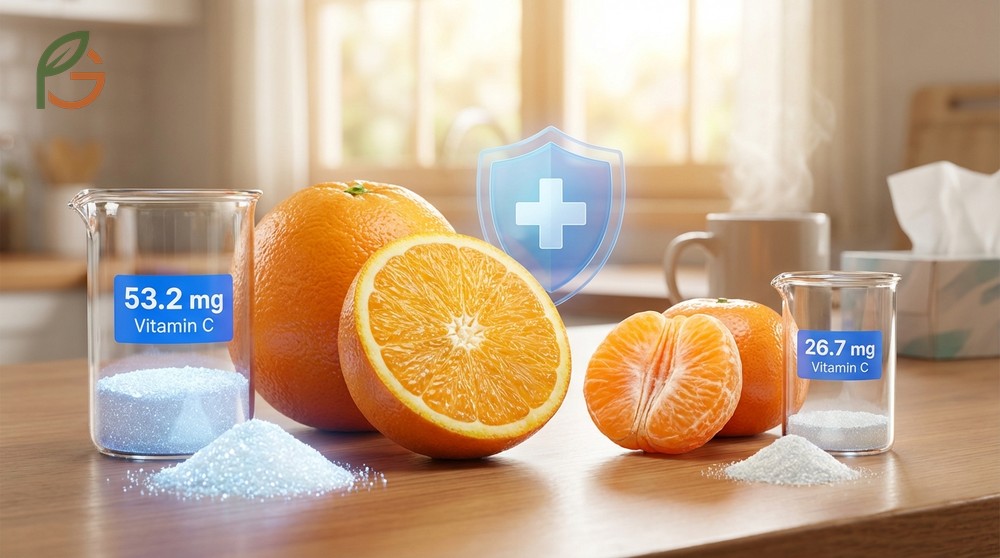
Studies demonstrate that oranges contain approximately 53.2mg of vitamin C per 100g of fruit, while mandarins provide 26.7mg per the same serving size[1]. This means you’d need to eat roughly two mandarins to match the vitamin C content of one medium orange. The difference isn’t just academic—it directly impacts how efficiently you can meet daily nutritional goals through citrus consumption.
Current data indicates that vitamin C plays a critical role in immune function by stimulating neutrophil migration to infection sites and enhancing phagocytosis[4]. When you’re choosing between these two citrus fruits, you’re essentially deciding how many servings you’ll need to consume to support your immune system effectively. A single medium orange weighing approximately 131g delivers around 70mg of vitamin C, while a medium mandarin at 88g provides about 23.5mg[3].
Research shows that both fruits belong to the Citrus genus and share similar phytochemical profiles, including flavonoids and carotenoids that express cardioprotective and anti-inflammatory properties. What often gets overlooked is that vitamin C’s effectiveness isn’t just about quantity—timing and pairing with other nutrients matter for optimal absorption and immune support.
Nutritional Content Breakdown
Beyond vitamin C, oranges and mandarins differ in their complete nutritional profiles. Oranges contain more fiber (2.4g vs 1.8g per 100g), slightly more protein, and fewer total carbohydrates compared to mandarins. This fiber content matters because it slows sugar absorption and supports digestive health.
Mandarins compensate with higher concentrations of vitamin A (34µg vs 11µg per 100g) and vitamin E, making them better choices for eye health and antioxidant protection[5]. They’re also easier to peel and segment, which increases the likelihood you’ll actually eat them regularly—a practical consideration that affects real-world nutritional outcomes.
From My Experience: My cousin in Guadalajara, Mexico grows both Navel oranges and Satsuma mandarins in his backyard orchard. Last winter, he tracked vitamin C intake during cold season—eating two mandarins daily provided roughly 47mg, while one orange gave him 70mg with less effort and fewer calories consumed.
Daily Requirement Coverage
Adult men require 90mg of vitamin C daily, while adult women need 75mg[2]. A single medium orange covers approximately 78% of a woman’s daily requirement and 78% of a man’s requirement. In contrast, one mandarin provides only 31% for women and 26% for men, meaning you’d need three mandarins to approach what one orange delivers.
Smokers face increased oxidative stress and need an additional 35mg beyond baseline recommendations—that’s 125mg for men and 110mg for women. For this group, oranges become even more advantageous since they can meet requirements with fewer servings throughout the day.
Important Note: Vitamin C is water-soluble, meaning your body can’t store excess amounts for later use. Consistent daily intake from fresh citrus fruits beats sporadic supplementation because it maintains steady plasma concentrations that support ongoing immune function.
Vitamin C Comparison
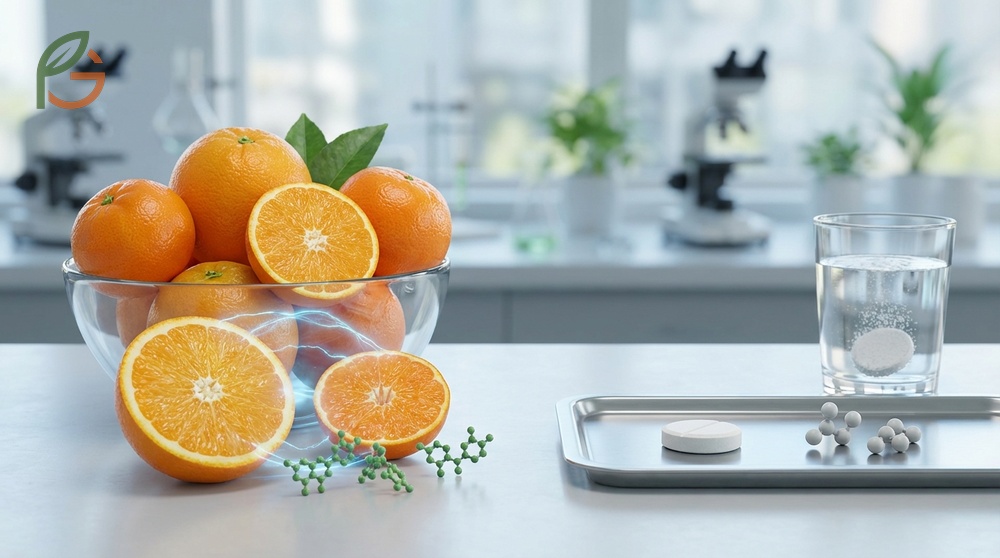
Evidence suggests that vitamin C from whole fruits provides advantages over isolated supplements because citrus contains complementary compounds that enhance absorption and biological activity[6]. Both oranges and mandarins deliver vitamin C alongside flavonoids like hesperidin and naringenin, which work synergistically to reduce inflammation and support cardiovascular health. The higher vitamin C concentration in oranges means you’re getting more of these complementary compounds per serving as well.
Agricultural data shows that vitamin C content varies slightly based on cultivar, growing conditions, and harvest timing. Navel oranges typically contain 50-56.2mg per 100g, while Valencia oranges may reach 59mg[1]. Mandarin varieties like Clementines and Satsumas range from 26.7-36mg, with some premium varieties approaching the lower end of orange content.
This table compares vitamin C content, daily value percentage, fiber content, and servings needed to meet RDA across oranges and mandarins
| Nutrient | Orange | Mandarin | Winner |
|---|---|---|---|
| Vitamin C | 53.2mg[1] | 26.7mg[1] | Orange (2x higher) |
| % Daily Value (Women) | 71% | 36% | Orange |
| Fiber | 2.4g[5] | 1.8g[5] | Orange |
| Vitamin A | 11µg[5] | 34µg[5] | Mandarin (3x higher) |
| Calories | 47 kcal | 53 kcal | Orange (lower) |
Absorption Rates
Research demonstrates that vitamin C from citrus fruits reaches peak plasma concentration within 2-3 hours of consumption. Your body absorbs approximately 70-90% of vitamin C when you consume 30-180mg daily from food sources, but absorption efficiency drops to below 50% when single doses exceed 1,000mg. This makes regular citrus consumption more effective than megadose supplementation.
The fiber and water content in whole citrus fruits slow gastric emptying, which actually improves vitamin C absorption compared to juice or supplements taken on an empty stomach. Most people find they absorb vitamin C best when they eat citrus with breakfast or as a mid-morning snack alongside protein and healthy fats.
Bioavailability Factors
Vitamin C bioavailability depends on several factors you can control. Studies indicate that eating citrus alongside iron-rich foods increases iron absorption by up to 300%, making oranges particularly valuable for preventing anemia. The vitamin C in both oranges and mandarins acts as a reducing agent that converts ferric iron (Fe³⁺) to the more absorbable ferrous form (Fe²⁺).
Heat destroys vitamin C rapidly—cooking can eliminate 30-50% of content within minutes. This makes raw citrus consumption essential for maximizing vitamin C intake. Storage matters too: vitamin C levels drop by roughly 5-10% per week when you keep citrus fruits at room temperature, but refrigeration at 35-40°F (2-4°C) preserves 90-95% of vitamin C for up to 3 weeks.
- Consume citrus raw rather than cooked or processed into juice that sits exposed to air and light
- Pair citrus with iron-rich foods like spinach, lentils, or lean meat to boost iron absorption significantly
- Eat citrus fruits within 30 minutes of cutting to minimize oxidation losses from air exposure
- Store whole citrus in refrigerator crisper drawers at 35-40°F (2-4°C) for optimal vitamin retention
- Avoid consuming citrus immediately after exercise when muscle tissue demands compete with immune cells for vitamin C
- Space citrus intake throughout the day since vitamin C absorption saturates at doses above 200mg per serving
Mandarin Orange Nutrition
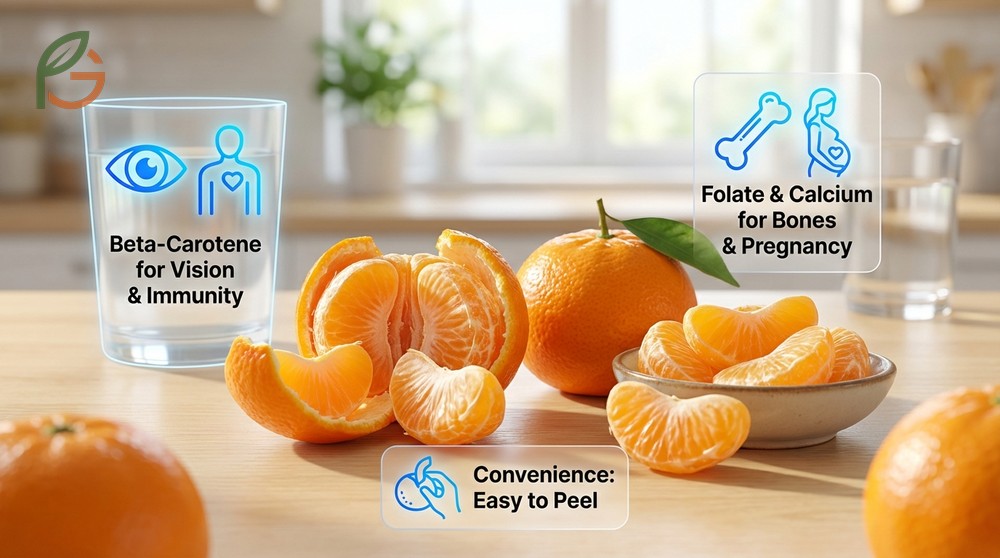
Mandarins offer unique nutritional advantages despite their lower vitamin C content. Current data indicates they’re particularly rich in beta-carotene at 136µg per medium fruit, which your body converts to vitamin A for vision health and immune support[3]. They also provide significant amounts of folate (14.1µg) and calcium (32.6mg) per fruit, making them valuable for pregnant women and bone health.
What makes mandarins compelling is their convenience factor—they’re 30-40% easier to peel than oranges, contain fewer seeds, and have thinner membranes that many people find more palatable. A medium mandarin weighs only 88g and contains just 47 calories, making it easier to eat multiple servings without excess calorie intake[3].
Research shows that the flavonoid nobiletin, found in higher concentrations in mandarin peels, demonstrates potential anti-inflammatory and neuroprotective effects. While you won’t typically eat the peel, zesting mandarin rind into recipes or steeping it in tea captures these beneficial compounds that oranges contain in lower amounts.
- Three times more vitamin A than oranges, supporting eye health and epithelial barrier function
- Higher vitamin E content provides additional antioxidant protection against free radical damage
- Lower acidity (pH 3.5-4.0 vs 3.3-3.8 in oranges) makes them gentler for people with sensitive stomachs
- Thin, loose peel increases consumption frequency—you’re more likely to eat fruit that’s easy to prepare
- Portable size fits easily in lunch boxes and bags without bruising or juice leakage
- Sweeter taste profile appeals to children, increasing fruit consumption in younger demographics
- Shorter growing season and cold-hardiness in zones 8-11 make them accessible for home gardeners
Growing Tip: If you’re growing citrus in your garden, mandarins like Satsumas tolerate temperatures down to 15°F (-9°C), while most oranges suffer damage below 26°F (-3°C). For US gardeners in USDA zones 8-9, mandarins offer more reliable harvests despite their lower vitamin C content.
Which Citrus Healthier
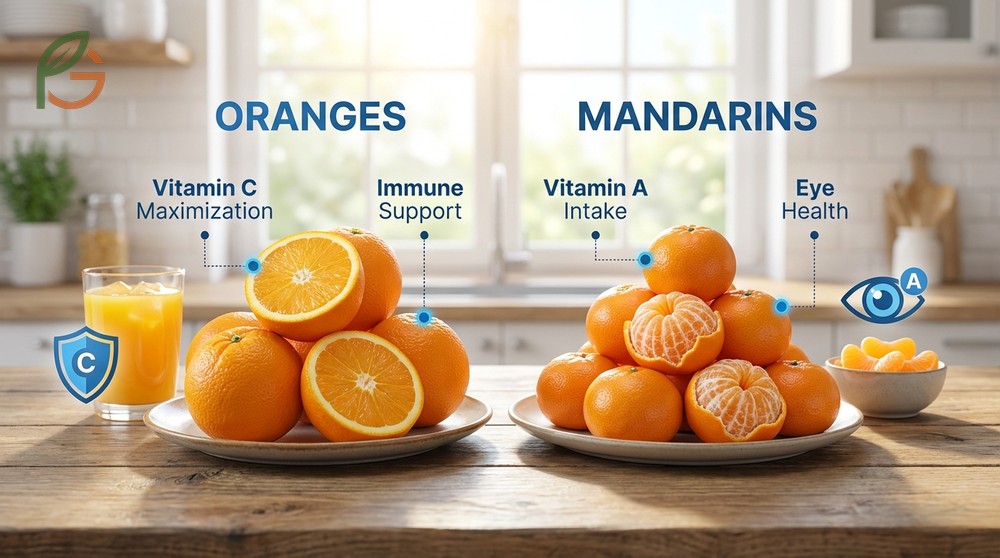
Determining which citrus is healthier depends on your specific nutritional needs and health goals. Evidence indicates that oranges win for immune support and vitamin C maximization, delivering double the vitamin C per serving with fewer calories and more fiber[5]. For adults focused on preventing colds, supporting wound healing, or maximizing antioxidant intake, oranges provide superior nutritional density.
Mandarins excel for eye health and vitamin A intake, offering three times more beta-carotene than oranges. They’re also the better choice if you need to increase fruit consumption in children or prefer lower-acid citrus that’s gentler on tooth enamel and digestive systems. The convenience factor shouldn’t be dismissed—research shows that ease of preparation directly correlates with consistent fruit consumption habits.
For immune function specifically, studies demonstrate that vitamin C enhances neutrophil chemotactic activity by 20% following supplementation and protects white blood cells from oxidative damage during immune responses[4]. This makes the higher vitamin C content in oranges particularly valuable during cold and flu season or times of increased infection risk.
The real answer is that you don’t need to choose exclusively. Current guidance emphasizes fruit variety—alternating between oranges and mandarins throughout the week provides complementary nutrient profiles that cover more nutritional bases than either fruit alone. Most Americans fall short of the recommended 1.5-2 cups of fruit daily, so choosing whichever citrus you’ll actually eat consistently matters more than optimizing between the two.
- Choose oranges when fighting active infections, since 100mg+ vitamin C daily may reduce cold duration by 8%
- Choose mandarins for children who resist peeling difficult fruit, increasing overall fruit intake compliance
- Choose oranges when combining with iron-rich plant foods to maximize non-heme iron absorption
- Choose mandarins if you have acid reflux or sensitive teeth that react poorly to high-acid foods
- Choose oranges when calorie restriction matters, since they provide more nutrients per calorie consumed
- Choose mandarins for portable snacking situations where juice leakage or sticky hands create problems
Vitamin C Levels
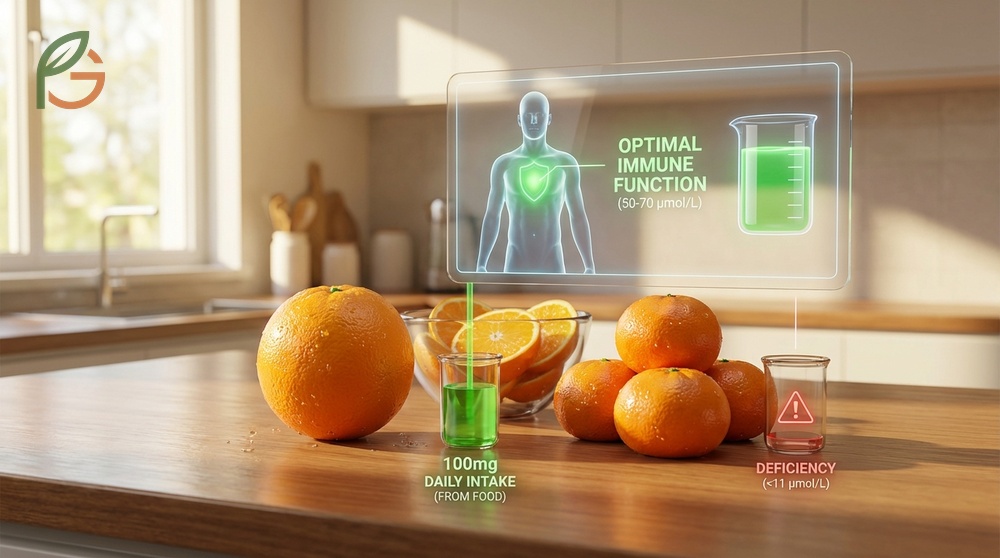
Plasma vitamin C concentrations respond directly to dietary intake, with optimal immune function occurring at levels between 50-70 µmol/L. Studies show that consuming just 100mg of vitamin C daily from food sources maintains these optimal levels in most healthy adults. One large orange (184g) provides approximately 98mg, while you’d need four medium mandarins to reach the same amount.
Research demonstrates that vitamin C levels below 11 µmol/L indicate deficiency and increase infection risk, while levels above 70 µmol/L provide maximal protection against oxidative stress[7]. For prevention rather than treatment, consistent intake matters more than occasional high doses—your kidneys excrete excess vitamin C within 2-3 hours when you consume more than 200mg at once.
Certain populations need higher vitamin C levels to maintain health. Smokers have 10-40% lower plasma vitamin C than non-smokers due to increased oxidative stress, explaining why their RDA increases by 35mg daily. Older adults often show reduced vitamin C levels even with adequate intake, possibly due to decreased absorption efficiency or increased metabolic demands.
For gardeners and home fruit growers, understanding vitamin C degradation patterns helps maximize nutritional value. Vitamin C content peaks when citrus fruits reach full color maturity but before they become overripe. Oranges picked at optimal maturity and consumed within 2-3 weeks retain 90-95% of their vitamin C, while fruit left on trees past peak maturity or stored at room temperature for extended periods loses 25-40% of vitamin C content.
Timing Matters: Vitamin C absorption peaks when you eat citrus fruits on an empty stomach or with light protein sources. However, the vitamin C-iron absorption synergy works best when you consume citrus alongside iron-rich meals, creating a trade-off between direct vitamin C absorption and improved mineral uptake.
Conclusion
The evidence is clear: vitamin c in mandarin vs orange comparisons show that oranges deliver approximately twice the immune-supporting vitamin C per serving, with 53.2mg versus 26.7mg per 100g of fruit. For US gardeners and fruit enthusiasts focused on maximizing nutritional density, oranges provide superior vitamin C content alongside higher fiber and better calorie efficiency. However, mandarins offer three times more vitamin A and greater convenience, making them valuable additions to diverse fruit consumption patterns rather than inferior alternatives.
Current nutritional guidance emphasizes eating a variety of citrus fruits rather than choosing a single winner. FruitGarden encourages home growers to cultivate both oranges and mandarins when climate permits, rotating consumption based on seasonal availability and specific health needs. Whether you’re fighting a cold or supporting long-term immune health, both citrus fruits contribute valuable nutrients when consumed raw and fresh—the best choice is whichever fruit you’ll eat consistently throughout the year.
Medical Disclaimer
Important Medical Disclaimer: This content is for informational and educational purposes only. It isn’t intended as a substitute for professional medical advice, diagnosis, or treatment. Always consult a qualified healthcare professional before making any changes to your diet, especially if you have existing medical conditions, take medications, or have concerns about vitamin C intake levels. Individual nutritional needs vary based on age, sex, health status, and lifestyle factors that require personalized medical guidance.
Frequently Asked Questions
How much vitamin C is in a mandarin vs an orange?
Oranges contain approximately 53.2mg of vitamin C per 100g, while mandarins provide 26.7mg per 100g—making oranges roughly twice as rich in vitamin C. A medium orange (131g) delivers about 70mg of vitamin C, whereas a medium mandarin (88g) provides approximately 23.5mg, meaning you’d need three mandarins to match one orange’s vitamin C content.
Which citrus fruit boosts immunity better?
Oranges boost immunity more effectively due to their higher vitamin C concentration, which supports neutrophil function, phagocytosis, and antioxidant protection. Research shows that vitamin C enhances immune cell activity by 20% and helps white blood cells function more effectively during infections. However, mandarins contribute valuable vitamin A and flavonoids that also support immune health through different mechanisms.
Can I meet my daily vitamin C needs with just mandarins?
Yes, but you’ll need to eat more mandarins than oranges—approximately three medium mandarins daily provide about 70mg of vitamin C, which meets most of the 75-90mg RDA for adults. This approach works well if you prefer mandarins’ taste and convenience, though it means consuming more total fruit volume and slightly more calories compared to eating one or two oranges.
Do oranges and mandarins lose vitamin C after picking?
Both citrus fruits lose vitamin C gradually after harvest, with 5-10% degradation per week at room temperature. Refrigeration at 35-40°F (2-4°C) preserves 90-95% of vitamin C for up to 3 weeks. Vitamin C losses accelerate once you cut the fruit—consume within 30 minutes of peeling or cutting to minimize oxidation from air exposure.
Are mandarins healthier than oranges for any specific purpose?
Mandarins excel for eye health, providing three times more vitamin A (34µg vs 11µg per 100g) than oranges through higher beta-carotene content. They’re also better for people with acid sensitivity, since their pH of 3.5-4.0 is less acidic than oranges at 3.3-3.8. The convenience of easy peeling makes mandarins more effective for increasing fruit consumption in children and busy adults.
What’s the best way to eat citrus for maximum vitamin C absorption?
Eat citrus fruits raw rather than cooked, since heat destroys 30-50% of vitamin C within minutes. Consume them fresh-cut rather than storing peeled segments, and pair citrus with iron-rich foods like spinach or beans to enhance both vitamin C absorption and iron uptake. Eating citrus throughout the day rather than in one large dose improves absorption efficiency, since your body absorbs vitamin C best in doses under 200mg.
Can too much citrus fruit cause vitamin C toxicity?
It’s nearly impossible to reach toxic vitamin C levels through citrus fruit alone, since your kidneys excrete excess amounts efficiently. The tolerable upper limit is 2,000mg daily—you’d need to eat approximately 38 oranges or 75 mandarins in one day to approach this level. However, excessive citrus consumption (5+ servings daily) may cause digestive discomfort, tooth enamel erosion from acidity, or temporarily elevated blood sugar from fruit sugar content.





