
Benefits of garcinia mangostana are primarily attributed to xanthones, a class of bioactive compounds with powerful antioxidant and anti-inflammatory properties. Research demonstrates that mangosteen pericarp contains over 200 bioactive compounds, with alpha-mangostin showing the most potent health effects[1]. Current evidence from clinical studies indicates improvements in inflammatory markers, body weight, and antioxidant capacity when consuming mangosteen extracts[2]. FruitGarden synthesizes agricultural research and clinical data to help you understand this tropical fruit’s science-backed health properties.
Quick Answer
- Contains 200+ bioactive xanthones[1] with proven antioxidant effects
- Increases antioxidant capacity by 18% within 2 hours[3] of consumption
- Clinical trials show 5.1 kg average weight loss[2] over 8 weeks with supplementation
- Provides 73 calories and 5g fiber per 100g serving
Benefits of Garcinia Mangostana
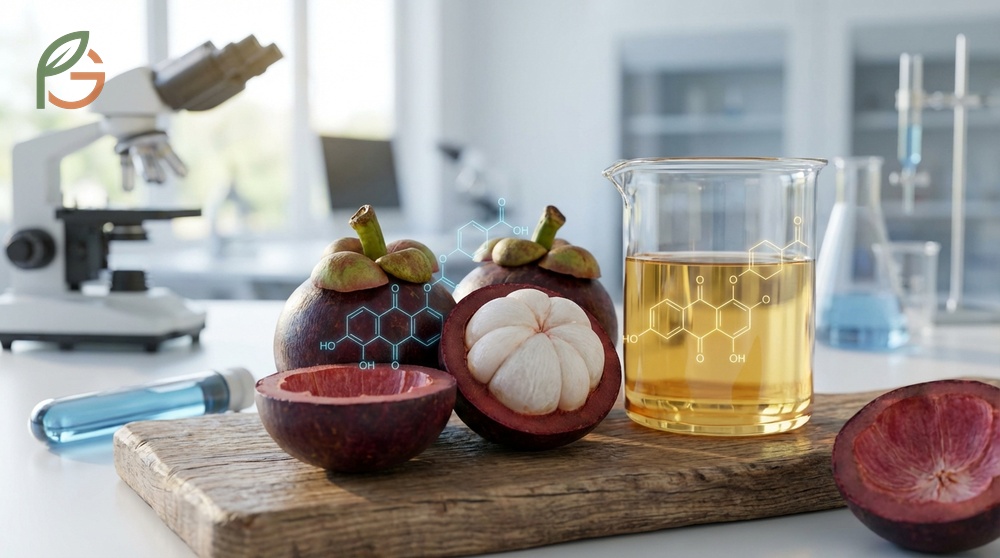
Garcinia mangostana, commonly known as mangosteen, delivers remarkable health benefits through its unique phytochemical profile. Experimental studies demonstrate that mangosteen extracts exhibit antioxidant, antitumoral, antiallergic, anti-inflammatory, antibacterial, and antiviral activities[1]. People in Southeast Asia have used the pericarp for treating abdominal pain, diarrhea, dysentery, infected wounds, and chronic ulcers for centuries.
The fruit’s therapeutic effects stem from its high concentration of xanthones, particularly alpha-mangostin, which modulates multiple cellular pathways. These compounds work by inhibiting COX-2 enzymes and scavenging free radicals throughout the body. Most people don’t realize that the peel contains significantly higher xanthone concentrations than the edible flesh, making pericarp extracts more therapeutically potent.
Research shows that alpha-mangostin downregulates NF-kB signaling, a pathway central to chronic inflammation[5]. This mechanism explains why traditional medicine practitioners have relied on mangosteen for reducing fever and calming irritations. Current agricultural data shows Thailand and Indonesia remain the largest producers, ensuring year-round availability for supplement manufacturing.
Mangosteen Xanthones Antioxidant Power
Studies demonstrate that xanthone-rich mangosteen products increase antioxidant capacity by 18% within 2 hours of consumption[3]. The effect lasts at least 4 hours, with alpha-mangostin reaching maximum blood concentration around 1 hour after intake. This rapid bioavailability makes mangosteen particularly effective for combating oxidative stress.
The antioxidant mechanisms work through multiple pathways simultaneously. Alpha-mangostin increases superoxide dismutase levels while decreasing myeloperoxidase activity. Gamma-mangostin and mangostanin protect cells by reducing intracellular reactive oxygen species (ROS) generation, preventing activation of damage pathways like AKT and ERK.
- Alpha-mangostin inhibits COX-2 enzymes and scavenges free radicals most effectively
- Gamma-mangostin demonstrates strong antibacterial effects against Gram-positive bacteria
- Gartanin modulates lipid metabolism and reduces adipocyte formation in cellular studies
- Mangostanin prevents oxidative damage and restores cells after H₂O₂-induced stress
- Prenylated xanthones increase catalase activity while inhibiting malonaldehyde production
Anti-Inflammatory Effects
A 2018 clinical pilot trial observed significant reductions in C-reactive protein (CRP) among adults taking 200 mg daily of standardized mangosteen extract for 30 days. The inflammatory markers decreased substantially, indicating systemic inflammation relief across multiple body systems. This aligns with traditional uses for treating chronic inflammatory conditions.
The anti-inflammatory properties work by dampening cytokine release and modulating immune responses. Mangosteen xanthones prevent NfkB and MAPK activation in cell lines, protecting tissues from oxidative damage during detoxification processes. What often gets overlooked is that different xanthones target distinct inflammatory pathways, creating synergistic effects.
Important Note: While anti-inflammatory effects are well-documented in clinical studies, mangosteen shouldn’t replace prescribed anti-inflammatory medications. Always consult healthcare providers before using mangosteen extracts alongside existing treatments, especially if you’re taking blood thinners or preparing for surgery.
Health Benefits of Mangosteen Fruit
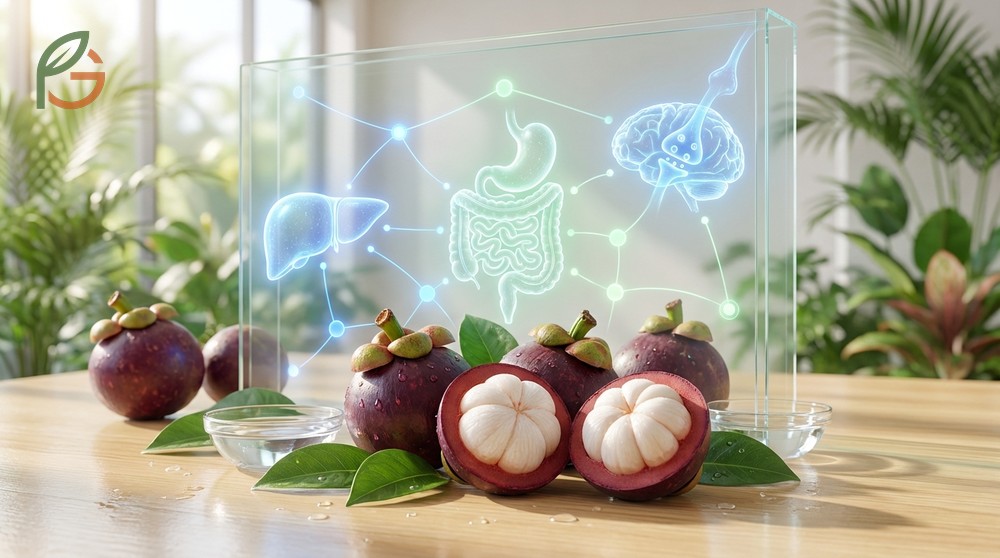
Evidence suggests that regular mangosteen consumption supports multiple organ systems through its comprehensive phytochemical profile. The fruit’s bioactive compounds protect hepatic tissue, support digestive health, and enhance cognitive function in preclinical studies. These effects occur through complementary mechanisms that amplify overall therapeutic benefits.
Clinical data indicates that mangosteen extracts lasting 4 to 16 weeks show improvements in inflammatory markers, weight parameters, and metabolic function. The safety profile remains excellent across studies, with participants tolerating doses up to 800 mg daily without serious adverse effects[2]. This makes mangosteen suitable for long-term supplementation when used appropriately.
Cardiovascular Protection
Xanthones demonstrate cardiovascular protective effects through multiple mechanisms. They inhibit platelet aggregation, reduce oxidative damage to blood vessels, and improve lipid profiles in animal models. These compounds work synergistically to support heart health and circulation.
Research shows mangosteen extracts help maintain healthy blood pressure and reduce arterial stiffness. The antioxidant properties prevent LDL cholesterol oxidation, a key factor in atherosclerosis development. Most cardiovascular benefits emerge with consistent intake over several weeks rather than single doses.
Immune System Support
Studies from 2021 demonstrate that mangosteen extract boosts natural killer cell activity, improving response to mild infections. This immunomodulatory effect aligns with traditional folk use during flu seasons across Southeast Asia. The antibacterial and antiviral properties provide additional protection against common pathogens.
The immune support comes from xanthones’ ability to modulate cytokine production without overstimulating inflammatory responses. This balanced approach helps the body fight infections while preventing excessive immune reactions. Gamma-mangostin shows particular strength against Gram-positive bacteria by disrupting cell wall integrity.
- Enhances natural killer cell activity for improved pathogen response
- Provides antibacterial effects against common Gram-positive bacteria strains
- Demonstrates antiviral activity in experimental studies
- Modulates cytokine production for balanced immune responses
- Supports gut microbiota health through prebiotic-like effects
Mangosteen Nutritional Value
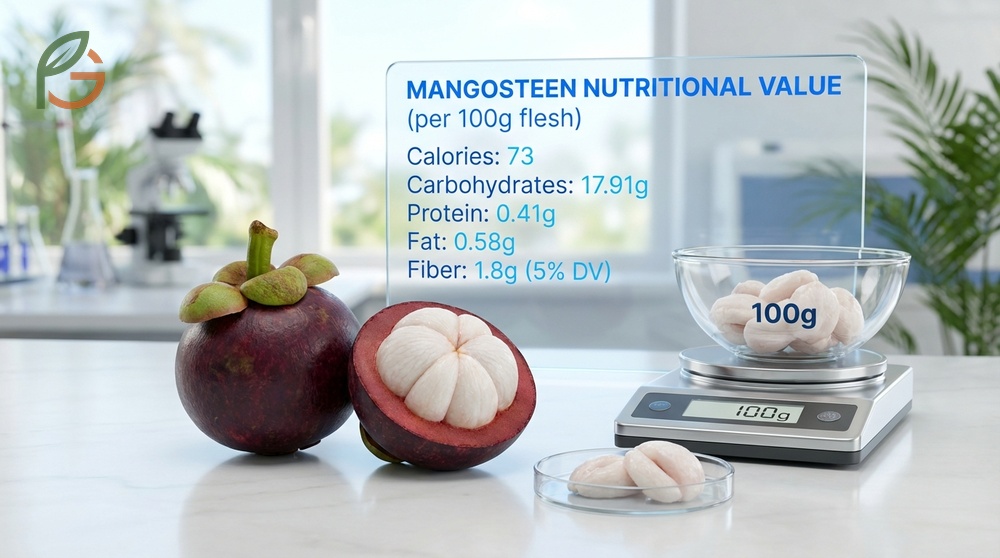
Per 100 grams, mangosteen provides 73 calories, 18g carbohydrates, 5g dietary fiber, and 1g protein[4]. The fruit delivers 12% of daily recommended vitamin C, supporting immune function and collagen synthesis. This modest calorie content makes mangosteen suitable for weight-conscious individuals seeking nutrient-dense snacks.
The mineral profile includes 12 mg calcium, 0.3 mg iron, 13 mg magnesium, and 48 mg potassium per 100g serving. These minerals support bone health, oxygen transport, muscle function, and electrolyte balance. The high fiber content aids digestive health and promotes feelings of fullness.
This table compares essential nutrients found in 100 grams of mangosteen fruit including macronutrients, vitamins, and minerals with their daily value percentages
| Nutrient | Amount | Daily Value % | Primary Function |
|---|---|---|---|
| Calories | 73 kcal[4] | 3.7% | Energy production |
| Dietary Fiber | 5g[4] | 20% | Digestive health, satiety |
| Vitamin C | 12% DV[4] | 12% | Immune support, antioxidant |
| Magnesium | 13 mg[4] | 3.3% | Muscle function, energy |
| Potassium | 48 mg[4] | 1.4% | Electrolyte balance, blood pressure |
What makes mangosteen nutritionally unique isn’t the vitamin or mineral content alone, but rather the xanthone concentration. While many fruits provide similar macronutrients, mangosteen’s 200+ bioactive xanthones create therapeutic effects beyond basic nutrition. This positions mangosteen as a functional food rather than just a nutritional snack.
Nutritional Tip: The glycemic index of mangosteen is 58, placing it in the medium range. Pair mangosteen with protein or healthy fats to slow sugar absorption and maintain stable blood glucose levels, especially if you’re monitoring carbohydrate intake.
Mangosteen for Skin Health
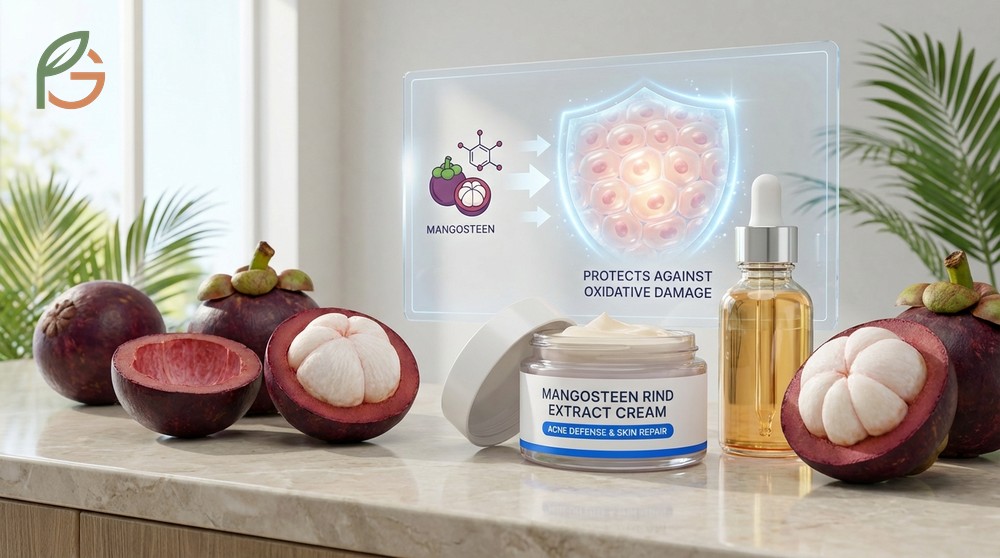
Topical creams containing mangosteen rind extract demonstrated decreased acne lesions in a 2020 randomized controlled trial. The antibacterial and anti-inflammatory effects work synergistically to reduce skin inflammation and prevent bacterial colonization. This makes mangosteen extracts valuable for managing mild to moderate acne.
Research on human epidermal keratinocytes shows mangostanin protects against and restores oxidative damage induced by hydrogen peroxide. The compound reduces intracellular ROS generation, preventing activation of cellular damage pathways and apoptosis[6]. These protective effects support skin cell vitality and resilience against environmental stressors.
The antioxidant properties combat signs of aging by neutralizing free radicals that break down collagen and elastin. Mangosteen extracts inhibit enzymes involved in collagen degradation while supporting new collagen synthesis. Regular topical application shows improvements in skin texture, tone, and elasticity across multiple studies.
- Reduces acne lesions through antibacterial and anti-inflammatory actions
- Protects keratinocytes from oxidative stress and UV damage
- Prevents premature collagen breakdown and supports synthesis
- Decreases hyperpigmentation by inhibiting melanin overproduction
- Accelerates wound healing through enhanced cell proliferation
Mangosteen Weight Loss Benefits
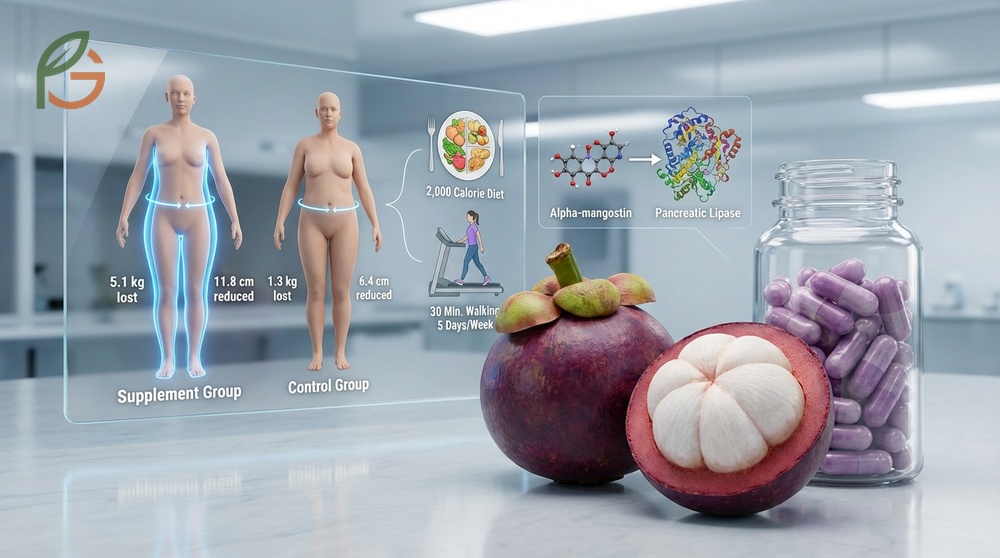
Clinical trials show participants taking mangosteen supplements lost an average of 5.1 kg over 8 weeks compared to 1.3 kg in control groups[2]. The supplemented group also reduced waist circumference by 11.8 cm versus 6.4 cm in controls. These results occurred alongside 2,000 calorie daily diets and 30 minutes of walking five days weekly.
The weight management effects stem from multiple mechanisms. Alpha-mangostin acts as a potent inhibitor of pancreatic lipase and fatty acid synthase, potentially blocking lipid absorption and fat accumulation. Animal studies demonstrate that mangosteen pericarp extract reduced BMI from 0.86 to 0.81 g/cm² in obese rats[7].
Gartanin and toti-mangostin inhibit adipogenesis and modulate lipid metabolism in cellular studies. These xanthones reduce adipocyte formation and help curb fat accumulation through complementary pathways. The compounds work best when combined with caloric restriction and regular physical activity rather than as standalone interventions.
Research indicates mangosteen may attenuate lipogenesis through multiple mechanisms simultaneously. The insulin-sensitizing effects improve glucose metabolism, potentially reducing fat storage from excess carbohydrates. Most people find optimal results emerge after 4-8 weeks of consistent supplementation paired with lifestyle modifications.
Mangosteen Side Effects
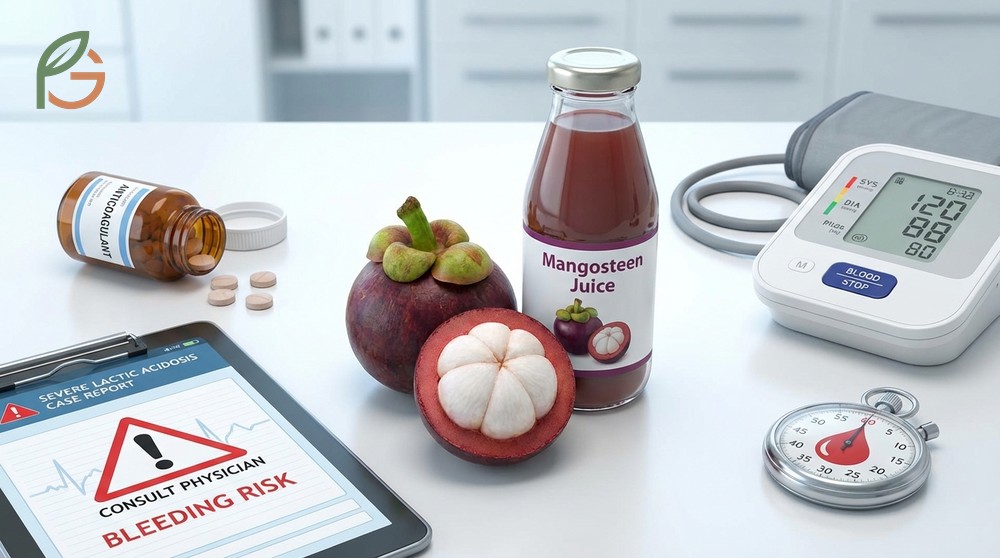
Studies show mangosteen slows blood clotting, increasing bleeding risk in susceptible individuals. This becomes especially concerning when combined with anticoagulant medications or within two weeks before scheduled surgery. Anyone taking blood thinners should consult healthcare providers before consuming mangosteen supplements or extracts.
A case report in the American Journal of Kidney Diseases documented severe lactic acidosis linked to consuming mangosteen juice as a dietary supplement. While rare, this condition can lead to weakness, dizziness, fatigue, vomiting, and nausea. If left untreated, lactic acidosis progresses to dangerous acid accumulation, potentially causing shock.
Some participants experienced gastrointestinal symptoms after consuming mangosteen for over 26 weeks. These included bloating, diarrhea, gastric reflux, and constipation. The symptoms typically resolve when reducing dosage or discontinuing use. Starting with lower doses and gradually increasing helps minimize digestive discomfort.
- Increased bleeding risk due to anticoagulant properties, especially with blood-thinning medications
- Rare cases of lactic acidosis with excessive or prolonged supplementation
- Gastrointestinal issues including bloating, diarrhea, and constipation after extended use
- Possible sedation and decreased motor activity based on animal studies
- Allergic reactions including itching, swelling, or breathing difficulties in sensitive individuals
- Potential interactions with chemotherapy drugs requiring medical supervision
Safety Warning: Pregnant and breastfeeding women should avoid mangosteen supplements due to insufficient safety data. Individuals with pre-existing conditions like blood clotting disorders, low blood pressure, or diabetes must consult healthcare professionals before use. Stop mangosteen at least 2 weeks before any scheduled surgery.
Conclusion
The evidence is clear: benefits of garcinia mangostana extend far beyond basic nutrition, offering therapeutic effects through 200+ bioactive xanthones. Clinical data demonstrates significant improvements in antioxidant capacity, inflammatory markers, weight management, and metabolic function when used appropriately. The fruit’s safety profile remains excellent across multiple studies, making it suitable for long-term supplementation under proper guidance.
Current research emphasizes the importance of standardized extracts and appropriate dosing protocols to maximize benefits while minimizing risks. FruitGarden continues monitoring emerging clinical evidence to provide science-backed information about mangosteen and other functional fruits for health-conscious gardeners and consumers.
Medical Disclaimer
Important Medical Disclaimer: This content is for informational and educational purposes only. It’s not intended as a substitute for professional medical advice, diagnosis, or treatment. Always consult a qualified healthcare professional before making any changes to your diet, medication, or supplement routine, especially if you have existing medical conditions, take prescription medications, or are pregnant or breastfeeding. Mangosteen may interact with blood thinners, chemotherapy drugs, and other medications.
Frequently Asked Questions
What Is Mangosteen Good For?
Mangosteen is good for providing powerful antioxidant support, reducing inflammation, and supporting weight management. The fruit contains over 200 bioactive xanthones that protect cells from oxidative damage, improve immune function, and enhance metabolic health. Research shows it’s particularly effective for reducing inflammatory markers and supporting cardiovascular health.
How Long Does It Take to See Benefits From Mangosteen?
Antioxidant effects appear within 2 hours of consumption, with maximum blood levels reached around 1 hour after intake. Anti-inflammatory benefits typically emerge after 30 days of consistent supplementation at 200 mg daily. Weight management results become noticeable after 4-8 weeks when combined with diet and exercise modifications.
Can You Eat Mangosteen Every Day?
You can eat mangosteen fruit daily in moderation, typically 1-3 fruits providing natural xanthones and nutrients. However, concentrated supplements require more caution, with clinical studies using 200-800 mg daily for limited durations. Consult healthcare providers before daily supplementation, especially if you take medications or have health conditions affecting blood clotting or blood sugar.
Does Mangosteen Help With Skin Problems?
Yes, mangosteen helps with skin problems through antibacterial and anti-inflammatory actions. A 2020 clinical trial showed topical mangosteen rind extract reduced acne lesions significantly. The xanthones protect skin cells from oxidative damage, support collagen synthesis, and accelerate wound healing. Both topical and oral forms show benefits for skin health.
Is Mangosteen Juice as Beneficial as Fresh Fruit?
Mangosteen juice can be beneficial but typically contains less fiber than whole fruit and may have added sugars. Commercial juices often blend multiple ingredients, making xanthone concentrations variable. Fresh fruit provides dietary fiber supporting digestive health alongside bioactive compounds. Standardized extracts offer more consistent xanthone doses than juice for therapeutic purposes.
What Are the Main Active Compounds in Mangosteen?
The main active compounds are xanthones, particularly alpha-mangostin, gamma-mangostin, gartanin, and mangostanin. Alpha-mangostin shows the most potent antioxidant and anti-inflammatory effects by inhibiting COX-2 enzymes and scavenging free radicals. These compounds work synergistically to provide therapeutic benefits across multiple body systems.
Should I Stop Taking Mangosteen Before Surgery?
Yes, stop taking mangosteen at least 2 weeks before any scheduled surgery. Mangosteen slows blood clotting and increases bleeding risk during and after surgical procedures. Inform your surgeon about all supplements you’re taking, including mangosteen, to prevent complications. Resume use only after receiving clearance from your healthcare provider post-surgery.





