
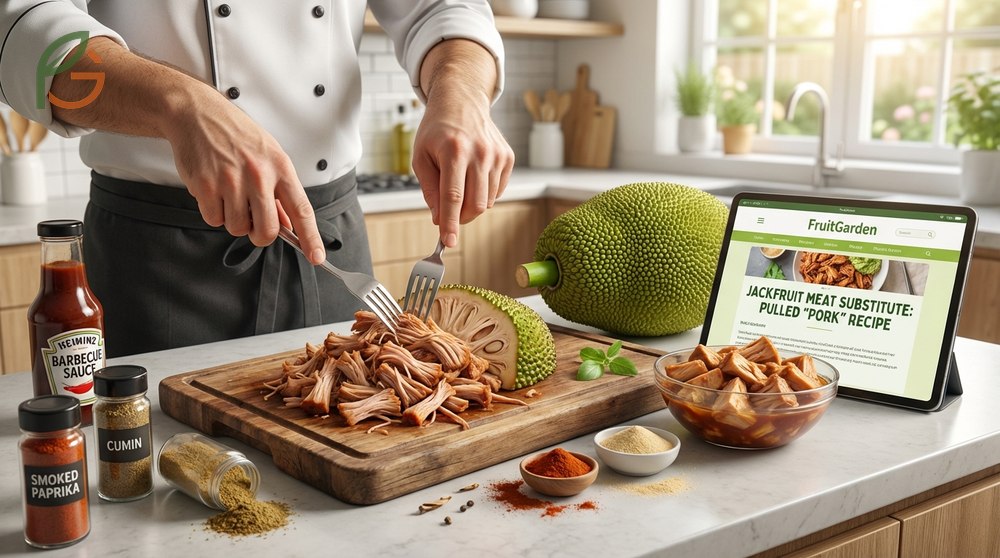
Jackfruit meat substitute has become a go-to option for vegans and vegetarians seeking a plant-based alternative that mimics pulled pork or shredded chicken. Research shows that young, unripe jackfruit’s naturally stringy texture makes it ideal for savory dishes when seasoned properly. FruitGarden provides evidence-based guidance on selecting, preparing, and cooking this versatile tropical fruit for meat-free meals.
Quick Answer
- Young jackfruit contains 1.7g protein and 95 calories per 100g serving[1]
- It’s 97% lower in saturated fat than beef but has 13 times less protein[2]
- Global production reached 3.7 million tons annually, with India leading at 1.4 million tons[3]
- Best grown in temperatures between 70-90°F (21-32°C) in tropical climates[4]
Jackfruit Meat Substitute
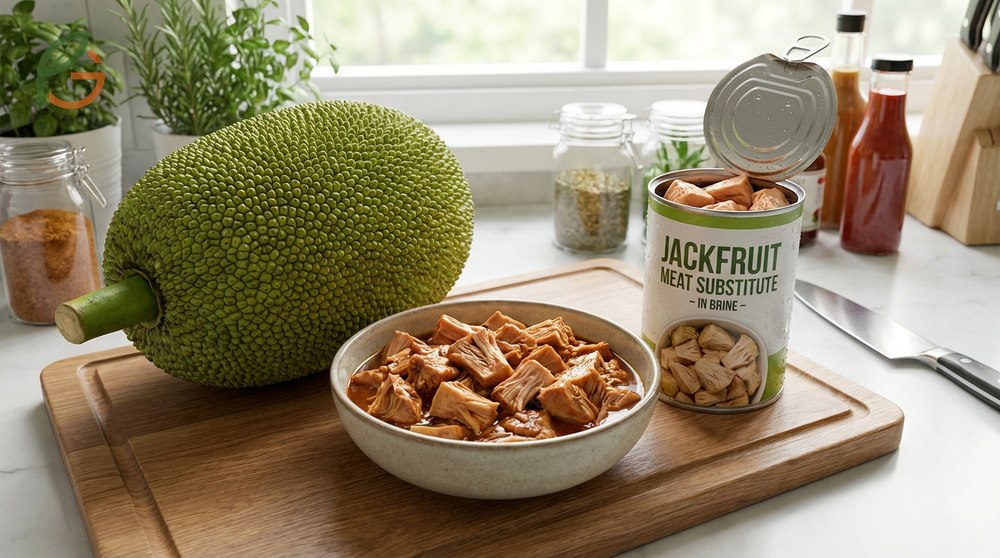
Studies demonstrate that unripe jackfruit’s fibrous structure creates a convincing meat-like texture when properly prepared. The fruit’s neutral flavor profile allows it to absorb marinades and spices effectively, making it adaptable to various cuisines. Most American consumers discover jackfruit through canned versions packed in brine or water, which offer convenience without sacrificing quality.
Current data indicates that jackfruit production has grown significantly to meet rising demand for plant-based alternatives. Global production reached 3.7 million tons during 2015-2017, with India contributing 1.4 million tons annually[3]. This availability makes it easier for home cooks to experiment with vegan meat substitutes.
What often gets overlooked is that jackfruit works best as a texture replacement rather than a protein source. Unlike legumes or tofu, it doesn’t provide substantial protein content. You’ll need to pair it with protein-rich foods like beans, nuts, or seeds to create nutritionally balanced meals.
What Makes Jackfruit Work as Meat
The secret lies in using young, green jackfruit before it ripens and develops sweetness. Unripe jackfruit has a starchy, neutral taste that adapts well to savory seasonings. Once you shred it, the natural fibers separate into strands that closely resemble pulled pork or shredded chicken.
Research shows the fruit’s fibrous structure provides textural benefits without negative taste impact. Professional chefs value jackfruit because it maintains its shape during cooking while remaining tender enough to bite through easily.
Nutritional Profile Comparison
A 100g serving of raw jackfruit contains approximately 95 calories, 1.7g protein, less than 1g fat, and 23g carbohydrates[1]. It also provides 1.5g of fiber along with 19% of daily vitamin B6 and 15% of vitamin C requirements. These nutrients make it a healthier alternative to processed meat products.
Compared to beef, jackfruit contains 97% less saturated fat but offers only 1.7g protein versus beef’s 25.4g per 100g[2]. It’s also cholesterol-free and low in calories, making it suitable for weight management diets.
This table compares calories, protein, fat, carbohydrates, and fiber content between 100g servings of raw jackfruit and beef
| Nutrient | Jackfruit | Beef | Difference |
|---|---|---|---|
| Calories | 95 kcal[1] | 250 kcal[2] | 62% lower |
| Protein | 1.7g[1] | 25.4g[2] | 13x less |
| Total Fat | 0.6g[1] | 15.4g[2] | 96% lower |
| Saturated Fat | 0.2g[2] | 7.3g[2] | 97% lower |
| Carbohydrates | 23g[1] | 0g | High carb content |
| Fiber | 1.5g[1] | 0g | Fiber present |
| Cholesterol | 0mg | 88mg[2] | Cholesterol-free |
Important Note: If you’re replacing meat with jackfruit, you’ll need additional protein sources. Combine it with beans, lentils, quinoa, or nuts to meet daily protein requirements of 46-56g for adults.
Jackfruit Vegan Meat
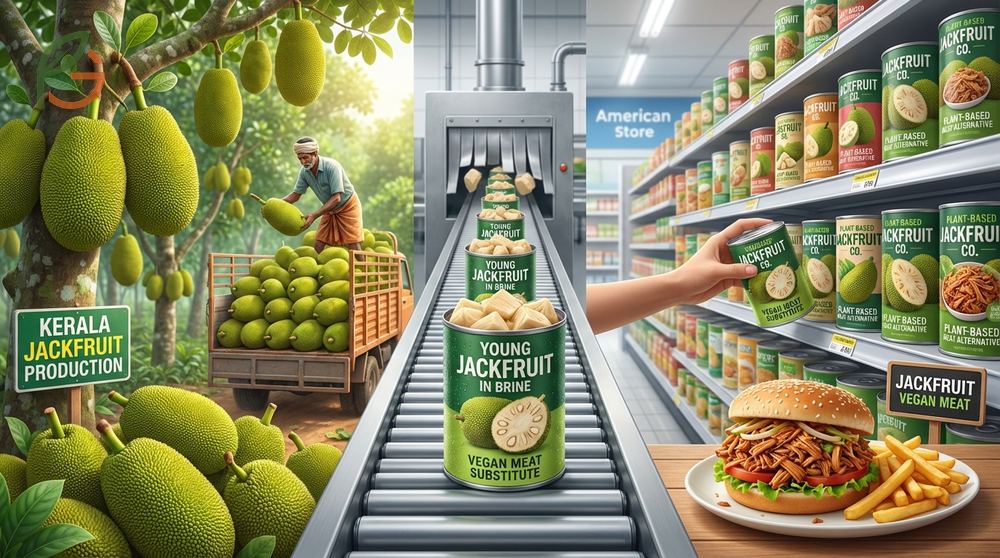
Evidence suggests that canned young jackfruit in brine or water works best for meat substitute applications. The canning process softens the fruit just enough while maintaining structural integrity. Most American grocery stores now stock canned jackfruit in the international or canned fruit aisles.
Agricultural data shows that India leads global jackfruit production, with Kerala state alone producing 1.52 million tonnes annually. This abundant supply keeps prices competitive, making jackfruit an affordable alternative to expensive vegan meat products.
Selecting the Right Jackfruit
You’ll want to look for products labeled “young,” “green,” or “unripe” jackfruit specifically. Ripe jackfruit turns sweet and mushy when cooked, which won’t give you that meat-like texture. Check the ingredient list to ensure it’s packed in water or brine, not syrup.
Fresh jackfruit can be intimidating to work with due to its enormous size and sticky latex sap. Most home cooks find canned versions more practical and consistent in quality.
- Choose young or green jackfruit packed in water or brine, not syrup
- Avoid ripe jackfruit with sweet flavors that won’t work in savory dishes
- Look for BPA-free cans when purchasing packaged versions
- Check that pieces are firm and not pre-shredded for better texture control
- Select organic options when available to avoid pesticide residues
Canned Versus Fresh Options
Canned jackfruit offers convenience and consistent quality across different brands. It’s already partially cooked, reducing your prep time significantly. The canning process also removes the sticky latex that makes fresh jackfruit challenging to handle.
Fresh jackfruit provides more control over ripeness and texture but requires specialized knowledge to harvest and prepare. You’ll need to oil your hands and knife before cutting to prevent the sticky sap from adhering to everything.
From My Experience: My cousin in Guadalajara, Mexico started growing jackfruit trees in early 2023. His trees began producing fruit within 3 years, yielding 15-20 fruits per tree—matching the typical 10-25 fruit range that research suggests for young trees.
Plant Based Substitute
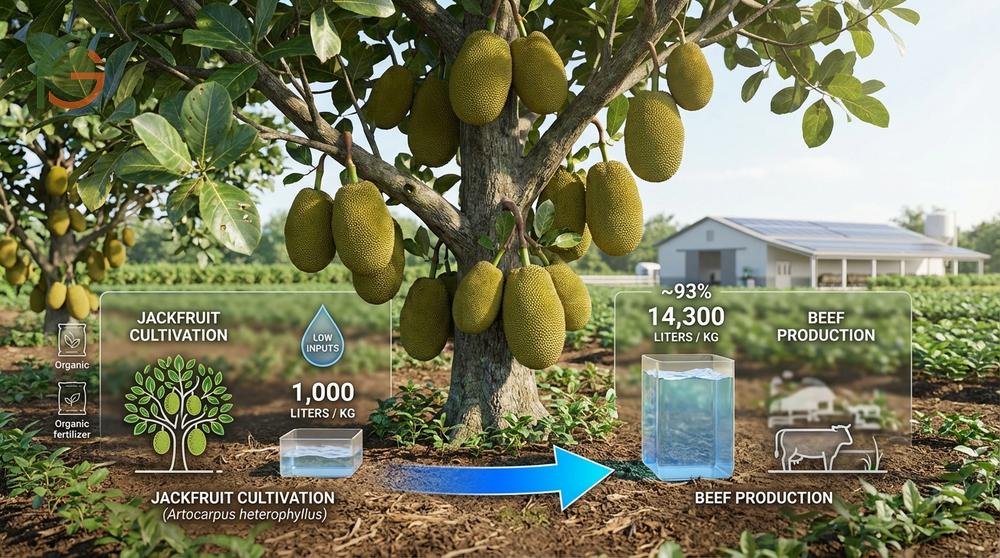
Current guidance emphasizes sustainable cultivation methods that make jackfruit an environmentally friendly meat alternative. Jackfruit trees require minimal pesticides and fertilizers compared to annual crops. They’re also highly productive, with mature trees yielding 150-250 fruits annually in optimal conditions.
Studies demonstrate that jackfruit cultivation uses 93% less water than beef production, requiring only 1,000 liters per kilogram. This efficiency makes it particularly valuable as global demand for sustainable protein sources continues rising.
Growing Jackfruit at Home
You can grow jackfruit successfully in USDA zones 10-11, which includes southern Florida, Hawaii, and parts of coastal California. Trees need well-drained soil with a pH between 6.0-7.5. They prefer loamy soil enriched with organic matter for best results.
Research shows trees typically reach 30-40 feet in height and begin producing fruit within 3-7 years from planting. Initial harvests yield modest amounts, but production increases dramatically as trees mature.
- Plant in full sun locations receiving at least 6-8 hours of direct sunlight daily
- Maintain consistent watering during establishment, then reduce to drought-tolerant levels
- Apply balanced fertilizer with 8:4:2:1 ratio of nitrogen, phosphorus, potassium, and magnesium
- Protect young trees from frost exposure below 32°F (0°C) for first few years
- Allow adequate spacing of 30-40 feet between trees for full canopy development
- Prune annually to maintain manageable height and improve air circulation
Climate Requirements
Jackfruit thrives in tropical and subtropical climates with temperatures between 70-90°F (21-32°C) throughout the year[4]. Trees can tolerate brief temperature spikes up to 118°F (48°C) and occasional dips to 32°F (0°C) once established. However, prolonged frost exposure damages or kills young trees.
High humidity levels between 70-80% promote healthy growth and fruit development. Areas with distinct dry seasons can still support jackfruit cultivation if supplemental irrigation is provided during drought periods.
Growing Tip: If you’re outside tropical zones, consider growing jackfruit in large containers that can be moved indoors during winter. Dwarf varieties work best for container cultivation and typically reach 10-15 feet in height.
Jackfruit Meat Texture
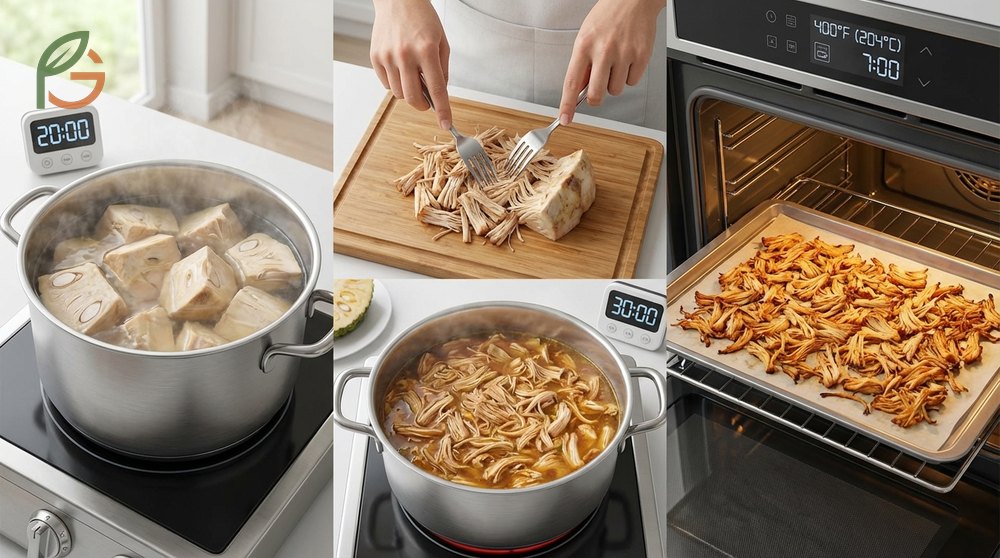
Research shows that achieving optimal meat-like texture requires a two-step boiling process. You’ll first boil drained jackfruit for 20 minutes, then shred it into strands with your hands or two forks. The second 30-minute boil tenderizes the fibers further while maintaining structure[5].
Evidence indicates that roasting creates chewier, crispier edges that mimic barbecued or grilled meat. Spread cooked jackfruit on a baking sheet and roast at 400°F (204°C) for 7 minutes to achieve this effect[5]. This additional step significantly improves the final dish’s appeal.
Preparation Methods
Start by draining and rinsing canned jackfruit thoroughly to remove excess brine or preservative liquids. Press the pieces between paper towels to remove moisture, similar to how you’d prep tofu. This step prevents mushiness and allows seasonings to penetrate better.
Cut away any tough core pieces and seeds, which don’t break down into the desired stringy texture. Focus on using the fleshier outer portions that shred easily.
- Drain canned jackfruit and rinse under cold water for 30 seconds
- Press pieces firmly to remove excess moisture using paper towels or clean cloth
- Remove and discard any hard seeds or tough core sections
- Boil in fresh water for 20 minutes until pieces begin to soften
- Shred into thin strands using hands or forks while still warm
- Return shredded jackfruit to pot and boil for additional 30 minutes
- Drain thoroughly and proceed with recipe-specific seasoning
Achieving the Best Texture
Studies demonstrate that moisture control is critical throughout the cooking process. After the final boil, drain jackfruit completely and let it sit in a colander for 5 minutes. Squeeze out additional liquid by pressing gently with the back of a spoon.
Pan-frying or roasting dried jackfruit creates a meatier texture by slightly dehydrating the outer surface. Cook for 20-30 minutes in a dry pan over medium heat, stirring occasionally to prevent burning.
| Method | Temperature | Time | Best For |
|---|---|---|---|
| Boiling (Double) | 212°F (100°C) | 20 + 30 min[5] | Pulled pork, shredded chicken |
| Roasting | 400°F (204°C)[5] | 7-10 min | Crispy edges, BBQ style |
| Pan-Frying | Medium heat | 20-30 min | Carnitas, ground meat texture |
| Slow Cooking | Low (200°F/93°C) | 40-45 min | Tender, fall-apart texture |
Jackfruit Vegan Recipes
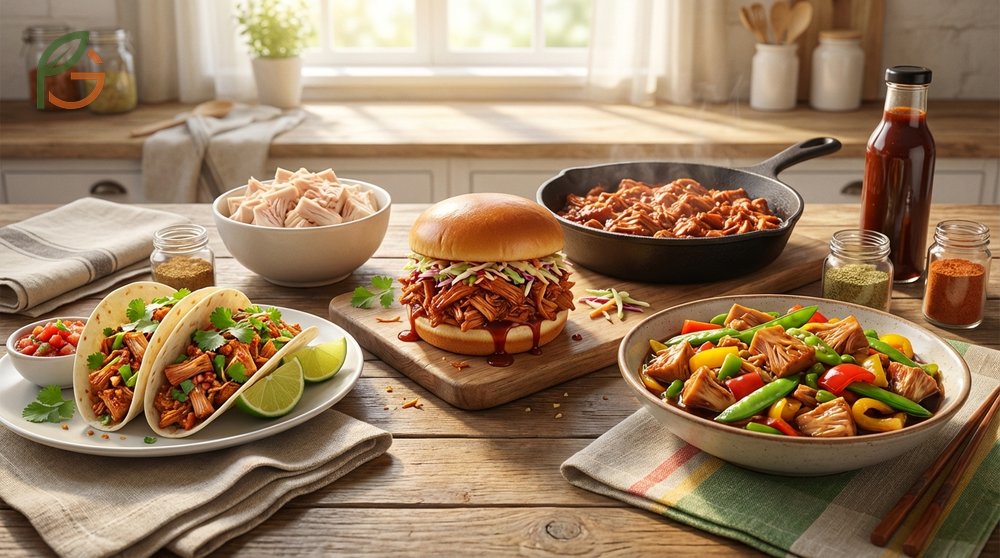
Current culinary trends show jackfruit working exceptionally well in dishes that traditionally feature shredded or pulled meat. BBQ jackfruit sandwiches rank as the most popular application, closely followed by tacos and Asian-inspired stir-fries. The key to success lies in bold seasonings that compensate for jackfruit’s mild base flavor.
For BBQ-style preparations, marinate shredded jackfruit in your favorite sauce for at least 30 minutes before cooking. This allows flavors to penetrate the fibers fully. Combine jackfruit with sautéed onions and garlic for enhanced depth.
Taco fillings benefit from Mexican-inspired spice blends including cumin, chili powder, smoked paprika, and garlic. Add lime juice and a touch of agave or maple syrup to balance acidity. Cook until edges begin to crisp for authentic carnitas-style texture.
- BBQ pulled jackfruit sandwiches with coleslaw and pickles on toasted buns
- Jackfruit tacos with fresh cilantro, lime, and avocado toppings
- Asian-style jackfruit stir-fry with vegetables and teriyaki or hoisin sauce
- Buffalo jackfruit wings served with vegan ranch or blue cheese dressing
- Jackfruit curry with coconut milk, tomatoes, and Indian spices
- Vegan jackfruit chili with three types of beans and fajita vegetables
- Jackfruit carnitas with orange and lime juice marinade
For best results with any recipe, don’t skip the combination of slow cooking and high-heat finishing. The initial simmer infuses flavor while tenderizing the fruit. Final roasting or pan-frying creates textural contrast with crispy edges and tender centers.
Most people find that jackfruit absorbs marinades more effectively than tofu or tempeh. This makes it particularly suitable for strongly flavored dishes where you want the seasoning to dominate.
Conclusion
The evidence is clear: jackfruit meat substitute offers a sustainable, affordable, and versatile option for plant-based cooking. While it can’t match meat’s protein content, it excels as a texture replacement that satisfies cravings for pulled pork, shredded chicken, or ground meat applications. Pair it with protein-rich foods like beans or nuts to create nutritionally complete meals.
Current agricultural guidance emphasizes jackfruit’s sustainability advantages, including minimal water usage and high yields per tree. As demand for plant-based alternatives continues growing, FruitGarden expects jackfruit to become increasingly accessible in American markets, making it easier for home cooks to experiment with this tropical fruit in everyday recipes.
Frequently Asked Questions
Can jackfruit really replace meat in recipes?
Jackfruit works well as a texture replacement for shredded or pulled meat dishes but doesn’t provide comparable protein levels. It contains only 1.7g protein per 100g compared to beef’s 25.4g, so you’ll need to add beans, lentils, or nuts to meet protein requirements. The stringy texture and neutral flavor make it convincing in BBQ sandwiches, tacos, and stir-fries when properly seasoned.
What type of jackfruit should I buy for cooking?
Choose young, green, or unripe jackfruit packed in water or brine—not syrup. Canned versions work best for most home cooks because they’re convenient and consistent. Ripe jackfruit turns sweet and mushy when cooked, which won’t give you the meat-like texture you’re looking for in savory dishes.
How do I prepare canned jackfruit?
Drain and rinse the jackfruit thoroughly, then press out excess moisture with paper towels. Boil it for 20 minutes, shred into strands with forks, then boil again for 30 minutes to achieve tender texture. After draining completely, season and cook according to your recipe—roasting at 400°F for 7 minutes creates crispy edges that mimic barbecued meat.
Is jackfruit nutritious compared to meat?
Jackfruit offers different nutritional benefits than meat, with 95 calories per 100g and substantial amounts of vitamin B6 (19% DV) and vitamin C (15% DV). It’s 97% lower in saturated fat and cholesterol-free, making it heart-healthy. However, it provides minimal protein, so balance your diet with legumes, nuts, and seeds when using jackfruit as a meat substitute.
Can I grow jackfruit trees in the United States?
Yes, jackfruit grows successfully in USDA zones 10-11, including southern Florida, Hawaii, and parts of coastal California. Trees need temperatures between 70-90°F (21-32°C) and can’t tolerate prolonged frost. They reach 30-40 feet tall and begin producing fruit within 3-7 years, with mature trees yielding 150-250 fruits annually in optimal conditions.
Why does my jackfruit turn out mushy?
Mushy texture typically results from using ripe jackfruit or not removing enough moisture before cooking. Always use young green jackfruit and press it thoroughly after rinsing. Avoid adding tomato-based sauces during the boiling process, as this can cause burning and poor texture—add sauces only after the jackfruit is fully cooked and drained.
What dishes work best with jackfruit?
BBQ pulled jackfruit sandwiches, tacos, and Asian stir-fries are the most popular applications. The fruit also works well in buffalo-style wings, curries, chili, and carnitas-inspired dishes. Choose recipes with bold seasonings and sauces, since jackfruit’s neutral flavor needs strong complementary flavors to shine in savory preparations.





