
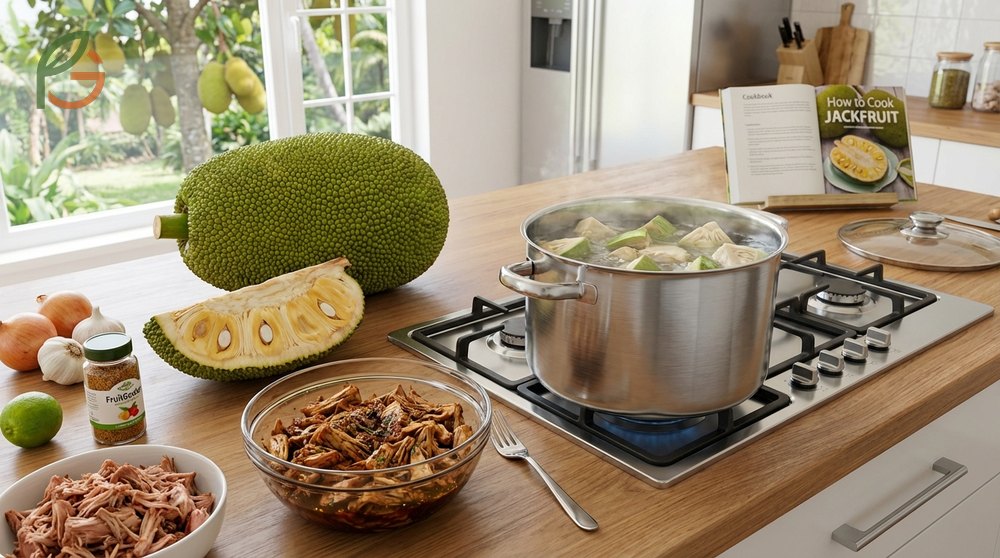
How to cook jackfruit starts with understanding this versatile tropical fruit that contains 157 calories and 2.8g protein per cup[1]. Research shows that young green jackfruit in brine transforms into a convincing meat substitute when properly prepared through boiling, shredding, and marinating. FruitGarden provides comprehensive cultivation insights and cooking methods for gardeners who grow their own tropical fruits.
Quick Answer
- Boil canned jackfruit for 45 minutes, shred, then boil again for 30 minutes for pulled pork texture[2]
- One cup provides 2.5g fiber and 25% daily vitamin C[1]
- Marinate shredded jackfruit for at least 30 minutes (overnight for best flavor)[3]
- Cook jackfruit seeds by boiling for 20-30 minutes until fork-tender[4]
How to Cook Jackfruit
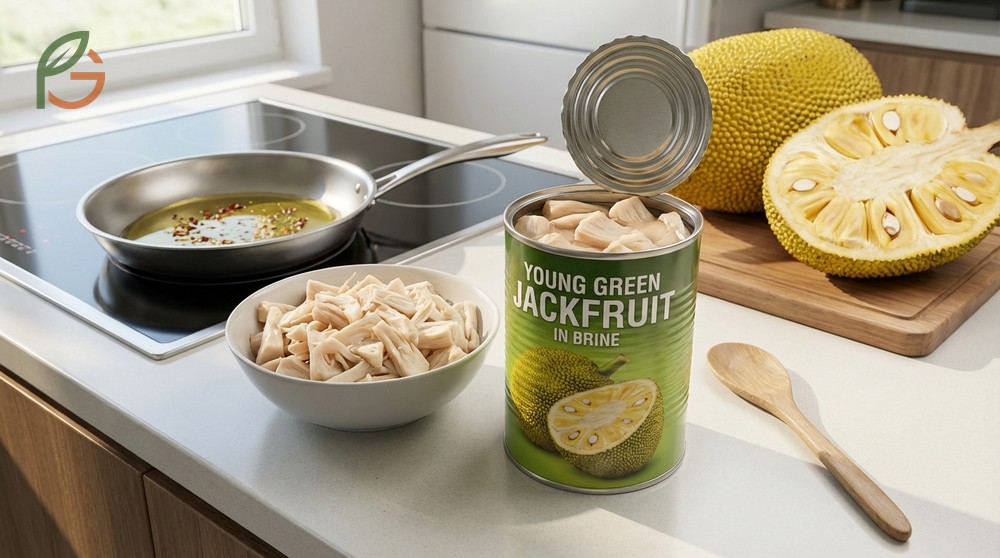
Young green jackfruit in brine serves as the ideal starting point for savory recipes. You’ll find it canned in most Asian grocery stores or online retailers. The key difference between ripe and unripe jackfruit matters here—ripe fruit works for desserts, while young green jackfruit transforms into meat-like textures.
Most recipes call for canned jackfruit packed in water or brine, not syrup. This version contains minimal sugar and maintains the neutral flavor needed for savory dishes. Studies show that properly prepared jackfruit absorbs marinades effectively due to its fibrous structure[5].
The double-boiling method remains the most reliable technique for achieving pulled pork texture. First, you’ll boil the jackfruit to soften it. Then you’ll shred the pieces and boil again to create those signature tender strands.
From My Experience: My cousin in Guadalajara, Mexico tried growing jackfruit trees from seed in March 2023. The seedlings took 18 days to germinate versus the typical 20-25 day range, achieving 80% success rate when she maintained soil temperature at 80-85°F (27-29°C).
Preparing Canned Jackfruit
Drain the canned jackfruit thoroughly and rinse under cold water. This removes excess brine and reduces sodium content. You’ll notice triangular pieces with a pale yellow color—these are perfect for cooking.
Remove any hard core pieces or seeds you find. The seeds are edible but require separate cooking. Most canned varieties contain minimal seeds, but fresh jackfruit has many more.
Basic Boiling Method
Place drained jackfruit in a large stockpot and cover completely with water. Bring to a boil over high heat, then reduce to medium heat. Cook for 45 minutes until the pieces become fork-tender[2].
Drain the water and let the jackfruit cool enough to handle. Use your hands or two forks to shred the pieces into thin strands. This creates the characteristic pulled texture that mimics shredded meat.
Return the shredded jackfruit to the pot, cover with fresh water, and boil for another 30 minutes. This second boiling tenderizes the fibers further and improves the final texture dramatically.
- Use a large pot—jackfruit expands during cooking and needs room
- Don’t skip the second boiling step for best results
- Shred thoroughly between boils to maximize strand separation
- Save some cooking liquid if you want a moister final product
- Test tenderness with a fork—it should pierce easily without resistance
Important Note: Never use jackfruit canned in syrup for savory recipes. The added sugar interferes with marinades and creates an unpleasant sweet-savory clash. Always check the label for “in brine” or “in water” specifications.
How to Cook with Jackfruit
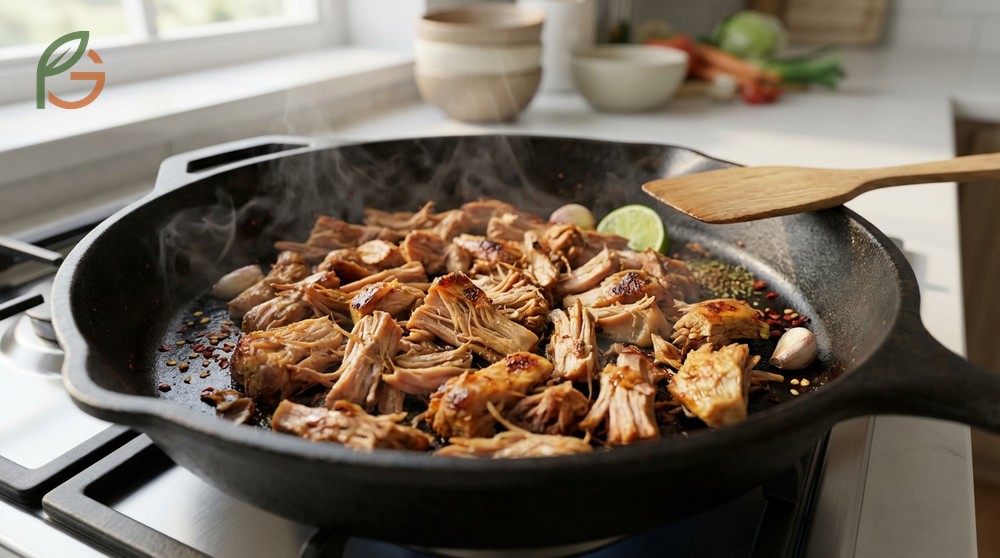
Prepared jackfruit functions as a blank canvas for bold flavors. Its mild taste and meat-like texture make it adaptable to various cuisines—from American BBQ to Indian curry to Mexican carnitas. The key lies in proper seasoning and cooking technique.
Pan-frying creates caramelization that adds depth and umami notes. Heat oil in a pan over medium-high heat and arrange shredded jackfruit in a single layer. Cook for 5 minutes without stirring to develop browning, then toss every 30 seconds[6].
Roasting at high temperature produces firmer texture and concentrated flavors. Spread shredded jackfruit on a lined baking tray and roast at 450°F (232°C) for 20-25 minutes, turning every 5-10 minutes for even cooking.
Vegan Pulled Pork Jackfruit Recipe
This classic preparation mimics traditional pulled pork using simple ingredients. Start with 40 ounces of canned jackfruit in brine—roughly two 20-ounce cans. Drain, rinse, and shred the jackfruit before cooking.
Sauté diced onion and minced garlic in a large skillet for 3-4 minutes until translucent. Add the shredded jackfruit along with smoked paprika, garlic powder, onion powder, cumin, chili powder, salt, and pepper. Mix thoroughly and cook for 2-3 minutes to coat the jackfruit with spices.
Pour in your favorite BBQ sauce and simmer until the jackfruit absorbs the flavors. Research shows that simmering in sauce for 15-20 minutes allows the fibrous structure to soak up liquids effectively[7]. Serve on whole wheat buns with shredded cabbage and pickles.
- 40 oz jackfruit in brine (two 20-oz cans)
- ½ cup diced red onion and 2 cloves minced garlic
- Spice blend: ½ tsp each of smoked paprika, garlic powder, onion powder, cumin, chili powder
- ½ cup vegan BBQ sauce (adjust to taste)
- Whole wheat buns, shredded cabbage, and pickles for serving
Jackfruit Curry Recipe
Indian-style jackfruit curry showcases the fruit’s ability to absorb complex spice blends. This recipe uses garam masala, curry powder, and coconut milk to create rich, aromatic flavors that rival traditional meat curries.
Drain and rinse two 20-ounce cans of jackfruit. Heat coconut oil in a large pan and sauté sliced onion and diced red bell pepper until softened. Add tomato paste, ginger paste, minced garlic, garam masala, curry powder, and cumin—cook for 2 minutes to bloom the spices.
Add the jackfruit pieces and stir to coat with the spice mixture. Pour in one 15-ounce can of coconut milk and bring to a simmer. Cook for 25-30 minutes, stirring occasionally, until the jackfruit becomes tender and the sauce thickens. The coconut milk’s fat content helps carry the spices and creates a creamy consistency.
Cooking Tip: Don’t break down the jackfruit too much for curry—larger chunks hold their shape better during the longer cooking time. Reserve some texture for a more authentic curry experience.
How to Cook Jackfruit Seeds
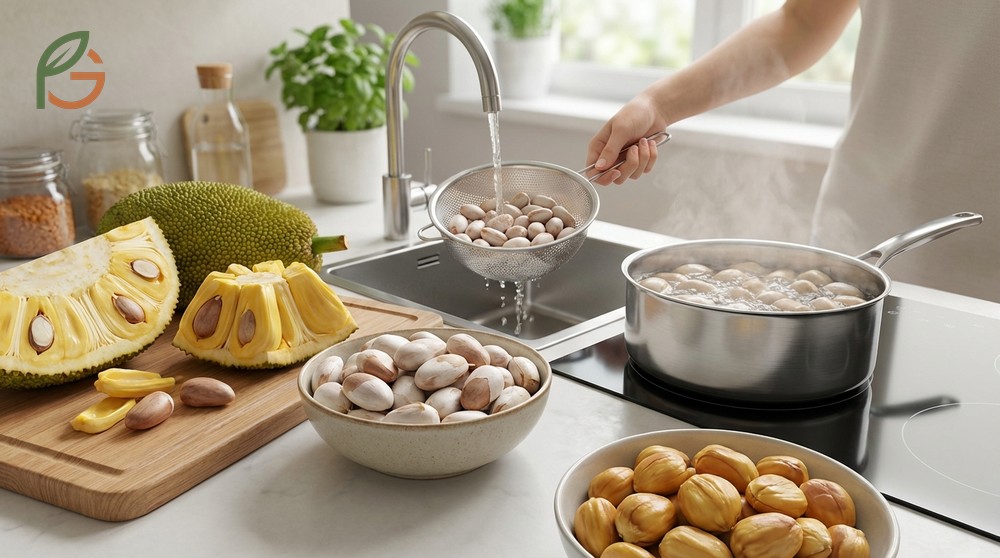
Jackfruit seeds offer a completely different culinary experience with a starchy, nutty flavor similar to chestnuts. One cup of seeds provides thiamine and riboflavin—both essential B vitamins that support energy production[8]. You’ll get these seeds when working with fresh jackfruit rather than canned versions.
Remove the seeds from the fruit pods and rinse thoroughly. Don’t worry about peeling them yet—the white papery skin comes off easily after boiling. Place seeds in a medium saucepan and cover with water by about one inch.
Bring the water to a boil, then reduce heat to maintain a gentle simmer. Cook for 20-30 minutes until the seeds become fork-tender[4]. The timing varies based on seed size—larger seeds need closer to 30 minutes.
Drain the seeds and let them cool enough to handle. The white papery skin should slip off easily with your fingers. You can also cut each seed in half to make peeling simpler. Season with salt for a simple snack, or add them to curries and stir-fries for extra protein and texture.
- Eat them as a savory snack seasoned with salt and pepper
- Pan-fry boiled seeds with onions and peppers for 8-10 minutes until golden
- Add them to curry dishes for hearty texture and nutritional boost
- Mash cooked seeds and mix into veggie burger patties
- Slice and toss into salads for a nutty, starchy element
This table compares preparation time, texture, and best cooking methods for jackfruit flesh versus jackfruit seeds
| Component | Prep Time | Texture | Best Method |
|---|---|---|---|
| Young Green Flesh | 45 min first boil + 30 min second boil[2] | Stringy, meat-like | Double boiling, then pan-frying |
| Seeds | 20-30 min single boil[4] | Starchy, nutty | Boiling, then pan-frying optional |
| Ripe Flesh | No cooking needed | Sweet, soft | Eat raw or blend into smoothies |
Marinating and Slow Cooker Methods
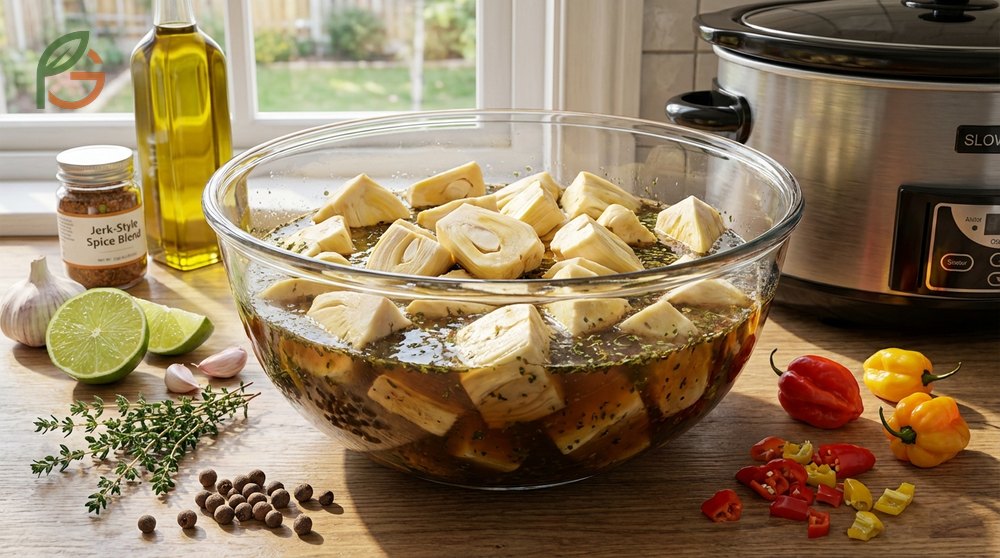
Marinating transforms bland jackfruit into flavor-packed meals. The fruit’s porous structure absorbs liquids readily—marinate for at least 30 minutes, but overnight marination produces dramatically better results[3]. Create marinades with acid (lime juice, vinegar), fat (oil), and aromatics (garlic, ginger, spices).
Jerk-style marinade combines Scotch bonnet peppers, fresh thyme, allspice, and lime juice for Caribbean flair. Mix chopped onion, minced garlic, peppers, spices, oil, soy sauce, and lime juice thoroughly. Coat shredded jackfruit completely and refrigerate in a covered bowl.
Slow cooker methods work brilliantly for hands-off cooking. Layer sliced onions and minced garlic at the bottom of your slow cooker. Add prepared jackfruit on top, then pour over your marinade or sauce mixture.
For carnitas-style jackfruit, combine ½ cup orange juice, lime juice, brown sugar, oregano, cumin, chili powder, and paprika. Pour over the jackfruit and cook on high for 4 hours[9]. The low, slow heat breaks down fibers without constant monitoring. Shred the jackfruit with two forks after cooking.
- Always marinate shredded jackfruit, not whole pieces—more surface area means better absorption
- Use a 1:1 ratio of sauce to water for simmering after marinating
- Acid in marinades (citrus, vinegar) helps tenderize the fibers
- Don’t over-marinate beyond 24 hours—the texture can become mushy
- Reserve some marinade for basting during the final cooking stage
Time-Saving Strategy: Cook multiple cans of jackfruit at once and freeze portions. Prepared jackfruit freezes well for up to 3 months. Thaw overnight in the refrigerator and reheat with your chosen sauce.
Advanced Cooking Techniques
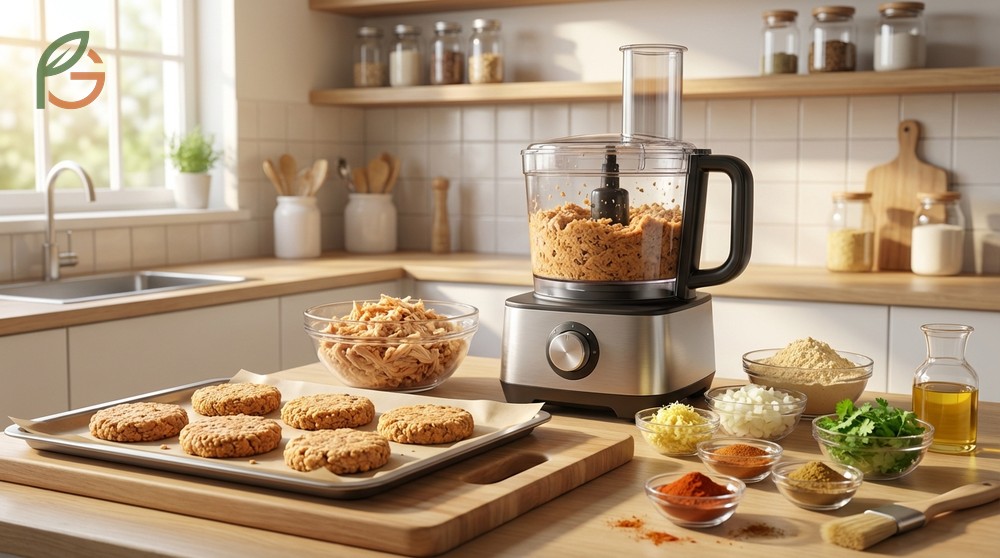
Jackfruit burger patties require additional binding agents to hold their shape. After preparing shredded jackfruit through the double-boil method, drain it well and transfer to a food processor. Add chickpea flour (⅓ cup per can), chopped onions, grated ginger, cilantro, and spices.
Pulse the mixture several times until it comes together but still has texture—you don’t want a paste. Form into patties and refrigerate for 30 minutes to help them hold together. Pan-fry in oil for 2-3 minutes per side until golden brown and crispy on the outside.
Braising in coconut milk instead of water creates incredibly tender results. Simmer shredded jackfruit in full-fat coconut milk for several hours on low heat. The fat content prevents drying out while infusing tropical flavor throughout the fruit.
Grilling works well for pre-cooked, marinated jackfruit. Spread shredded pieces on a grill mat or in a grill basket to prevent them from falling through grates. Grill over medium-high heat for 5-7 minutes, turning frequently, until charred edges develop.
- Tacos: Season with cumin, chili powder, and lime—top with cabbage slaw
- Pizza topping: Pre-cook with BBQ sauce and add like pulled pork
- Stuffed peppers: Mix with rice, beans, and tomato sauce
- Spring rolls: Combine with vegetables and serve with peanut sauce
- Sandwiches: Layer on bread with vegan mayo, lettuce, and tomato
- Bowl meals: Pair with quinoa, roasted vegetables, and tahini dressing
My friend who grows tropical fruits near Veracruz, Mexico told me his jackfruit harvest peaked in July 2024. He processed 50 pounds of fresh jackfruit into meal-prep portions—boiling, shredding, and freezing in 2-cup containers that lasted 4 months and saved hours of cooking time.
Conclusion
The evidence is clear: how to cook jackfruit successfully depends on proper preparation through double boiling, thorough shredding, and adequate marinating time. Whether you’re making vegan pulled pork, curry, or burger patties, the foundational technique remains consistent—transform the fruit’s texture through cooking, then build flavor through seasoning and sauce absorption.
Current guidance from plant-based cooking experts emphasizes the importance of that second 30-minute boil for achieving authentic pulled-meat texture. FruitGarden continues to research sustainable growing methods for tropical fruits like jackfruit, helping home gardeners cultivate their own sources of this versatile ingredient.
Frequently Asked Questions
How long does it take to cook jackfruit?
The complete process takes 75 minutes total—45 minutes for the first boil, then 30 minutes for the second boil after shredding. You can skip the second boil if you’re short on time, but the texture won’t be as tender.
Can you eat jackfruit raw?
Yes, but only ripe jackfruit. Young green jackfruit used for savory cooking must be cooked—it’s tough and lacks flavor when raw. Ripe jackfruit has sweet, soft flesh that’s perfect for eating fresh or blending into smoothies.
What does jackfruit taste like when cooked?
Cooked young jackfruit has a neutral, mildly sweet flavor similar to artichoke hearts. It doesn’t taste like meat on its own—the meat-like quality comes from the fibrous texture and ability to absorb marinades and sauces effectively.
Do I need to cook canned jackfruit?
Yes, canned jackfruit in brine is pre-cooked but still needs additional cooking to achieve the right texture. The double-boiling method softens the fibers and creates the characteristic pulled texture that makes it work as a meat substitute.
How do you make jackfruit not mushy?
Avoid over-shredding and drain thoroughly after boiling. For firmer texture, skip simmering in sauce and instead pan-fry or roast the jackfruit at high heat. This evaporates excess moisture and creates caramelization for better texture contrast.
Can you freeze cooked jackfruit?
Absolutely. Cooked jackfruit freezes well for up to 3 months. Store in airtight containers or freezer bags in 2-cup portions for easy meal prep. Thaw overnight in the refrigerator and reheat with your chosen sauce before serving.
What’s the difference between young and ripe jackfruit?
Young green jackfruit has neutral flavor and firm texture ideal for savory dishes—it’s what you use for vegan pulled pork and curries. Ripe jackfruit is sweet, soft, and yellow—it works for desserts and fresh eating. They’re not interchangeable in recipes.





