
Is honeydew melon good for you? Absolutely. Research shows this pale green melon delivers 34% of your daily vitamin C[1], 90% water content[1], and only 64 calories per cup—making it ideal for hydration, weight management, and skin health. FruitGarden synthesizes current nutrition research and agricultural data to help you make informed decisions about the fruits you grow and eat.
Quick Answer
Is Honeydew Melon Good for You

Honeydew melon ranks among the most nutritious fruits you can add to your diet. Studies demonstrate that one cup of diced honeydew delivers substantial vitamin C, potassium, and water while keeping calories remarkably low. What often gets overlooked is that honeydew’s nutrient profile changes based on ripeness—fully ripe melons contain higher antioxidant levels than underripe ones.
The USDA confirms honeydew melons are naturally fat-free, cholesterol-free, and low in sodium[5]. This makes them an excellent choice for heart-healthy eating patterns. Unlike processed snacks that pack hundreds of empty calories, honeydew provides real nutrition your body can use.
Most people don’t realize honeydew belongs to the same family as cucumbers and squash. This connection explains its high water content and refreshing taste. Research shows consuming water-rich fruits like honeydew can reduce overall calorie intake by increasing satiety without adding excess calories.
Nutrient Density
Nutrient density measures how many vitamins and minerals you get relative to calories consumed. Honeydew scores exceptionally well on this metric. You’re getting significant vitamin C, potassium, and B vitamins for just 64 calories per cup.
Current data indicates honeydew provides more potassium per calorie than many popular fruits. This matters because most Americans don’t meet daily potassium recommendations. A single cup covers about 12% of your daily potassium needs while contributing minimal sodium.
Vitamin and Mineral Profile
Evidence suggests honeydew’s vitamin C content rivals citrus fruits in some cases. The 30.6mg vitamin C per cup[1] represents over one-third of what adults need daily. This antioxidant vitamin protects cells from oxidative damage and supports immune function.
Beyond vitamin C, honeydew contains folate, vitamin B6, magnesium, and calcium in smaller amounts. Research shows the combination of these micronutrients works synergistically—they’re more effective together than isolated. The natural food matrix of honeydew delivers these nutrients in a form your body recognizes and absorbs efficiently.
Important Note: Store cut honeydew in the refrigerator and consume within 3-4 days. Vitamin C content degrades with extended storage, so fresher melon provides maximum nutritional benefit.
Health Benefits of Honeydew Melon

The health advantages of honeydew extend well beyond basic nutrition. Current research reveals multiple mechanisms through which this melon supports your body’s functions. From cellular hydration to collagen synthesis, honeydew influences various physiological processes.
Agricultural data shows honeydew’s nutrient composition remains stable across growing regions. Whether you’re eating melon from California or Arizona, you’ll get consistent nutritional value. This reliability makes honeydew a dependable addition to healthy eating patterns year-round.
Honeydew Hydration Benefits
Hydration requires more than just water—you need electrolytes to maintain fluid balance. Honeydew delivers both efficiently. The combination of 90% water and 388mg potassium per cup creates an ideal hydration package.
Research shows water-rich fruits can be as effective as drinking plain water for maintaining hydration status. Studies demonstrate that the natural sugars in honeydew help your body retain water more effectively than plain water alone. This explains why many athletes choose melon as a post-workout recovery food.
The electrolyte content in honeydew includes potassium, magnesium, sodium, and calcium. These minerals work together to regulate fluid movement between cells and maintain proper nerve and muscle function. If you’re working outdoors in your garden on hot days, a cup of honeydew can help replenish what you’ve lost through sweat.
Honeydew for Skin Health
Your skin needs vitamin C to produce collagen, the protein that keeps skin firm and elastic. Evidence indicates that consuming 30.6mg vitamin C from one cup of honeydew contributes significantly to daily collagen synthesis[6]. This internal approach to skin health works from the inside out.
Studies have shown vitamin C can help protect skin against sun damage by neutralizing free radicals generated by UV exposure. While honeydew doesn’t replace sunscreen, it adds another layer of protection. Research demonstrates that people who consume adequate vitamin C show fewer signs of premature skin aging compared to those with low intake.
The water content in honeydew also supports skin hydration at the cellular level. When your body has enough fluids, skin appears plumper and more radiant. This matters because proper hydration affects how your skin looks and feels more than most topical products.
Honeydew Benefits for Eyes
Honeydew contains carotenoids called lutein and zeaxanthin that accumulate in your retina. Research shows these compounds act as antioxidants, protecting eye tissues from harmful blue light and age-related damage[7]. Current data indicates regular consumption of lutein-rich foods correlates with lower rates of macular degeneration.
These carotenoids can’t be produced by your body—you must obtain them from food. Honeydew provides a convenient source alongside the vitamin A that supports overall vision health. The combination of water-soluble and fat-soluble nutrients in honeydew makes it a comprehensive food for eye protection.
Is Honeydew Good for Diabetics
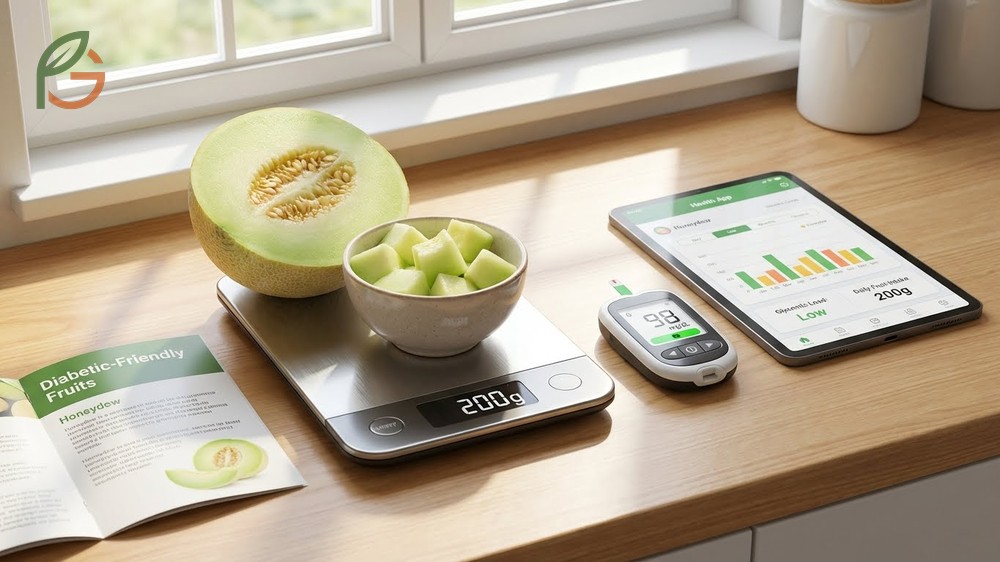
Evidence suggests honeydew can fit into diabetic meal plans when consumed appropriately. Despite containing natural sugars, honeydew has a moderate glycemic index of 62 but a low glycemic load of 9[2]. This distinction matters because glycemic load accounts for serving size, giving you a more accurate picture of blood sugar impact.
A research review found consuming 200 grams of fruit daily links to diabetes prevention[8]. For people who already have type 2 diabetes, eating up to 133 grams of fresh fruit per day has been shown to decrease complications and mortality rates. These findings challenge outdated advice that people with diabetes should avoid fruit entirely.
The fiber in honeydew slows sugar absorption, preventing the rapid blood glucose spikes associated with refined carbohydrates. Current guidance emphasizes whole fruit over fruit juice for this reason—the intact fiber matrix changes how your body processes the natural sugars. Pairing honeydew with protein sources like Greek yogurt or nuts further moderates blood sugar response.
Diabetes Management Tip: Monitor your individual blood sugar response to honeydew. Start with a half-cup serving and test glucose levels 2 hours after eating. This personal data helps you determine your optimal portion size.
- Stick to 1 cup or less per serving to control carbohydrate intake
- Eat honeydew with meals rather than as a standalone snack to slow sugar absorption
- Pair with protein sources like cottage cheese, nuts, or seeds for better blood sugar control
- Choose fresh honeydew over dried fruit, which concentrates sugars and removes water
- Track your portion sizes using measuring cups until you can estimate accurately
- Space fruit servings throughout the day rather than consuming multiple servings at once
Is Honeydew Good for Weight Loss
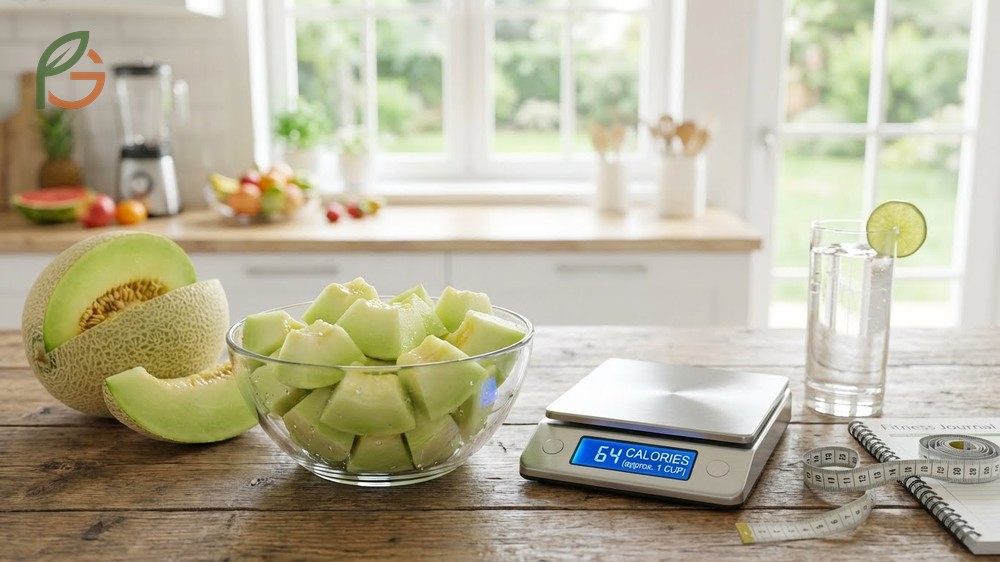
Honeydew works exceptionally well for weight management due to its low calorie density. At just 64 calories per cup, you can eat a satisfying portion without consuming many calories. Research shows foods with high water and fiber content increase satiety more effectively than calorie-dense options.
Studies demonstrate that starting meals with water-rich foods like honeydew reduces overall calorie intake. The volume fills your stomach, triggering fullness signals before you’ve consumed excessive calories. This natural appetite control doesn’t require willpower—it’s a physiological response to food volume.
The natural sweetness of honeydew can satisfy cravings for desserts and processed sweets. When you’re trying to lose weight, replacing a 300-calorie cookie with a cup of honeydew saves 236 calories while providing actual nutrients. Over time, these substitutions add up to meaningful weight loss without feeling deprived.
Agricultural guidance emphasizes portion awareness even with healthy foods. While honeydew is nutritious, eating multiple cups daily adds carbohydrates that may slow weight loss progress. Current recommendations suggest 1.5-2 cups of total fruit daily for adults[9], with honeydew contributing to that total rather than adding to it.
This table compares calories, fiber, water content, and vitamin C between one cup of honeydew melon and common snack alternatives to illustrate honeydew’s nutritional advantages for weight loss
| Food (1 cup serving) | Calories | Fiber (g) | Water Content | Vitamin C |
|---|---|---|---|---|
| Honeydew melon | 64[2] | 1.4[2] | 90%[1] | 34% DV[1] |
| Potato chips | 152 | 1.4 | 2% | 15% DV |
| Pretzels | 108 | 0.9 | 3% | 0% DV |
| Vanilla ice cream | 273 | 0.7 | 61% | 1% DV |
| Chocolate cookies | 298 | 2.1 | 4% | 0% DV |
- Use honeydew as a pre-meal appetizer to reduce hunger and prevent overeating main courses
- Blend frozen honeydew chunks into smoothies for a thick, creamy texture without added sugars
- Replace high-calorie desserts with honeydew topped with a small amount of Greek yogurt
- Pack honeydew cubes as portable snacks to avoid vending machine temptations
- Add honeydew to salads for natural sweetness without calorie-dense dressings
- Freeze honeydew balls for a refreshing summer treat that takes time to eat, increasing satisfaction
Honeydew Digestion Benefits
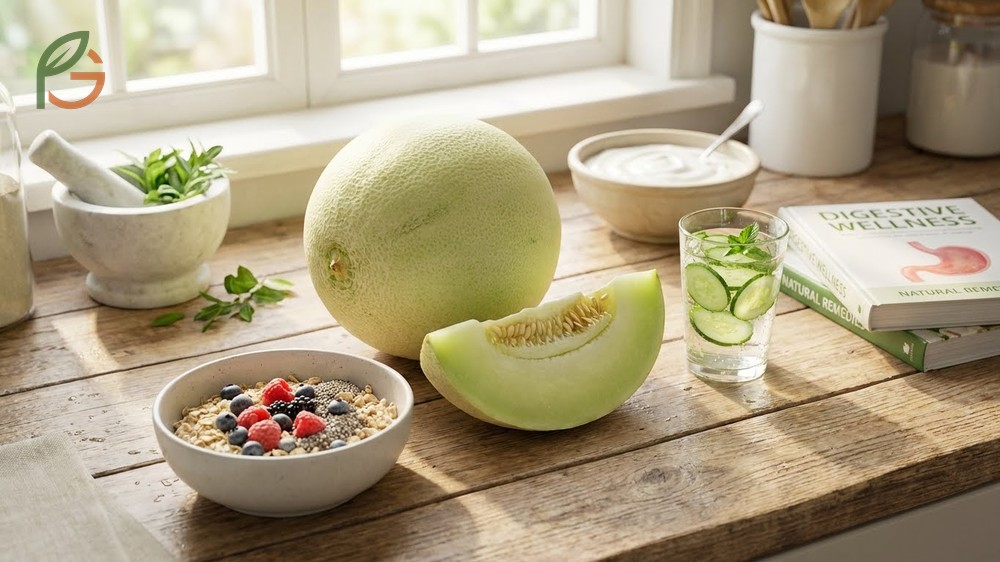
Honeydew supports digestive health through multiple pathways. The 1.4g fiber per cup contributes to the 25-38 grams adults need daily. While this represents about 5% of daily fiber needs, every bit helps maintain regular bowel movements and healthy gut bacteria.
Research shows honeydew contains natural anti-inflammatory compounds similar to those found in cucumbers. These cucurbitacin compounds can help soothe digestive discomfort, reduce bloating, and ease abdominal tension. Current data indicates these effects work best when honeydew is consumed regularly rather than occasionally.
The high water content in honeydew works alongside fiber to soften stool and prevent constipation. When you’re dehydrated, your colon absorbs more water from waste, making it harder to pass. Eating water-rich fruits like honeydew keeps things moving smoothly through your digestive tract.
Studies demonstrate that adequate fiber intake promotes beneficial gut bacteria growth. These microbes ferment fiber into short-chain fatty acids that nourish colon cells and reduce inflammation. The diverse nutrient profile in honeydew provides food for various beneficial bacteria species, supporting a healthy gut microbiome.
Is Honeydew Acidic or Alkaline
Honeydew ranks as one of the least acidic fruits with a pH around 6.3[4]. This nearly neutral pH makes it suitable for people with acid reflux or sensitive stomachs who can’t tolerate citrus or other acidic fruits. For comparison, lemons have a pH of 2.0-2.6, while oranges range from 3.0-4.0.
The low acidity means honeydew won’t aggravate conditions like GERD or trigger heartburn in most people. Current guidance for acid reflux management often includes honeydew on lists of safe fruits. This gentle nature on your digestive system makes honeydew an excellent choice for people recovering from digestive issues.
Honeydew Electrolyte Content
Beyond potassium, honeydew provides smaller amounts of magnesium, sodium, and calcium—all essential electrolytes. The 388mg potassium per cup represents the highest concentration[3], but the combination of electrolytes works together to maintain fluid balance.
Evidence suggests the electrolyte balance in honeydew mirrors what your body loses through normal daily activities. This natural composition makes it easier for your cells to absorb and use these minerals compared to synthetic electrolyte drinks. If you’re like most Americans who don’t meet potassium recommendations, adding honeydew helps close that nutritional gap.
Conclusion
The evidence is clear: honeydew melon is good for you and deserves a regular spot in your diet. With 90% water content, substantial vitamin C and potassium, low calories, and beneficial fiber, it supports hydration, weight management, skin health, and blood sugar control. Research consistently shows that people who eat water-rich fruits like honeydew maintain healthier weights and better overall nutrition compared to those who don’t.
Current guidance emphasizes choosing whole fruits over processed snacks, and honeydew exemplifies why this matters. FruitGarden synthesizes the latest agricultural and nutritional research to help you select, grow, and enjoy fruits that truly benefit your health. Whether you’re managing diabetes, trying to lose weight, or simply seeking nutritious foods, honeydew delivers reliable benefits backed by solid science.
Medical Disclaimer
Important Medical Disclaimer: This content is for informational and educational purposes only. It’s not intended as a substitute for professional medical advice, diagnosis, or treatment. Always consult a qualified healthcare professional before making any changes to your diet, medication, or health routine, especially if you have diabetes, kidney disease, or other medical conditions. Individual nutritional needs vary, and what works for one person may not be appropriate for another.
Frequently Asked Questions
What Is Honeydew Good For?
Honeydew excels at hydration, providing 90% water plus electrolytes like potassium. It’s particularly good for supporting skin health through vitamin C, maintaining heart health with 388mg potassium per cup, and helping with weight management due to its low 64-calorie content. The low glycemic load of 9 makes it suitable for blood sugar management when eaten in appropriate portions.
Can You Eat Honeydew Every Day?
Yes, you can eat honeydew daily as part of a balanced diet. Current USDA recommendations suggest 1.5-2 cups of total fruit per day for adults, so honeydew can contribute to this target. Most people tolerate daily honeydew well, though individuals with diabetes should monitor blood sugar responses and those with kidney issues should consult healthcare providers about potassium intake.
Is Honeydew Better Than Cantaloupe?
Honeydew and cantaloupe offer different nutritional strengths. Honeydew provides more consistent potassium levels (388mg vs. similar amounts in cantaloupe) and has a milder, less acidic taste. Cantaloupe contains significantly more vitamin A due to its orange color. Both are excellent choices—variety in your fruit intake provides the broadest nutritional benefits.
Does Honeydew Help You Sleep?
Honeydew contains nutrients that may support sleep quality, including potassium and magnesium, which help relax muscles and regulate nerve function. The natural sugars can provide a slight blood sugar stabilization effect that prevents middle-of-the-night waking. However, eating large portions close to bedtime might disrupt sleep due to increased bathroom trips from the high water content.
Is Honeydew High in Sugar?
Honeydew contains 14 grams of natural sugars per cup, which is moderate compared to other fruits. The key difference is that honeydew’s 90% water content dilutes these sugars, resulting in a low glycemic load of 9 despite a moderate glycemic index. The fiber content further slows sugar absorption, making the overall blood sugar impact gentler than you’d expect from the sugar content alone.
Can Honeydew Cause Bloating?
Some people experience bloating from honeydew, particularly if they eat large amounts or have fructose sensitivity. The natural sugars in honeydew can ferment in the gut if consumed in excess. Start with smaller portions like half a cup and gradually increase to assess your tolerance. Eating honeydew with protein or fat sources can slow digestion and reduce bloating risk.
How Do You Know When Honeydew Is Ripe?
A ripe honeydew feels heavy for its size, has a creamy yellow color rather than bright white, and gives slightly when you press the blossom end (opposite the stem). It should smell subtly sweet at the blossom end. Avoid melons with soft spots, bruises, or no fragrance at all. Store uncut ripe honeydew at room temperature for 2-3 days or refrigerate for up to one week.





