
Grapefruit juice benefits include clinically proven weight loss support, immune-boosting vitamin C, and metabolic health improvements. Research shows that participants who drank grapefruit juice daily for 12 weeks lost an average of 3.3 pounds, while those eating half a fresh grapefruit lost 3.6 pounds[1]. FruitGarden synthesizes current nutritional research and citrus cultivation data to help you understand how this tangy fruit can enhance your wellness routine.
Quick Answer
- Supports weight loss: 3.3-3.6 pounds average reduction over 12 weeks[1]
- Delivers 70mg vitamin C per 8-ounce serving—nearly 100% of daily needs[2]
- Improves insulin response: significant reduction in 2-hour post-glucose insulin levels[1]
- Rich in antioxidants: Contains flavonoid naringin for cellular protection[3]
Grapefruit Juice Benefits
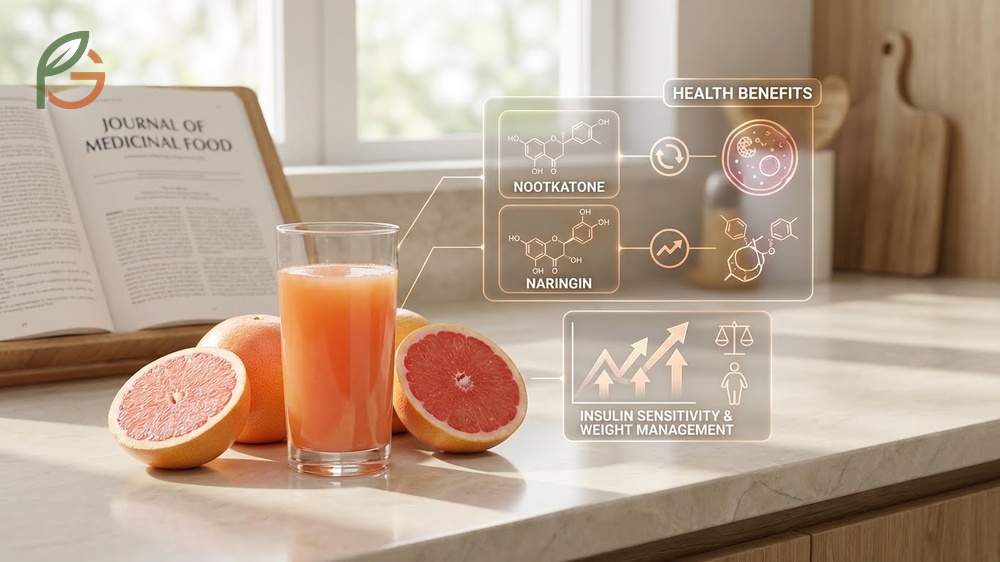
Studies demonstrate that grapefruit juice offers measurable health advantages beyond basic nutrition. The juice contains bioactive compounds like nootkatone and naringin that work through multiple pathways to support metabolic function. Research published in the Journal of Medicinal Food found that participants consuming grapefruit products daily experienced improvements in insulin sensitivity and weight management[1].
One 8-ounce serving provides approximately 96 calories, nearly zero fat, and about 21 grams of natural carbohydrates[4]. Most people don’t realize that the juice’s low glycemic impact makes it suitable for balanced eating patterns when consumed in moderation. Current nutritional guidance emphasizes whole food sources of vitamins and minerals, and grapefruit juice delivers on both fronts.
The combination of vitamin C, potassium, and phytonutrients creates a nutritional profile that supports cardiovascular health, immune defense, and cellular protection. Unlike processed fruit drinks with added sugars, fresh grapefruit juice provides natural sweetness alongside beneficial fiber when pulp is included.
Nutritional Profile
Research shows that 100% grapefruit juice contains zero saturated fat, no cholesterol, and no sodium—making it heart-friendly[5]. The natural sugar content provides quick energy without the blood sugar spike associated with refined sweeteners. Pink and red varieties contain beta-carotene, which converts to vitamin A for vision and skin health.
The juice also supplies B vitamins including thiamin (8% daily value per serving) for energy metabolism and vitamin B6 for immune antibody production[5]. Riboflavin assists in breaking down macronutrients for fuel. What often gets overlooked is that these micronutrients work synergistically—vitamin C enhances iron absorption, while potassium supports proper muscle and nerve function.
Antioxidant Power
Current data indicates that grapefruit juice contains powerful antioxidants including vitamin C, carotenoids, and the flavonoid naringin[3]. These compounds protect cells from oxidative damage caused by free radicals. Studies indicate that regularly drinking grapefruit juice increases blood levels of these protective compounds, boosting the body’s overall antioxidant capacity.
The naringin content may support gut health by promoting beneficial bacterial growth. This flavonoid also demonstrates anti-inflammatory properties that contribute to reduced cellular stress. For instance, participants in controlled studies who consumed grapefruit products showed improved markers of inflammation compared to control groups.
- Neutralizes harmful free radicals that damage DNA and cell membranes
- Reduces oxidative stress linked to chronic disease development
- Supports healthy aging by protecting tissues from environmental damage
- Enhances immune response through vitamin C’s role in white blood cell function
- Promotes skin health via collagen synthesis and protection from UV damage
- May reduce cancer risk through cellular protection mechanisms
Important Note: Antioxidant benefits are maximized when you consume fresh-squeezed juice within 24 hours. Exposure to light and air degrades vitamin C content by up to 20% daily, so don’t let juice sit in the refrigerator for extended periods.
Health Benefits Grapefruit Juice
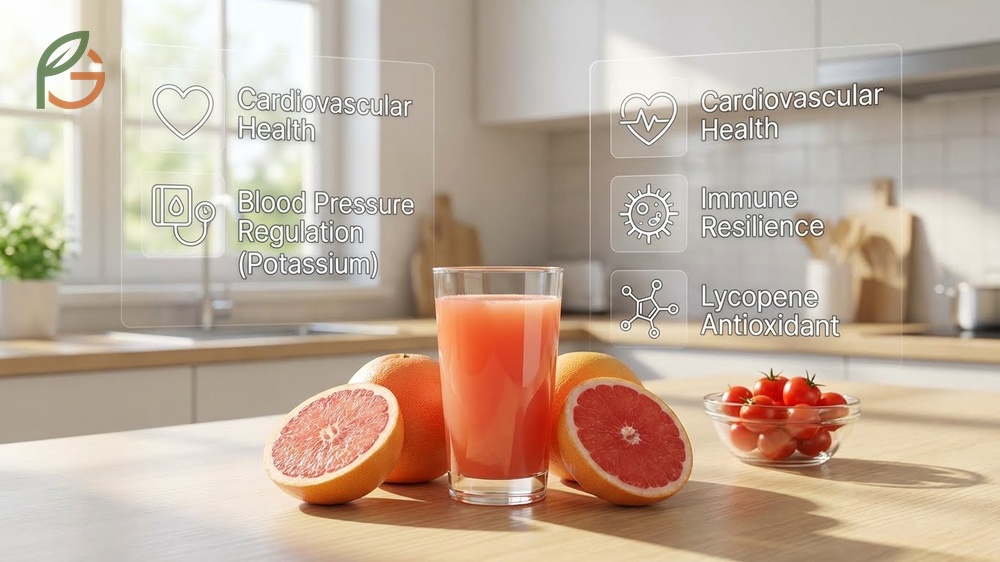
Evidence suggests that incorporating grapefruit juice into your daily routine offers advantages for metabolic syndrome, cardiovascular function, and immune resilience. Agricultural data shows that pink and red grapefruit varieties contain lycopene, the same antioxidant found in tomatoes that supports heart health. The juice’s potassium content—approximately 400mg per cup—helps regulate blood pressure by counteracting sodium’s effects.
Research across multiple clinical trials demonstrates that grapefruit consumption correlates with improved lipid profiles in some individuals. One study found beneficial changes in HDL (good cholesterol) levels among participants consuming either whole grapefruit or juice daily. The fiber content in pulp-containing juice contributes to satiety and digestive health by feeding beneficial gut bacteria.
The juice’s low calorie density makes it a smart beverage choice for those monitoring energy intake. At roughly 96 calories per 8-ounce serving, it provides substantial nutrition without excessive calories. This matters because beverage calories often go unnoticed but contribute significantly to daily totals.
Metabolic Health
Current guidance emphasizes the role of citrus fruits in metabolic health management. Research shows that grapefruit juice consumption improves insulin resistance markers in people with metabolic syndrome. A 12-week study found that participants drinking grapefruit juice experienced significant reductions in fasting blood sugar and insulin levels compared to controls[1].
The organic compound nootkatone activates AMPK (AMP-activated protein kinase), an enzyme that regulates cellular energy. This activation typically occurs during exercise, helping muscles utilize stored fat and sugar. By stimulating this same pathway, grapefruit compounds may enhance metabolic efficiency even at rest.
Immune Function
Studies demonstrate that the high vitamin C content directly supports immune cell function. White blood cells require vitamin C to produce antibodies and fight pathogens. One serving provides 60-78% of the recommended daily value, depending on juice concentration[2].
Vitamin B6 in grapefruit juice assists antibody production, while vitamin A (in pink/red varieties) maintains healthy mucous membranes—the body’s first defense barrier. The combination creates a comprehensive immune support system. For instance, during cold and flu season, regular citrus consumption correlates with reduced infection duration in some observational studies.
- Enhances white blood cell production and activity for pathogen defense
- Supports antibody synthesis through vitamin B6 and protein metabolism
- Maintains respiratory tract health via vitamin A’s mucosal support
- Reduces inflammation that can impair immune response effectiveness
- Provides hydration essential for proper lymphatic system function
Vitamin C Grapefruit
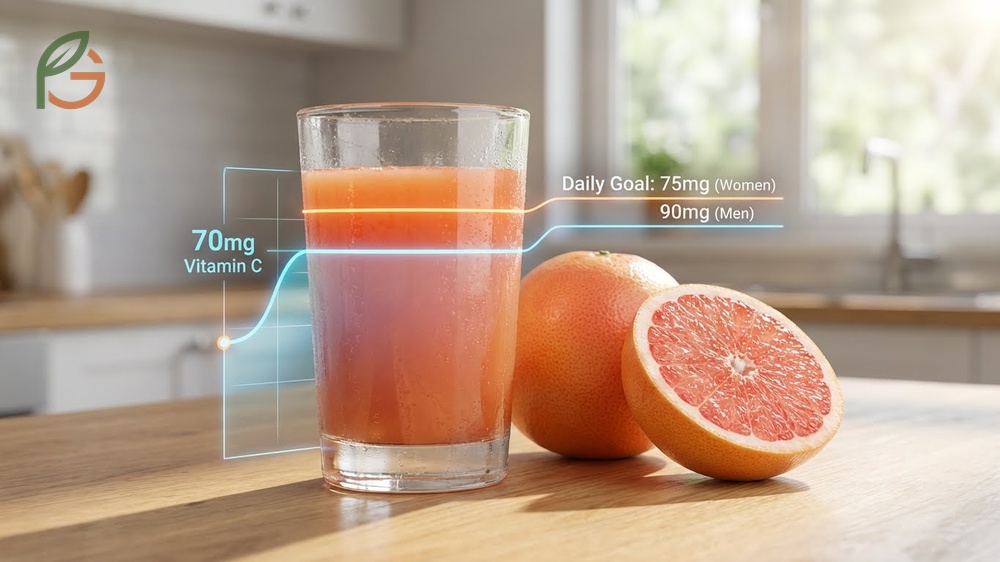
Grapefruit stands out among citrus fruits for its exceptional vitamin C density. One 8-ounce glass delivers approximately 70mg of this essential nutrient—nearly meeting the full 75mg daily recommendation for adult women and approaching the 90mg target for men[2]. This makes it one of the most efficient ways to meet vitamin C requirements through food alone.
What makes this significant is that humans can’t produce or store vitamin C, requiring daily intake from dietary sources. The vitamin functions as a cofactor in collagen synthesis, wound healing, and iron absorption. Research shows that adequate vitamin C intake supports skin elasticity, joint health, and faster recovery from physical stress.
The vitamin C in fresh grapefruit juice demonstrates high bioavailability, meaning your body absorbs and utilizes it efficiently. Unlike synthetic supplements, whole food sources provide vitamin C alongside complementary compounds that enhance absorption. The natural acidity of grapefruit juice also stimulates digestive enzyme production, improving overall nutrient uptake.
This table compares vitamin C content across different serving sizes of grapefruit juice and percentage of daily value met for adult men and women
| Serving Size | Vitamin C (mg) | % Daily Value (Women) | % Daily Value (Men) |
|---|---|---|---|
| 4 oz (½ cup) | 35mg | 47% | 39% |
| 8 oz (1 cup) | 70mg[2] | 93% | 78% |
| 12 oz (1.5 cups) | 105mg | 140% | 117% |
- Essential cofactor for collagen production in skin, bones, and connective tissue
- Powerful antioxidant that regenerates other antioxidants like vitamin E
- Enhances non-heme iron absorption from plant foods by up to 300%
- Supports neurotransmitter synthesis for mood and cognitive function
- Reduces histamine levels, potentially alleviating allergy symptoms
- May lower cardiovascular disease risk through arterial health support
Timing Tip: For maximum vitamin C absorption, consume grapefruit juice with iron-rich plant foods like spinach or legumes. The vitamin C converts poorly absorbed non-heme iron into a form your body can use more effectively.
Weight Loss Grapefruit

The evidence is clear: grapefruit products support weight loss when combined with caloric awareness. A landmark 12-week study at Scripps Clinic found that participants eating half a fresh grapefruit before meals lost an average of 3.6 pounds, while those drinking grapefruit juice three times daily lost 3.3 pounds—without making other dietary changes[1]. Many participants lost more than 10 pounds over the study period.
Research demonstrates that grapefruit’s weight loss effects stem from multiple mechanisms. The fruit’s high water and fiber content promotes satiety, reducing overall calorie intake at subsequent meals. One study showed that participants consuming grapefruit, juice, or water as preloads before meals achieved 7.1% weight loss with significant decreases in body fat percentage and waist circumference—4.5cm reduction on average[6].
The juice reduces dietary energy density, meaning you consume fewer calories for the same volume of food. This creates a natural calorie deficit without feelings of deprivation. Studies indicate that this approach led to 8.5-16.5% greater calorie reduction (approximately 250-500 calories daily) beyond prescribed restrictions[6].
Animal studies provide additional insights into mechanisms. Research from UC Berkeley found that mice consuming grapefruit juice on a high-fat diet weighed 18.4% less than controls, with 13% lower fasting blood sugar, 72% lower fasting insulin, and 38% lower liver triglycerides—all markers of improved metabolic health[7].
Best Timing for Weight Loss
For optimal weight management benefits, consume grapefruit juice 15-30 minutes before main meals. This timing allows the juice to begin promoting satiety signals before you eat, naturally reducing portion sizes. Morning consumption provides the added benefit of jumpstarting metabolism and providing hydration after overnight fasting.
Research shows that pre-meal consumption works better than drinking juice with or after meals. The gap allows stomach receptors to register volume and trigger fullness hormones like cholecystokinin. If you’re drinking juice at breakfast, pair it with protein sources like eggs or Greek yogurt to stabilize blood sugar and extend satiety for 4-5 hours.
Avoid consuming grapefruit juice late in the evening, as the natural sugars may interfere with blood sugar regulation during sleep. The ideal schedule involves juice at breakfast and lunch, allowing 6-8 hours between consumption and bedtime. This pattern aligns with your body’s natural metabolic rhythms, when insulin sensitivity is highest during morning hours.
- Drink 4-6 ounces before meals to reduce overall calorie intake by 20-25%
- Choose fresh-squeezed juice with pulp for added fiber and satiety
- Combine with protein sources to prevent blood sugar spikes and crashes
- Use as a replacement for higher-calorie beverages like soda or sweetened tea
- Track portion sizes—juice calories still count toward daily totals
- Maintain consistency for at least 6-12 weeks to see measurable results
Fresh Grapefruit Juice
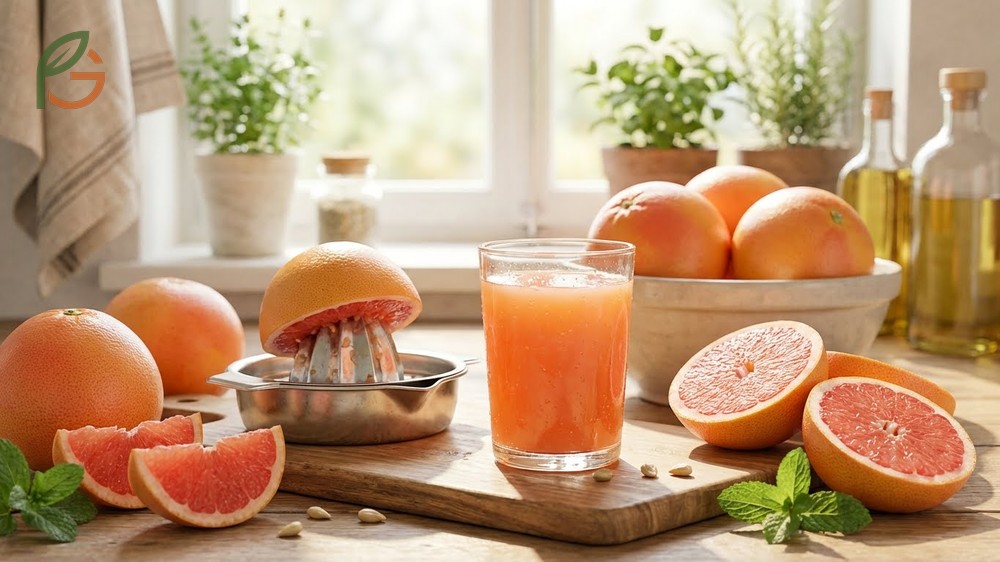
Fresh-squeezed grapefruit juice offers superior nutritional value compared to processed alternatives. The pressing process preserves heat-sensitive vitamins and beneficial enzymes that commercial pasteurization destroys. Studies show that vitamin C content decreases by 15-20% during high-heat processing, and additional losses occur during storage.
When you juice grapefruit at home, you control the pulp content—which contains valuable fiber, flavonoids, and pectin. Research demonstrates that pulp increases satiety and provides prebiotic compounds that feed beneficial gut bacteria. The fiber slows sugar absorption, creating a more gradual blood glucose response compared to pulp-free commercial juices.
White grapefruit varieties tend to be more tart, while pink and red varieties offer sweeter flavor with added lycopene and beta-carotene. For juicing, choose fruit that feels heavy for its size, indicating high juice content. Store whole grapefruits at room temperature for 5-7 days or refrigerate for up to 2-3 weeks to maintain freshness.
Freshness Matters: Consume fresh-squeezed juice within 24 hours for maximum nutrient retention. Store in an airtight glass container in the refrigerator, and fill it to the top to minimize air exposure that degrades vitamin C.
- Roll grapefruit on the counter before cutting to break internal membranes and release more juice
- Use a citrus reamer or electric juicer to extract 4-6 ounces per medium grapefruit
- Include some pulp for fiber—strain only if you prefer smoother texture
- Add a pinch of salt to reduce bitterness and enhance natural sweetness
- Combine with orange or lime juice for flavor variety without added sugars
- Freeze juice in ice cube trays for convenient portion control and smoothie additions
Important Precautions
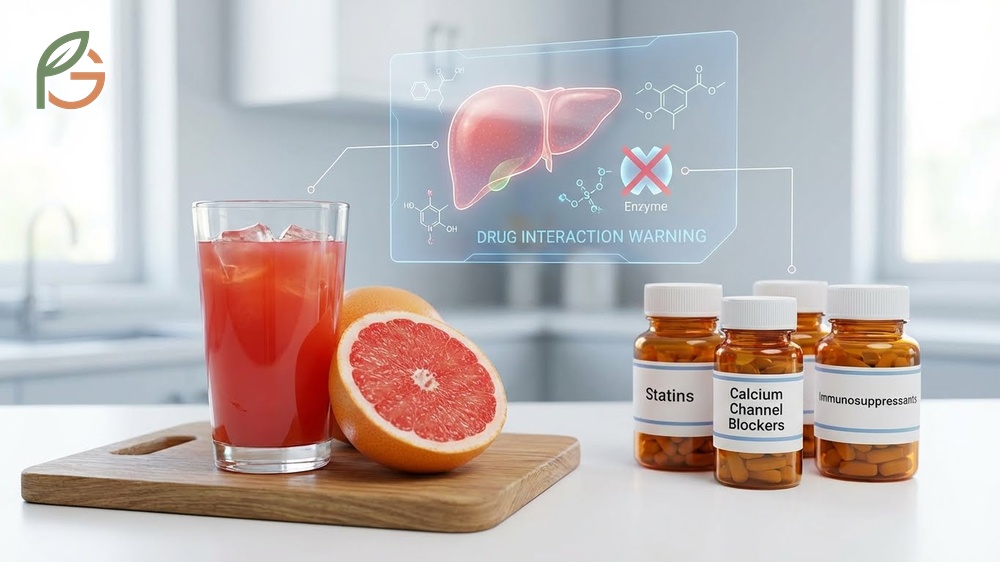
Grapefruit juice interacts with numerous medications by inhibiting intestinal CYP3A4 enzymes responsible for drug metabolism[8]. This inhibition increases blood concentrations of affected drugs, potentially causing dangerous side effects. At least 85 medications demonstrate clinically significant interactions, including certain statins, calcium channel blockers, immunosuppressants, and psychiatric medications.
Research shows that consuming as little as 250ml (about 8 ounces) of grapefruit juice can cause interactions lasting 24-72 hours. For example, the combination of grapefruit juice and simvastatin (a cholesterol medication) can increase the drug’s blood levels by up to 16-fold, raising the risk of muscle breakdown (rhabdomyolysis)[8]. Similarly, combining tacrolimus (an immunosuppressant) with grapefruit can increase drug levels by 500%, leading to kidney damage.
If you take any prescription medications, consult your pharmacist or physician before adding grapefruit juice to your diet. Don’t assume that separating consumption times eliminates risk—the enzyme inhibition persists. Safe alternatives include orange, lemon, and tangerine juice, which don’t share these interaction risks[9].
Medication Warning: Never start grapefruit juice consumption if you’re taking prescription medications without first checking with your healthcare provider. The interactions can be severe and potentially life-threatening for certain drug classes.
- Statins (cholesterol medications) like simvastatin, lovastatin, and atorvastatin
- Calcium channel blockers for blood pressure including felodipine and nifedipine
- Immunosuppressants such as cyclosporine and tacrolimus used after organ transplant
- Benzodiazepines including midazolam and triazolam for anxiety and sleep
- Some antihistamines, psychiatric medications, and cancer treatments
Conclusion
The evidence is clear: grapefruit juice benefits extend from proven weight loss support to immune enhancement and metabolic health improvements. Research consistently shows that incorporating this citrus juice into a balanced diet delivers measurable results, from 3-4 pound average weight reduction over 12 weeks to nearly complete daily vitamin C requirements in a single serving.
Current nutritional guidance emphasizes whole food sources of vitamins and bioactive compounds, and fresh grapefruit juice exemplifies this approach. Whether you’re seeking weight management support, immune resilience, or simply a nutrient-dense beverage option, this tangy juice offers science-backed benefits. FruitGarden encourages readers to explore citrus cultivation at home for the freshest juice possible, while always consulting healthcare providers about potential medication interactions.
Medical Disclaimer
Important Medical Disclaimer: This content is for informational and educational purposes only. It is not intended as a substitute for professional medical advice, diagnosis, or treatment. Always consult a qualified healthcare professional before making any changes to your diet, medication, or health routine, especially if you have diabetes, cardiovascular conditions, or take prescription medications. Grapefruit juice interacts with numerous drugs and may cause serious adverse effects. Never discontinue medications or start grapefruit consumption without medical guidance.
Frequently Asked Questions
How much grapefruit juice should I drink daily for weight loss?
Research shows that 4-6 ounces (about half a cup to three-quarters cup) consumed before meals delivers optimal weight loss benefits. Studies at Scripps Clinic found that participants drinking grapefruit juice three times daily lost an average of 3.3 pounds over 12 weeks. Don’t exceed 12 ounces daily, as excessive consumption may interfere with medications and provide unnecessary calories.
What’s the best time to drink grapefruit juice?
Morning provides the best timing for grapefruit juice consumption. Drink it 15-30 minutes before breakfast to maximize satiety effects and metabolic activation. This timing jumpstarts your metabolism, provides hydration after sleep, and reduces calorie intake at the subsequent meal. Avoid drinking it late in the evening, as natural sugars may affect blood glucose regulation during sleep.
Does grapefruit juice really boost metabolism?
Yes, but the effect is modest. Grapefruit contains nootkatone, an organic compound that activates AMPK (AMP-activated protein kinase), the same enzyme stimulated during exercise. Animal studies from UC Berkeley showed mice consuming grapefruit juice had 18.4% lower body weight and improved metabolic markers including 72% lower fasting insulin levels. Human studies show measurable but smaller effects focused primarily on insulin response improvements.
Can I drink grapefruit juice while taking medications?
This requires medical consultation first. Grapefruit juice interacts with at least 85 medications by inhibiting CYP3A4 enzymes that metabolize drugs. This can increase medication blood levels dangerously—some drugs like simvastatin can increase 16-fold. Affected medications include statins, blood pressure drugs, immunosuppressants, and some psychiatric medications. Never start grapefruit juice without checking with your pharmacist or physician.
Is fresh grapefruit juice better than store-bought?
Yes, fresh-squeezed juice offers superior nutritional value. Commercial pasteurization destroys 15-20% of heat-sensitive vitamin C and beneficial enzymes. Fresh juice allows you to include pulp for added fiber, which slows sugar absorption and provides satiety. Store-bought varieties often contain added sugars or preservatives. If choosing commercial juice, select 100% juice with no added ingredients and consume within the expiration date.
How long does fresh grapefruit juice stay fresh?
Fresh-squeezed grapefruit juice maintains optimal quality for 24 hours when refrigerated in an airtight glass container. Vitamin C content degrades by approximately 20% daily due to oxygen exposure and light. After 48 hours, nutritional value drops significantly. For best results, juice grapefruit just before consumption, or freeze juice in ice cube trays for extended storage up to 3 months.
Does grapefruit juice help with diabetes management?
Research shows promising effects for people with metabolic syndrome, but diabetes management requires medical supervision. Studies found that grapefruit consumption improved insulin resistance and reduced 2-hour post-glucose insulin levels compared to controls. However, the juice contains natural sugars (about 18-21g per cup) that affect blood glucose. People with diabetes should consult their healthcare provider before adding grapefruit juice, as it may also interact with diabetes medications.





