

Is grapefruit good for diabetics? Yes, grapefruit can be an excellent choice for people with diabetes when consumed in appropriate portions. Research shows this citrus fruit has a low glycemic index of 25 and provides essential nutrients without causing significant blood sugar spikes[1]. FruitGarden synthesizes current nutritional research and agricultural data to help you make informed decisions about incorporating grapefruit into your diabetes management plan.
Quick Answer
- Grapefruit has a glycemic index of 25, making it one of the lowest-GI fruits available[2]
- Half a medium grapefruit contains only 41-50 calories and 10.7g carbohydrates[3]
- Provides 1.4-1.6g fiber per serving, which slows sugar absorption and improves glycemic control[4]
- May interact with certain diabetes medications—consult your healthcare provider before adding grapefruit to your diet[5]
Is Grapefruit Good for Diabetics
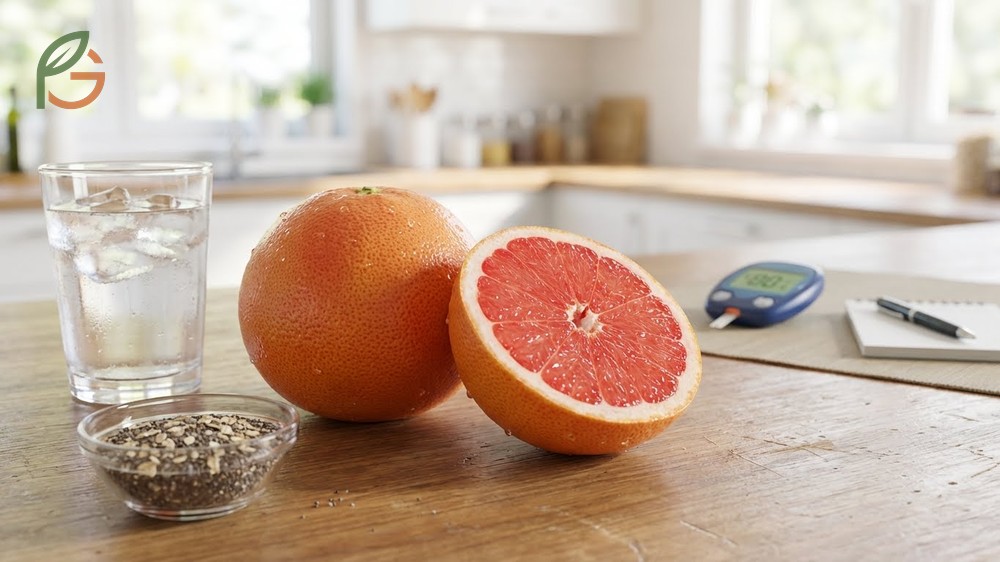
Studies demonstrate that grapefruit is one of the best fruit choices for people managing diabetes. The fruit’s combination of low glycemic impact and high nutritional value makes it particularly suitable for blood sugar control. Unlike high-sugar fruits that trigger rapid glucose spikes, grapefruit releases energy slowly into the bloodstream.
What makes grapefruit stand out is its composition: it’s 91% water with substantial fiber content that slows digestion[4]. This natural balance prevents the dramatic blood sugar fluctuations that concern people with diabetes. The fiber wraps around sugar molecules during digestion, creating a gradual release rather than an immediate surge.
Current nutritional data confirms grapefruit delivers vitamin C at 50% of daily requirements per half-fruit serving while providing only 10 grams of total carbohydrates[6]. For diabetics counting carbs to manage insulin dosing, this translates to predictable, manageable numbers. The vitamin C bonus supports immune function without compromising glucose management.
Understanding Glycemic Index
The glycemic index ranks foods on a scale of 0 to 100 based on how quickly they raise blood sugar levels. Foods scoring below 55 are considered low-GI choices suitable for diabetics. Grapefruit scores 25-26 on this scale, placing it firmly in the low-GI category[1].
Research shows that consistently choosing low-GI foods helps maintain stable blood glucose throughout the day. When you eat grapefruit instead of high-GI options, your pancreas doesn’t need to work overtime producing insulin. This reduced demand benefits both Type 1 and Type 2 diabetics by preventing the exhaustion of insulin-producing cells.
Important Note: Glycemic load (GL) matters as much as glycemic index. Grapefruit’s low GL means even a full serving won’t significantly impact blood sugar levels, unlike high-GI fruits where small portions can cause spikes.
Nutritional Benefits
Beyond blood sugar management, grapefruit offers phytochemicals that combat heart disease and reduce inflammation—two critical concerns for diabetics. These bioactive compounds strengthen the immune system while supporting cardiovascular health. Half a grapefruit provides calcium, folate, and vitamin A alongside its signature vitamin C content[3].
The antioxidants in grapefruit target oxidative stress, which affects diabetics more severely than the general population. These protective compounds neutralize free radicals that damage blood vessels and organs. Most people don’t realize that consistent antioxidant intake from whole fruits provides better protection than supplements.
- Vitamin C: 31-53mg per serving supports immune function and wound healing
- Fiber: 1.4-1.6g per half grapefruit aids digestion and glucose control
- Potassium: 135mg supports heart health and blood pressure regulation
- Lycopene: Found in pink and red varieties, protects against oxidative damage
- Naringenin: A flavonoid that may improve insulin sensitivity
Grapefruit Glycemic Index and Sugar Content

Current data indicates grapefruit contains approximately 6.9-8g of natural sugars per 100g serving, with sucrose as the primary sugar type. The carbohydrate structure breaks down to 65% sugars, 15% fiber, and 20% other carbohydrates. This composition creates a favorable ratio for blood sugar management because fiber offsets sugar impact.
The glycemic index of 25 means grapefruit causes only a minimal rise in blood glucose compared to pure glucose (GI=100). For context, white bread scores around 75, making grapefruit three times less likely to spike blood sugar. This dramatic difference explains why nutritionists consistently recommend citrus fruits for diabetic meal plans.
Carbohydrate Breakdown
Understanding grapefruit’s carbohydrate profile helps diabetics make informed choices. Half a medium grapefruit (123g) delivers 10.7g total carbohydrates, which includes both sugars and fiber[3]. Subtracting the 1.4-1.6g fiber gives you net carbs of approximately 9g—the number that actually affects blood sugar.
This net carb calculation matters when you’re counting carbohydrates for insulin dosing or following a controlled diet. Grapefruit fits easily into most diabetic meal plans since one fruit portion typically allows 15g carbs. You can enjoy half a grapefruit and still have 5-6g carbs remaining for other foods in that meal.
This table compares nutritional values per 100g across three serving sizes of grapefruit, showing calories, carbohydrates, fiber, sugars, protein, and vitamin C content
| Serving Size | Calories | Total Carbs | Fiber | Sugars | Net Carbs |
|---|---|---|---|---|---|
| 100g (raw) | 42 kcal | 11g | 1.6g | 6.9g | 9.4g |
| Half medium (123g) | 50 kcal[6] | 10.7g[3] | 1.4g | 8g | 9.3g |
| Full medium (230g) | 97 kcal | 25g | 3.7g | 16g | 21.3g |
Comparison with Other Fruits
Evidence suggests grapefruit ranks among the top five best fruits for diabetics when comparing glycemic index values. Cherries score lowest at GI 20, followed by grapefruit at 25. Apples (39), oranges (40), and strawberries (41) complete the low-GI fruit category most beneficial for blood sugar control.
What sets grapefruit apart from other citrus is its lower sugar concentration per serving. While oranges provide similar vitamin C benefits, they contain 12g sugars per medium fruit compared to grapefruit’s 8g per half-fruit. For diabetics monitoring total sugar intake, this 4g difference becomes significant when eating fruit multiple times daily.
- Cherries (GI 20): Lowest glycemic option but seasonal availability limits year-round use
- Grapefruit (GI 25): Excellent choice with consistent availability and medication considerations
- Pears (GI 38): Good option providing similar fiber content to grapefruit
- Apples (GI 39): Popular choice with high fiber when eaten with skin
- Strawberries (GI 41): Low calorie density makes large portions feasible
Grapefruit Benefits for Blood Sugar

Research published in peer-reviewed journals demonstrates that fresh grapefruit consumption before meals significantly improves insulin sensitivity in people with metabolic syndrome. A controlled study found participants eating half a fresh grapefruit three times daily showed improved 2-hour post-glucose insulin levels compared to placebo groups[7]. This improvement occurred alongside weight loss benefits.
The mechanism behind grapefruit’s blood sugar benefits involves multiple pathways. Soluble fiber slows gastric emptying, which prevents rapid glucose absorption. Bioactive compounds like naringenin mimic some effects of medications that improve insulin sensitivity. These combined actions create a favorable metabolic environment for diabetics.
Insulin Resistance Improvement
Studies demonstrate that fresh grapefruit consumption specifically targets insulin resistance, the core problem in Type 2 diabetes. Research participants consuming half a fresh grapefruit before each meal showed measurable improvements in insulin sensitivity markers after 12 weeks. The fresh fruit outperformed both grapefruit juice and grapefruit extract capsules in clinical trials.
What makes this finding significant is that insulin resistance creates a vicious cycle where cells ignore insulin signals, forcing the pancreas to produce more insulin. Breaking this cycle reduces diabetes progression risk. Grapefruit’s bioactive compounds appear to sensitize cells to insulin, allowing normal amounts to work more effectively.
Research Insight: The insulin resistance improvements occurred regardless of whether participants followed high-fat or low-fat diets, suggesting grapefruit’s benefits work through mechanisms independent of overall diet composition.
Weight Management Effects
Current data indicates fresh grapefruit consumption associates with significant weight loss in metabolic syndrome patients. The same study documenting insulin improvements found participants eating fresh grapefruit lost 1.6kg over 12 weeks, while placebo groups lost only 0.3kg[7]. This 5-fold difference suggests grapefruit actively supports weight management beyond simple calorie reduction.
Weight loss directly improves diabetes outcomes since excess body fat increases insulin resistance. For every 5-10% of body weight lost, diabetics typically see measurable improvements in A1C levels and fasting glucose. Grapefruit’s dual action—improving insulin sensitivity while supporting weight loss—makes it particularly valuable for Type 2 diabetics where both factors play crucial roles.
How Much Grapefruit Can a Diabetic Eat

Evidence-based dietary guidelines suggest half a medium grapefruit (123g) as the standard serving size for diabetics. This portion provides 15g carbohydrates—the amount typically designated as one fruit exchange in diabetic meal planning. Most people with well-controlled diabetes can safely consume 2-3 fruit servings daily, which could include one full grapefruit split across meals.
Timing matters as much as quantity when incorporating grapefruit into your diabetes management plan. Research shows eating grapefruit 15-30 minutes before meals provides optimal benefits for blood sugar control and satiety. The fiber and water content create fullness that reduces overall meal calorie intake. You’ll naturally eat smaller portions of higher-calorie foods when you start with grapefruit.
Individual tolerance varies based on medication regimen, activity level, and personal glucose responses. Some diabetics find they can eat a full grapefruit daily without blood sugar issues, while others need to limit intake to half a fruit. The key is testing your blood glucose 2 hours after eating grapefruit to understand your specific response pattern.
- Newly diagnosed diabetics: Start with one-quarter grapefruit and monitor blood sugar response
- Well-controlled Type 2: Half to one full grapefruit daily typically fits within carb targets
- Insulin-dependent Type 1: Calculate exact carb content and adjust insulin dosing accordingly
- Pre-diabetic individuals: One full grapefruit daily shows preventive benefits in studies
- Gestational diabetes: Consult your healthcare provider as carb needs vary by trimester
Don’t exceed 150g (roughly 2/3 of a medium grapefruit) per serving without consulting a nutritionist, especially if you’re taking diabetes medications. This conservative approach prevents unexpected blood sugar drops that can occur when grapefruit’s effects combine with medication action. Monitor your individual response rather than following generic recommendations.
Medication Interactions and Safety
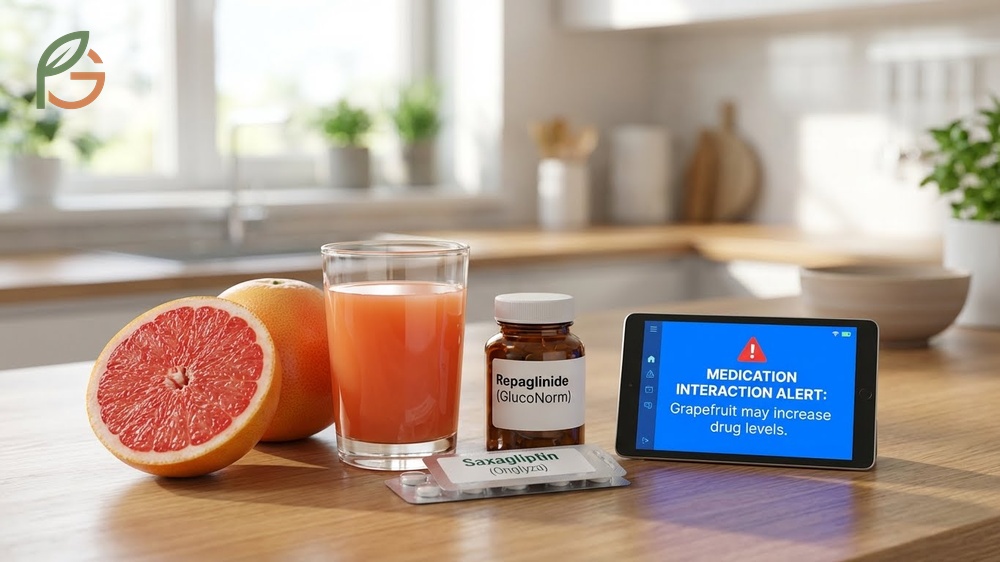
Grapefruit contains compounds that inhibit CYP3A4, a liver enzyme responsible for breaking down certain medications. This inhibition causes drug levels to rise in the bloodstream, potentially leading to dangerous side effects. For diabetics, specific medications interact with grapefruit in ways that increase hypoglycemia risk or cause other complications.
Research confirms that repaglinide (GlucoNorm) and saxagliptin (Onglyza) show significant interactions with grapefruit consumption[5]. Product monographs document increased plasma concentrations after grapefruit intake. Other DPP-4 inhibitors may carry similar risks though studies remain incomplete. You must discuss grapefruit consumption with your healthcare team if you take any diabetes medications.
The good news is that metformin, SGLT-2 inhibitors, GLP-1 receptor agonists, and insulin don’t interact with grapefruit. These medications bypass CYP3A4 metabolism entirely, making grapefruit consumption safe for patients on these regimens. Always verify your specific medication list before adding grapefruit to your regular diet.
| Medication Type | Interaction Risk | Recommendation |
|---|---|---|
| Metformin | No interaction | Safe to consume grapefruit |
| Insulin | No interaction | Safe to consume grapefruit |
| Repaglinide (GlucoNorm) | High risk[5] | Avoid grapefruit completely |
| Saxagliptin (Onglyza) | High risk[5] | Avoid grapefruit completely |
| GLP-1 agonists | No interaction | Safe to consume grapefruit |
| SGLT-2 inhibitors | No interaction | Safe to consume grapefruit |
Critical Warning: Grapefruit interactions extend beyond diabetes medications. If you take statins, blood pressure medications, or immunosuppressants, check with your pharmacist before consuming grapefruit. The enzyme inhibition affects dozens of drug categories.
- Check all medications, not just diabetes drugs—grapefruit interacts with over 85 medications
- Grapefruit juice concentrates the problematic compounds; whole fruit carries similar risks
- Effects last 24 hours or longer; you can’t simply time grapefruit away from medication doses
- Even small amounts trigger enzyme inhibition—occasional consumption still poses risks
- Other citrus fruits (oranges, lemons, limes) don’t carry the same interaction risks
Conclusion
The evidence clearly supports grapefruit as an excellent fruit choice for diabetics who don’t take interacting medications. Its low glycemic index of 25, high fiber content, and research-backed benefits for insulin sensitivity make grapefruit good for diabetics seeking natural ways to support blood sugar management. Half a medium grapefruit delivers substantial nutrition with minimal glycemic impact.
Current nutritional guidance emphasizes whole fruits over juices, and grapefruit exemplifies why this recommendation matters. The fiber in whole grapefruit slows sugar absorption while promoting satiety—benefits lost when you drink juice instead. FruitGarden synthesizes agricultural research showing that incorporating low-GI fruits like grapefruit into balanced meal plans supports long-term diabetes control when combined with appropriate medication, exercise, and overall dietary patterns.
Medical Disclaimer
Important Medical Disclaimer: This content is for informational and educational purposes only. It is not intended as a substitute for professional medical advice, diagnosis, or treatment. Always consult a qualified healthcare professional before making any changes to your diet, medication, or health routine, especially if you have diabetes or other medical conditions. Grapefruit can interact with multiple medications, so discuss your complete medication list with your doctor or pharmacist before adding grapefruit to your regular diet.
Frequently Asked Questions
Can Type 2 diabetics eat grapefruit every day?
Yes, Type 2 diabetics can typically eat grapefruit daily if they’re not taking medications that interact with it. Research shows daily consumption of half to one grapefruit improves insulin sensitivity and supports weight management. Start with half a grapefruit per day and monitor your blood sugar response to determine your optimal serving size.
Is pink or white grapefruit better for diabetics?
Both pink and white grapefruit varieties have similar glycemic index values and carbohydrate content, making either suitable for diabetics. Pink and red grapefruits contain lycopene, an additional antioxidant not found in white varieties. However, the blood sugar impact remains essentially the same, so choose based on taste preference rather than diabetes concerns.
What diabetes medications interact with grapefruit?
Grapefruit significantly interacts with repaglinide (GlucoNorm) and saxagliptin (Onglyza), increasing drug plasma concentrations. Other DPP-4 inhibitors may carry similar risks though research remains limited. Metformin, insulin, GLP-1 agonists, and SGLT-2 inhibitors don’t interact with grapefruit and remain safe options for people who want to include this fruit in their diet.
Can grapefruit lower blood sugar too much?
Grapefruit alone won’t cause dangerous hypoglycemia in most diabetics. However, when combined with certain diabetes medications, the fruit’s compounds can intensify medication effects and increase low blood sugar risk. If you take sulfonylureas or other insulin-stimulating drugs, monitor your blood glucose closely when adding grapefruit to your diet and consult your healthcare provider about potential dose adjustments.
Is grapefruit juice as good as whole grapefruit for diabetics?
No, whole grapefruit is significantly better than juice for blood sugar management. Whole fruit contains fiber that slows sugar absorption and improves glycemic response, while juicing removes most fiber. Research shows fresh grapefruit produces better insulin sensitivity improvements than grapefruit juice. If you prefer juice, limit portions to 4 ounces and pair with protein or fat to minimize blood sugar spikes.
When is the best time to eat grapefruit for diabetes control?
Research suggests eating grapefruit 15-30 minutes before meals provides optimal benefits for blood sugar control and weight management. The fiber and water content create satiety that reduces overall calorie intake during meals. Breakfast is particularly effective timing since morning grapefruit consumption supports stable blood sugar throughout the day and may improve insulin sensitivity at subsequent meals.
Are there diabetics who should avoid grapefruit completely?
Yes, diabetics taking repaglinide, saxagliptin, or other medications metabolized by the CYP3A4 enzyme should avoid grapefruit completely. The fruit’s compounds block this enzyme, causing dangerous drug accumulation in the bloodstream. Additionally, people with citrus allergies or those experiencing heartburn or acid reflux from citrus fruits should choose alternative low-glycemic options like berries or cherries.





