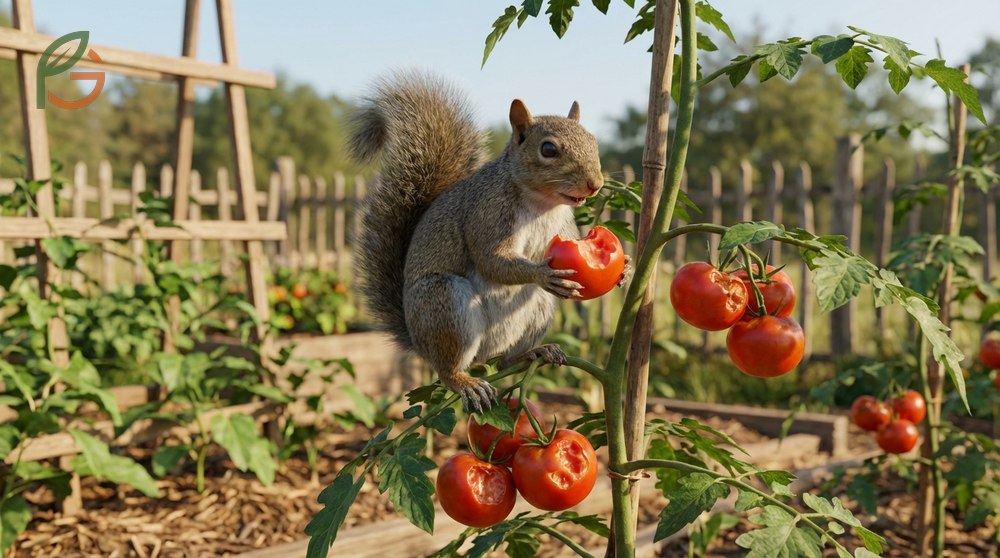
Do Squirrels Eat Tomato Plants? Yes, squirrels frequently damage tomato plants by chewing medium to large holes in the fruit. Research shows they often take bites from multiple tomatoes rather than consuming just one, which can ruin your entire harvest[1]. FruitGarden synthesizes current horticultural guidance and proven gardening methods to help you protect your tomato crops from these persistent visitors.
Quick Answer
- Squirrels create medium to large holes in tomato fruits, typically taking bites from multiple tomatoes instead of eating just one[1]
- They’re active during daytime hours, making them easier to identify than nocturnal pests[1]
- Cayenne pepper spray deters squirrels but requires reapplication every 2-3 days for effectiveness[2]
- Physical barriers like 1-inch chicken wire cages provide the most reliable long-term protection[3]
- Providing a water bowl can reduce damage since squirrels often bite tomatoes when they’re thirsty rather than hungry[4]
Do Squirrels Eat Tomato Plants
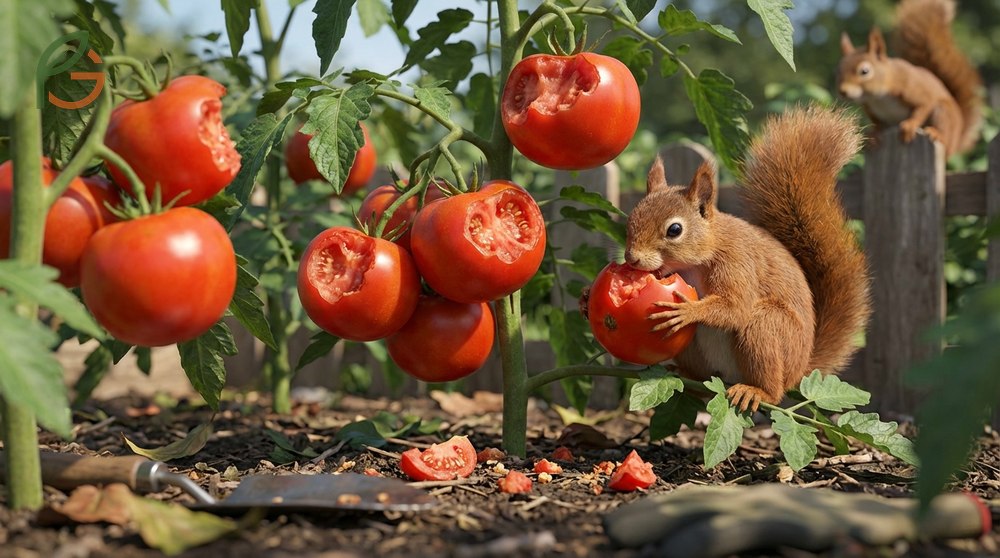
Squirrels absolutely eat tomato plants, specifically targeting the ripening fruit rather than the leaves or stems. Studies show they create distinctive damage patterns that set them apart from other garden pests. Unlike insects that attack foliage, squirrels focus on the fruit itself, leaving behind telltale signs of their visits[1].
Evidence indicates squirrels don’t just eat one tomato and move on. They exhibit what appears to be wasteful behavior by taking single bites from multiple fruits. This feeding pattern ruins far more tomatoes than they actually consume, making them particularly frustrating for gardeners who watch their harvest disappear one bite at a time.
Research on squirrel behavior shows they’re most active during daylight hours, particularly in early morning and late afternoon. If you notice damage appearing overnight, you’re likely dealing with a different culprit like raccoons or possums. Squirrels also leave small digging holes near your plants as they bury or retrieve nuts[1].
From My Experience: My neighbor in Guadalajara, Mexico grew heirloom tomatoes last summer and noticed squirrels took exactly 3-5 bites per tomato before moving to the next one. She counted 12 damaged tomatoes in a single morning—matching the multiple-bite pattern researchers describe.
Signs of Squirrel Damage
Identifying squirrel damage early helps you implement protection strategies before losing your entire crop. The damage patterns are quite distinctive once you know what to look for.
- Medium to large holes chewed into one side of the tomato fruit, typically 1-2 inches in diameter
- Multiple tomatoes with single bites rather than one completely consumed fruit
- Damage appearing during daylight hours, not overnight
- Small holes dug near plant bases where squirrels hide acorns or nuts
- Tooth marks visible around the edges of damaged areas on the fruit
- Green tomatoes targeted as readily as ripe red ones
Why Squirrels Target Tomatoes
Squirrels gravitate toward tomatoes because the fruits provide both nutrients and hydration. Current data indicates they’re particularly drawn to the juicy flesh during hot, dry periods when natural water sources become scarce[3].
Their remarkable climbing abilities make tomato plants easy targets. Squirrels can scale stakes, cages, and even jump several feet to reach ripening fruit. This natural athleticism combined with their persistent foraging behavior makes them one of the most challenging garden pests to deter.
Important Note: If you see damage to both leaves and fruit, you’re likely dealing with multiple pests. Squirrels focus on fruit while insects like tomato hornworms attack foliage. Different problems require different solutions.
Do Squirrels Like Tomato Plants
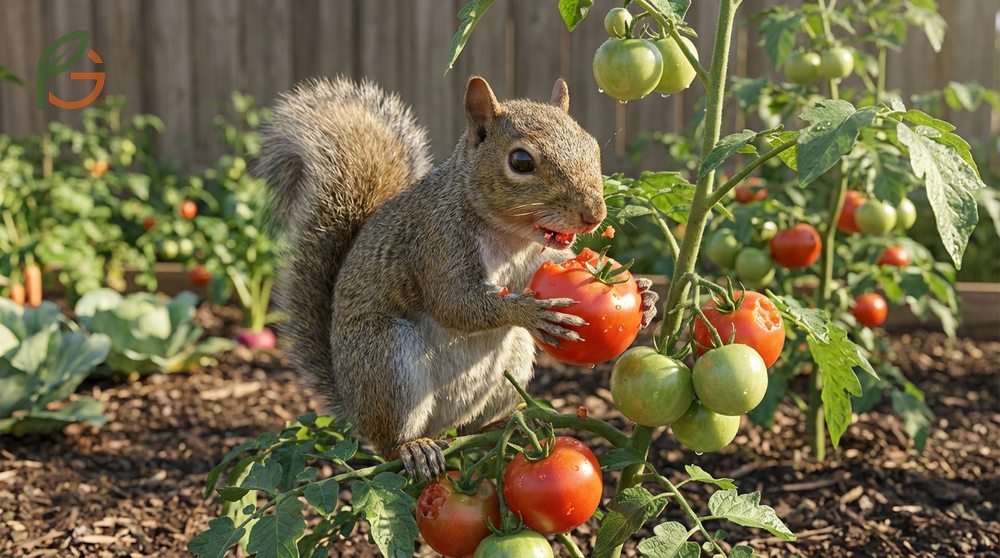
Squirrels don’t just tolerate tomatoes—they actively seek them out as a preferred food source. Agricultural observations show squirrels favor fruits and vegetables that offer high moisture content combined with natural sugars. Tomatoes check both boxes, making them irresistible targets in your garden.
The nutritional profile of tomatoes appeals to squirrels on multiple levels. They’re drawn to the combination of carbohydrates, vitamins, and especially the water content. During summer months when temperatures climb and natural water sources dry up, tomatoes become even more attractive[4].
What makes this preference particularly problematic is timing. Squirrels seem to know exactly when tomatoes reach peak ripeness. They’ll often ignore green fruits only to appear the moment tomatoes start showing color. This timing coincides with when you’re ready to harvest, creating direct competition for your crop.
Research confirms that squirrels will choose tomatoes over many other garden vegetables. While they’ll eat lettuce, peppers, or beans if available, ripe tomatoes consistently rank among their top preferences. Their sharp environmental awareness helps them locate tomato plants from considerable distances.
- High water content that provides hydration during hot weather
- Natural sugars that increase as tomatoes ripen
- Soft flesh that’s easy to bite through compared to harder vegetables
- Bright red color that signals ripeness from a distance
- Accessible location since tomatoes grow above ground on easily climbable plants
- Abundant supply when multiple fruits ripen simultaneously
Will Squirrels Eat Tomato Plants
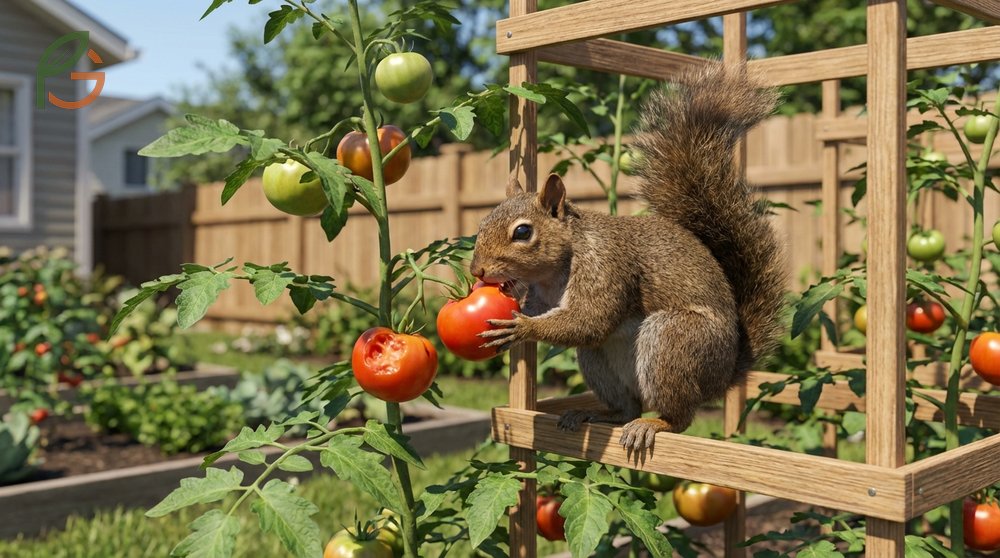
If squirrels live in your area, they will almost certainly eat your tomato plants at some point during the growing season. The question isn’t whether they’ll target your tomatoes, but when and how extensively. Current guidance emphasizes proactive protection rather than reactive responses after damage occurs[5].
Geography plays a significant role in squirrel pressure on your garden. Urban and suburban areas typically have higher squirrel populations due to reduced predators and abundant food sources. If your neighbors have bird feeders or oak trees, expect more squirrels to explore your property.
The likelihood increases dramatically as tomatoes begin ripening. Squirrels may completely ignore your plants during the early growing season, then suddenly appear once fruits start changing color. This pattern occurs because squirrels prioritize ripe, nutrient-dense foods over green, unripe options.
Weather conditions also influence squirrel activity. During prolonged hot, dry spells, squirrels become more aggressive about finding water sources. Your juicy tomatoes become prime targets when natural water supplies diminish. Even squirrels that previously ignored your garden may start raiding during drought conditions.
Seasonal Timing: Expect peak squirrel activity from mid-July through September when tomatoes ripen and natural food sources begin declining. This overlap creates maximum pressure on your tomato harvest.
Keeping Squirrels Off Tomatoes
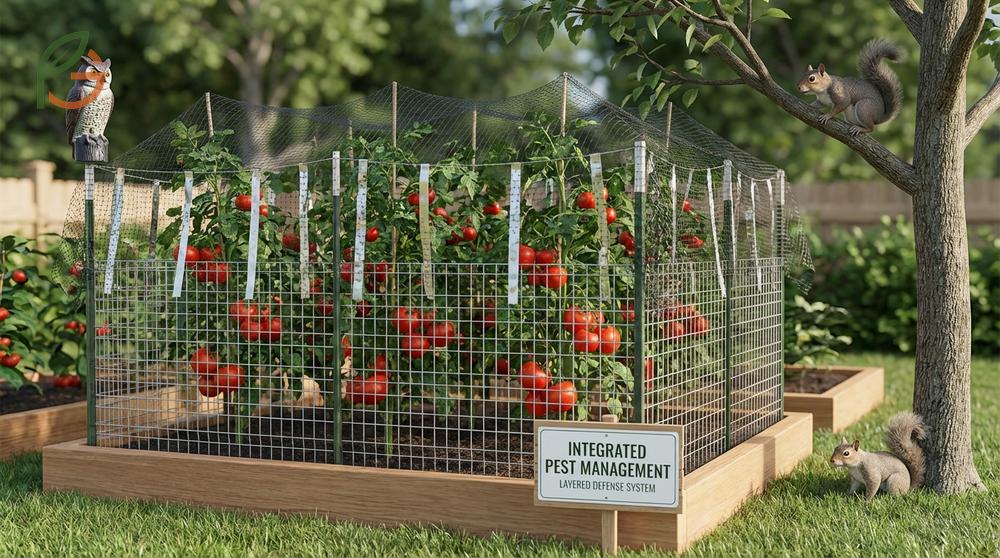
Successfully protecting your tomatoes requires combining multiple deterrent methods rather than relying on a single solution. Evidence shows squirrels adapt quickly to individual tactics, but layered defenses provide better long-term protection. The most effective strategies create physical barriers, use sensory deterrents, and modify the environment to reduce squirrel motivation[5].
Physical barriers consistently outperform other methods because squirrels can’t adapt to solid obstacles. Chemical and scent-based repellents work initially but require frequent reapplication. Motion-activated devices may startle squirrels temporarily, though they often return once they realize there’s no real threat.
Timing matters when implementing protection strategies. Start defenses before tomatoes begin ripening rather than waiting until you spot damage. Once squirrels establish a feeding pattern in your garden, they’ll return persistently even after you implement deterrents.
- Install physical cages or netting around plants before fruits ripen
- Apply cayenne pepper spray to developing tomatoes every 2-3 days
- Place water bowls near the garden to reduce thirst-driven tomato raiding
- Use motion-activated sprinklers that spray water when detecting movement
- Set up alternative feeding stations with squirrel-preferred foods away from tomatoes
- Remove low-hanging branches that provide easy access routes to garden beds
- Apply predator urine around the garden perimeter to create a deterrent zone
Cayenne Pepper for Squirrels
Cayenne pepper works as a squirrel deterrent because it irritates their sensitive mouths and noses without causing lasting harm. Research demonstrates that capsaicin, the active compound in cayenne, triggers discomfort that squirrels quickly learn to avoid. This makes pepper-based sprays one of the most humane and effective short-term solutions[2].
Mix one tablespoon of ground cayenne pepper with one cup of water to create an effective spray. Mist this solution onto developing tomatoes, focusing on areas where squirrels typically bite. The pepper sticks better when slightly moistened, preventing wind from blowing away the powder before it takes effect.
Application frequency determines success with this method. Reapply the cayenne solution every two to three days for consistent protection[2]. Rain washes away the pepper, and natural weathering reduces its potency. Mark your calendar to maintain the protective barrier throughout the ripening season.
Remember to wash treated tomatoes thoroughly before eating. While cayenne won’t harm you, the concentrated spray can create an unpleasantly spicy experience. A quick rinse under running water removes all traces of pepper from the fruit’s surface.
Squirrel Netting
Squirrel netting provides reliable physical protection when properly installed. Studies on mesh effectiveness show that 1-inch chicken wire or specialized squirrel netting creates a barrier squirrels can’t penetrate. Unlike lightweight bird netting that squirrels easily chew through, heavier-gauge wire withstands their gnawing attempts[3].
Build cages using 2×2 lumber frames covered with 1-inch chicken wire. Make structures tall enough to accommodate mature plant height plus 12 inches. Secure the bottom edges to the ground or bury them 2-3 inches deep to prevent squirrels from digging underneath.
Consider creating a hinged door on one side of the cage for easy access during harvesting and maintenance. Use sturdy hinges and a sliding lock to keep the door secure. Squirrels will probe for weak points, so check all connections regularly and reinforce any gaps or loose areas.
Mesh Size Matters: Choose chicken wire with exactly 1-inch openings. Larger openings allow squirrels to squeeze through, while smaller mesh blocks airflow and makes harvesting awkward. The 1-inch size provides the optimal balance.
Protecting Ripe Tomatoes
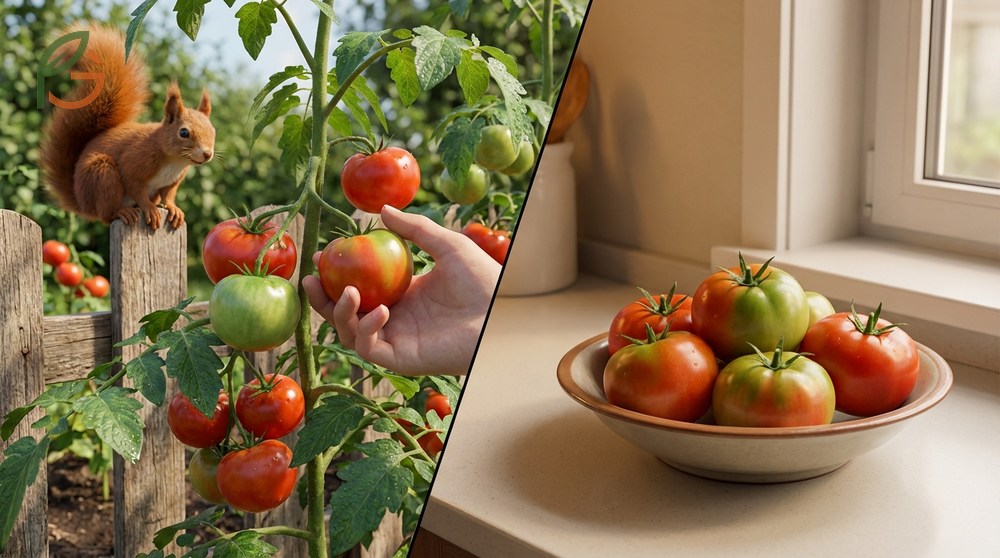
Ripe tomatoes face the highest risk of squirrel damage because their bright color and sweet scent advertise readiness from a distance. Current horticultural guidance recommends harvesting tomatoes at the first blush of color rather than waiting for full ripeness on the vine. Tomatoes picked when 50% colored will ripen perfectly indoors while staying safe from squirrels.
Individual fruit protection works well for small gardens with just a few plants. Wrap ripening tomatoes in paper bags or breathable fabric pouches secured with twist ties. This simple barrier prevents squirrels from seeing or smelling the fruit while allowing continued ripening. Check bags daily and harvest when tomatoes reach desired color.
Provide alternative water sources near your tomato plants to reduce damage from thirsty squirrels. Place shallow bowls filled with fresh water in shaded areas around your garden. Change the water every 2-3 days to prevent mosquito breeding[4]. Many gardeners report significant damage reduction after implementing this surprisingly simple tactic.
Timing your harvest strategically minimizes exposure to squirrel raids. Check plants daily once tomatoes begin coloring. Remove fruits as soon as they show 30-50% color change. This narrow harvest window requires vigilance but dramatically reduces losses.
- Harvest tomatoes at first color rather than waiting for full ripeness on the vine
- Wrap individual ripening fruits in paper bags secured with twist ties
- Place water bowls throughout the garden to reduce thirst-motivated feeding
- Check plants twice daily during peak ripening periods for early harvest opportunities
- Apply cayenne pepper spray directly to ripening tomatoes every 2-3 days
- Use temporary bird netting draped over cages during the final ripening week
Squirrel Proof Garden
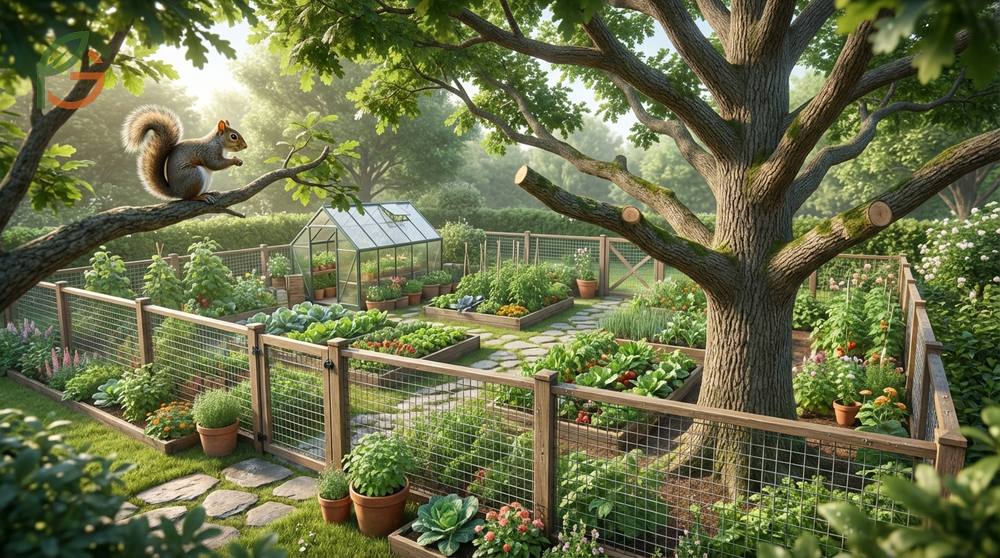
Creating a truly squirrel-proof garden requires addressing the entire landscape rather than protecting individual plants. Evidence demonstrates that modifying your yard’s overall attractiveness to squirrels reduces pressure on specific crops. This comprehensive approach combines exclusion, habitat modification, and strategic planting for maximum effectiveness[5].
Remove easy access routes by trimming tree branches that overhang your garden. Squirrels can jump 8-10 feet horizontally and drop from heights of 20 feet without injury. Maintain at least a 10-foot clearance between trees and garden beds to force squirrels to approach from ground level where barriers work better.
Install perimeter fencing that extends both above and below ground. Use hardware cloth with half-inch mesh, burying it 6 inches deep and extending it 3-4 feet high. While squirrels can climb this height, the fence slows them down and funnels them toward monitored entry points where other deterrents can be concentrated.
Consider companion planting strategies that make your garden less appealing. Squirrels dislike strongly scented herbs like mint, rosemary, and lavender. Plant these around your tomato beds to create a natural deterrent border. While not foolproof, aromatic herbs add another layer of protection to your integrated defense system.
This table compares five different squirrel deterrent methods across effectiveness rating, cost level, and maintenance requirements to help gardeners choose appropriate protection strategies
| Method | Effectiveness | Cost | Maintenance |
|---|---|---|---|
| Physical Cages (1-inch wire) | 95-100% protection[3] | Moderate-High | Low (annual inspection) |
| Cayenne Pepper Spray | 70-85% effective with consistent use[2] | Low | High (every 2-3 days) |
| Water Bowls | 40-60% reduction in damage[4] | Very Low | Moderate (daily refills) |
| Motion-Activated Sprinklers | 50-70% initial effectiveness (declines over time) | Moderate | Low (seasonal setup) |
| Predator Urine | 30-50% temporary deterrence | Moderate | High (weekly application) |
- Trim tree branches to maintain 10-foot clearance from garden beds
- Install perimeter fencing with half-inch hardware cloth buried 6 inches deep
- Plant aromatic herbs like mint and rosemary around tomato beds as natural deterrents
- Remove bird feeders or position them 30+ feet away from vegetable gardens
- Eliminate brush piles and dense ground cover where squirrels nest or hide
- Use mulch types squirrels dislike, such as sharp-edged pine bark or gravel
Long-Term Success: No single method provides 100% protection indefinitely. Rotate between different deterrent strategies every 3-4 weeks to prevent squirrels from adapting. Combining physical barriers with sensory deterrents delivers the best results.
Conclusion
The evidence is clear: squirrels will eat your tomato plants if given the opportunity, creating distinctive medium-to-large holes in multiple fruits. Research-backed protection strategies work best when implemented before ripening begins, combining physical barriers like 1-inch chicken wire cages with sensory deterrents such as cayenne pepper spray applied every 2-3 days.
Current horticultural guidance emphasizes layered defenses rather than single solutions. Water bowls reduce thirst-driven damage, early harvesting at first blush minimizes exposure, and comprehensive yard modifications create less attractive environments for squirrels. FruitGarden recommends starting with physical cages for maximum protection, then adding supplemental methods based on your specific situation and squirrel pressure levels in your area.
Frequently Asked Questions
What time of day do squirrels eat tomatoes?
Squirrels eat tomatoes during daylight hours, particularly in early morning (6-9 AM) and late afternoon (4-7 PM). They’re diurnal animals that avoid nighttime activity, so damage appearing overnight indicates different pests like raccoons or possums.
Will squirrels eat green tomatoes or only ripe ones?
Squirrels eat both green and ripe tomatoes, though they strongly prefer fruits that have started changing color. They’ll target green tomatoes during extreme heat or drought when seeking moisture, but typically wait until tomatoes show at least 30% color change before heavy feeding begins.
How effective is cayenne pepper at keeping squirrels away?
Cayenne pepper provides 70-85% effectiveness when applied consistently every 2-3 days. The capsaicin irritates squirrels’ sensitive mouths and noses, creating a deterrent effect. However, rain washes it away and effectiveness declines without regular reapplication throughout the growing season.
What type of netting works best against squirrels?
One-inch chicken wire or heavy-duty hardware cloth works best against squirrels. Lightweight bird netting fails because squirrels easily chew through the thin strands. Metal mesh with 1-inch openings provides the right balance—small enough to exclude squirrels while allowing airflow and easy harvesting access.
Do water bowls really prevent squirrels from eating tomatoes?
Water bowls reduce tomato damage by 40-60% according to garden studies. Squirrels often bite tomatoes for hydration rather than food, especially during hot, dry weather. Providing fresh water in shallow dishes gives them an alternative source, though it doesn’t eliminate damage completely.
Can I harvest tomatoes early to avoid squirrel damage?
Yes, harvesting tomatoes at first blush of color (30-50% colored) effectively prevents squirrel damage while allowing proper ripening. Tomatoes picked at this stage ripen normally indoors on a counter, developing full flavor and color without vine-ripening. This strategy works particularly well during peak squirrel activity periods.
How much does it cost to build squirrel-proof tomato cages?
Squirrel-proof tomato cages cost $15-30 per plant depending on size and materials. A basic 4-foot cage requires approximately eight feet of 2×2 lumber ($8-12), one roll of 1-inch chicken wire ($10-15), and hardware like hinges and staples ($5-8). Reusable cages provide protection for 5-7 seasons with proper maintenance.