
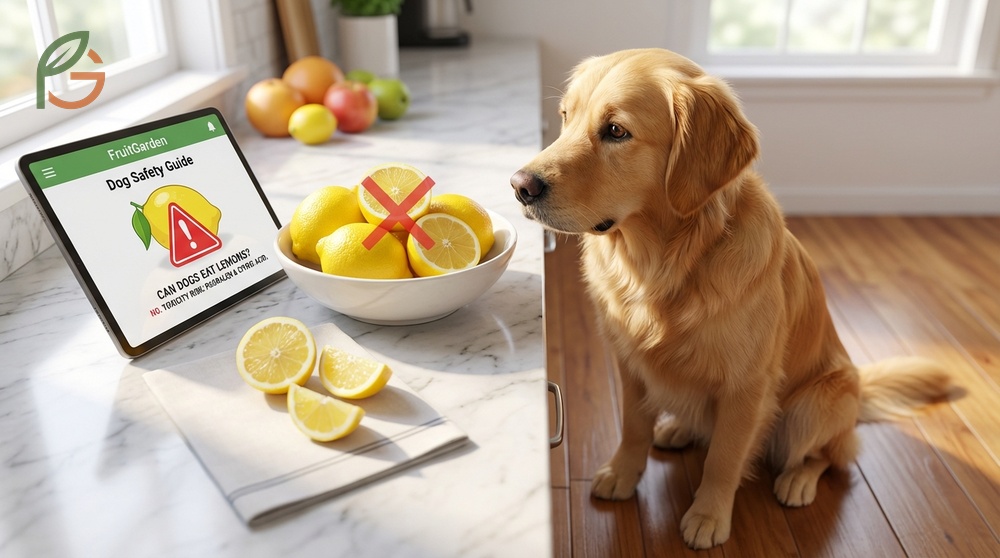
Can dogs eat lemons? No, lemons aren’t safe for dogs due to toxic compounds like psoralen in the rinds and high citric acid levels in the juice. Research shows that even small amounts can cause digestive upset, while larger quantities may trigger photosensitivity and more severe symptoms[1]. FruitGarden synthesizes current veterinary research to help pet owners understand which fruits are safe and which pose serious health risks to their furry companions.
Quick Answer
- Lemons contain psoralen in rinds and peels, causing photosensitivity and potential toxicity[2]
- Citric acid in lemon juice irritates dogs’ digestive systems, leading to vomiting and diarrhea[1]
- Essential oils in lemon peels can affect your dog’s liver and central nervous system
- Contact your veterinarian immediately if your dog consumes lemon rinds or large amounts of lemon juice
Can Dogs Eat Lemons

Dogs should never eat lemons, lemon juice, lemon rinds, or any part of the lemon plant. Current veterinary data shows that multiple compounds in lemons pose health risks ranging from mild digestive upset to more serious systemic effects[1]. Unlike some citrus fruits that dogs can tolerate in tiny amounts, lemons concentrate these toxic substances at levels that make them consistently harmful.
Most dogs naturally avoid lemons because of their intense sour taste and strong smell. This instinctive aversion protects many pets from accidental consumption. However, exposure can still occur through lemon-scented cleaning products, skincare items with lemon extracts, or when dogs lick surfaces where lemon juice has spilled.
Psoralen Toxicity in Dogs
Psoralen is an organic compound concentrated in lemon rinds, peels, and lemon tree leaves. This substance causes phototoxicity, meaning it increases your dog’s sensitivity to sunlight[2]. After ingesting psoralen, even mild sun exposure can trigger painful skin reactions or burns on your pet.
Research demonstrates that psoralen affects both skin and eye tissues. Dogs experiencing psoralen toxicity may develop dermatitis, excessive drooling, and drowsiness. The photosensitivity can persist for days after exposure, requiring pet owners to limit outdoor activities during peak sunlight hours.
Important Note: If your dog consumes lemon rinds, contact your veterinarian immediately. Whole rinds can cause gastric obstruction in addition to psoralen toxicity[1].
Citric Acid Effects on Dogs
Lemon juice contains concentrated citric acid that irritates the canine gastrointestinal tract. Dogs lack the metabolic enzymes to process high levels of citric acid efficiently, making them more susceptible to adverse reactions than humans. Small amounts typically cause stomach upset, while larger quantities trigger vomiting and diarrhea.
Studies show that citric acid irritates the mouth, throat, and stomach lining in dogs. Symptoms often appear within 30 minutes to 2 hours after consumption. The severity depends on the amount ingested and your dog’s size—smaller breeds face higher risks from equivalent doses.
Essential Oils and Nervous System Impact
Lemon peels and zest contain high concentrations of essential oils including limonene and linalool. These oils can affect your dog’s liver and central nervous system when consumed in significant amounts. Current veterinary evidence links these compounds to lethargy, muscle tremors, and in severe cases, liver damage.
The essential oil content varies based on lemon ripeness and variety, making it impossible to determine a “safe” amount. Even small exposures through lemon-scented household products may accumulate over time if your dog regularly licks treated surfaces.
Symptoms of Citrus Poisoning in Dogs

Recognizing poisoning symptoms early allows for faster treatment and better outcomes. Symptoms typically develop within 30 minutes to 2 hours after lemon consumption, though some effects like photosensitivity may take longer to appear. The severity correlates with the amount consumed and your dog’s body weight.
Mild to Moderate Symptoms
Most dogs who consume small amounts of lemon experience digestive upset as the primary symptom. These signs indicate irritation to the gastrointestinal tract from citric acid exposure. Monitor your pet closely if you observe any of these symptoms.
- Excessive drooling or hypersalivation from mouth irritation
- Vomiting within 1-2 hours of consumption
- Diarrhea or loose stools lasting 6-12 hours
- Loss of appetite or refusing food and treats
- Stomach upset with visible abdominal discomfort
- Lethargy or unusual tiredness
- Pawing at the mouth due to irritation
Severe Toxicity Signs
Large amounts of lemon or concentrated exposure to psoralen and essential oils can cause more serious symptoms. These require immediate veterinary attention as they indicate systemic effects beyond simple digestive upset[3].
- Photosensitivity with skin redness or burns after sun exposure
- Eye sensitivity and excessive squinting in normal light
- Muscle tremors or uncoordinated movements
- Weakness or collapse from nervous system depression
- Low blood pressure indicated by pale gums
- Difficulty breathing or labored respiration
- Seizures in extreme cases of poisoning
Emergency Warning: If your dog exhibits severe symptoms like difficulty breathing, seizures, or collapse, seek emergency veterinary care immediately. Don’t wait to see if symptoms improve on their own.
What to Do If Dog Eats Lemon

Quick action improves outcomes when your dog consumes lemon. Contact your veterinarian or the ASPCA Animal Poison Control Center immediately for professional guidance[4]. Provide details about the amount consumed, what part of the lemon (juice, rind, or whole fruit), and when the exposure occurred.
Don’t induce vomiting unless specifically directed by a veterinary professional. Inducing vomiting can cause additional complications if your dog is already experiencing respiratory distress or neurological symptoms. Keep your pet calm and monitor them closely for developing symptoms.
For mild exposures involving licks or small amounts of lemon juice, your veterinarian may recommend monitoring at home. Offer fresh water to help dilute any remaining citric acid in the digestive system. Withhold food for 2-4 hours to allow the stomach to settle, then introduce a bland diet of boiled chicken and white rice in small portions.
If your dog consumed lemon rinds or large quantities, veterinary examination is essential. Treatment may include activated charcoal to bind toxins, IV fluids to maintain hydration, anti-nausea medications, and gastric protectants like sucralfate. Dogs with psoralen exposure need protected from direct sunlight for 24-72 hours to prevent photosensitivity reactions.
- Remove any remaining lemon pieces from your dog’s reach
- Note the approximate amount and type consumed (juice, rind, whole lemon)
- Call your veterinarian or Pet Poison Helpline at 855-764-7661
- Don’t induce vomiting without professional guidance
- Provide fresh water but withhold food temporarily
- Keep your dog indoors away from sunlight if psoralen exposure occurred
- Monitor for symptom development over the next 2-4 hours
Prevention Tip: Store lemons and lemon-containing products in secure locations your dog can’t access. Supervise outdoor time if you have lemon trees in your yard, as fallen fruit and leaves pose ingestion risks.
Fruits Safe for Dogs

Many fruits provide healthy, safe alternatives to lemons for dogs. These options deliver vitamins, fiber, and antioxidants without toxic compounds. Always introduce new fruits gradually in small amounts to monitor for digestive sensitivity or allergic reactions.
Fresh fruits should comprise no more than 10% of your dog’s daily caloric intake to maintain balanced nutrition. Remove all seeds, pits, stems, and rinds before offering fruit to your pet, as these parts often contain compounds that can cause digestive upset or obstruction.
This table lists safe fruits for dogs with their key nutrients, preparation requirements, and recommended serving guidelines to help pet owners make informed choices
| Fruit | Key Nutrients | Preparation | Serving Size |
|---|---|---|---|
| Apples | Vitamin A, Vitamin C, fiber | Remove core and seeds | 2-3 thin slices |
| Blueberries | Antioxidants, fiber, Vitamin C | Serve fresh or frozen | 5-10 berries |
| Strawberries | Vitamin C, fiber, enzymes | Remove stem, cut in halves | 1-3 medium berries |
| Watermelon | Vitamins A, B6, C, hydration | Remove rind and all seeds | 3-4 small cubes |
| Bananas | Potassium, Vitamin B6, fiber | Peel and slice | 2-3 small slices |
| Cantaloupe | Vitamins A and C, beta-carotene | Remove rind and seeds | 2-3 small cubes |
These fruits work well as training treats or occasional snacks. Frozen blueberries or watermelon cubes provide refreshing options during hot weather. Mix small amounts of mashed banana or pureed apple into your dog’s regular food for added nutrition and flavor variety.
Fruits Toxic to Dogs
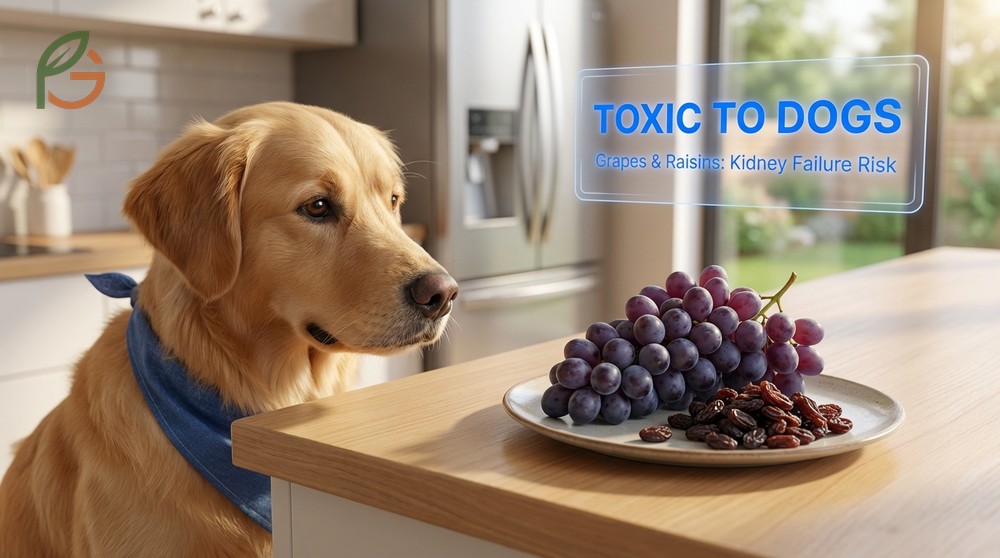
Several fruits beyond lemons pose serious health risks to dogs. Understanding which fruits to avoid completely prevents accidental poisoning. Some fruits contain specific toxins that can cause organ damage, while others present choking hazards or intestinal blockages.
Grapes and raisins rank among the most dangerous fruits for dogs, causing acute kidney failure even in small amounts[3]. The toxic mechanism remains unclear, but documented cases show that individual sensitivity varies widely—some dogs experience severe reactions from just a few grapes.
- Grapes and raisins cause acute kidney failure and should never be given to dogs
- Cherries contain cyanide in pits, stems, and leaves; only pitted flesh is safe
- Avocados contain persin, triggering vomiting and diarrhea in dogs
- Citrus fruits (lemons, limes, grapefruits) contain psoralen and excessive citric acid
- Green tomatoes and tomato plants contain solanine, a toxic alkaloid
- Persimmons can cause intestinal obstruction from seeds and pits
- Wild berries of unknown species may contain various plant toxins
Household Safety: Check ingredient labels on fruit juices, smoothies, and baked goods before sharing with your dog. Many products combine multiple fruits, including toxic varieties your pet should avoid.
Conclusion
The evidence is clear: dogs should never eat lemons due to psoralen toxicity, citric acid irritation, and essential oil content that affect liver and nervous system function. Current veterinary guidance emphasizes prevention through proper storage and awareness of lemon-containing household products. When accidental exposure occurs, immediate veterinary consultation provides the best outcomes.
FruitGarden recommends focusing on proven safe alternatives like apples, blueberries, and watermelon for healthy fruit treats. Understanding which fruits support your dog’s health and which pose serious risks empowers you to make informed decisions about your pet’s nutrition and safety.
Medical Disclaimer
Important Veterinary Disclaimer: This content is for informational and educational purposes only. It is not intended as a substitute for professional veterinary advice, diagnosis, or treatment. Always consult a qualified veterinarian before making any changes to your pet’s diet or if you suspect your dog has consumed something toxic. In case of emergency, contact your veterinarian, local emergency animal hospital, or the ASPCA Animal Poison Control Center at (888) 426-4435 immediately.
Frequently Asked Questions
Can dogs have lemon juice in small amounts?
No, dogs shouldn’t have lemon juice even in small amounts. Lemon juice contains concentrated citric acid that irritates the digestive tract and can cause vomiting, diarrhea, and stomach upset. The high acidity provides no nutritional benefit to dogs and poses unnecessary health risks.
Is lemon water safe for dogs to drink?
Lemon water isn’t safe for dogs and should never be added to their drinking water. Even diluted lemon juice contains citric acid that can irritate your dog’s mouth, throat, and stomach. Fresh, clean water without any additives is the healthiest hydration option for dogs.
Are lemon trees toxic to dogs?
Yes, all parts of lemon trees contain psoralen and essential oils that are toxic to dogs. The leaves, stems, bark, and fruit rinds all pose risks. Dogs who chew lemon tree leaves or bark can develop photosensitivity, digestive upset, and other poisoning symptoms requiring veterinary attention.
Does lemon juice kill fleas on dogs?
While lemon juice may repel some fleas, it shouldn’t be used on dogs due to toxicity risks from citric acid and essential oils. Lemon juice can irritate your dog’s skin, cause chemical burns, and lead to photosensitivity. Veterinarian-approved flea treatments provide safe, effective alternatives without health risks.
What should I do if my dog licked lemon?
If your dog only licked a small amount of lemon, monitor them for 2-4 hours for symptoms like drooling, vomiting, or diarrhea. Offer fresh water to help rinse their mouth. Contact your veterinarian if symptoms develop or if your dog consumed larger amounts or lemon rinds.
Can dogs eat other citrus fruits like oranges?
Small amounts of orange flesh without seeds or peel may be tolerated by some dogs, but citrus fruits aren’t recommended. Oranges contain less citric acid than lemons but still pose digestive upset risks. Safer fruit alternatives like apples, blueberries, and watermelon provide better nutrition without citrus-related risks.
How long do lemon poisoning symptoms last in dogs?
Mild lemon poisoning symptoms typically resolve within 12-24 hours with supportive care. Digestive symptoms like vomiting and diarrhea usually improve within 6-12 hours. However, psoralen-related photosensitivity can persist for 24-72 hours, requiring sun protection during recovery. Severe cases need veterinary treatment and longer recovery times.





