Growing Pomegranate in Pots: Container Care Guide
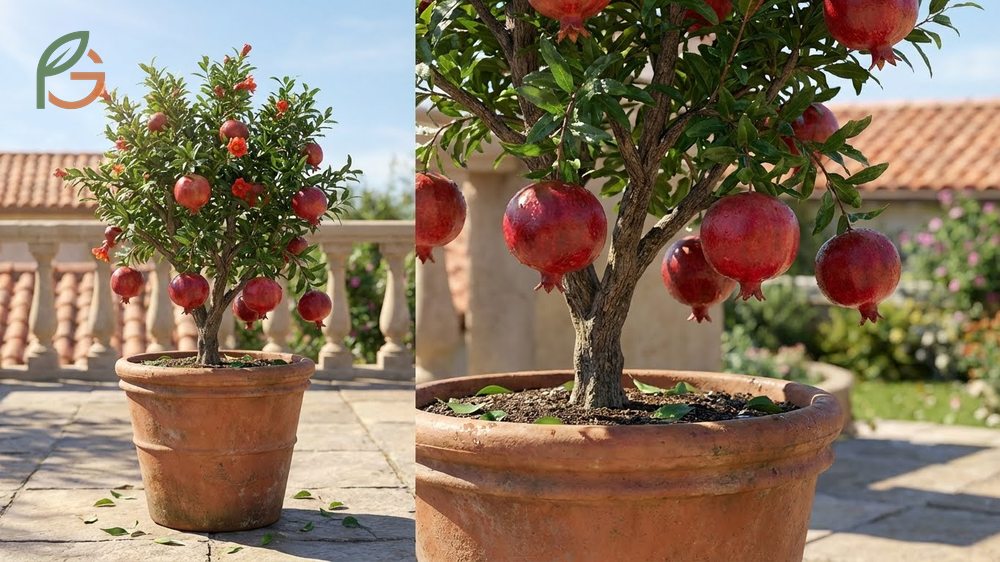
Growing pomegranate in pots requires a 10-gallon container, well-draining soil, and 6-8 hours of sunlight. Dwarf varieties thrive in containers and produce fruit within 2 years.

 Taki Lockman
Growing pomegranate in pots requires a 10-gallon container, well-draining soil, and 6-8 hours of sunlight. Dwarf varieties thrive in containers and produce fruit within 2 years.
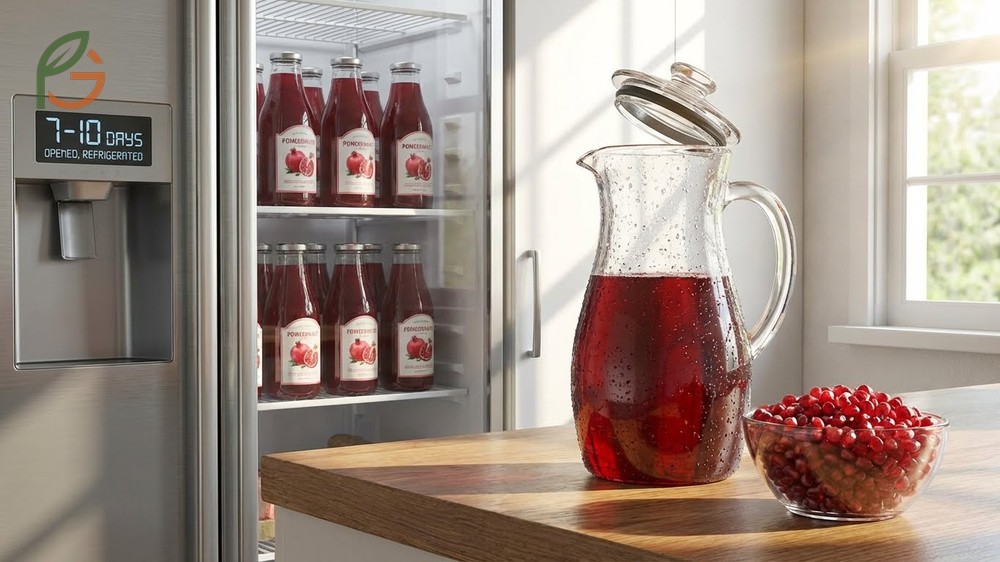
Does Pomegranate Juice Go Bad? Yes. Opened juice lasts 7-10 days refrigerated. Learn shelf life, storage tips, and how to spot spoiled juice easily.
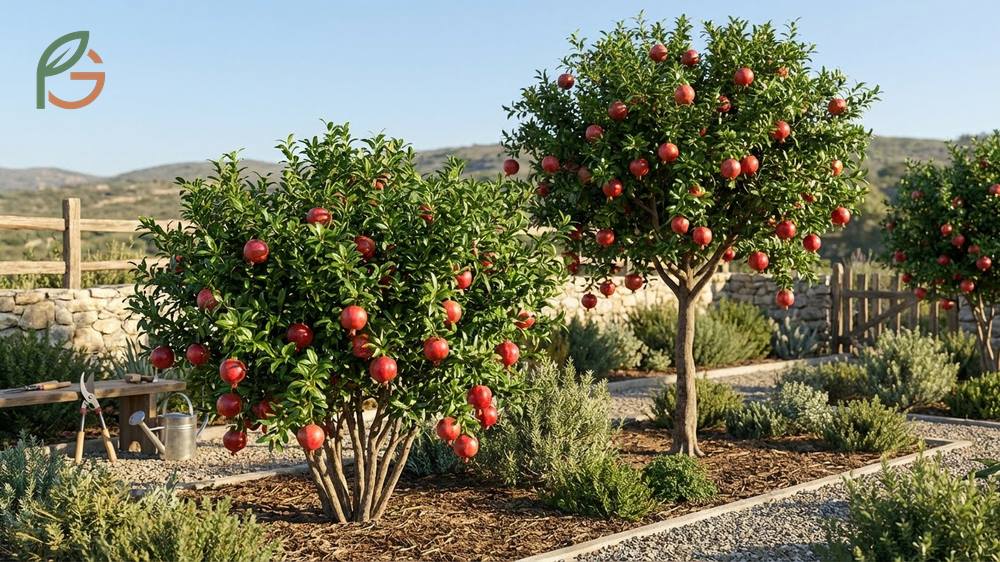
Do pomegranates grow on trees? Yes, pomegranates grow as deciduous shrubs or small trees reaching 6-20 feet tall. Learn about varieties, cold hardiness, and growth rates.
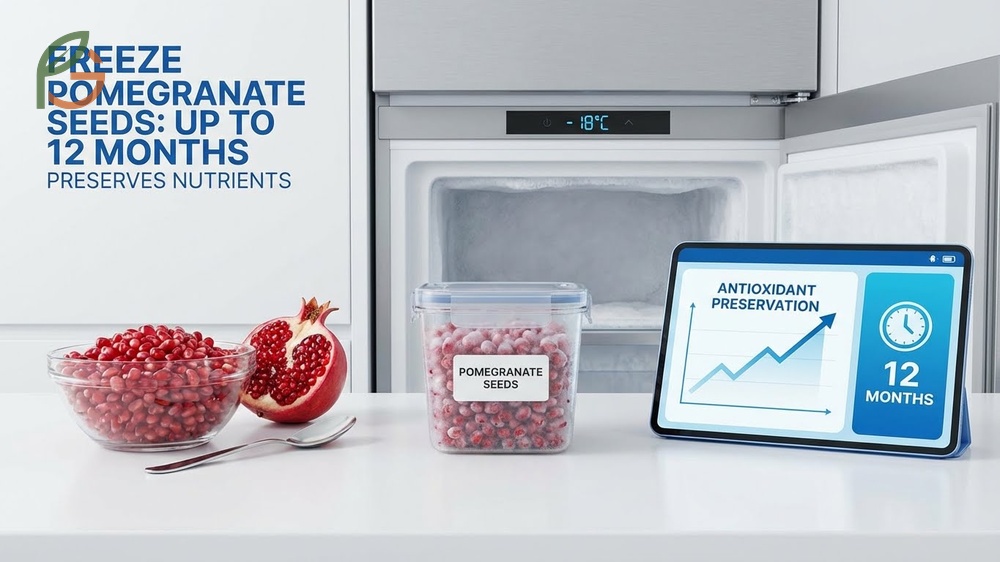
Can You Freeze Pomegranate Seeds? Yes, for up to 12 months. Flash-freeze on a tray, then store in airtight bags. Preserve nutrients and flavor easily.
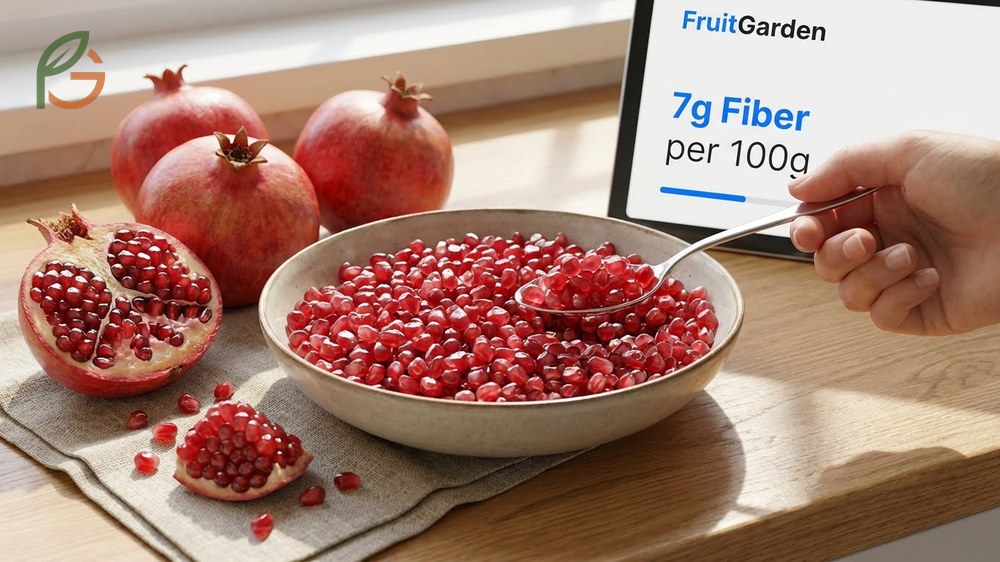
Can you eat pomegranate seeds? Yes, they’re completely edible and packed with fiber. Learn how to eat pomegranate arils, nutrition facts, and creative recipes.

Can dogs eat pomegranate? No, it’s not recommended. Seeds cause digestive upset and choking risks. Learn safe alternatives and what to do if your dog eats it.
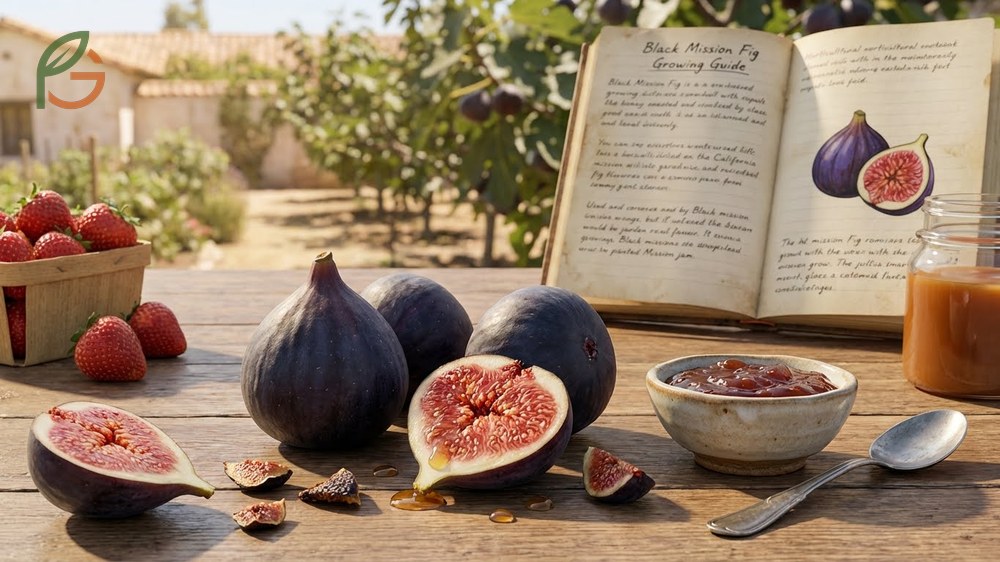
Black Mission fig offers rich, sweet flavor with dark purple skin. Learn cultivation tips, taste characteristics, and uses for this popular fig variety.
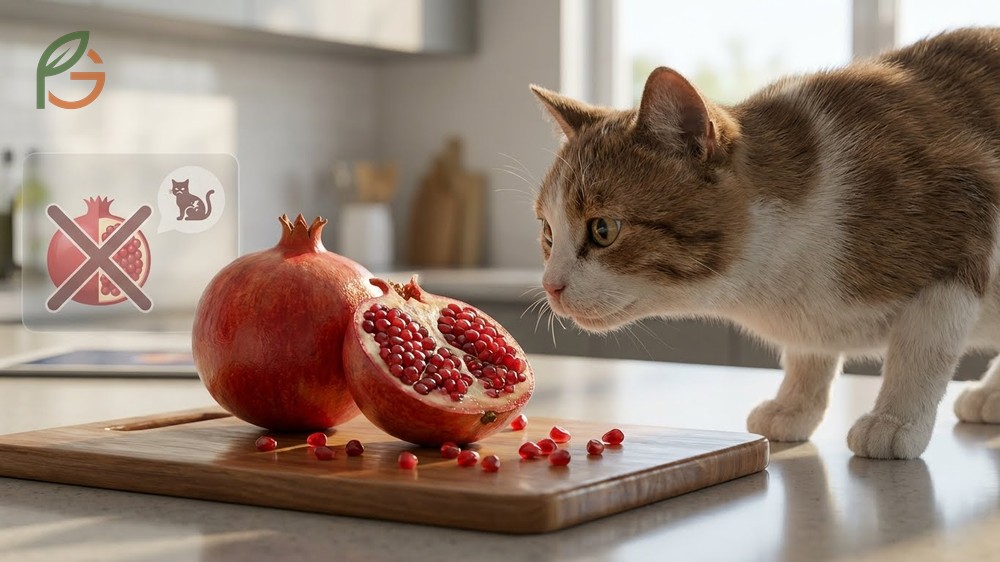
Can cats eat pomegranate? No, it’s not recommended. While not toxic, pomegranate seeds pose choking risks and cause digestive upset in cats. Learn safe alternatives.

Best time to drink pomegranate juice? Morning on an empty stomach maximizes nutrient absorption. Learn optimal timing for blood pressure benefits and muscle recovery.

Benefits of pomegranate tea include powerful antioxidants, heart health support, and anti-inflammatory effects. Discover green tea blends for optimal wellness.