

Best time to drink pomegranate juice? Research shows that early morning on an empty stomach, about 30 minutes before breakfast, maximizes nutrient absorption and provides sustained energy throughout the day[1]. Studies demonstrate that drinking 4 to 8 ounces (120 to 240 ml) daily can reduce systolic blood pressure by 5.02 mmHg and support muscle recovery when consumed 1 to 2 hours post-workout[2][3]. Current guidance from FruitGarden emphasizes that consistency matters more than timing for cardiovascular benefits, though morning consumption helps avoid sleep disruption.
Quick Answer
- Morning consumption (6-9 AM): Drink 4-8 oz on empty stomach for maximum nutrient absorption[1]
- Pre-workout: Consume 30-60 minutes before exercise to boost blood flow and energy[4]
- Post-workout recovery: Drink 1-2 hours after intense exercise to reduce muscle soreness[3]
- Avoid nighttime: Evening consumption can disrupt melatonin levels and sleep quality[5]
Best Time to Drink Pomegranate Juice

Research across multiple studies identifies early morning as the optimal window for pomegranate juice consumption. Current data indicates that drinking this antioxidant-rich juice 30 minutes before breakfast allows your body to absorb nutrients when your stomach is empty and digestive function is primed[1]. Most people find that this timing delivers sustained energy without the afternoon crash associated with coffee or sugary drinks.
Studies demonstrate that pomegranate juice contains 54 calories per 100 grams, with 13 grams of natural carbohydrates that convert quickly into glucose[6]. The reason early morning works is simple: your body has fasted overnight, and these simple carbohydrates provide immediate fuel for your brain and muscles. Evidence suggests that antioxidants in pomegranate juice also help kickstart digestive processes and strengthen immune function when consumed before food[1].
Unlike coffee, which can cause jitters, pomegranate juice delivers a steady energy boost through natural sugars and polyphenols. Agricultural data shows that pomegranate juice contains 214 mg of potassium per 100 grams, supporting proper muscle and nerve function throughout your day[6]. This mineral content makes morning consumption particularly valuable for active individuals.
Why Morning Works Best
Evidence indicates that morning consumption enhances bioavailability of key nutrients. When your stomach is empty, antioxidants like punicalagin and anthocyanins absorb directly into your bloodstream without competition from other foods[7]. Research shows that whole fruit homogenates exhibit 20-fold higher antioxidant activity than juice alone, but timing still matters for absorption efficiency.
Current guidance emphasizes that morning intake supports metabolic function throughout the day. Studies demonstrate that consuming pomegranate juice between 6-9 AM aligns with your body’s natural cortisol rhythm, which peaks in early morning[4]. This synchronization helps regulate blood sugar and prevents mid-morning energy crashes that often lead to unhealthy snacking.
Empty Stomach vs. With Meals
Research shows that drinking pomegranate juice on an empty stomach maximizes nutrient uptake, but individuals with sensitive stomachs may experience discomfort. Current data indicates that acidic compounds in pomegranate juice can irritate some people’s digestive systems, particularly those with GERD or acid reflux[8]. If you’re one of them, drinking the juice with breakfast still provides benefits while buffering acidity.
Evidence suggests that pairing pomegranate juice with protein-rich foods like Greek yogurt or eggs can slow sugar absorption and extend energy release. Studies demonstrate that combining the juice with meals helps stabilize blood glucose levels, making it a safer option for people managing diabetes[9]. What often gets overlooked is that meal pairing doesn’t significantly reduce antioxidant benefits—you still get the polyphenols, just with gentler digestion.
Important Note: Avoid drinking pomegranate juice immediately before or after large meals, as this can interfere with proper digestion and reduce nutrient absorption by up to 30%[1]. Wait at least 30 minutes before or 2 hours after eating for optimal results.
- Enhanced nutrient absorption when stomach acids are at optimal levels for digestion
- Natural energy boost from simple carbohydrates without caffeine-related anxiety
- Improved mental clarity and focus for the first 4-5 hours of your day
- Strengthened immune response through concentrated antioxidant delivery
- Better appetite control that can prevent overeating at lunch
Optimal Pomegranate Juice Timing for Workouts

Research demonstrates that strategic timing around exercise sessions can significantly enhance pomegranate juice benefits. Studies show that the polyphenols in pomegranate juice help reduce oxidative stress during intense physical activity, but timing determines whether you get energy-boosting or recovery effects[3]. Athletes and fitness enthusiasts can leverage this timing to improve both performance and post-workout recovery.
Current data indicates that your body’s glucose reserves deplete during vigorous exercise, creating an ideal window for simple carbohydrate absorption. Evidence suggests that pomegranate juice’s natural sugars convert more efficiently to energy than many commercial sports drinks, while simultaneously providing anti-inflammatory benefits[4]. This dual action makes it particularly valuable for endurance training and high-intensity interval workouts.
Pre-Workout Benefits
Studies demonstrate that consuming 4-6 ounces of pomegranate juice 30-60 minutes before exercise improves blood flow and oxygen delivery to muscles. Research shows that natural nitrates in the juice boost nitric oxide production, which dilates blood vessels and enhances circulation[3]. Most people notice improved endurance and delayed fatigue when they follow this pre-workout timing.
Current guidance emphasizes that pre-workout consumption works best for cardio and endurance activities rather than heavy weightlifting. Evidence suggests that the simple carbohydrates provide quick energy for running, cycling, or aerobic classes[4]. For strength training, you might want to pair the juice with a small protein source to prevent muscle breakdown during your session.
Post-Workout Recovery
Research across multiple clinical trials shows that drinking pomegranate juice 1-2 hours after intense exercise significantly reduces muscle soreness and accelerates recovery. Studies demonstrate that antioxidants in the juice combat exercise-induced oxidative stress and help repair damaged muscle cells[3]. This recovery window is crucial because your muscles are most receptive to nutrients during the 2-hour period following exercise.
Evidence indicates that post-workout consumption replenishes depleted glucose levels more effectively than waiting until your next meal. Agricultural data shows that pomegranate juice contains balanced glucose and fructose (6 grams each per 100 ml), which restore glycogen stores without causing blood sugar spikes[6]. What matters most is consistency—regular post-workout consumption builds cumulative recovery benefits over weeks.
This table compares pre-workout versus post-workout pomegranate juice timing across four factors including optimal timing window, primary benefits, recommended serving size, and best exercise types for each approach
| Timing | Optimal Window | Primary Benefits | Recommended Amount | Best For |
|---|---|---|---|---|
| Pre-Workout | 30-60 minutes before[4] | Increased blood flow, enhanced energy, improved endurance | 4-6 oz (120-180 ml) | Cardio, running, cycling, aerobics |
| Post-Workout | 1-2 hours after[3] | Reduced muscle soreness, faster recovery, glycogen restoration | 6-8 oz (180-240 ml) | Intense workouts, weightlifting, HIIT |
- Reduced muscle damage markers measured 24-48 hours post-exercise
- Enhanced circulation through natural nitrate compounds that boost nitric oxide
- Faster glycogen replenishment compared to water or electrolyte drinks alone
- Lower inflammation levels that translate to less next-day soreness
- Improved workout performance consistency when consumed regularly over 2-4 weeks
Pomegranate Juice Morning vs. Night

Research clearly demonstrates that morning consumption outperforms evening intake for most health goals. Studies show that drinking pomegranate juice at night can interfere with melatonin production and disrupt sleep quality, making it a poor choice for evening routines[5]. Current data indicates that while pomegranate juice does contain some natural melatonin, it doesn’t work like a sleep aid—instead, it can actually make falling asleep harder for many people.
Evidence suggests that the natural sugars in pomegranate juice provide energy that conflicts with your body’s nighttime wind-down process. Most people find that consuming 13 grams of carbohydrates (the amount in 100 ml of juice) close to bedtime elevates blood sugar and delays the transition to deep sleep[6][4]. What’s more, late-night calorie consumption increases the likelihood of weight gain, as your metabolism slows significantly after 8 PM.
Morning consumption aligns with your body’s natural circadian rhythm and cortisol patterns. Research shows that drinking pomegranate juice between 6-9 AM supports metabolic function and provides sustained energy for 4-5 hours, whereas evening consumption offers no comparable benefits[4]. Current guidance from nutritionists emphasizes stopping all fruit juice consumption at least 3-4 hours before bed to protect sleep quality.
The reason morning beats night comes down to how your body processes nutrients at different times. Studies demonstrate that morning intake supports productivity, focus, and physical performance throughout your active hours[9]. Evidence indicates that people who drink pomegranate juice in the morning report better energy management and fewer cravings for sugary snacks later in the day. Nighttime consumption, by contrast, wastes these benefits when you’re inactive and sleeping.
Sleep Protection Tip: If you must drink pomegranate juice in the afternoon or evening, limit your serving to 2-4 ounces and consume it at least 4 hours before bedtime. Research shows this timing minimizes sleep disruption while still providing some antioxidant benefits[4].
Maximize Pomegranate Juice Benefits

Research demonstrates that maximizing health benefits requires attention to both dosage and consistency rather than perfect timing alone. Studies show that regular daily consumption builds cumulative effects over weeks, particularly for cardiovascular and anti-inflammatory benefits[9]. Current data indicates that blood pressure improvements plateau after approximately 2 months of daily intake, suggesting that long-term consistency matters more than any single perfect-timing dose.
Evidence suggests that choosing 100% pure pomegranate juice without added sugars significantly impacts results. Agricultural data shows that commercial juice blends often contain only 10-30% actual pomegranate juice, diluting the polyphenol content that drives health benefits[7]. Most people don’t realize that antioxidant activity varies 20-fold between pure juice and commercial blends, making product selection just as important as timing.
Recommended Daily Dosage
Current guidance establishes 4-8 ounces (120-240 ml) as the optimal daily serving for healthy adults. Research shows this amount provides sufficient polyphenols and antioxidants while keeping natural sugar intake manageable[1]. An 8-ounce serving contains approximately 134 calories and 32 grams of natural sugar, which fits within most dietary guidelines when consumed as part of a balanced breakfast.
Studies demonstrate that exceeding 8 ounces daily doesn’t provide proportional benefits and may cause digestive discomfort. Evidence indicates that doses above 300 ml per day can lead to diarrhea, stomach upset, and excessive calorie intake without meaningful health improvements[10]. What matters most is staying within the 4-8 ounce range consistently rather than occasionally drinking large amounts.
Blood Pressure Management
Research across 14 clinical trials involving 573 participants shows that daily pomegranate juice consumption reduces systolic blood pressure by 5.02 mmHg and diastolic pressure by 2.01 mmHg[2]. Studies demonstrate that consuming 300 ml or less daily produces the strongest blood pressure benefits, with effects building over days and weeks rather than appearing immediately. Current data indicates that benefits plateau after approximately 2 months of consistent intake, then remain stable with continued daily consumption.
Evidence suggests that pomegranate juice’s blood pressure effects result from multiple mechanisms working together. Research shows that natural nitrates increase nitric oxide production, which relaxes blood vessels and improves arterial flexibility[3]. Current guidance emphasizes that while timing doesn’t significantly affect blood pressure outcomes, drinking the juice with meals can enhance absorption and stabilize blood sugar for people on heart medications.
Medical Consultation Required: People taking blood pressure medications like ACE inhibitors (lisinopril, enalapril) or blood thinners (warfarin) must consult their doctor before drinking pomegranate juice regularly. Research shows the juice can enhance medication effects, potentially causing blood pressure to drop too low[11].
- Choose 100% pure pomegranate juice without added sugars or artificial ingredients
- Stick to 4-8 ounces daily—more doesn’t mean better results
- Drink consistently at the same time each morning for at least 8 weeks
- Pair with protein-rich foods if you have blood sugar concerns
- Store opened juice in the refrigerator and consume within 7-10 days
- Track your blood pressure weekly if using juice for cardiovascular support
When to Avoid Drinking Pomegranate Juice
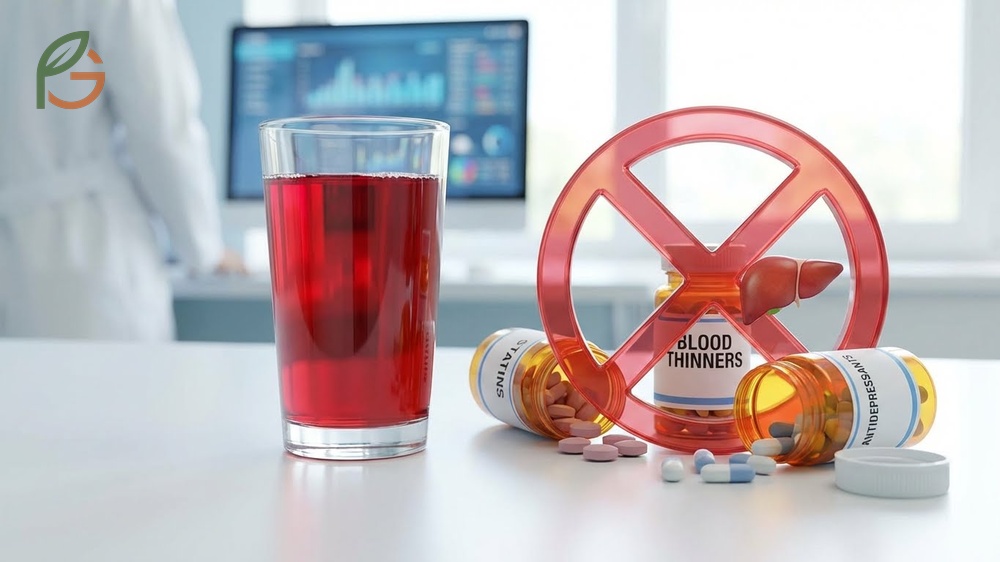
Research identifies several situations where pomegranate juice consumption requires caution or complete avoidance. Studies show that the juice can interact with common medications including statins, blood thinners, and certain antidepressants by inhibiting liver enzymes that metabolize drugs[12][11]. Current data indicates that these interactions can cause unhealthy drug levels to build up in your bloodstream, creating serious health risks.
Evidence suggests that people with GERD, acid reflux, or gastritis should limit or avoid pomegranate juice entirely. The juice’s high acidity (similar to grapefruit juice) can aggravate digestive conditions and cause heartburn, chest pain, or stomach discomfort[8]. Most people with these conditions find that even small amounts trigger symptoms, making pomegranate juice a poor choice regardless of timing.
Studies demonstrate that individuals with kidney disease need to monitor potassium intake carefully, as pomegranate juice contains 214 mg of potassium per 100 grams[6]. Research shows that excessive potassium can be dangerous for people with impaired kidney function, potentially leading to hyperkalemia. Current guidance recommends that anyone with chronic kidney disease consult their nephrologist before adding pomegranate juice to their diet.
Allergic reactions to pomegranate juice, while rare, can be severe. Evidence indicates symptoms range from mild mouth itching to life-threatening anaphylaxis, including difficulty breathing, facial swelling, and blood pressure drops[8]. What often gets overlooked is that people allergic to birch pollen may cross-react with pomegranate due to similar protein structures, even if they’ve never had pomegranate before.
- Taking warfarin or other blood thinners—can cause dangerous INR fluctuations[13]
- Using ACE inhibitors for blood pressure—may cause excessive pressure drops
- Taking statin medications like atorvastatin or simvastatin—inhibits drug metabolism
- Diagnosed with chronic kidney disease—high potassium content poses risks
- Experiencing GERD or acid reflux—acidity worsens symptoms
- Planning surgery within 2 weeks—may interfere with blood clotting
- Pregnant or breastfeeding—insufficient safety data for concentrated amounts
Medication Warning: If your medication carries a grapefruit juice warning, apply the same caution to pomegranate juice. Research shows both inhibit CYP3A4 enzymes that metabolize many drugs[12]. Always separate medication and juice consumption by at least 4 hours if your doctor approves combined use.
Conclusion
The evidence is clear: best time to drink pomegranate juice is early morning on an empty stomach, 30 minutes before breakfast, when your body maximizes nutrient absorption and converts natural sugars into sustained energy. Research demonstrates that consuming 4-8 ounces daily at this optimal time delivers blood pressure benefits, enhanced workout recovery, and antioxidant protection without disrupting sleep or causing digestive issues[1][9]. Current guidance emphasizes that consistency matters more than perfect timing—daily intake over 8 weeks builds cumulative cardiovascular benefits that plateau around 2 months.
Agricultural research and clinical studies show that pomegranate juice timing should align with your health goals and daily routine. FruitGarden synthesizes current scientific evidence emphasizing morning consumption for energy, pre-workout timing for performance, and post-workout intake for recovery—while always avoiding evening consumption that disrupts sleep. Always consult your healthcare provider before adding pomegranate juice to your routine if you take prescription medications, particularly blood thinners, ACE inhibitors, or statins.
Medical Disclaimer
Important Medical Disclaimer: This content is for informational and educational purposes only. It is not intended as a substitute for professional medical advice, diagnosis, or treatment. Always consult a qualified healthcare professional before making any changes to your diet, medication, or health routine, especially if you have diabetes, kidney disease, cardiovascular conditions, or take prescription medications. Pomegranate juice can interact with numerous drugs, including blood thinners, blood pressure medications, and statins. Never stop or modify prescribed medications without your doctor’s supervision.
Frequently Asked Questions
What is the best time of day to drink pomegranate juice?
Research shows that early morning, approximately 30 minutes before breakfast, is the optimal time to drink pomegranate juice. Studies demonstrate that consuming 4-8 ounces on an empty stomach maximizes nutrient absorption, provides sustained energy throughout the morning, and supports digestive function[1]. This timing aligns with your body’s natural cortisol rhythm and metabolic patterns.
Can I drink pomegranate juice at night before bed?
Current data indicates that drinking pomegranate juice at night is not recommended. Studies show that evening consumption can disrupt melatonin levels and interfere with sleep quality, while the natural sugars provide unwanted energy when you’re trying to wind down[5][4]. Evidence suggests stopping juice consumption at least 3-4 hours before bedtime to protect sleep quality.
How much pomegranate juice should I drink per day?
Research establishes 4-8 ounces (120-240 ml) as the optimal daily serving for healthy adults. Studies demonstrate that this amount provides sufficient polyphenols and antioxidants while managing natural sugar intake at approximately 134 calories and 32 grams of sugar per 8-ounce serving[1]. Current data indicates that exceeding this amount doesn’t provide proportional benefits and may cause digestive issues.
Should I drink pomegranate juice before or after a workout?
Evidence suggests both timings offer distinct benefits depending on your goals. Research shows that consuming pomegranate juice 30-60 minutes before exercise boosts blood flow and energy, while drinking it 1-2 hours after intense workouts reduces muscle soreness and accelerates recovery[3][4]. Post-workout timing is particularly valuable after vigorous exercise or weightlifting sessions.
Does pomegranate juice interact with medications?
Studies demonstrate that pomegranate juice can interact with numerous medications including blood thinners like warfarin, ACE inhibitors for blood pressure, statins for cholesterol, and certain antidepressants. Research shows the juice inhibits liver enzymes that metabolize these drugs, potentially causing unhealthy medication levels to build up in your bloodstream[12][11]. Always consult your healthcare provider before regularly drinking pomegranate juice if you take prescription medications.
Can pomegranate juice help lower blood pressure?
Research across 14 clinical trials involving 573 participants shows that daily pomegranate juice consumption reduces systolic blood pressure by 5.02 mmHg and diastolic pressure by 2.01 mmHg. Studies demonstrate that consuming 300 ml or less daily for at least 2 months produces the strongest benefits, with effects plateauing after approximately 8 weeks of consistent intake[2][10]. Current guidance emphasizes that consistency matters more than specific timing for blood pressure management.
Who should avoid drinking pomegranate juice?
Evidence indicates that people taking blood thinners, ACE inhibitors, or statins should consult their doctor before consuming pomegranate juice regularly. Research shows that individuals with kidney disease, GERD, acid reflux, or pomegranate allergies should also limit or avoid the juice entirely[8]. Current data indicates that people planning surgery within 2 weeks should stop consumption due to potential blood clotting interference. Always seek medical guidance if you have chronic health conditions or take prescription medications.





